Saudi forces intercepted a hostile drone near Mecca, triggering renewed international warnings regarding regional security and the safety of critical Red Sea trade routes.
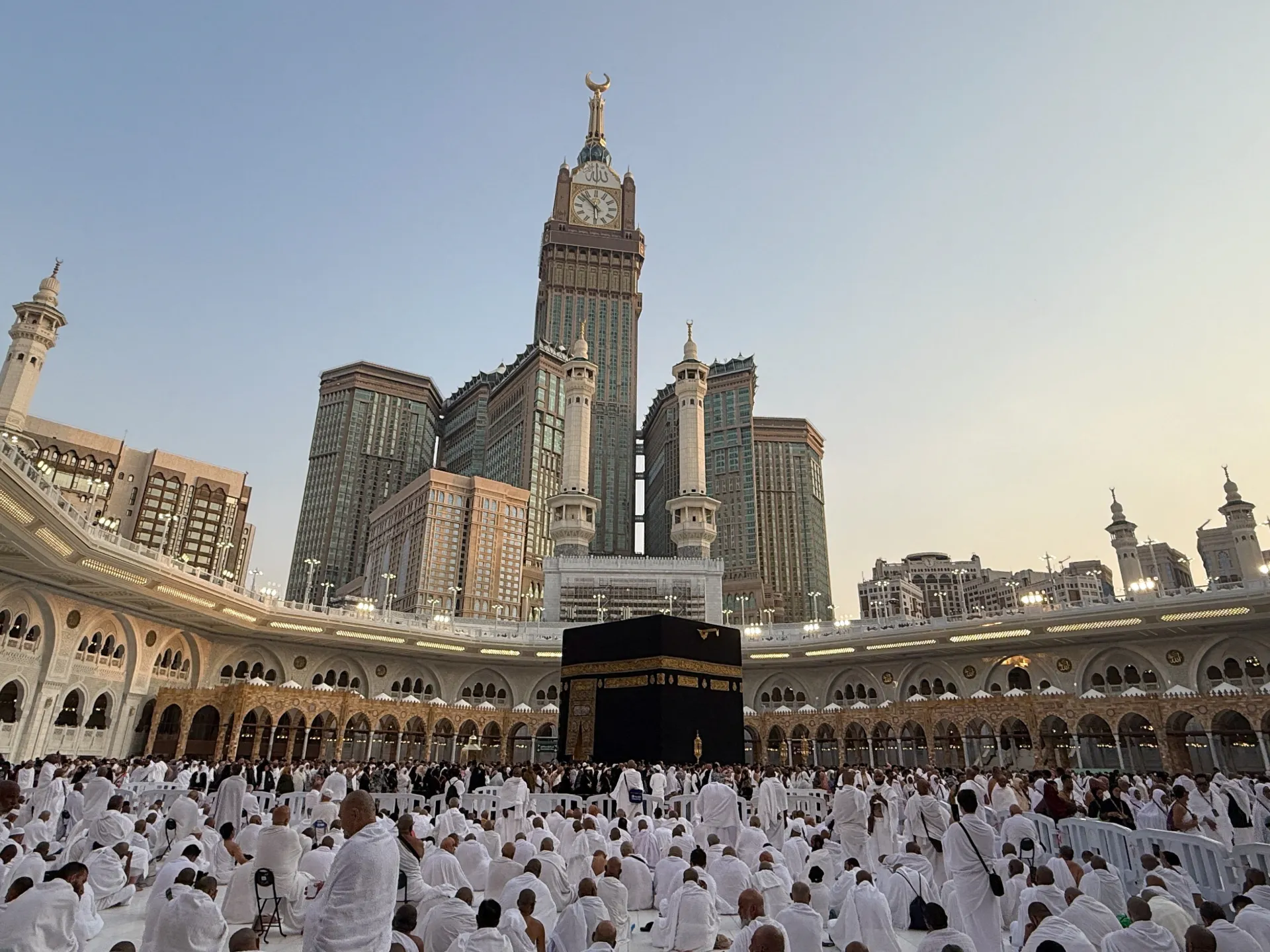
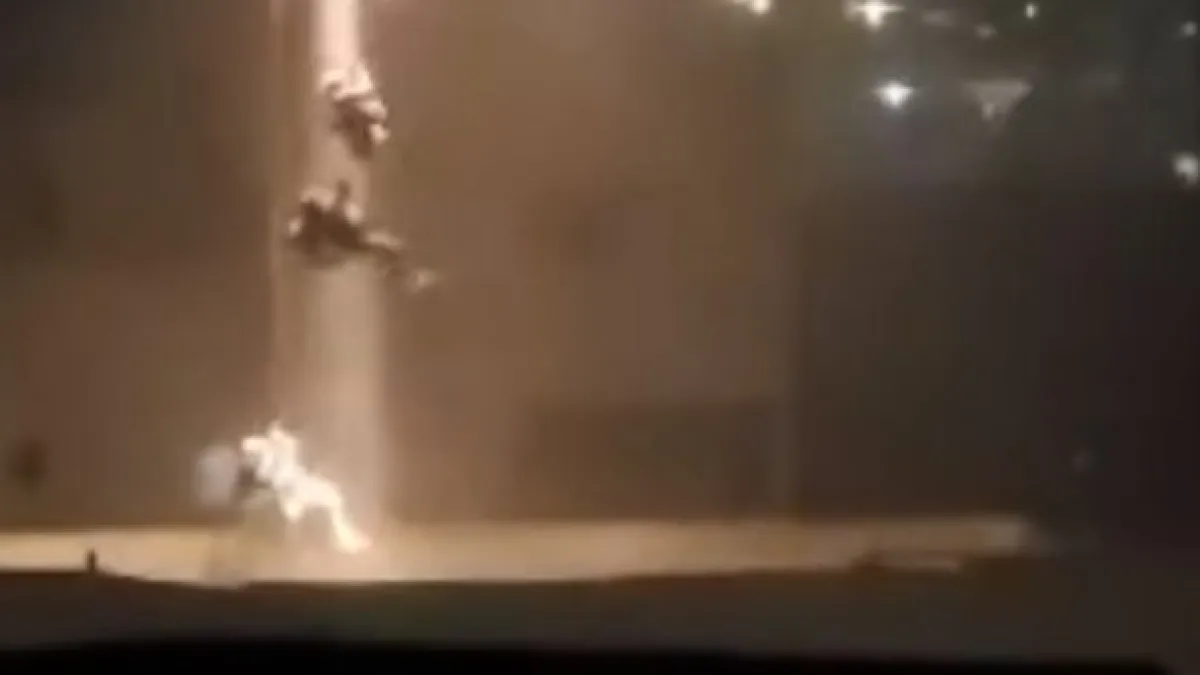
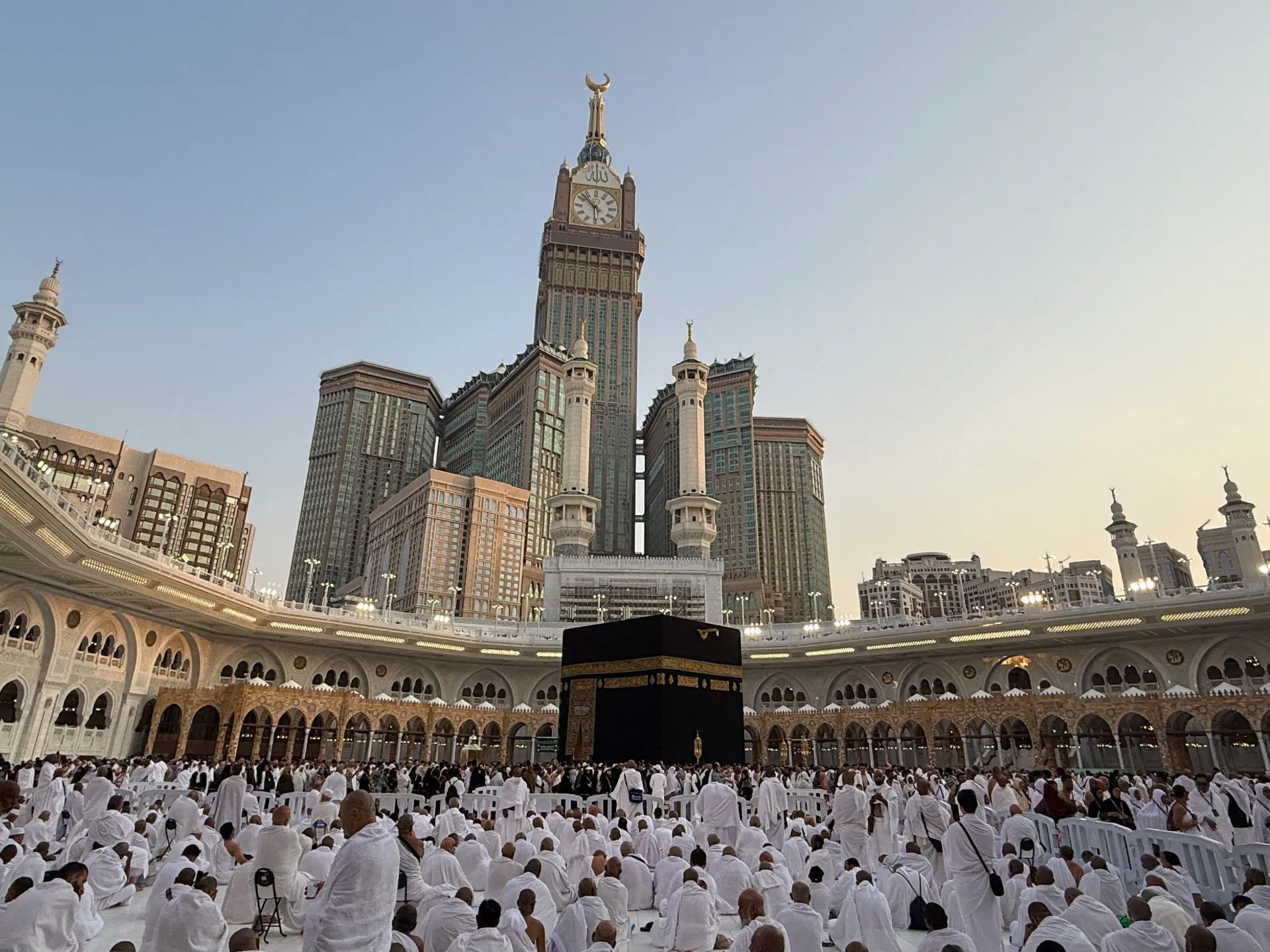
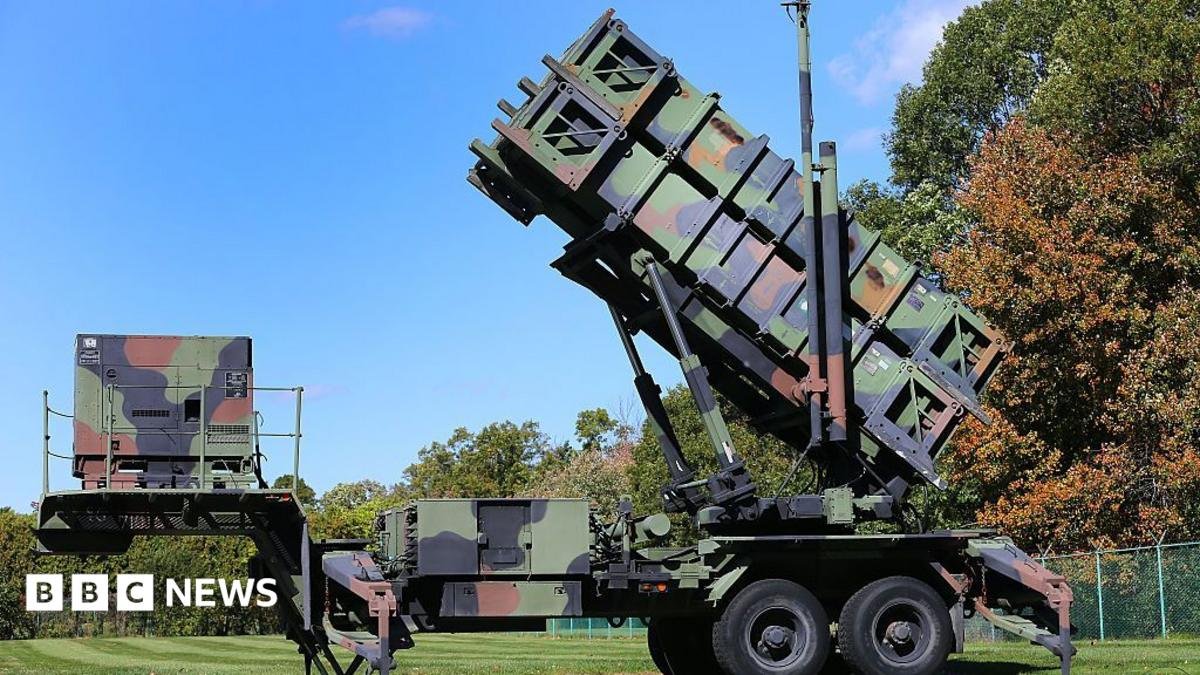
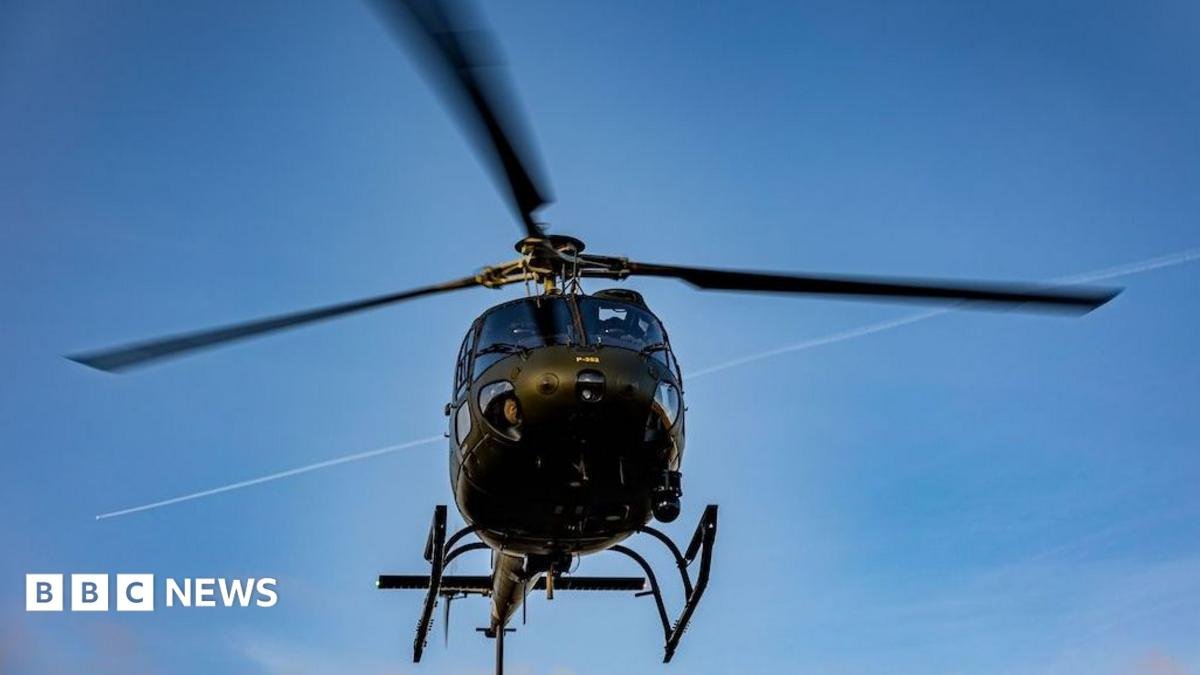
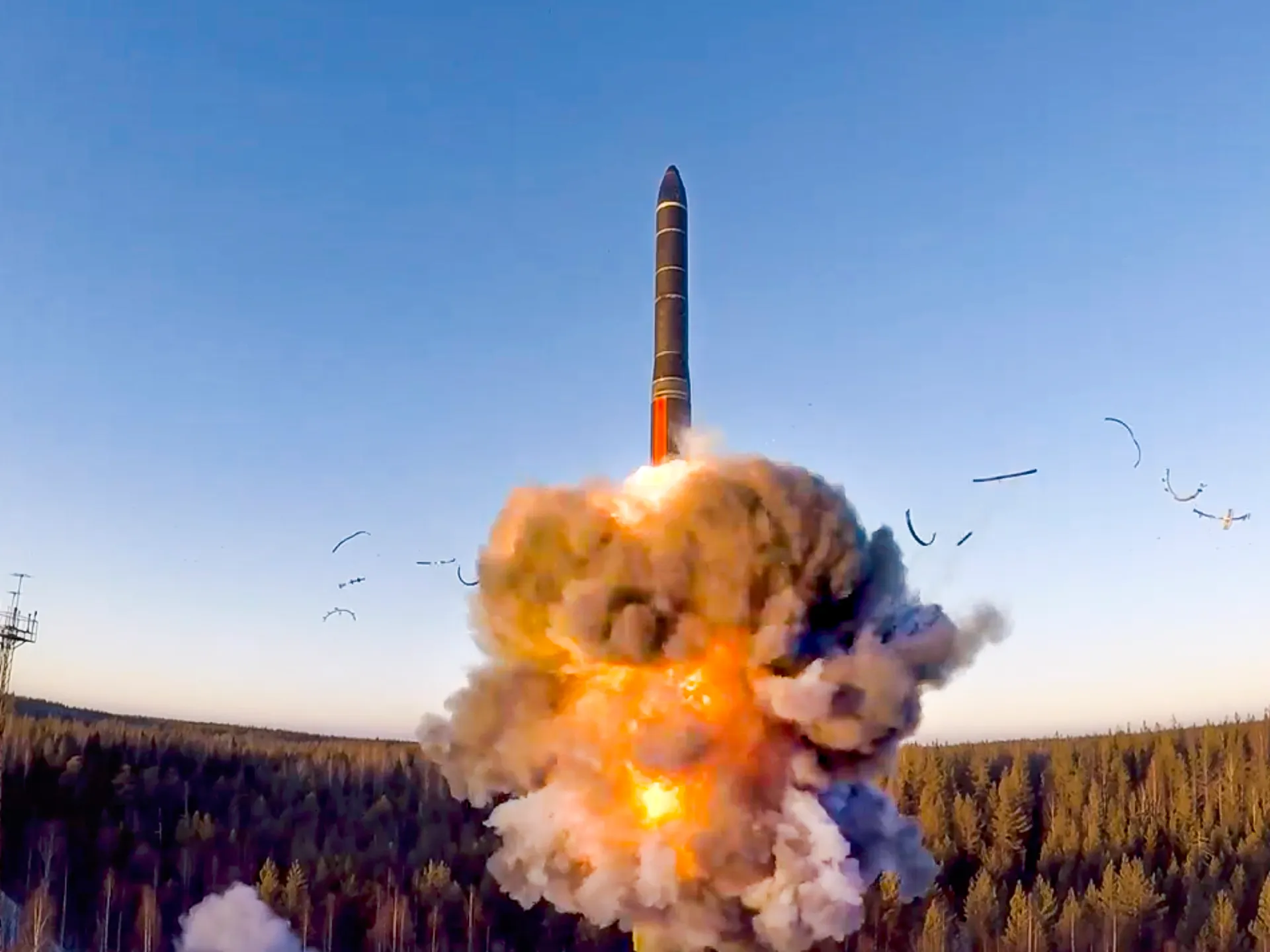
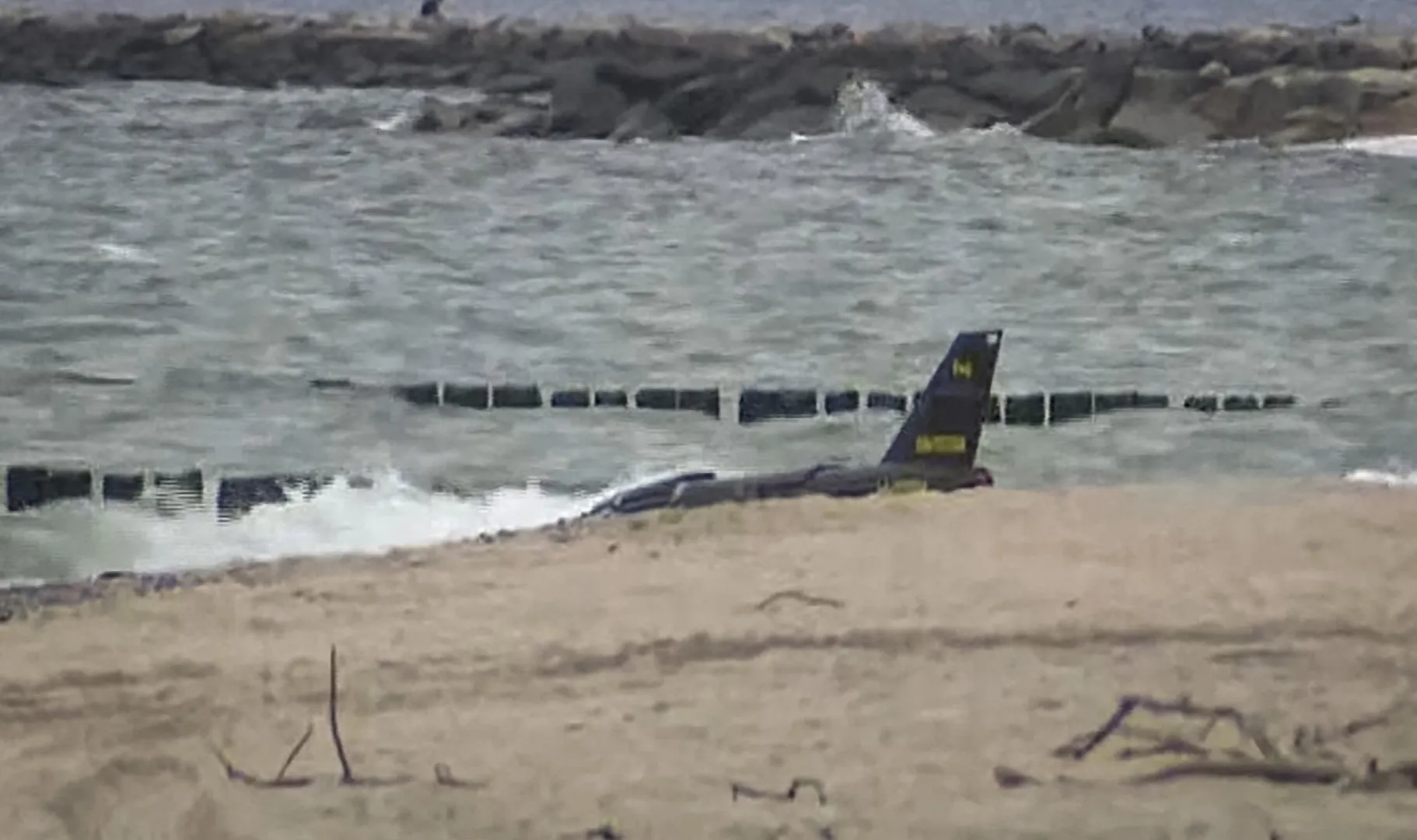
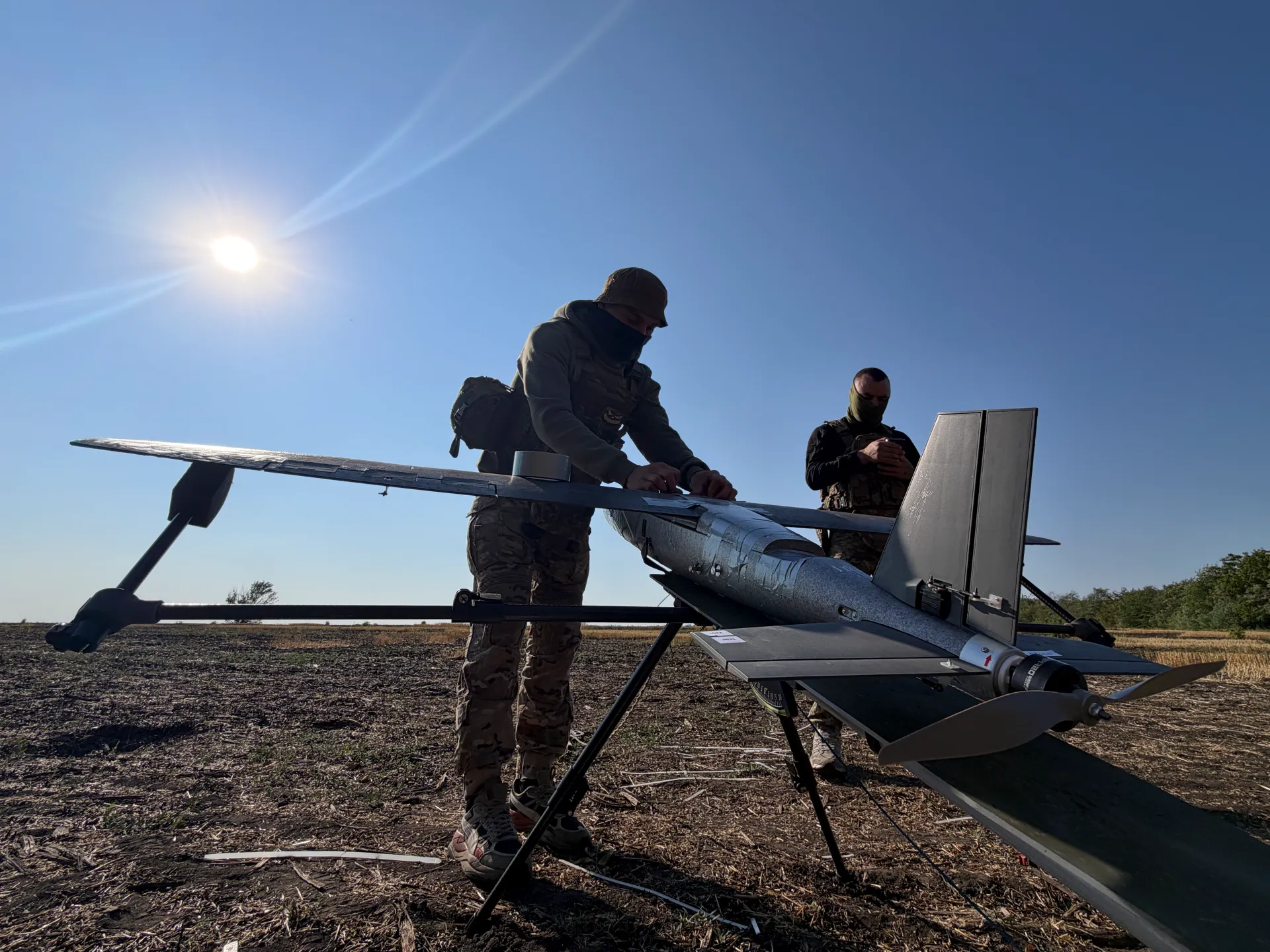
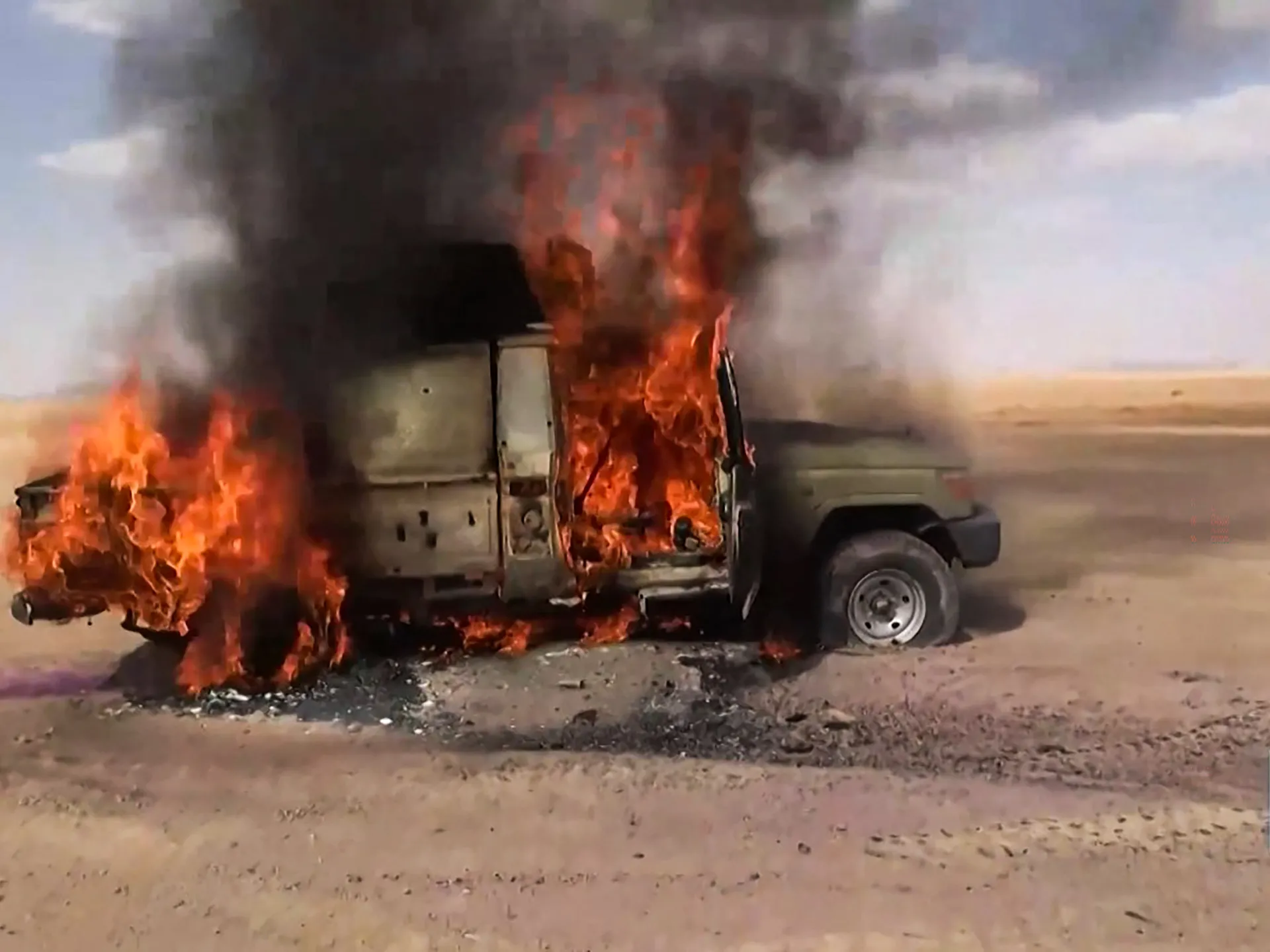
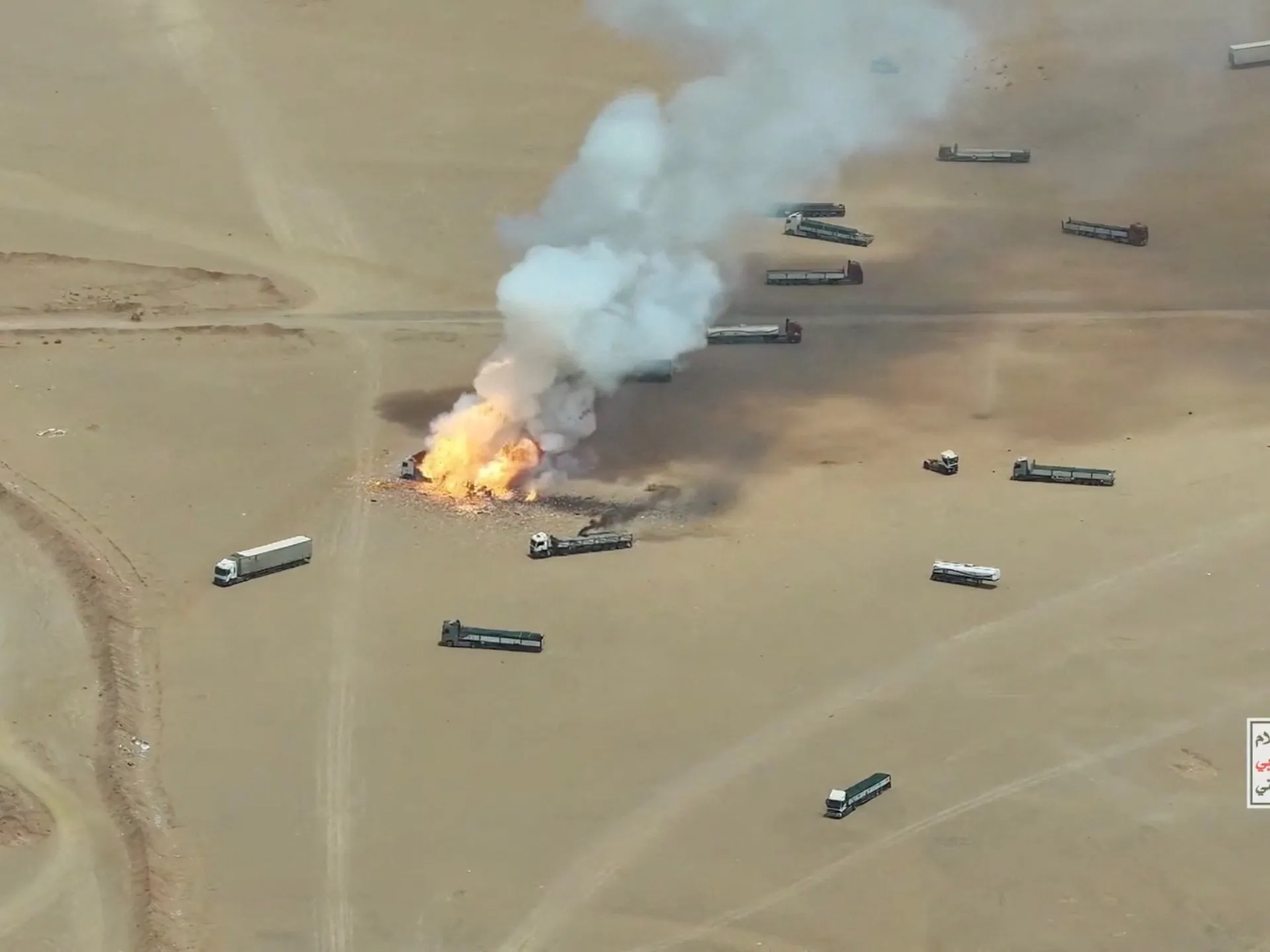
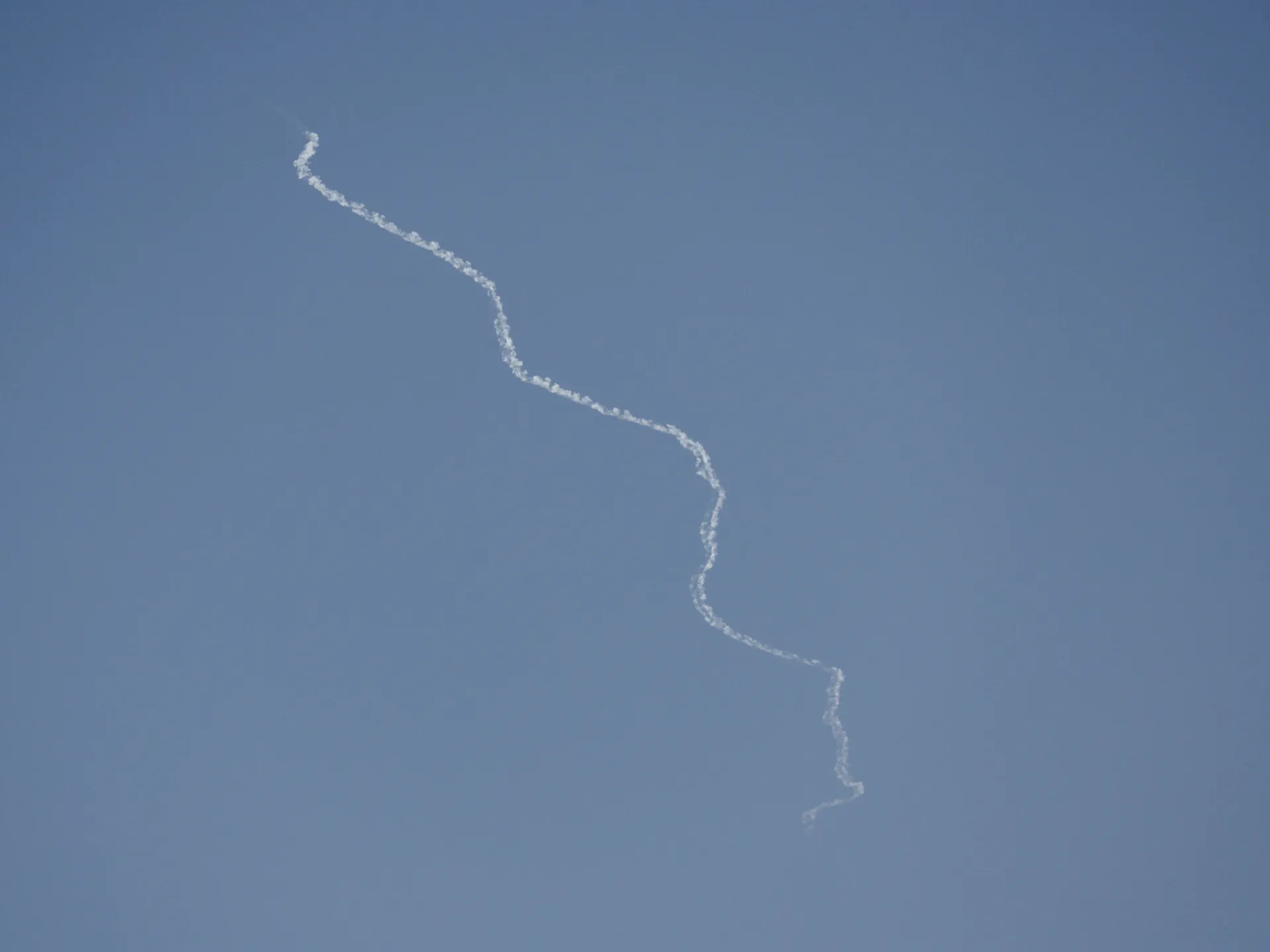
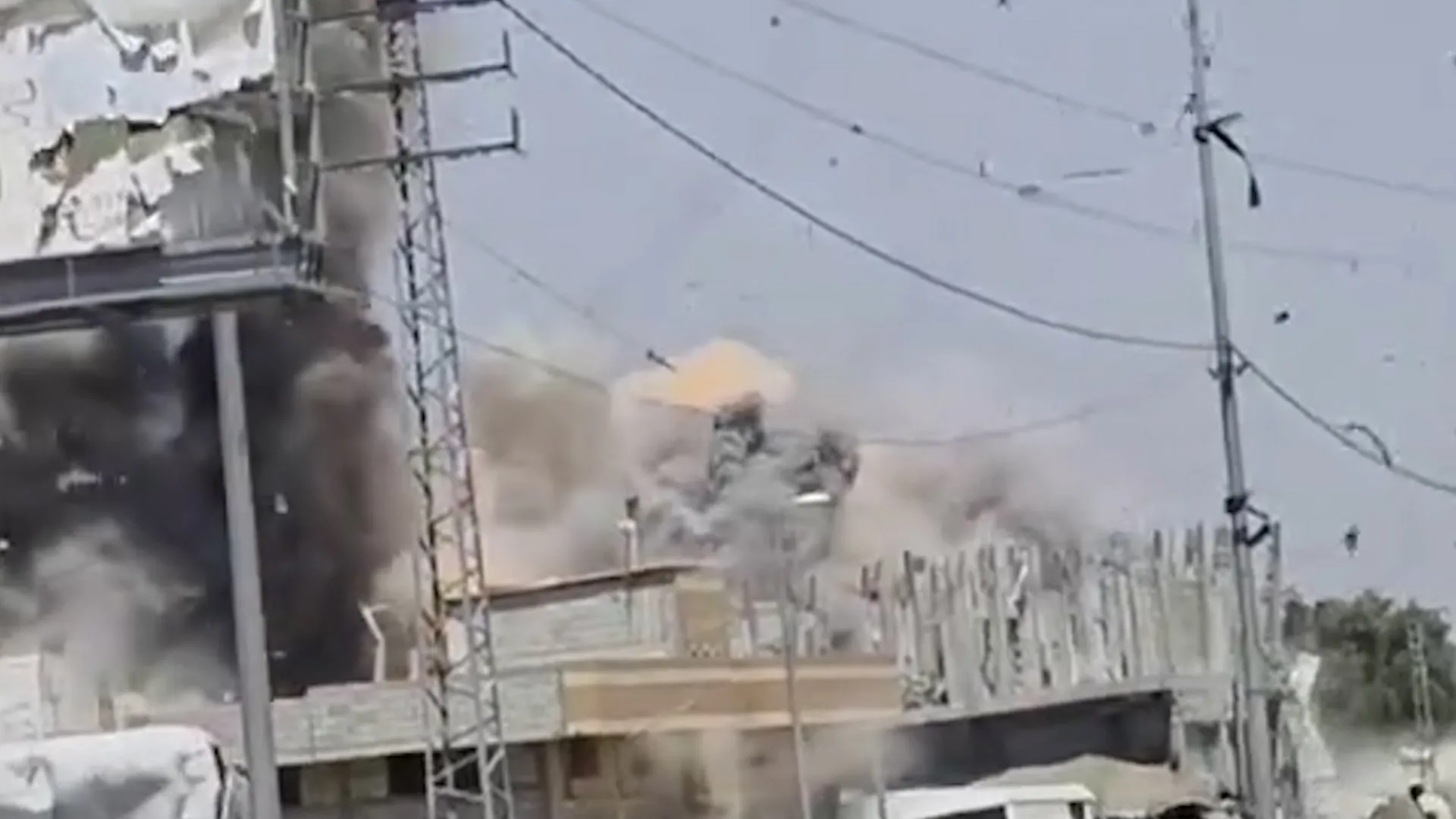
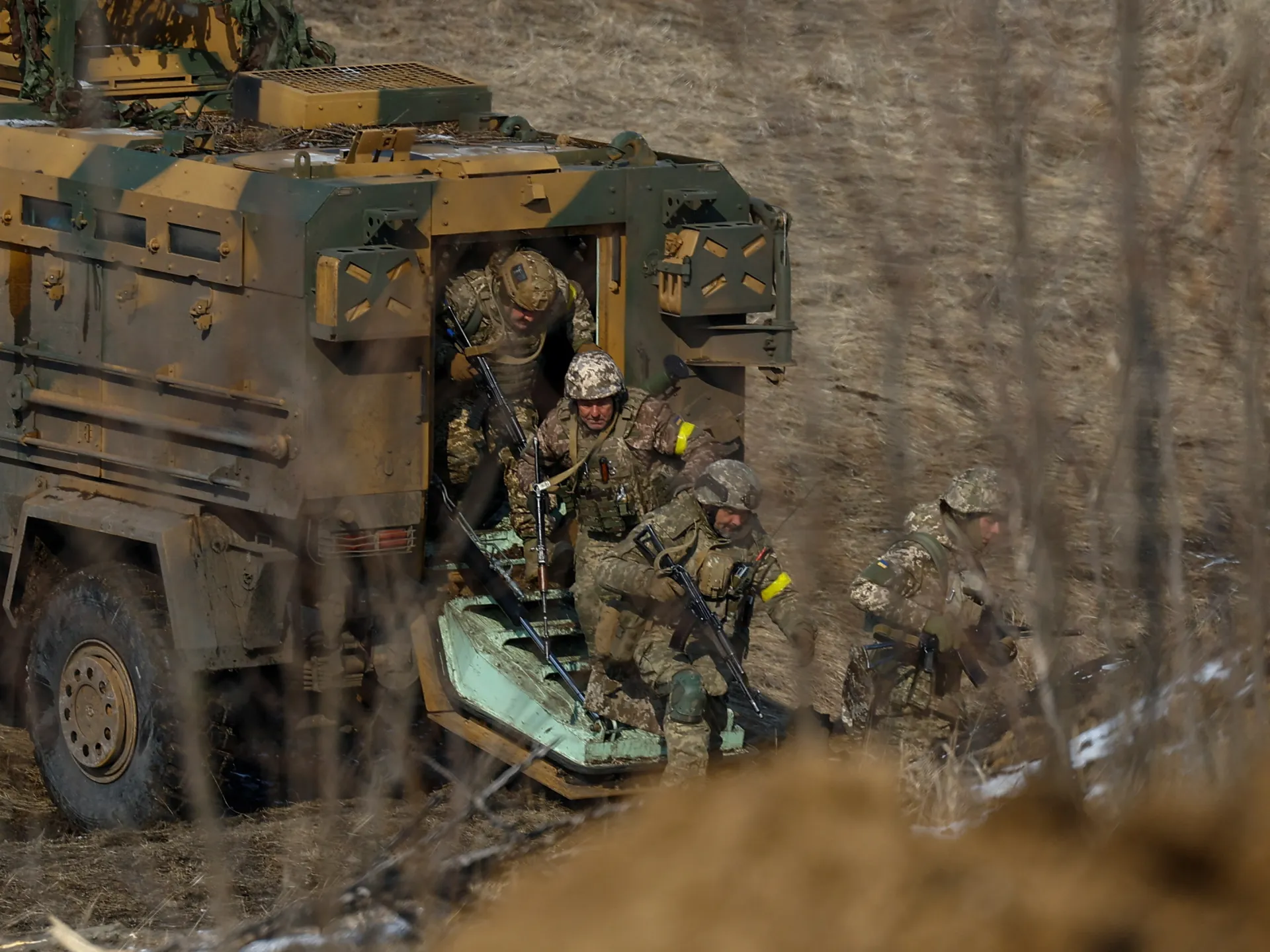
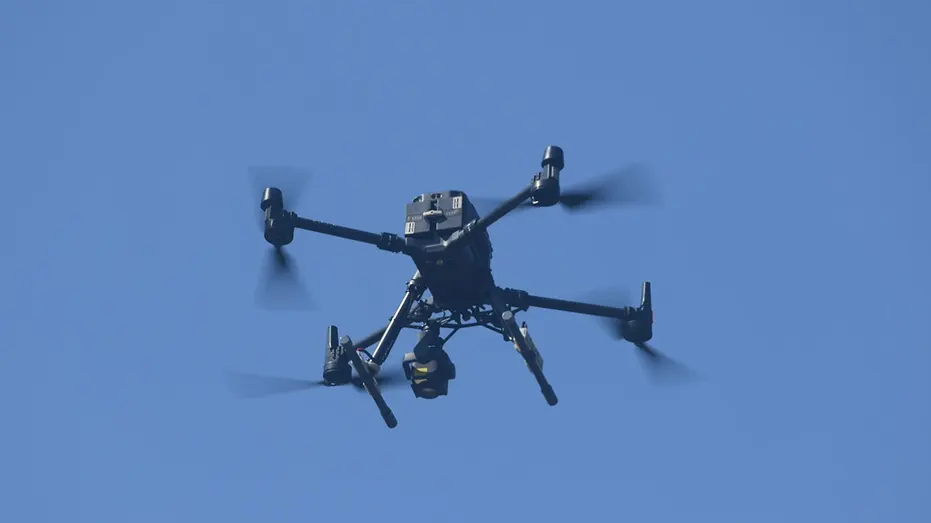
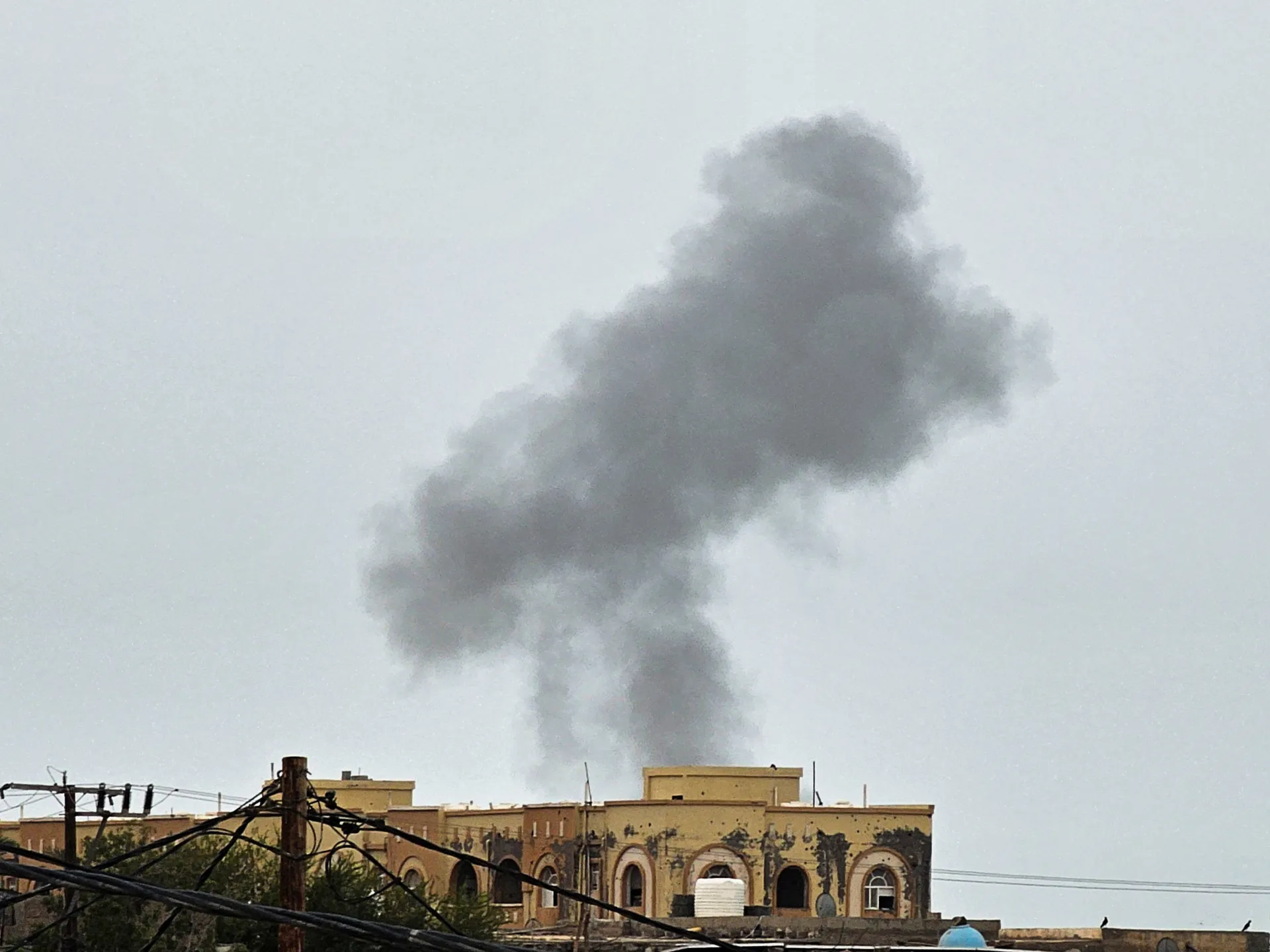
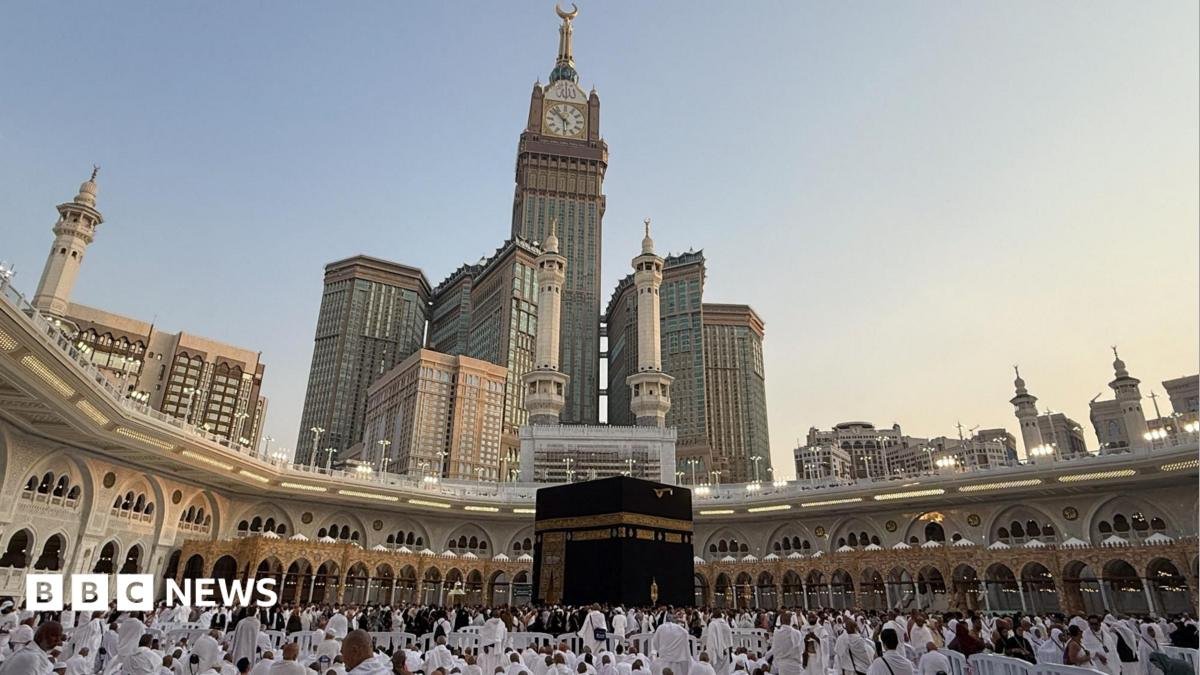
Saudi Arabian defense forces successfully intercepted and destroyed an unmanned aerial vehicle (UAV) in the vicinity of Mecca this past Tuesday. The Saudi-led coalition, which has been engaged in a long-standing conflict against the Houthi movement in Yemen, identified the drone as a hostile incursion aimed at the kingdom’s western region. Major General Turki al-Maliki, the coalition's spokesman, condemned the incident as a provocative act that targeted one of the most sacred locations in the Islamic world.
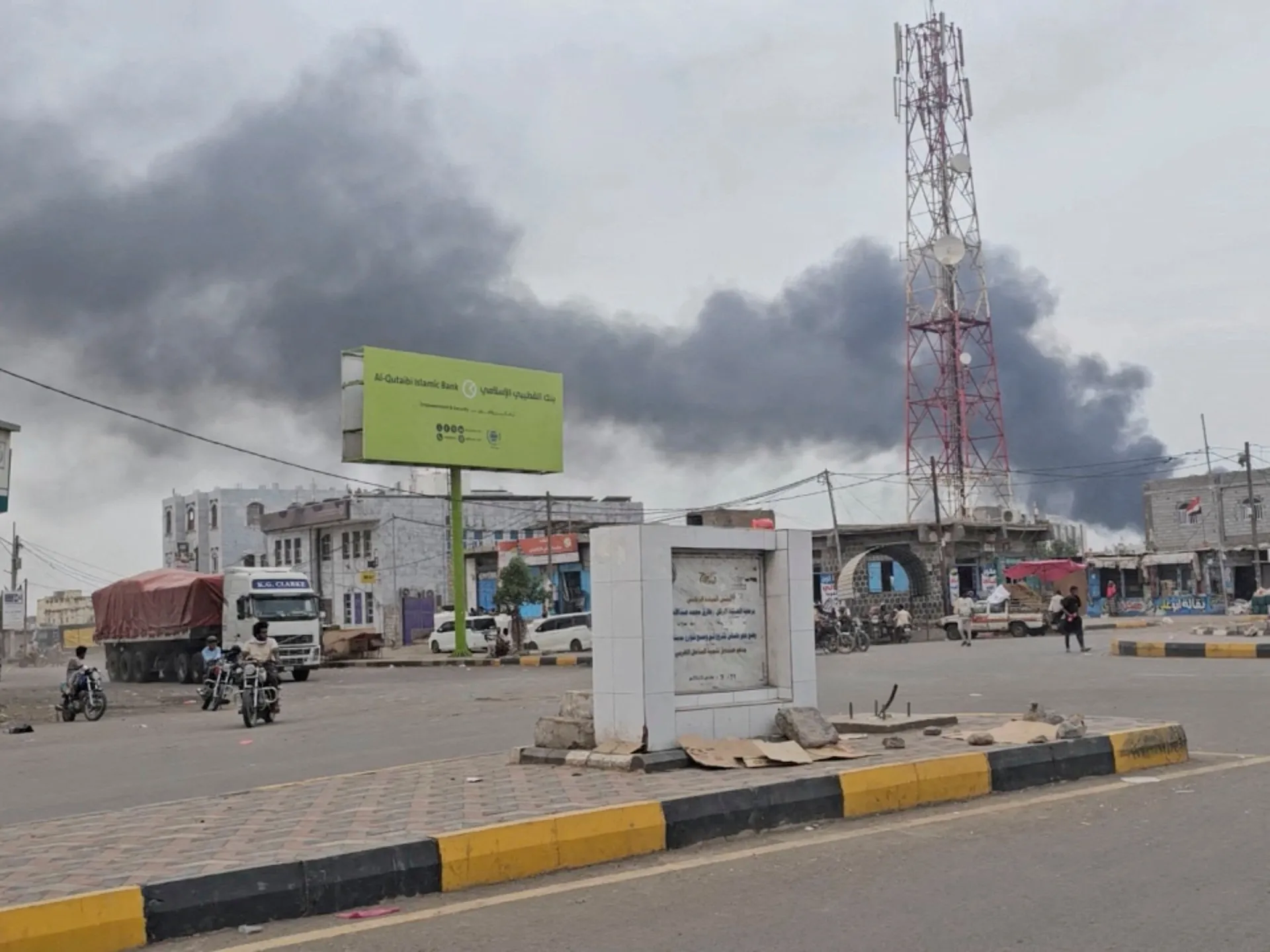
The targeting of Mecca has drawn widespread condemnation from international bodies, including the 57-nation Organisation of Islamic Cooperation. The organization labeled the attempt as an intolerable transgression, highlighting the sensitivity surrounding the city, which serves as the focal point for millions of pilgrims annually. Saudi authorities issued security alerts across western regions, including the major port city of Jeddah, as they monitored incoming aerial activity throughout the evening.
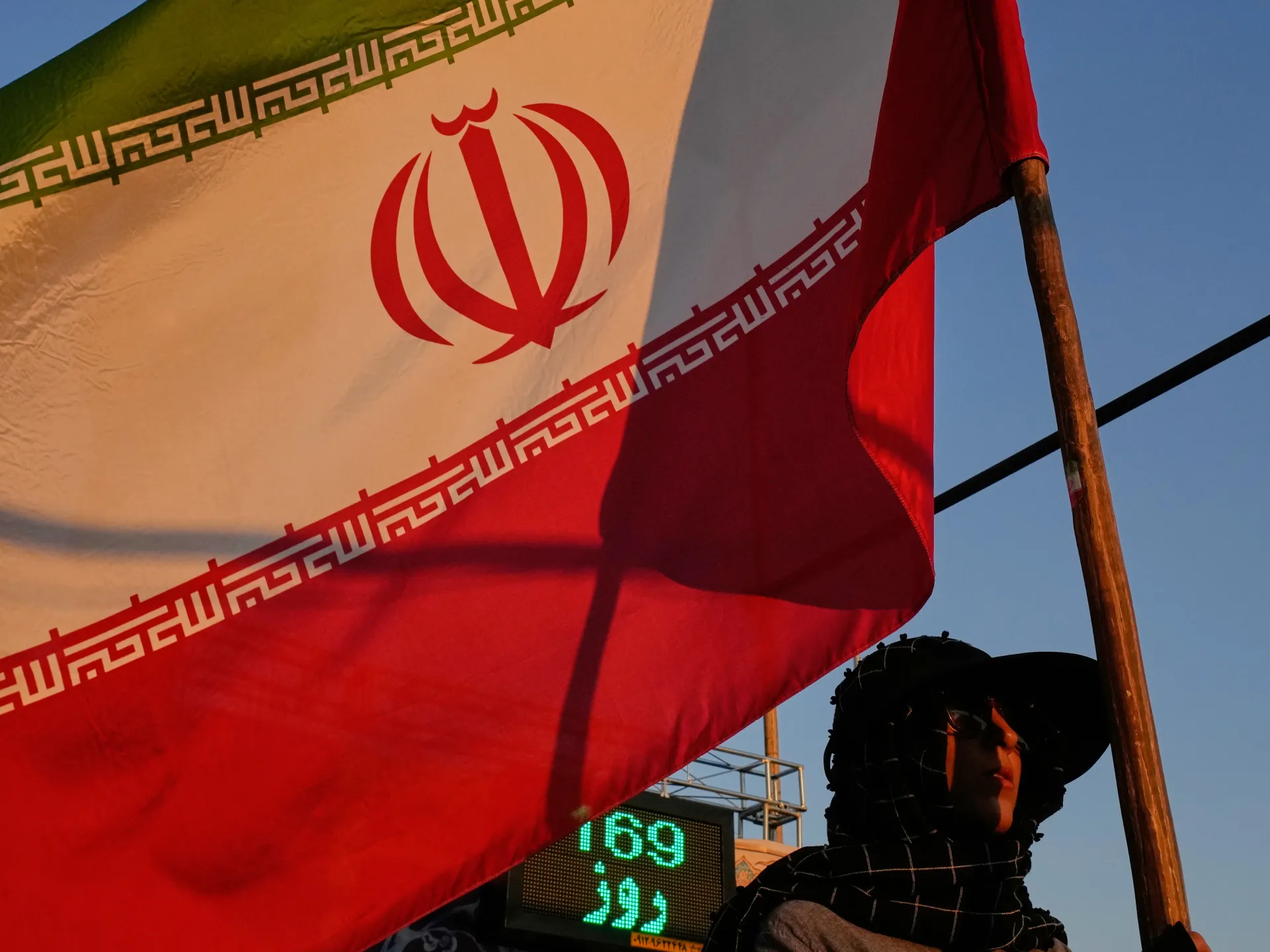
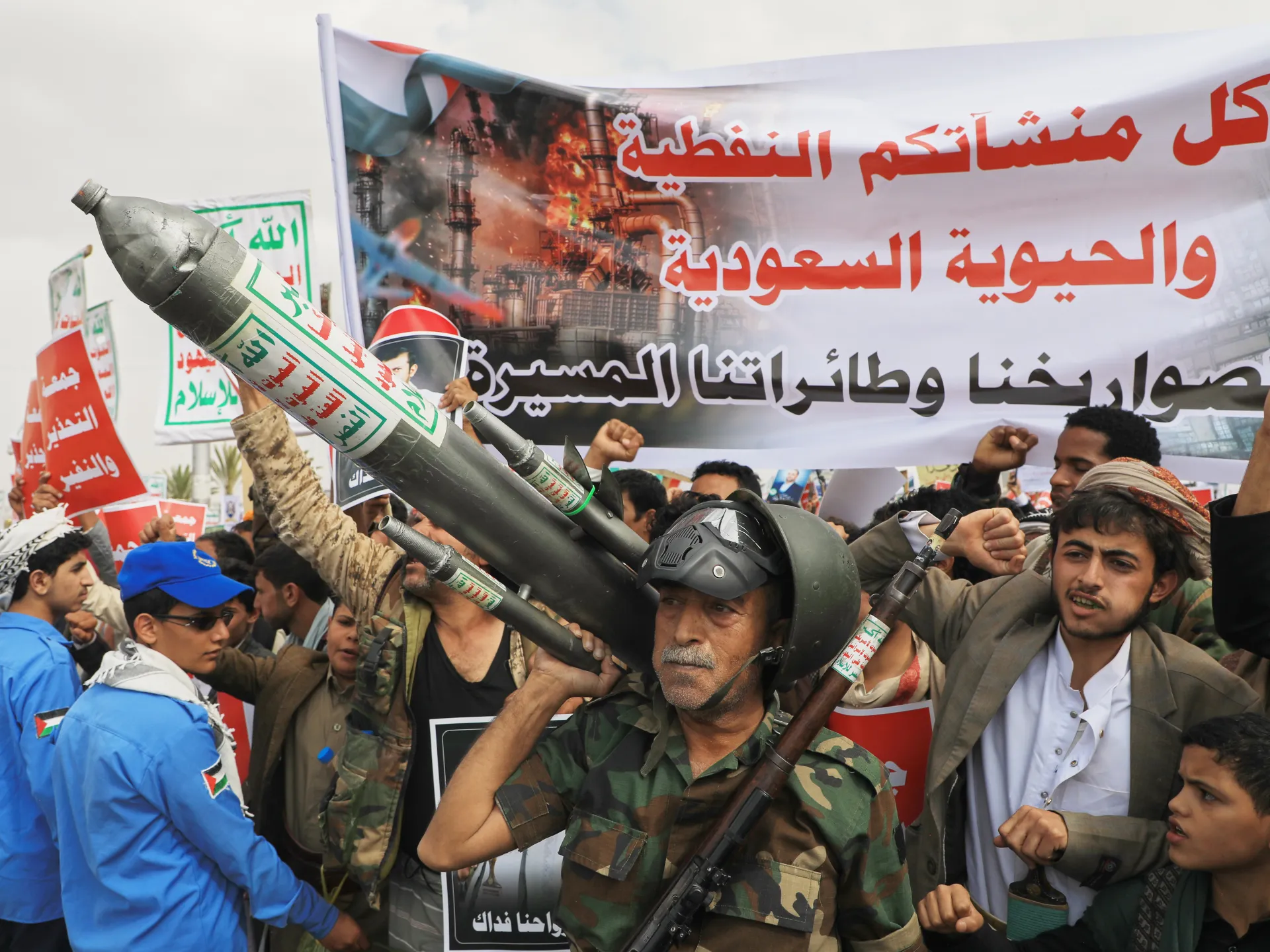
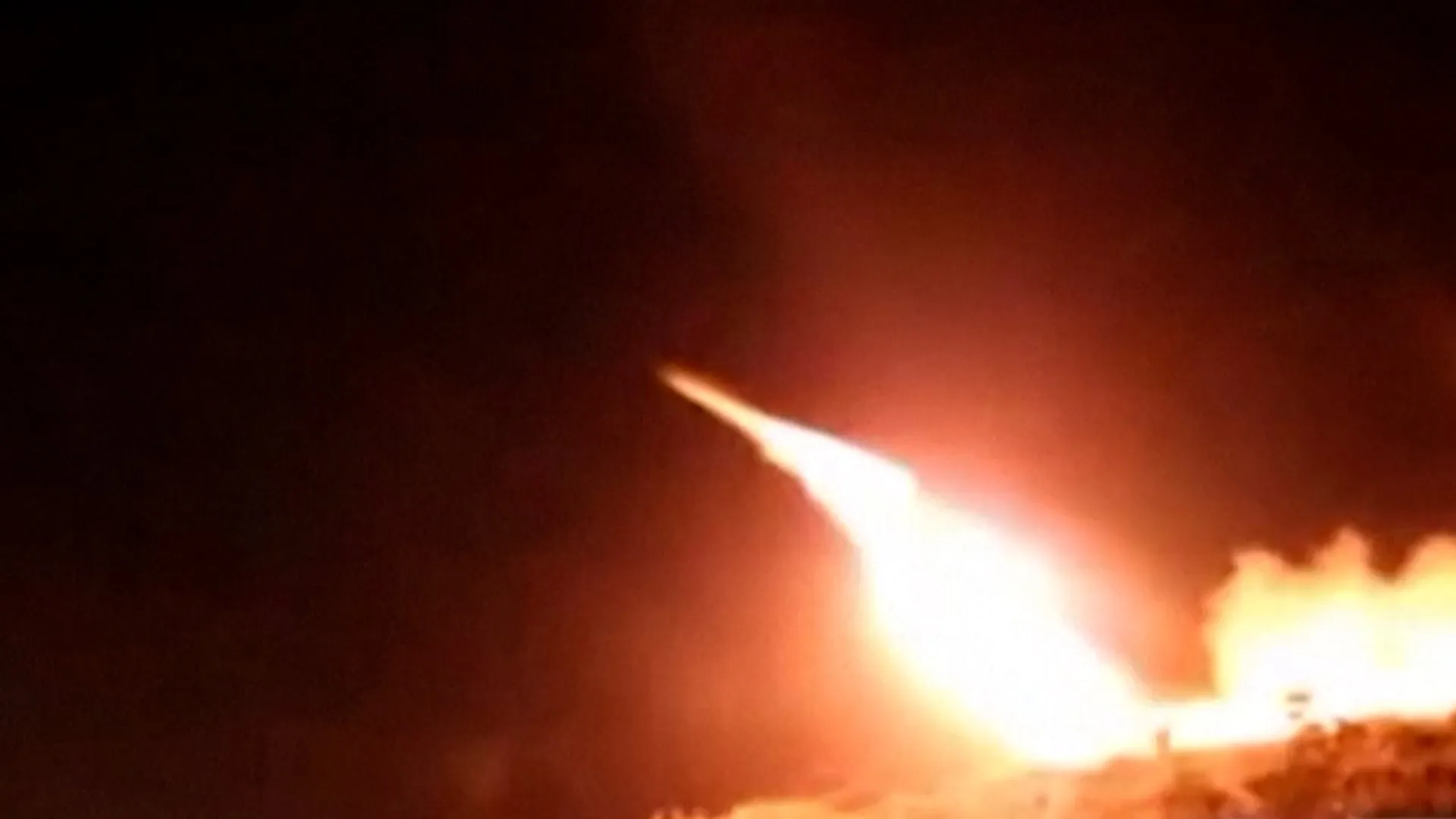
In response to the accusations, the Houthi leadership in Yemen has vehemently denied any intention to target religious sites. Yahya Sarea, the military spokesman for the Iran-backed group, claimed that their operations are strictly focused on military installations and energy infrastructure. The Houthis characterized the Saudi reports as fabrications, asserting that their recent drone and missile launches are direct retaliation for sustained aerial bombardment campaigns conducted
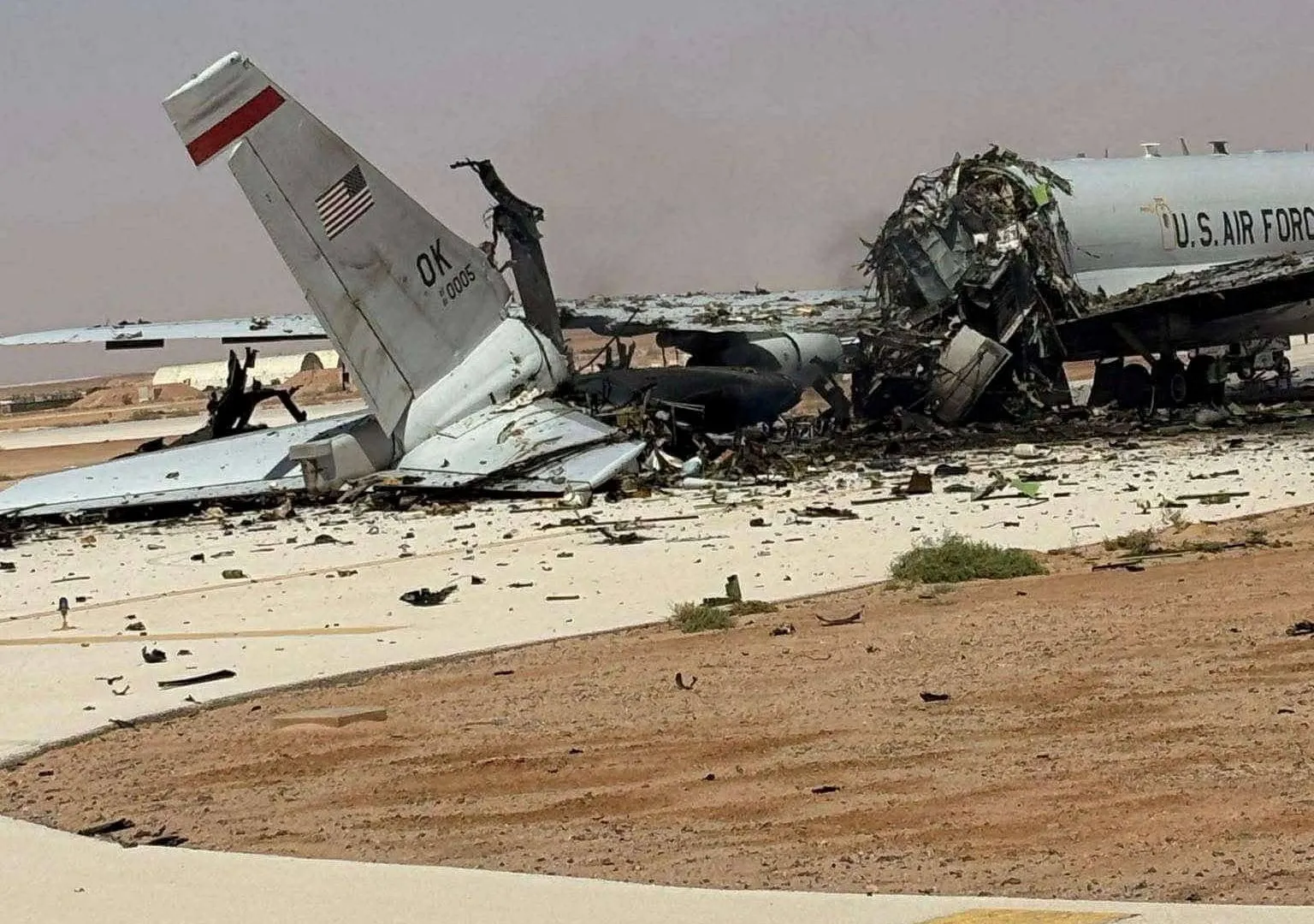
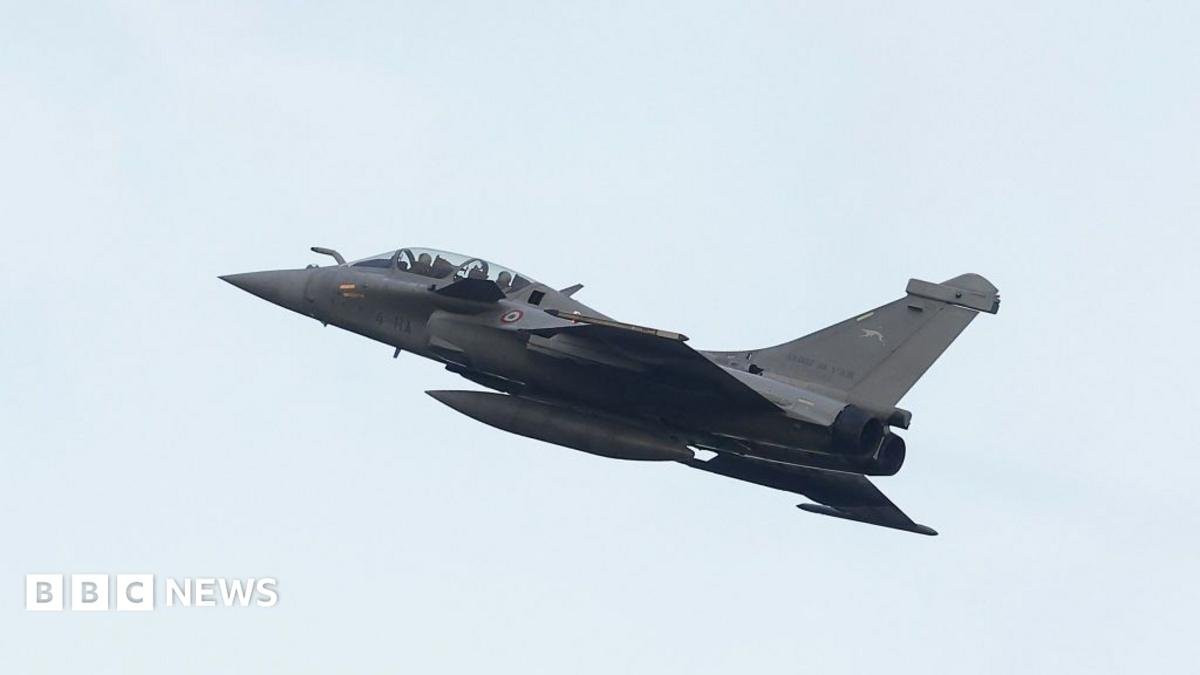
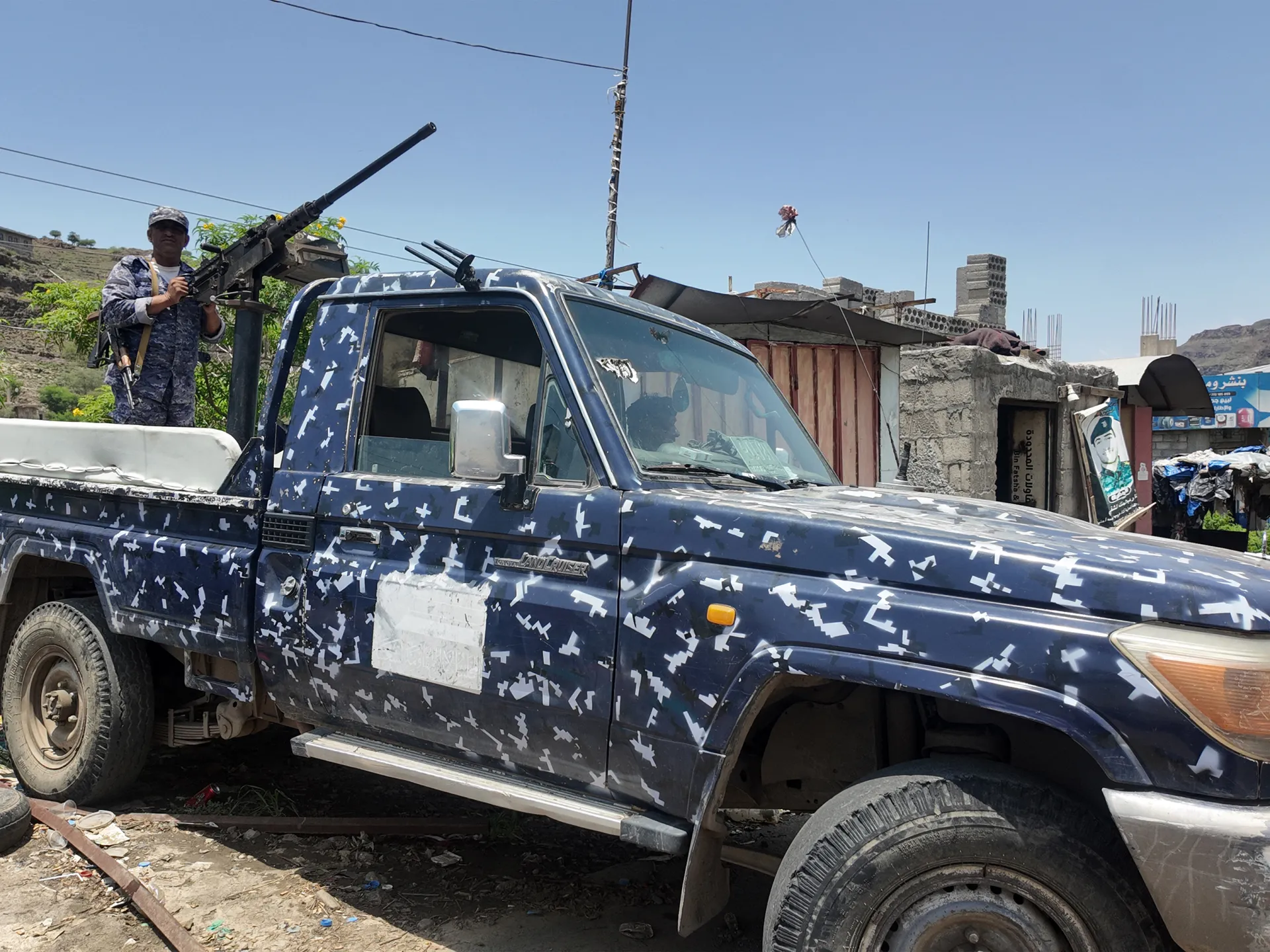
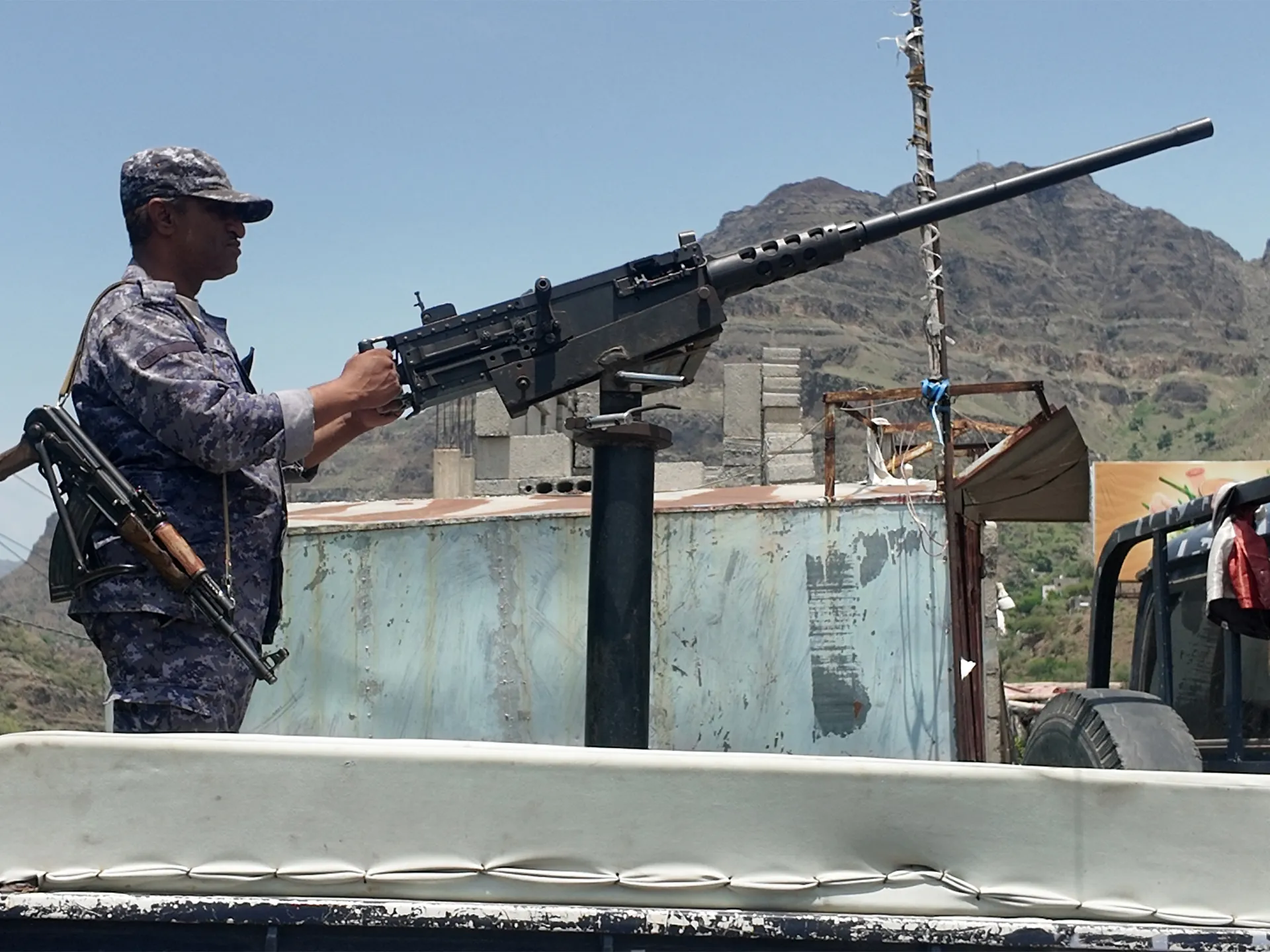
The situation on the ground remains volatile, with both sides reporting tactical successes and setbacks. While the coalition maintains that it is acting to restore the legitimate government of Yemen, the Houthis continue to challenge Saudi defensive perimeters. The exchange of fire has extended beyond the border, affecting critical infrastructure and regional security, with the Houthis claiming to have downed a Saudi fighter jet over Marib province, a development that has yet to be officially addressed
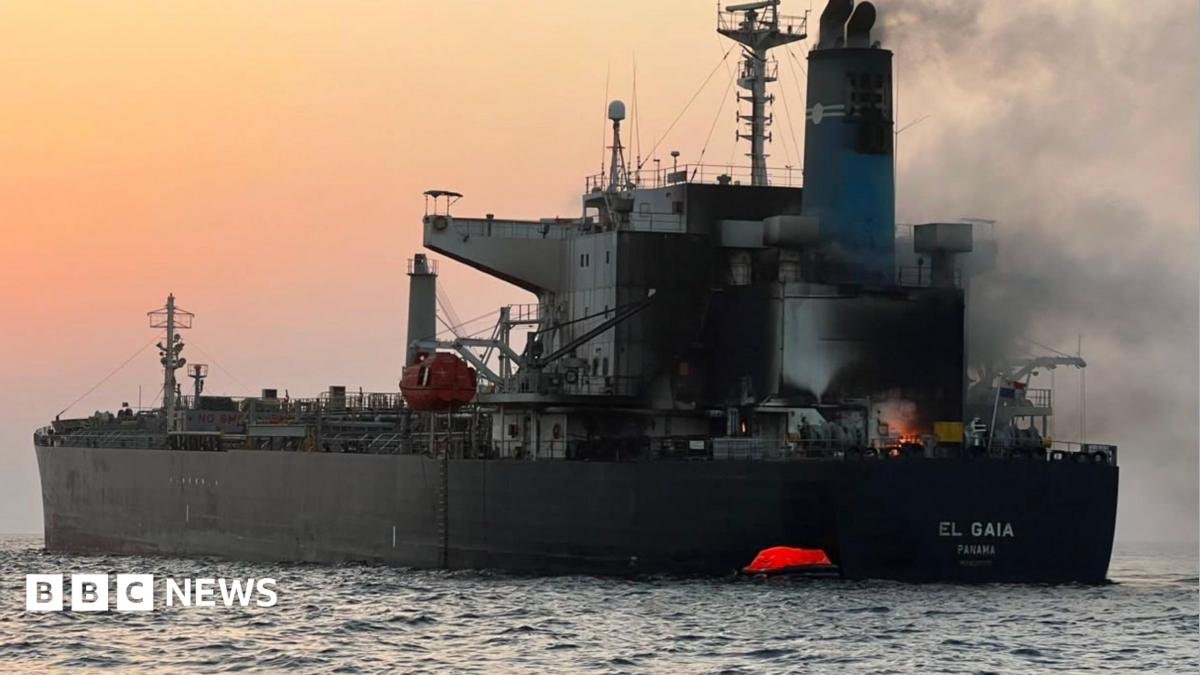
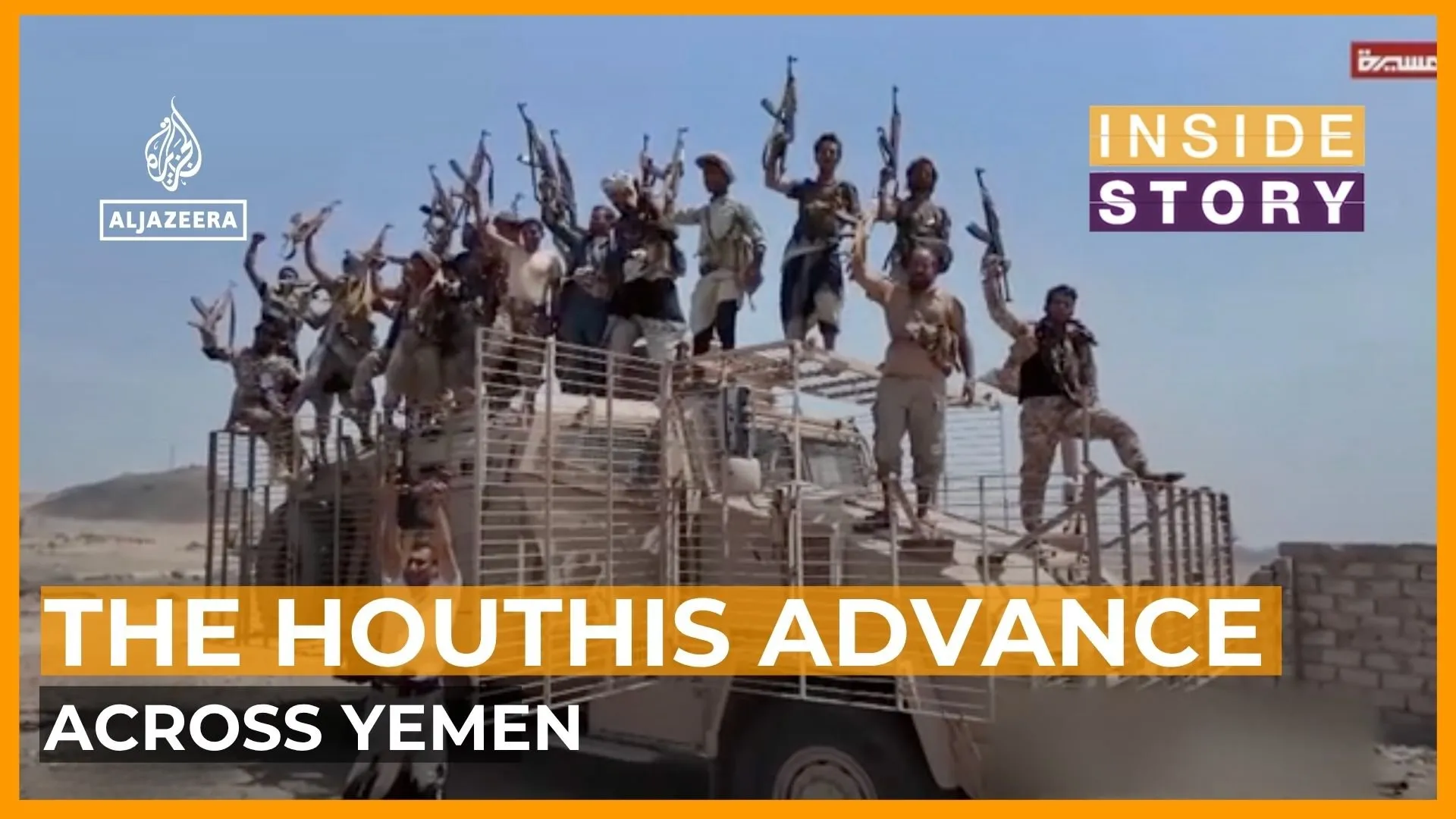
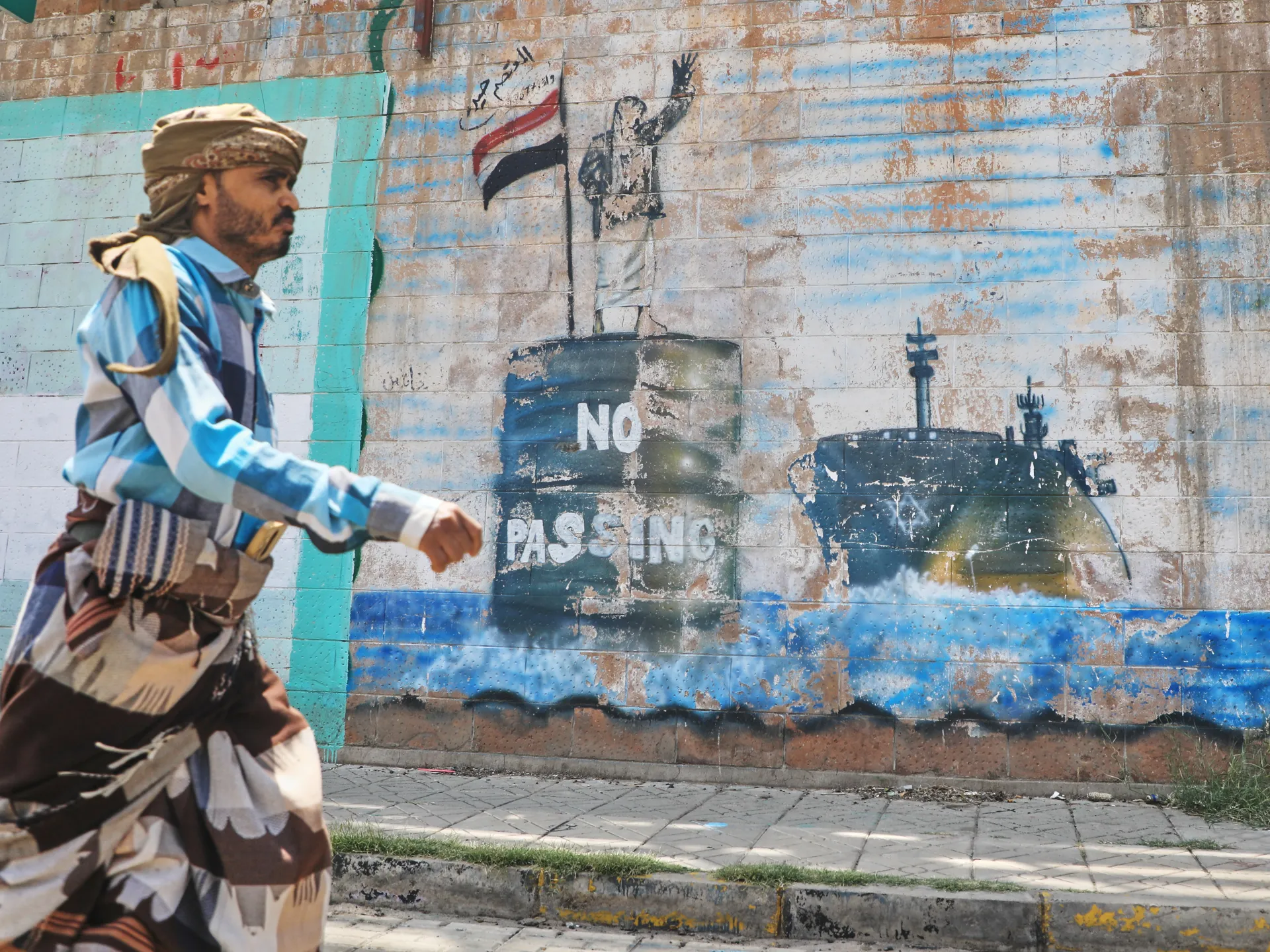
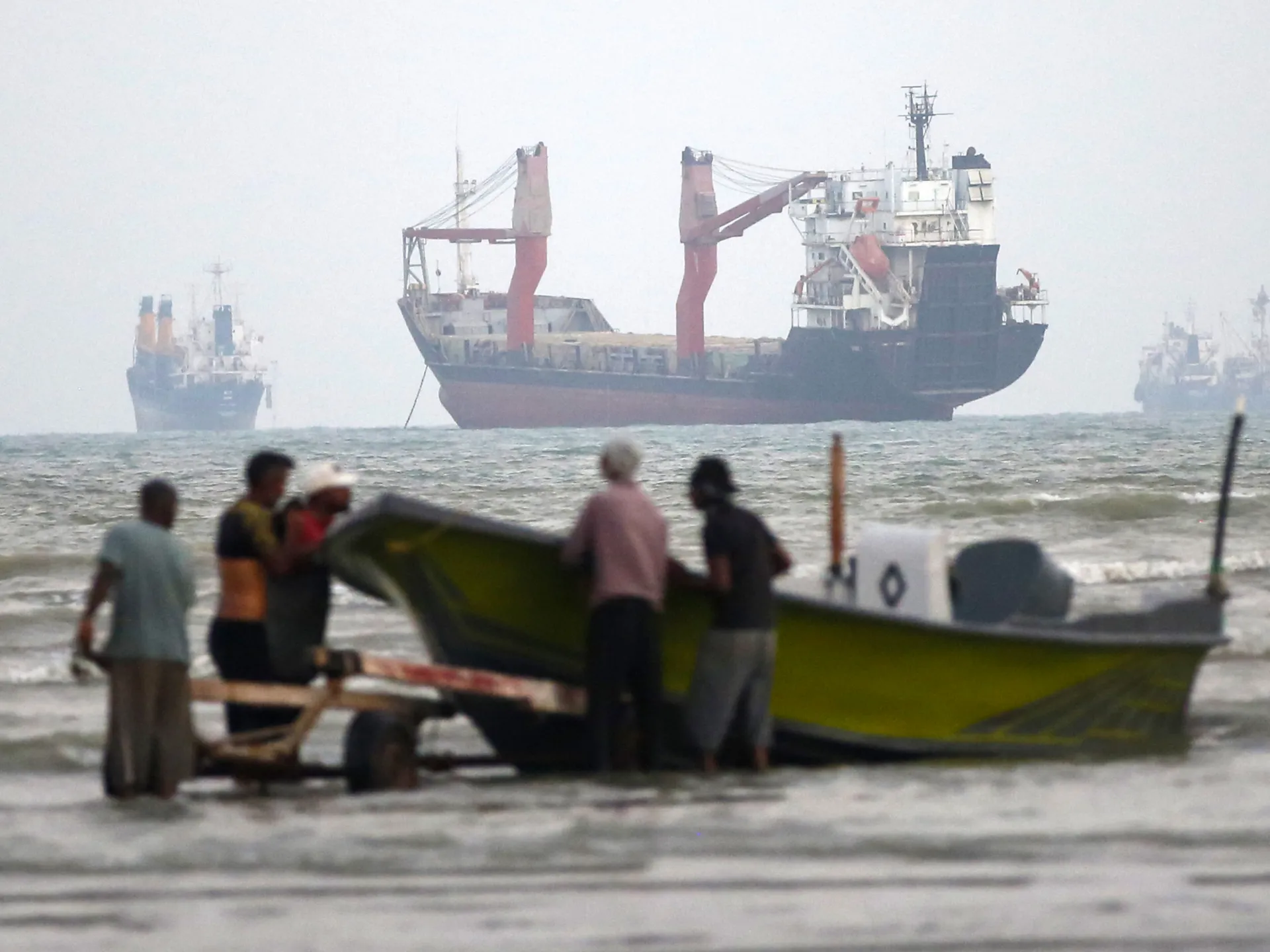
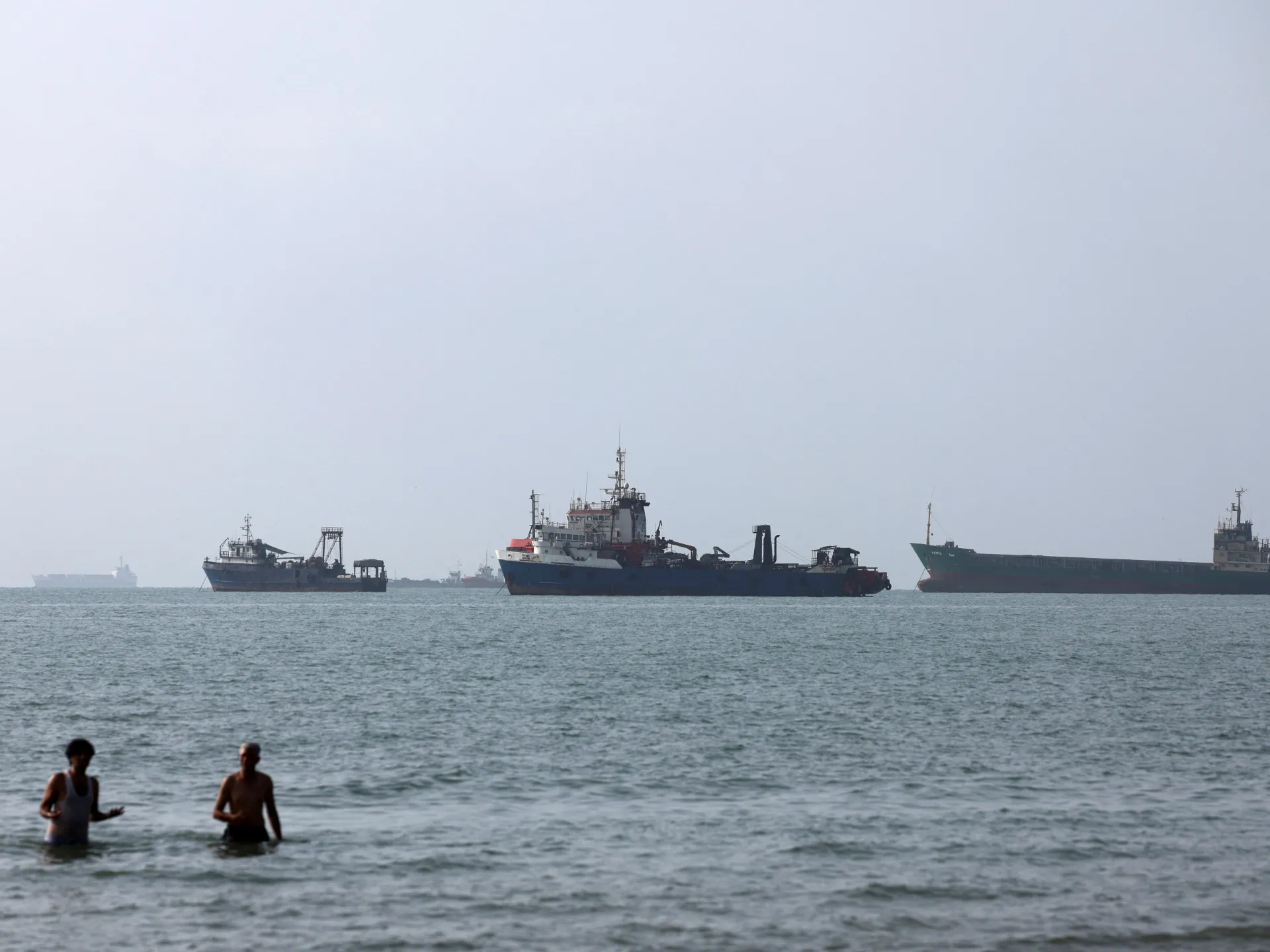
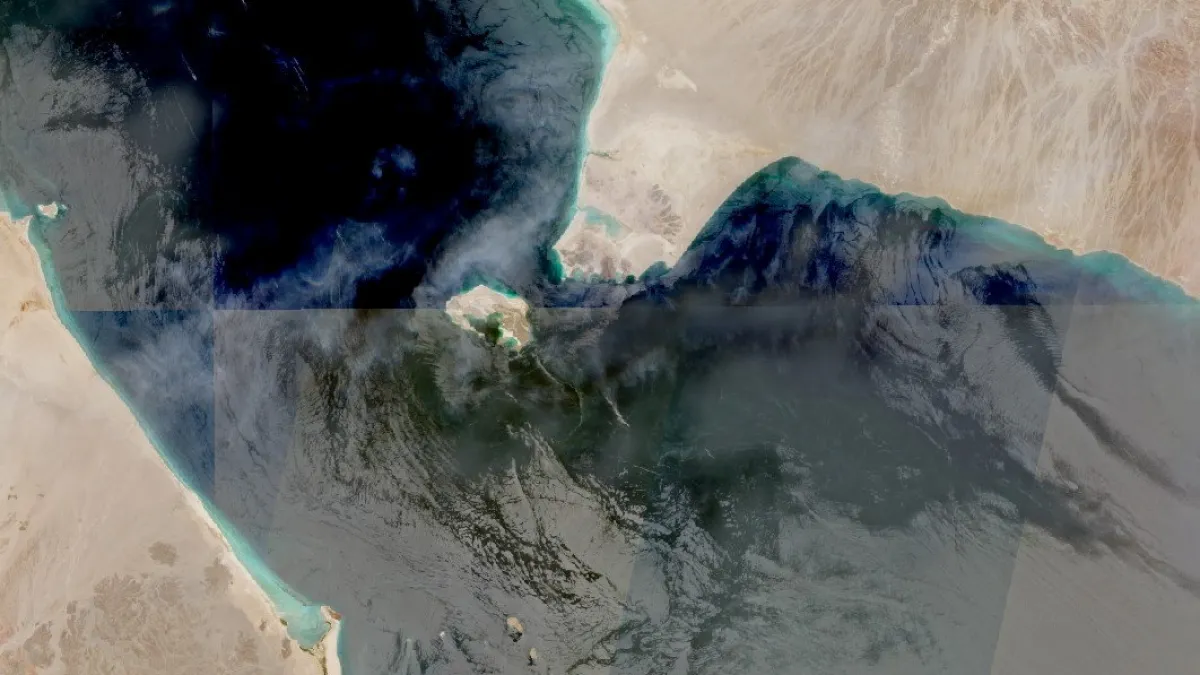
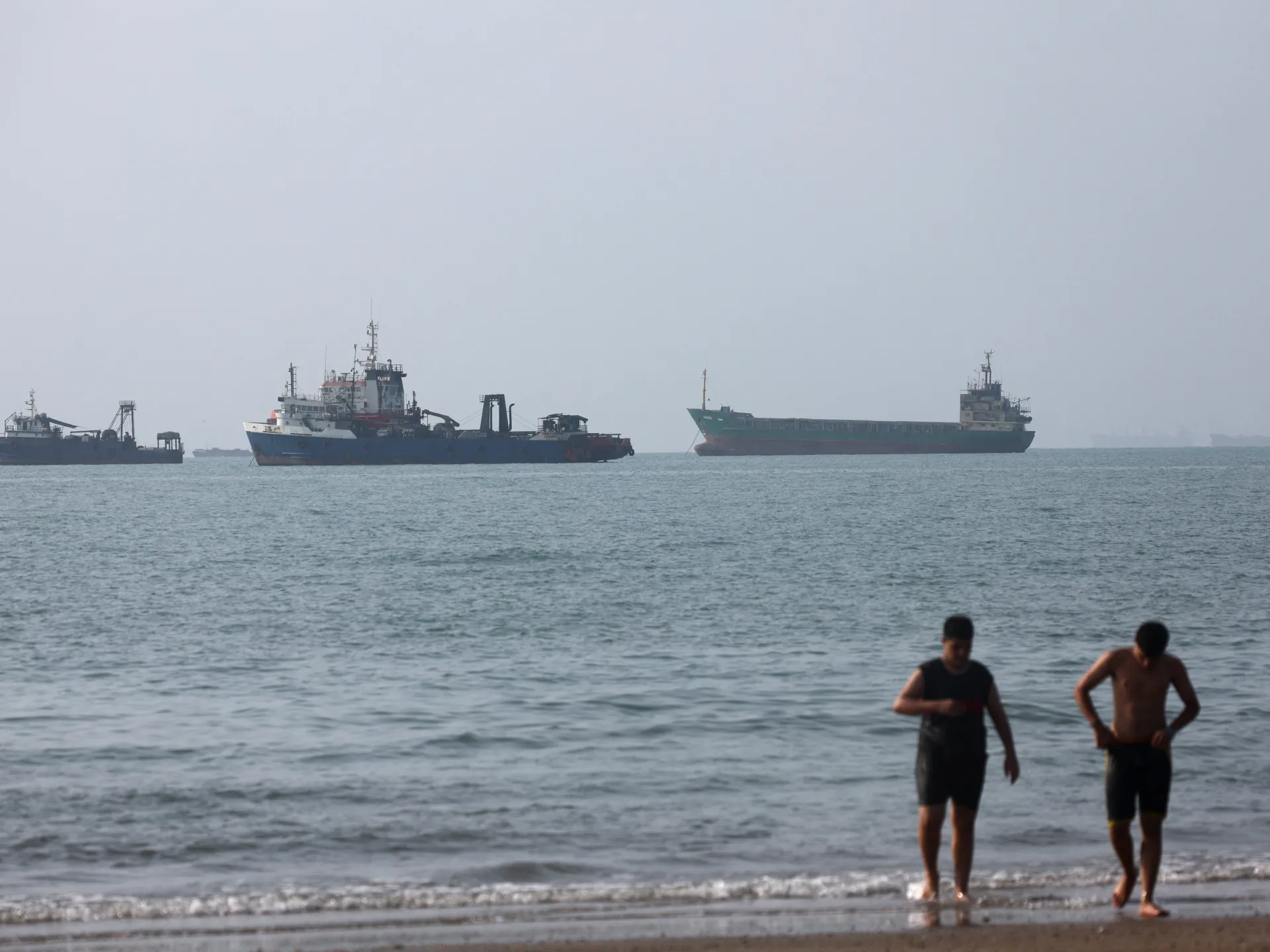
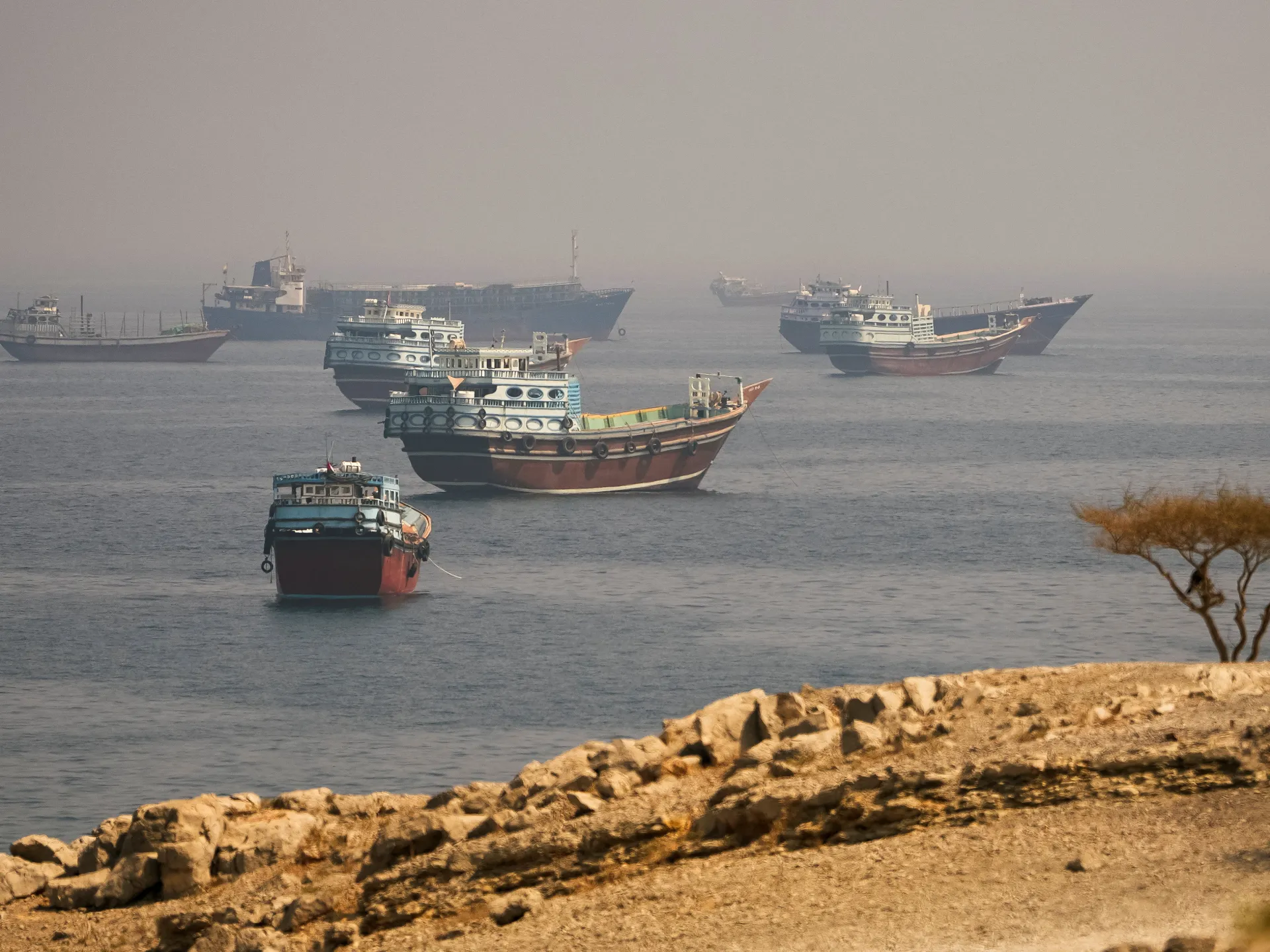
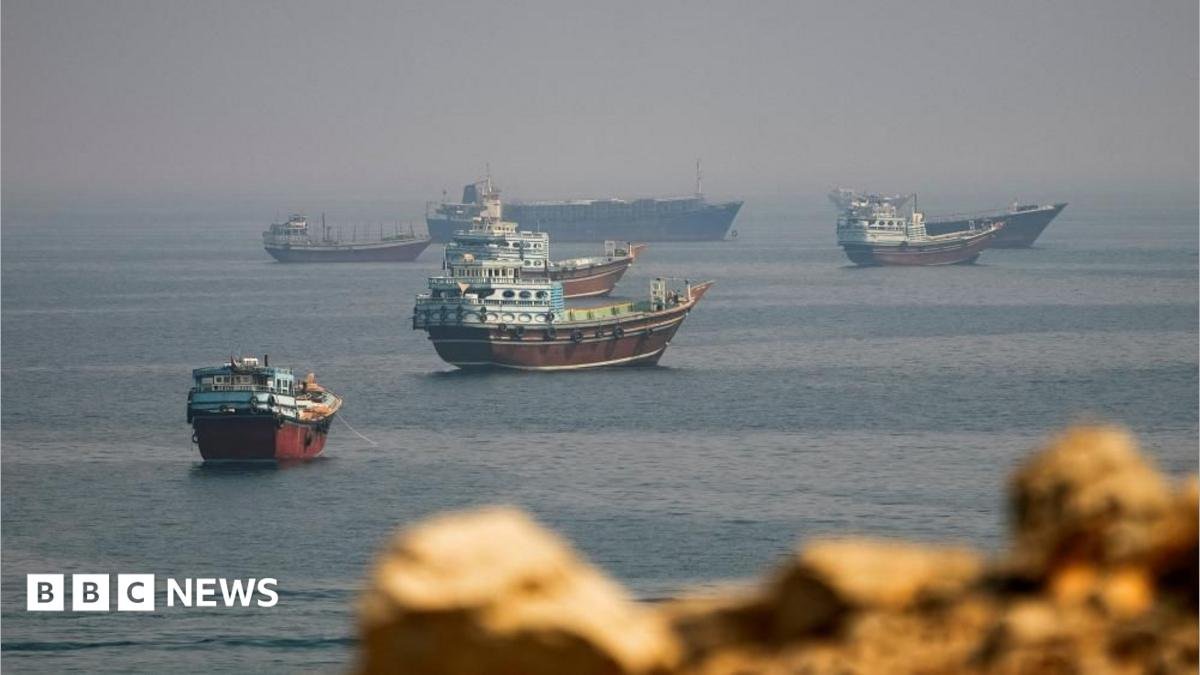
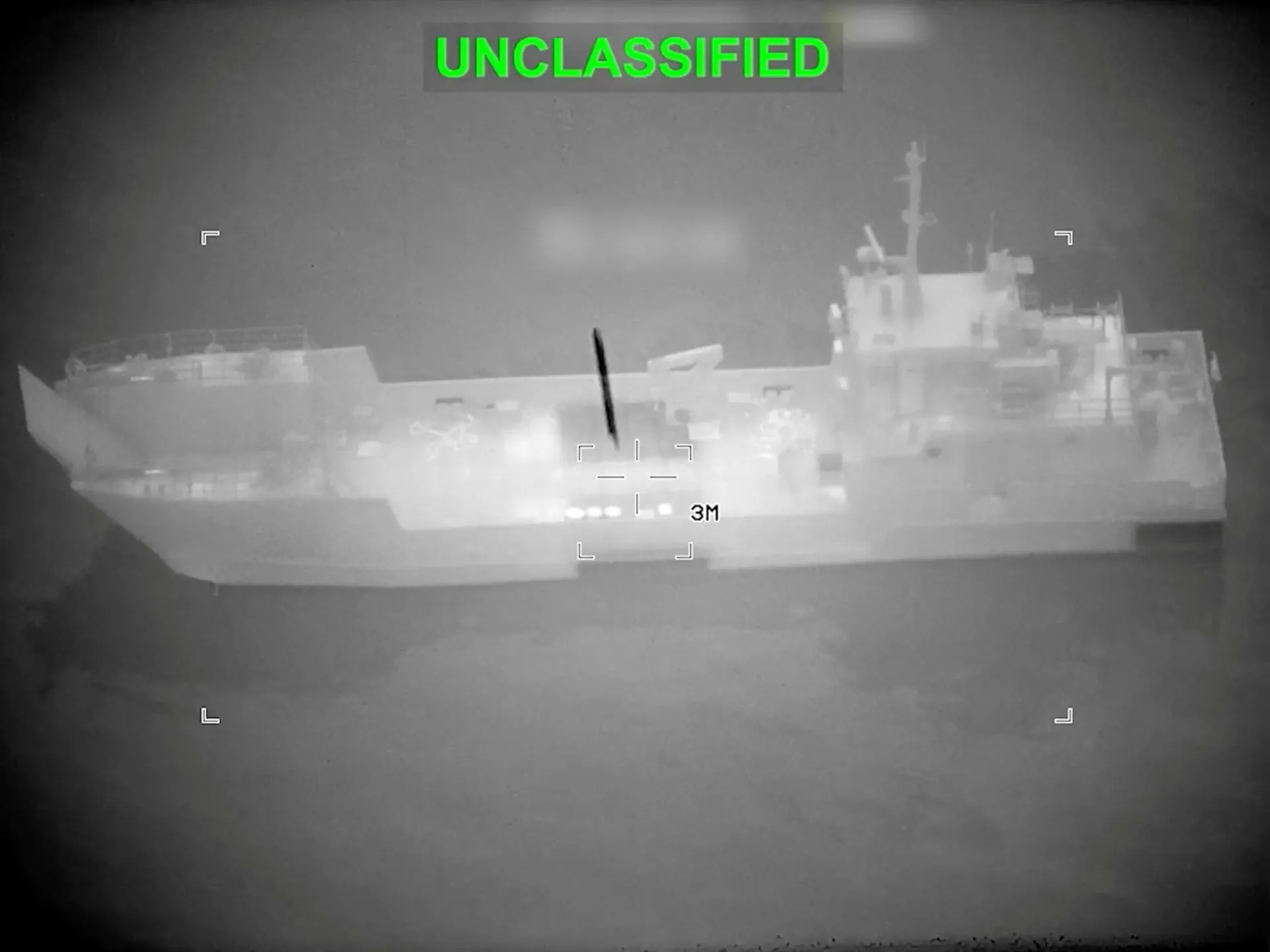
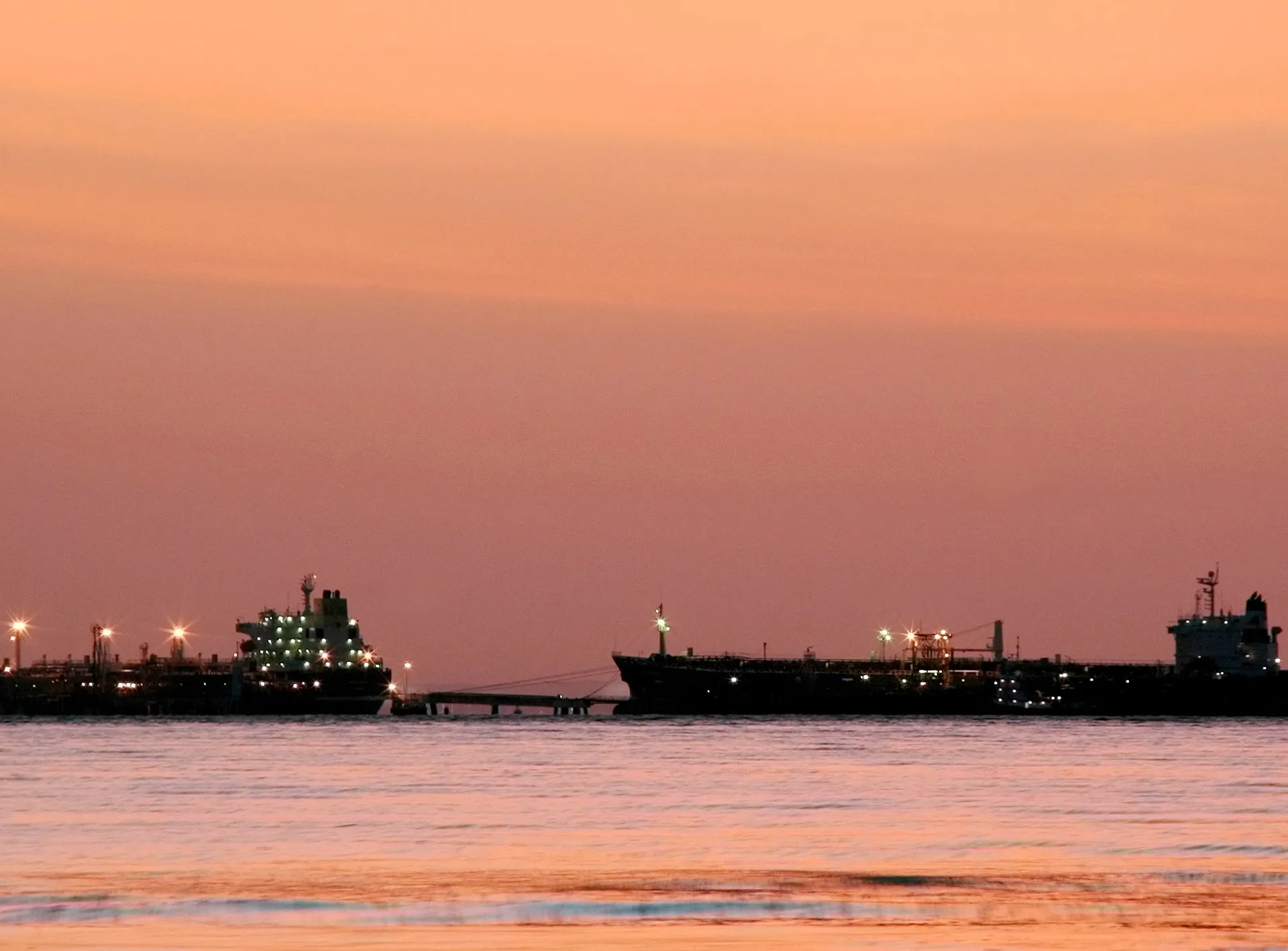
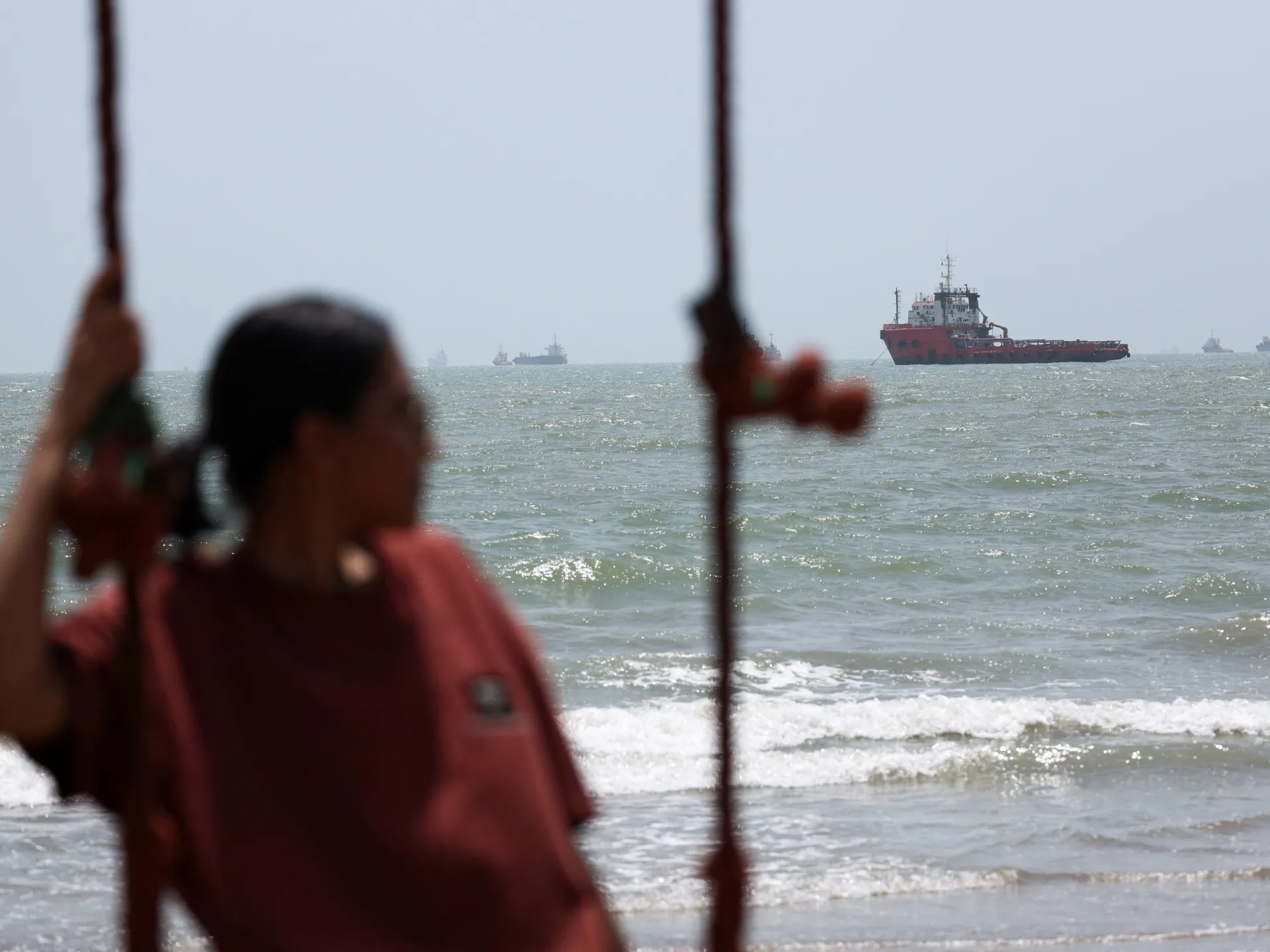
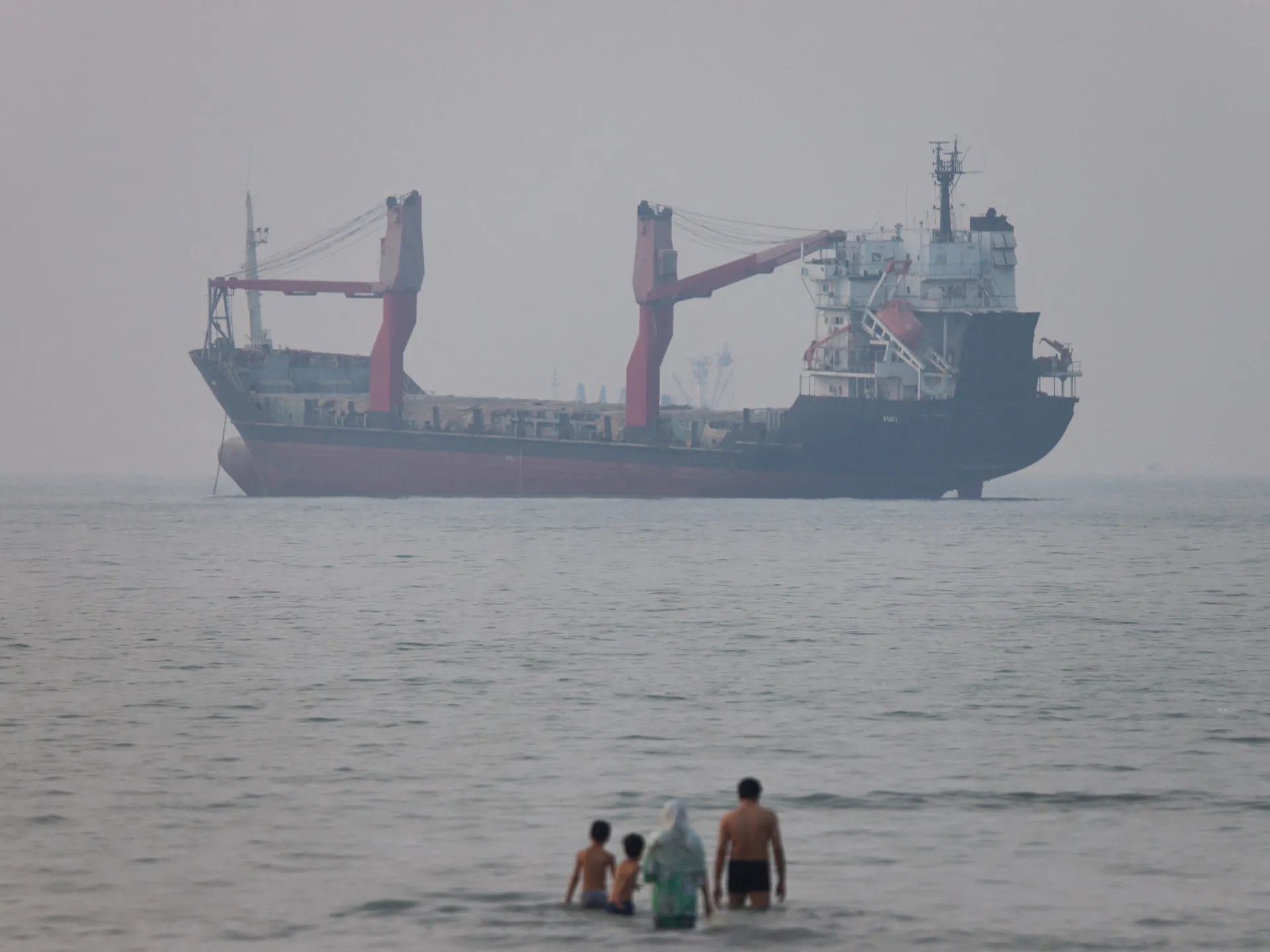
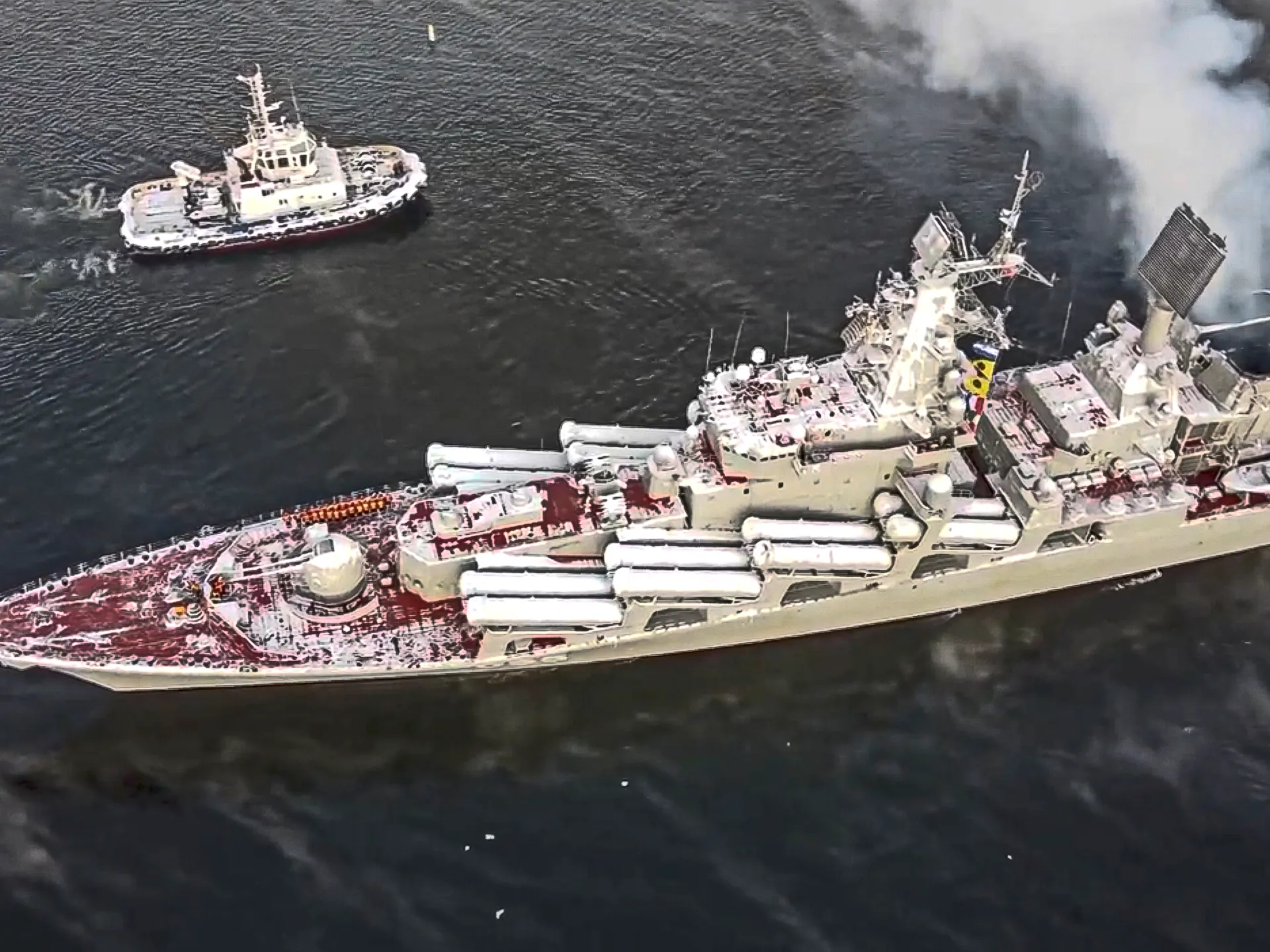
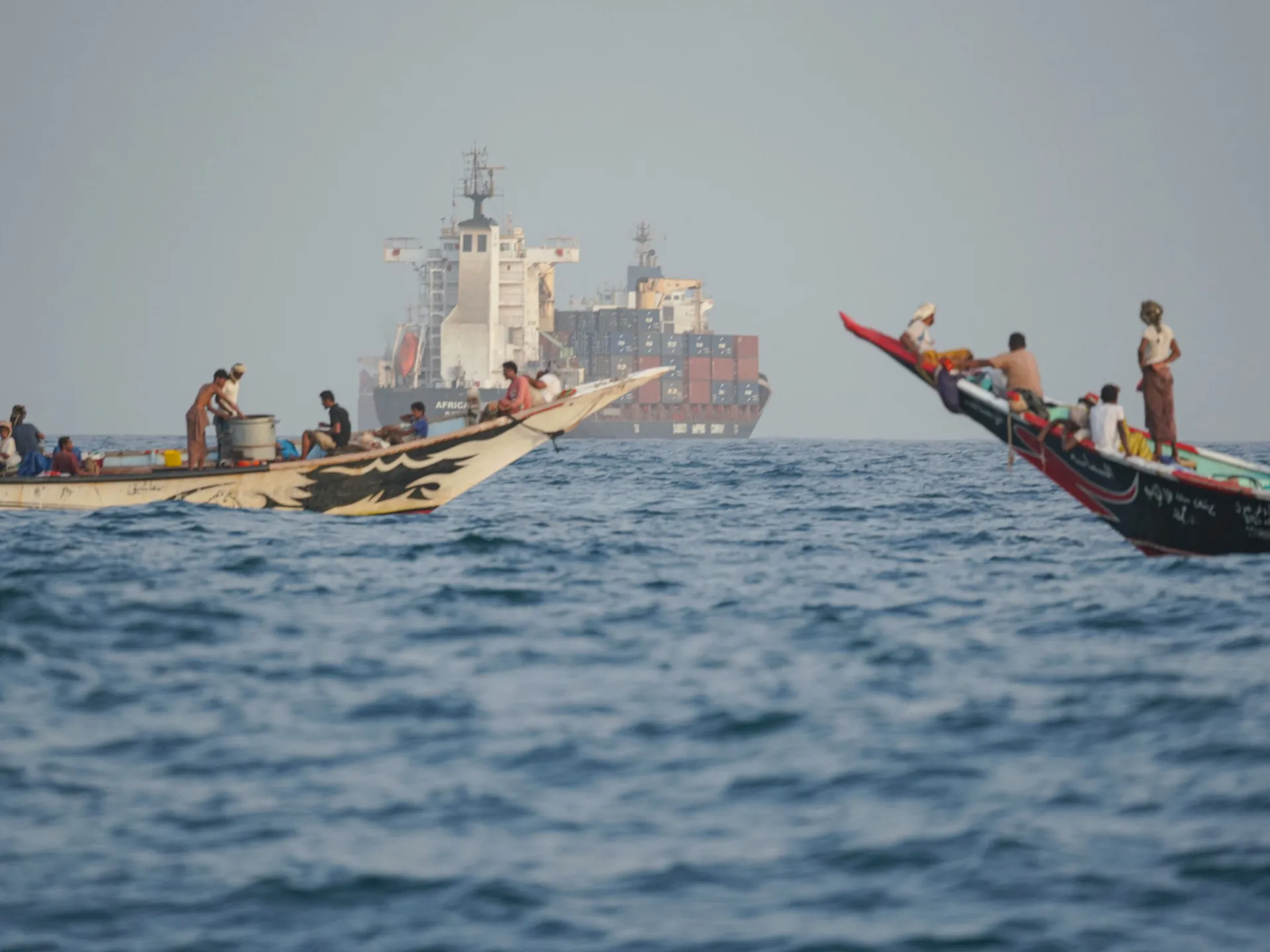
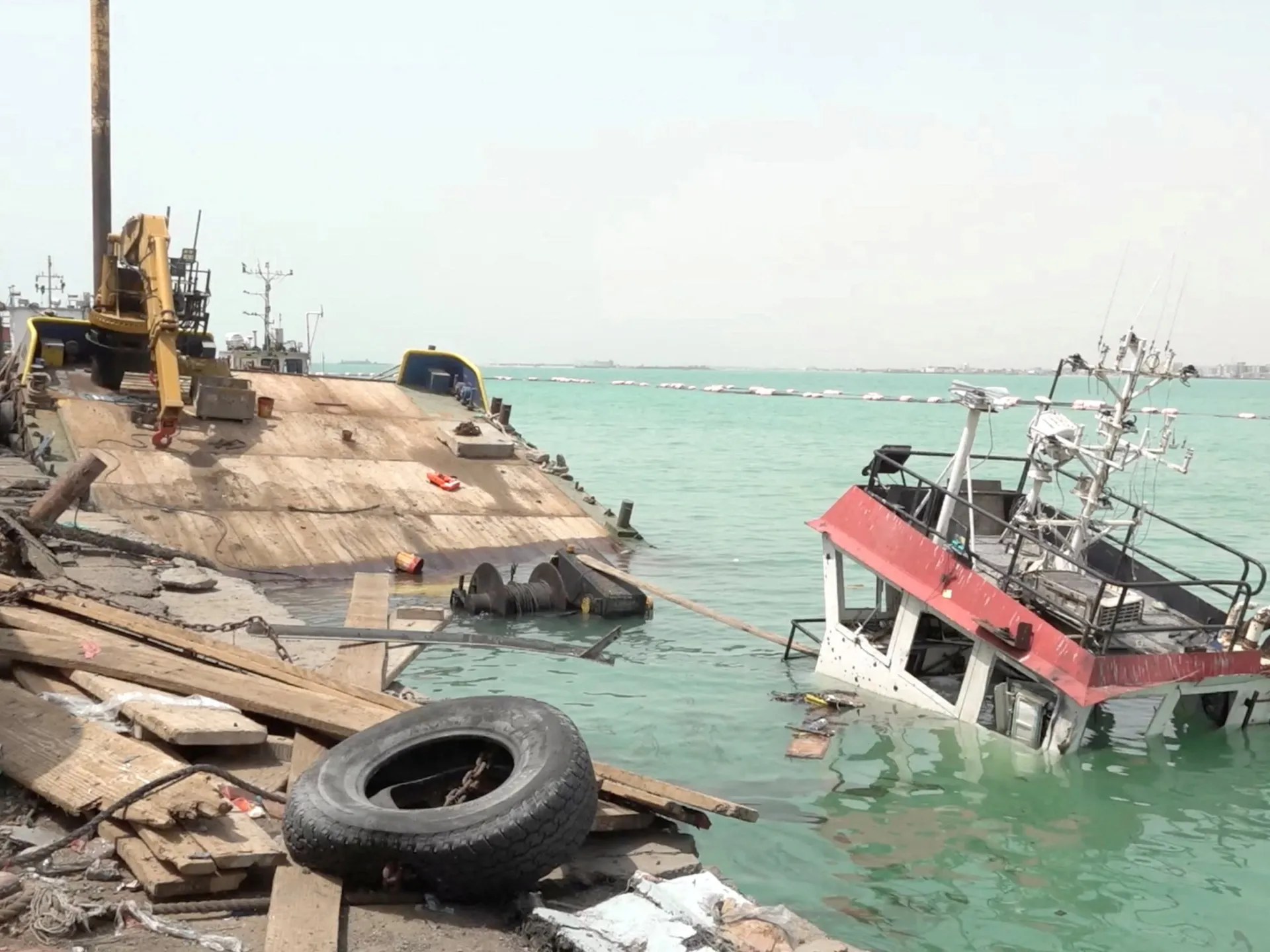
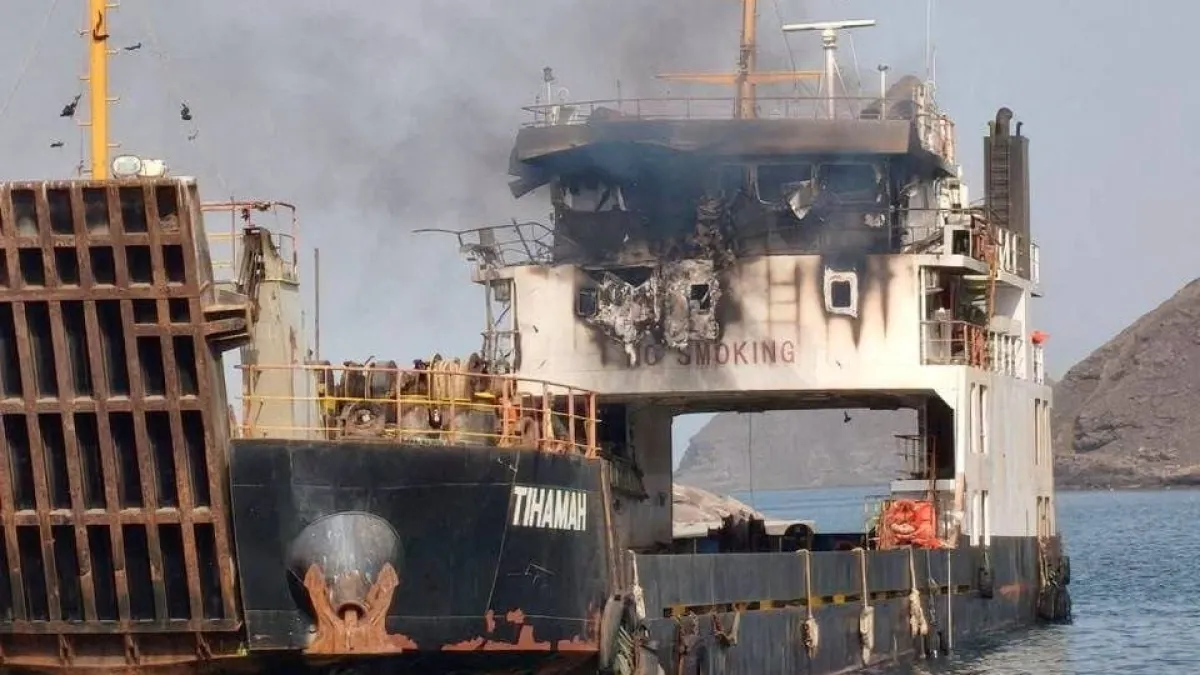
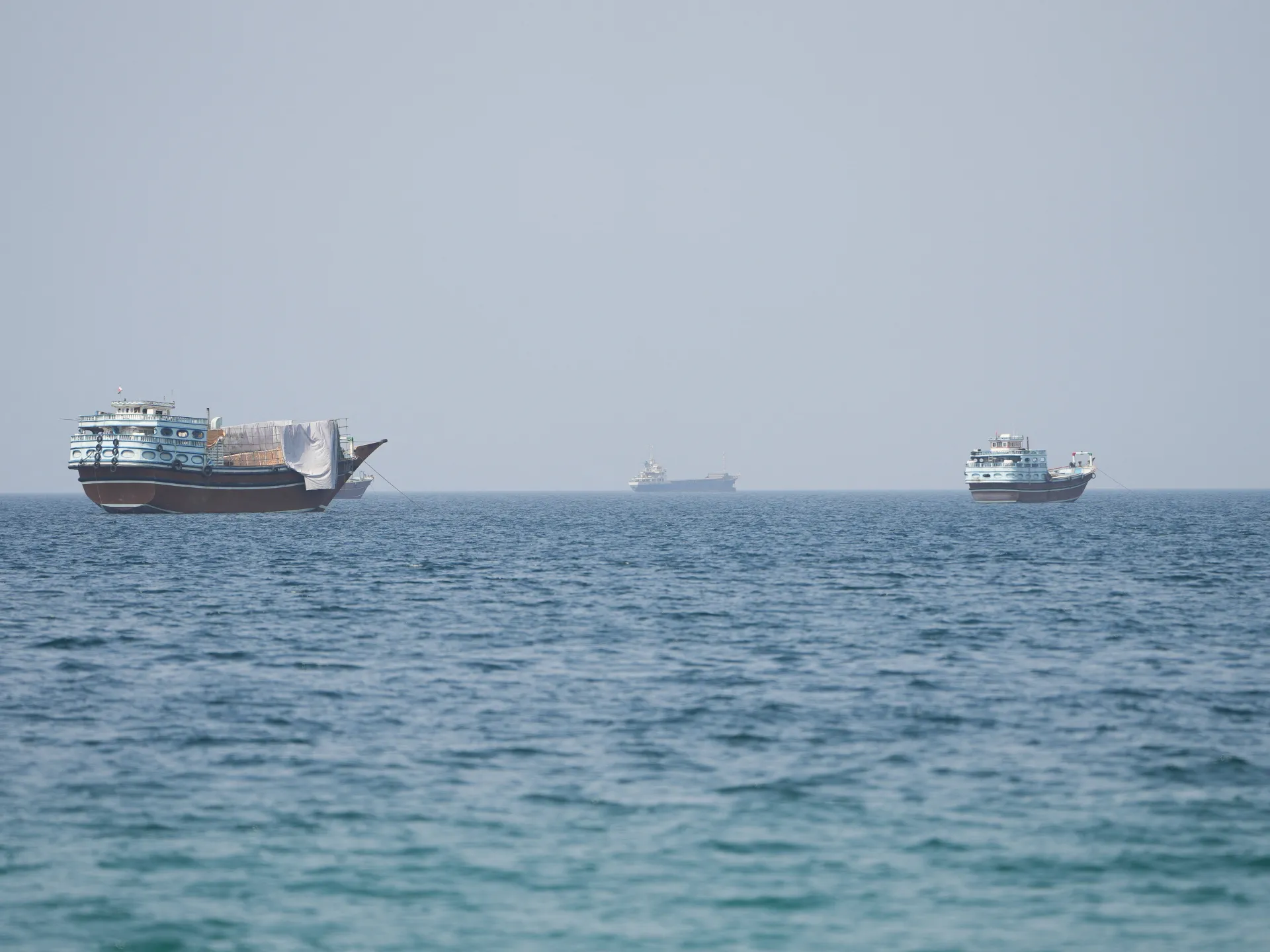
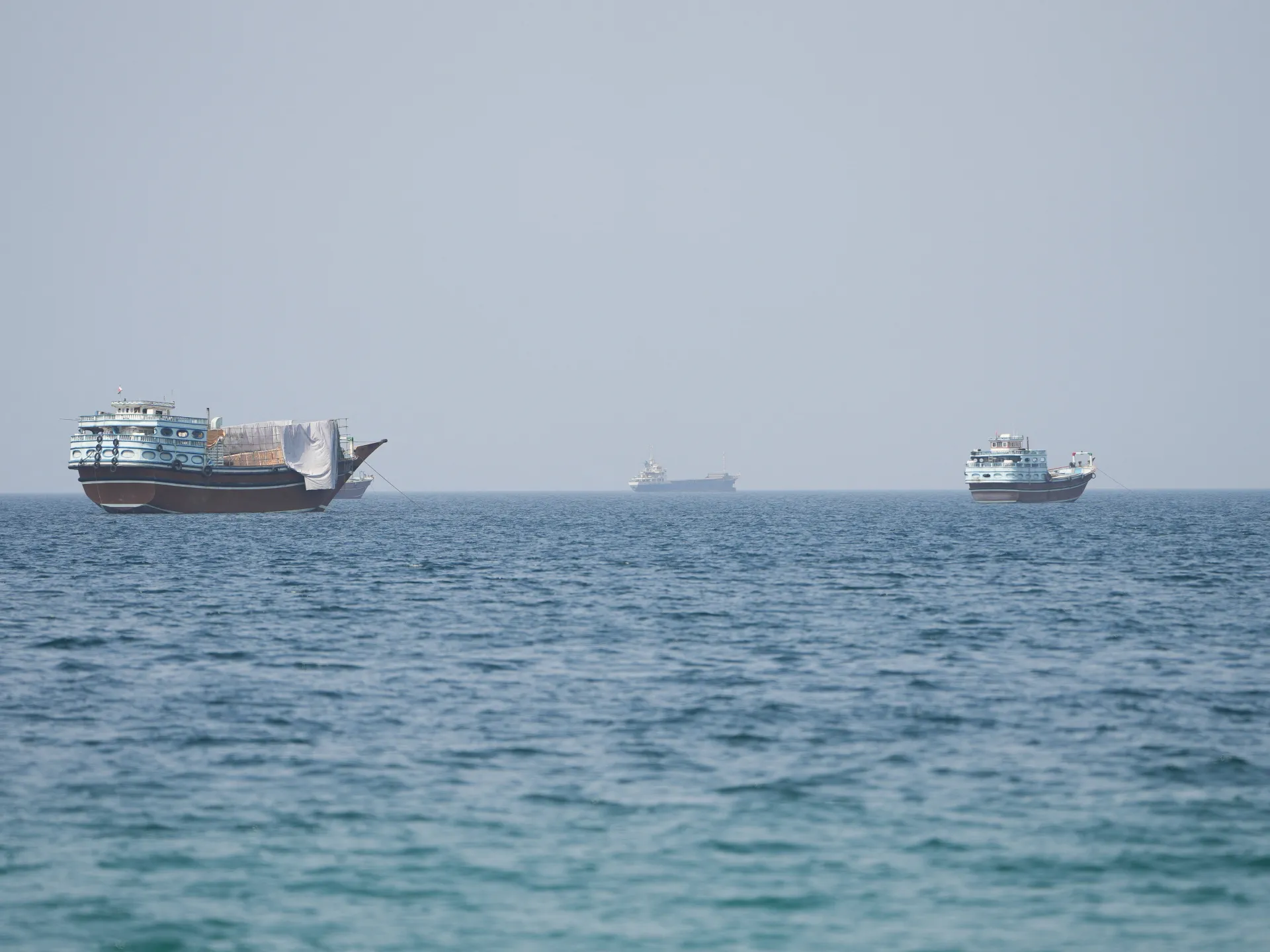
The conflict has increasingly spilled over into the Red Sea, a vital artery for international commerce. Recent territorial gains have raised alarms among global powers. This strategic waterway serves as a gateway to the Suez Canal, connecting Asian and European markets. While the Houthis have stated they do not intend to disrupt international shipping, they have clearly signaled their intent to target vessels associated with the Saudi coalition in response to the ongoing blockade of Yemeni ports.
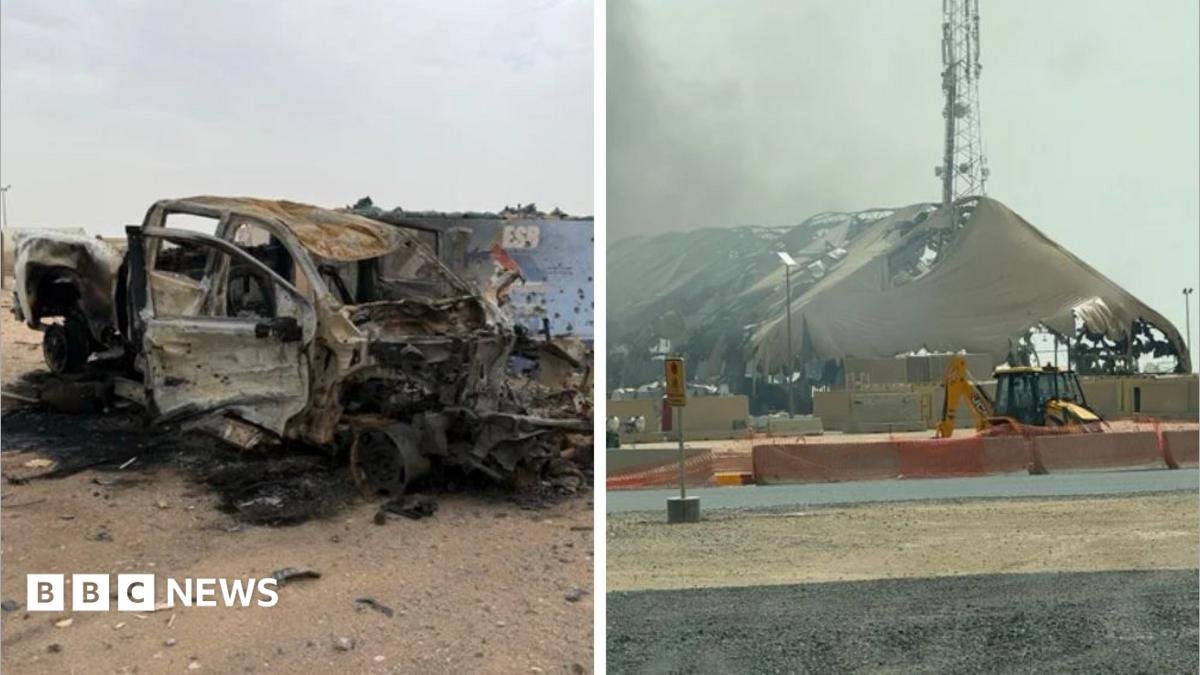
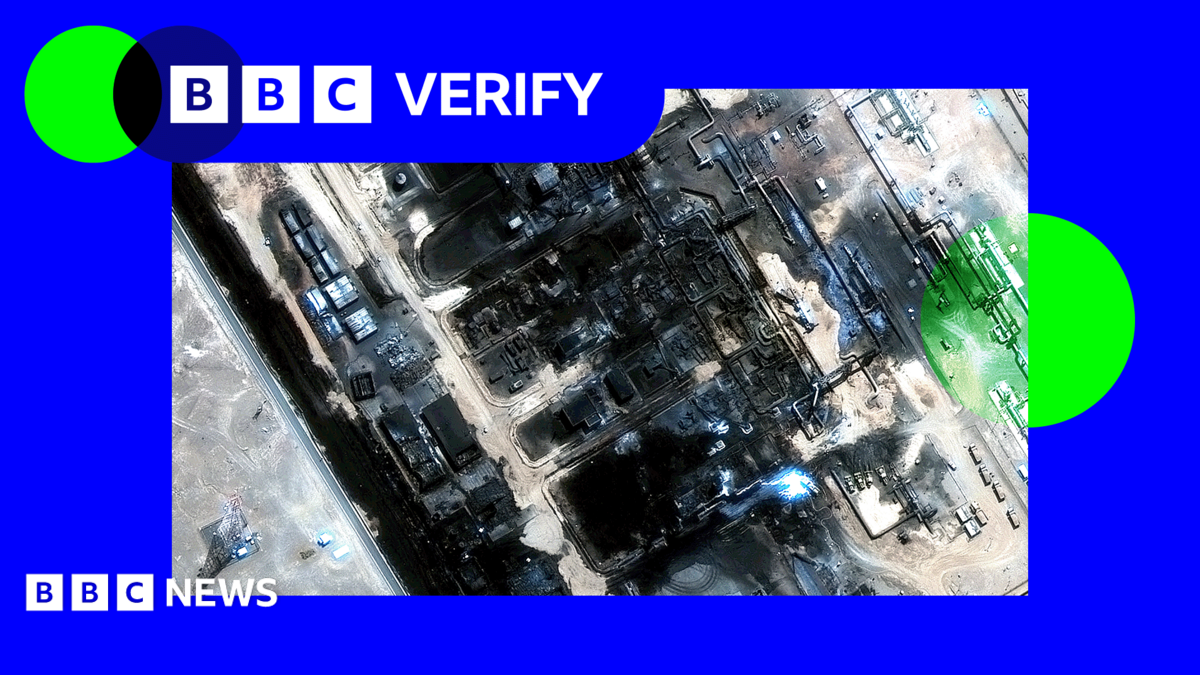
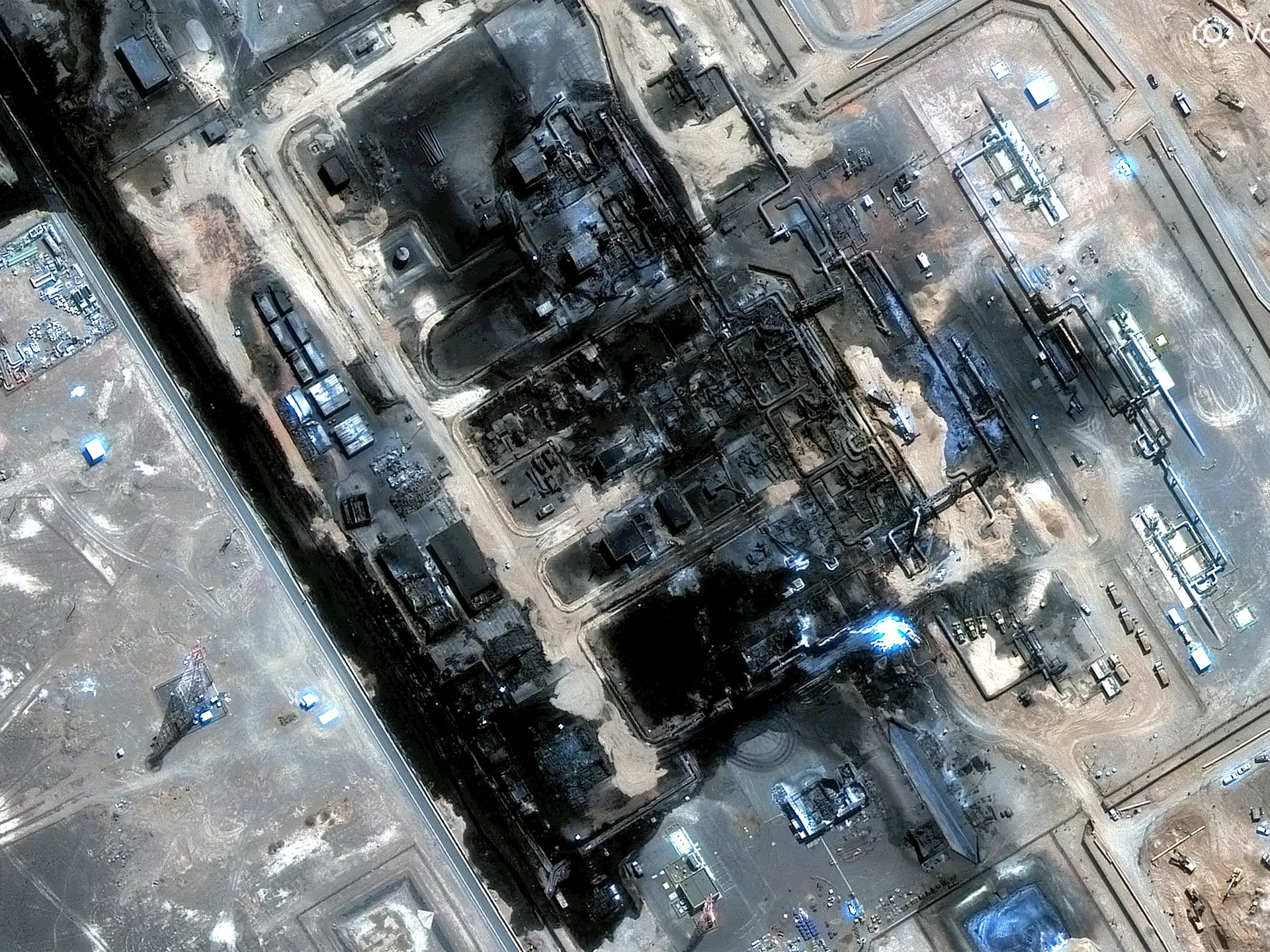
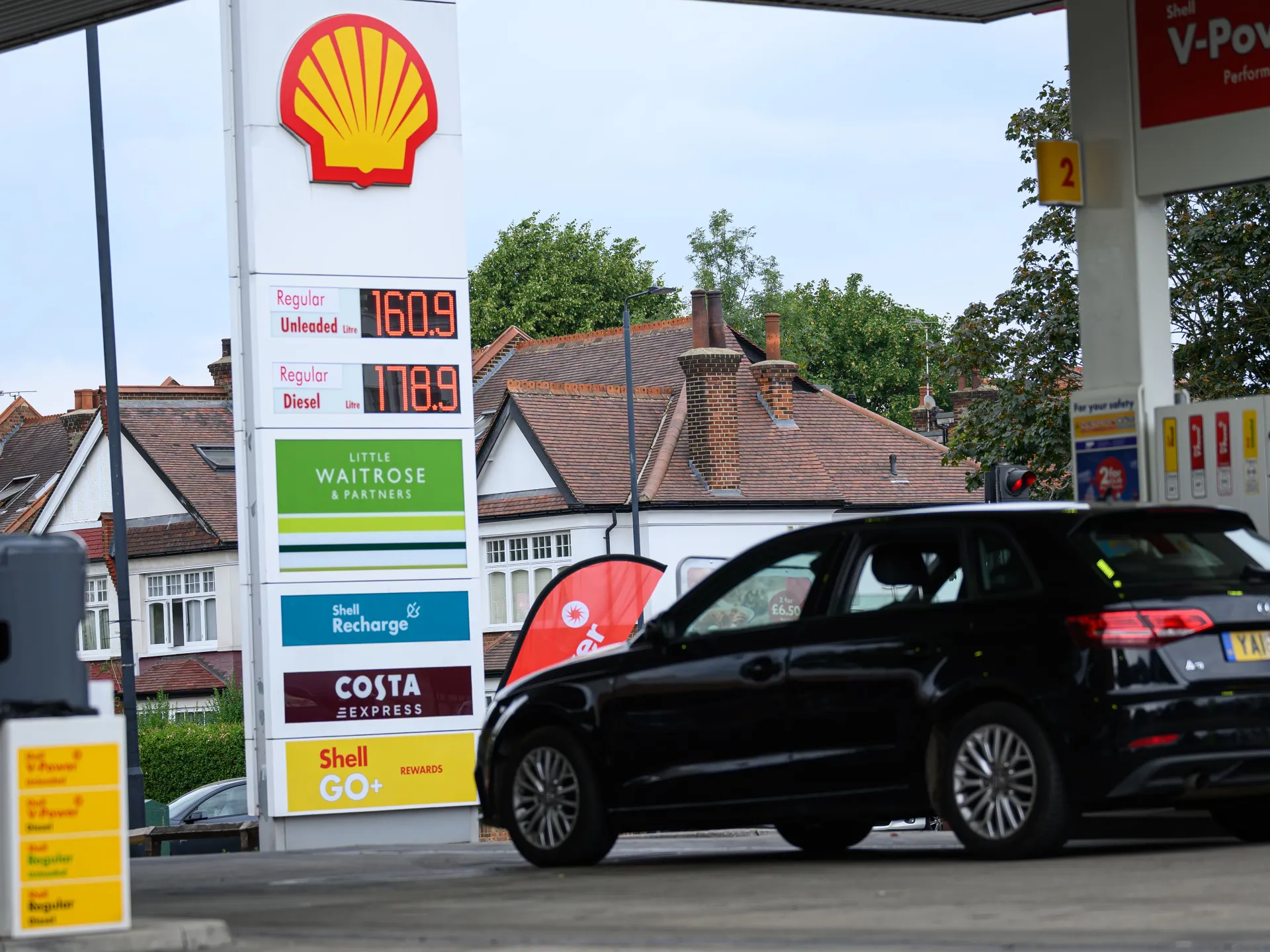
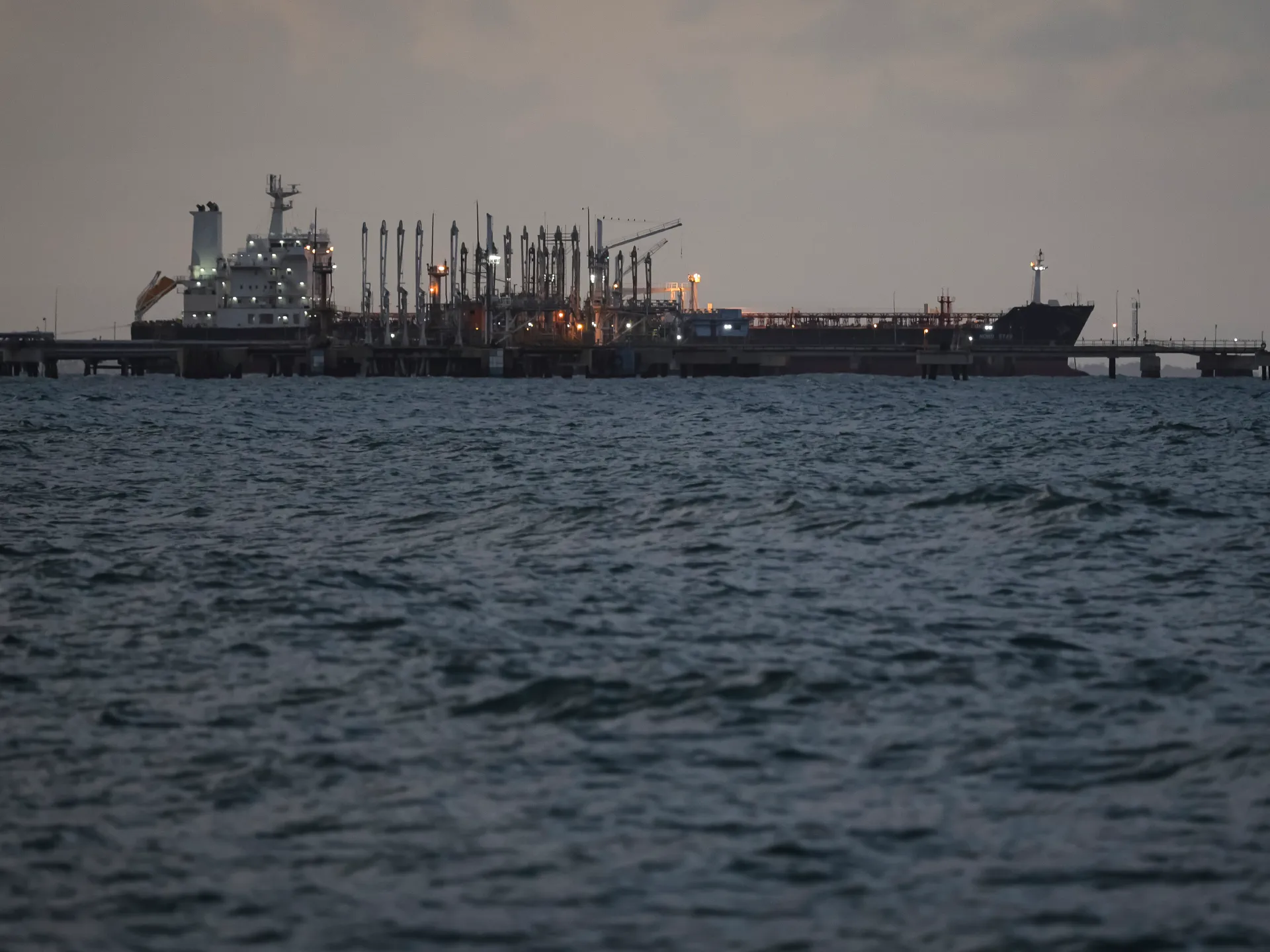
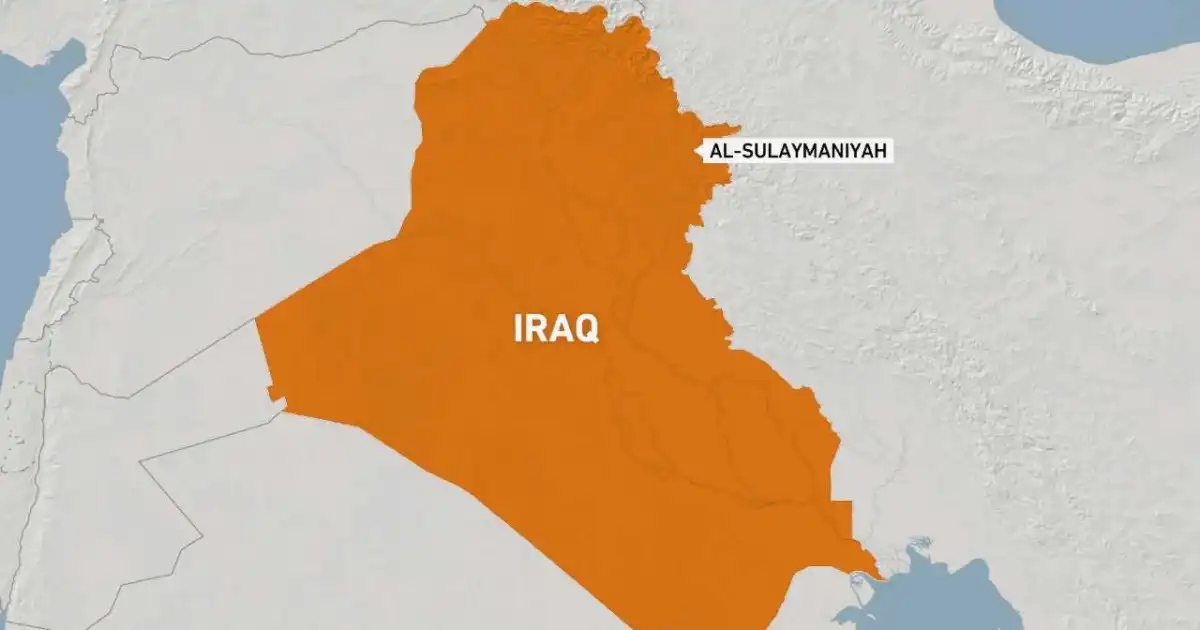
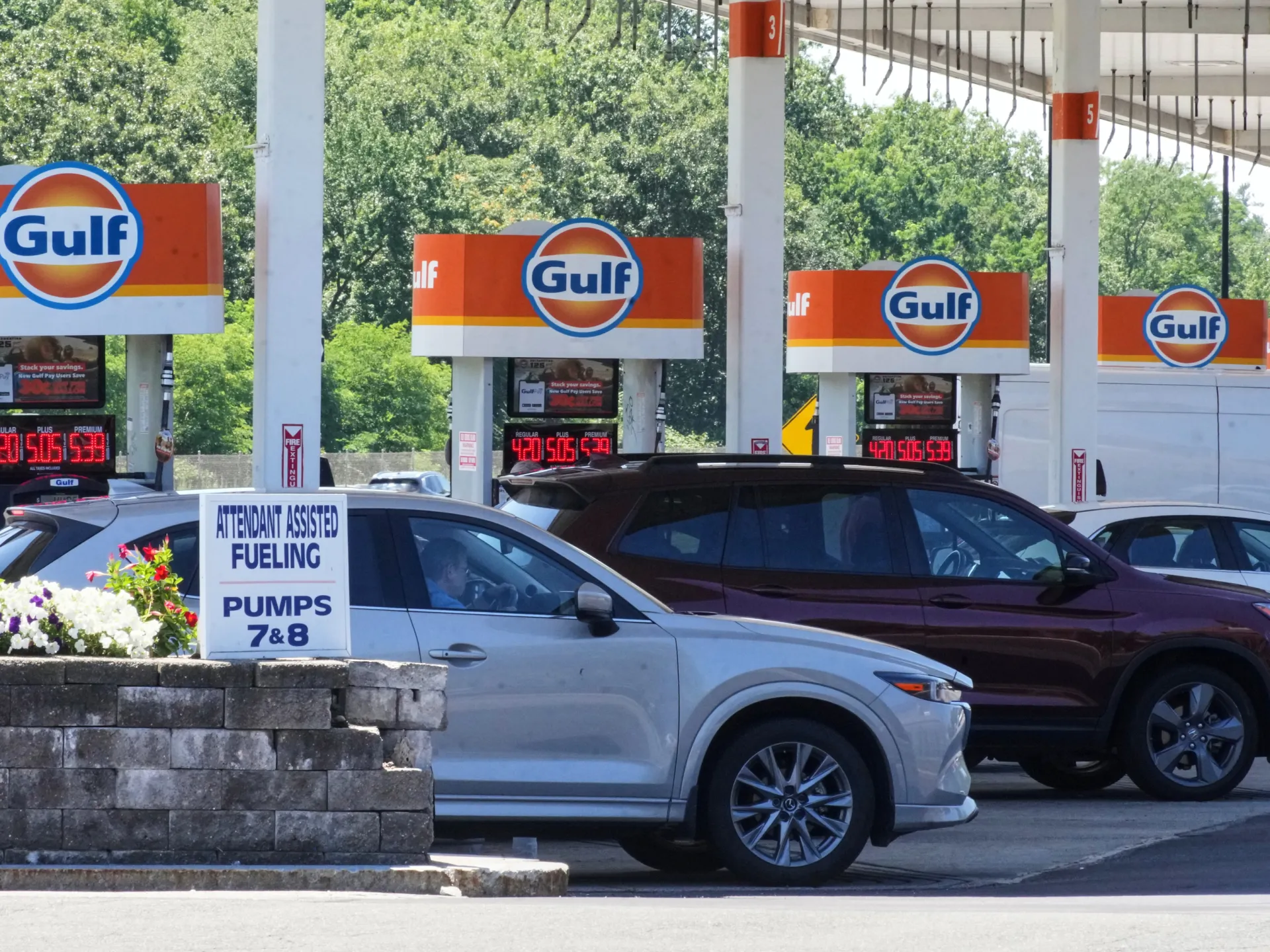
Energy markets are also feeling the pressure of the localized war. The East-West Pipeline, a crucial piece of infrastructure for Saudi oil exports, suffered significant damage following strikes recently attributed to militias in Iraq. Although officials express confidence that repairs will be completed in the near future, the vulnerability of such infrastructure highlights the broader economic stakes. The United Nations Security Council has held emergency sessions to address these threats, emphasizing that the freedom of navigation in the Red Sea is essential to maintaining the integrity of global supply chains.
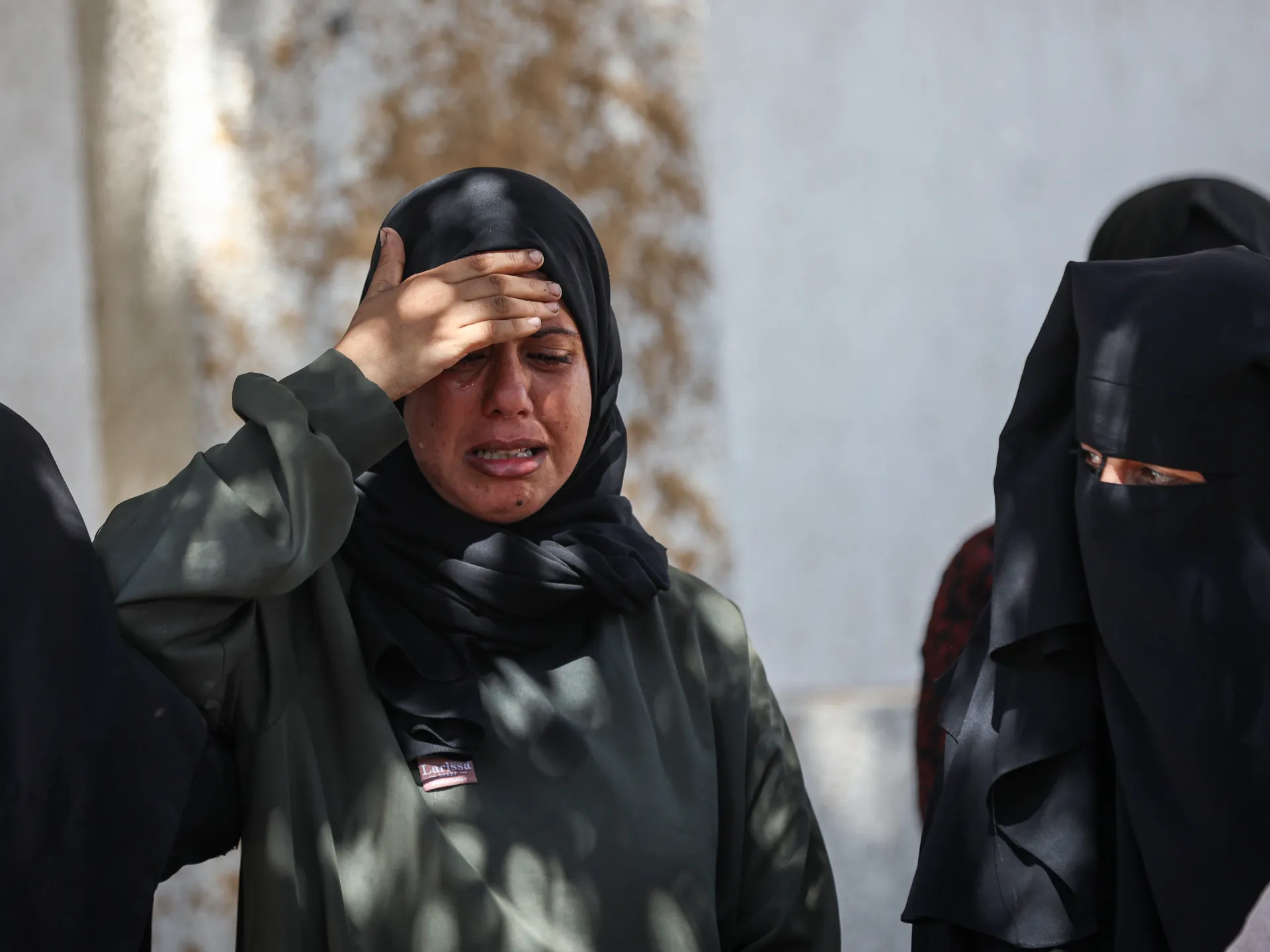
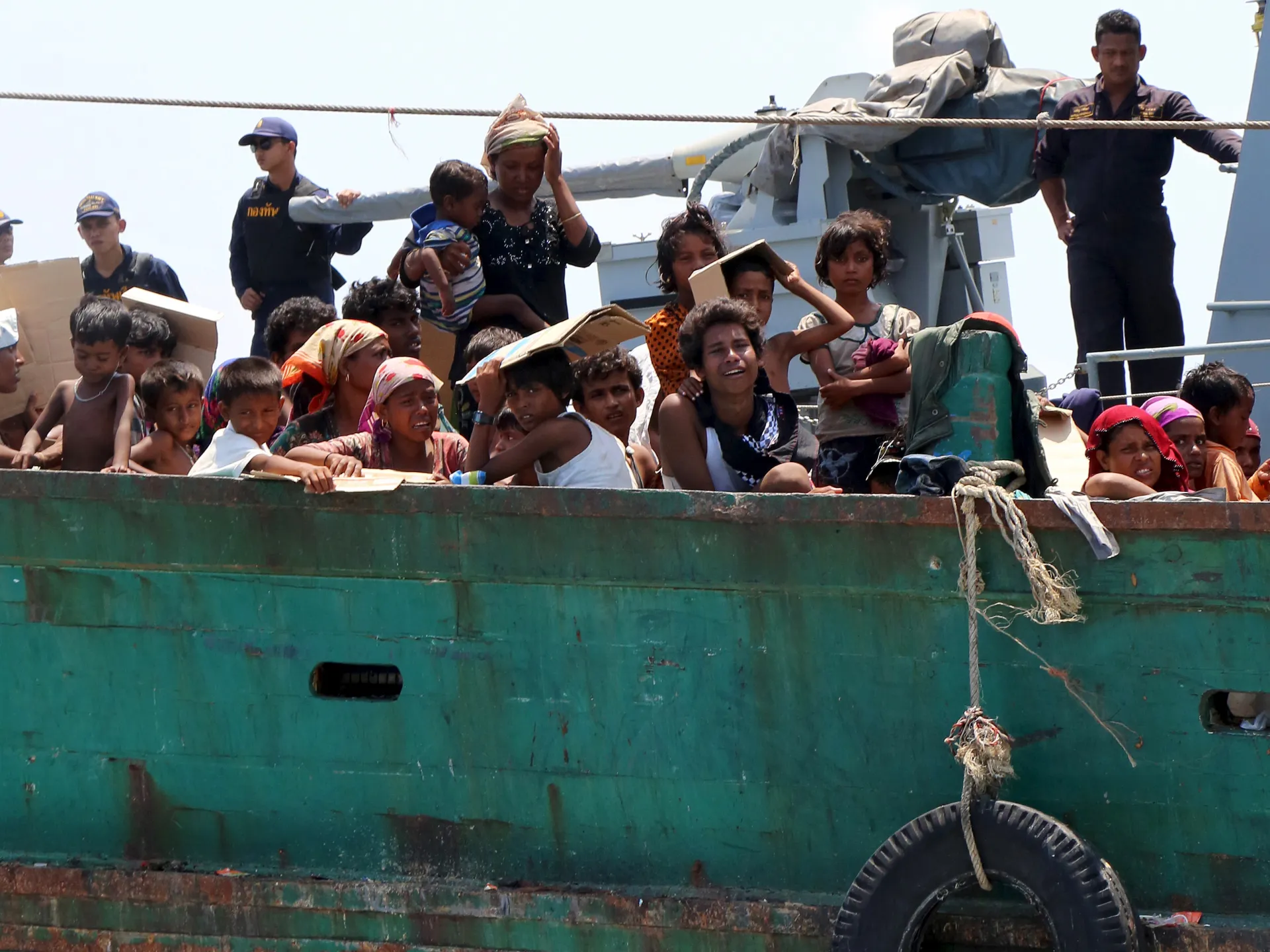
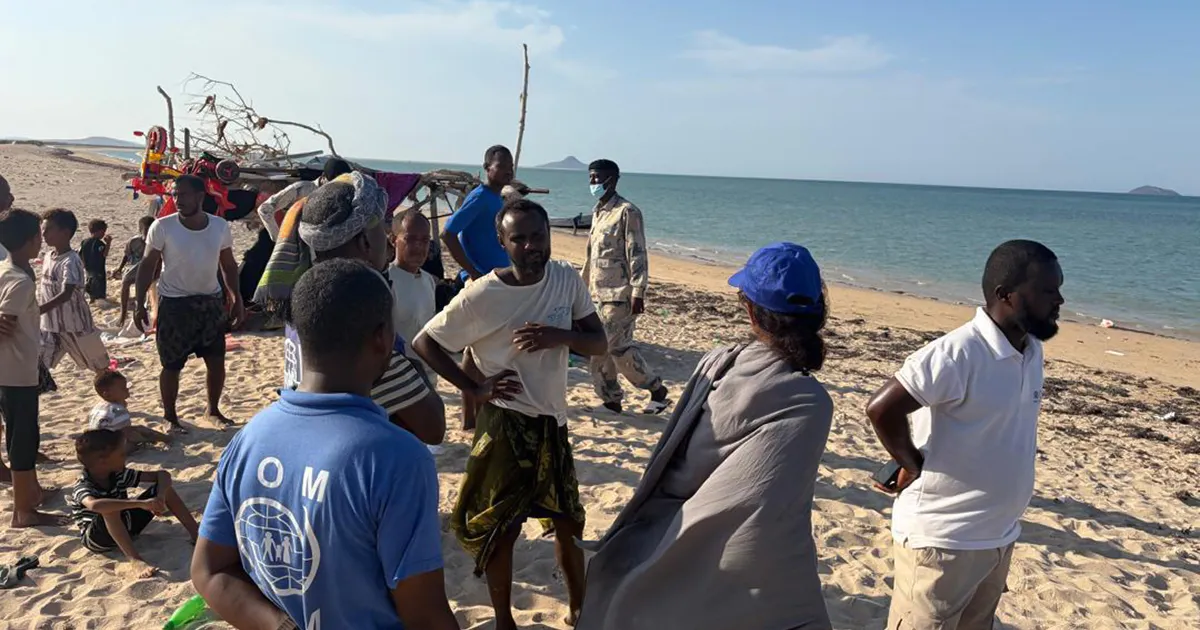
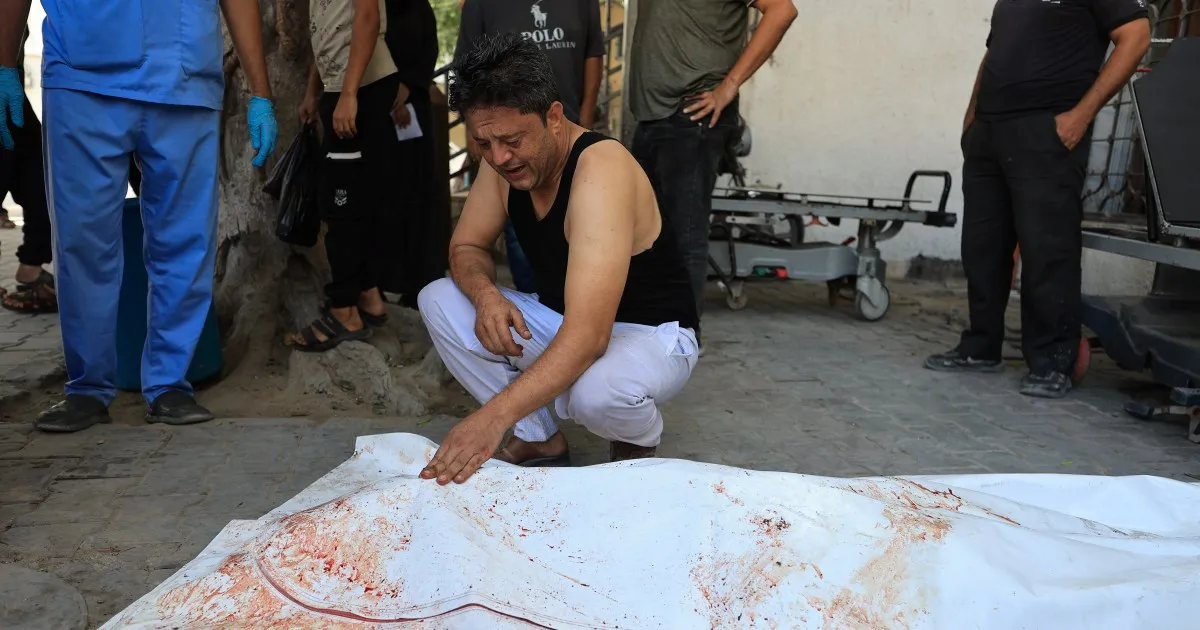
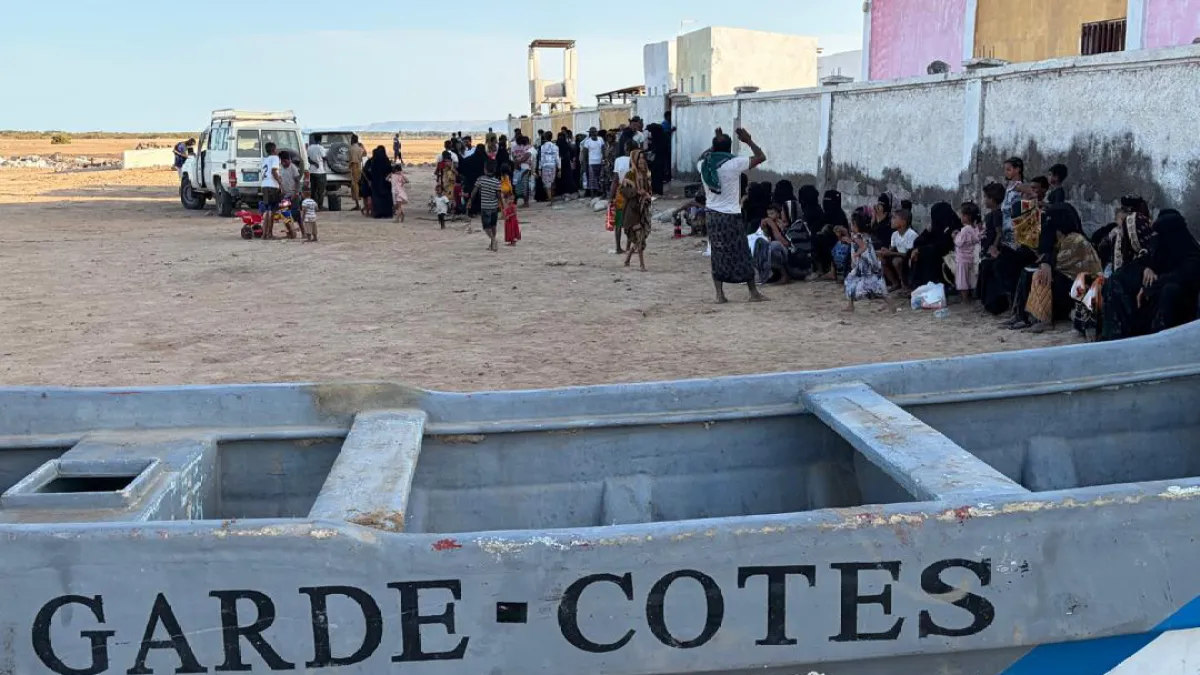
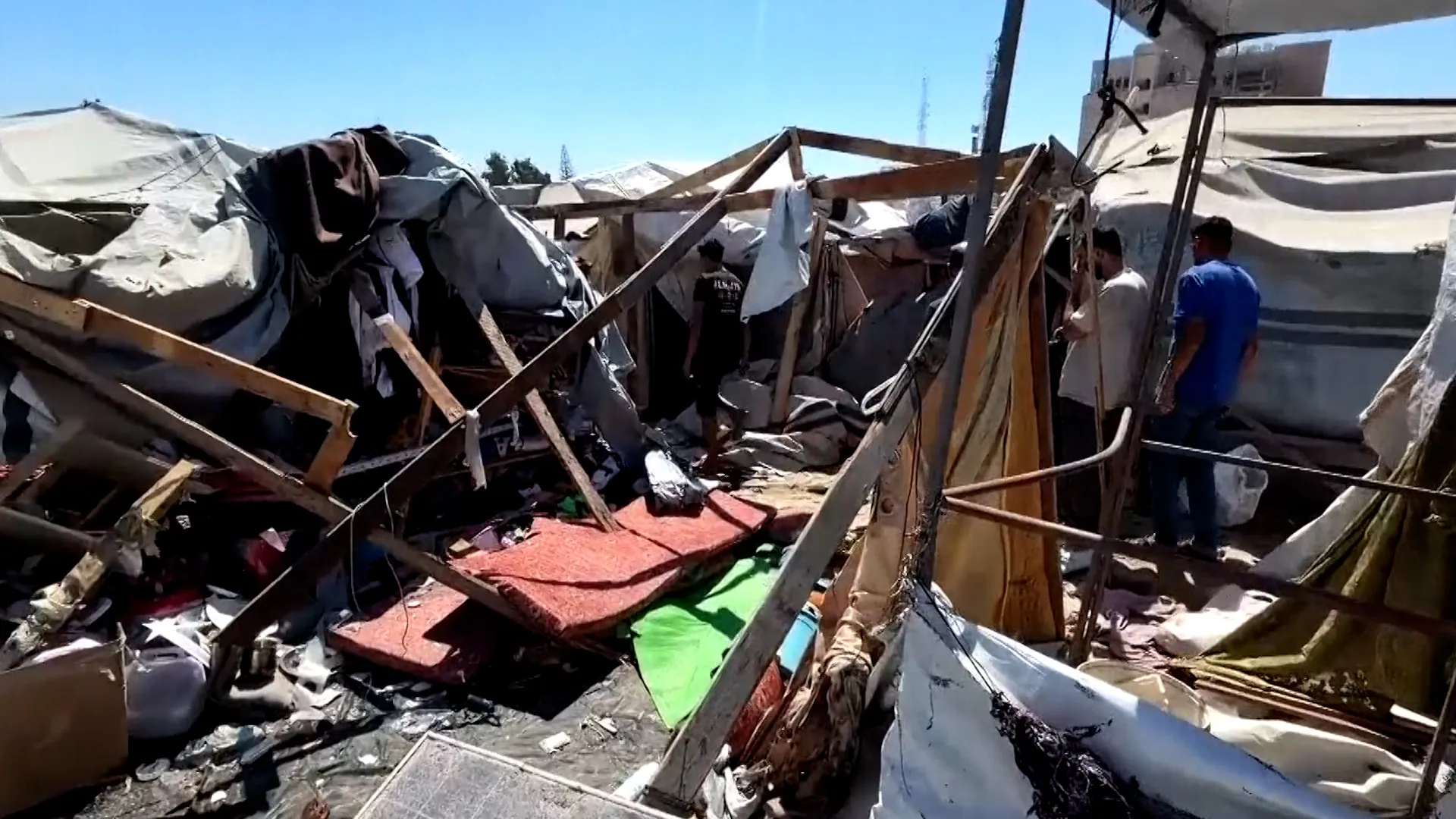
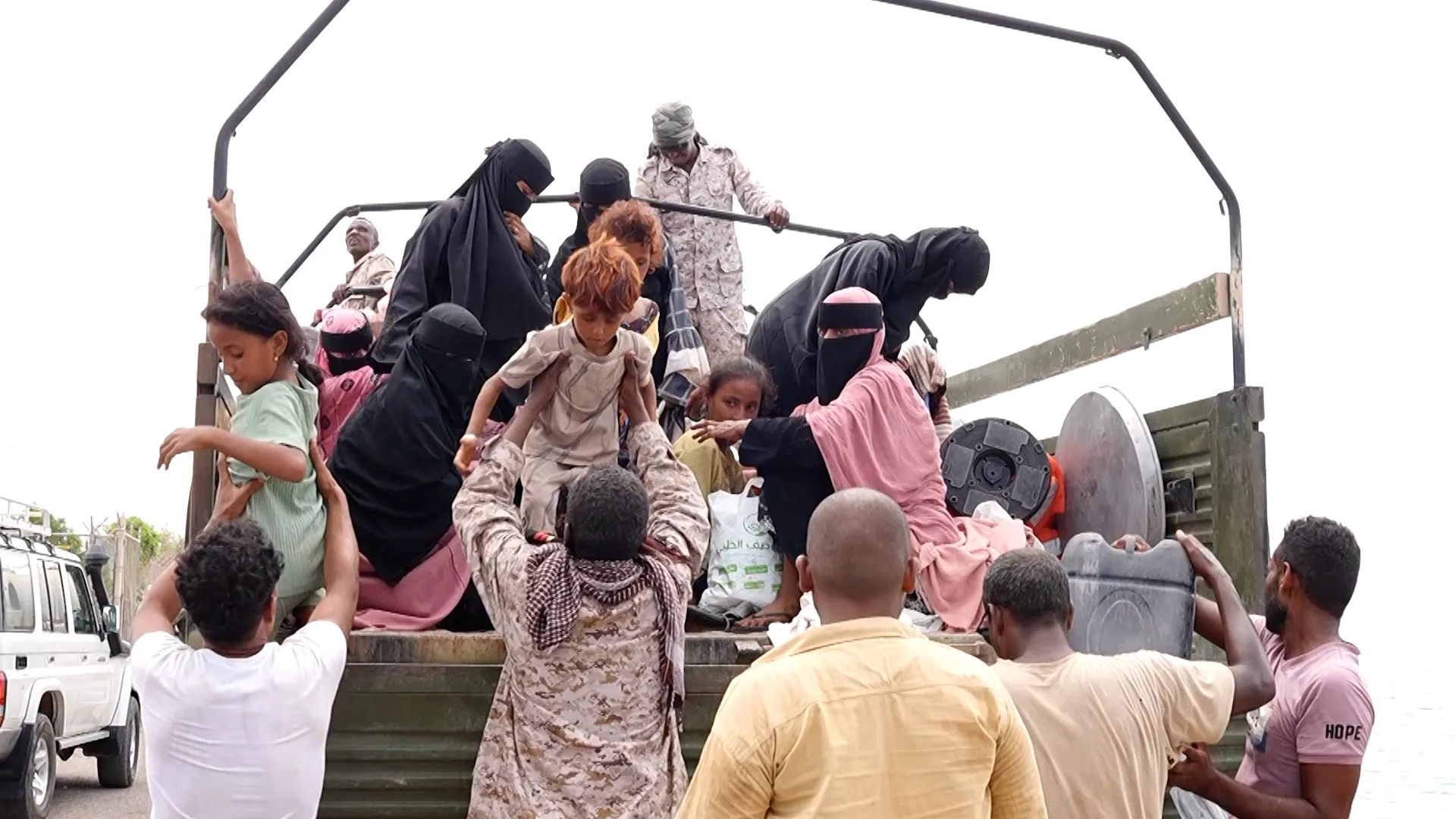
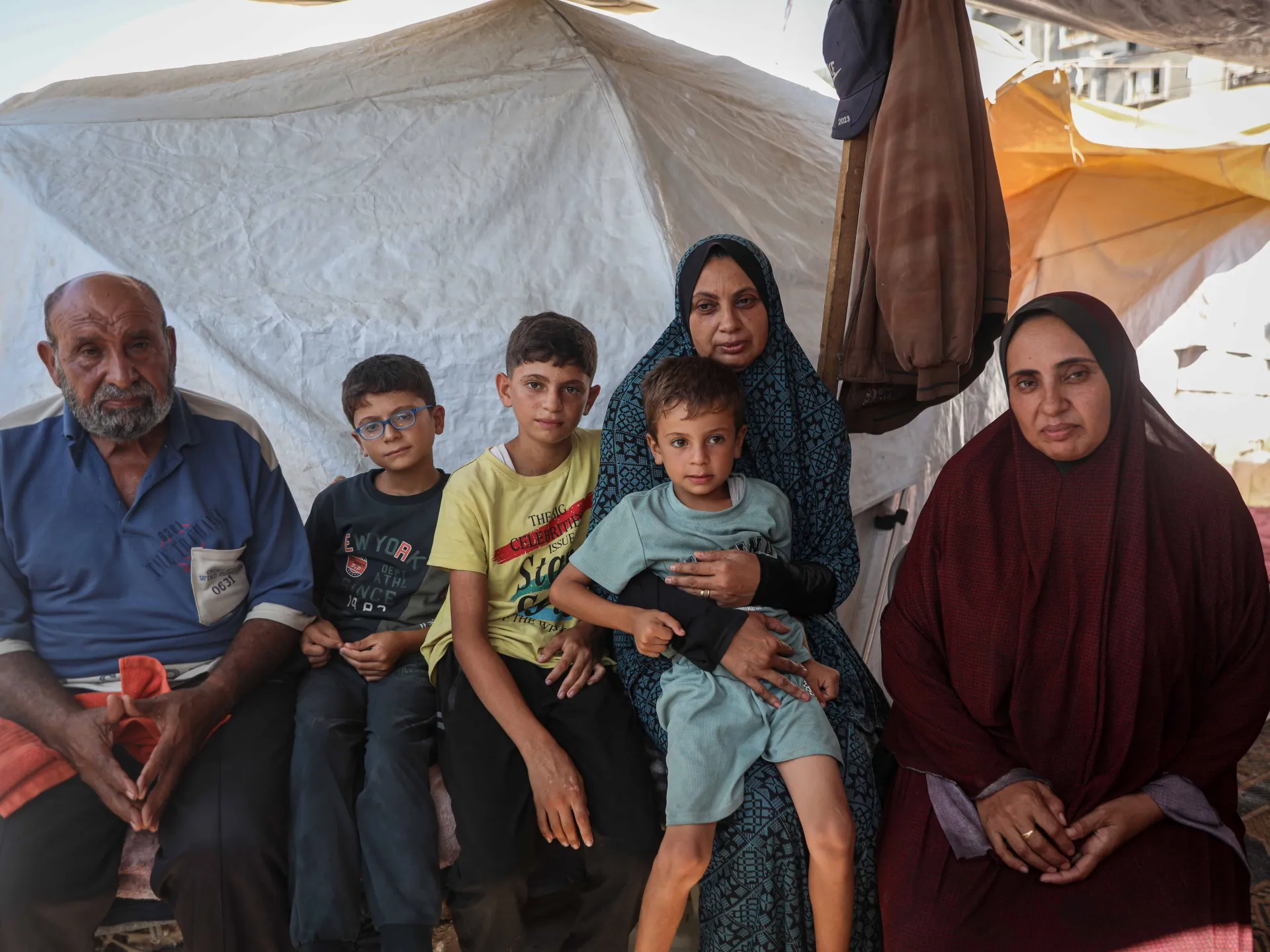
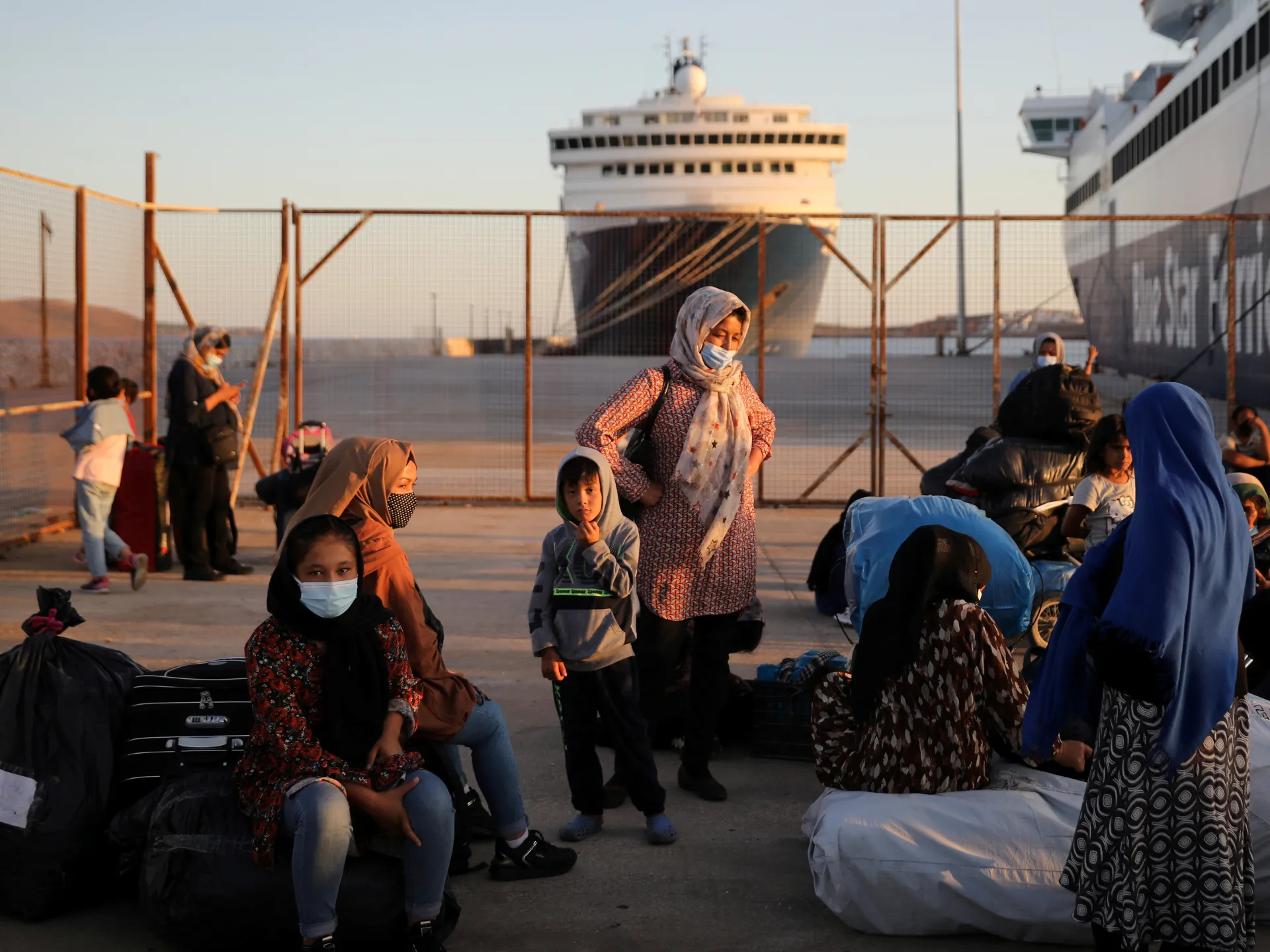
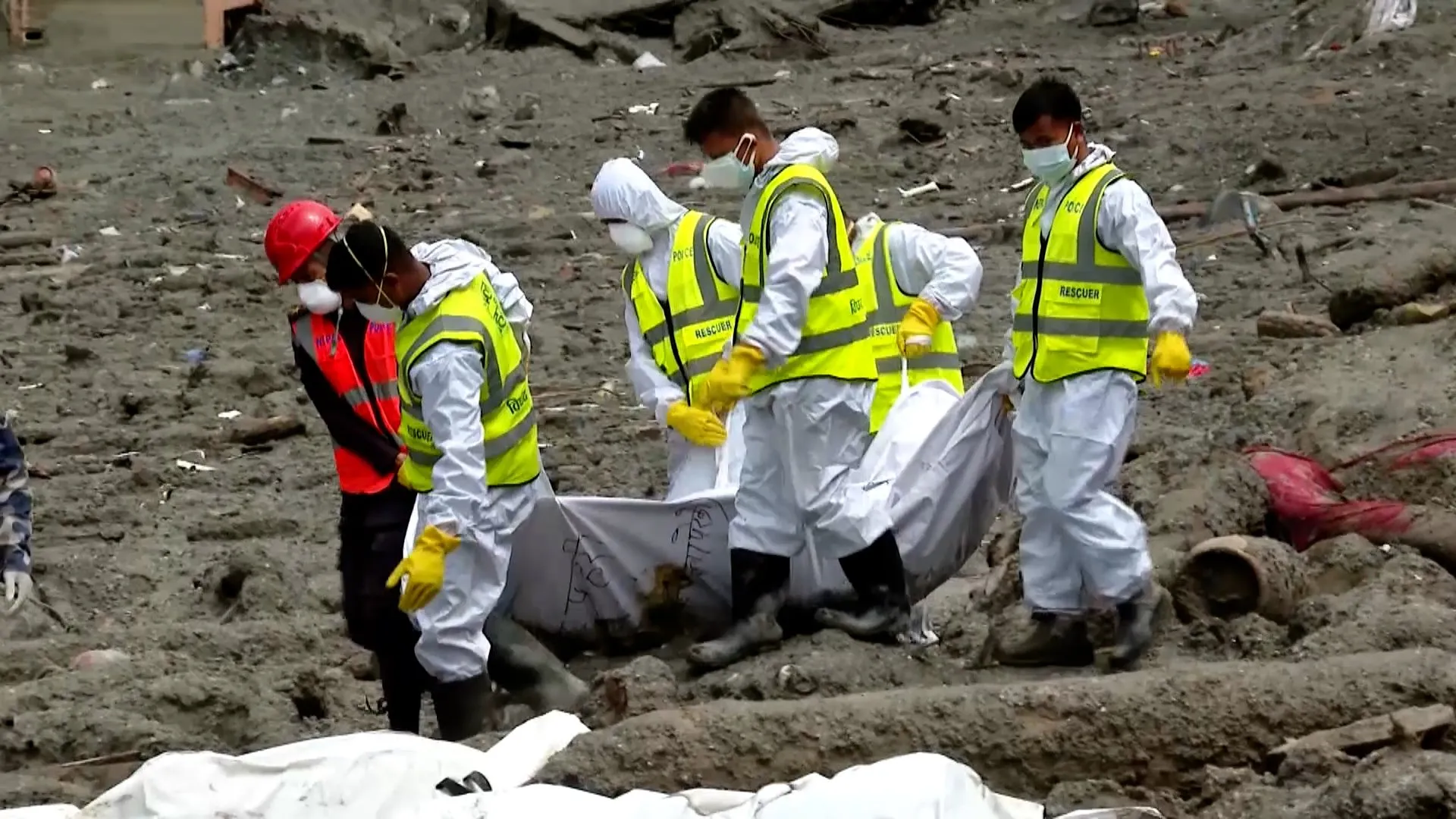
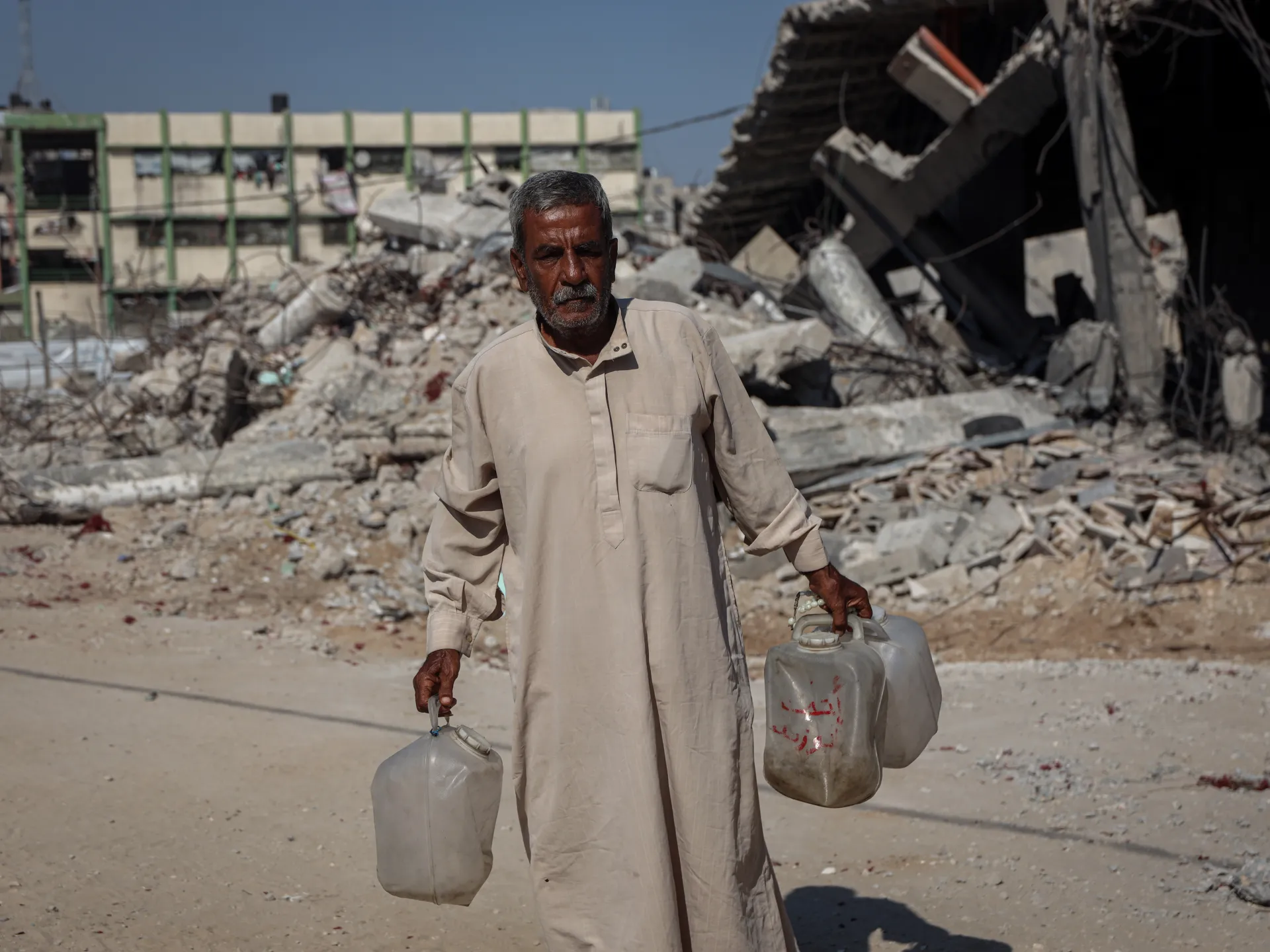
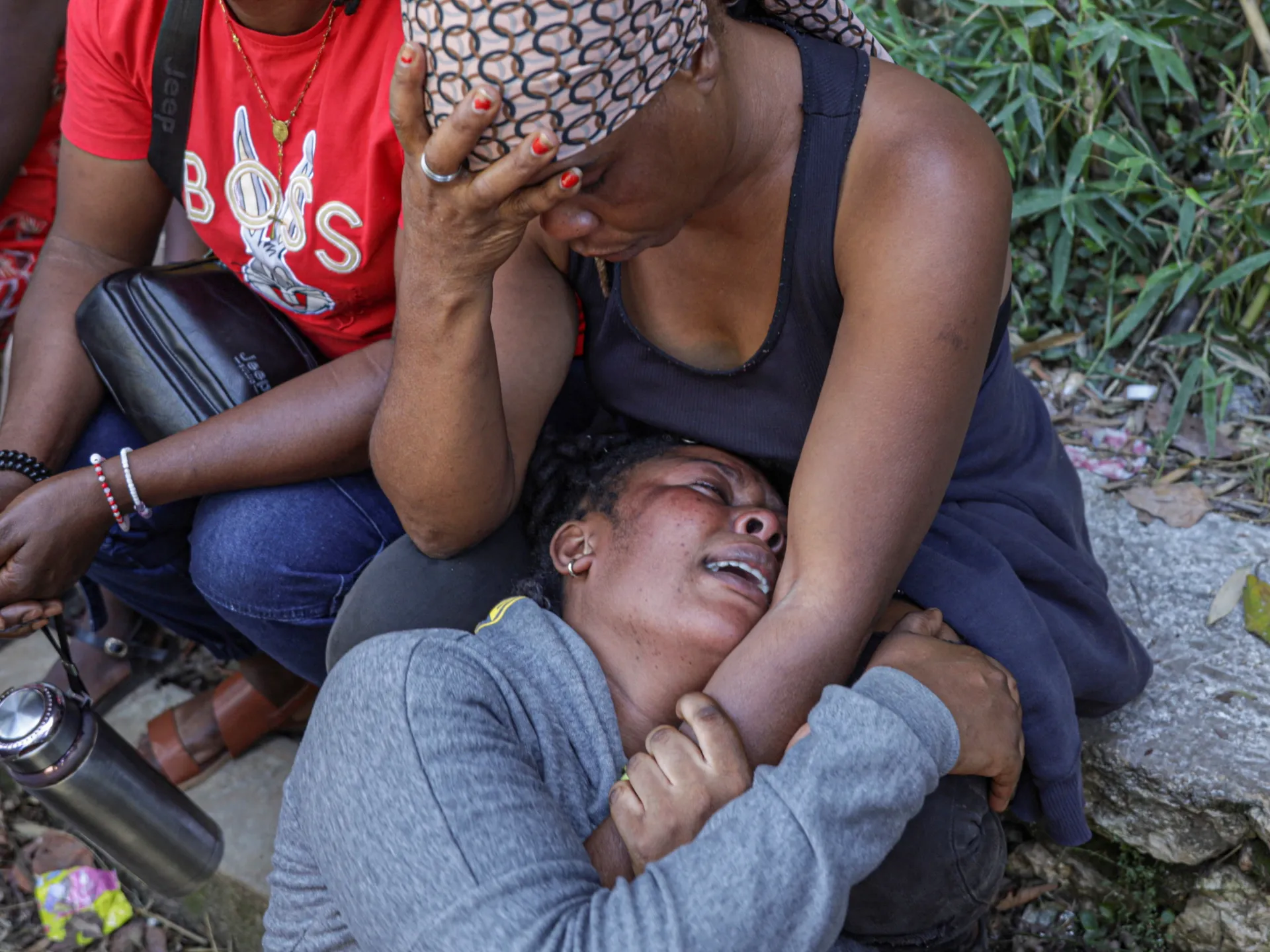
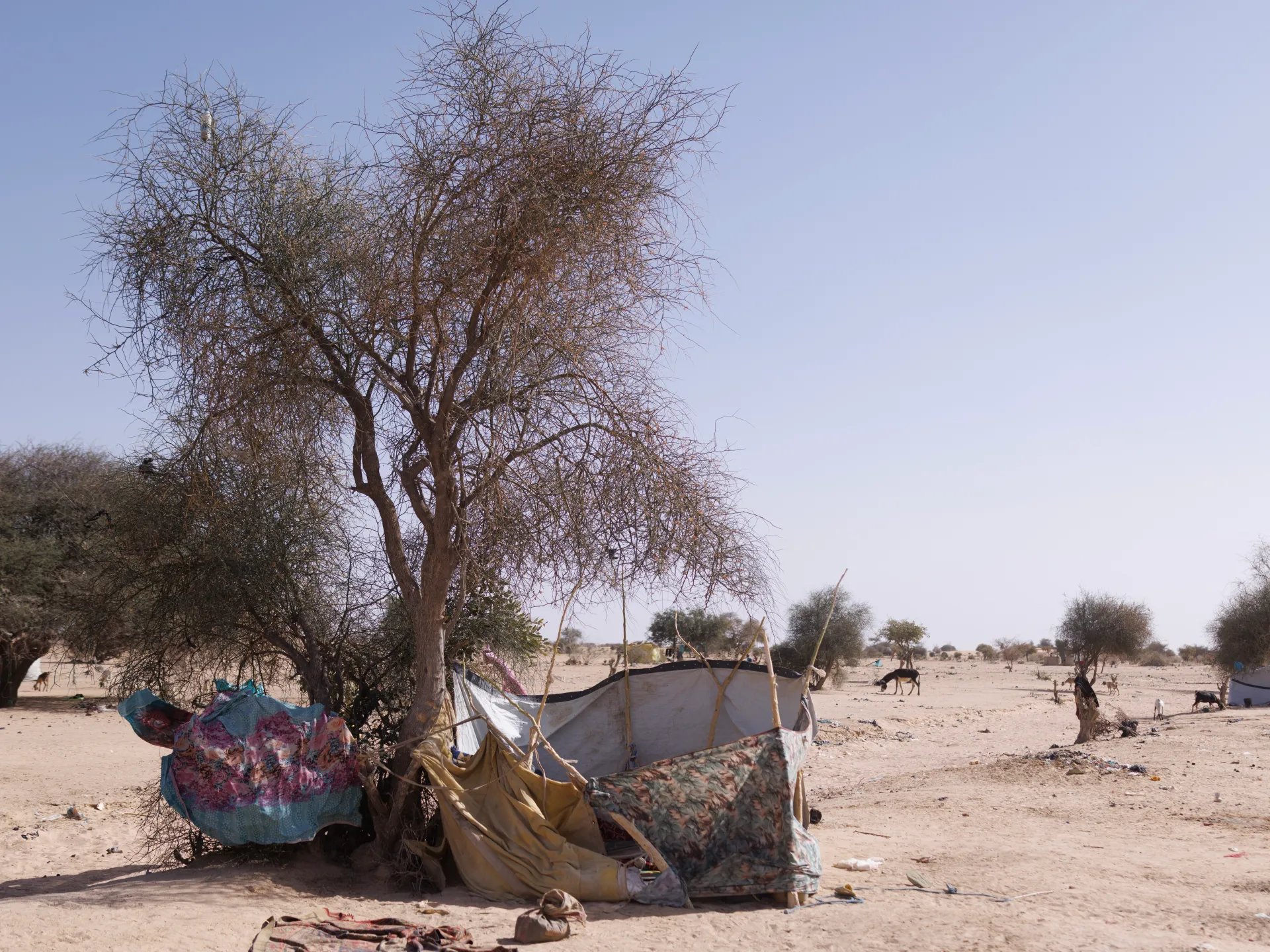
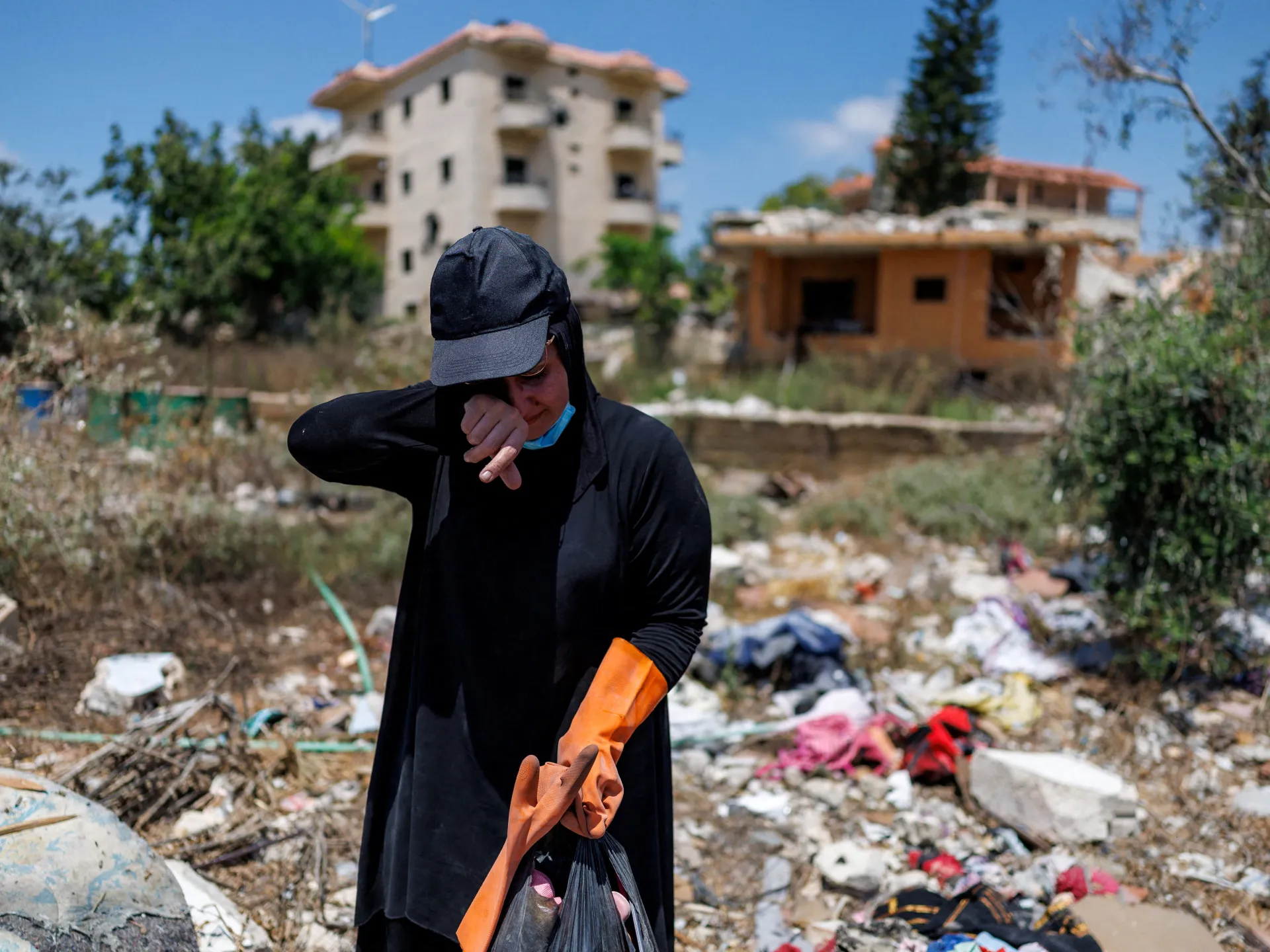
Behind the military maneuvering lies one of the world's most severe humanitarian crises. Since the escalation of hostilities in 2015, the conflict has resulted in over 150,000 deaths and displaced hundreds of thousands of civilians. The International Organization for Migration has reported that families are being forced to flee their homes repeatedly, often leaving with nothing. The World Health Organization continues to track rising casualty numbers as the four-year informal ceasefire, which had provided a degree of stability, continues to deteriorate.