The Federal Reserve has raised interest rates for the first time in three years, moving to 3.75%-4% to address persistent inflation that has exceeded targets for over five years.
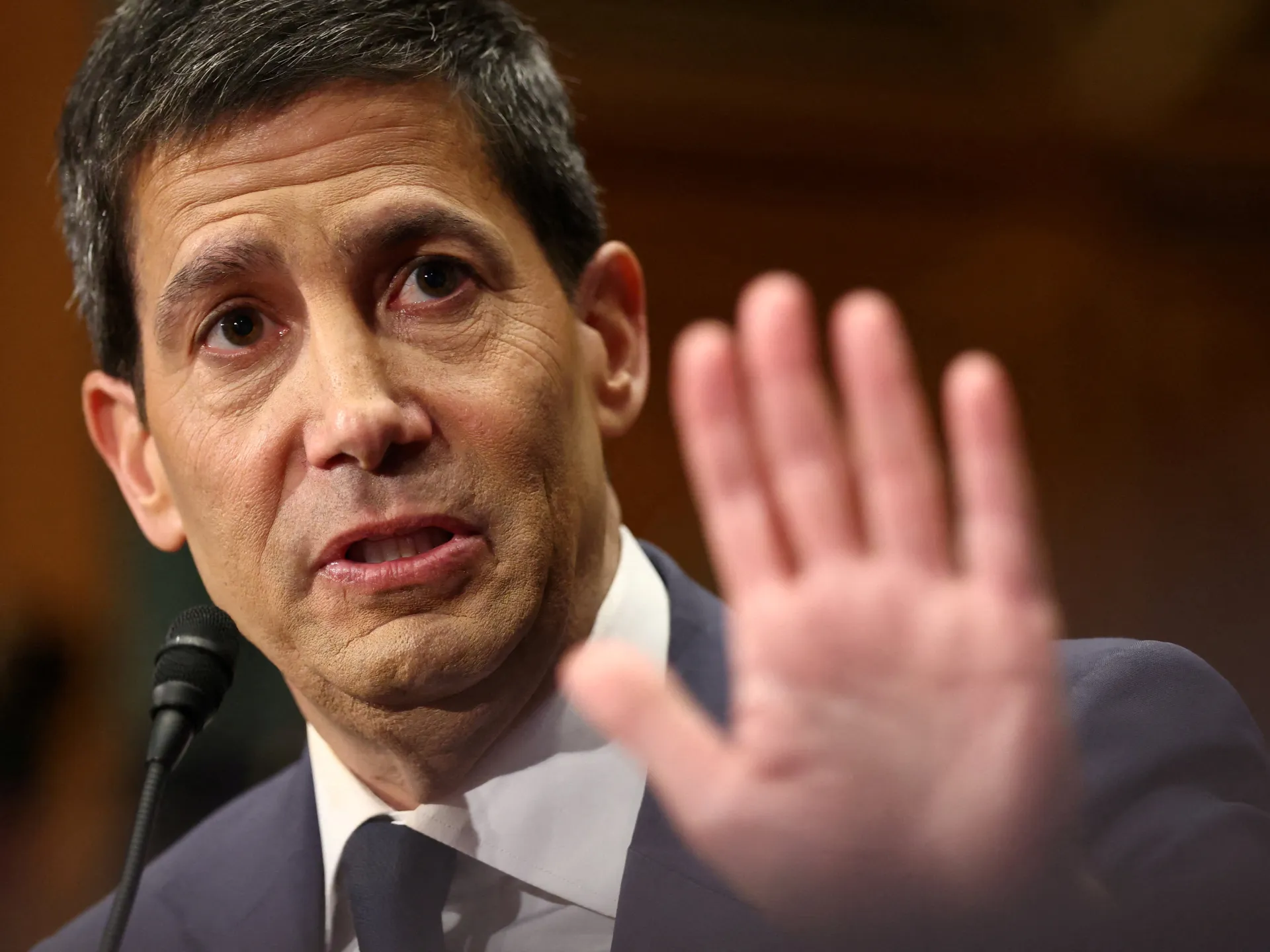
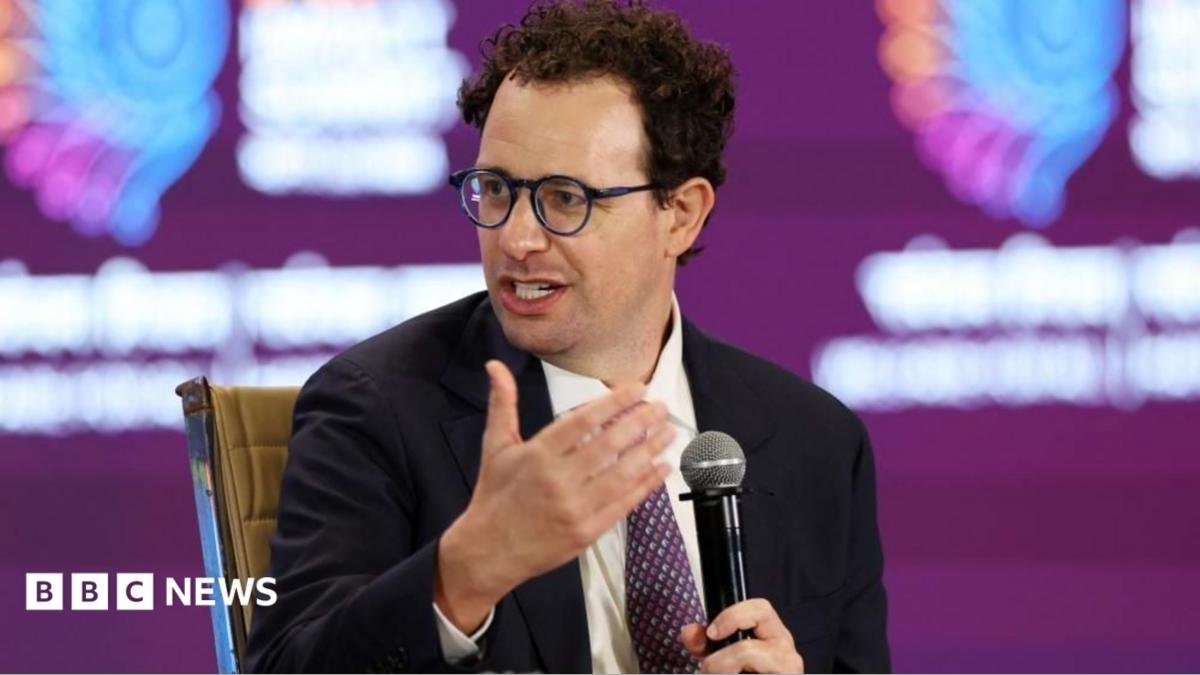
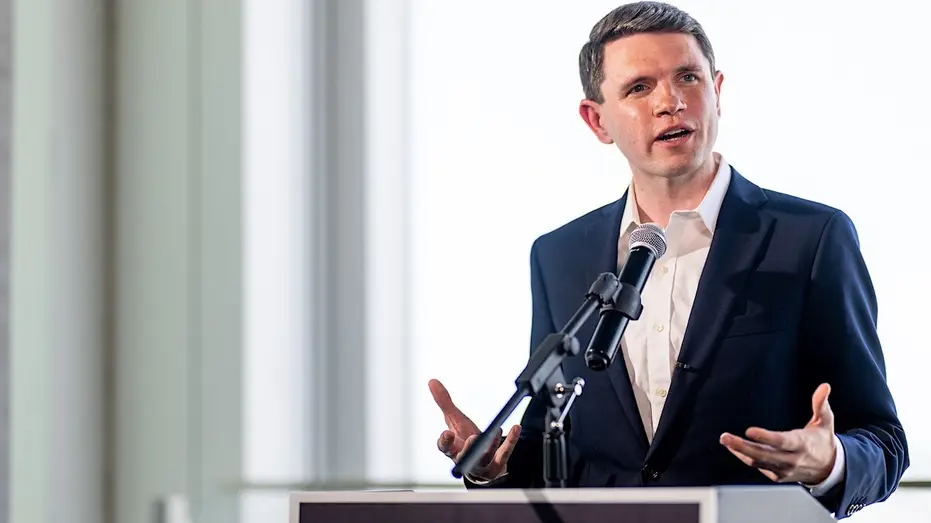
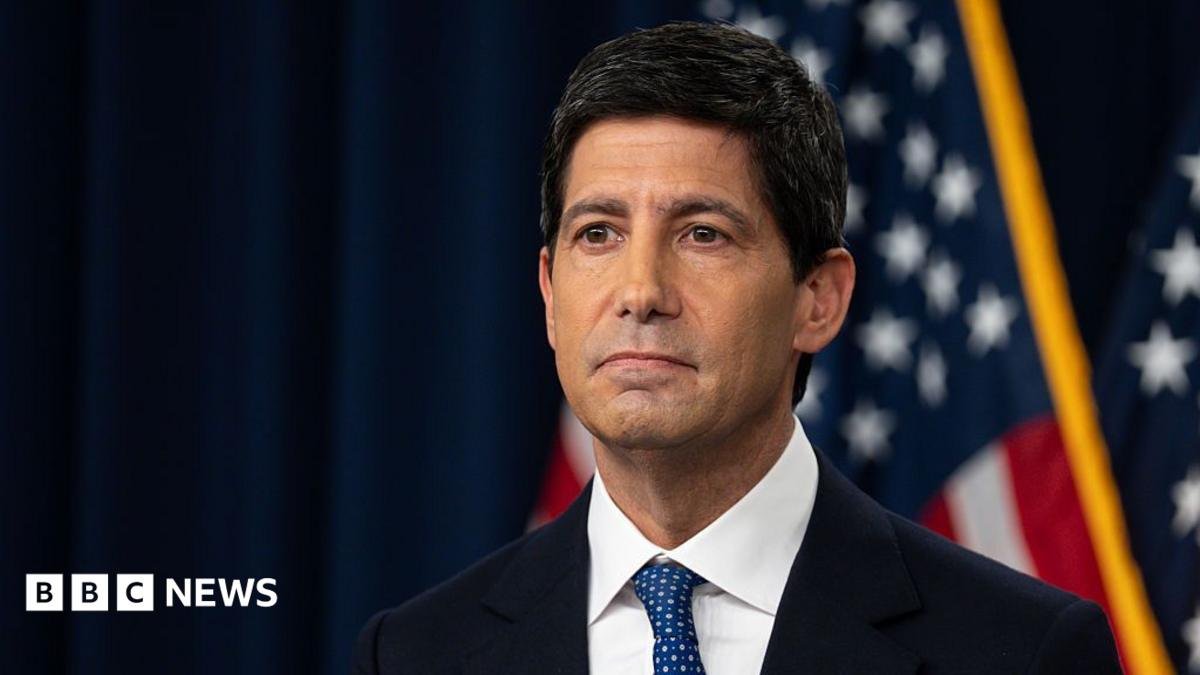
The Federal Reserve has officially ended a three-year period of stable or declining interest rates, announcing a hike that moves the benchmark range from 3.5%-3.75% to 3.75%-4%. This decision marks a significant pivot in the central bank's approach to cooling the American economy, as officials grapple with persistent price increases that have remained above the institution's 2% target for over five years. Fed Chair Kevin Warsh characterized the move as a sober and responsible action necessitated
Central banks typically utilize interest rate hikes as a primary tool to dampen economic activity when price levels rise too rapidly. spending and business investment, thereby slowing the velocity of price growth across the broader economy. While the central bank acknowledges that it cannot directly control the cost of specific commodities like oil or groceries, it views these interest rate adjustments as a vital mechanism to prevent inflation from becoming deeply entrenched in the national economy.
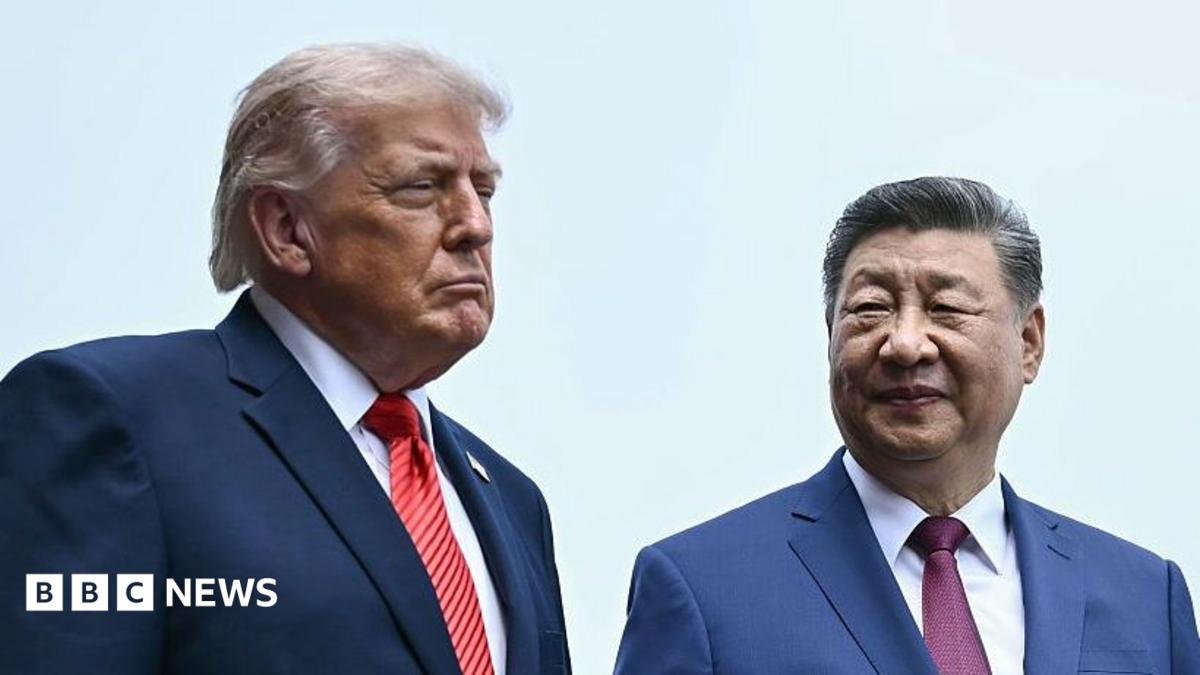
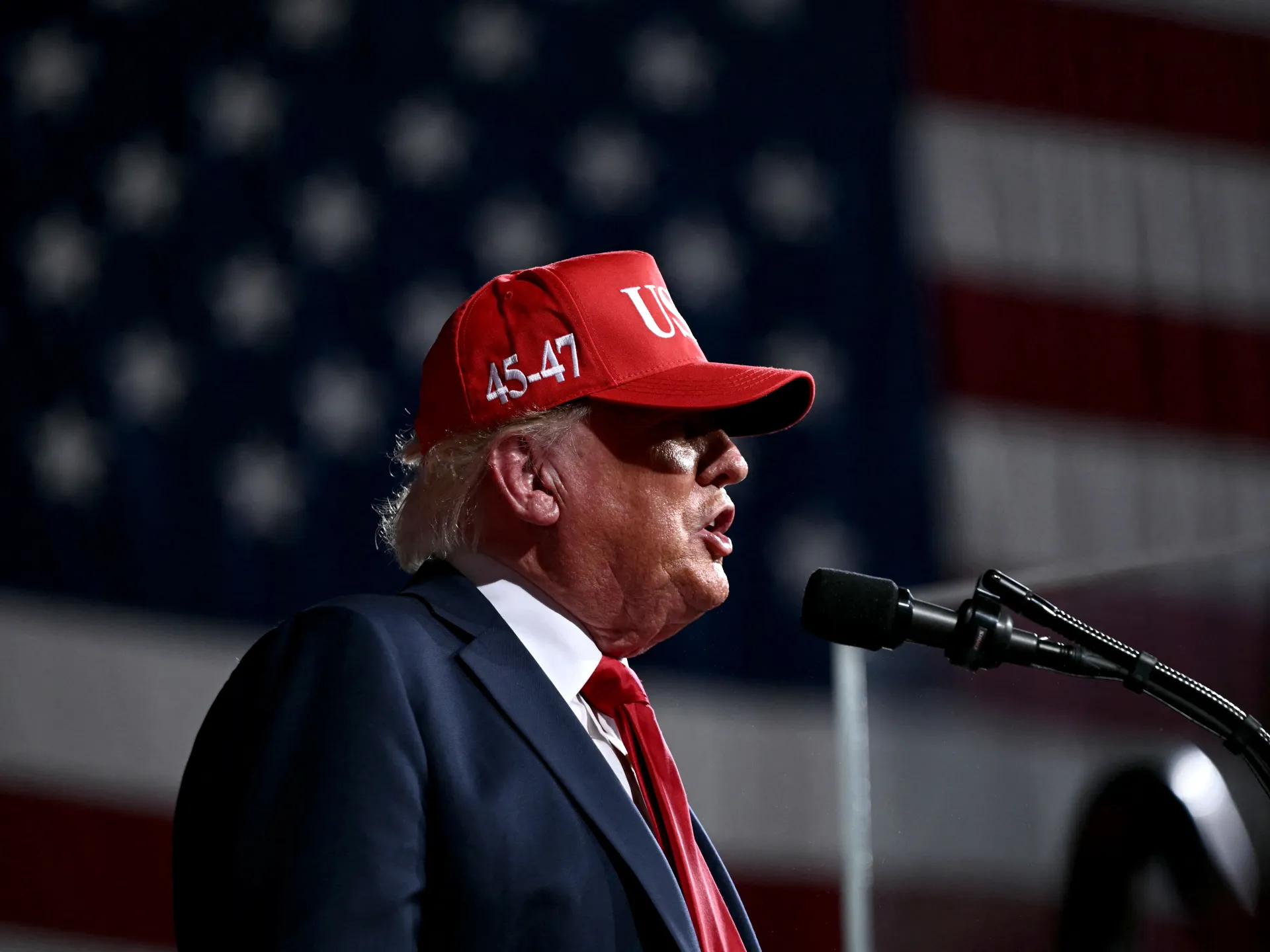
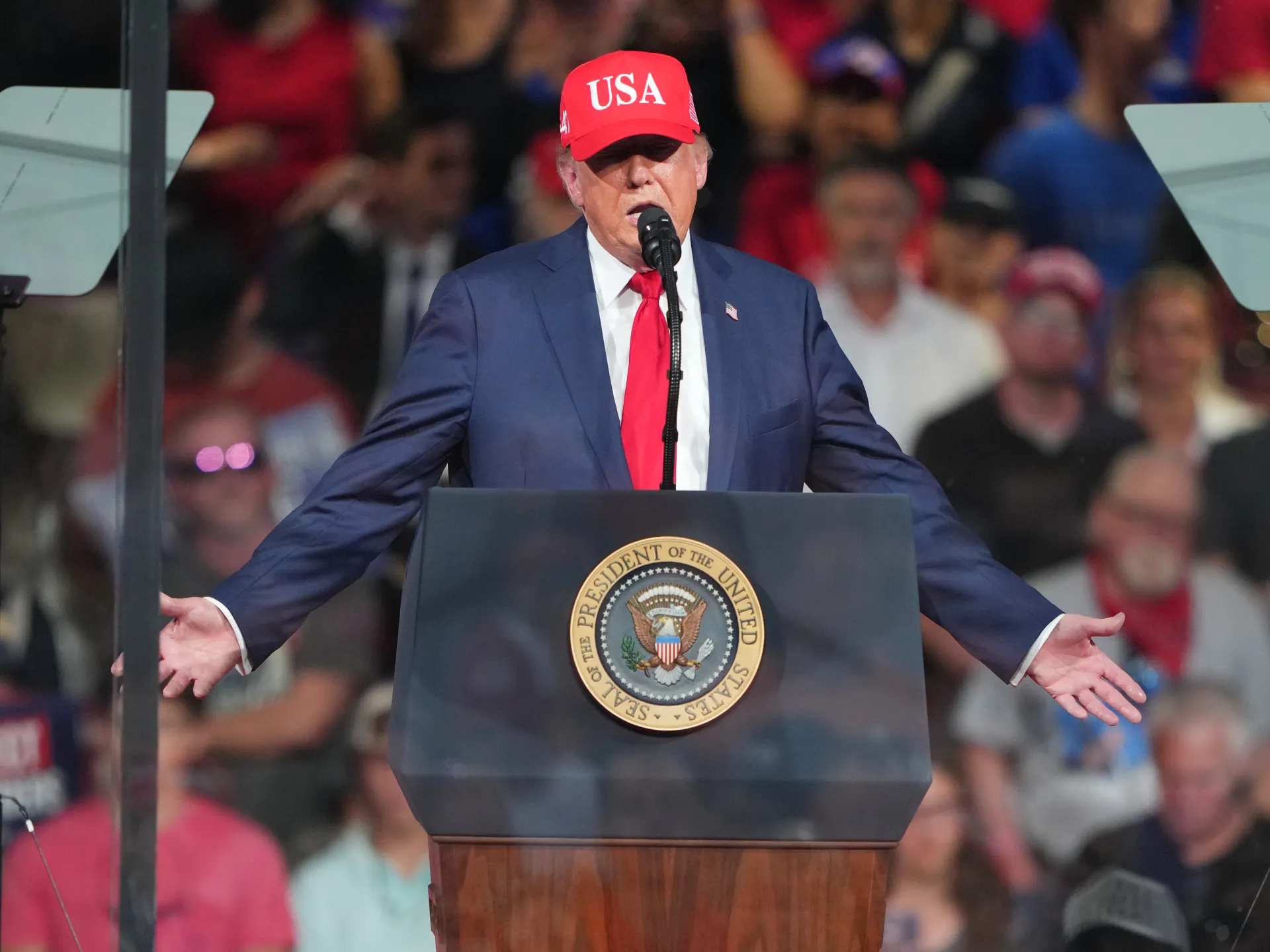
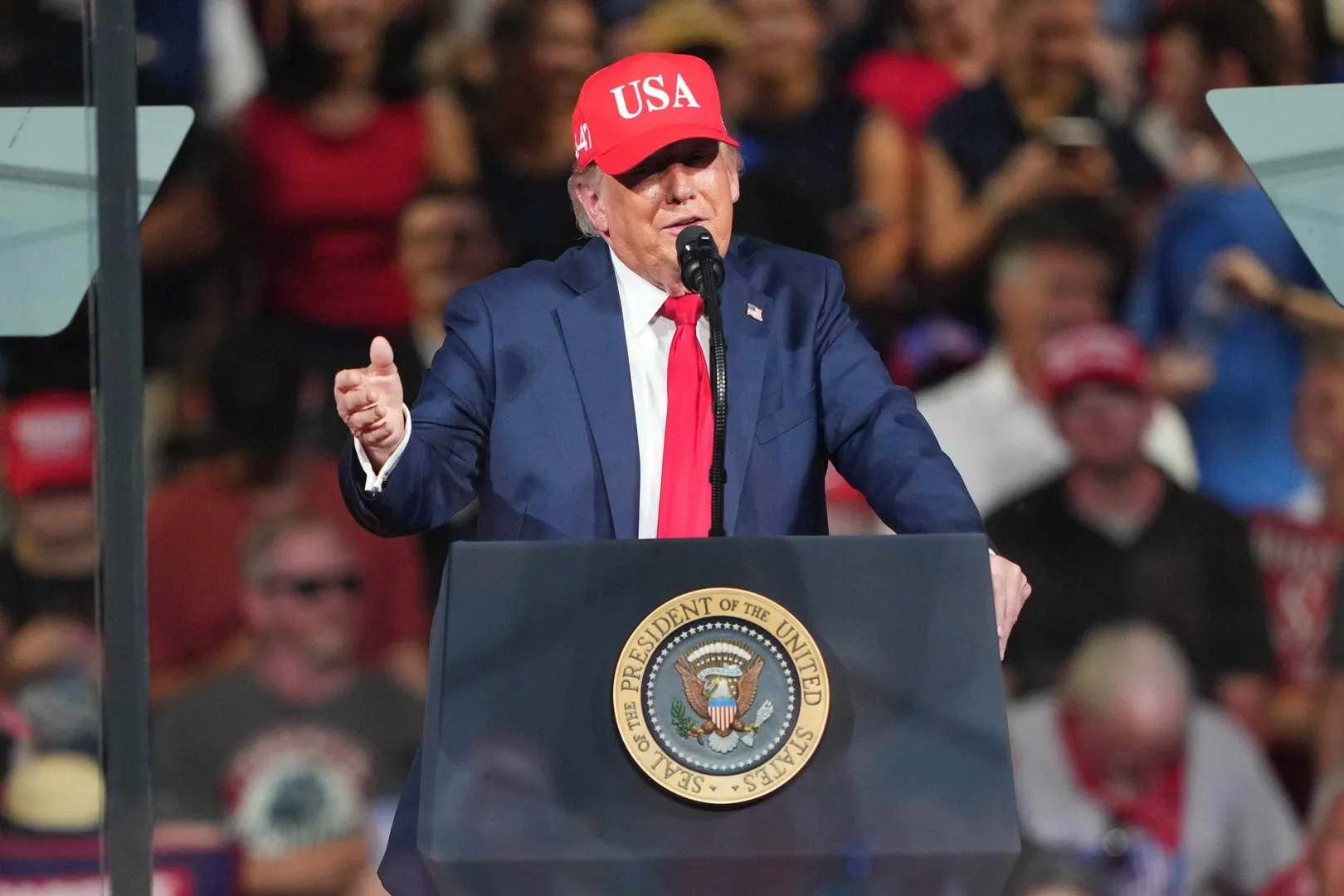
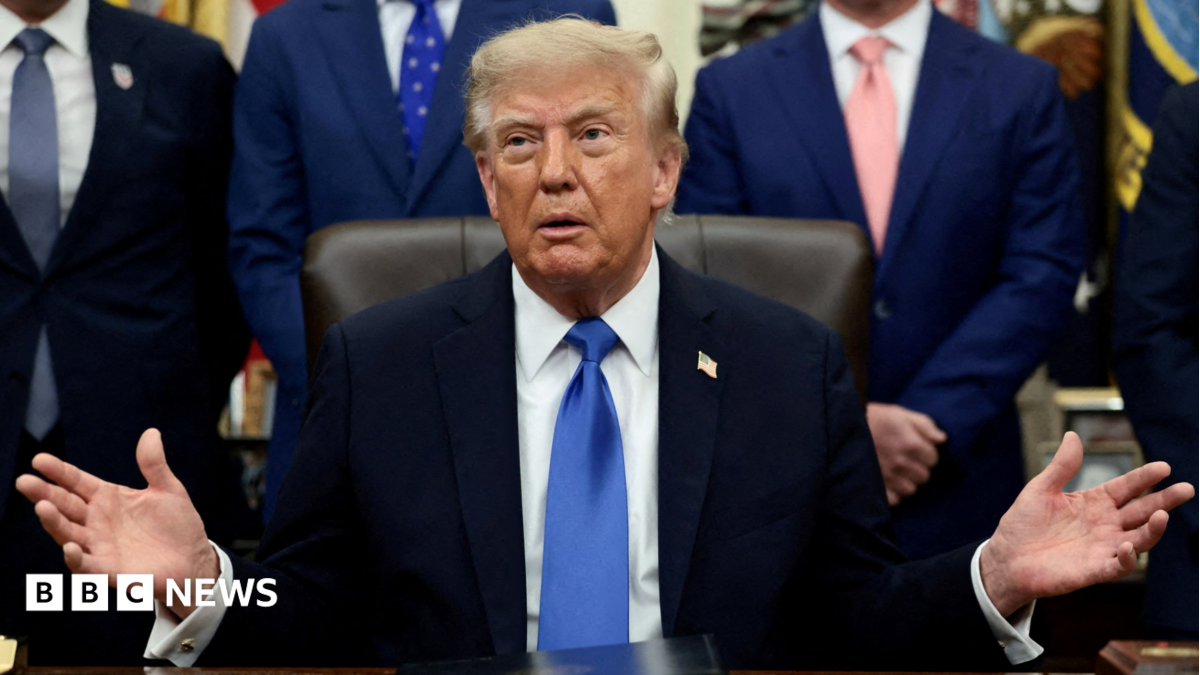
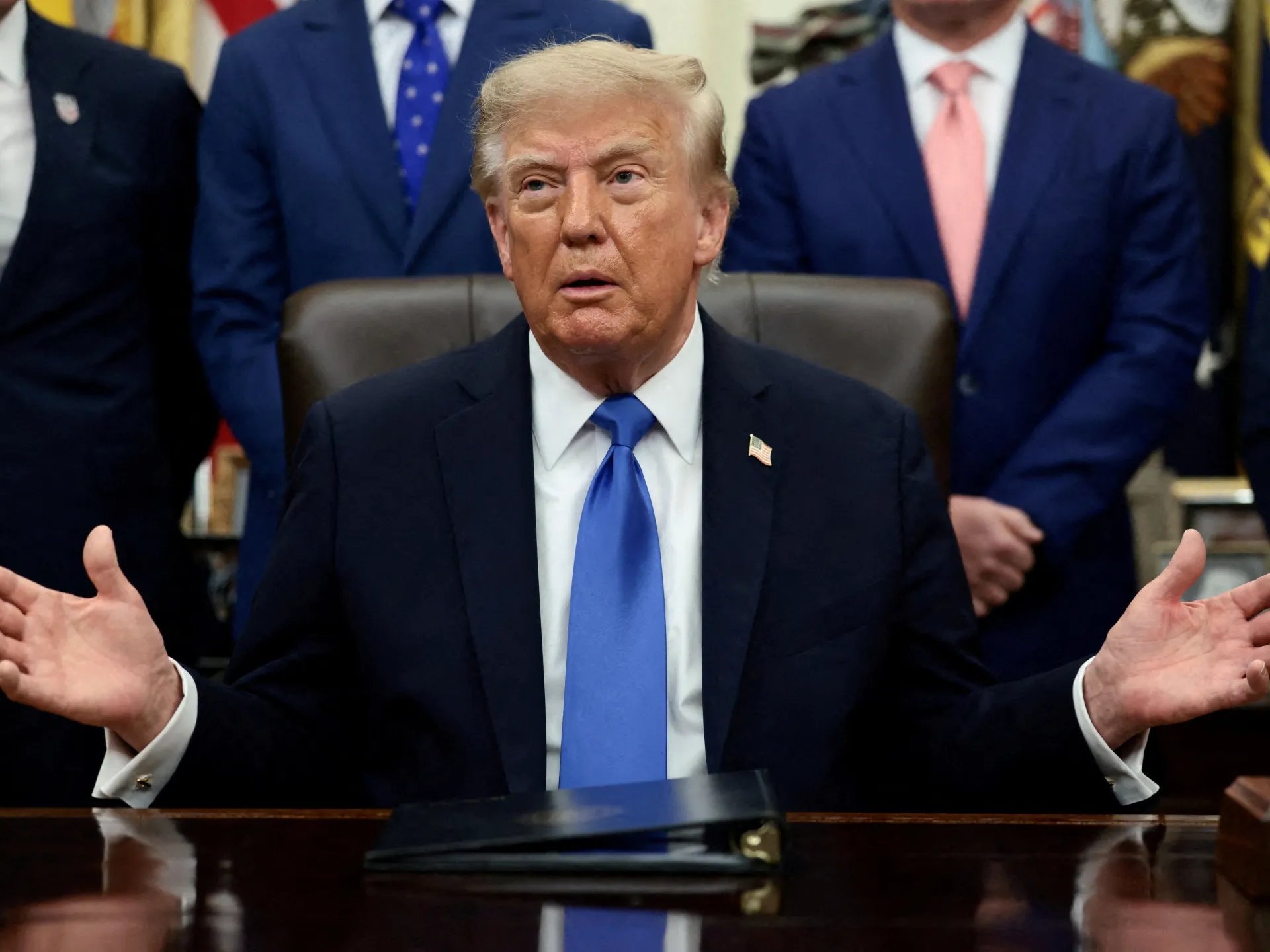
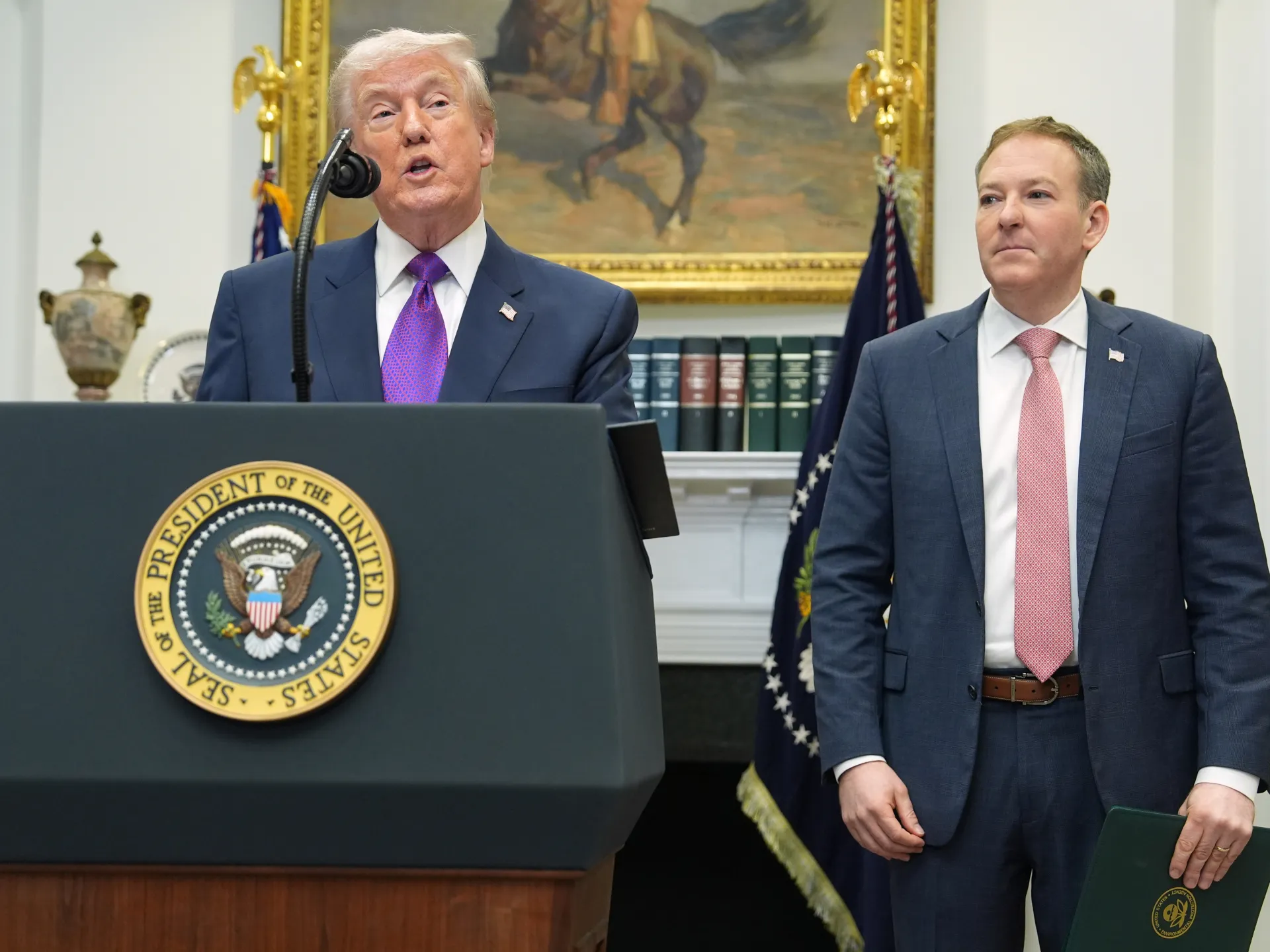
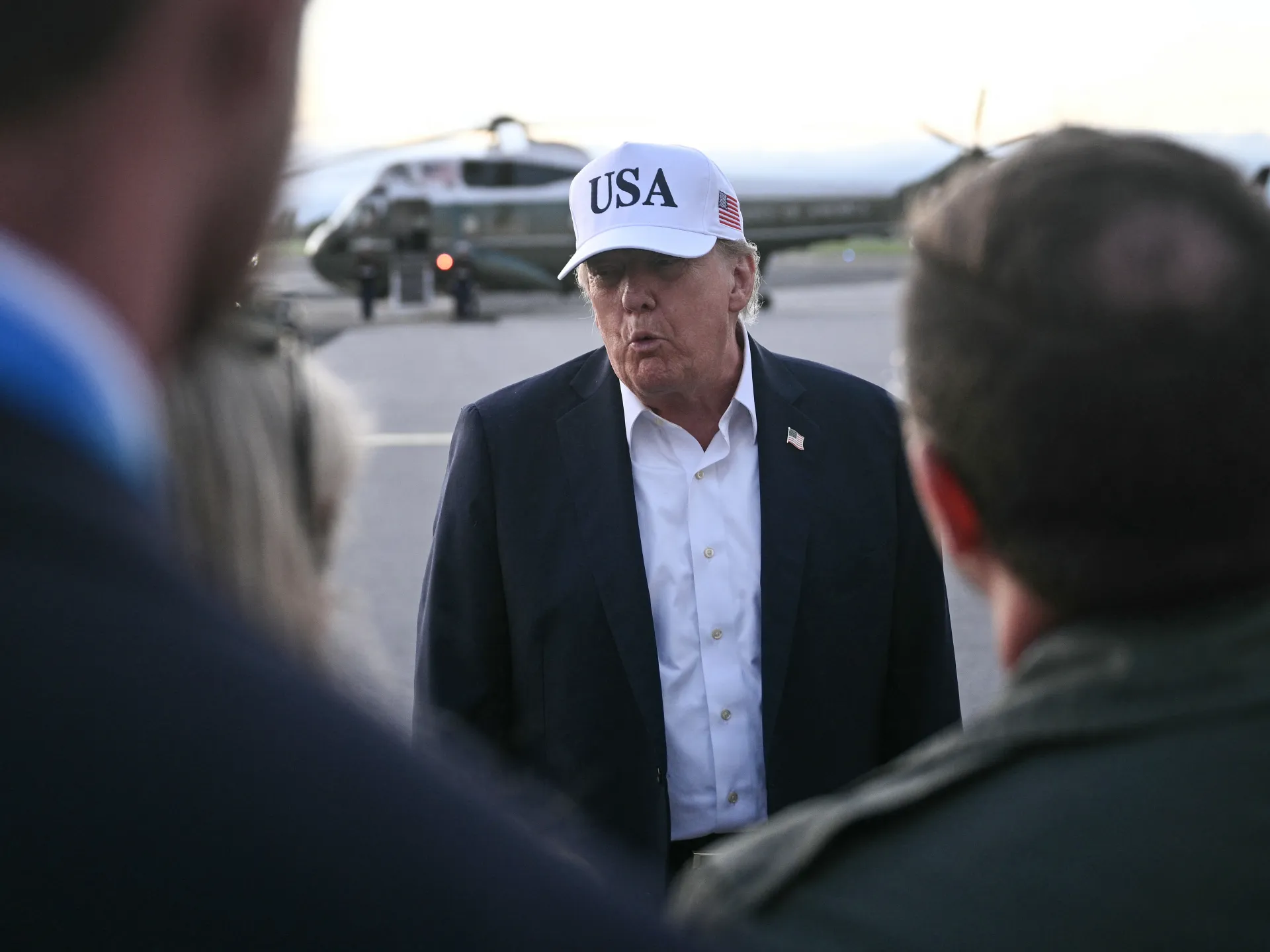
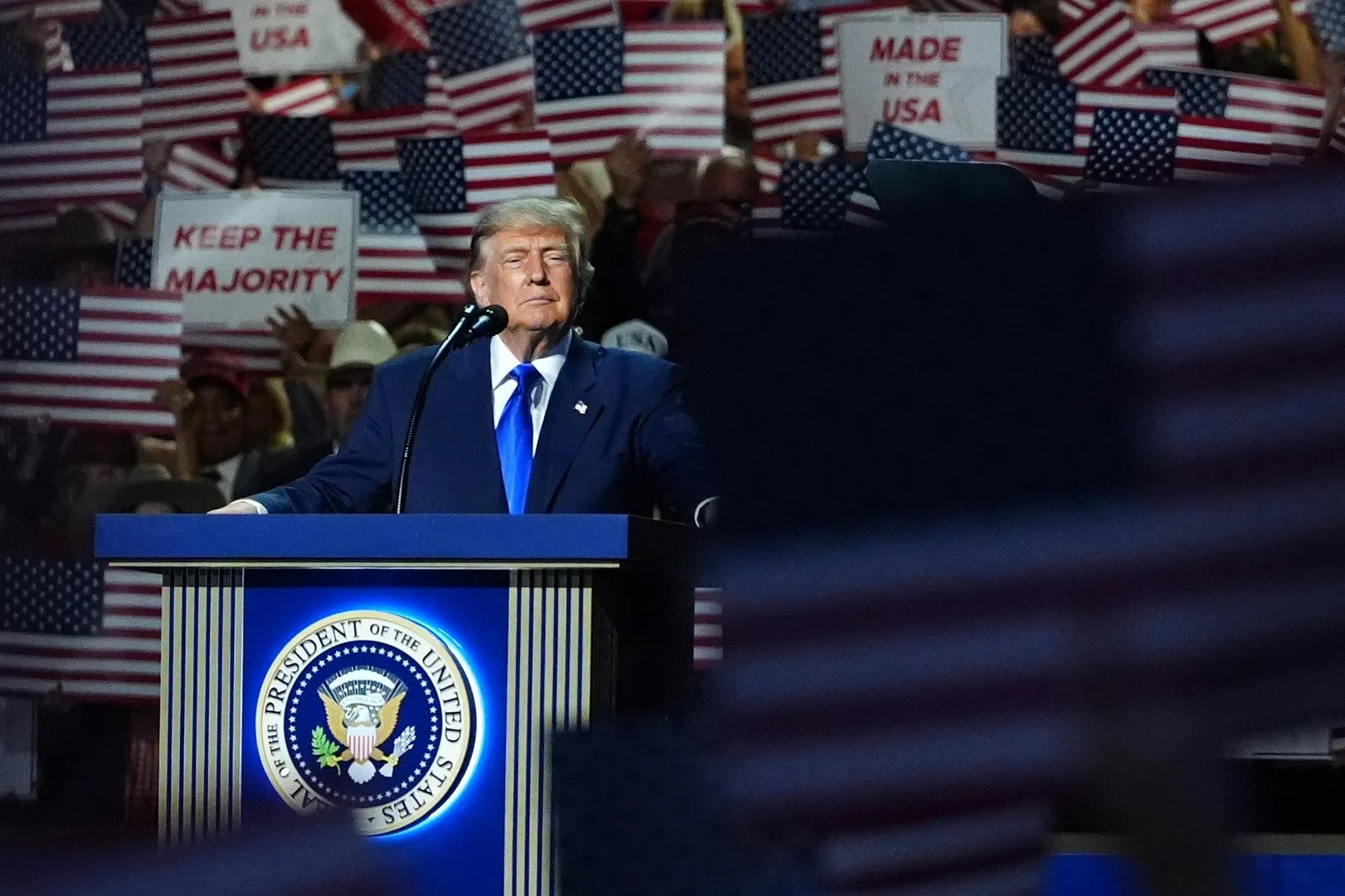
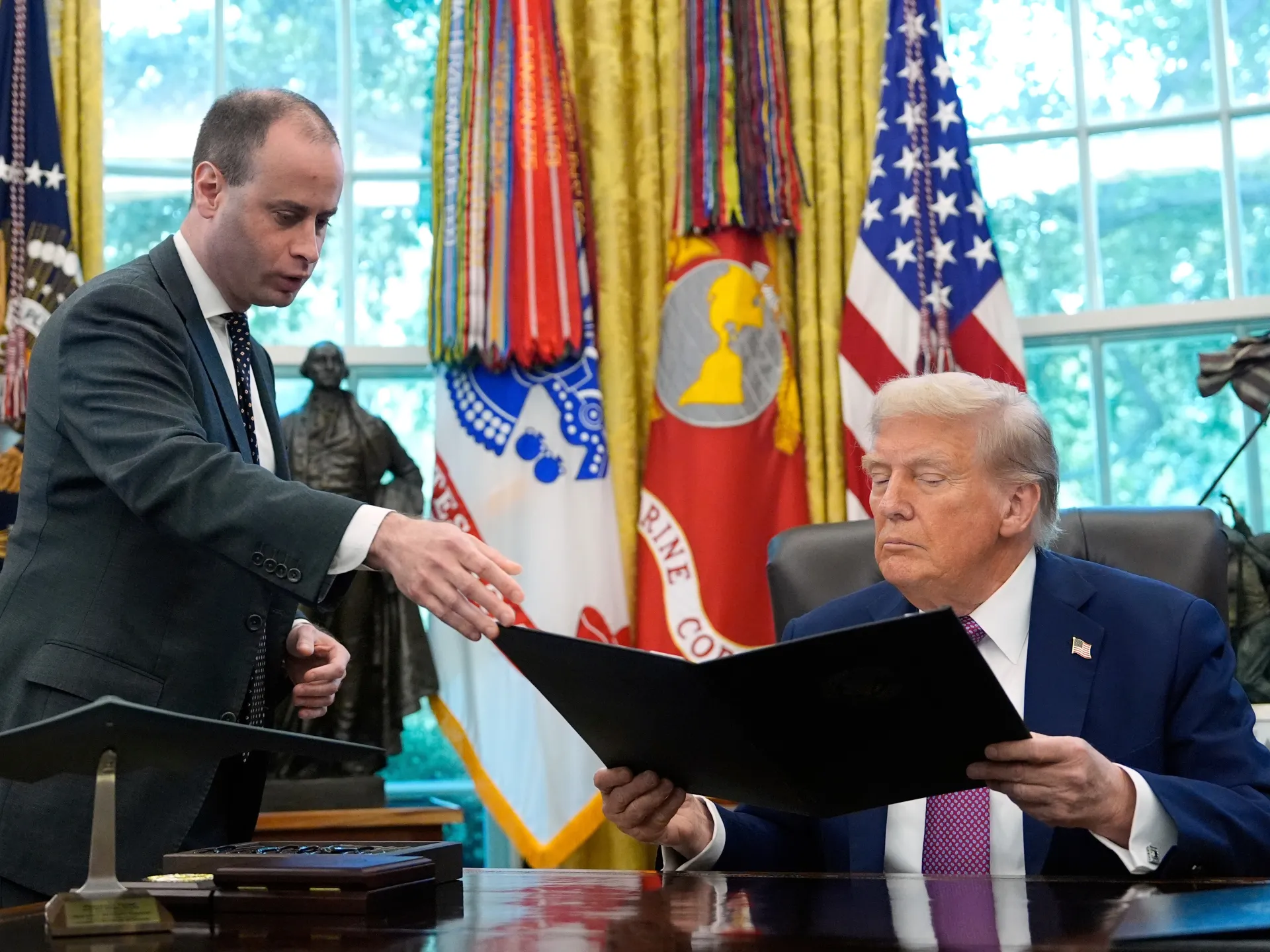
The decision to raise rates has occurred against a backdrop of intense political friction. President Donald Trump, who has frequently advocated for lower interest rates to stimulate growth, expressed public frustration with the move. While the President signaled a level of personal support for Chair Warsh, he simultaneously characterized the broader Federal Reserve board as hostile and overly political. This tension highlights the ongoing debate regarding the independence of the central bank in its effort to manage macroeconomic stability versus the executive branch's desire for easier credit conditions.
Democratic lawmakers have voiced significant concerns regarding the consequences of this policy shift. Senate leaders have criticized the move, arguing that higher rates will place an undue burden on American families to more expensive loans and credit card payments, potentially hindering the financial recovery of households already struggling with the rising cost of living. This divergence in opinion underscores the difficult balancing act the Fed must perform as it attempts to curb inflation without inadvertently triggering a contraction in economic growth.
For the average American, the immediate impact of this rate hike is manifesting in the cost of debt. Major financial institutions, including JP Morgan, KeyCorp, and BNY, have already adjusted their prime lending rates upward to 7%. This change directly affects variable-rate products such as credit cards and personal loans, making daily financial management more expensive for millions of consumers. While higher interest rates are generally beneficial for those with significant savings, the immediate effect on borrowers is a reduction in disposable income.
The housing market remains a focal point for analysts monitoring the ripple effects of these policy changes. Although many existing homeowners are protected ance face a much more challenging environment. Current data indicates that 30-year fixed mortgage rates are averaging around 6.76%, while 15-year terms sit at 6.09%. While these levels remain below the historic peaks observed in 2023, the upward trend in borrowing costs acts as a barrier for prospective buyers and a cooling factor for the real estate sector.
Looking ahead, the Federal Reserve has signaled that this increase may not be the final move in its current cycle. A majority of policymakers have indicated that additional hikes could be necessary before the end of the year, potentially pushing the target range to 4%-4.25%. Further projections suggest that rates could reach as high as 4.5% in the coming year, with a potential period of easing expected to begin in 2028 or 2029. This long-term strategy is intended to guide inflation steadily back toward the Fed's 2% target.
The global economic climate remains precarious, with other major central banks facing similar pressures. The European Central Bank has already initiated its own series of rate hikes, and other international monetary authorities are expected to follow suit. As the U.S. economy navigates the fallout from geopolitical instability and fluctuating energy prices, the Federal Reserve maintains that its primary focus remains the stabilization of prices. The central bank emphasizes that achieving lower inflation is essential for protecting the most vulnerable members of society, who are historically the most adversely affected