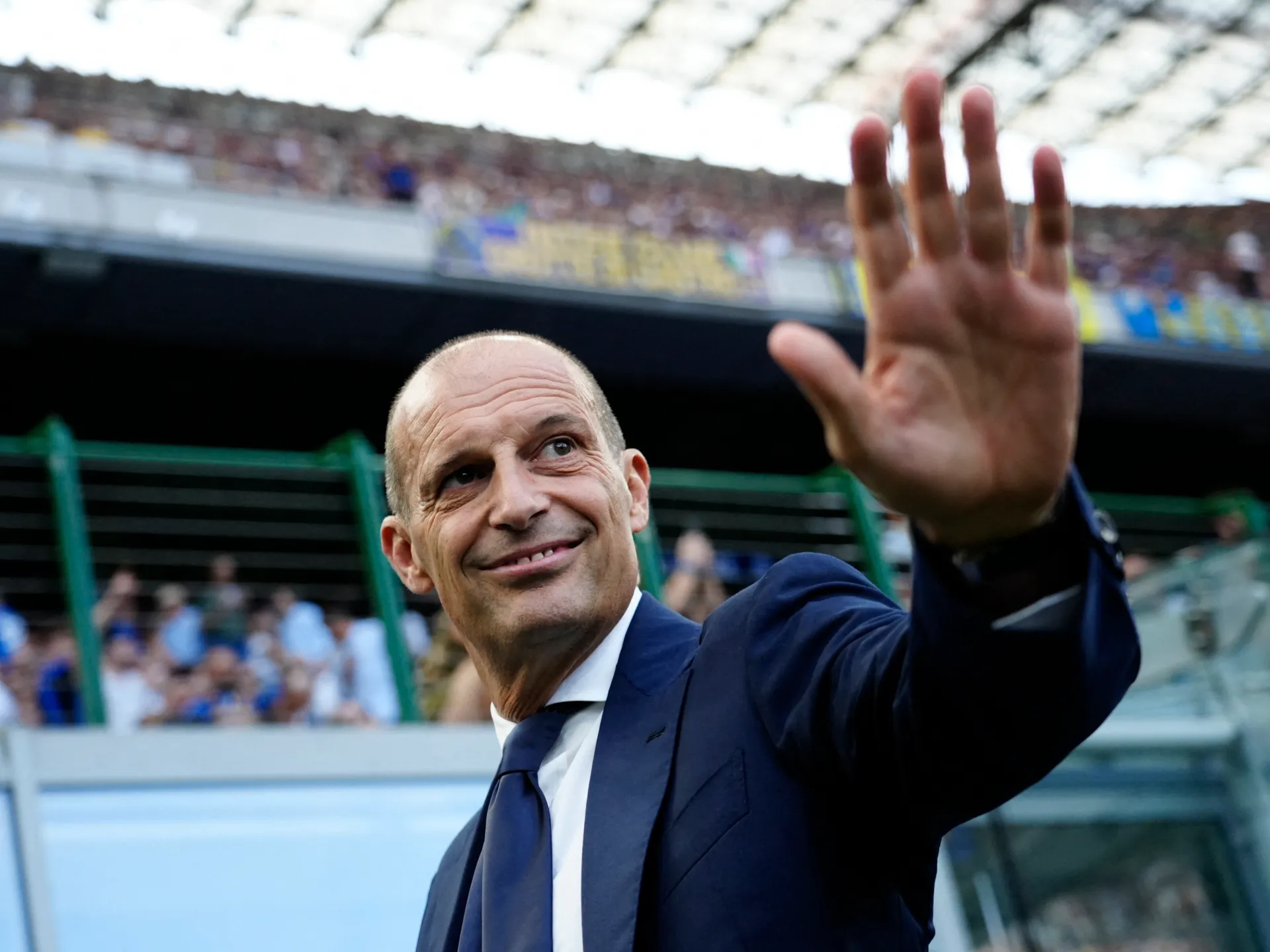
European Leagues president Claudius Schaefer has declared that FIFA requires a leadership change, citing concerns over unilateral decision-making and political interference.
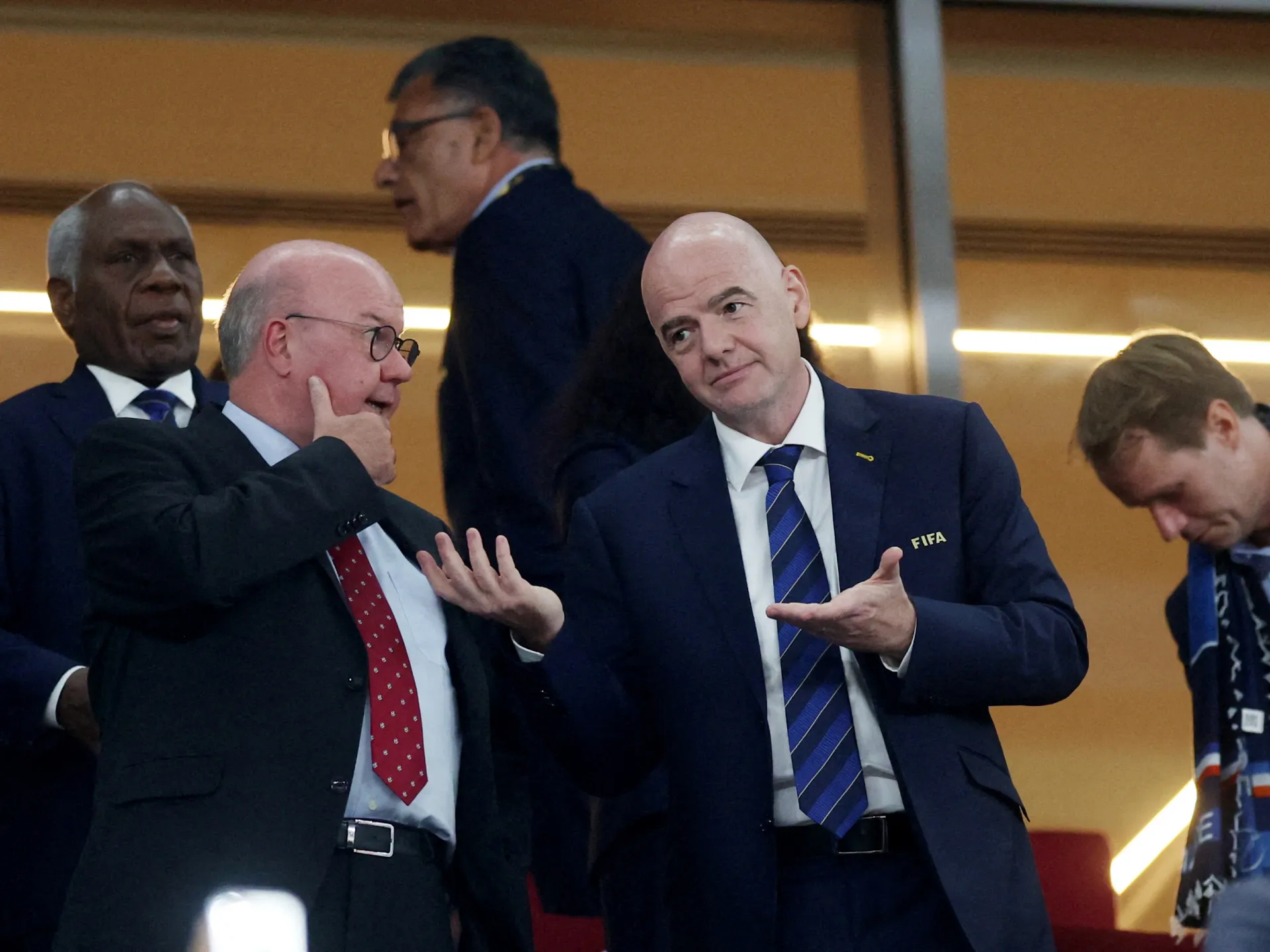
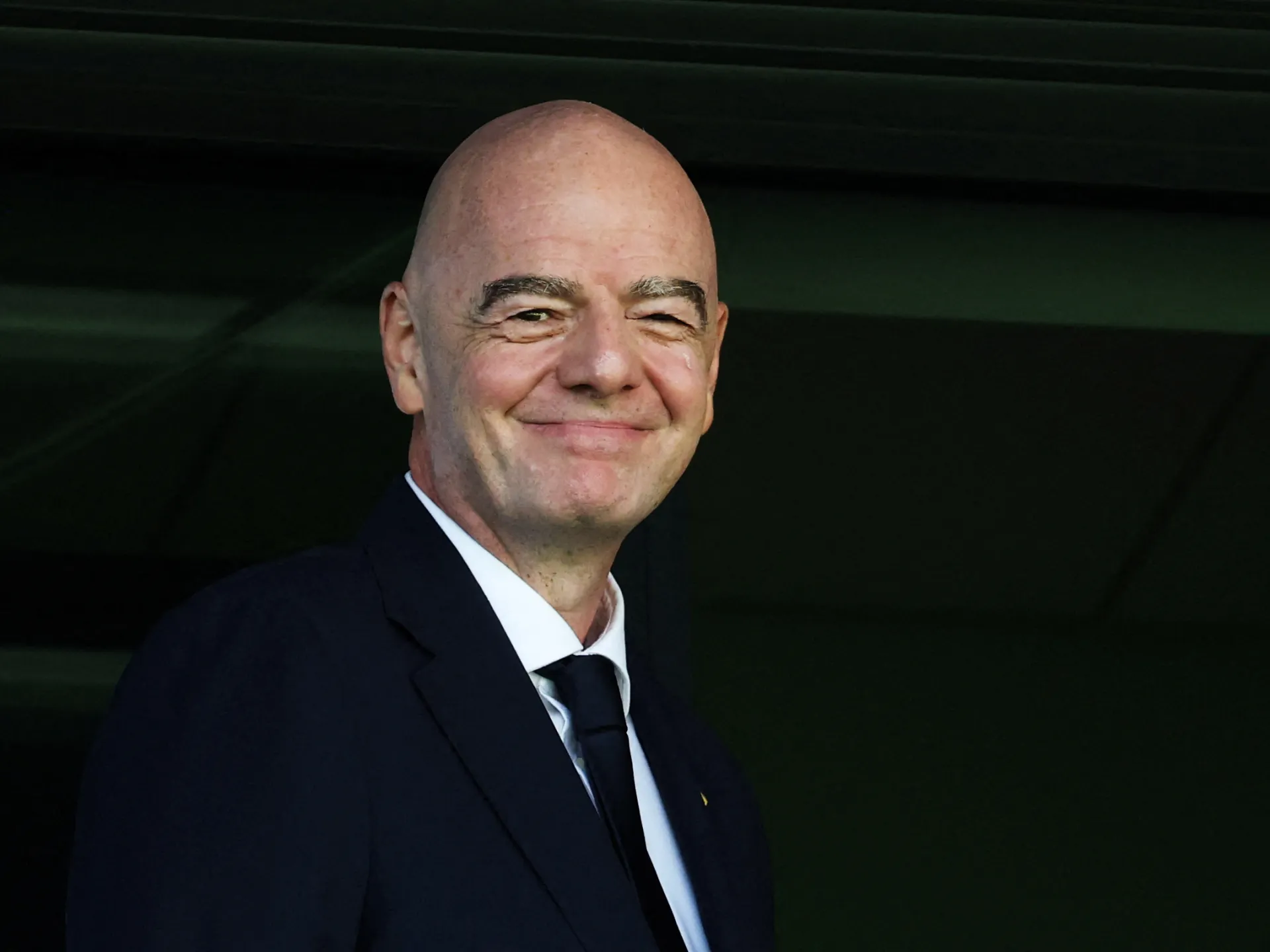
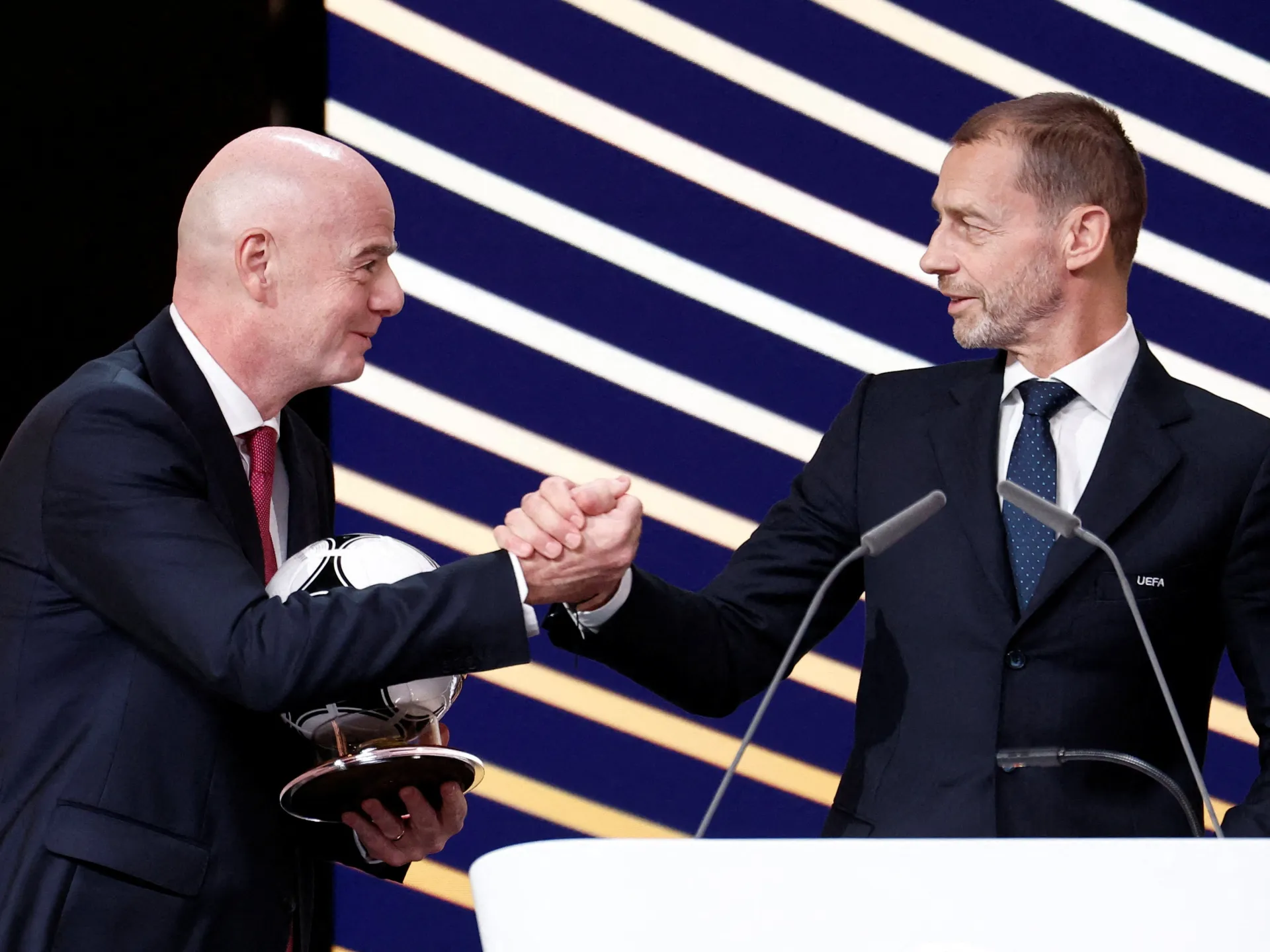
The global football landscape is currently grappling with a significant crisis of confidence following pointed remarks from the head of European Leagues. Claudius Schaefer, who leads the organization representing 53 professional men’s and women’s football leagues, has publicly questioned the suitability of Gianni Infantino to remain at the helm of world football’s governing body. According to Schaefer, the current administrative trajectory of FIFA is unsustainable, and a fundamental change in leadership is necessary to restore the integrity of the sport.
Schaefer’s critique highlights a growing perception that the power concentrated within the office of the FIFA president has expanded excessively over recent years. ody is seen as increasingly detached from the needs and expectations of the leagues that form the backbone of professional football. This centralization of decision-making authority has created a rift between FIFA and its regional partners, leading to a breakdown in the cooperative governance model that is supposed to guide the sport.
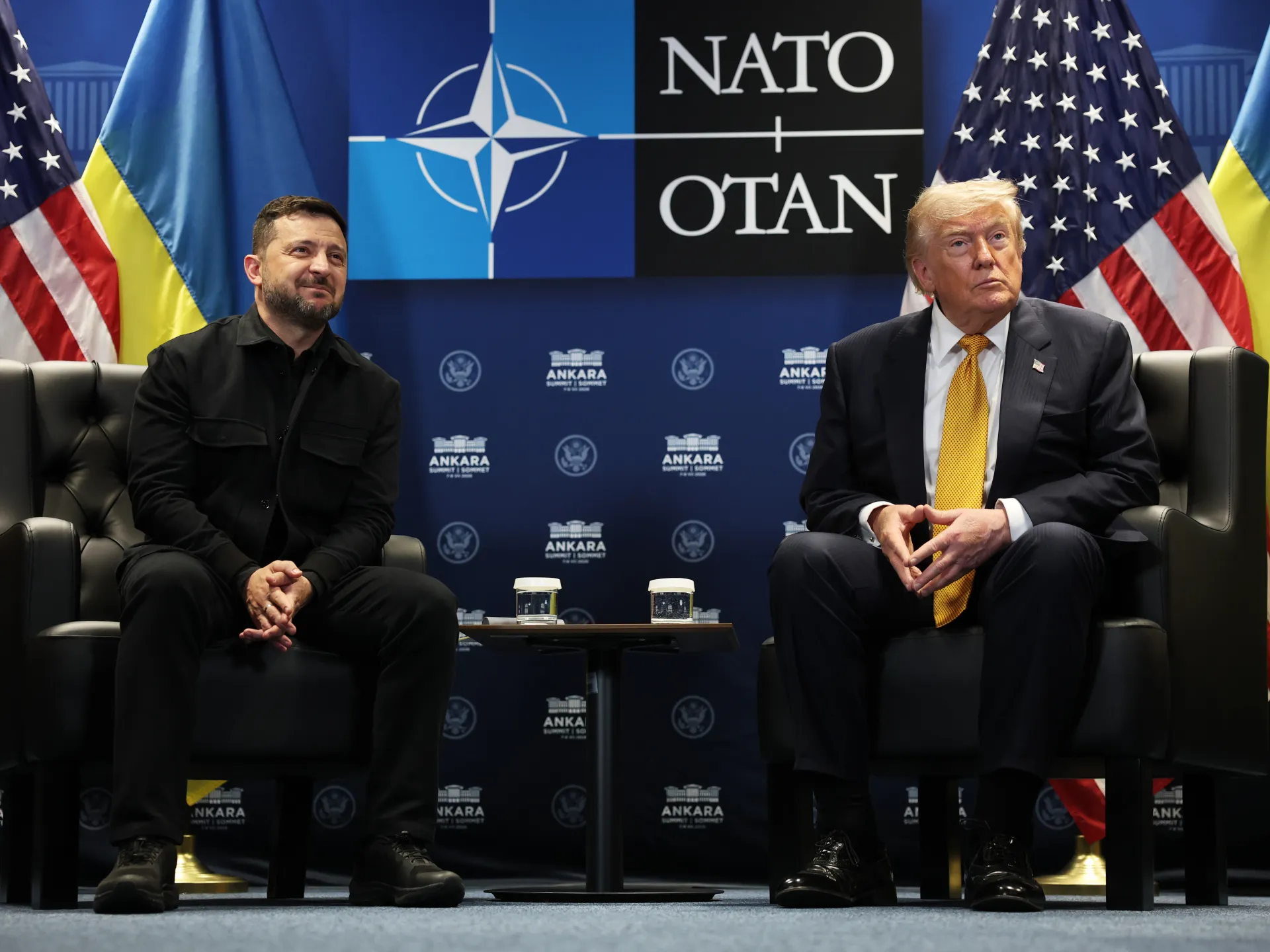
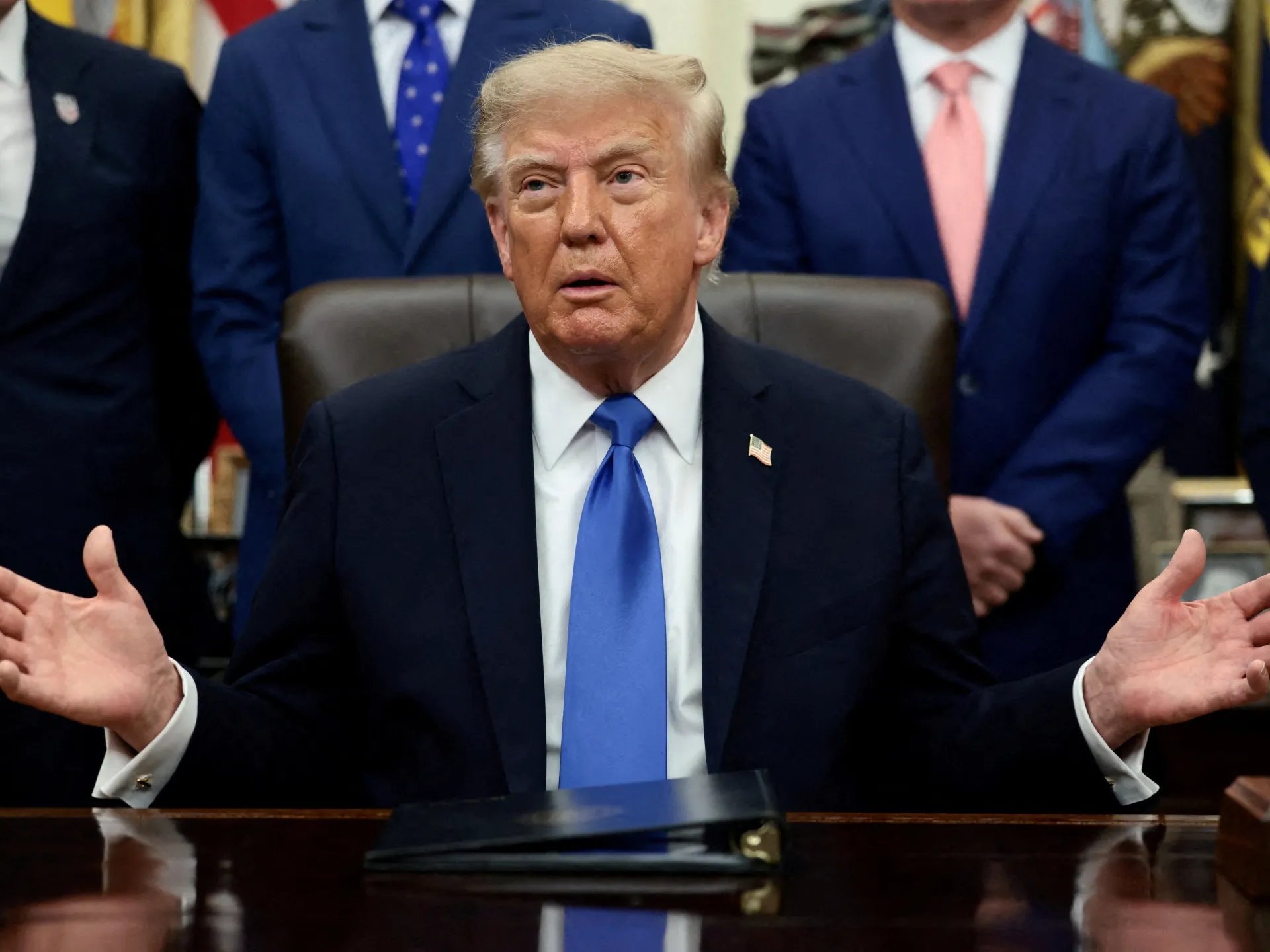
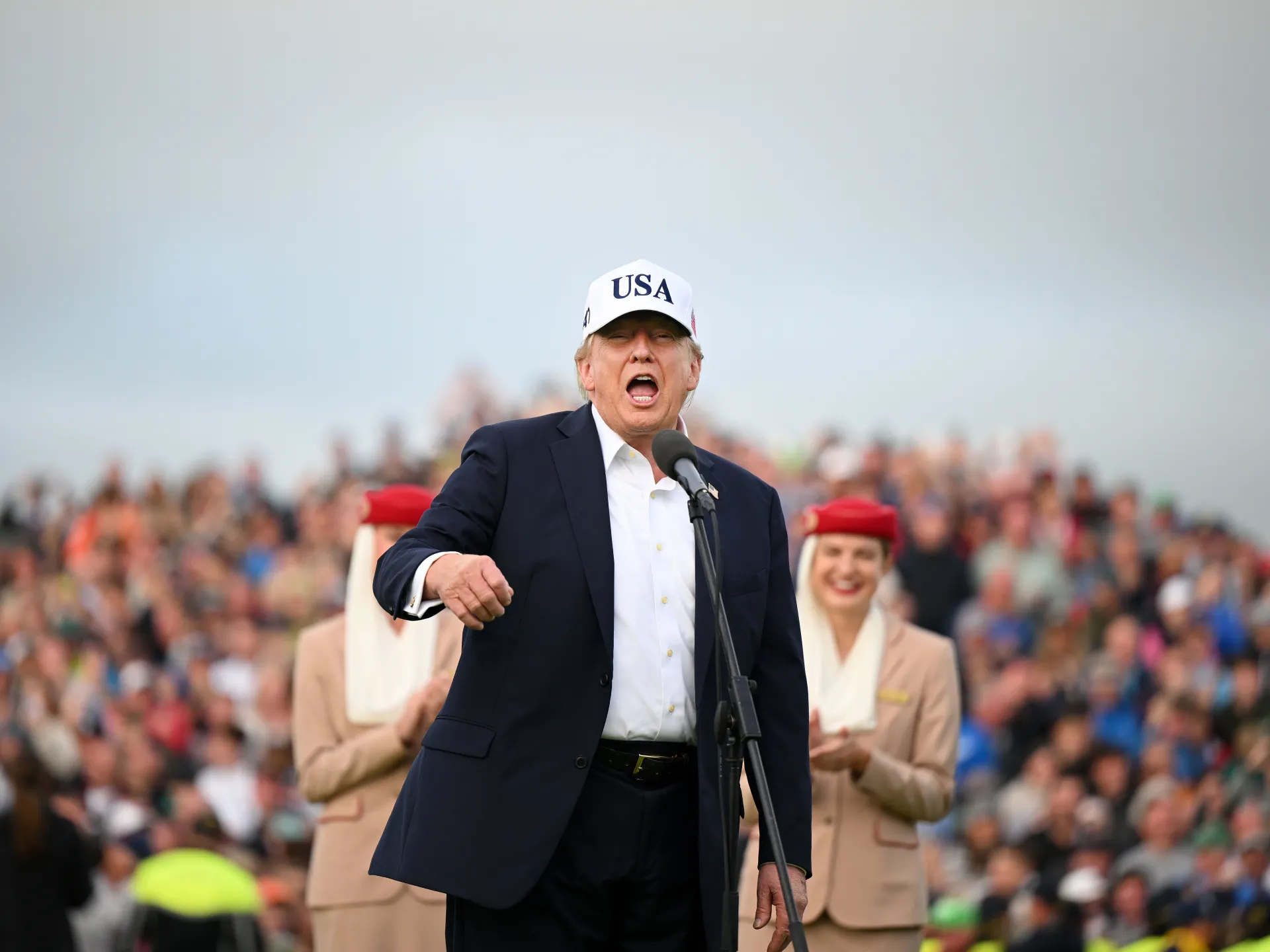
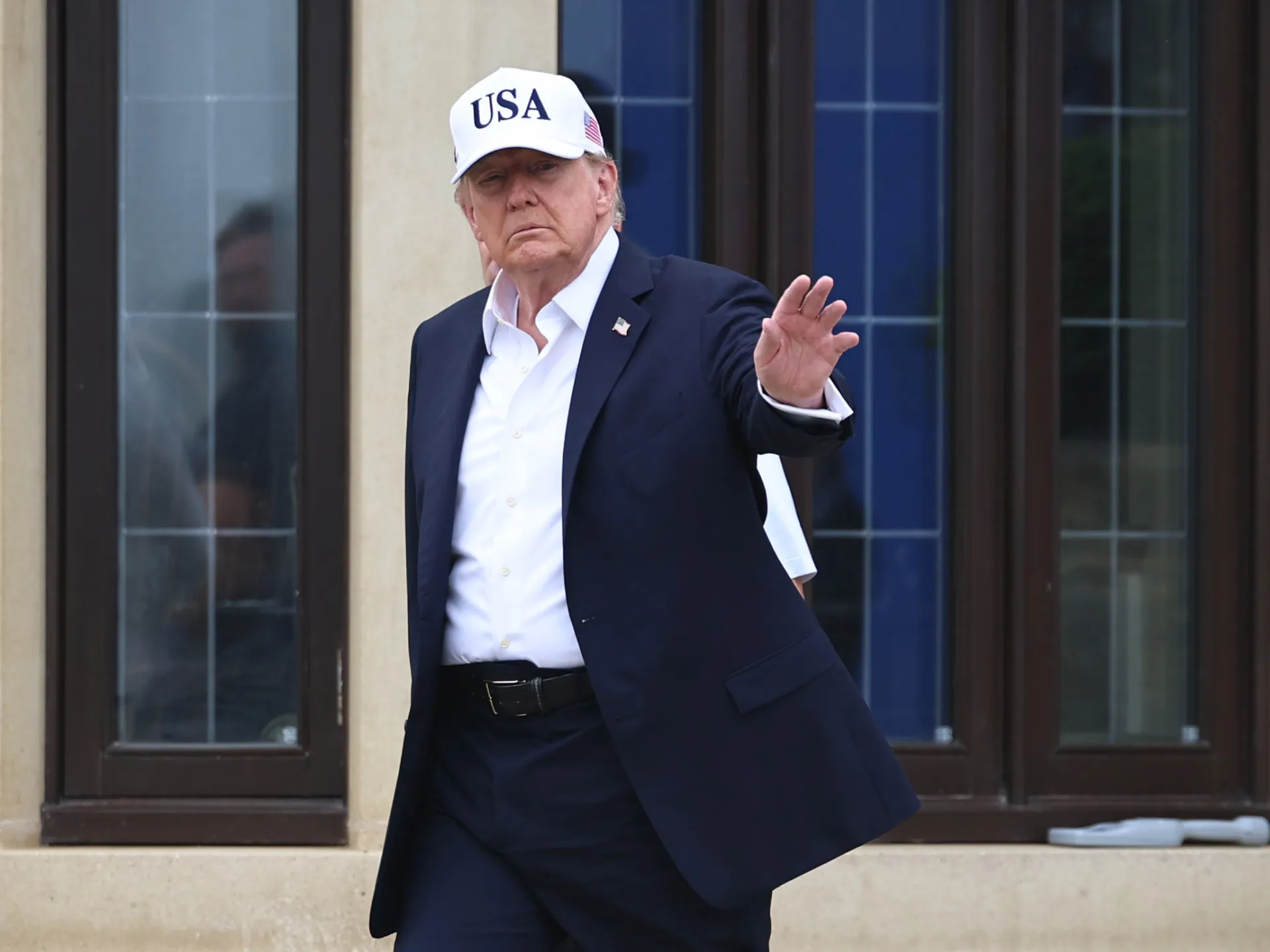
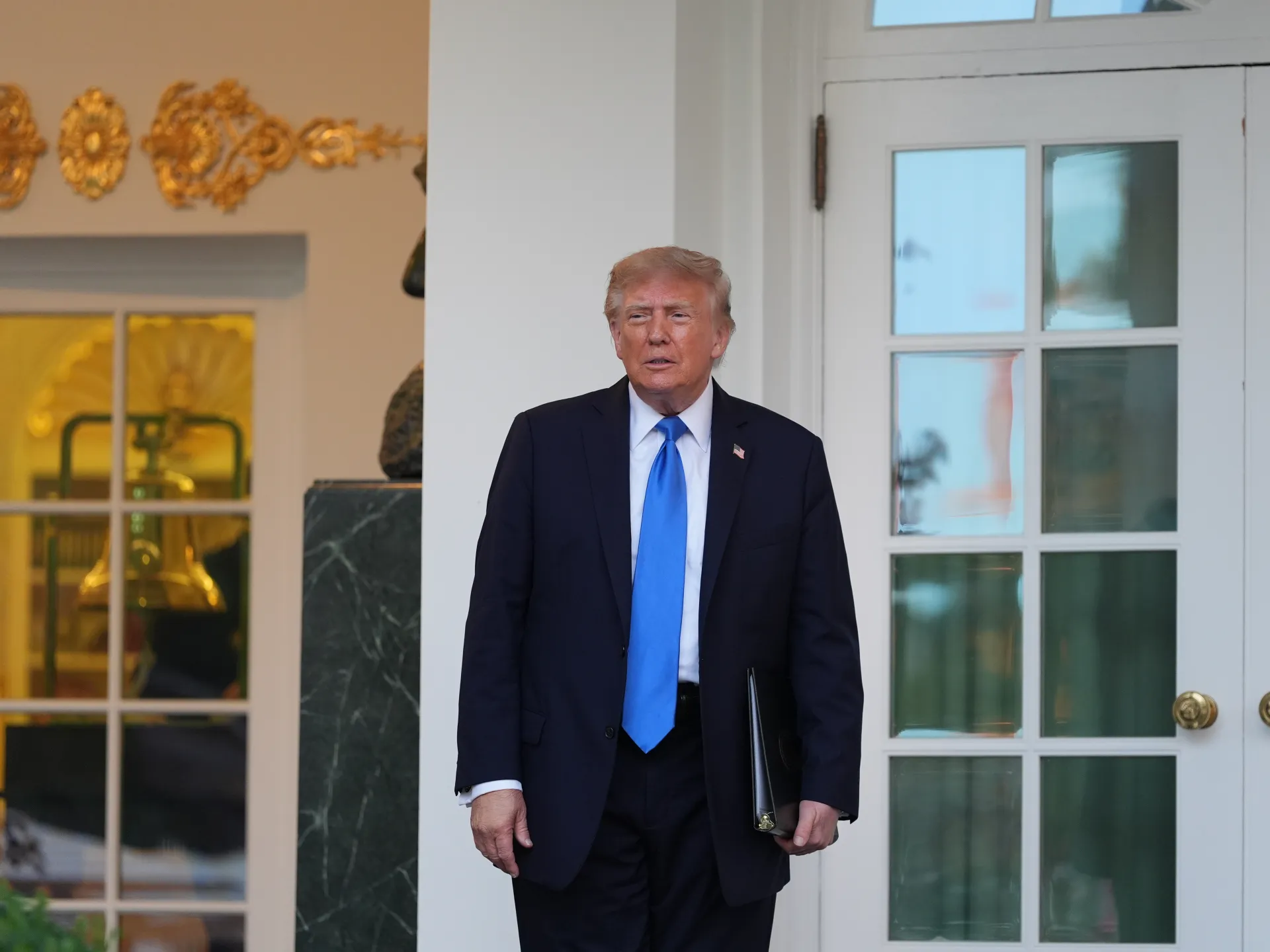
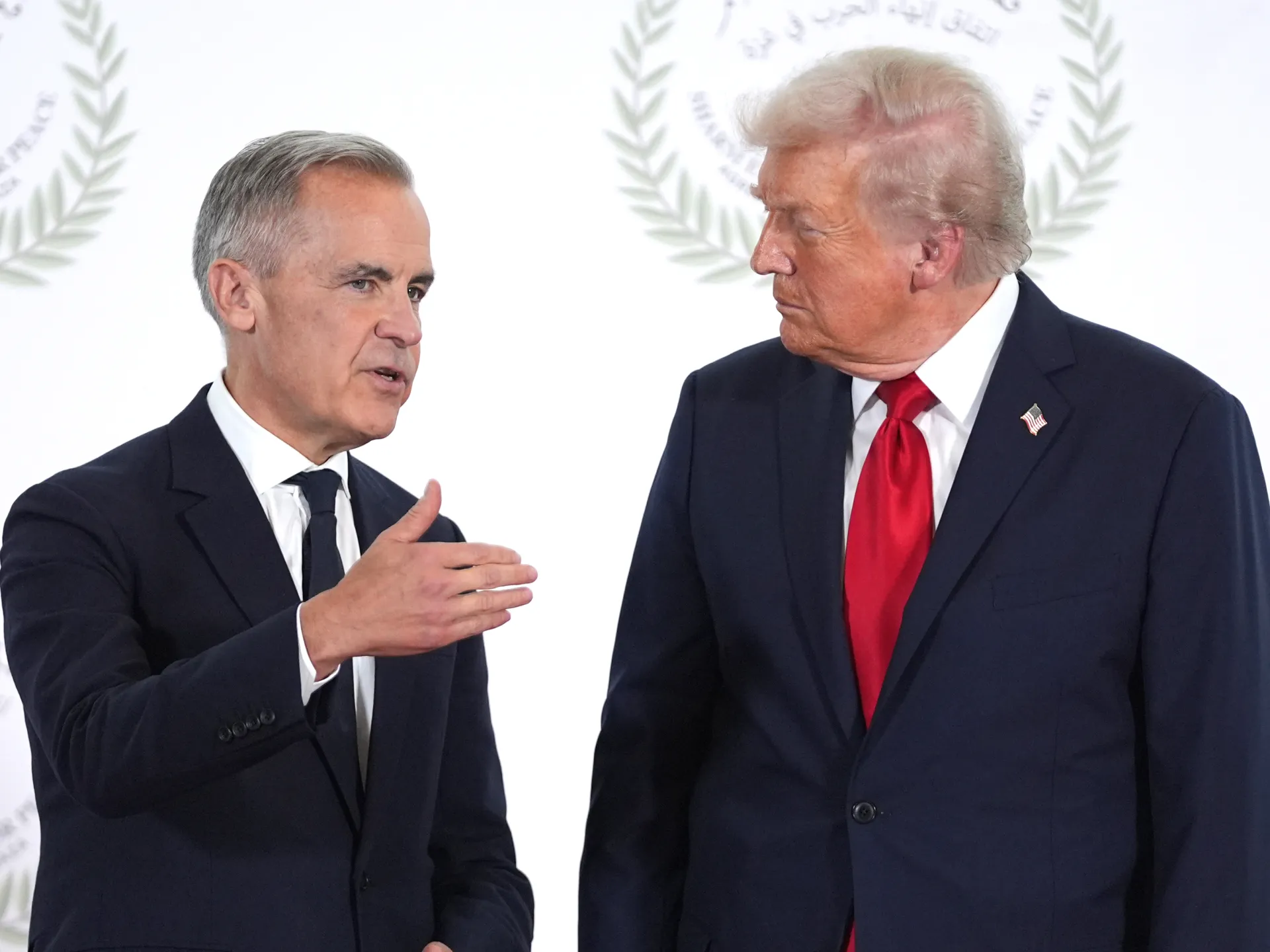
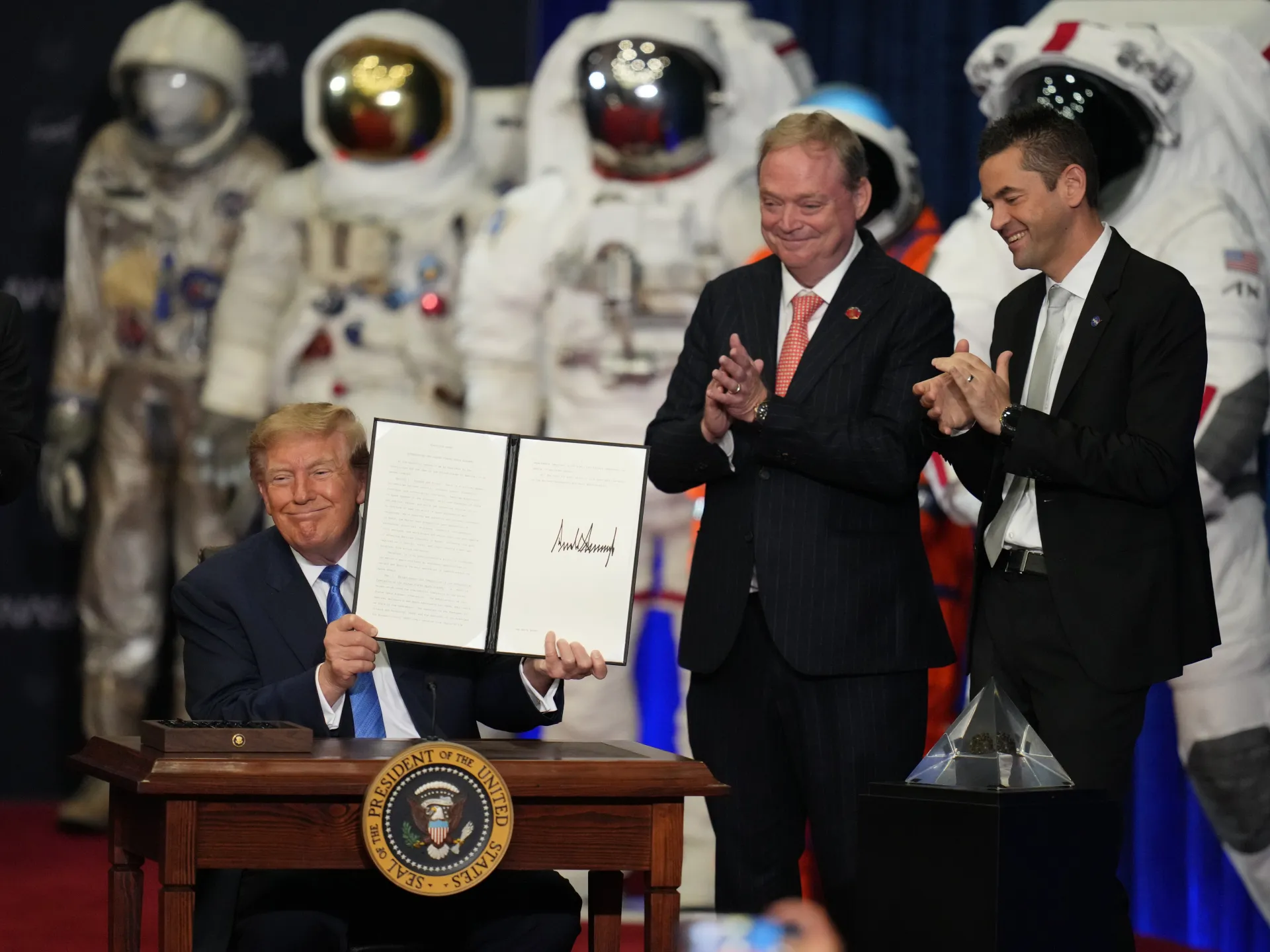
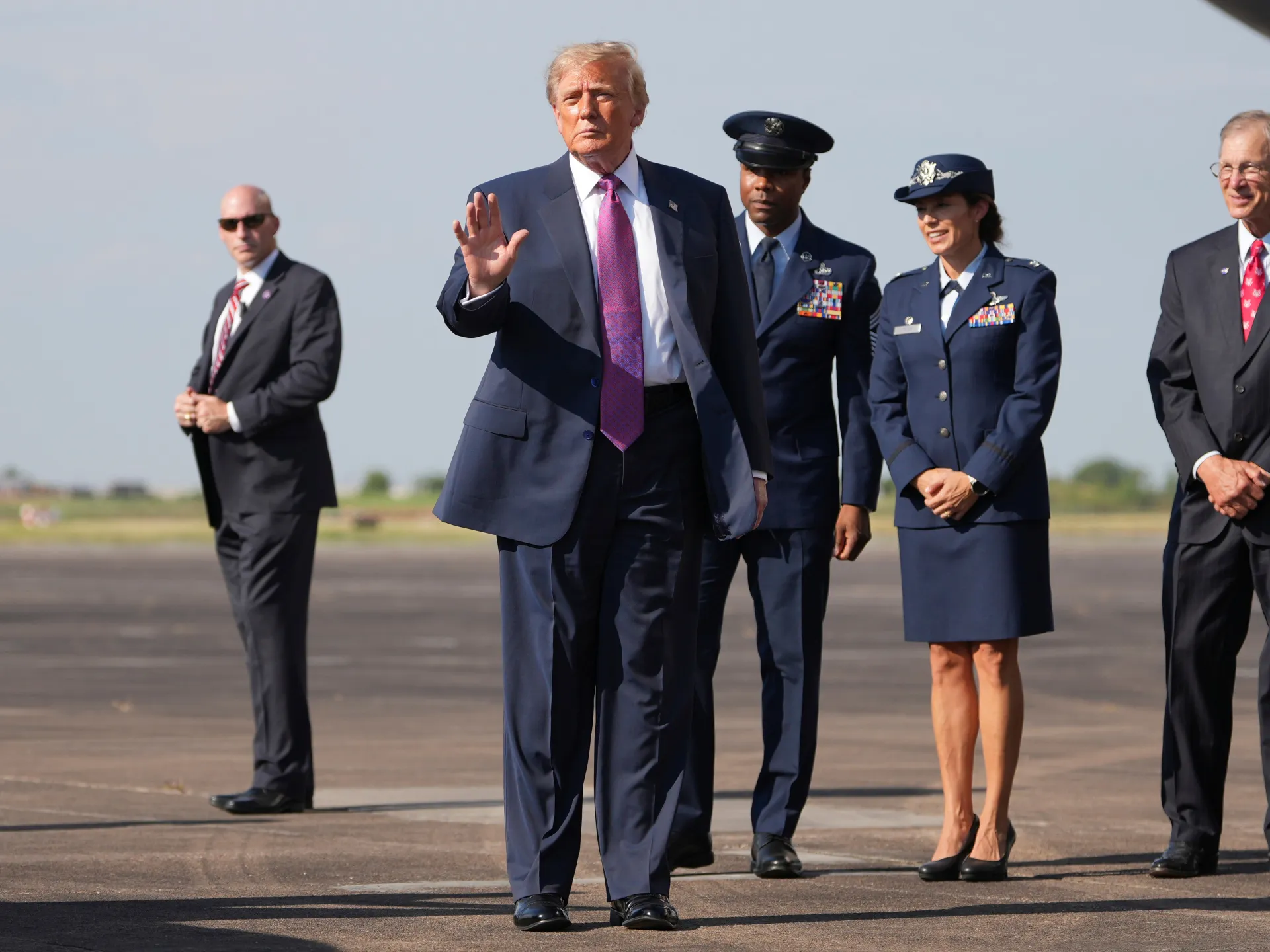
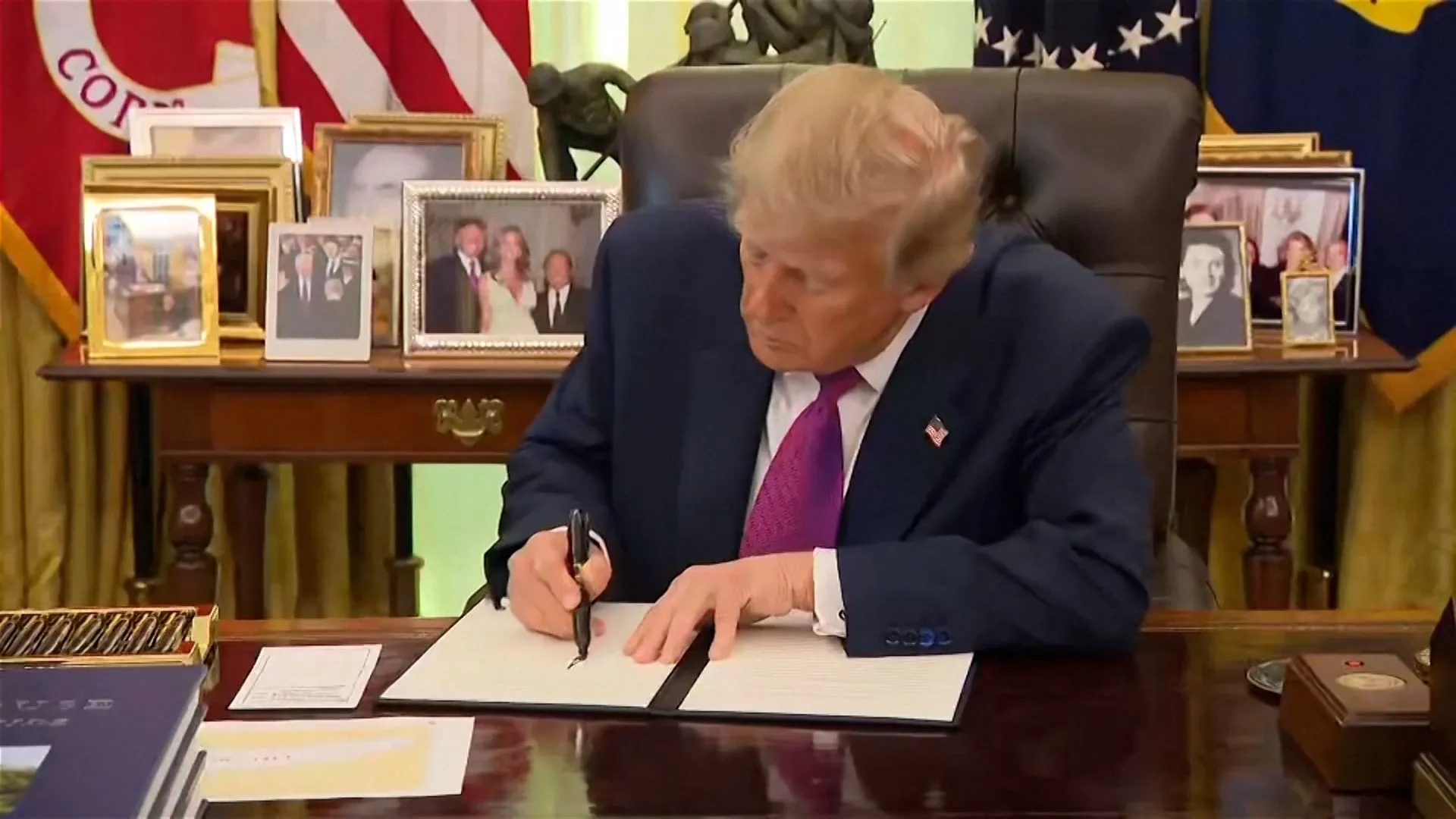
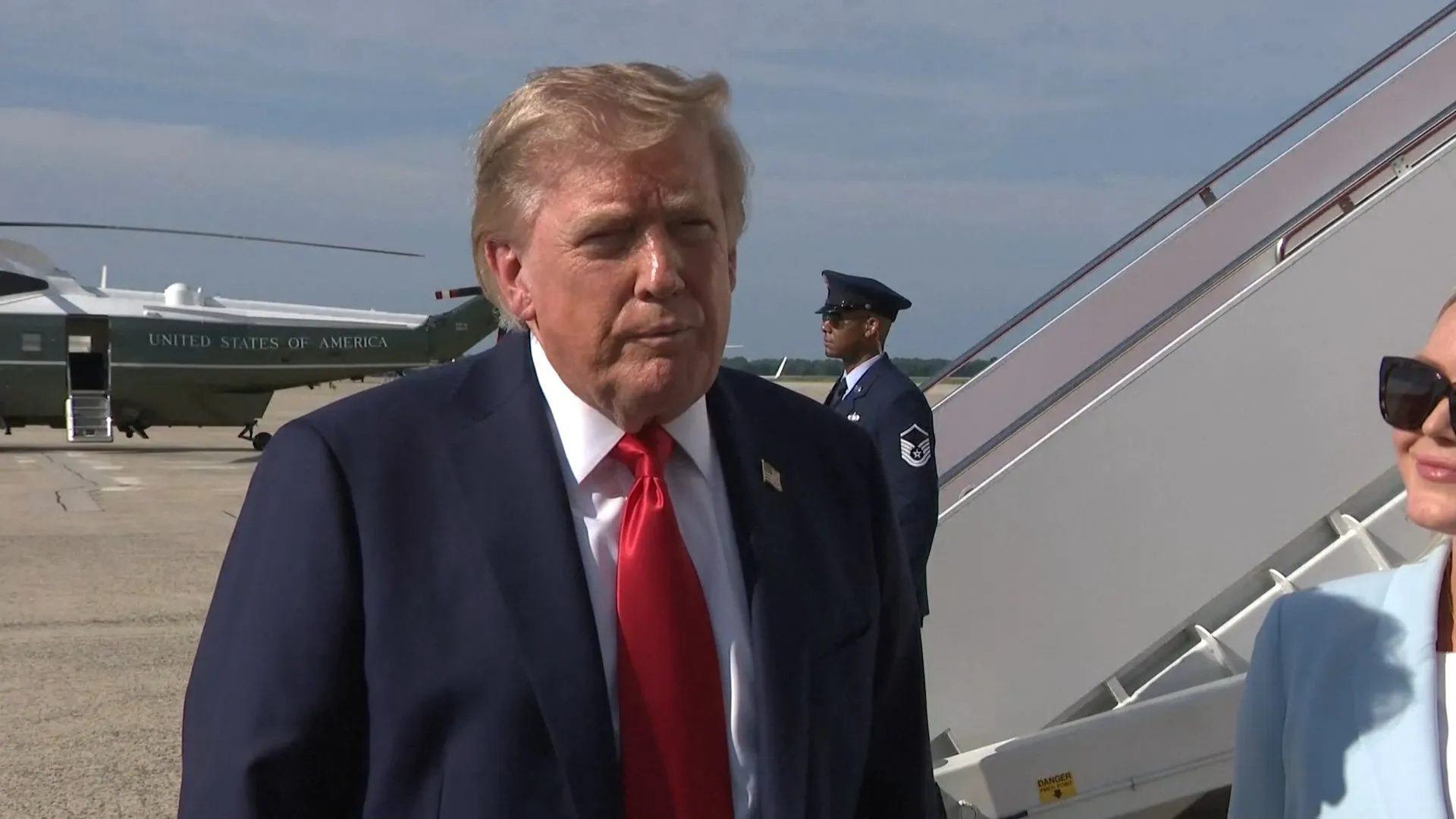
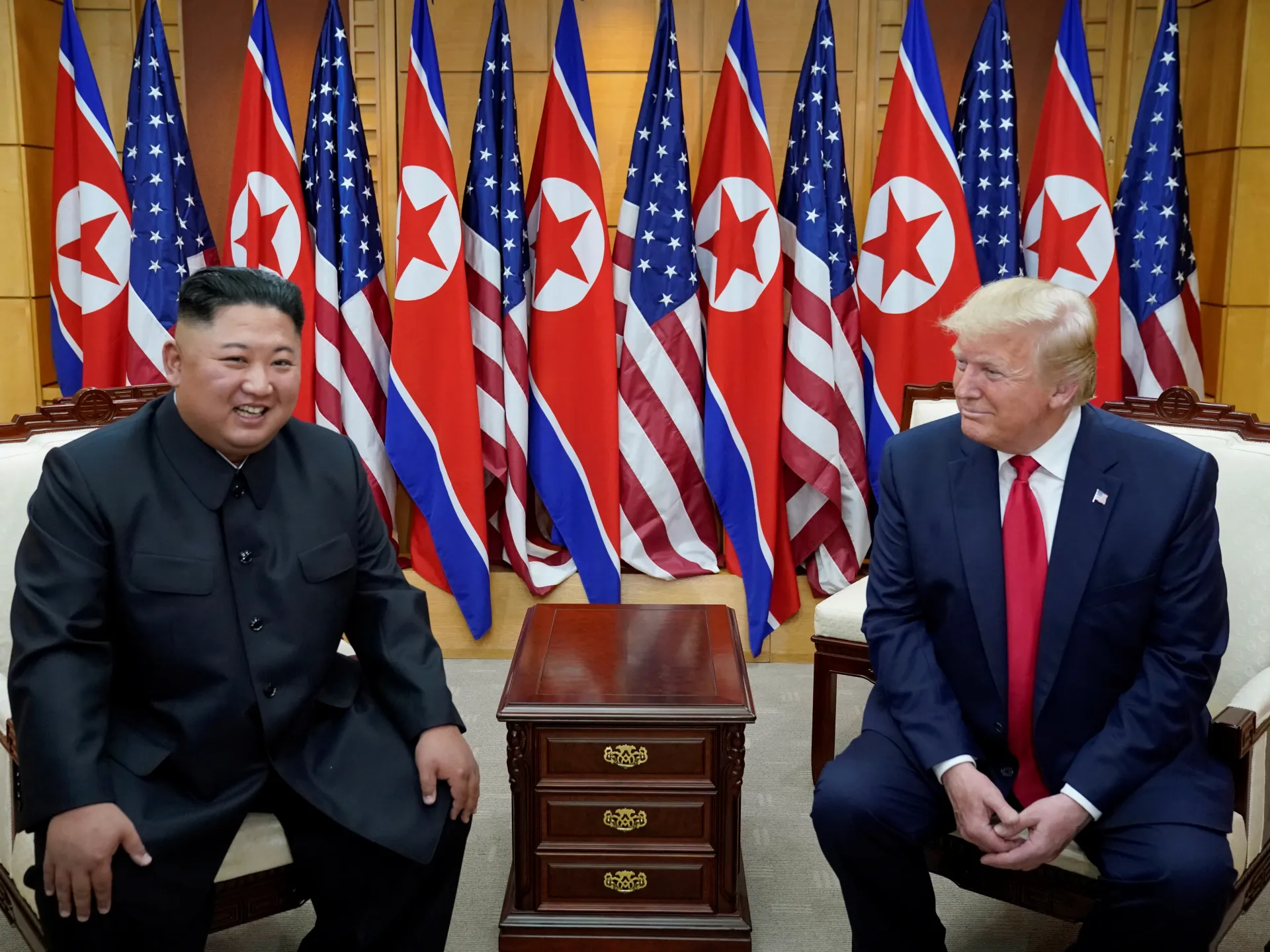
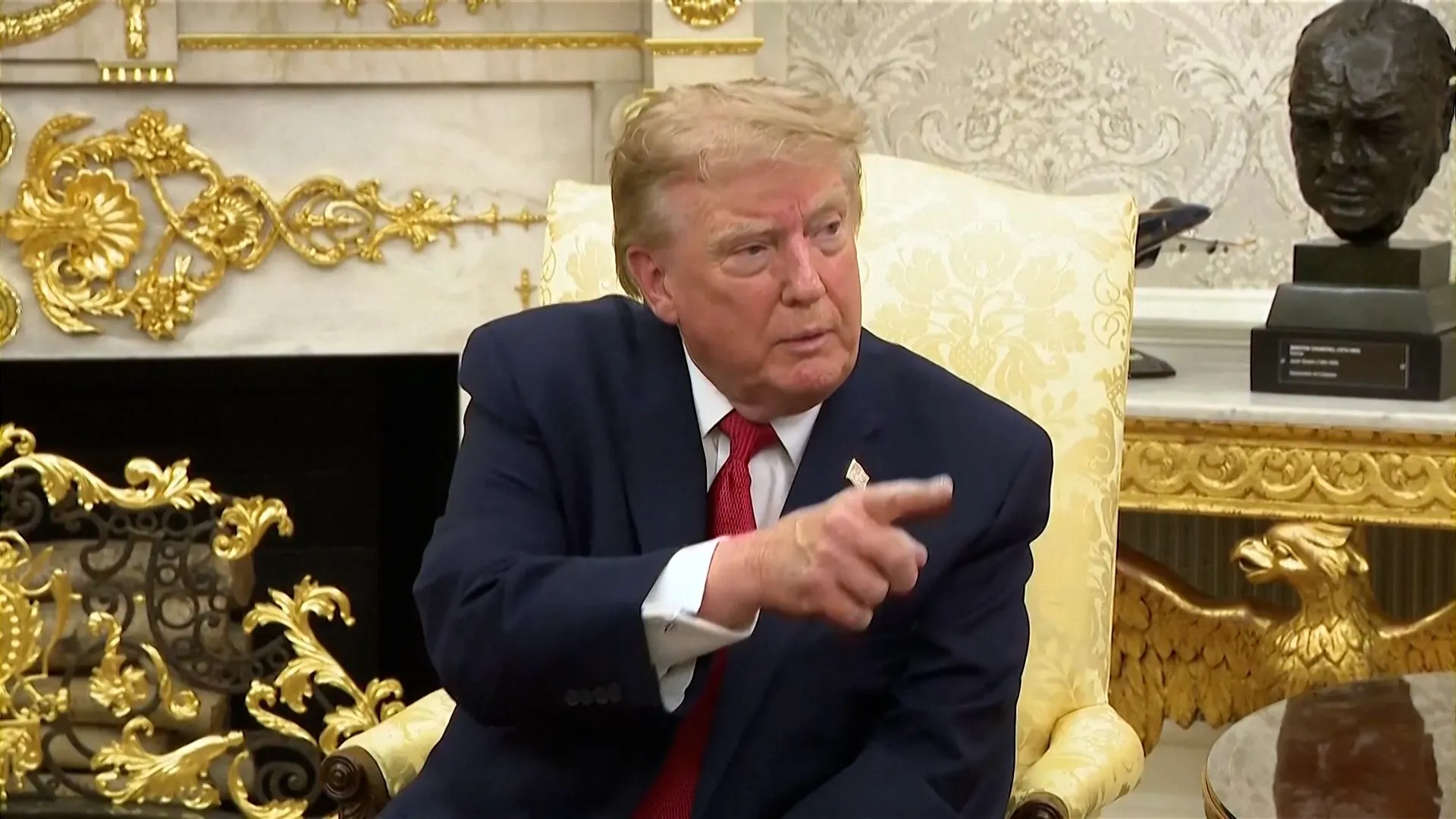
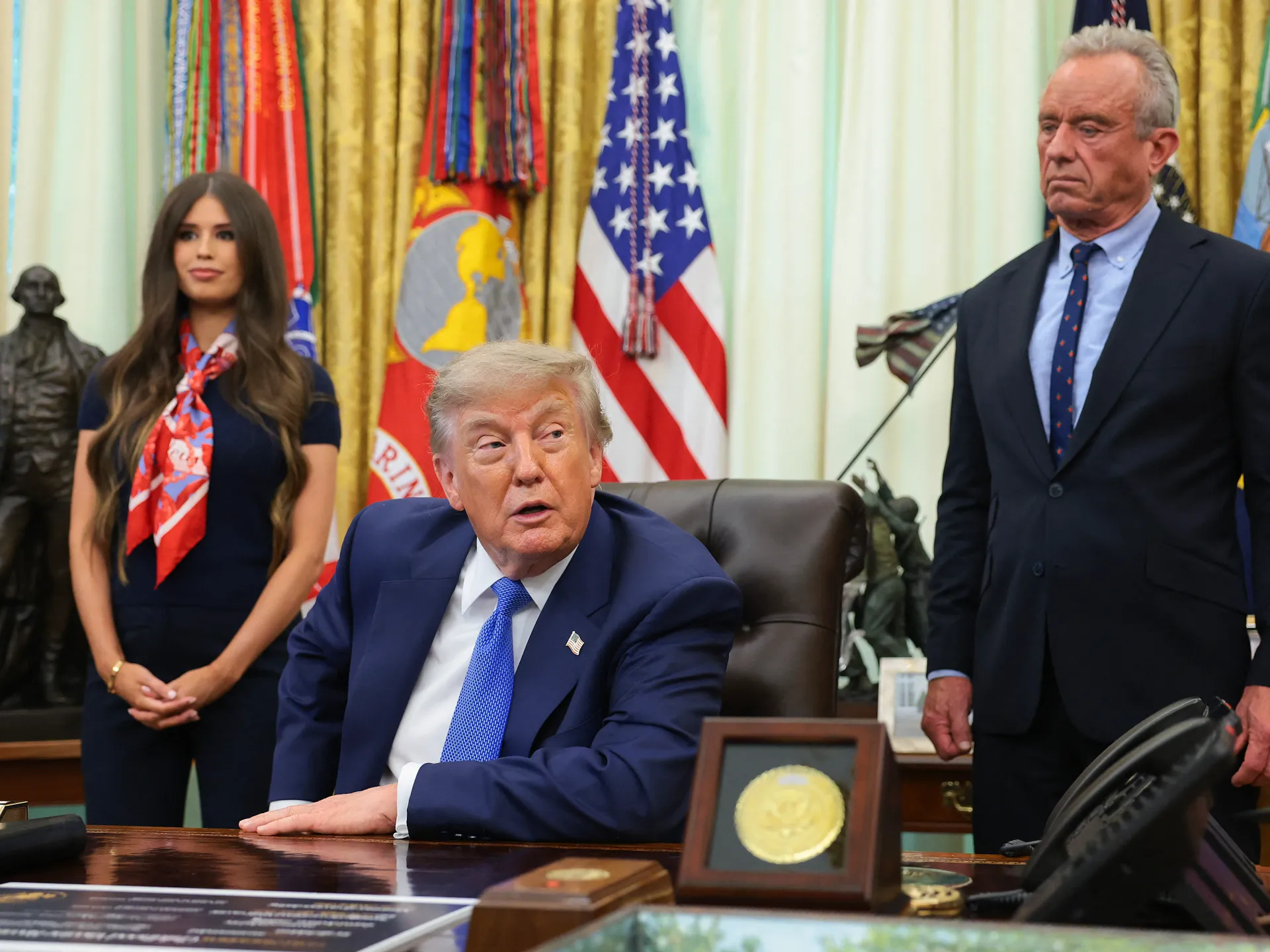
The friction between the governing body and its stakeholders has been exacerbated ion involves the controversial awarding of an inaugural FIFA peace prize to former United States President Donald Trump. Critics, including those within the European Leagues, argue that such a decision was made unilaterally without proper consultation with the FIFA council, potentially violating the internal rules and legal standards that govern the association under Swiss law.
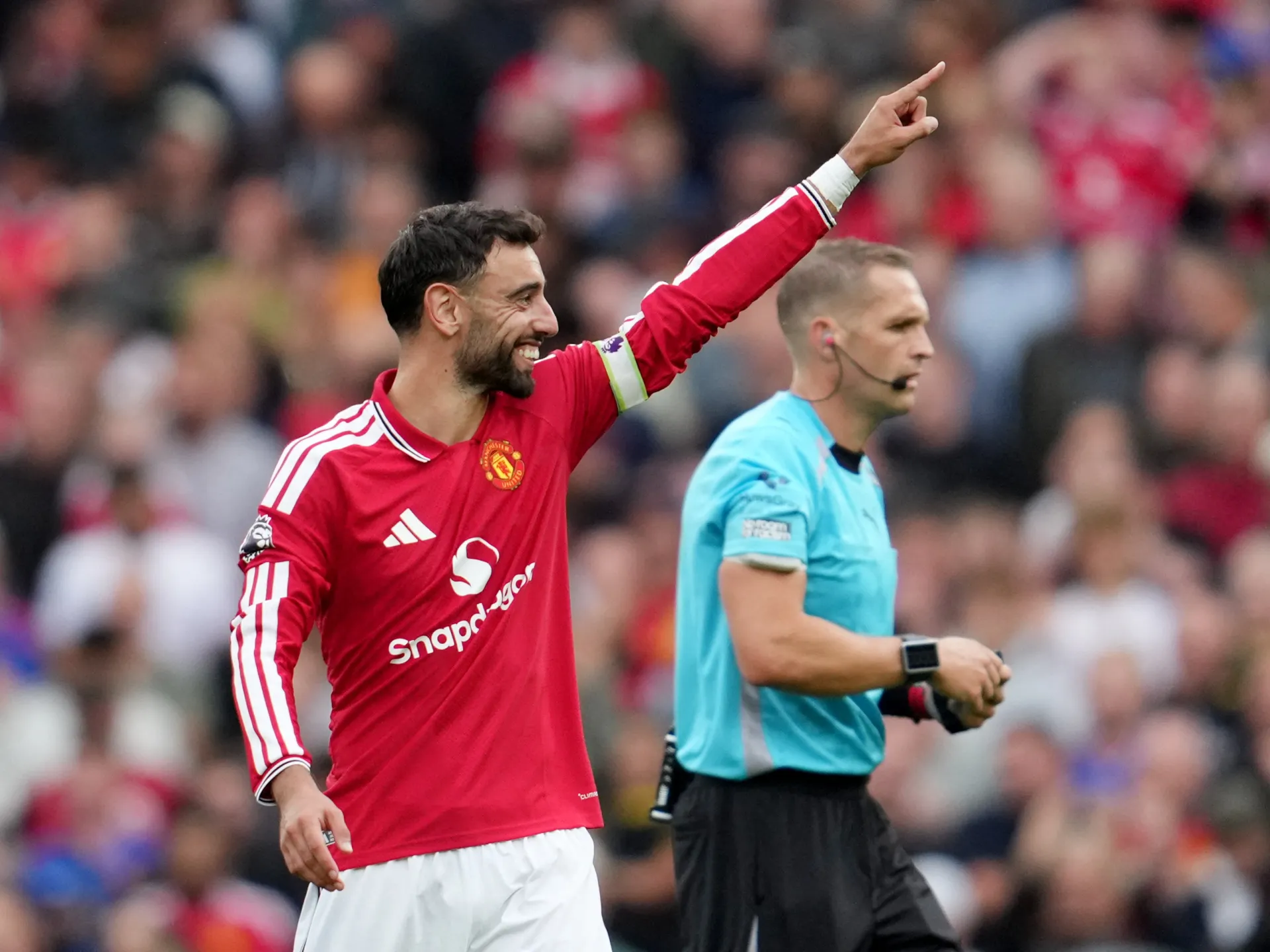
Furthermore, the integrity of the game has been brought into question following an incident involving USA forward Folarin Balogun during the recent World Cup. The overturning of a disciplinary ban following political communication has been widely characterized as a scandal that undermines the independence of football’s regulatory processes. Schaefer noted that such overt political intervention in sporting matters is unprecedented and fundamentally clashes with the expectation that FIFA should operate as an autonomous, neutral entity dedicated to the rules of the game.
While the prospect of a vote of no confidence continues to circulate among regional confederations—including UEFA, the AFC, and CONCACAF—the conversation is shifting toward the necessity of systemic reform. The argument presented first step. The more critical objective is to redefine the scope and limitations of the FIFA presidency to ensure that power is balanced and that transparency becomes a standard operating procedure rather than an exception.
As the clock ticks toward the next election cycle, where Infantino is expected to seek a fourth term, the pressure from regional bodies is mounting. The debate is no longer just about personality or individual policy choices; it is about the legal and ethical framework of an organization that manages a multi-billion dollar industry. The European Leagues are firm in their stance that the current governance model is broken and that meaningful structural change is impossible under the current administration.
Despite the intensifying opposition, the path forward for FIFA remains complex. Infantino’s intention to pursue another term sets the stage for a high-stakes political battle within the organization. While many observers expect stiff resistance from various corners of the globe, the focus remains on whether these internal pressures will translate into tangible policy changes or if the governing body will continue to operate under its current, highly centralized mandate.
Ultimately, the call for reform emphasizes that the long-term health of football depends on restoring the trust of fans, players, and professional leagues. The demand for accountability is not merely a matter of sporting policy but a requirement for an institution that operates under specific legal obligations. As the debate continues, the international football community waits to see whether the governing body will prioritize internal reform or risk further alienation from its most influential stakeholders.