As international leaders gather in Bishkek, Kyrgyzstan seeks to balance its strategic interests amidst a shifting global landscape and increasing economic pressure.
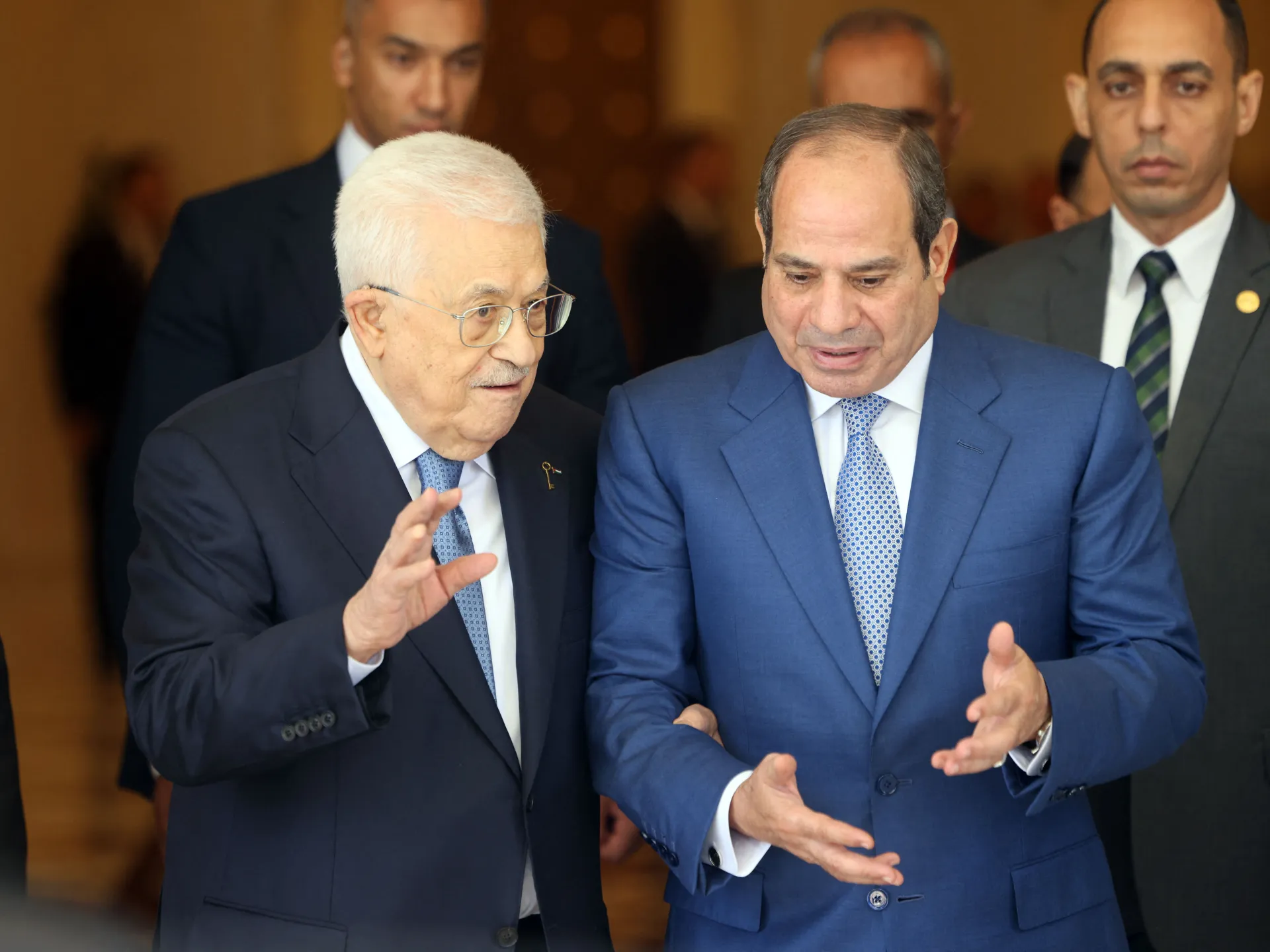
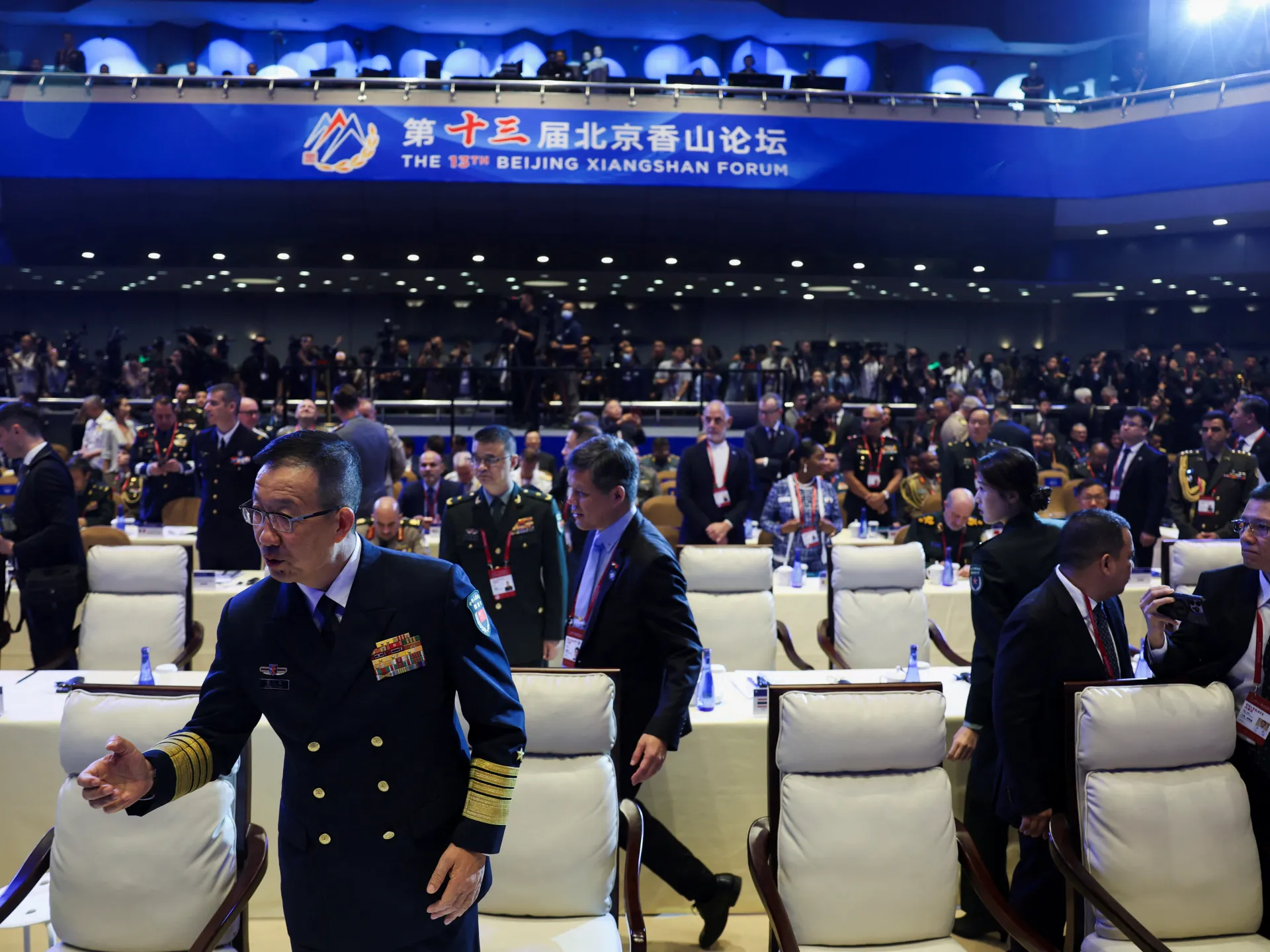
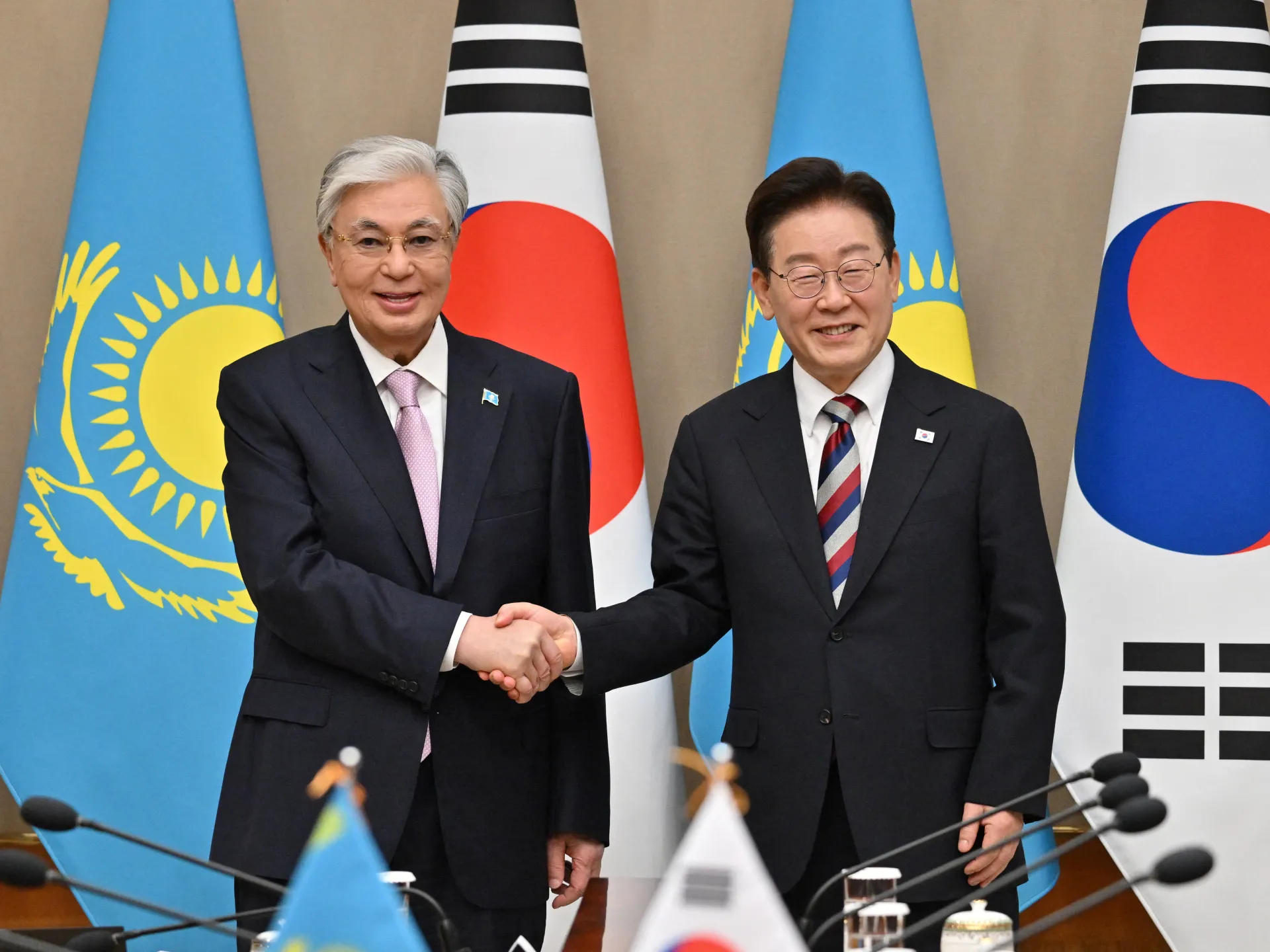
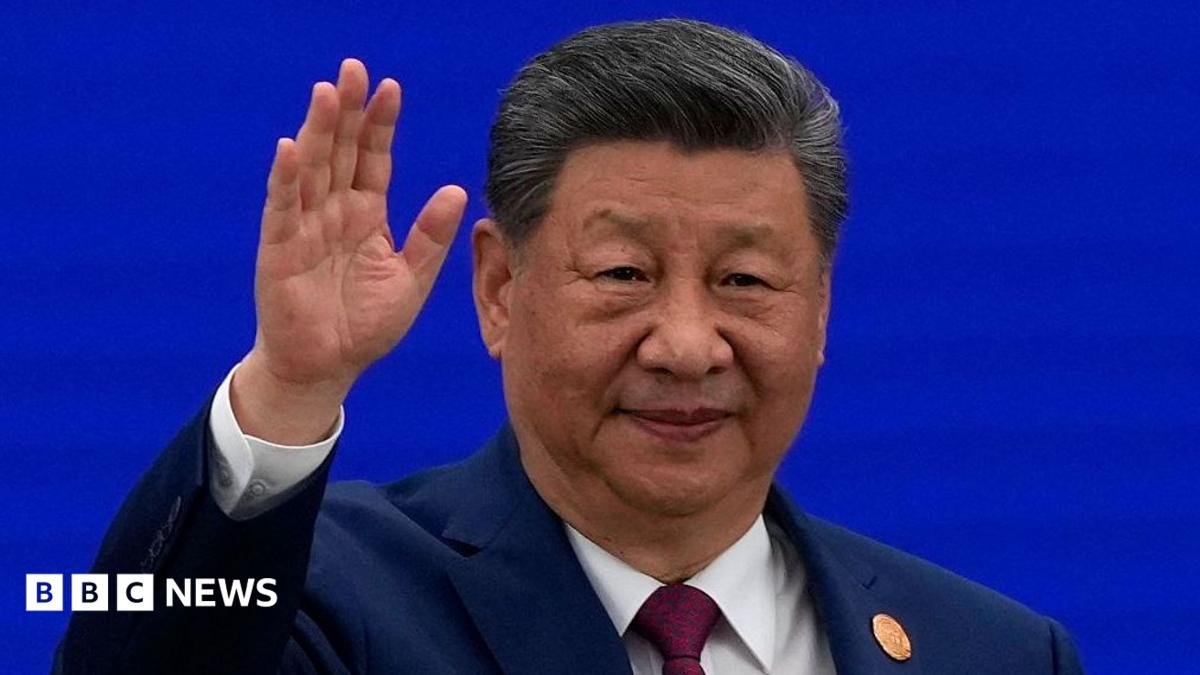
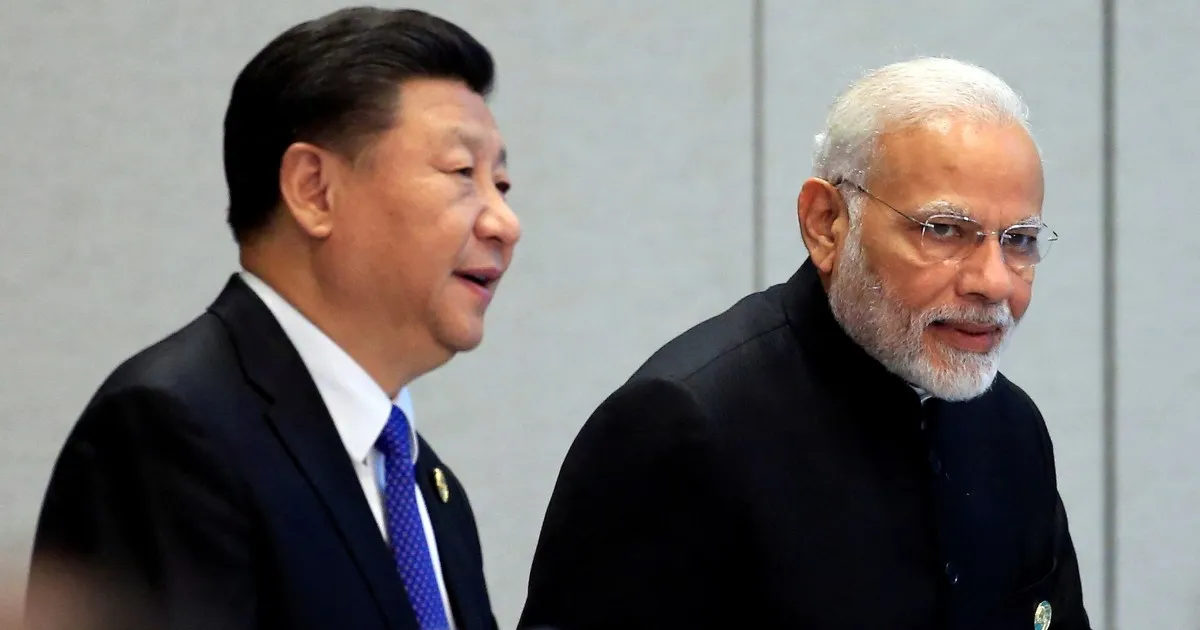
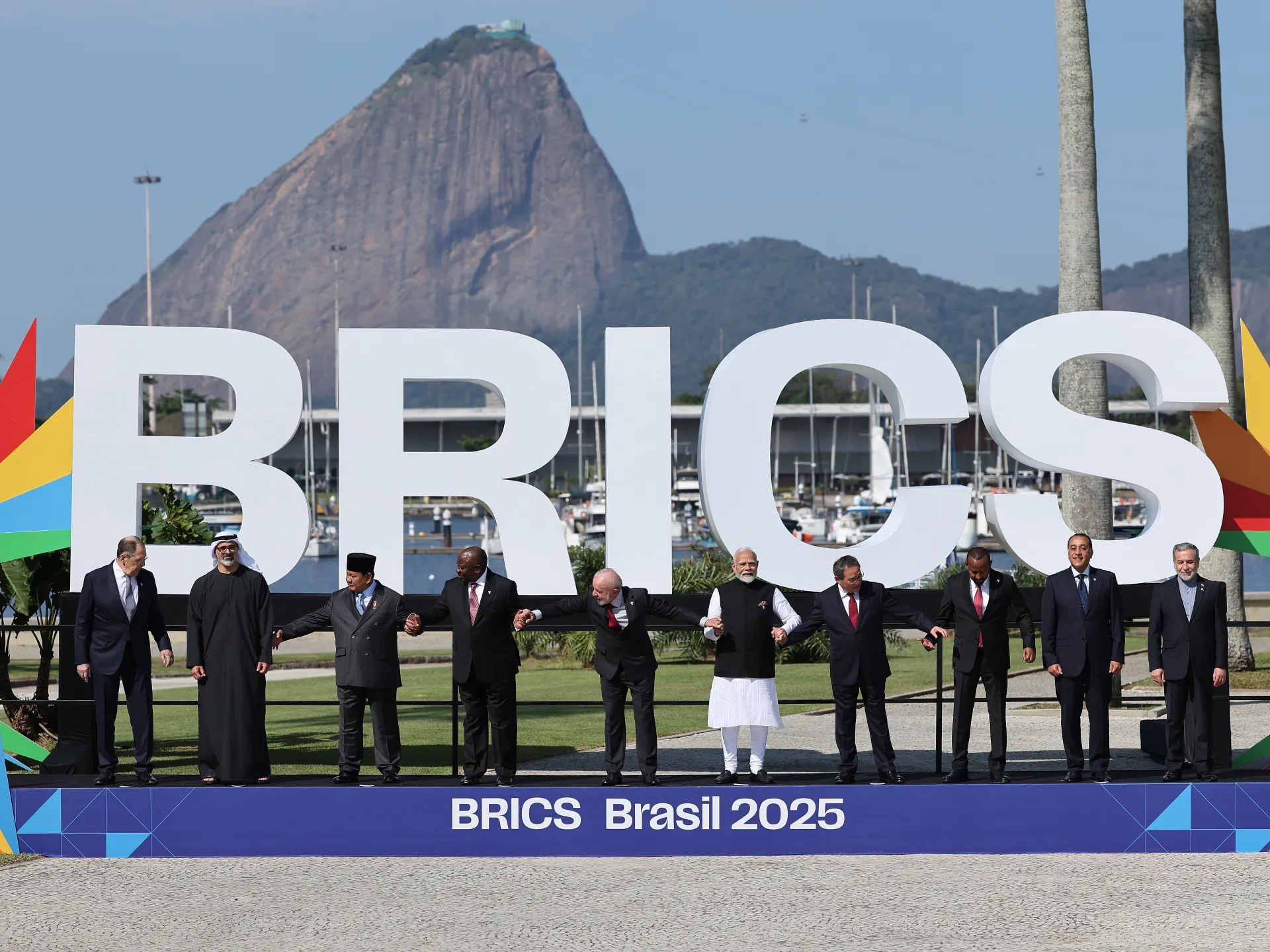
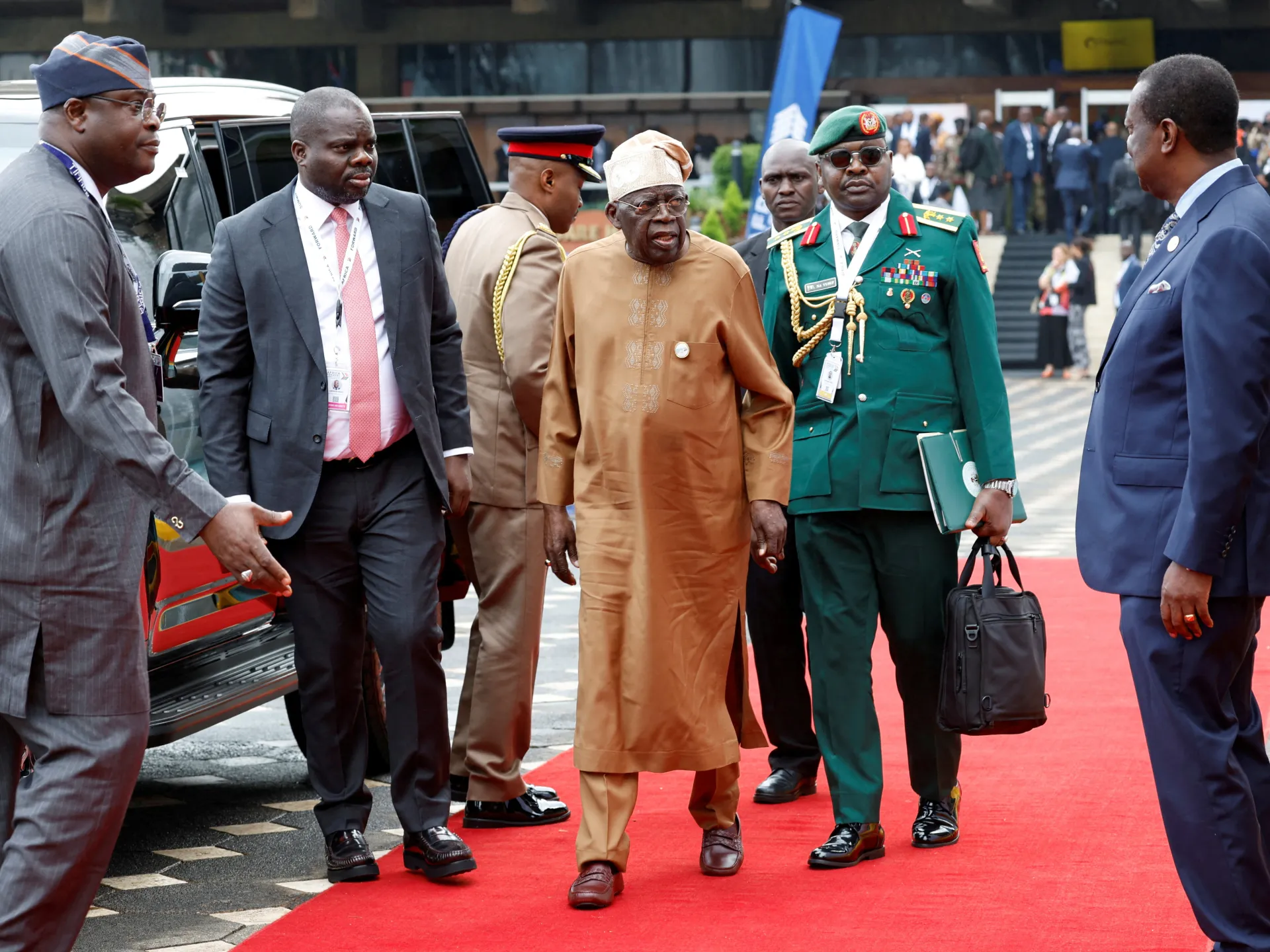
The recent Shanghai Cooperation Organisation (SCO) summit in Kyrgyzstan brought together some of the most influential figures in international politics, including leaders from Russia, China, India, Iran, and Pakistan. The presence of UN Secretary-General Antonio Guterres and representatives from Turkiye underscored the event's significance. erating outside of traditional Western-led geopolitical frameworks, signaling a desire for a more multipolar global order.
For Russia, the summit served as a platform to assert that the SCO has evolved into a cornerstone of a shifting world. Since its founding in 2001, the organization has expanded significantly, moving from a regional grouping to a major influence on the global stage. Russian leadership highlighted this growth as evidence that the world is moving away from a singular power structure, favoring instead a model where diverse regional interests dictate the flow of international affairs.
However, the SCO is far from a monolithic bloc. While it is often perceived as a counterweight to United States influence, the organization remains a complex collection of nations with competing interests and, occasionally, deep-seated disagreements. The summit highlighted that these countries are not necessarily united ty in an increasingly polarized global climate.
Kyrgyzstan occupies a precarious yet strategically vital position. Being a landlocked, mountainous nation situated between regional giants like Russia and China, its foreign policy is defined hered to a "multi-vector" approach, attempting to maintain healthy relations with Moscow, Beijing, and Washington simultaneously. This strategy is essential for a nation that relies heavily on external markets and energy supplies.
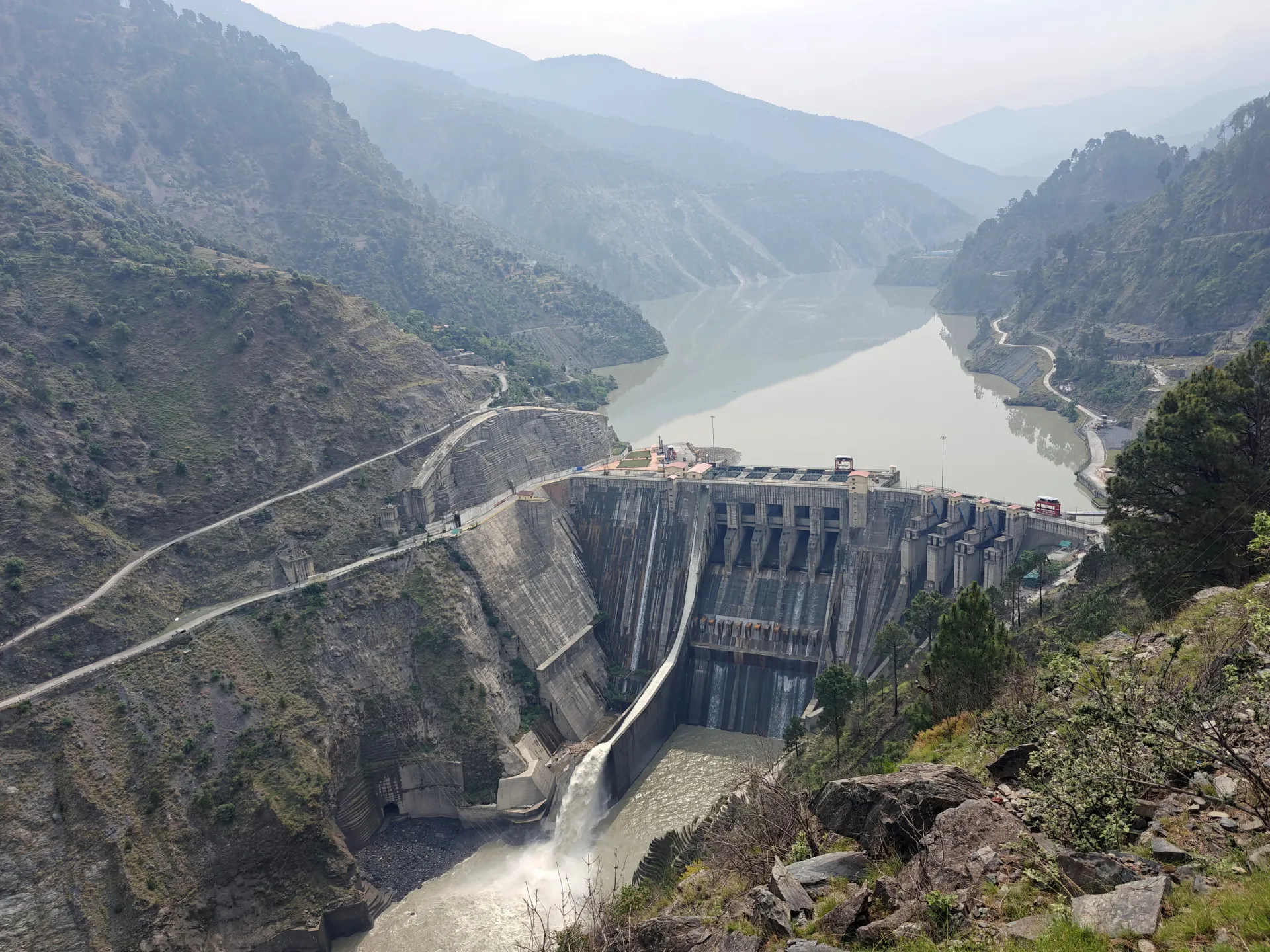
The geographical reality of Kyrgyzstan presents both challenges and opportunities. Its dependence on foreign transport routes and energy networks leaves it vulnerable to external economic shocks. However, as global trade patterns shift, the country is increasingly viewed as a critical transit corridor. Highways, railways, and pipelines are transforming the region from a periphery into a strategically important passageway, allowing Kyrgyzstan to advocate for a greater role for Central Asia at the center of international politics.
Despite this newfound importance, Kyrgyzstan remains cautious. The government understands that it cannot dictate the agenda of a body as large as the SCO. Instead, its focus is on ensuring that its infrastructure projects and trade relationships remain open to all international partners. convert its geographical constraints into long-term political and economic leverage.
Economic discussions at the summit were dominated ran. While Western powers have applied significant pressure, the member states of the SCO have shown a collective reluctance to strictly enforce these measures. The dense economic ties between Central Asian nations and their neighbors make a total severance of trade relationships impractical and potentially devastating to local economies.
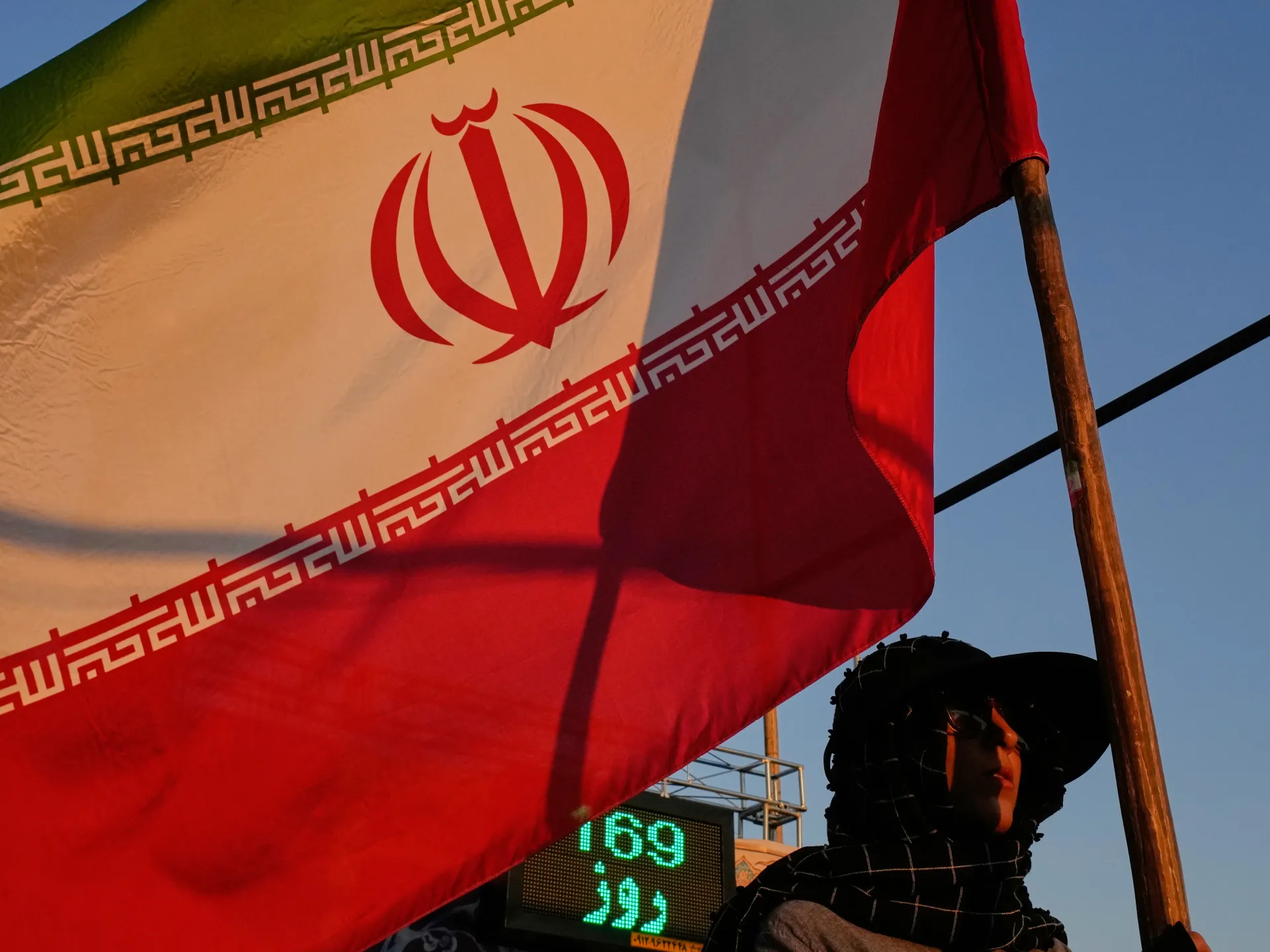
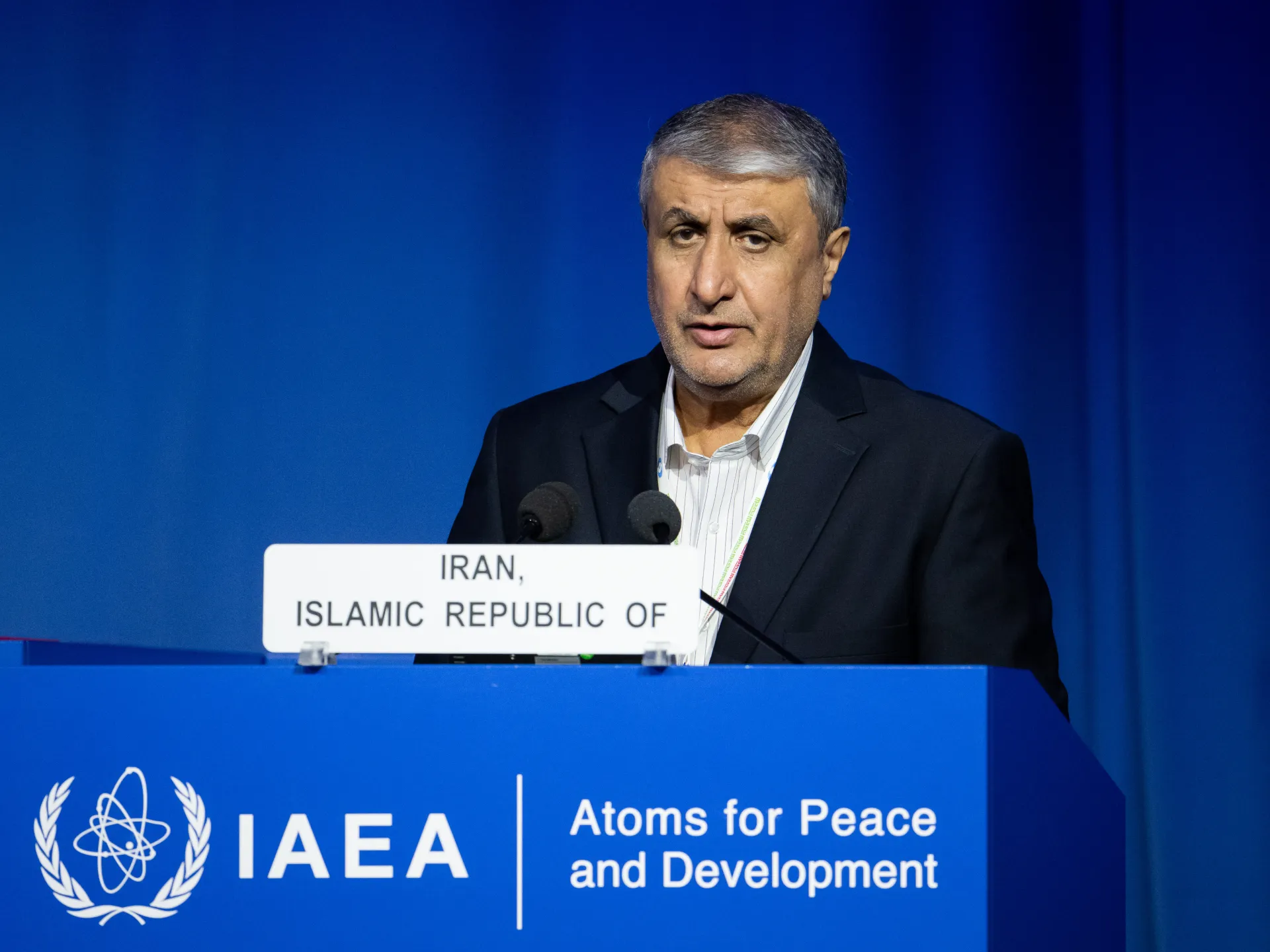
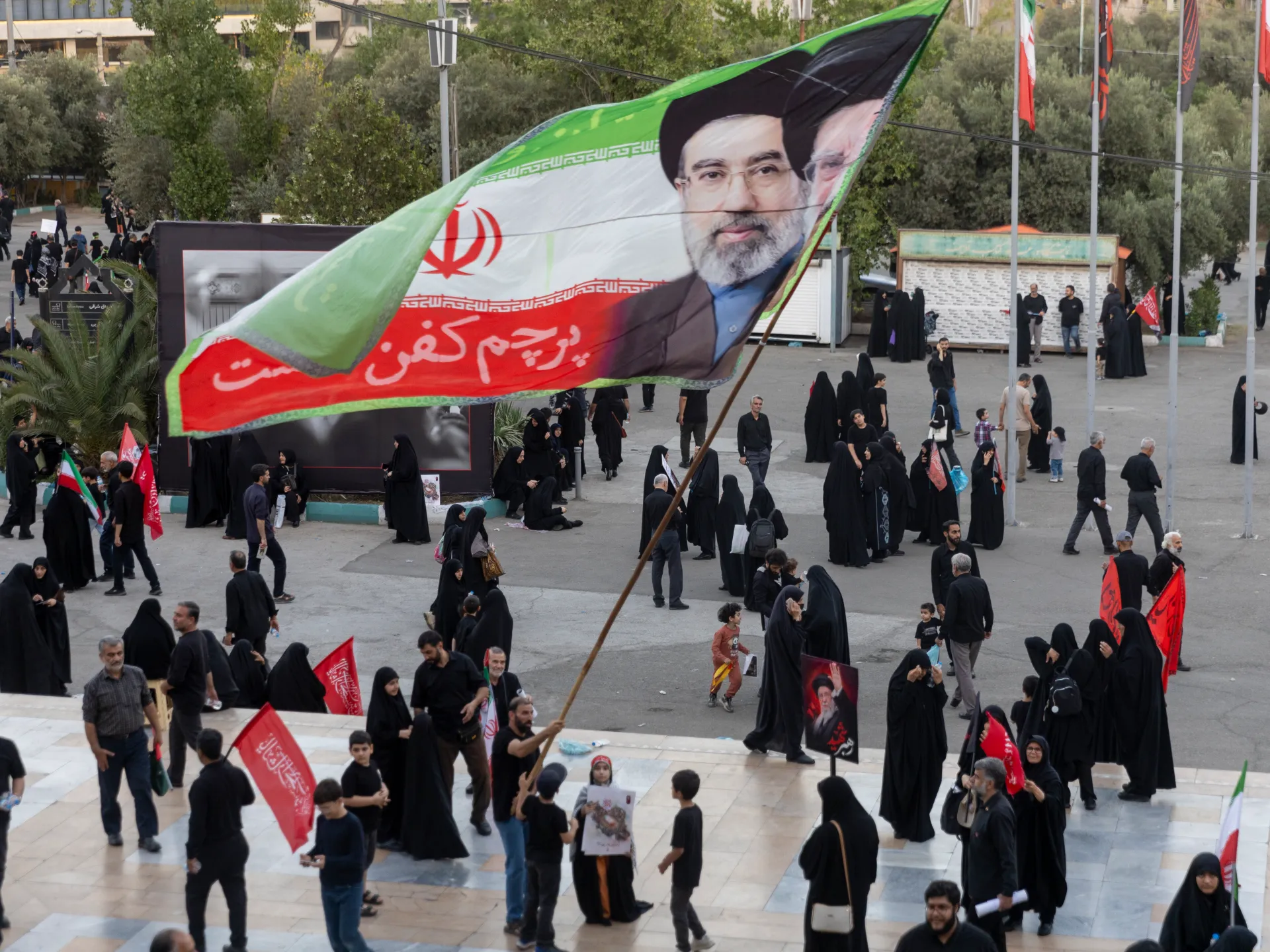
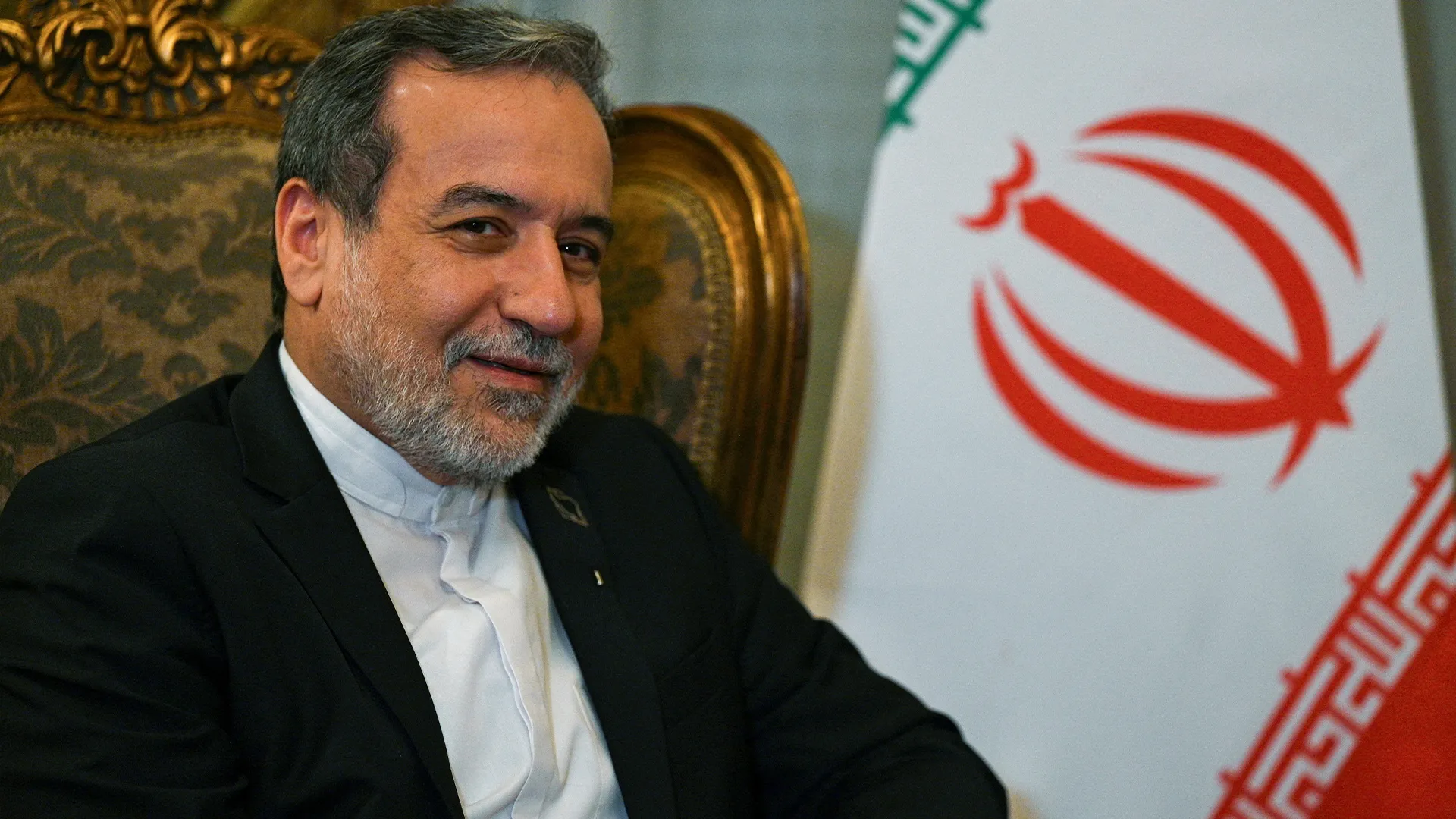
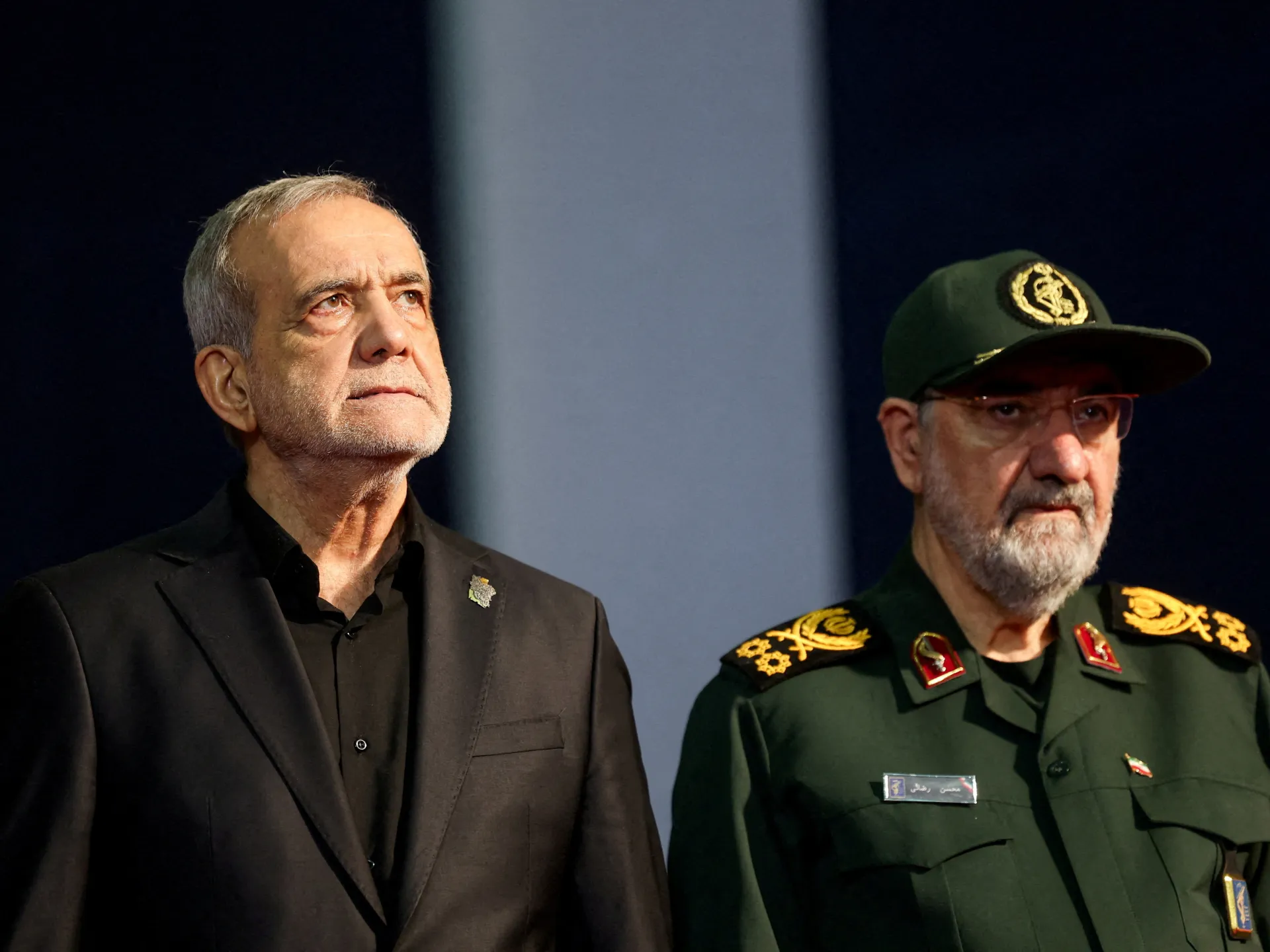
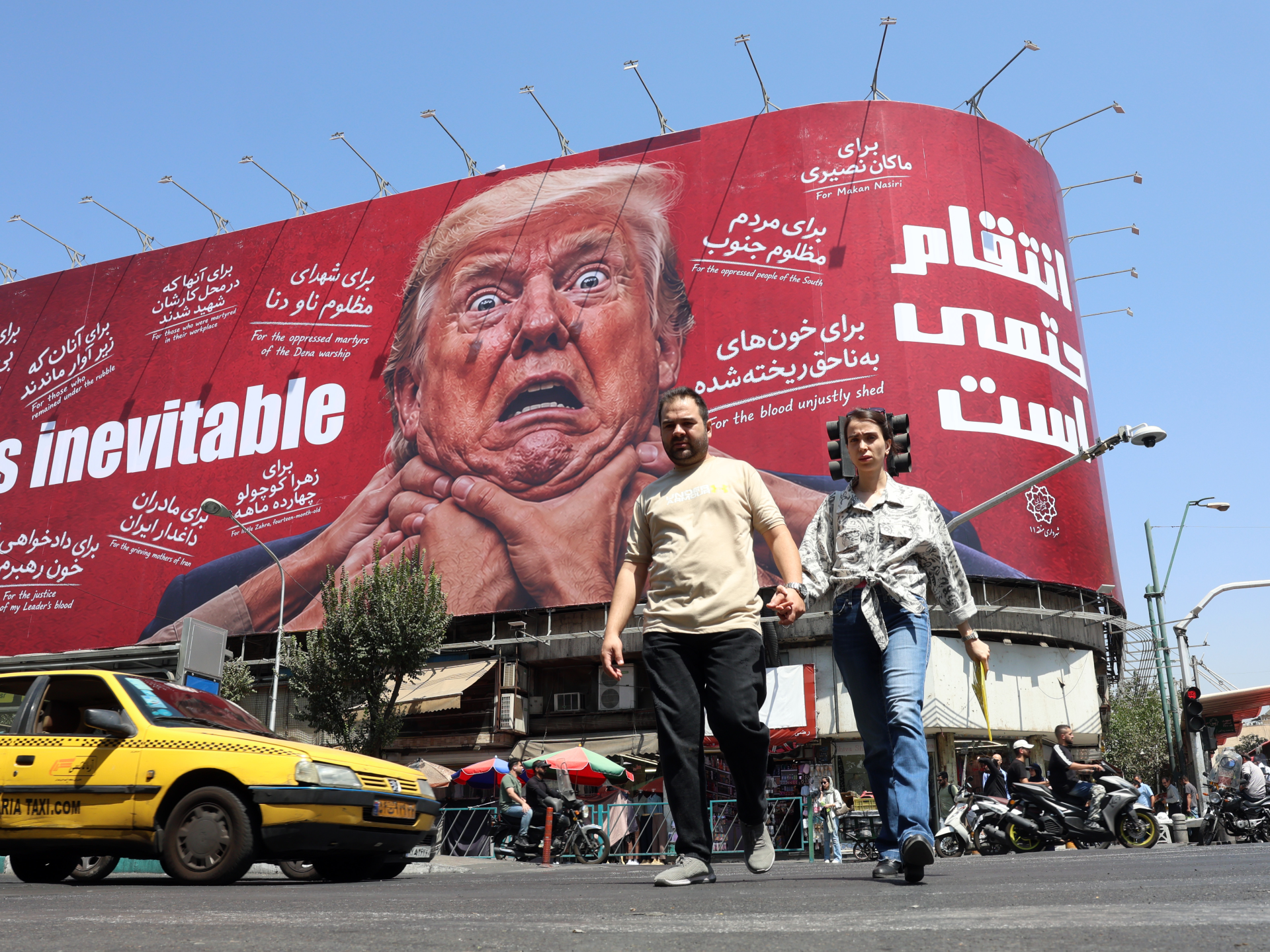
Iranian President Masoud Pezeshkian utilized the platform to address the collapse of the Islamabad Memorandum of Understanding, calling for a return to previous diplomatic commitments with the United States. For regional neighbors, this is not merely a diplomatic dispute but a pressing economic concern. The threat of secondary penalties for doing business with sanctioned nations creates a difficult environment, yet the reality on the ground is that cross-border trade remains a lifeline for many Central Asian economies.
Ultimately, the summit served as a signal that many nations in the Global South are weary of unilateral economic pressure. While the SCO members may not be able to dismantle the global sanctions regime, they are united in their desire to maintain sovereign control over their commercial relationships. This unified stance provides a measure of protection for smaller economies that would otherwise be forced to choose between competing global powers.
Behind the diplomatic pageantry, Kyrgyzstan faces a critical internal question regarding the sustainability of its current economic momentum. The country has experienced a surge in construction, wage growth, and domestic productivity, much of which is linked to the fallout from the war in Ukraine and increased investment from China. While the government takes pride in this development, experts warn that relying on such external factors is a risky foundation for a national economy.
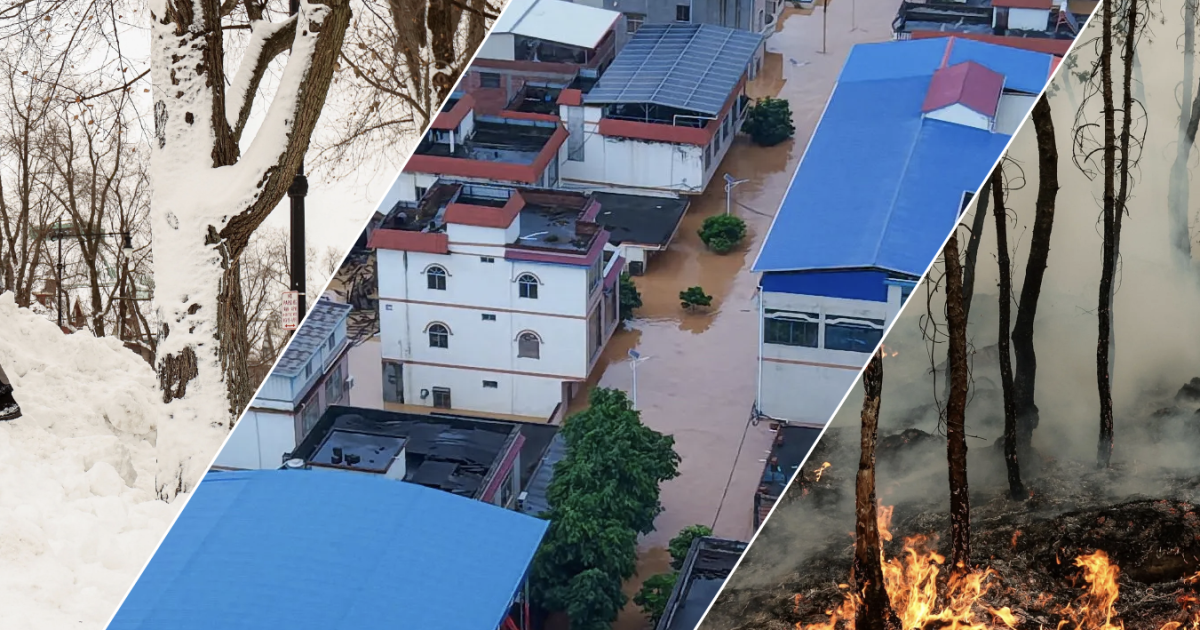
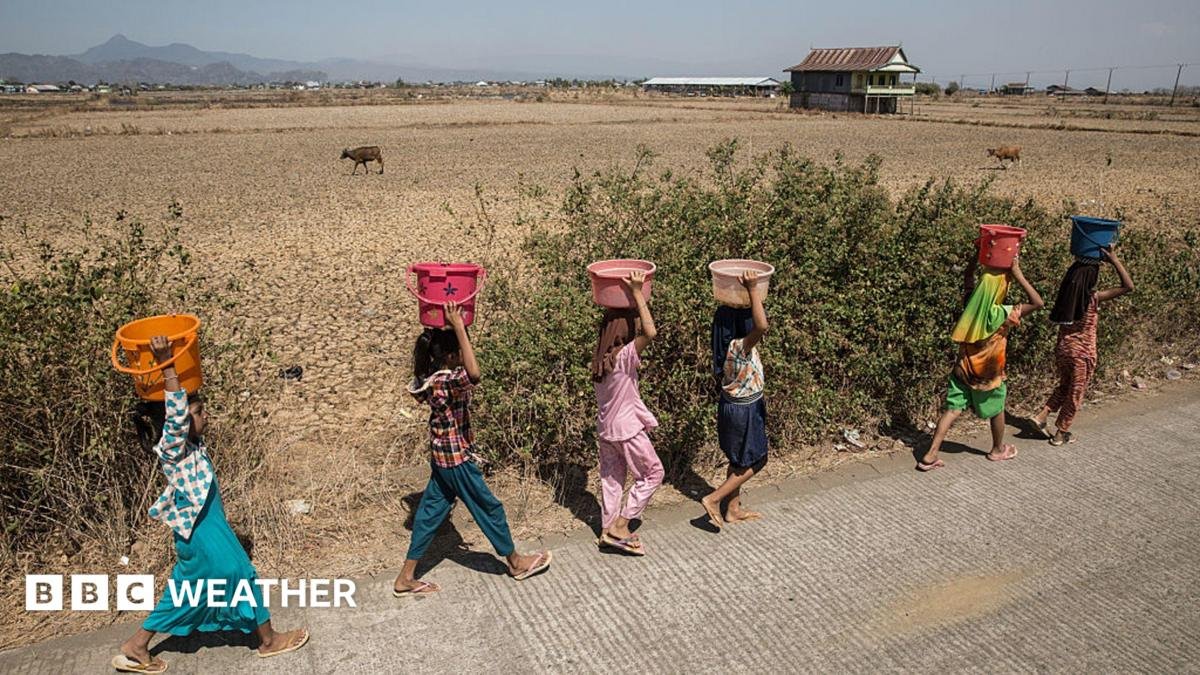
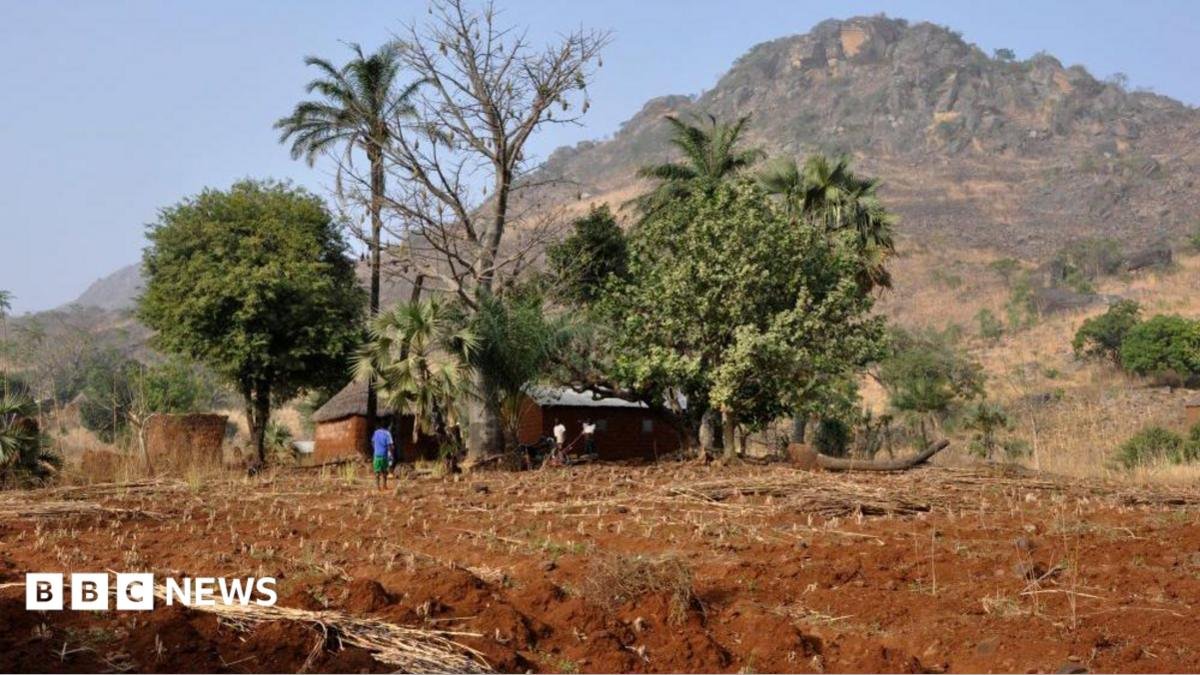
The challenge for the coming years is to transition from growth driven ernal economy. Agriculture remains a potential engine for growth, yet it is increasingly threatened that can sustain current income levels without dependence on volatile geopolitical shifts is the next major hurdle for the nation.
For Kyrgyzstan, the summit was a test of its ability to navigate a precarious, changing world. try hopes to secure a more stable future. Whether Central Asia can evolve from being a space between larger powers to a genuine center of its own remains the defining question for the region’s long-term prosperity.