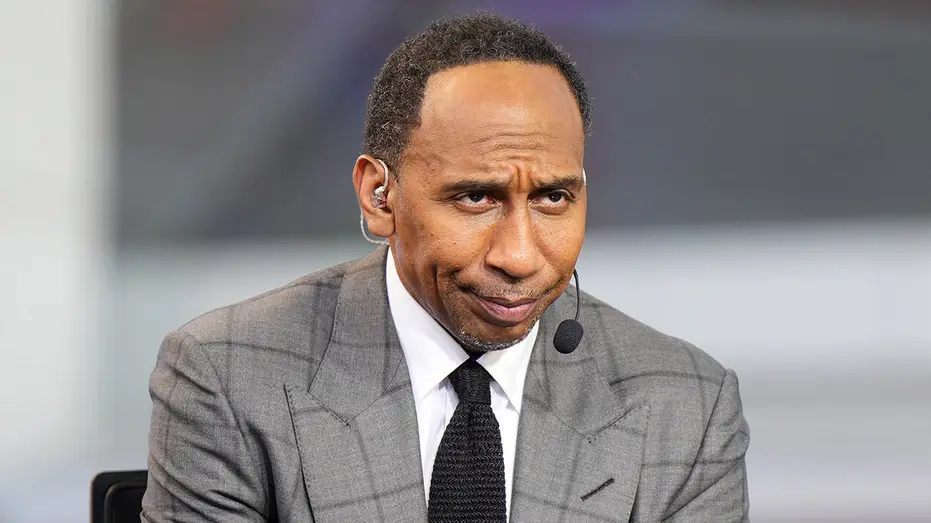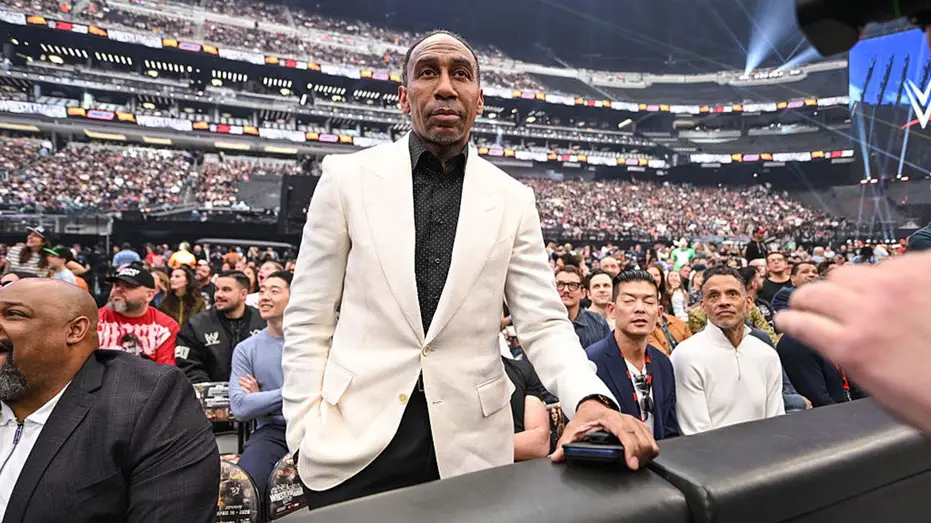
Broadcaster Stephen A. Smith has promised to challenge the National Association of Black Journalists after receiving a critical award during the group's annual gala.
The National Association of Black Journalists (NABJ) recently held its annual Salute to Excellence Awards Gala in Atlanta, an event traditionally reserved for celebrating journalistic achievements. However, the ceremony took an unexpected turn when the organization issued a "Thumbs Down" award to prominent ESPN personality and political commentator Stephen A. Smith. The distinction, intended to highlight individuals or entities whose public commentary or practices are deemed contrary to the group's mission, has ignited a public confrontation between the media figure and the professional organization.
The NABJ stated that the decision to recognize Smith stemmed from a recurring pattern of commentary directed toward prominent Black women across various sectors, including sports, media, and politics. According to the organization, such remarks undermine the respectful representation of Black women in public discourse and conflict with the group's commitment to responsible media coverage. The award was presented alongside other recipients, including CBS News and FCC Chairman Brendan Carr, who were also subject to the organization’s critique.
In the immediate aftermath of the announcement, Stephen A. Smith took to social media to express his intent to challenge the NABJ. Framing the "Thumbs Down" award as a catalyst for a broader dispute, Smith declared that he would no longer remain silent regarding the organization’s internal practices. He characterized the development as a turning point, signaling that he intends to investigate and potentially critique the NABJ’s own track record, which he claims he has avoided addressing for years.
Smith’s response was pointed, suggesting that the organization had initiated a conflict he now feels compelled to engage with directly. iews this as an opportunity to scrutinize the standards and motivations of the group. His comments suggest that this disagreement is likely to extend beyond a single news cycle, as he prepares to shift the focus of his critiques toward those who issued the award.
The incident has drawn varying reactions from media observers, highlighting a divide over the role of professional organizations in policing public discourse. Some critics of the NABJ, such as those associated with conservative media watchdogs, have argued that the "Thumbs Down" award demonstrates a disconnect between professional trade groups and the broader public. These critics suggest that such awards function more as performative activism rather than constructive oversight, arguing that the organization should focus more on industry-wide professional standards.
Conversely, the NABJ maintains that its role involves holding public figures accountable for the impact of their words. During the presentation, NABJ President Errin Haines emphasized that the organization’s objective is not merely to criticize but to foster change. She noted that while the door for conversation remains open, the group will continue to speak out against narratives it deems harmful. This stance reflects a commitment to the organization’s long-standing goals regarding inclusive and accurate portrayals of Black communities within the media landscape.
The fallout from the gala also highlighted internal tension within the journalist community. Some attendees expressed discomfort with the tone of the evening, suggesting that the inclusion of the "Thumbs Down" segment detracted from the celebration of professional excellence. Critics of the presentation argued that the segment introduced unnecessary "messiness" into an event designed to honor the hard work of journalists, particularly at a time when many in the industry face significant employment challenges.
As the situation continues to unfold, the interaction between Smith and the NABJ serves as a case study in the evolving relationship between high-profile media personalities and the institutions that monitor them. With both sides signaling a commitment to their respective positions, the debate over where the line between commentary and disparagement lies remains a central theme. The incident underscores the ongoing friction in modern media, where the power of individual voices often clashes with the collective standards set