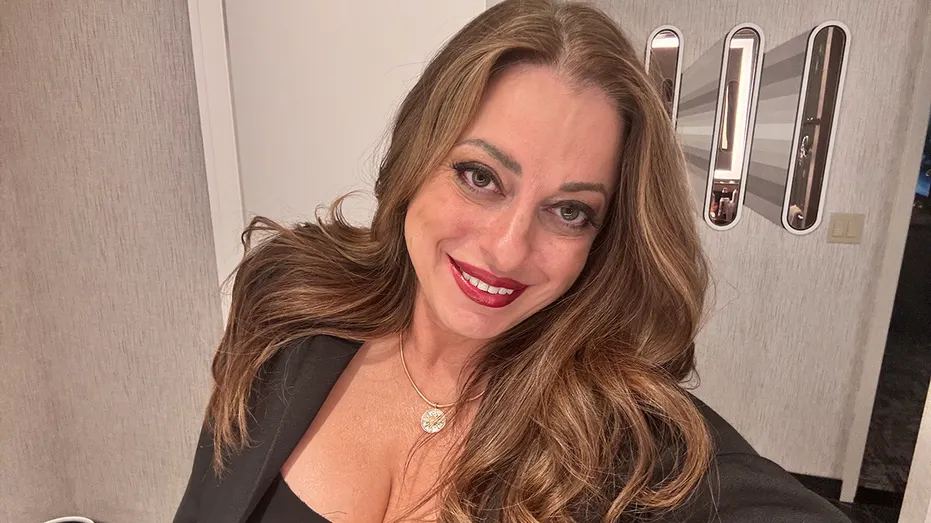
Directors Ally Pankiw and Kate Herron have publicly refused to work on the upcoming HBO Harry Potter series, citing J.K. Rowling’s views on transgender issues.
The upcoming television adaptation of the Harry Potter franchise for HBO has encountered significant pushback from prominent directors within the entertainment industry. Both Ally Pankiw, known for her work on the critically acclaimed series Black Mirror, and Kate Herron, who directed the first season of Marvel’s Loki, have publicly confirmed they rejected inquiries regarding their potential involvement in the production. The refusals are rooted in their vocal opposition to the public stances held
Pankiw brought the issue to light through social media, sharing a screenshot of a conversation with her representative. The exchange displayed her immediate and firm refusal to consider the project. In her commentary, Pankiw emphasized that declining the opportunity served as a straightforward method for industry professionals to refrain from providing support to projects associated with viewpoints they find objectionable. She framed her decision as a clear-cut choice for those wishing to distance themselves from the controversy surrounding the author.
While the initial reports suggested a direct rejection of a formal job offer, Pankiw later clarified the nature of the interaction. She noted that the inquiry was not a finalized employment contract but rather an invitation to interview or meet to discuss directing episodes for the show's second season. Despite the lack of a formal offer, Pankiw maintained that she did not wish to pursue the matter further, underscoring her commitment to her personal and professional boundaries.
The refusal from Pankiw was echoed onse to Pankiw’s public post, Herron revealed that she had been approached e her colleague, Herron stated that her position remained firm and would not change, citing the same concerns regarding Rowling's public rhetoric as the primary motivation for her refusal to engage with the production.
The public declarations from these directors highlight an ongoing tension between major intellectual property holders and the creative talent pool in Hollywood. As studios continue to develop high-budget adaptations of established literary works, the personal beliefs and public statements of authors are increasingly factoring into the recruitment processes for directors, writers, and actors. This dynamic poses a unique challenge for networks like HBO as they look to build a creative team for a project with such a massive global following.
The industry discourse surrounding the series is not limited to those behind the camera. Actors attached to the project have also been forced to navigate the polarized landscape. For example, actress Bel Powley, who portrays Petunia Dursley, has previously voiced her disagreement with the author’s views. She has advocated for the importance of safety, dignity, and acceptance for the transgender community, creating a complex environment for the cast and crew involved in the adaptation.
J.K. Rowling has consistently denied accusations of transphobia, maintaining that her public comments are intended to protect the rights of biological women. She has frequently centered her arguments on the preservation of sex-based spaces, such as women-only rape crisis centers, changing rooms, and the integrity of female-only sports categories. Her perspective is framed
In recent public statements, the author has directly challenged those in the entertainment and political spheres who oppose her. She has framed her position as a logical defense of sex-based rights, explicitly questioning whether society should allow for the inclusion of biological males in environments historically reserved for women. These arguments have kept her at the center of a heated cultural debate, with both supporters and critics continuing to voice strong opinions on the matter.
The situation presents a complex public relations landscape for HBO. As the network moves forward with the development of the series, the challenge of balancing the commercial value of the Harry Potter brand against the evolving social values of the creative workforce remains a focal point. While the production continues to move forward, the vocal stance taken thor’s views will continue to shadow the project during its production cycle.