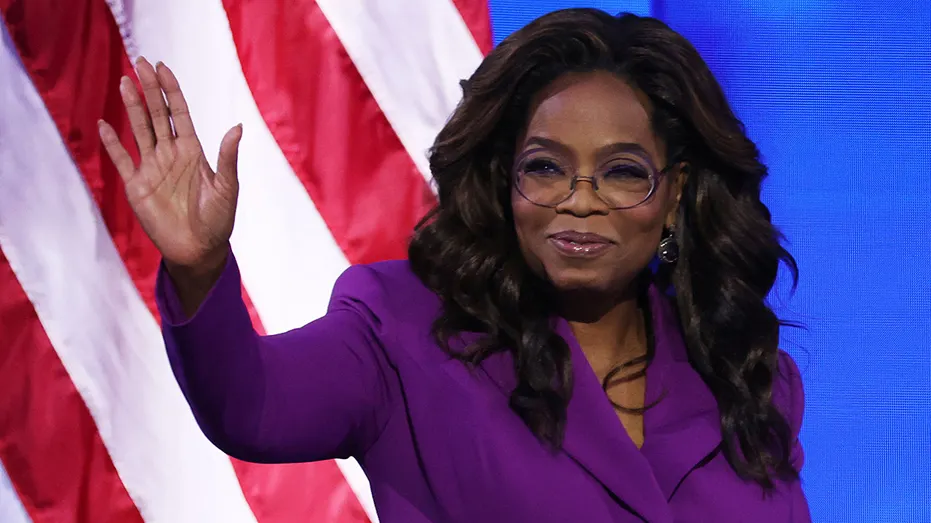
Oprah Winfrey has publicly distanced herself from Dr. Phil McGraw and Dr. Mehmet Oz, stating that their current political views and actions have no connection to her.
For years, the names Oprah Winfrey, Dr. Phil McGraw, and Dr. Mehmet Oz were inextricably linked within the landscape of daytime television. Winfrey, a titan of the broadcasting industry, served as the primary catalyst for launching the national careers of both men. Through her platform, she introduced millions of viewers to their specific brands of expertise, effectively transforming them from niche professionals into household names.
Reflecting on these professional relationships, Winfrey recently addressed the public scrutiny she has faced regarding the subsequent ideological shifts of her former collaborators. She explained that her initial decision to feature them on her show was rooted in a genuine belief that they possessed valuable, practical information. During a period of significant personal and professional stress, specifically a lengthy legal challenge in the 1990s, McGraw’s pragmatic approach served as a source of stability. Similarly, Oz was initially tapped for his ability to demystify complex medical topics, making health information accessible to a broad audience.
The public perception of both McGraw and Oz has undergone a dramatic transformation as they have leaned into the political sphere. Dr. Oz, a cardiothoracic surgeon id for the U.S. Senate in Pennsylvania in 2022. His campaign, which included a formal endorsement from Donald Trump, brought him into the center of partisan debate. Since his electoral defeat, he has remained active in conservative circles, appearing at major rallies and engaging in high-profile policy discussions regarding border security and immigration.
Dr. Phil McGraw has also charted a course that has alienated him from the more liberal-leaning demographics that historically comprised the core viewership of his daytime program. hat challenges mainstream progressive narratives, McGraw has carved out a distinct identity separate from his origins on Winfrey's stage. These developments have led many critics to hold Winfrey partially responsible for the platforms these figures now utilize to promote their political agendas.
Winfrey has explicitly rejected the notion that she retains any influence over, or responsibility for, the current political stances of McGraw and Oz. In a recent interview, she emphasized that while she once saw merit in their contributions to her show, their trajectories are now entirely independent of her own. She noted that every individual follows their own path in life, and she maintains that her past decisions to mentor them were motivated
er, Winfrey is attempting to draw a firm line in the sand. This clarification serves to insulate her professional brand from the polarizing political activities that now define the public lives of her former protégés. For Winfrey, the connection was purely professional and limited to the context of their contributions to her television program, rather than an endorsement of their future political evolutions.
The broader media landscape has responded to these comments with varying perspectives. Some commentators argue that Winfrey’s desire to distance herself from the conservative turns of McGraw and Oz highlights a deeper divide in media accountability. Critics have suggested that figures like Winfrey should not be immune from the consequences of the platforms they curate, especially when those platforms serve as launchpads for individuals who later become polarizing political actors.
Conversely, others argue that it is unfair to hold a media personality accountable for the long-term personal or political growth of those they once hired. The debate continues to center on whether a host’s past endorsement of a guest’s expertise constitutes an ongoing endorsement of that person’s entire belief system. As the lines between entertainment and politics continue to blur, the case of Winfrey, McGraw, and Oz serves as a significant example of how quickly media relationships can be recontextualized in a highly charged political environment.