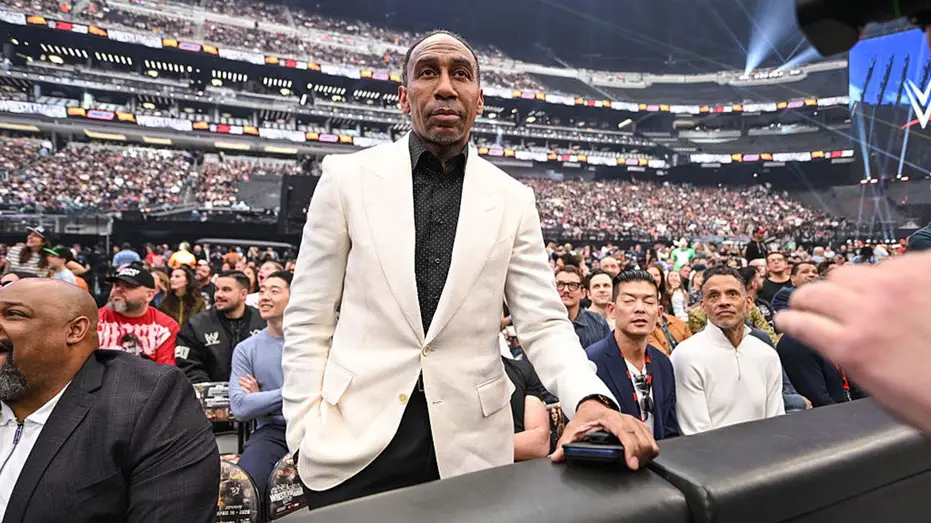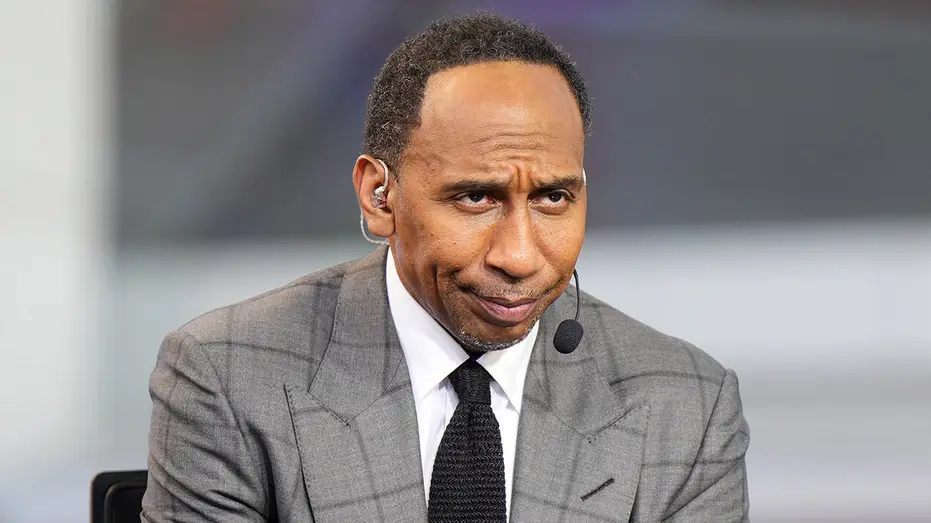
Stephen A. Smith has publicly challenged the National Association of Black Journalists after the group issued him a critical 'Thumbs Down' award for his commentary on Black women.
The landscape of professional journalism organizations recently became the center of a heated public dispute as ESPN personality and commentator Stephen A. Smith responded to a critical award issued Smith addressed the organization’s decision to present him with a "Thumbs Down" award during their gala in Atlanta. The accolade was intended to highlight what the organization described as a recurring pattern of negative commentary directed toward high-profile Black women in the worlds of politics and media.
Smith did not mince words when addressing the audience, characterizing the decision as a "personal hit job" rather than a legitimate journalistic critique. He argued that the NABJ, an organization dedicated to the standards and ethics of the journalistic profession, failed to uphold those very principles ack of due process and the absence of a direct inquiry into his commentary rendered the award an act of performative hostility rather than a professional assessment.
Central to Smith's frustration was the procedural breakdown he perceived in the organization's actions. He noted that despite his visibility and accessibility, the leadership of the NABJ chose to issue a public condemnation without first engaging him in a dialogue. Smith highlighted a specific exchange with NABJ President Errin Haines, claiming that when he attempted to address the allegations directly, he was told that a private, off-the-air conversation would be preferred first. Smith rejected this premise, suggesting that if the organization felt comfortable making public allegations, they should be equally prepared to discuss them in an open forum.
The commentator expressed that this approach was inherently unfair and hypocritical. age in a transparent, public debate, the organization, according to Smith, undermined its own credibility. He maintained that his role as a public figure and media personality grants him the right to offer commentary on various figures, including political leaders, and he viewed the NABJ's intervention as an attempt to stifle that discourse under the guise of organizational ethics.
Despite his harsh critique of the board members responsible for the "Thumbs Down" award, Smith emphasized that his grievances are not directed at the NABJ as a whole. He took a moment to reflect on his own history, noting that his career was launched over three decades ago thanks to an NABJ job fair. He underscored his continued commitment to the organization’s mission, particularly regarding its support for the sports task force and the next generation of aspiring journalists who rely on the group for networking and professional development.
Smith’s distinction between the "few board members" who orchestrated the award and the broader membership of the organization serves to highlight his ongoing loyalty to the institution's core purpose. He explicitly stated that he does not want his personal conflict to be seen as an indictment of the association or its members. Instead, he framed his reaction as a defense of fairness, suggesting that the leadership's decision was not only "grossly unfair" but also counterproductive to the organization’s stated goals of promoting responsible and inclusive media coverage.
The incident has sparked a wider conversation about the role of journalism trade groups and their relationship with public figures. Critics of the NABJ’s actions have suggested that such awards reflect a growing disconnect between institutional journalism bodies and the reality of modern media discourse. Some observers argue that these groups risk losing their relevance if they are perceived more as activist organizations than as objective arbiters of professional standards.
As the industry continues to evolve, the tension between maintaining professional decorum and exercising the freedom of commentary remains a significant hurdle. Whether this public fallout leads to a reform in how such organizations handle internal grievances or whether it deepens the divide between media personalities and advocacy groups remains to be seen. For now, the exchange serves as a reminder of the volatile intersection where institutional oversight meets the high-stakes world of public opinion and media commentary.