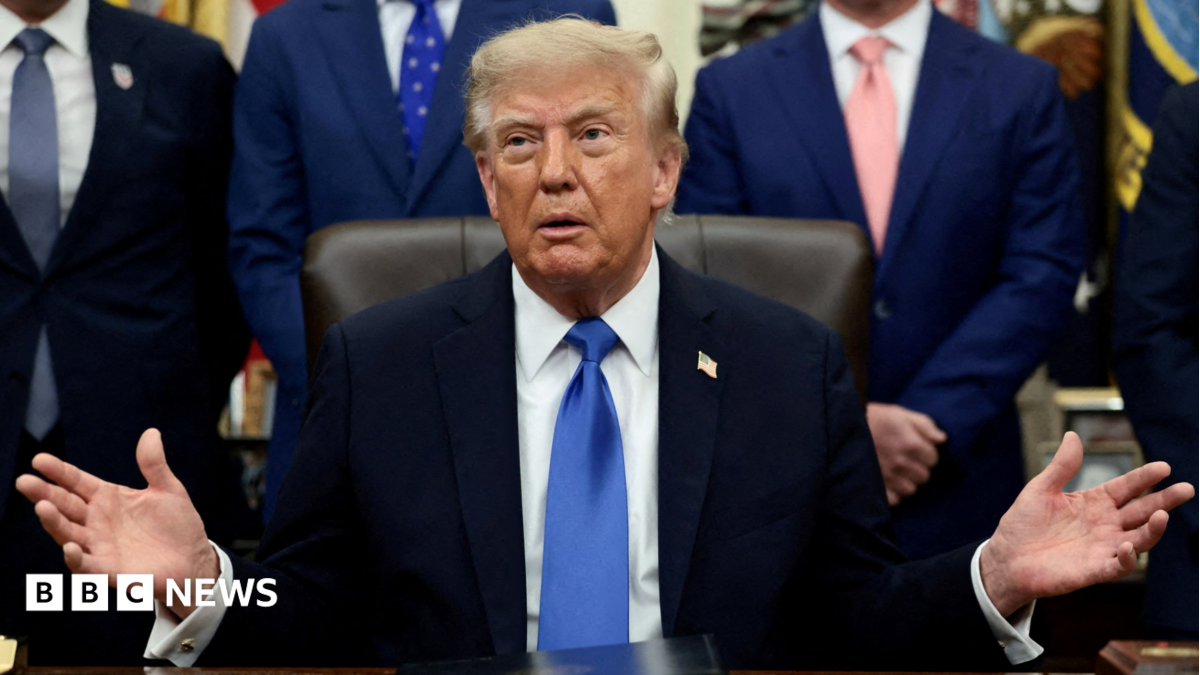
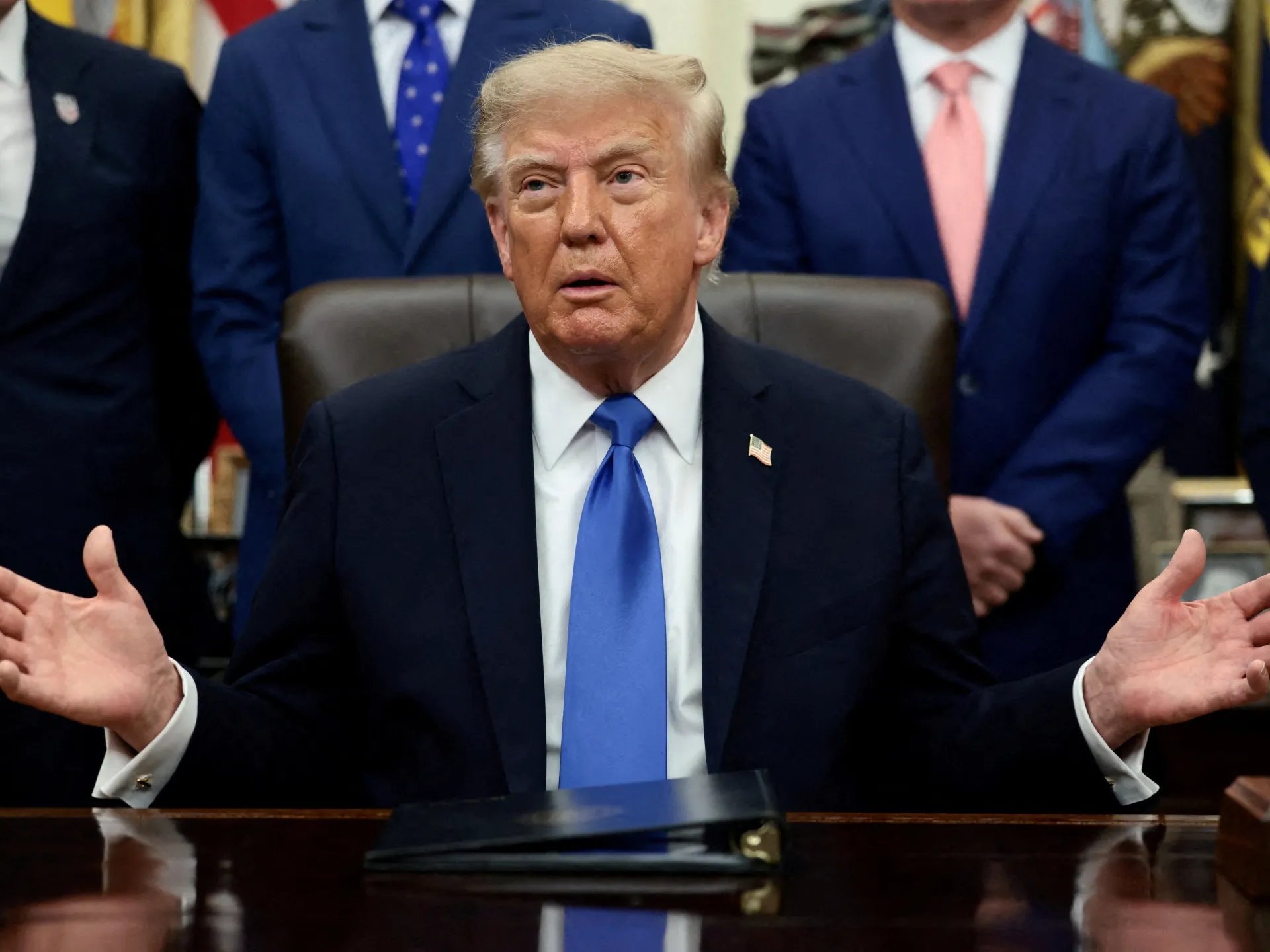
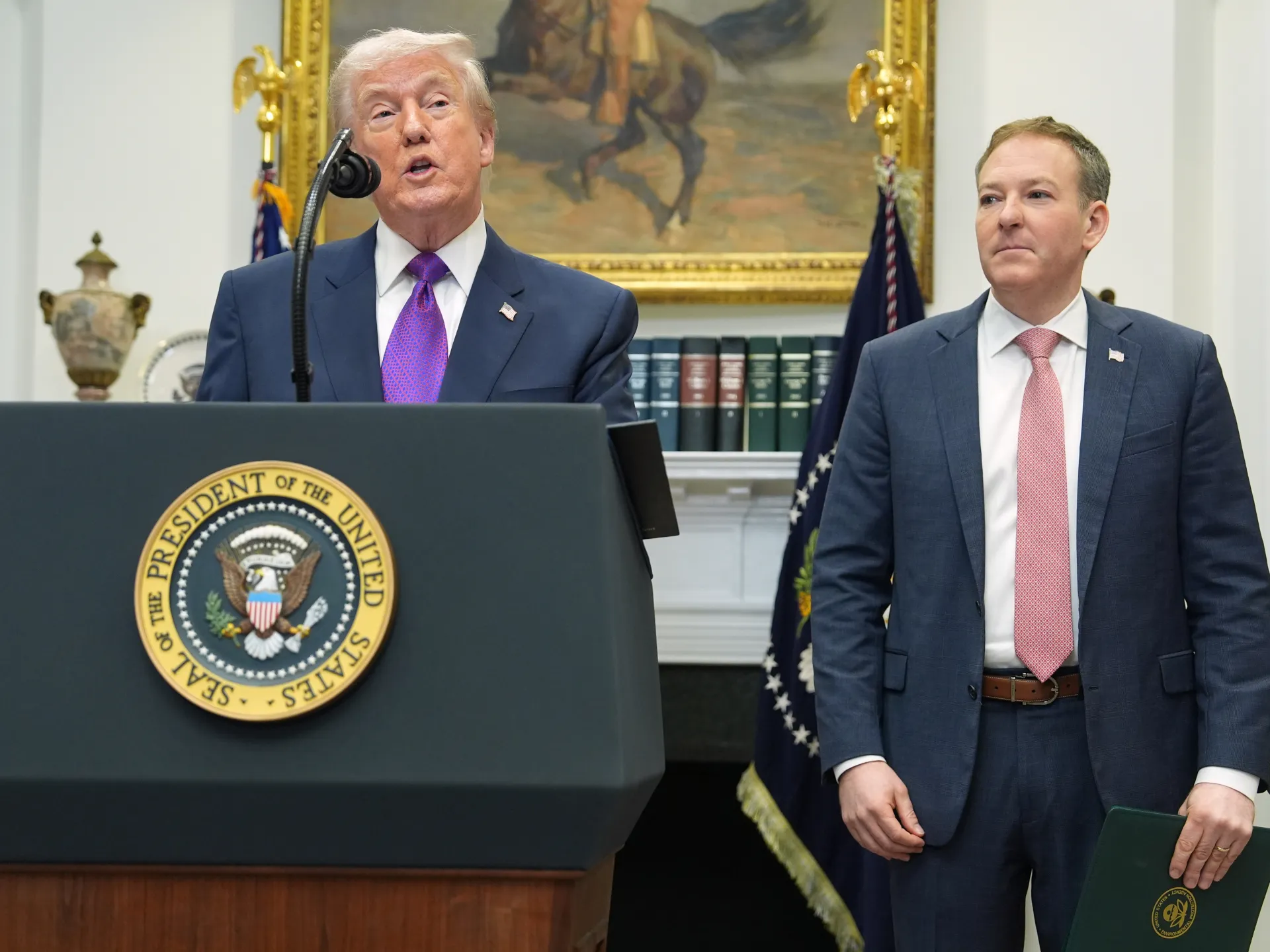
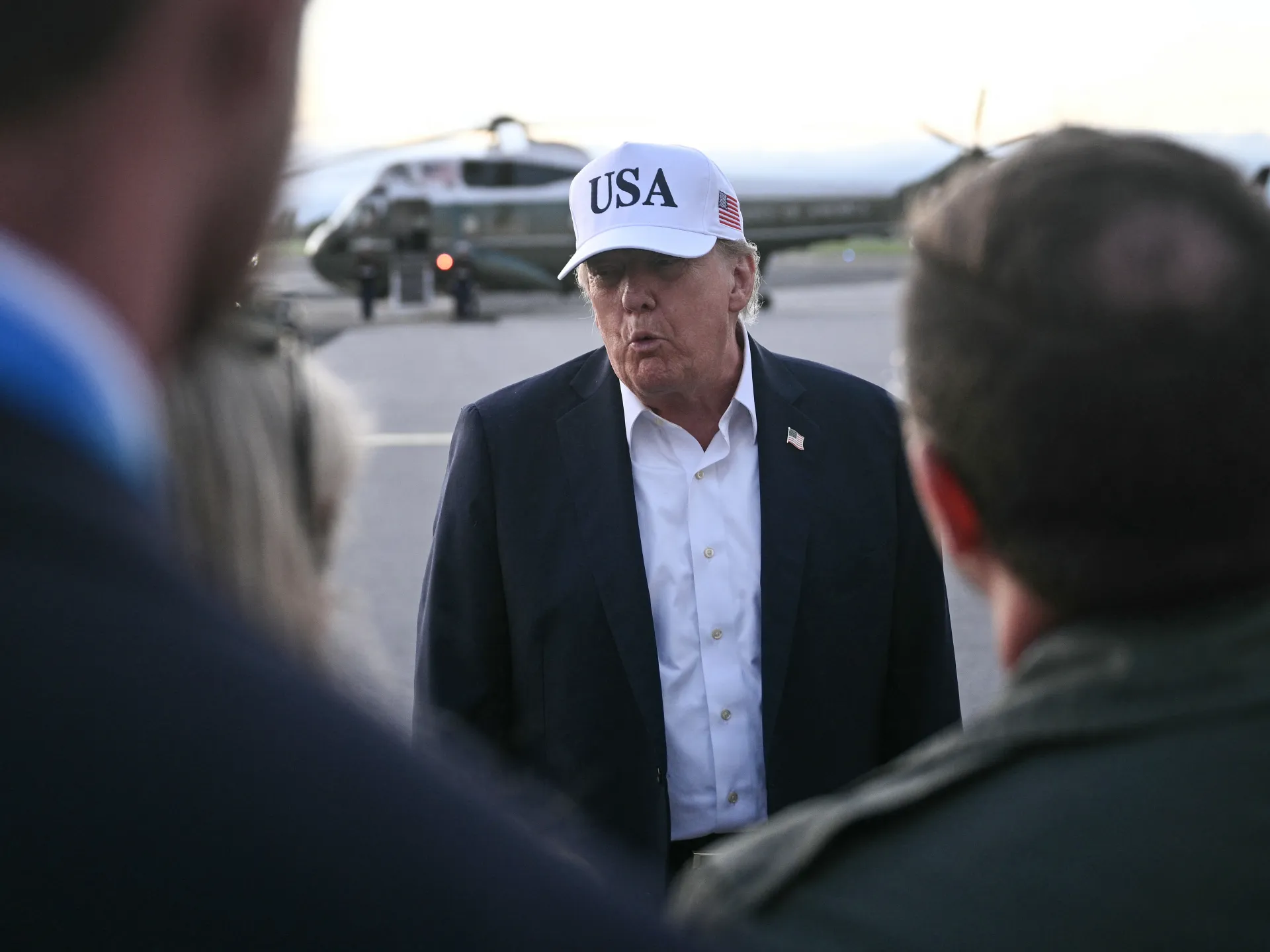
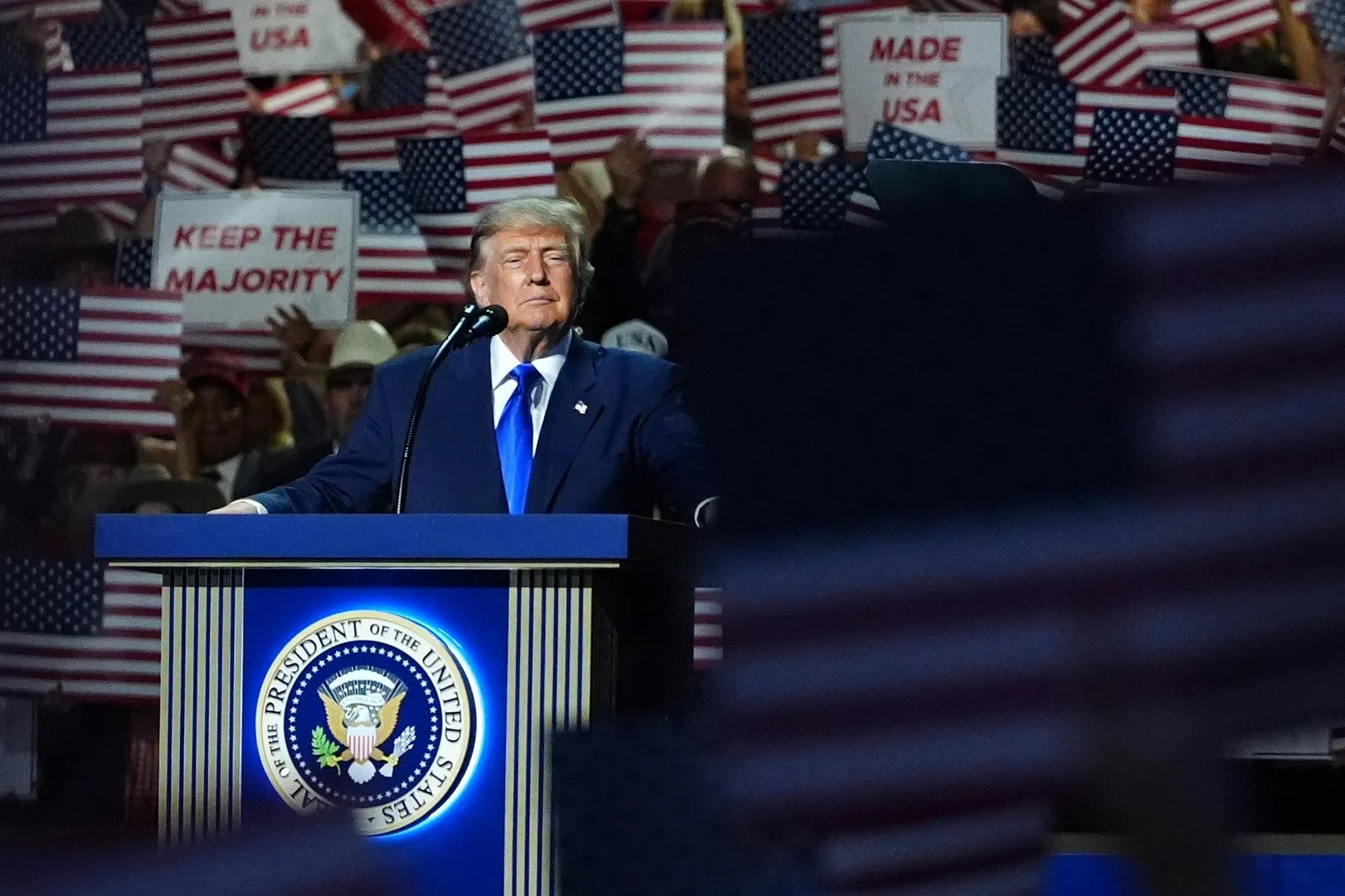
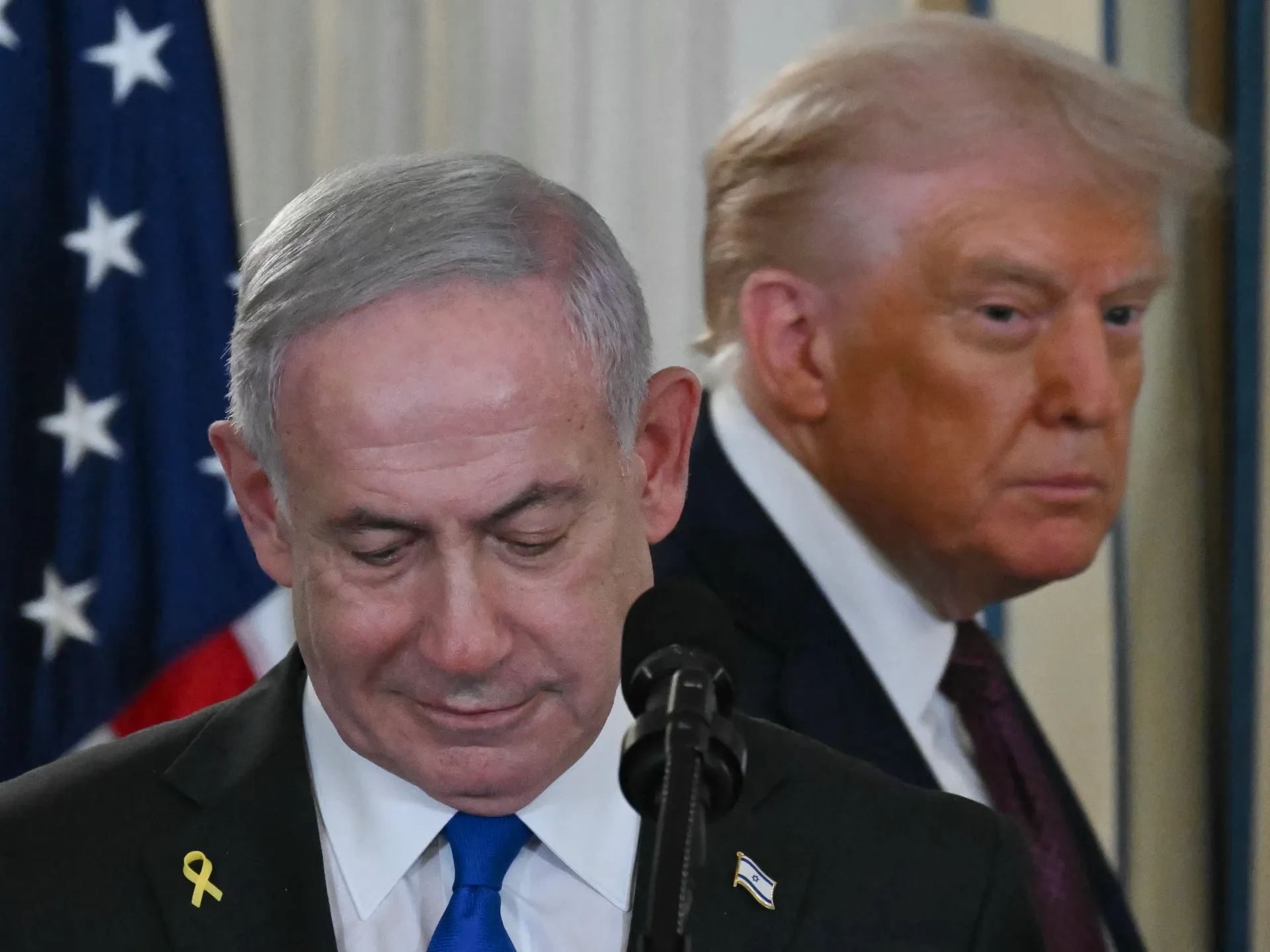
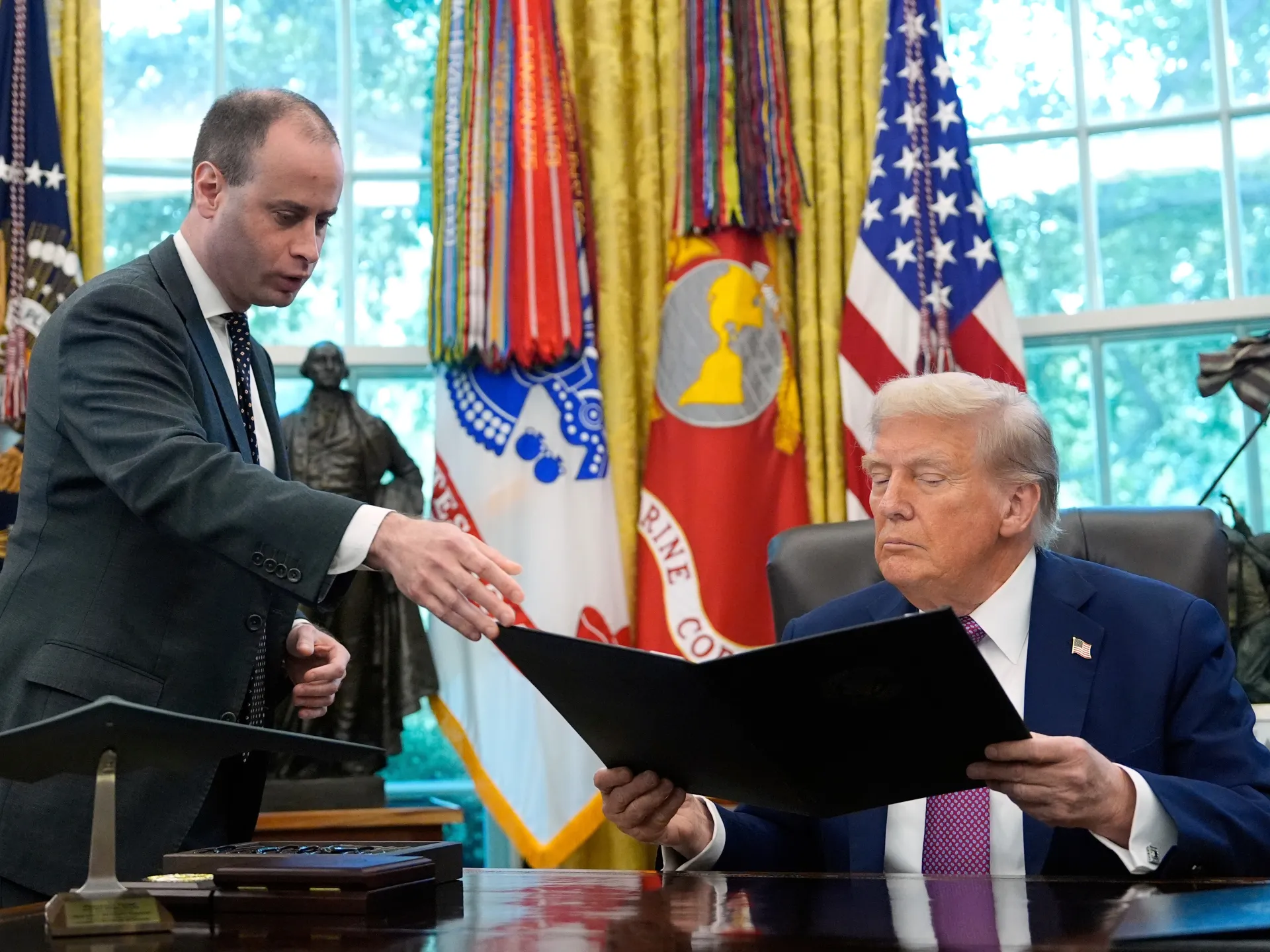
President Donald Trump has announced a massive expansion of economic sanctions against Iran, threatening severe consequences for any nation that continues to engage in commerce with the country.
The United States government has signaled a significant escalation in its ongoing standoff with Tehran, with President Donald Trump declaring the launch of what he described as the most severe economic operation ever directed against a sovereign nation. This announcement follows five months of persistent conflict and a failure to achieve any diplomatic breakthrough between the two countries. The administration is signaling a shift toward total economic isolation as a primary tool of statecraft.
In a direct communication via social media, the President articulated a clear message: Iran has squandered previous opportunities to reach a negotiated settlement. Consequently, the United States is moving to dismantle any remaining financial connections that might support the Iranian economy. This policy shift marks a departure from traditional diplomatic maneuvering, favoring instead a strategy of absolute financial attrition.
The newly proposed measures extend far beyond domestic sanctions, targeting the international community at large. The administration has warned that any nation, business, or financial institution that continues to facilitate trade or provide financial lifelines to Iran will face severe repercussions. This secondary sanctions regime is designed to make the cost of doing business with Iran prohibitively high for global partners.
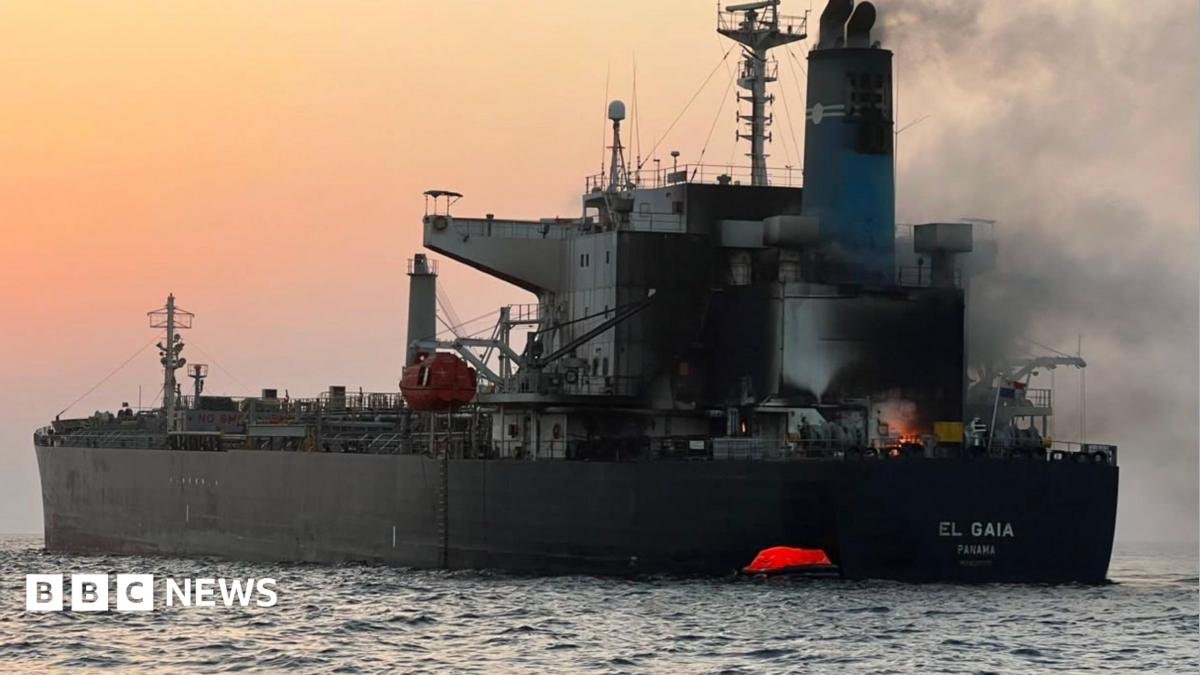
Specifically, the directive targets a wide array of activities that have historically enabled Iranian resilience, including oil smuggling, illicit cash transfers, and the use of front companies. U.S. aims to close the loopholes that have allowed the Iranian economy to sustain itself despite years of existing restrictive measures. The administration has labeled this initiative an "economic D-Day," demanding full alignment from international allies to ensure the policy's efficacy.
The core objective of this aggressive strategy is to move beyond temporary financial disruption toward the complete systemic isolation of the Iranian state. . is effectively forcing a choice upon the international business community: maintain access to the American financial system or continue engagement with Iranian markets. The administration anticipates that this ultimatum will lead to the rapid withdrawal of remaining international commercial interests from the region.
The President has characterized these measures as "historic" and asserts that the Iranian leadership is currently in a position of extreme vulnerability. According to the official perspective, these steps are the necessary final push to neutralize perceived threats emanating from the region. While the geopolitical consequences of such a broad economic blockade remain to be seen, the administration has doubled down on its commitment to these measures, indicating that there is little room for further negotiation until the current strategy achieves its intended impact.
The international community is currently grappling with the potential fallout of this policy shift. As the U.S. attempts to consolidate global support for this isolation strategy, the potential for market volatility and diplomatic friction with traditional allies remains high. The reliance on secondary sanctions represents a high-stakes gamble, as it forces foreign governments to navigate the competing pressures of U.S. foreign policy and their own economic interests.