
A new Israeli tender for 1,200 housing units in the E1 region has triggered a sharp rebuke from Palestinian officials, who warn the move threatens to permanently bisect the West Bank.
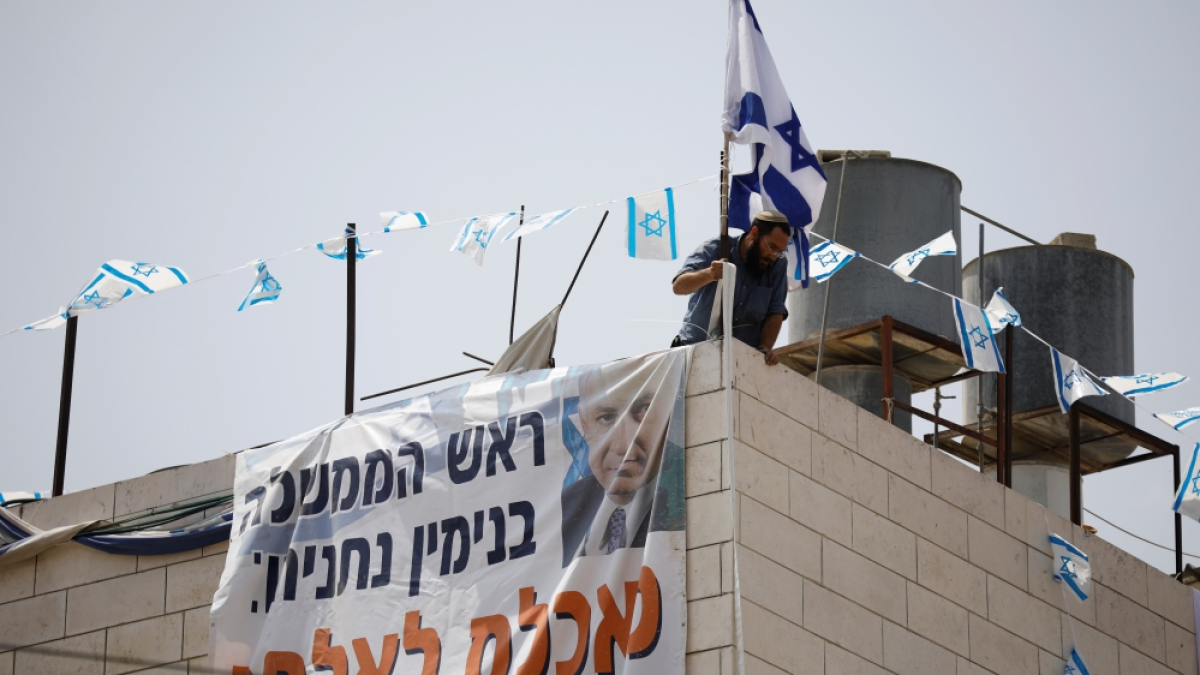
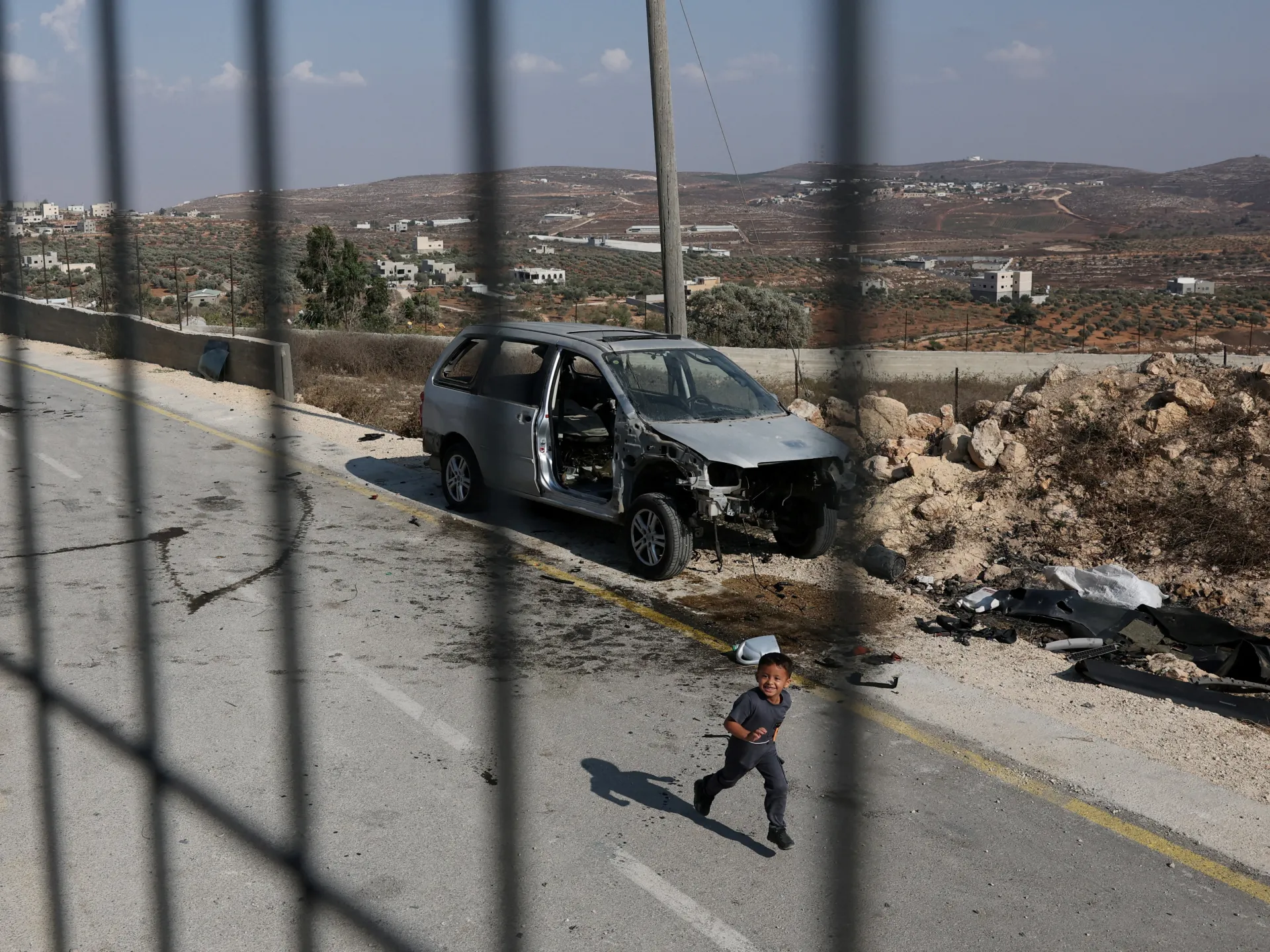
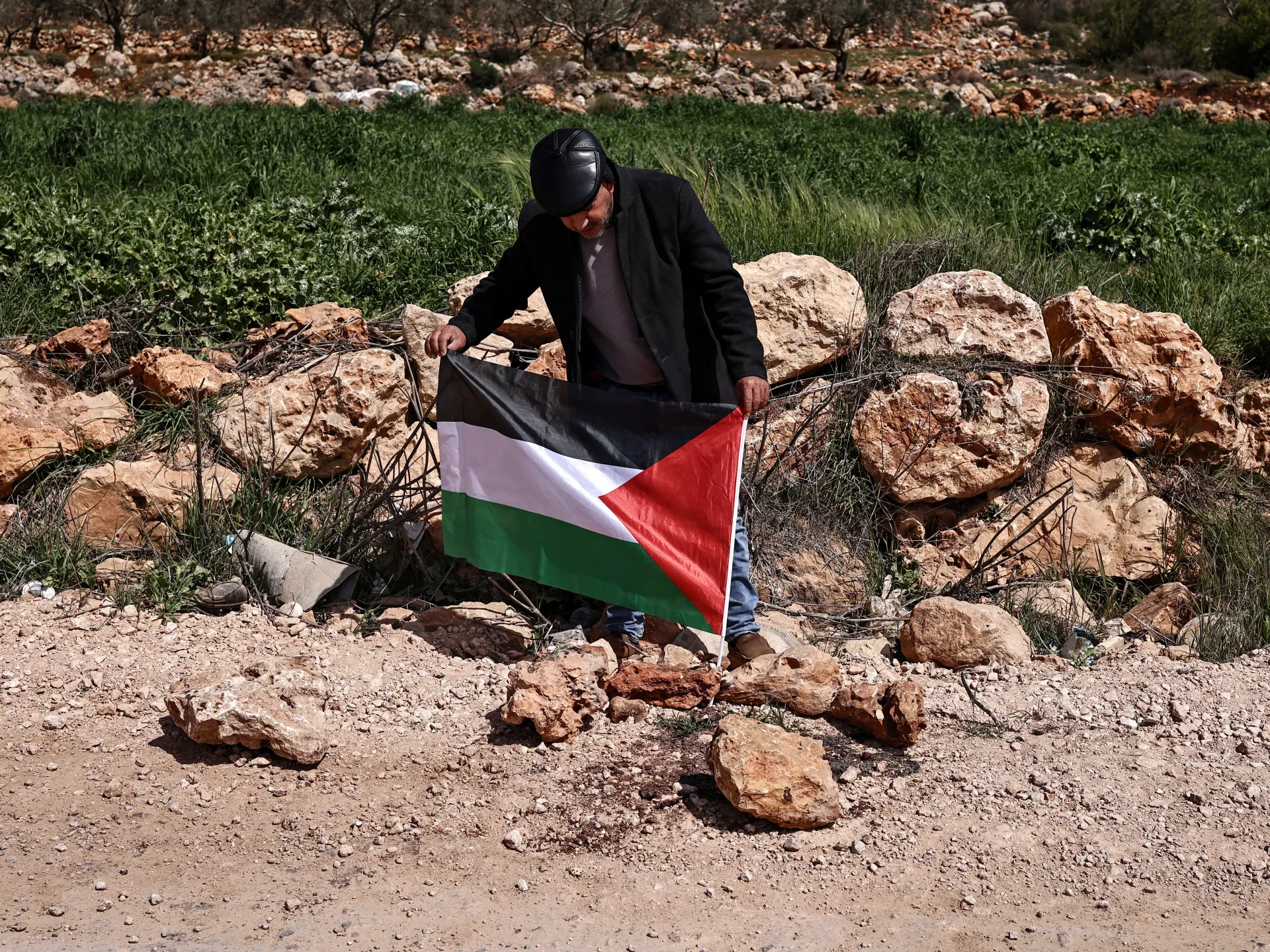
The Palestinian Authority has issued a formal condemnation following the Israeli government's decision to launch a tender for the construction of over 1,200 new housing units within the E1 sector of the occupied West Bank. This move, initiated settlement activity that has long been a flashpoint in the regional conflict. The Colonization and Wall Resistance Commission, an arm of the Palestinian Liberation Organization, warned that such developments are designed to fragment the West Bank into isolated enclaves, effectively undermining the territorial integrity required for a future Palestinian state.
vancing a project that spans approximately 12 square kilometers of land. The international community largely views these settlements as contrary to international law, as they occupy territory captured during the 1967 conflict. Experts suggest that the timing of this tender, with a deadline set for October 19, reflects a calculated political strategy ahead of the national elections scheduled for late October. Critics argue that the current coalition is attempting to solidify its territorial objectives before a potential shift in government leadership.
The E1 project is widely regarded on. nilaterally annexed—the expansion would effectively bisect the West Bank. This geographic severance would not only cut off the northern and southern regions of the West Bank from one another but would also isolate East Jerusalem from its surrounding Palestinian hinterland, preventing it from serving as a functional capital for a future Palestinian state.
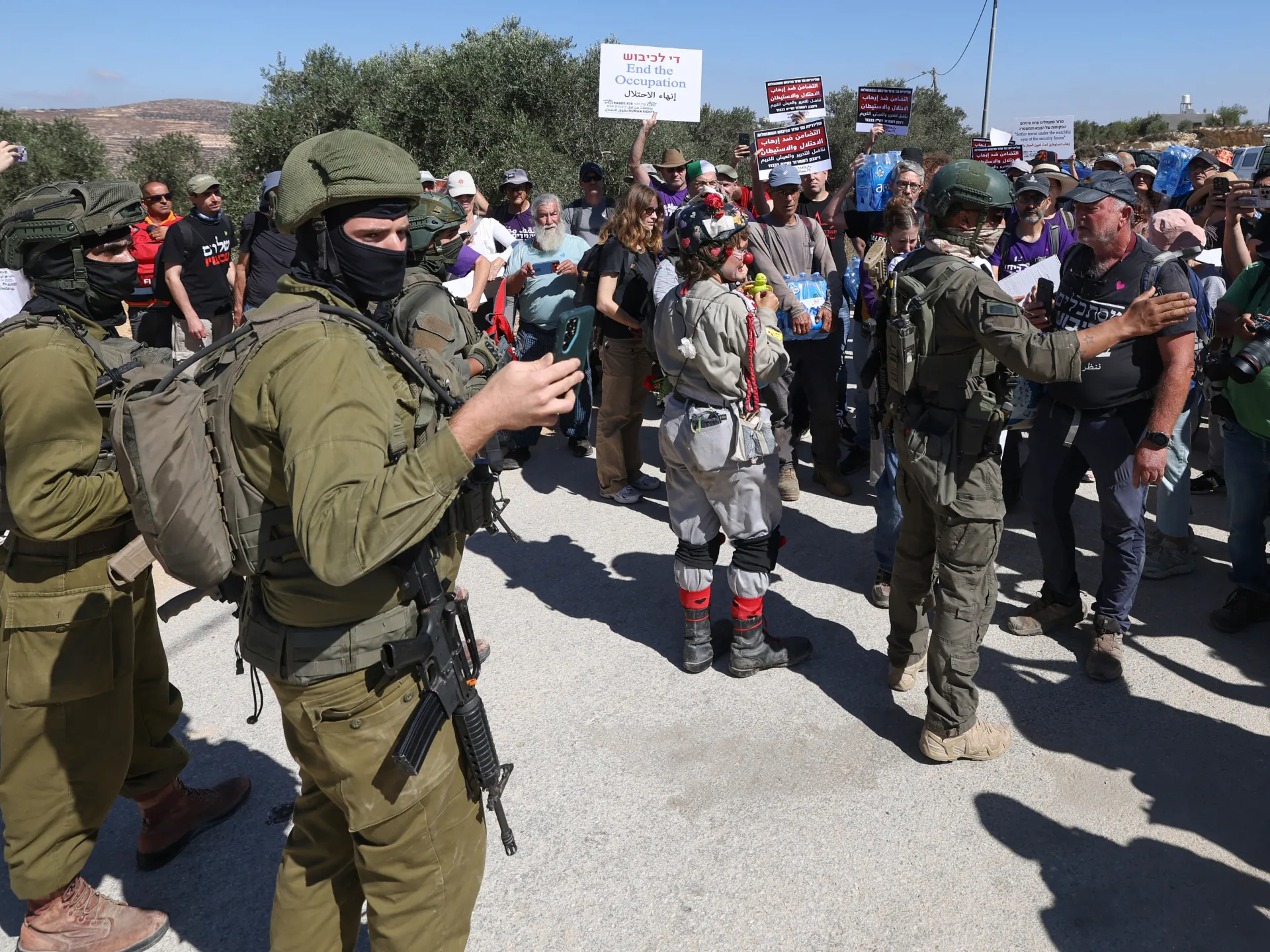
Human rights organizations and peace advocacy groups, including Ir Amim and Peace Now, have labeled the project a deliberate attempt to create irreversible facts on the ground. These groups maintain that even partial implementation of the plan would permanently alter the strategic character of the region. nment is accused of attempting to bind the hands of future administrations to a specific, hardline territorial agenda that prioritizes settlement expansion over diplomatic negotiations.
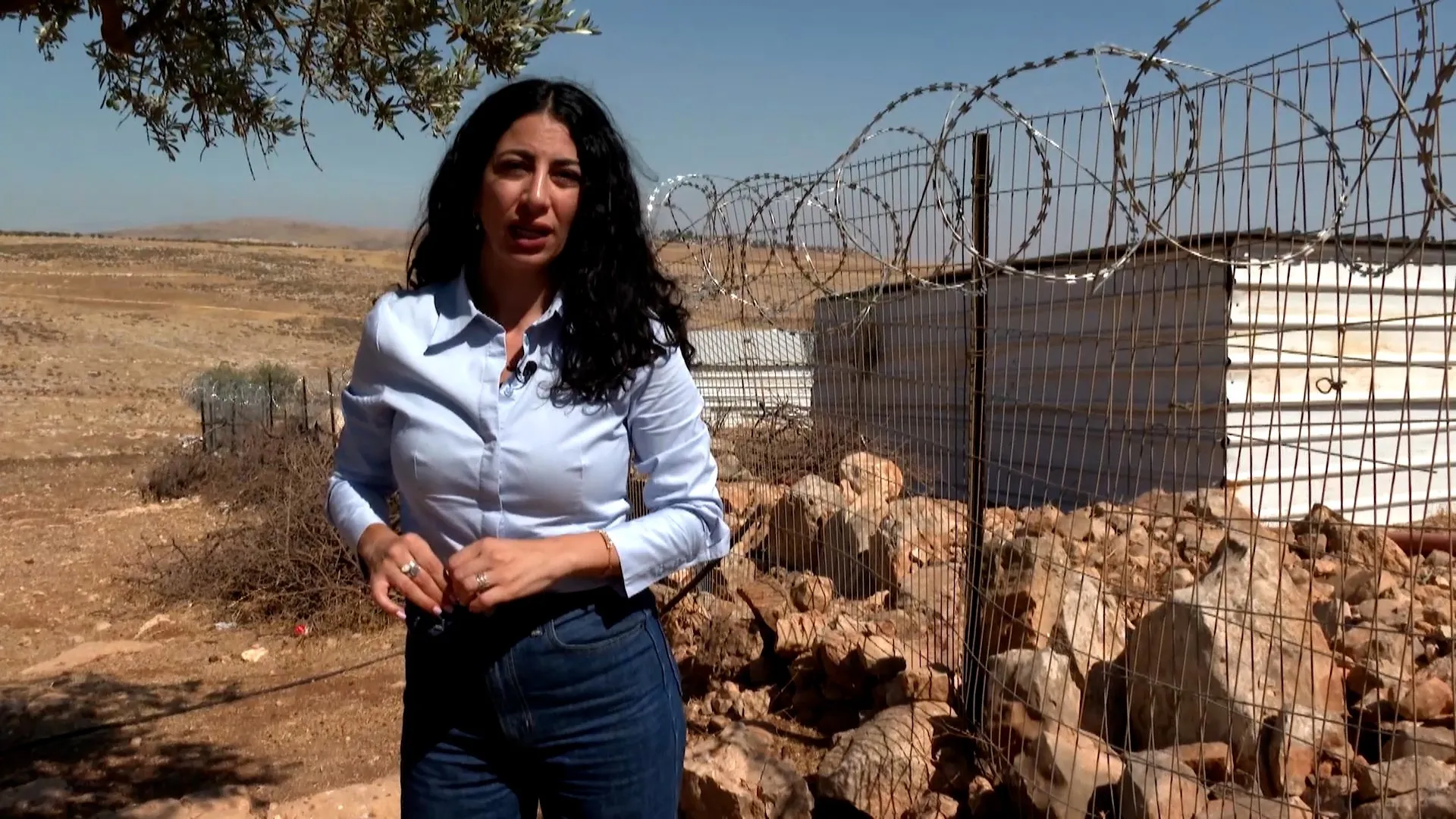
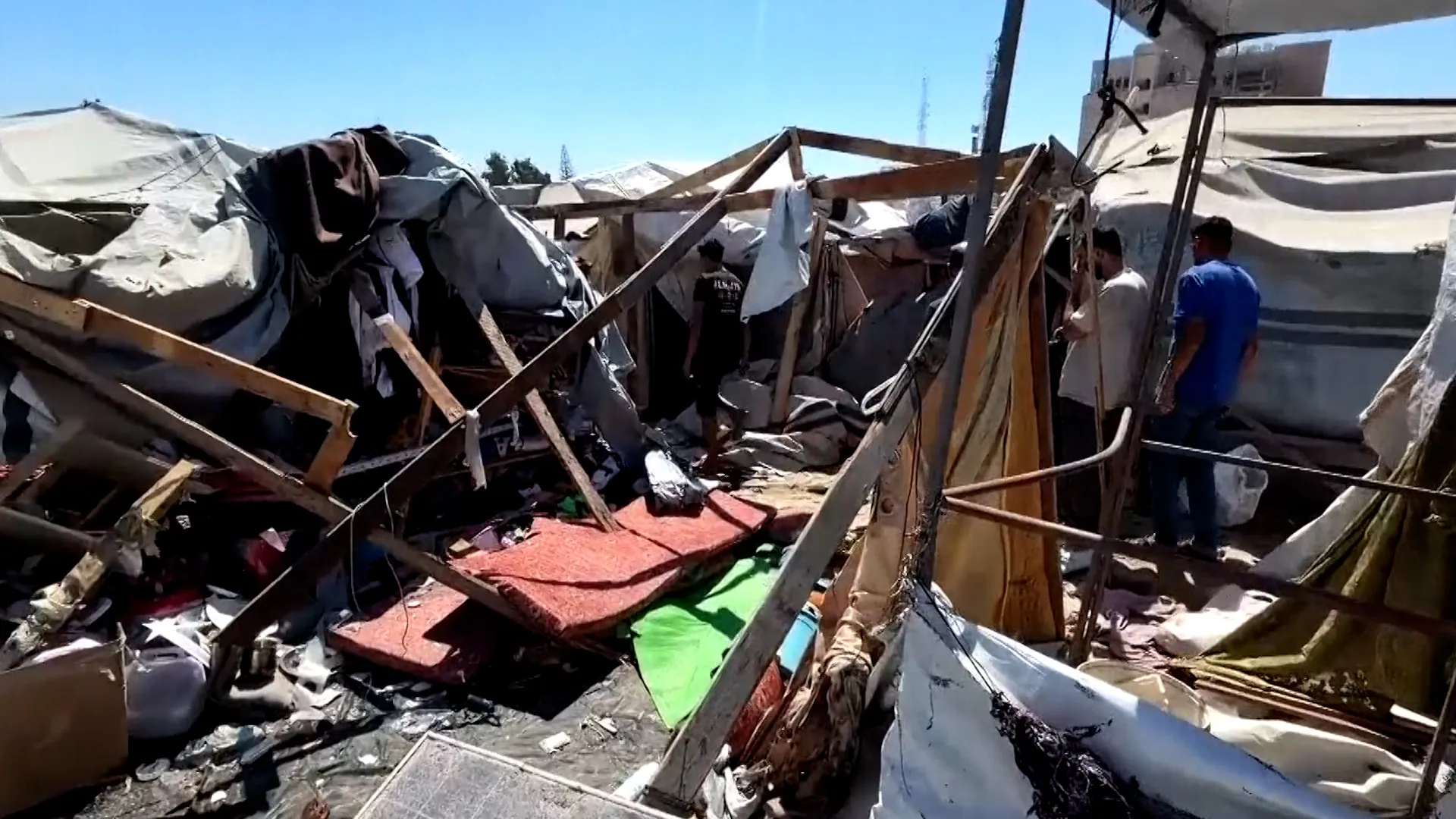
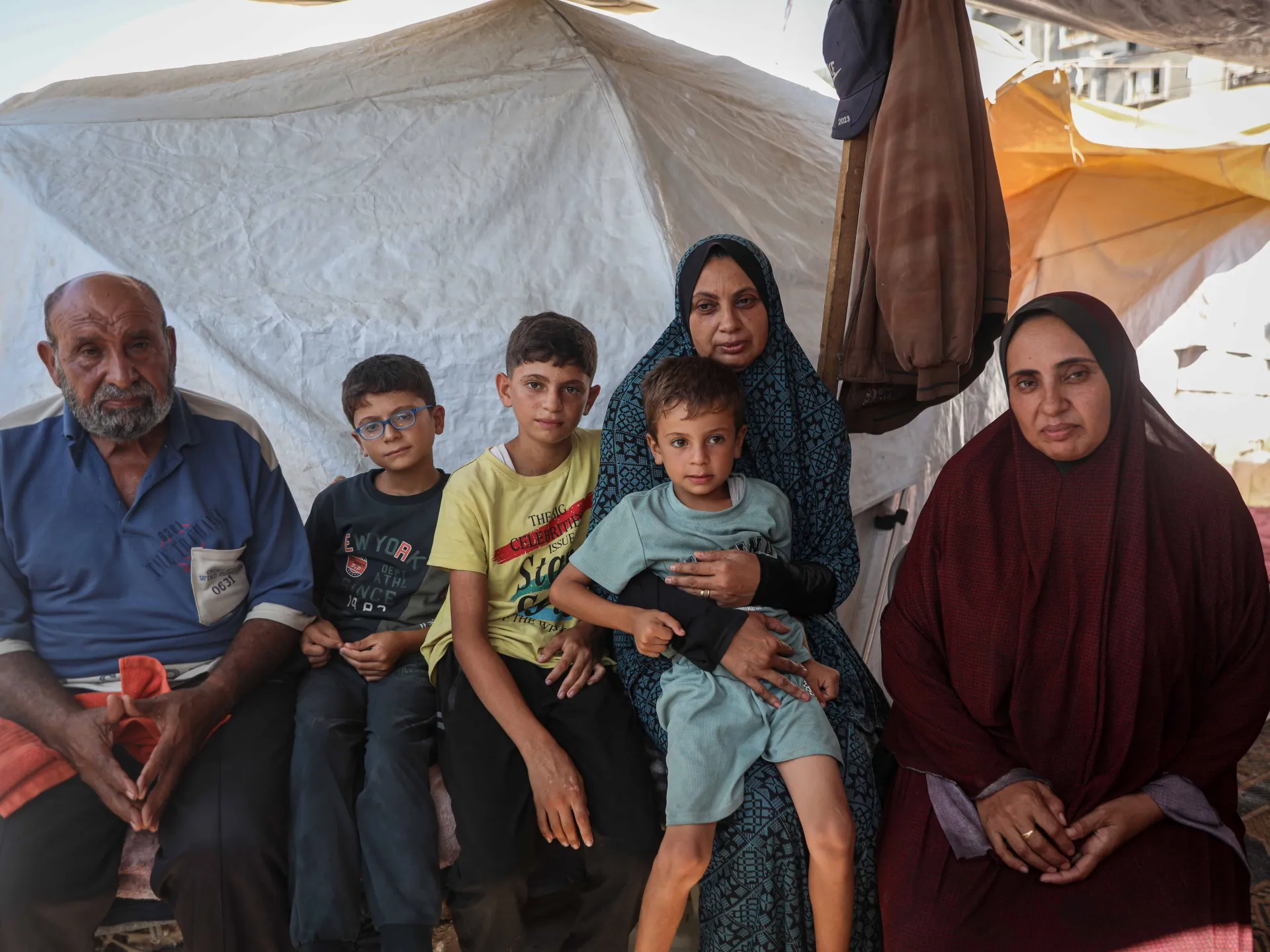
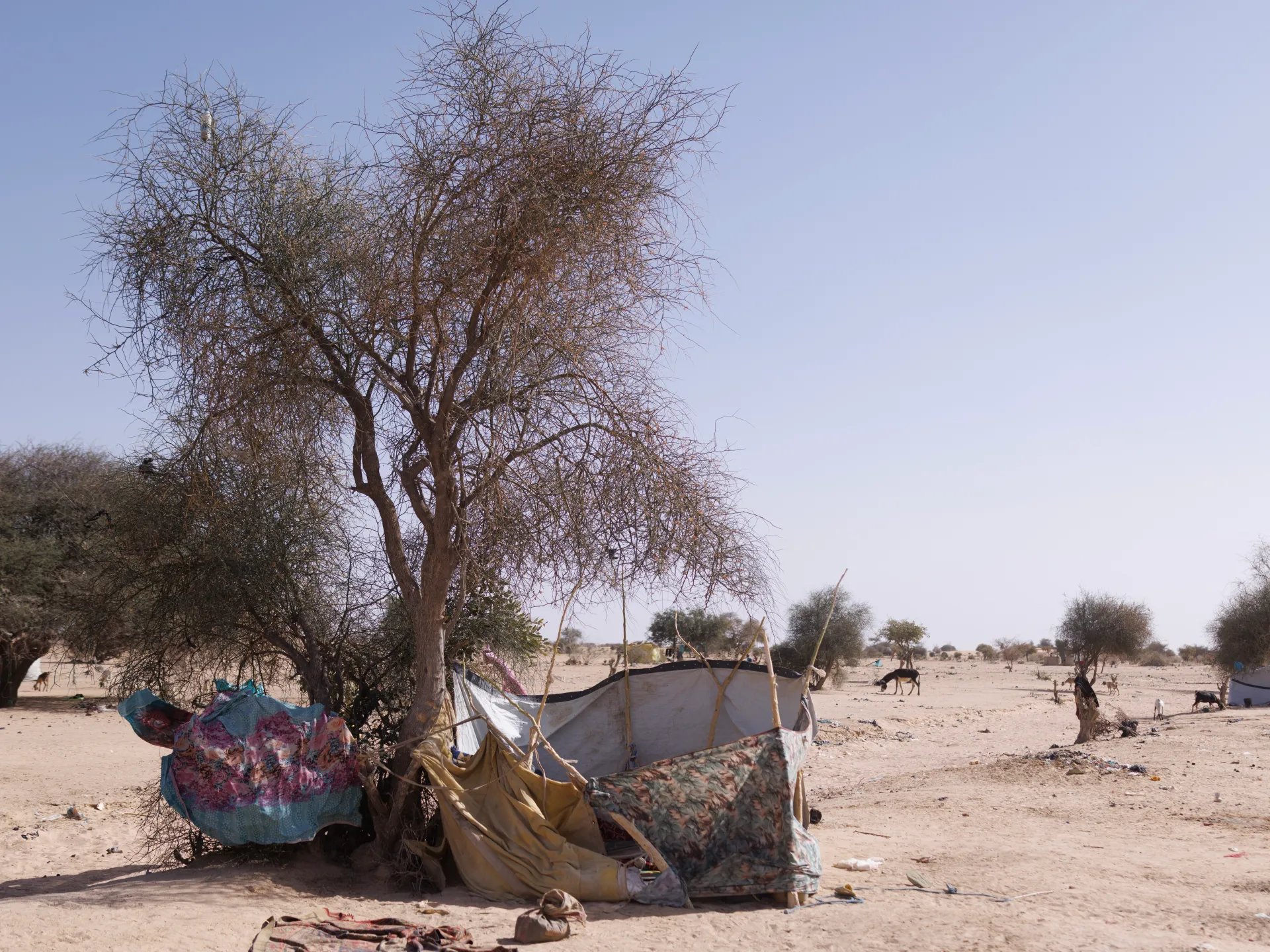
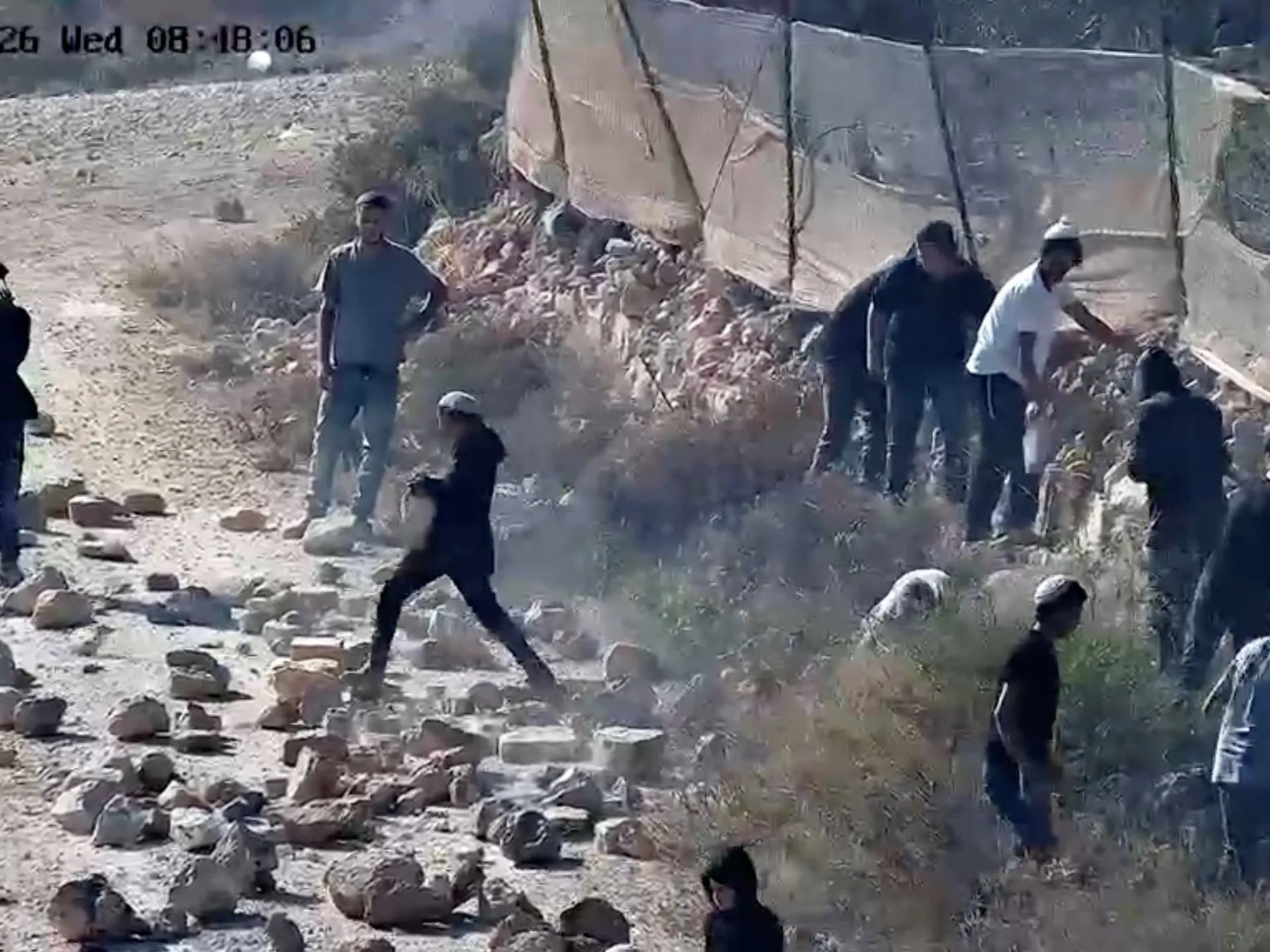
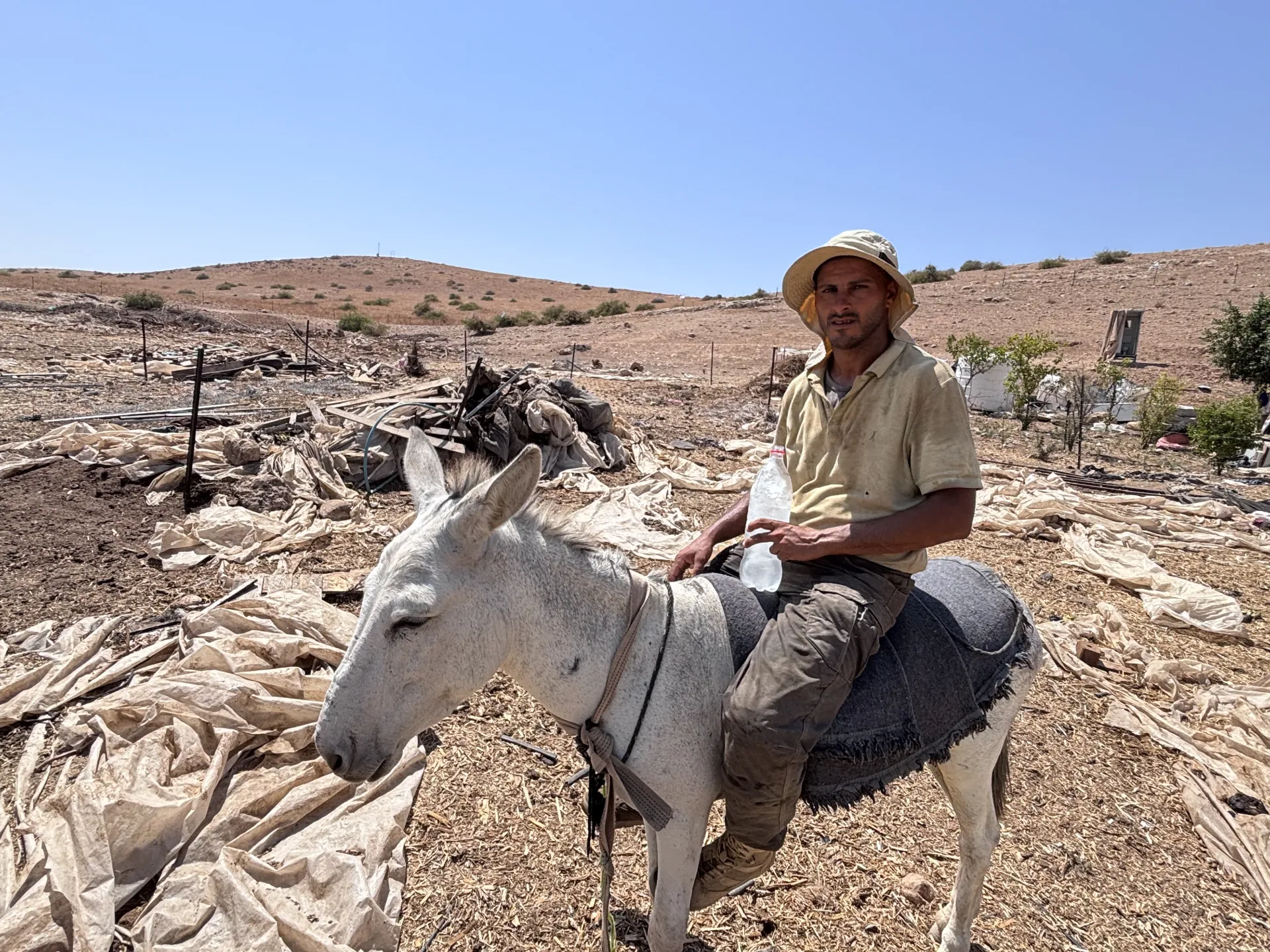
Beyond the geopolitical ramifications, the E1 expansion poses an immediate threat to the livelihoods of numerous Bedouin communities living in the affected area. The implementation of this project would force the displacement of thousands of individuals, including those residing in the village of Khan al-Ahmar. Advocates argue that the expansion is not merely a matter of housing development but a systematic effort to empty the area of its indigenous Palestinian inhabitants, thereby consolidating Israeli control over the corridor between Jerusalem and the Jordan Valley.
The policy has drawn sharp criticism from various international observers who argue that the displacement of these communities constitutes a severe humanitarian violation. As the tender process moves forward, the pressure on the international community to intervene has intensified. The combination of political maneuvering and the direct threat to local populations underscores the volatile nature of the current situation. With the bidding deadline approaching, the region faces a period of heightened uncertainty regarding the long-term prospects for peace and the preservation of the remaining Palestinian territories.