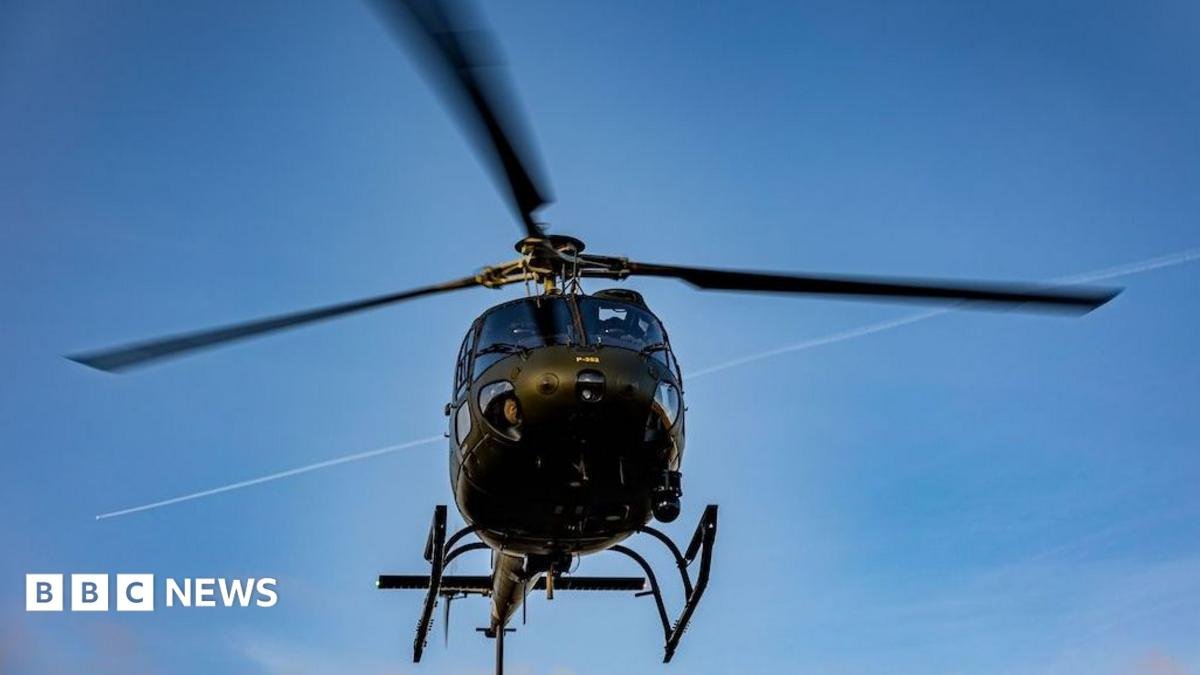
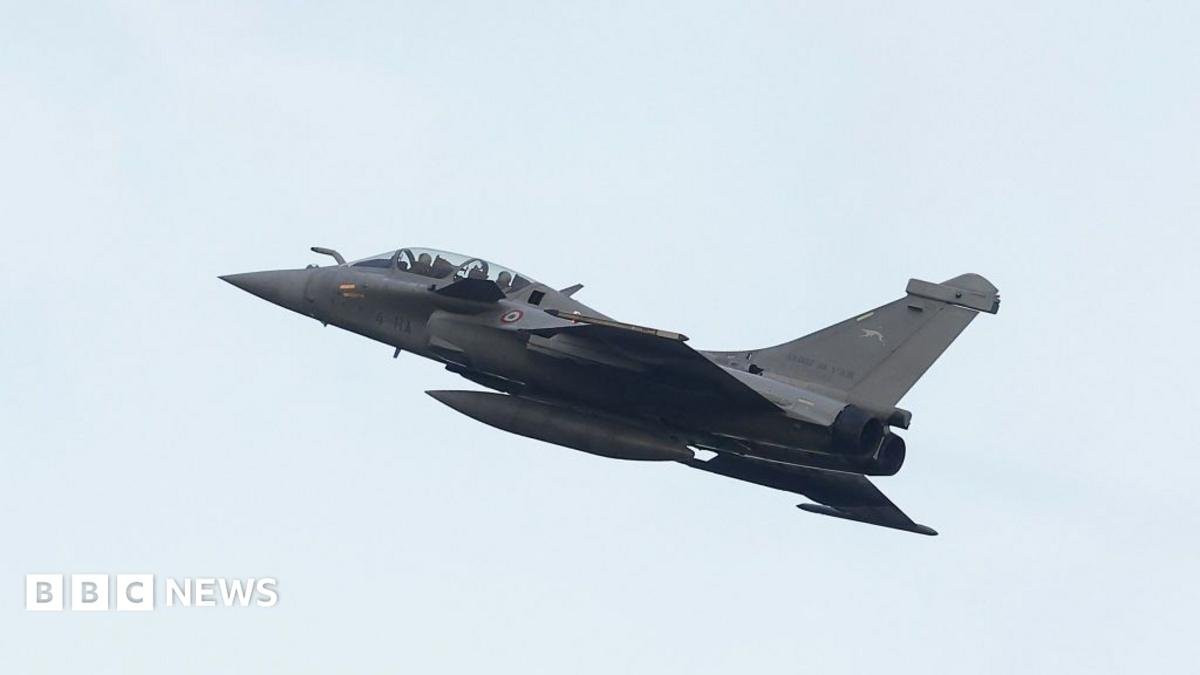
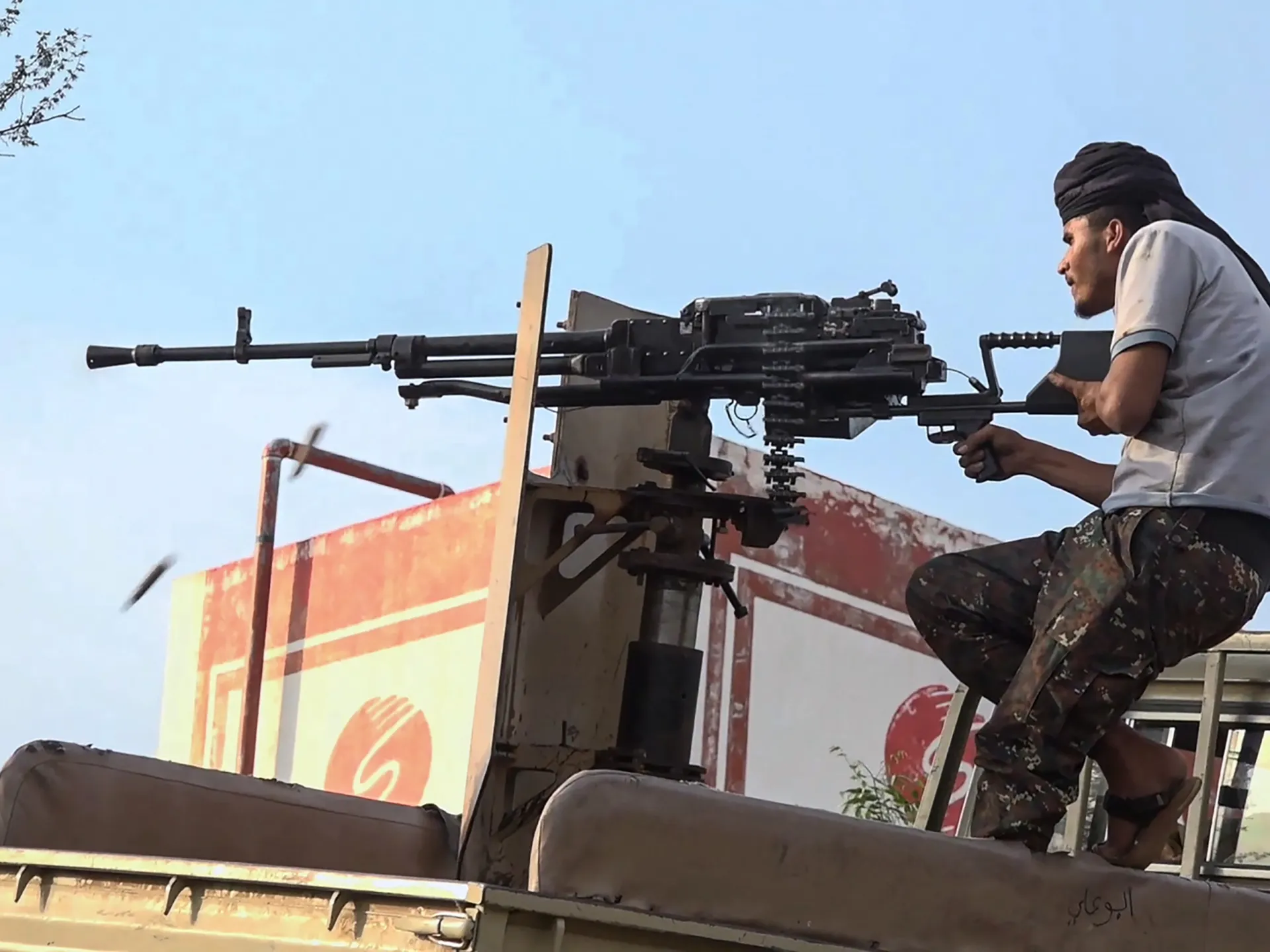
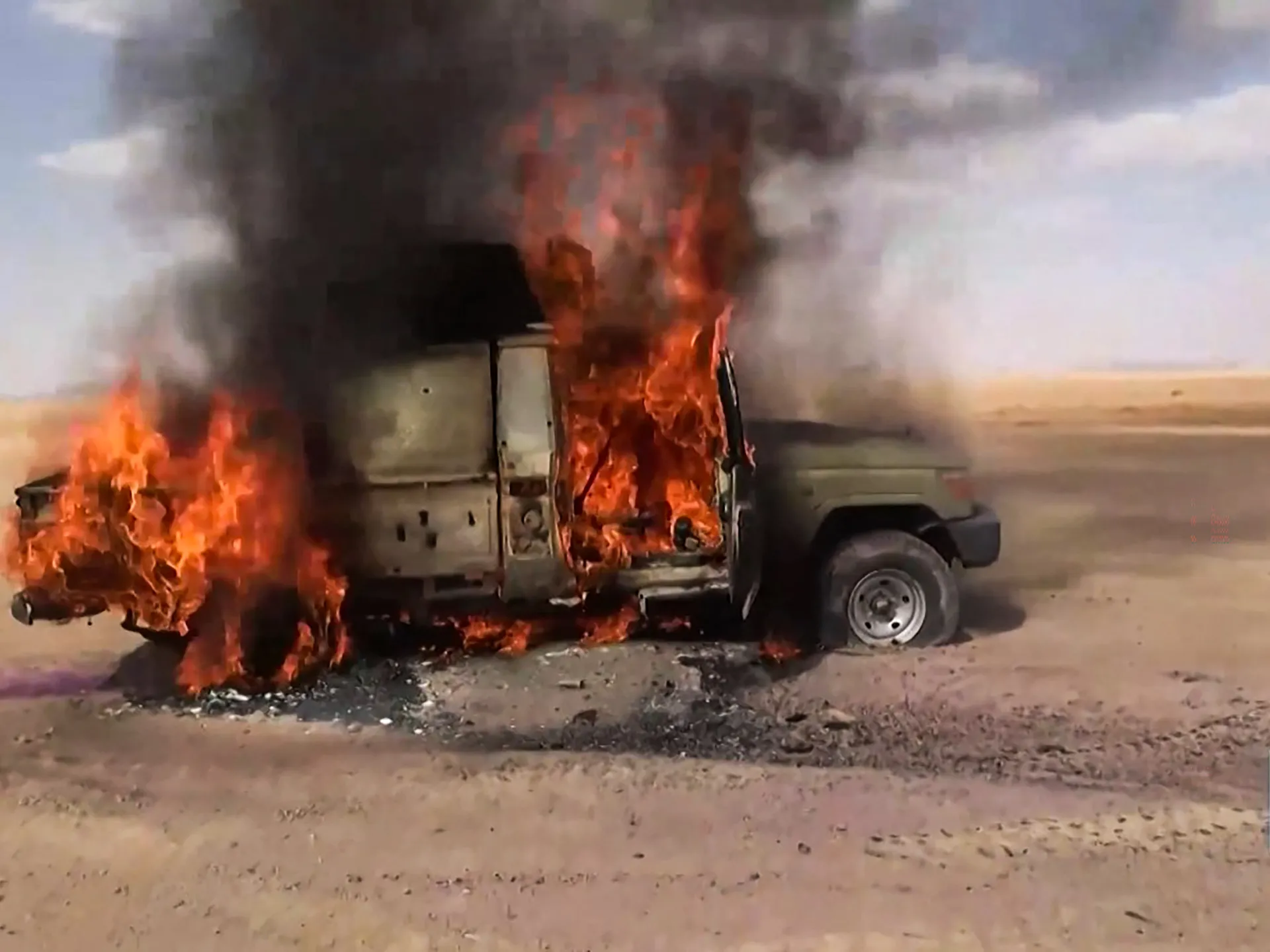
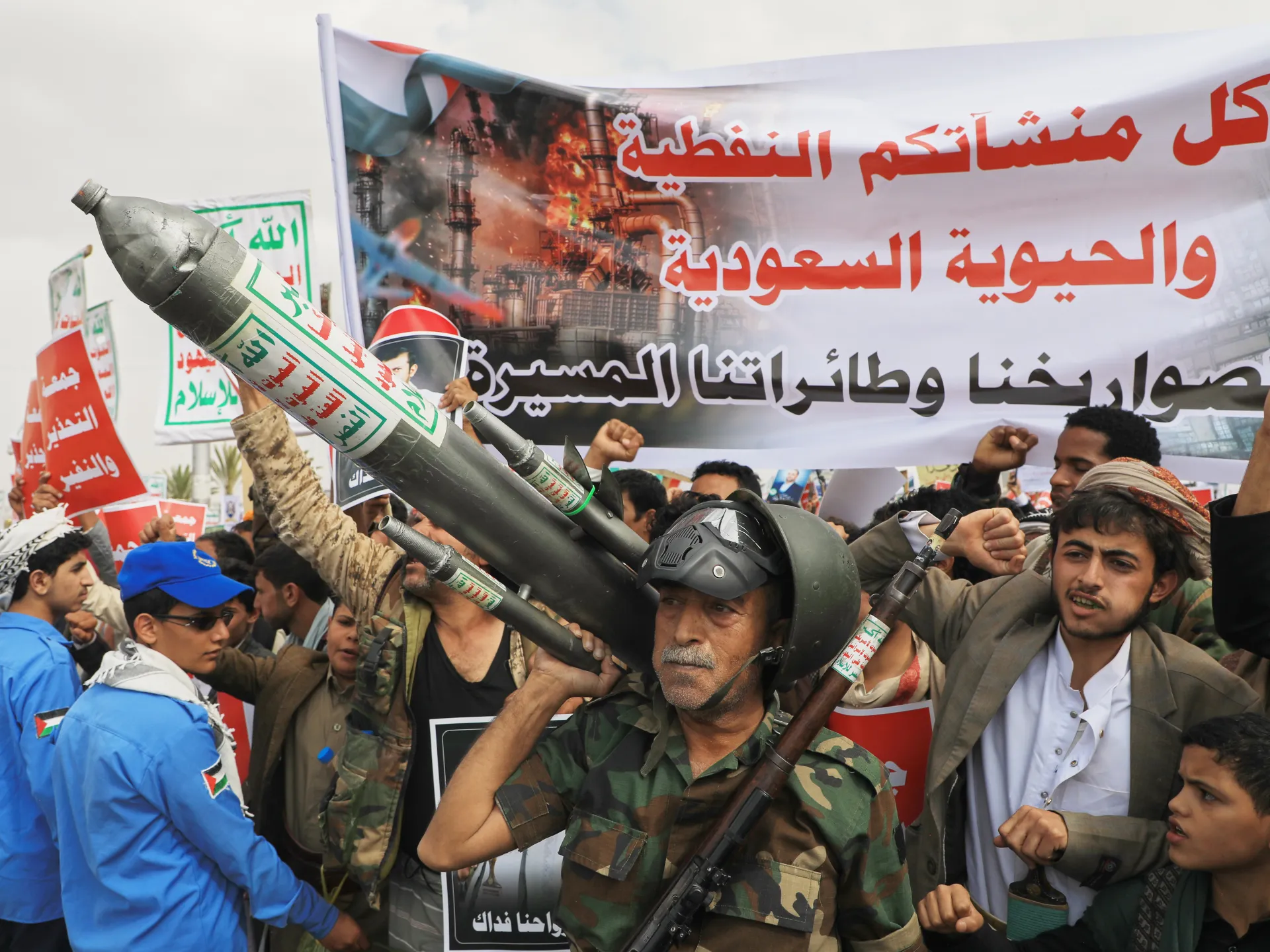
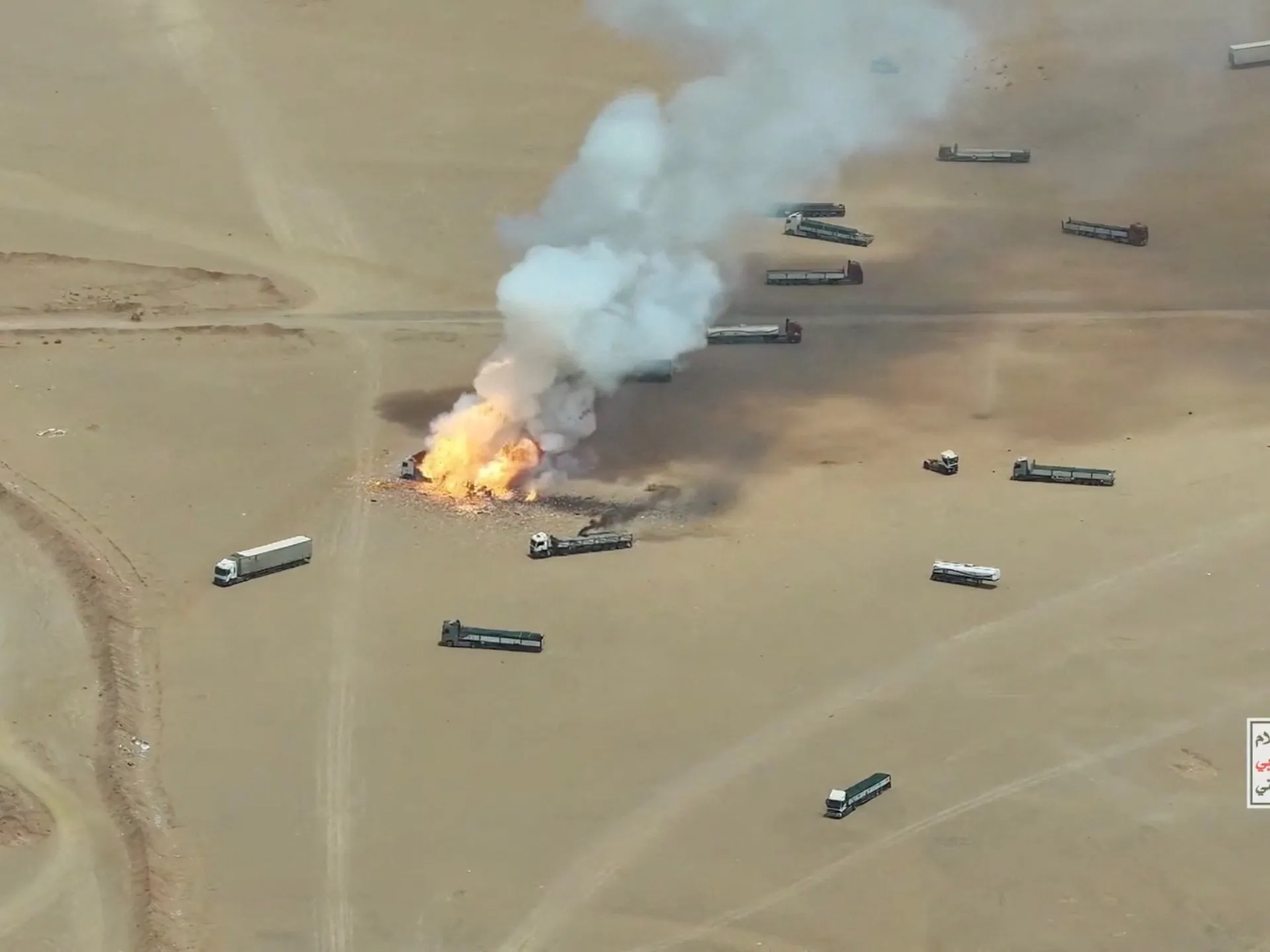
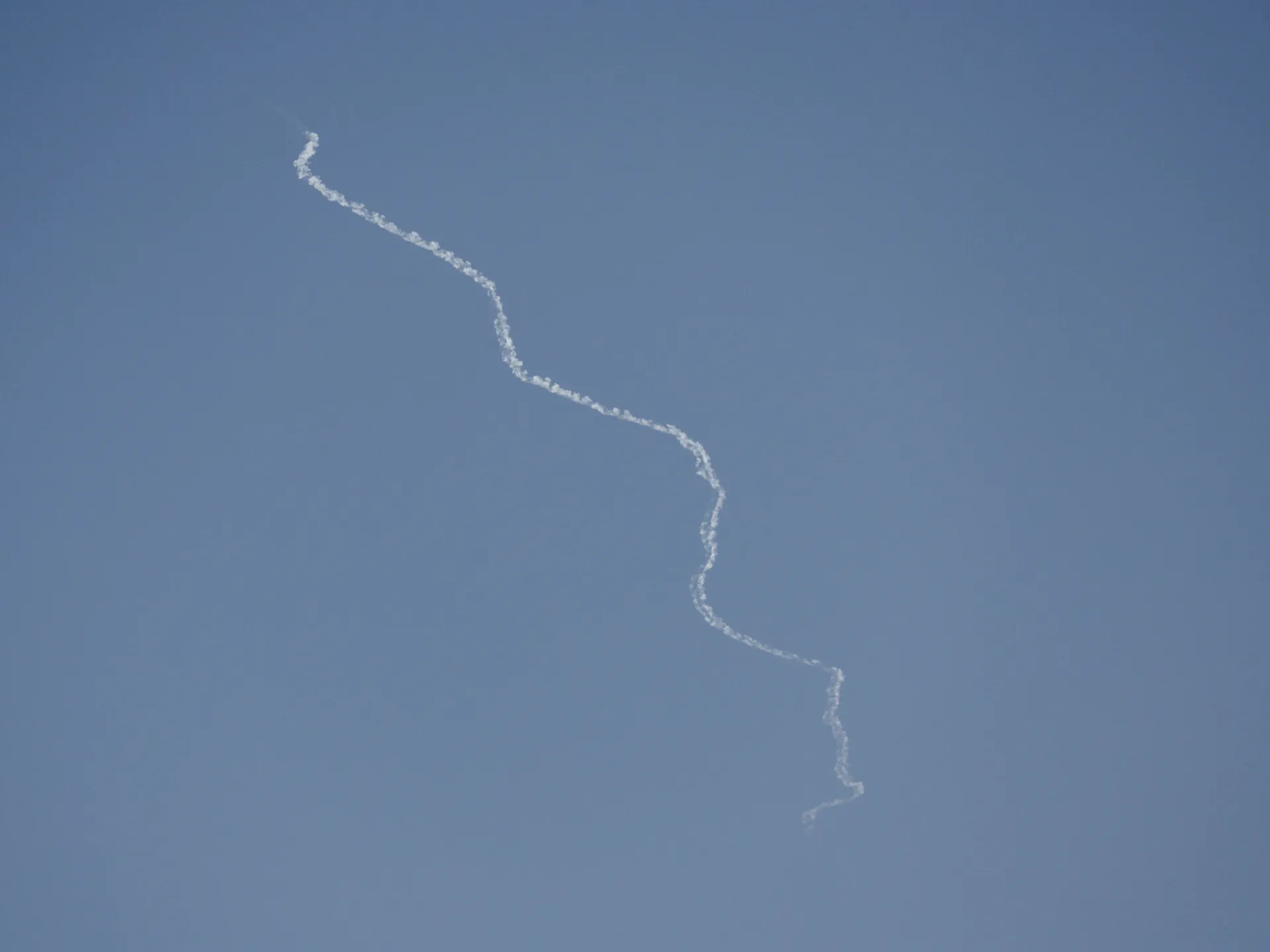
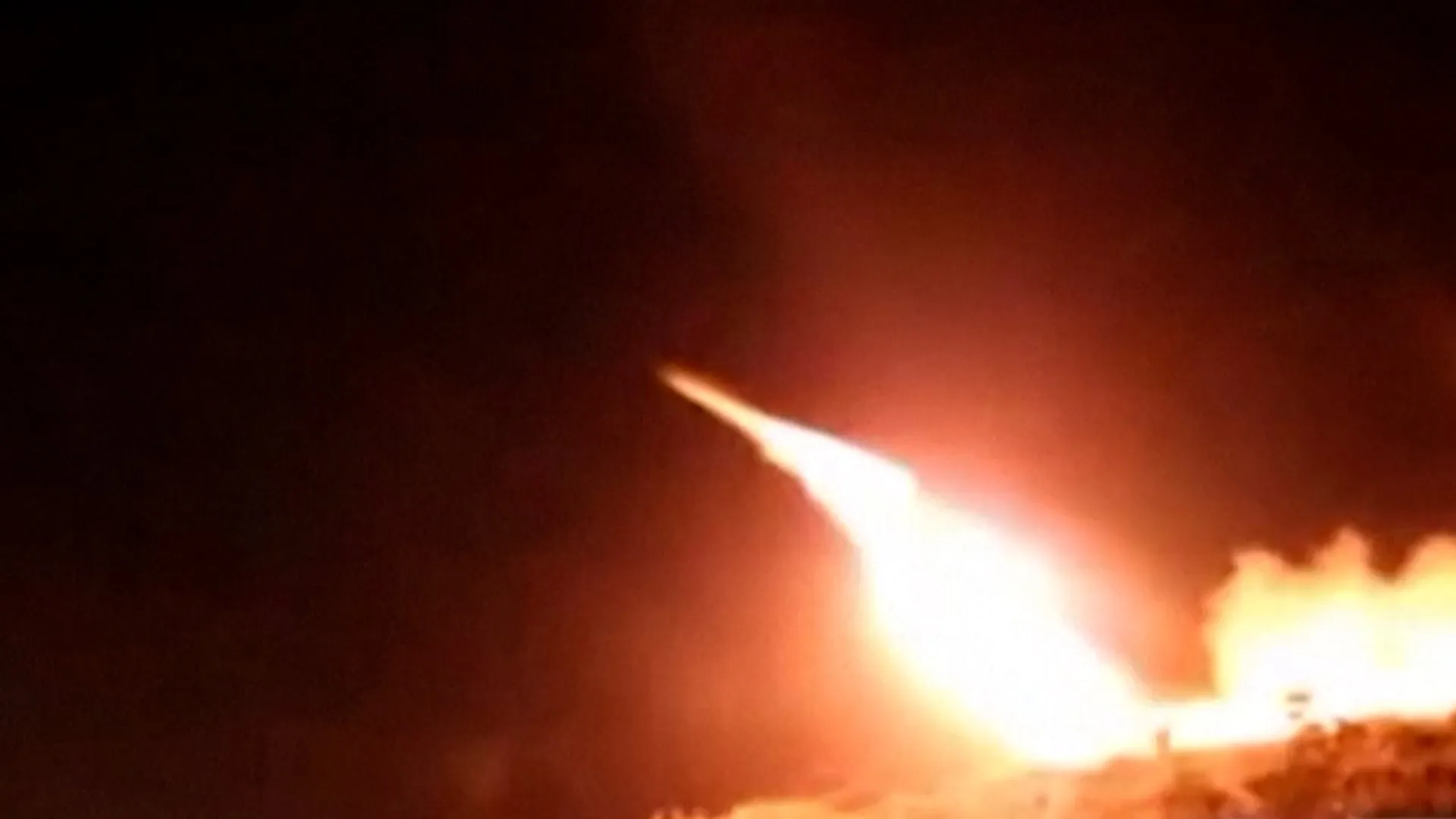
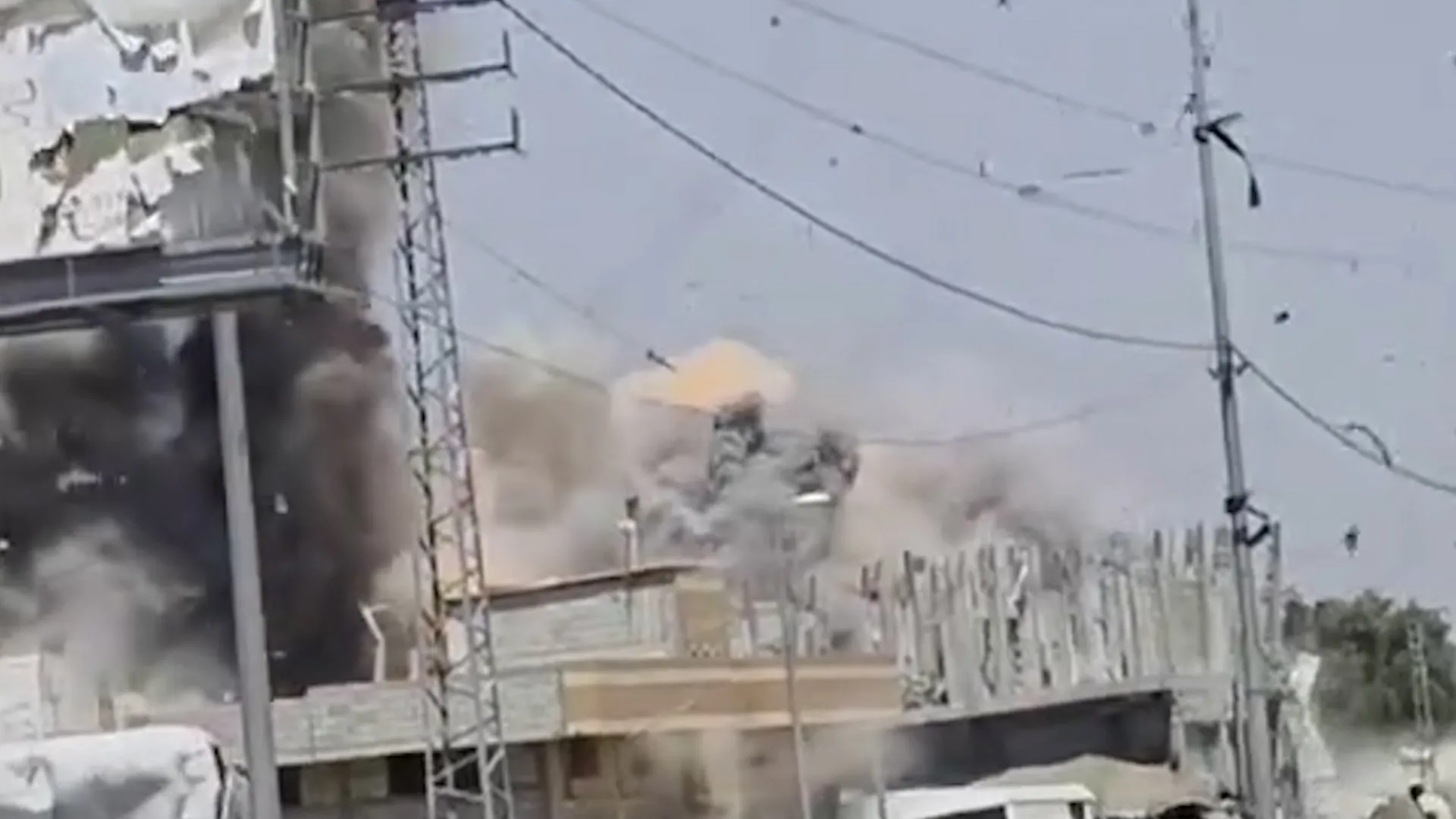
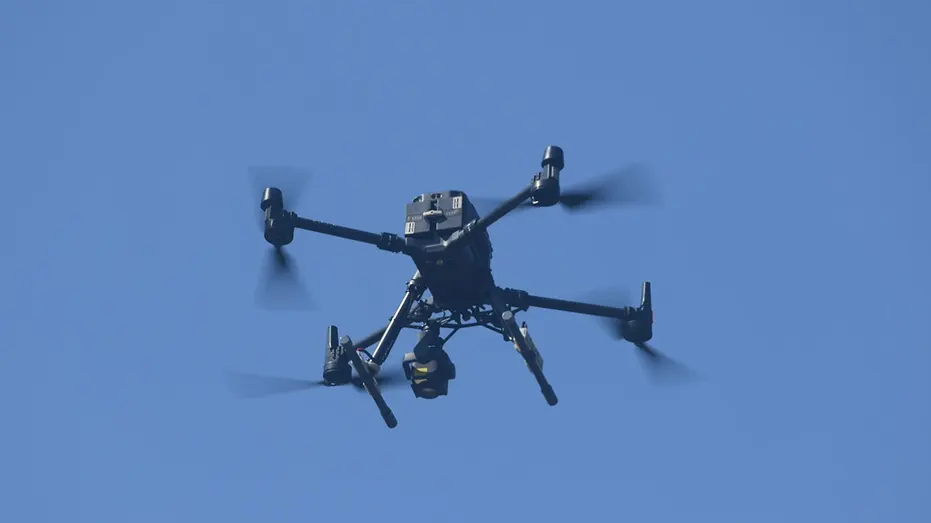
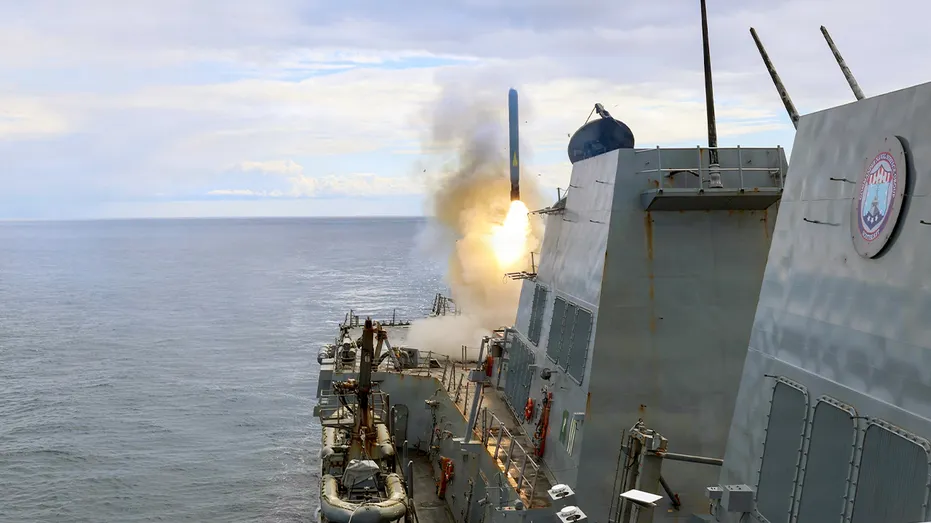
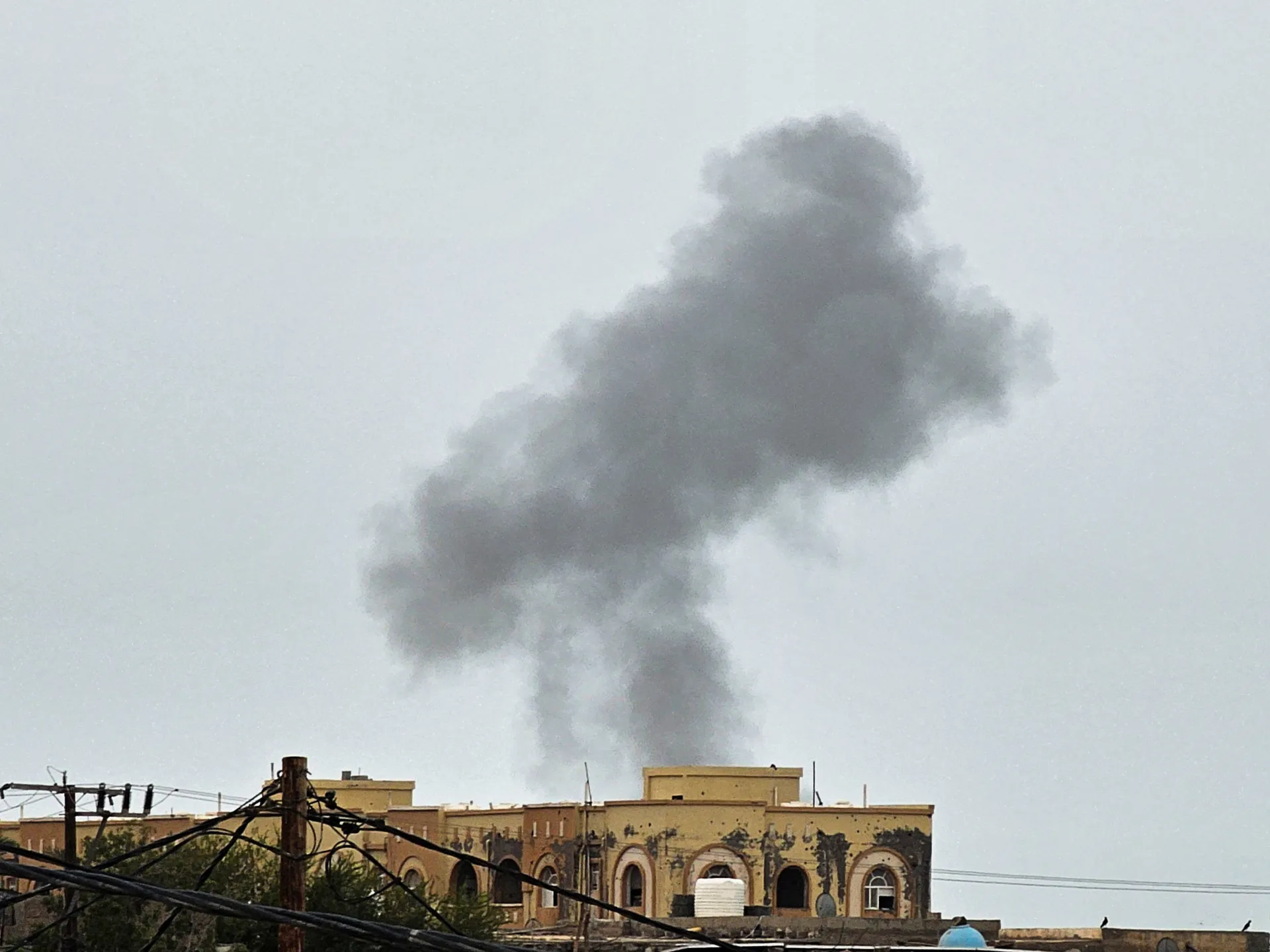
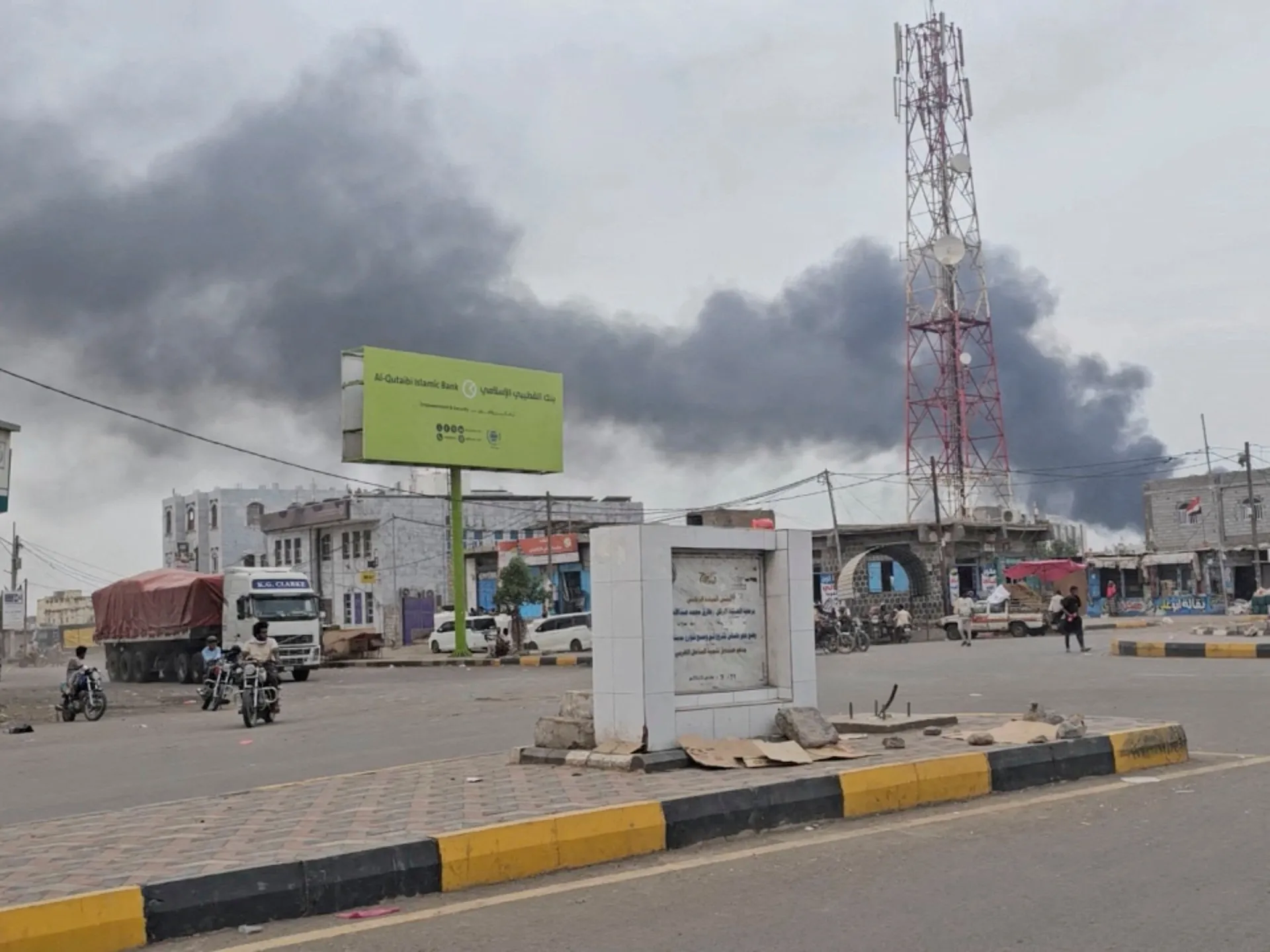
A surge in military hostilities has seen Saudi-led coalition air strikes hit targets across Yemen following Houthi drone and missile attacks on the kingdom.
The long-standing conflict in Yemen has entered a period of intense military activity, characterized rebel movement. Following a series of drone and missile attacks launched onse to protect the kingdom’s sovereignty. The recent surge in hostilities marks a significant departure from the relative calm that had been maintained under a 2022 United Nations-brokered ceasefire.
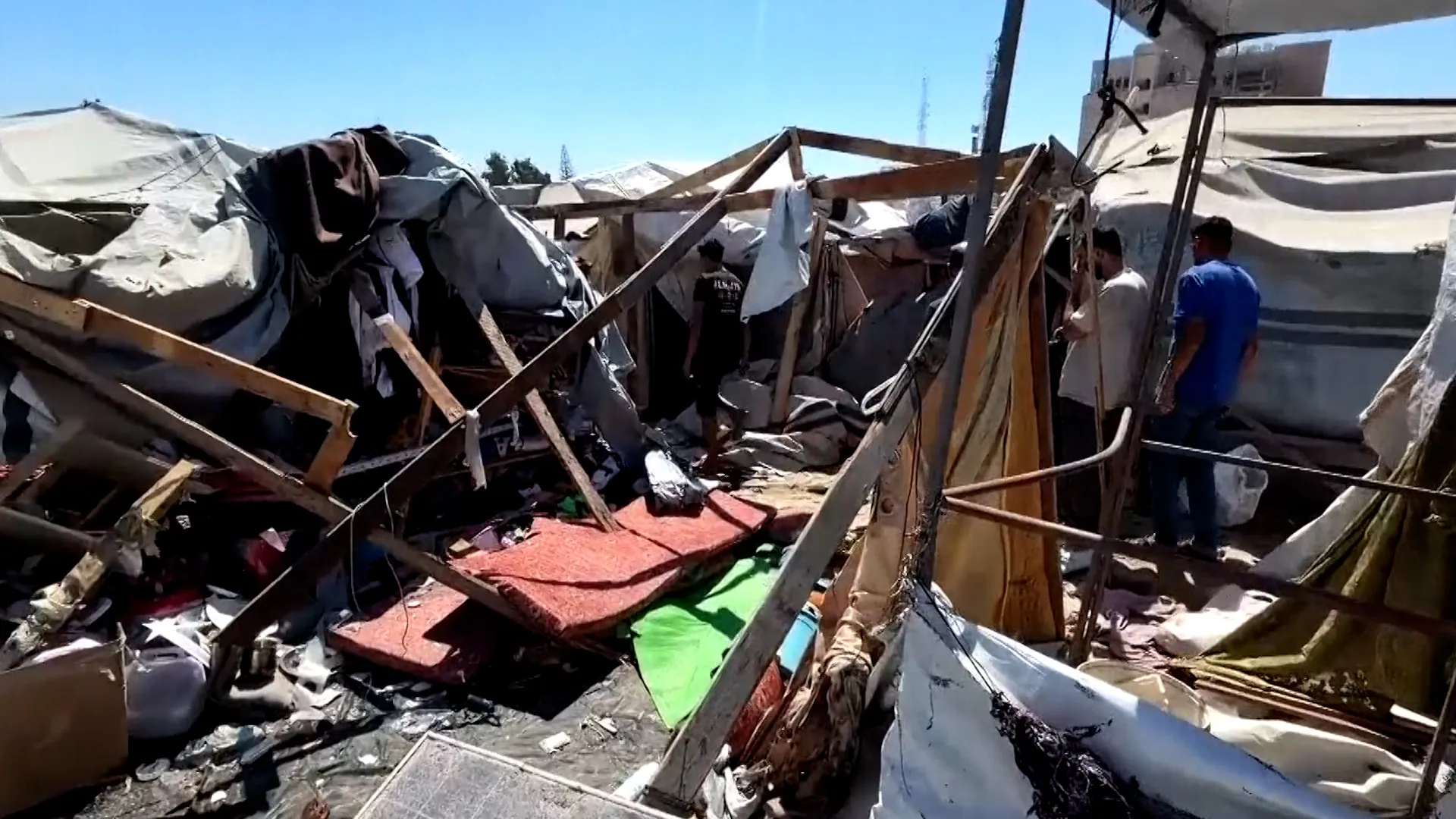
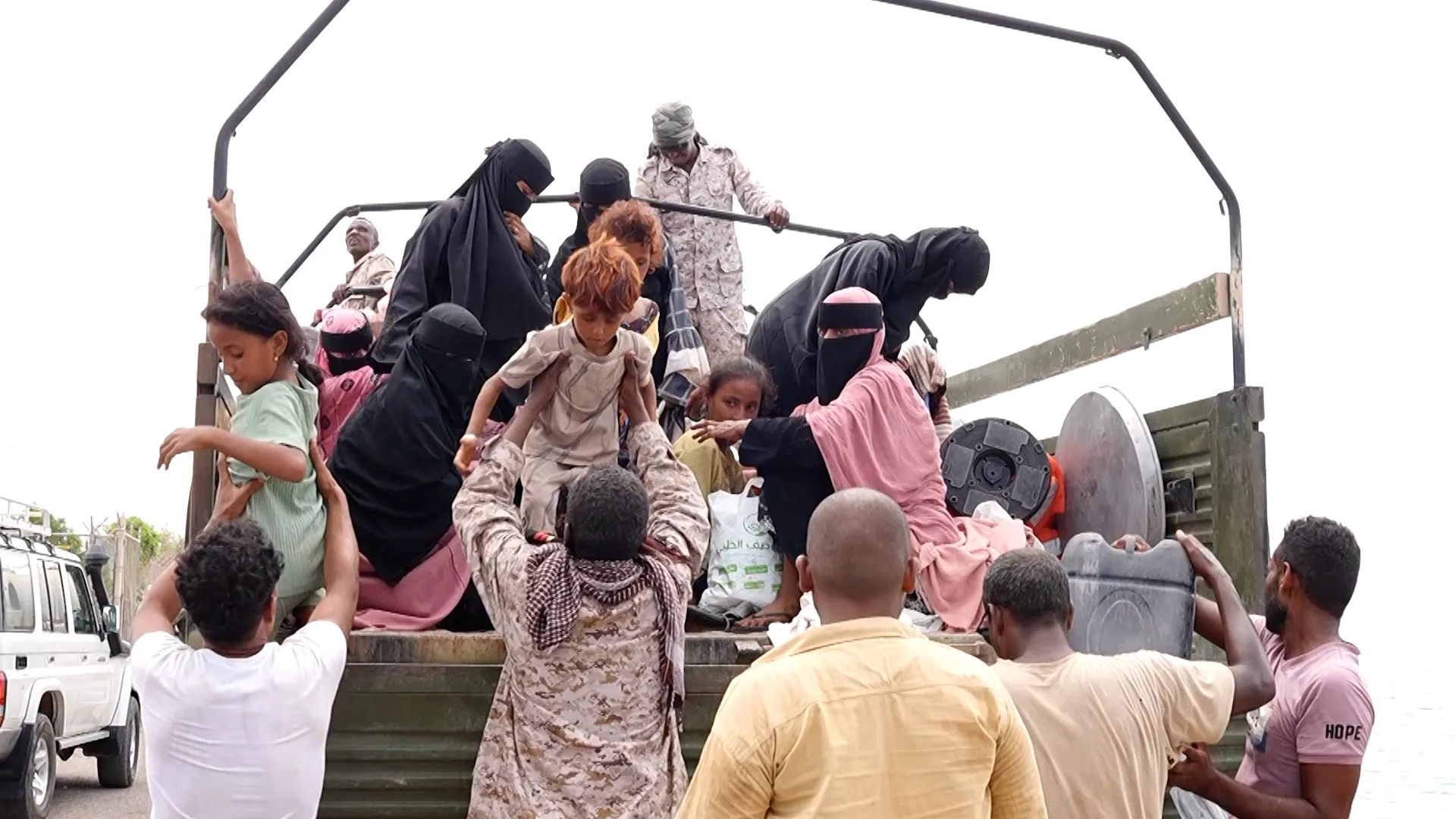
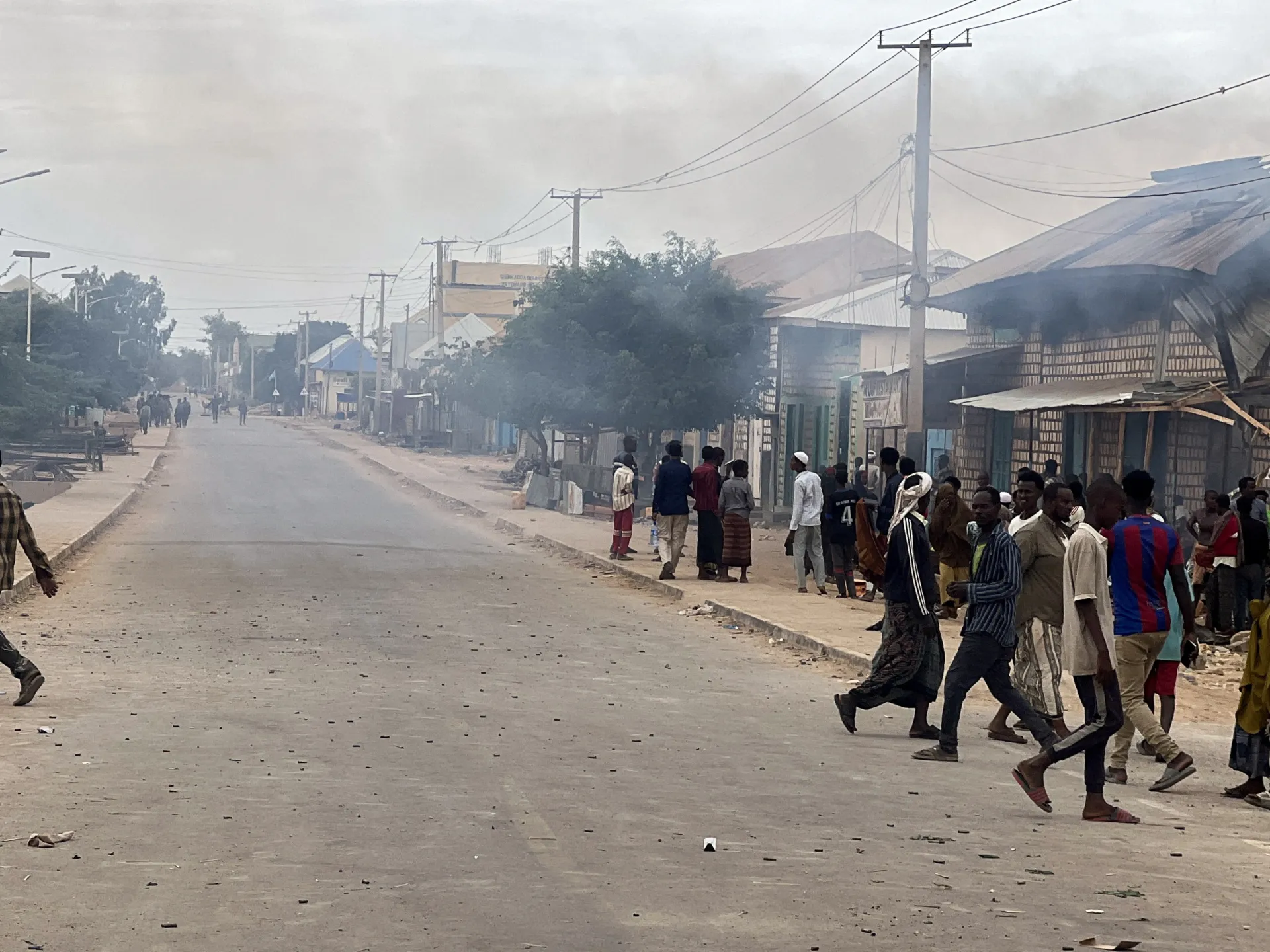
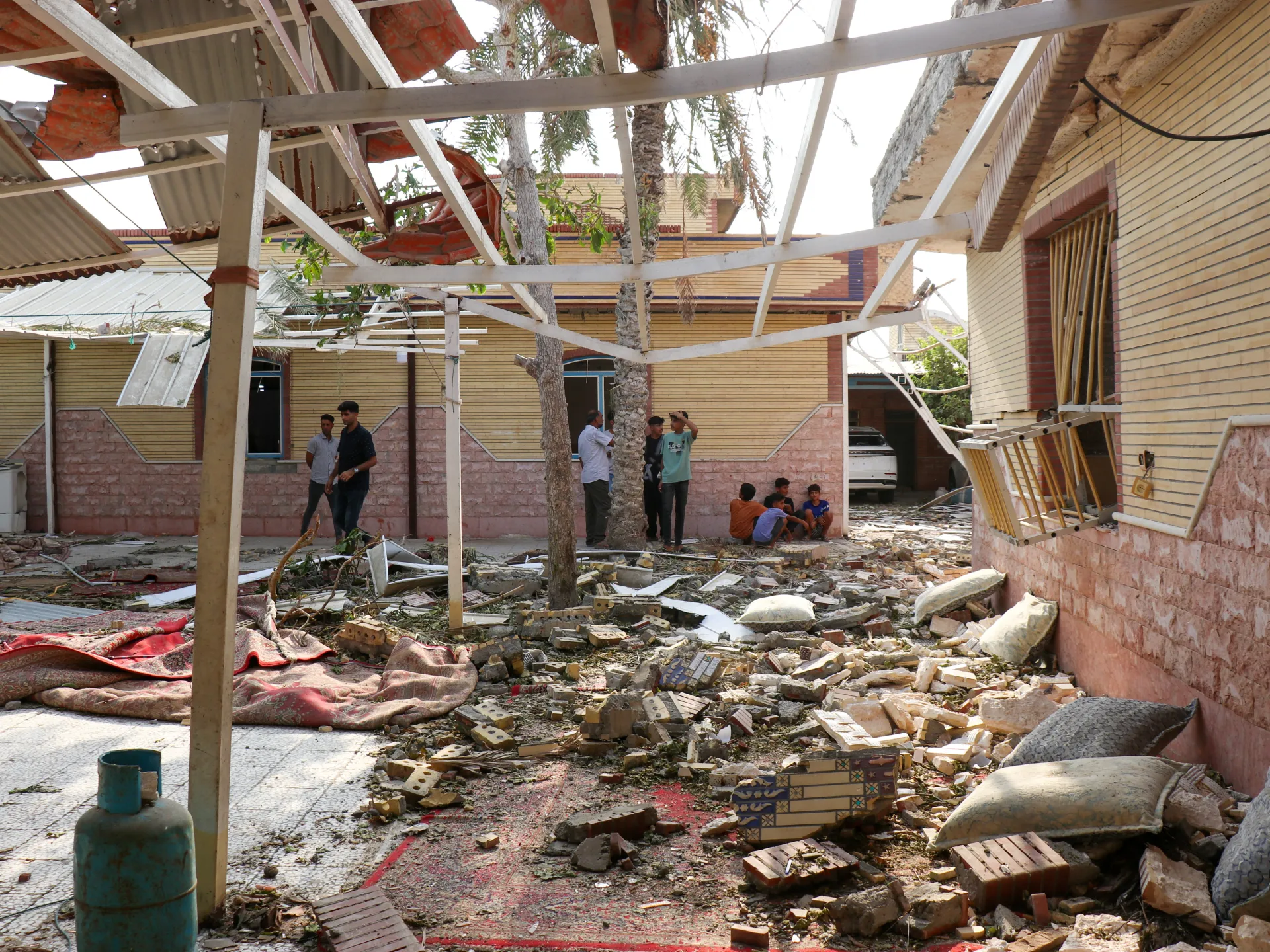
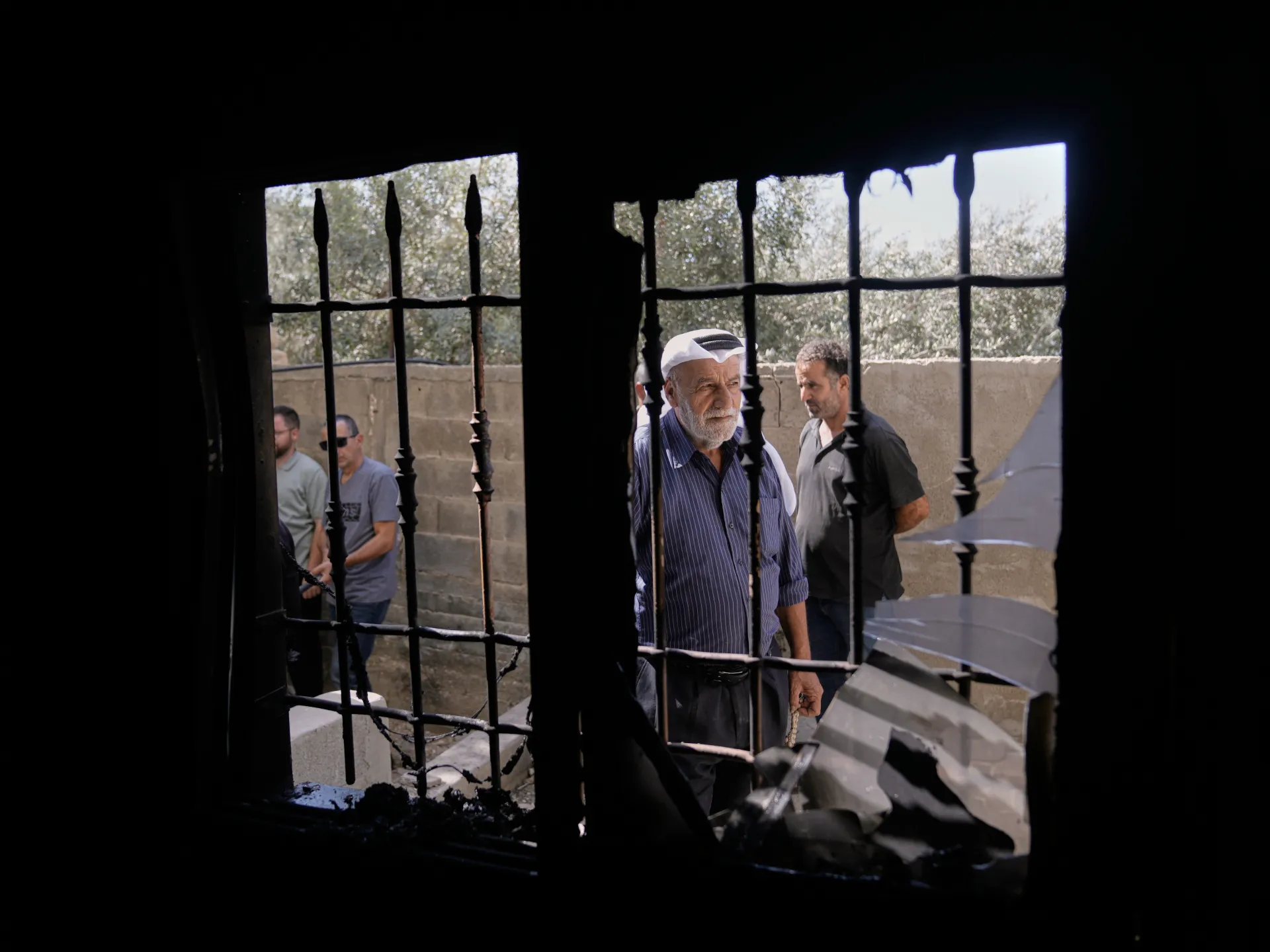
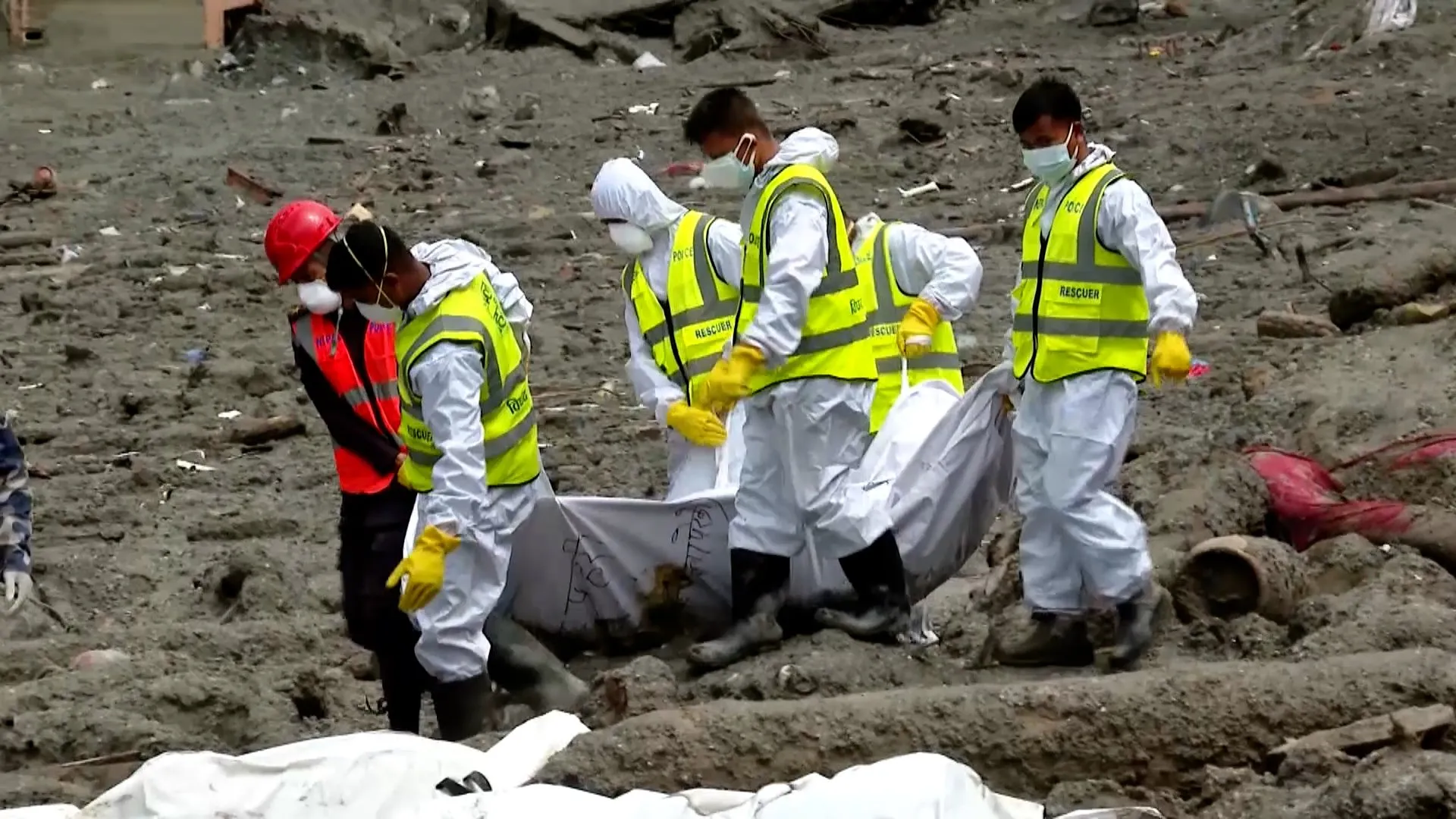
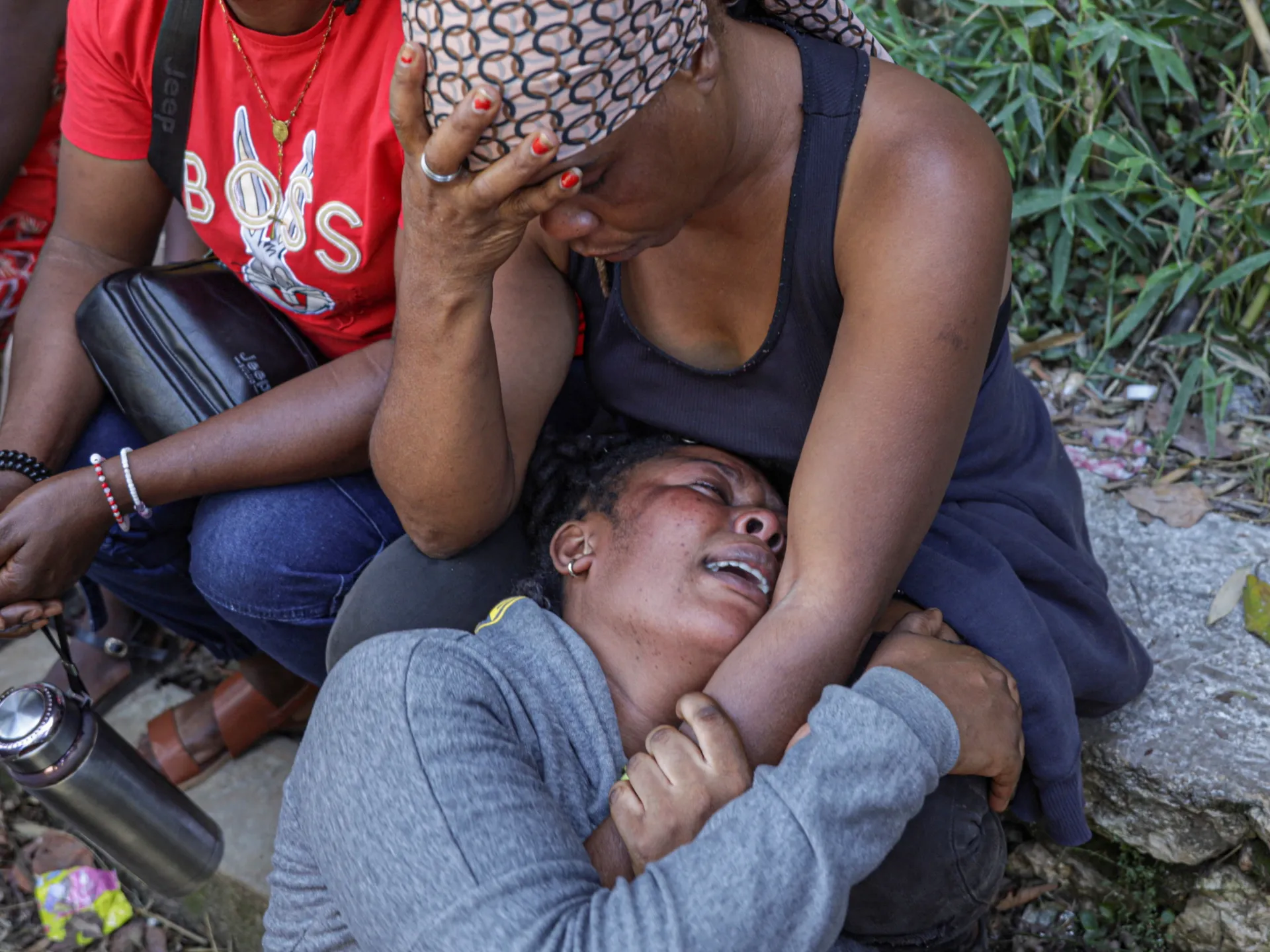
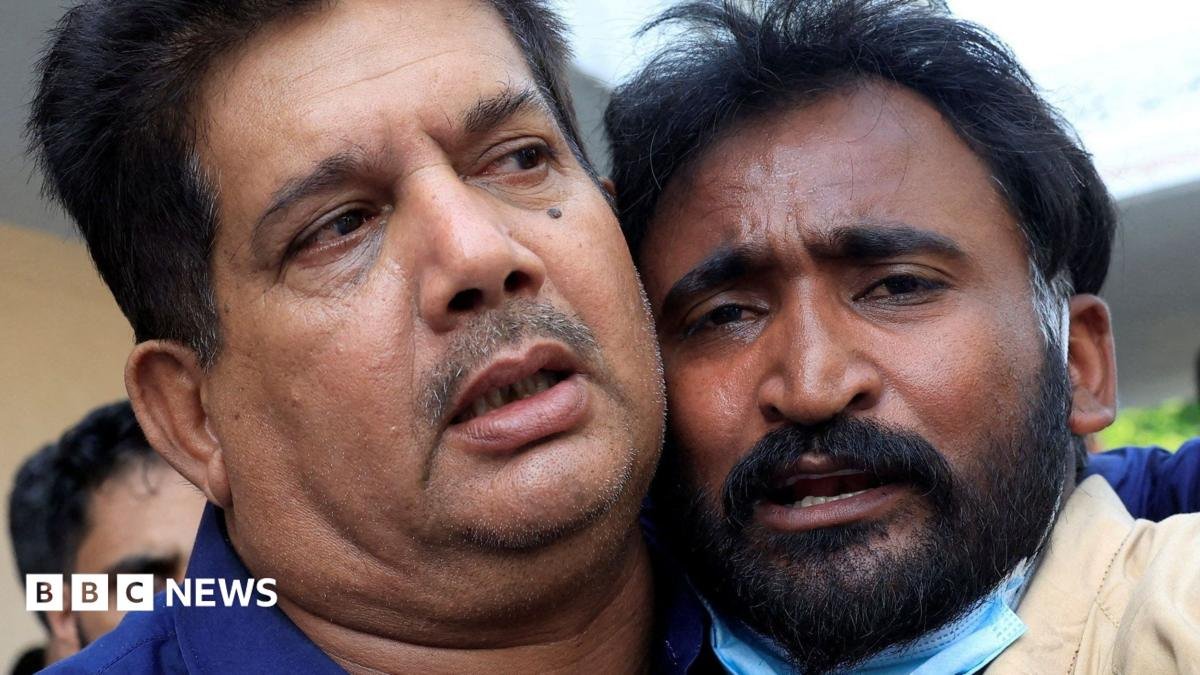
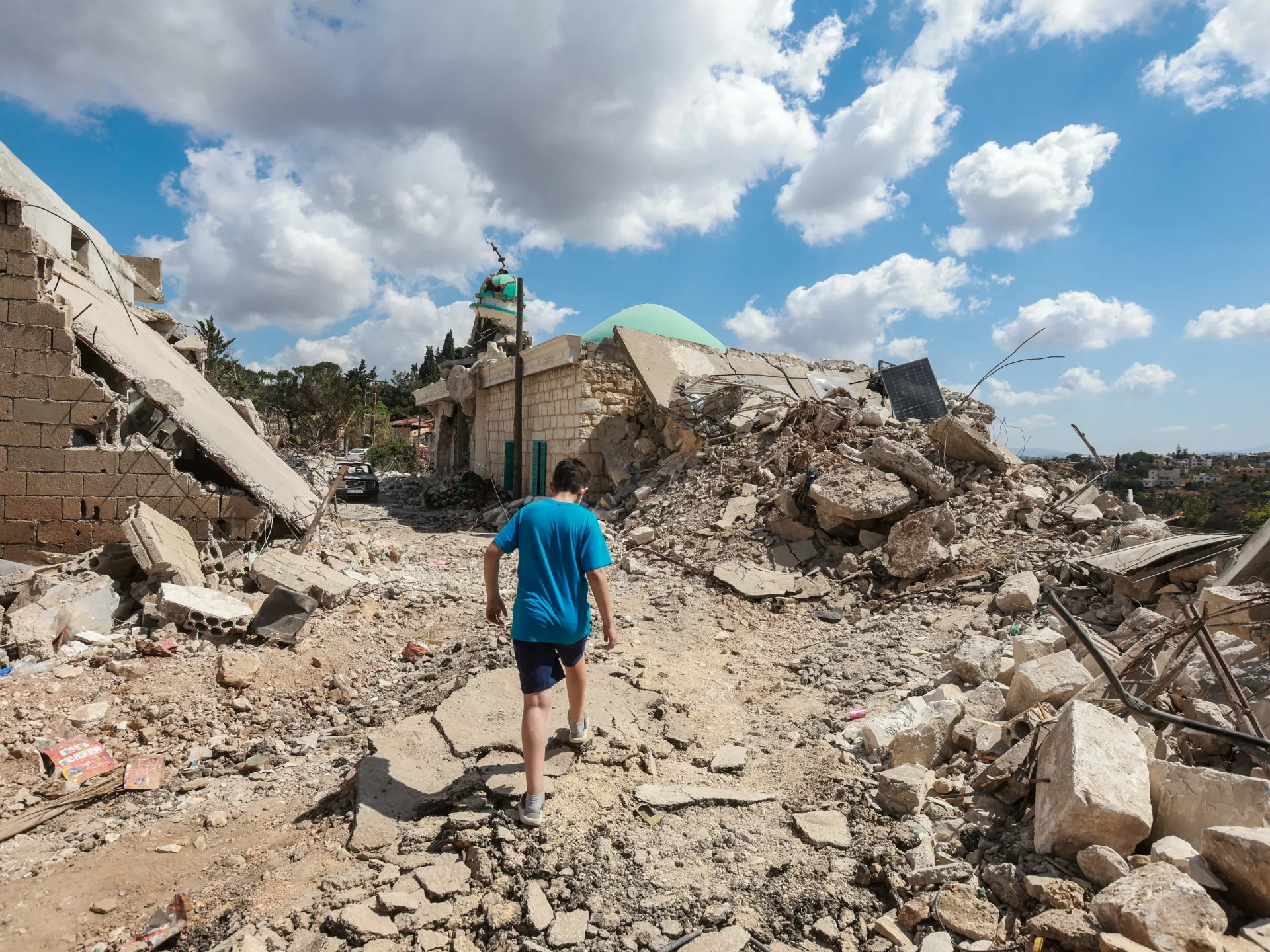
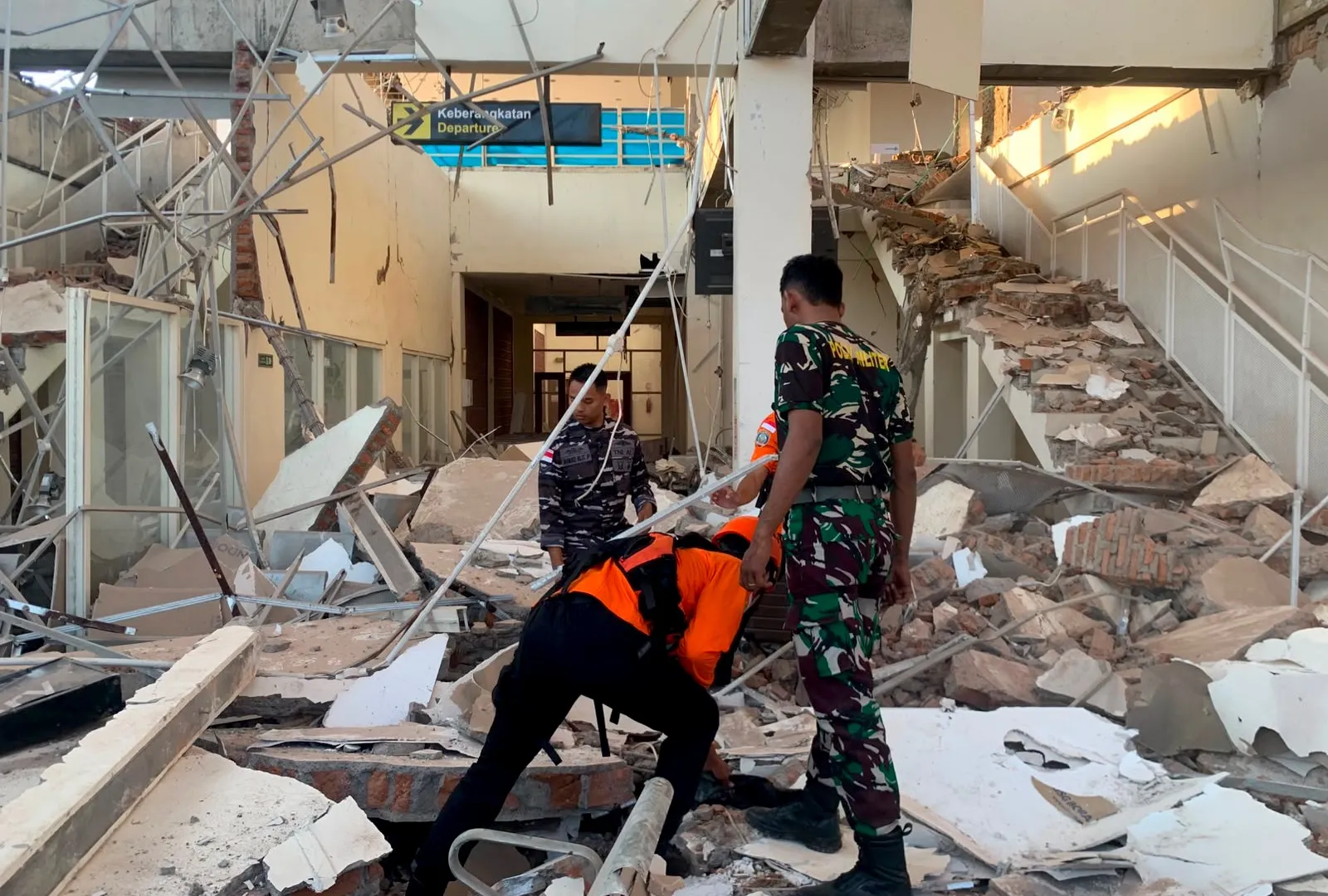
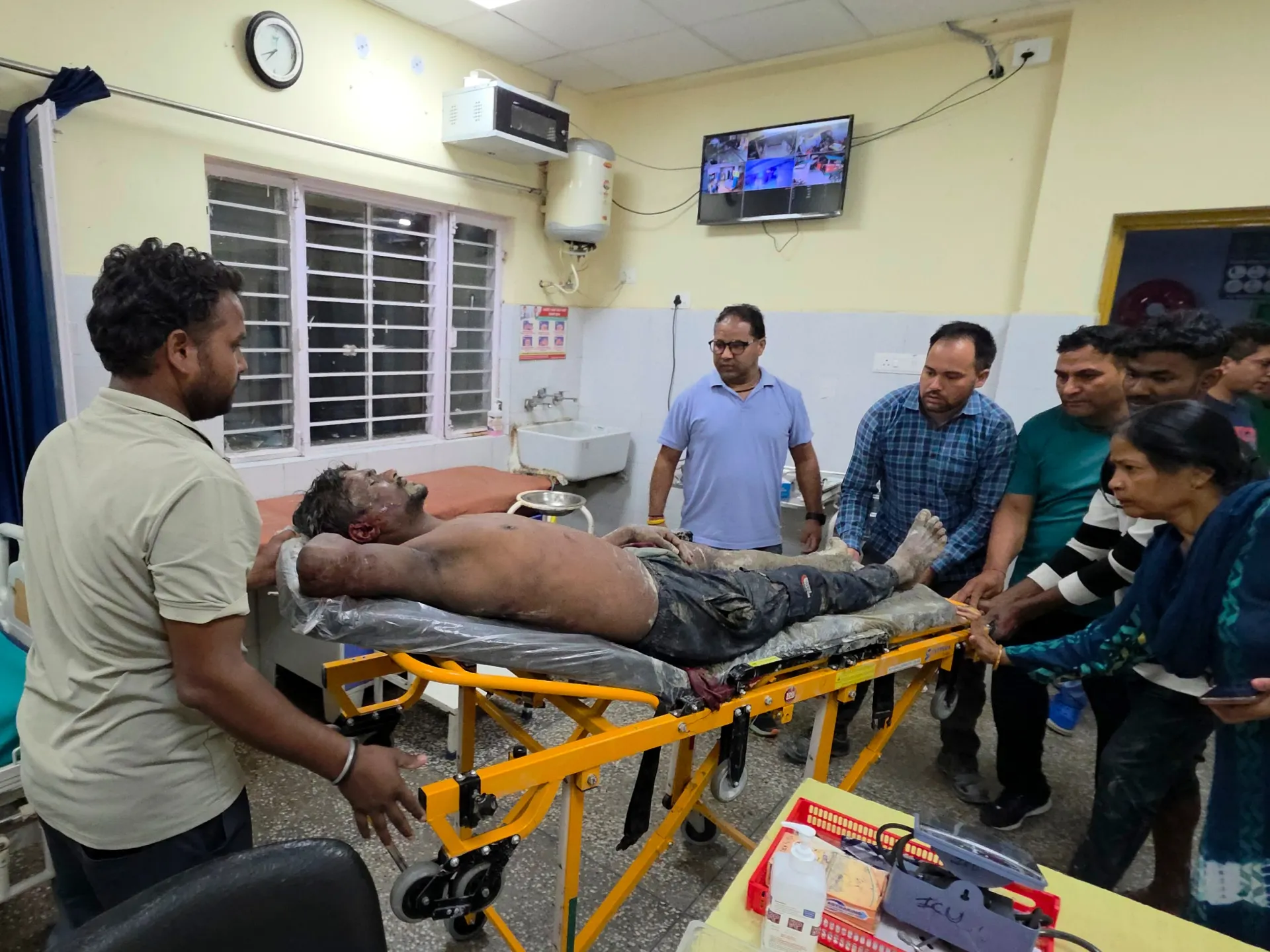
The Houthi movement, formally known as Ansar Allah, reported that dozens of Saudi-led air raids were conducted across multiple Yemeni governorates, including Lahj, Taiz, al-Jawf, Marib, and Hajjah. These operations reportedly targeted government infrastructure and residential areas, leading to claims of civilian casualties, including children. While the Houthi-aligned media has publicized reports of these deaths and injuries, the Saudi-led coalition has not provided a public statement addressing these specific accusations.
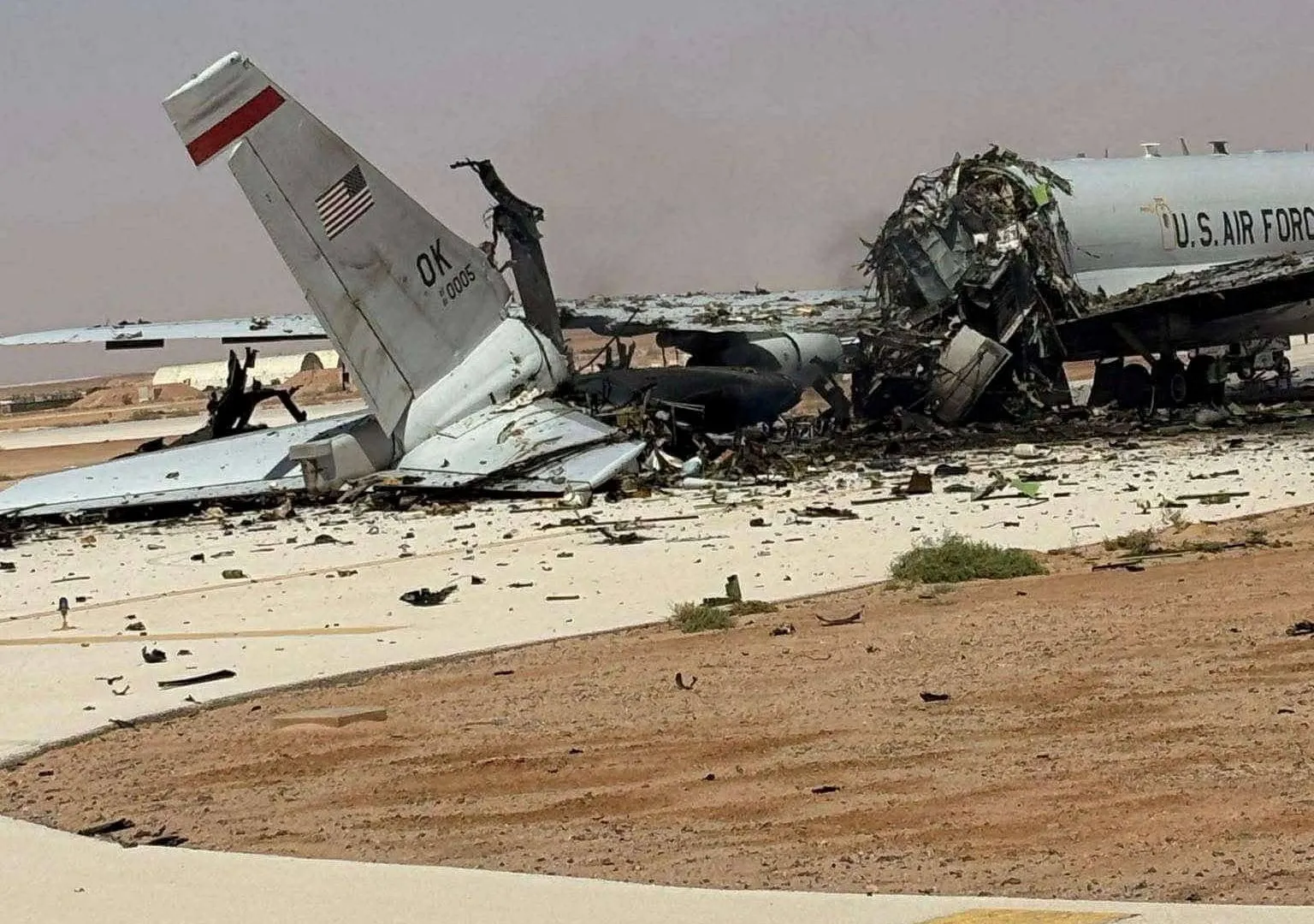
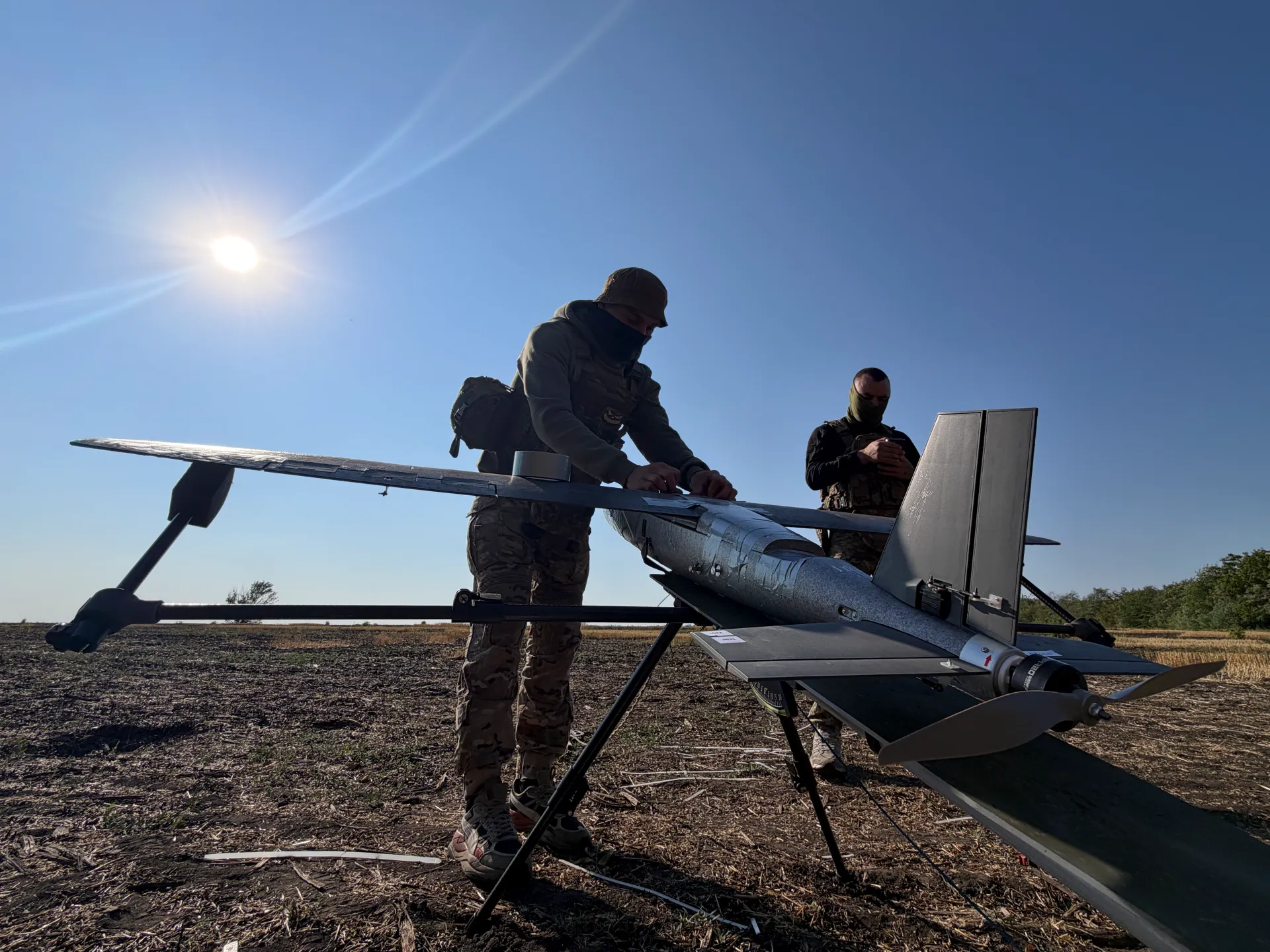
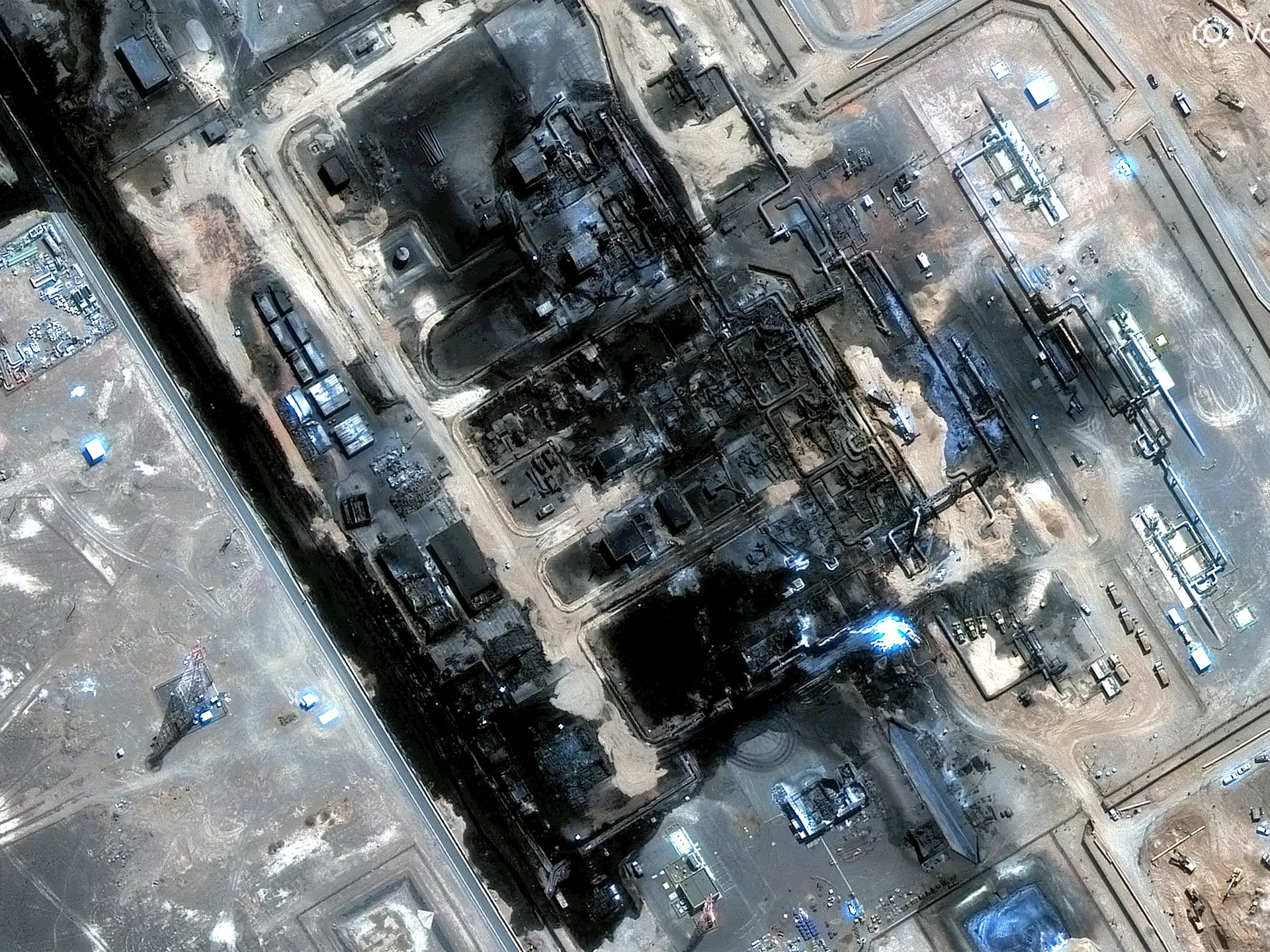
The current cycle of violence was precipitated airbase in Khamis Mushait. The group stated that these strikes were directed at critical military infrastructure, including radar systems, runways, and ammunition depots. The Houthis characterized these actions as a direct retaliation for what they described as a massive campaign of 300 air raids conducted
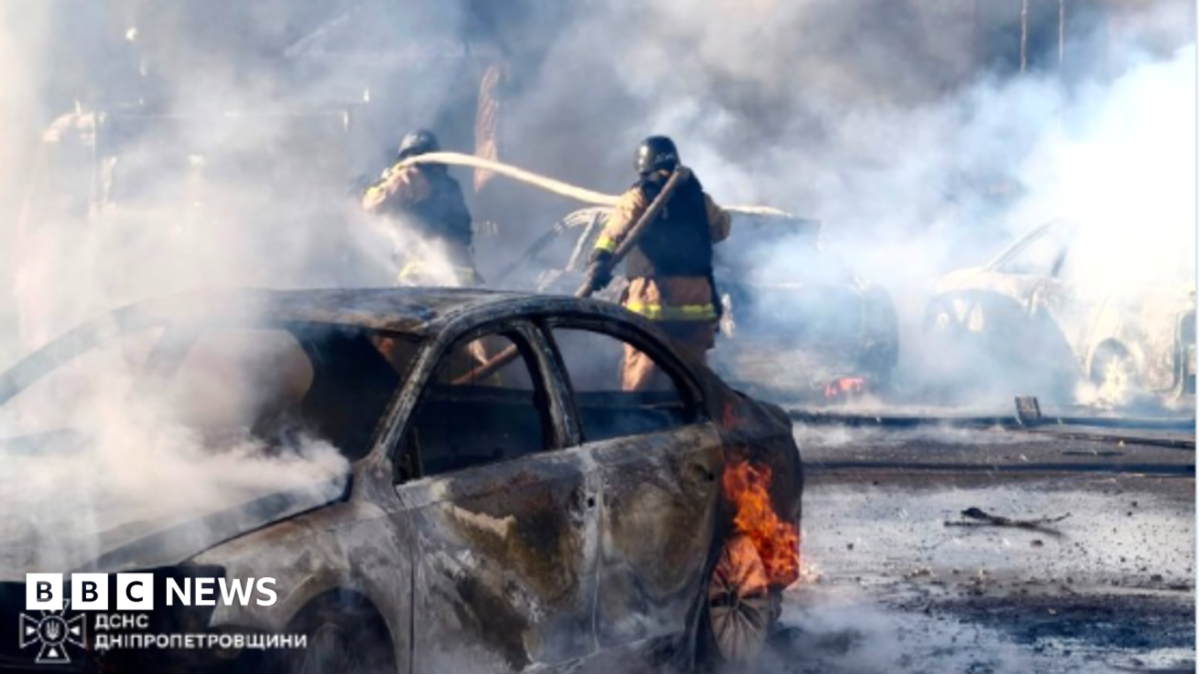
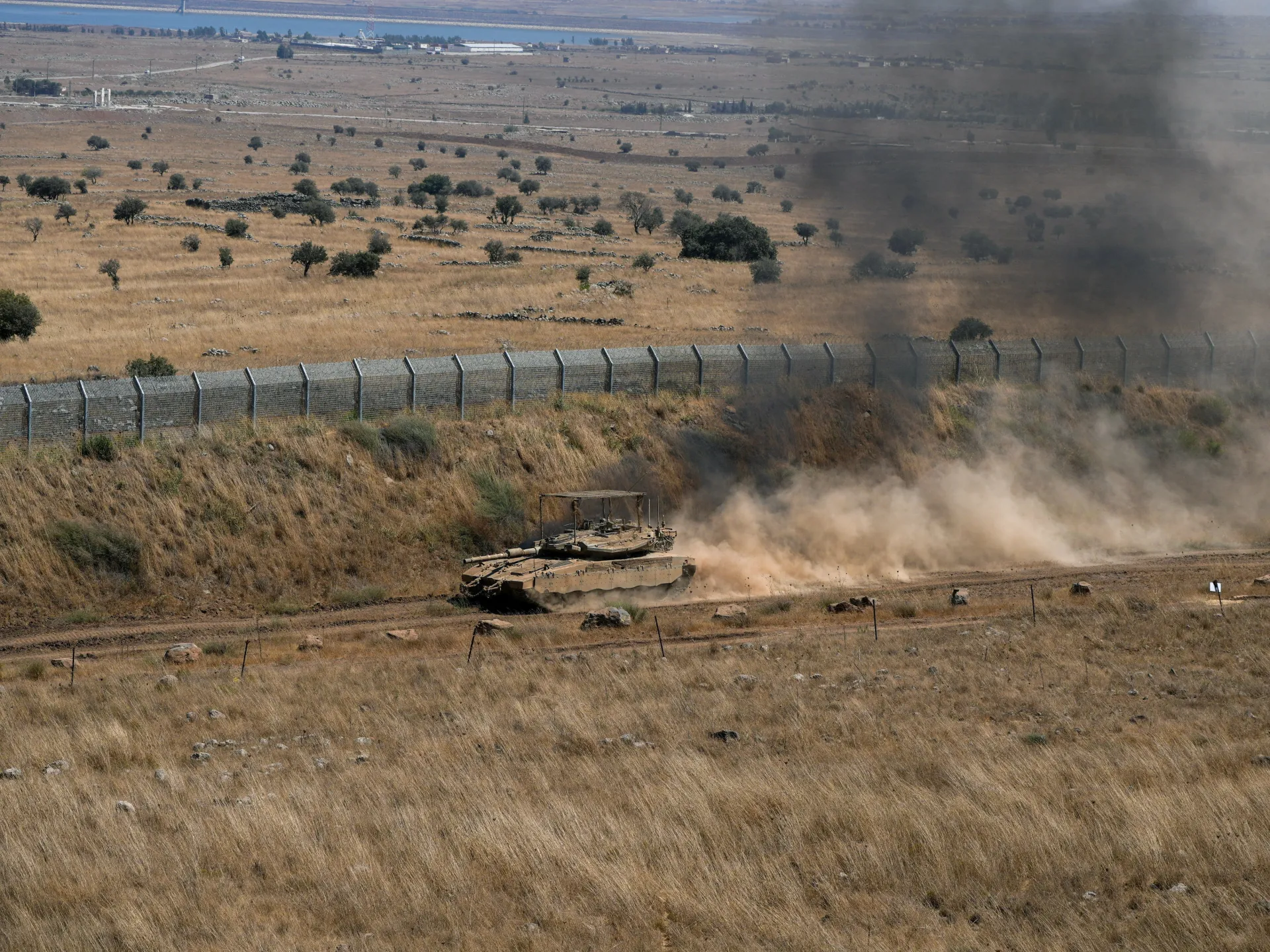
The Saudi-led coalition, which provides military support to the internationally recognized Yemeni government, maintained that its own actions were a necessary defensive measure. According to coalition spokesperson Major-General Turki al-Maliki, the Houthi attacks on Khamis Mushait, Abha, and Taif resulted in damage to civilian property, including homes and vehicles, and caused injuries to residents. The coalition has emphasized its commitment to responding firmly to these provocations to ensure the security of the kingdom’s borders.
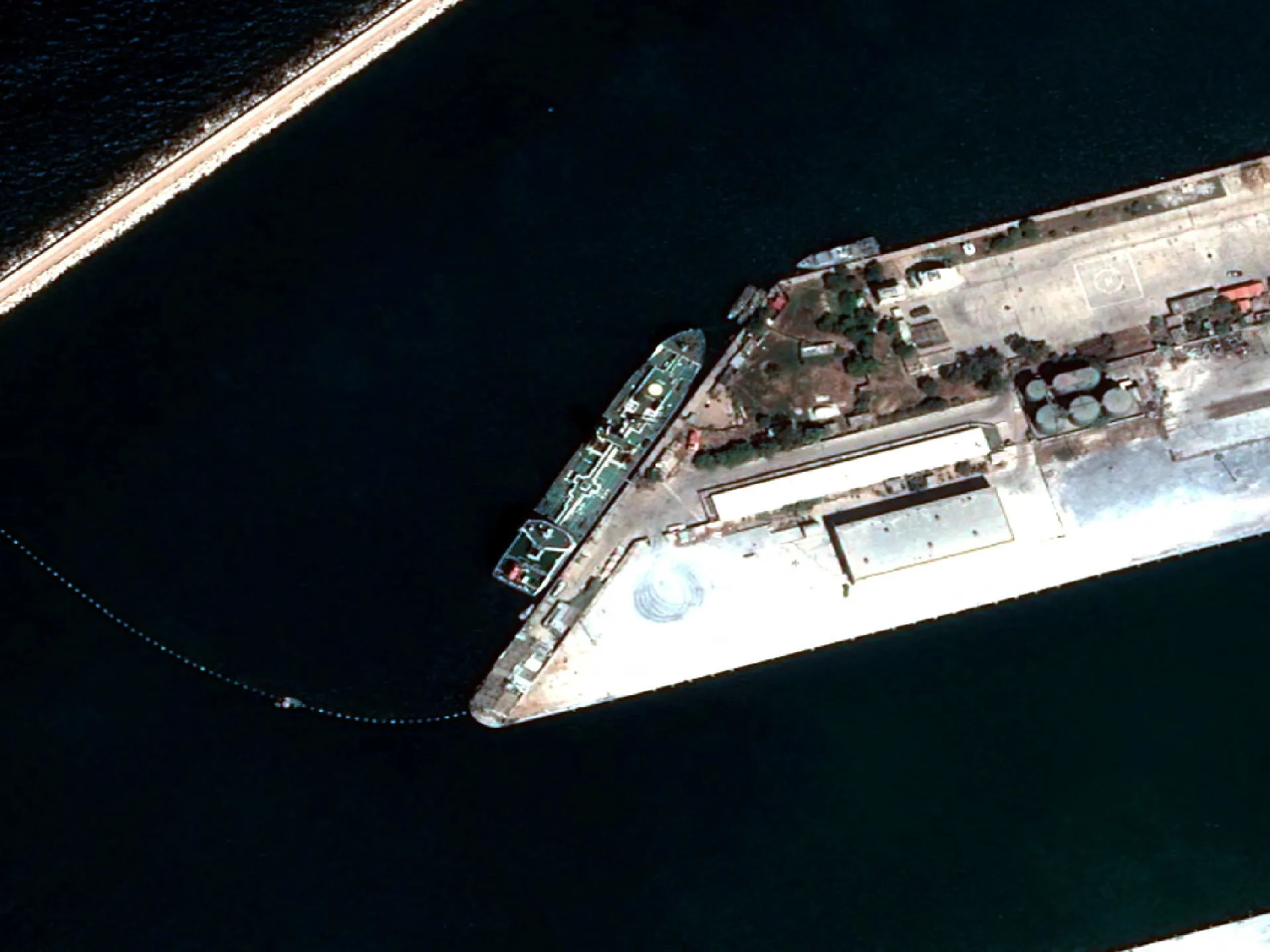
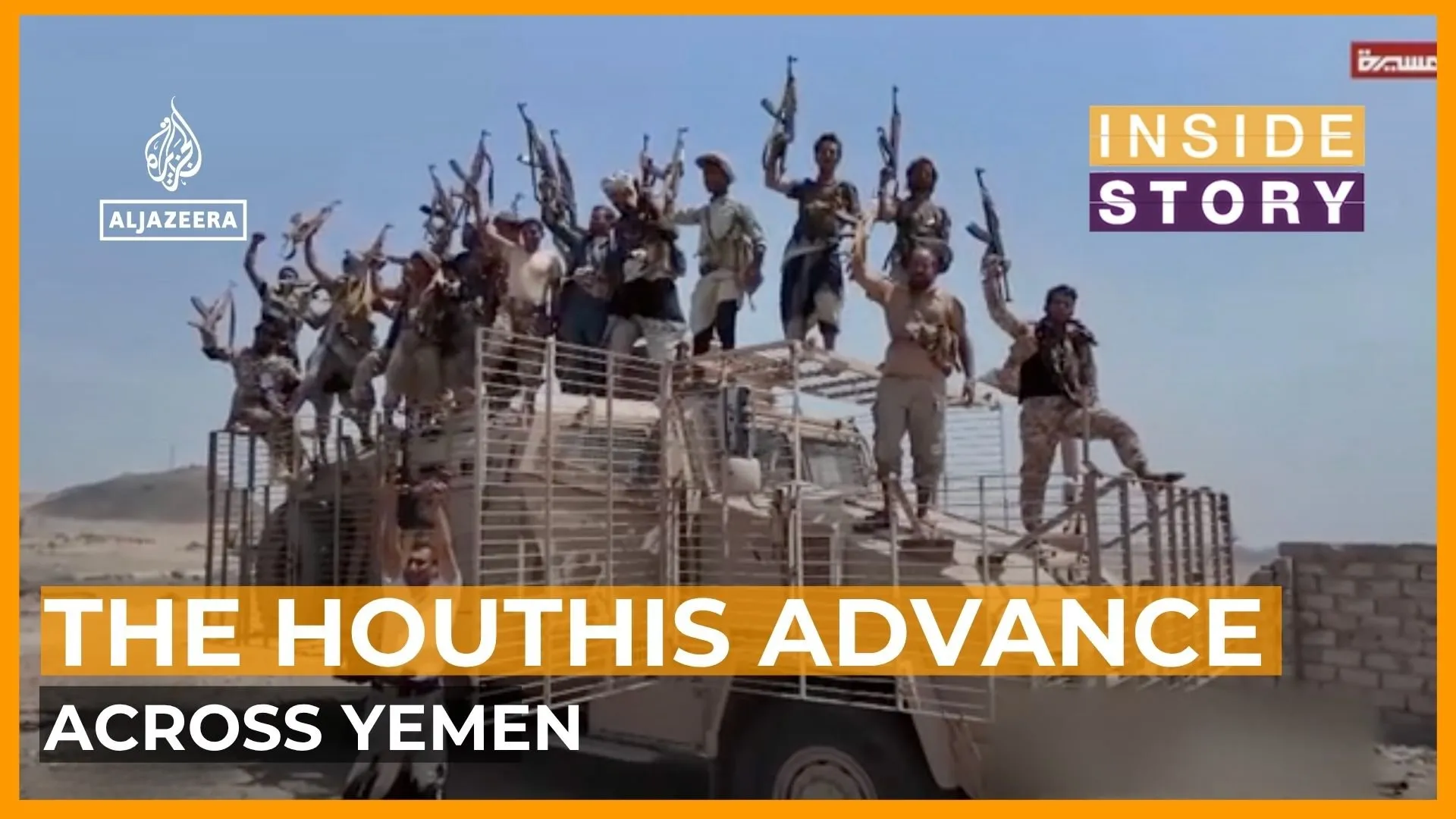
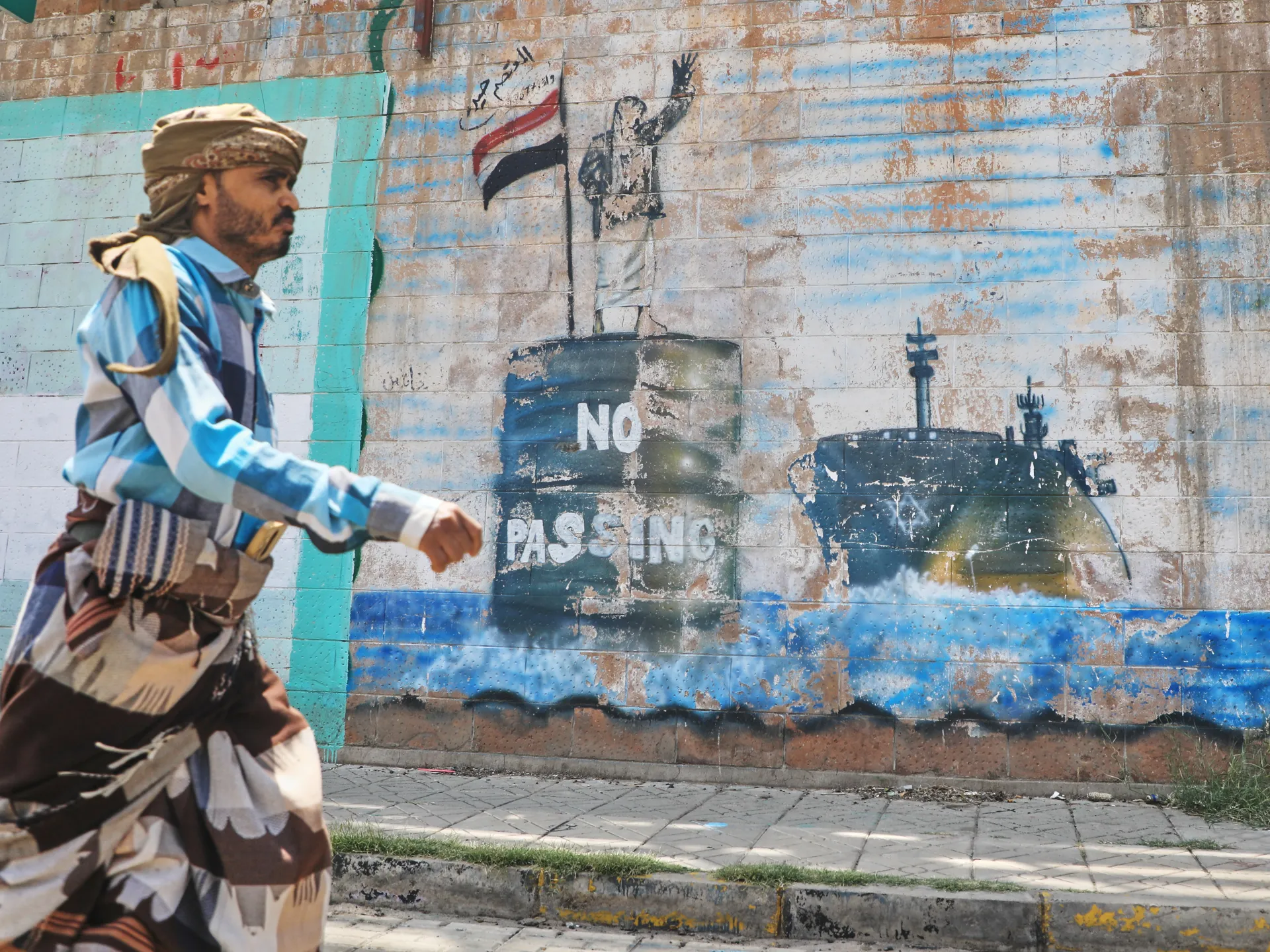
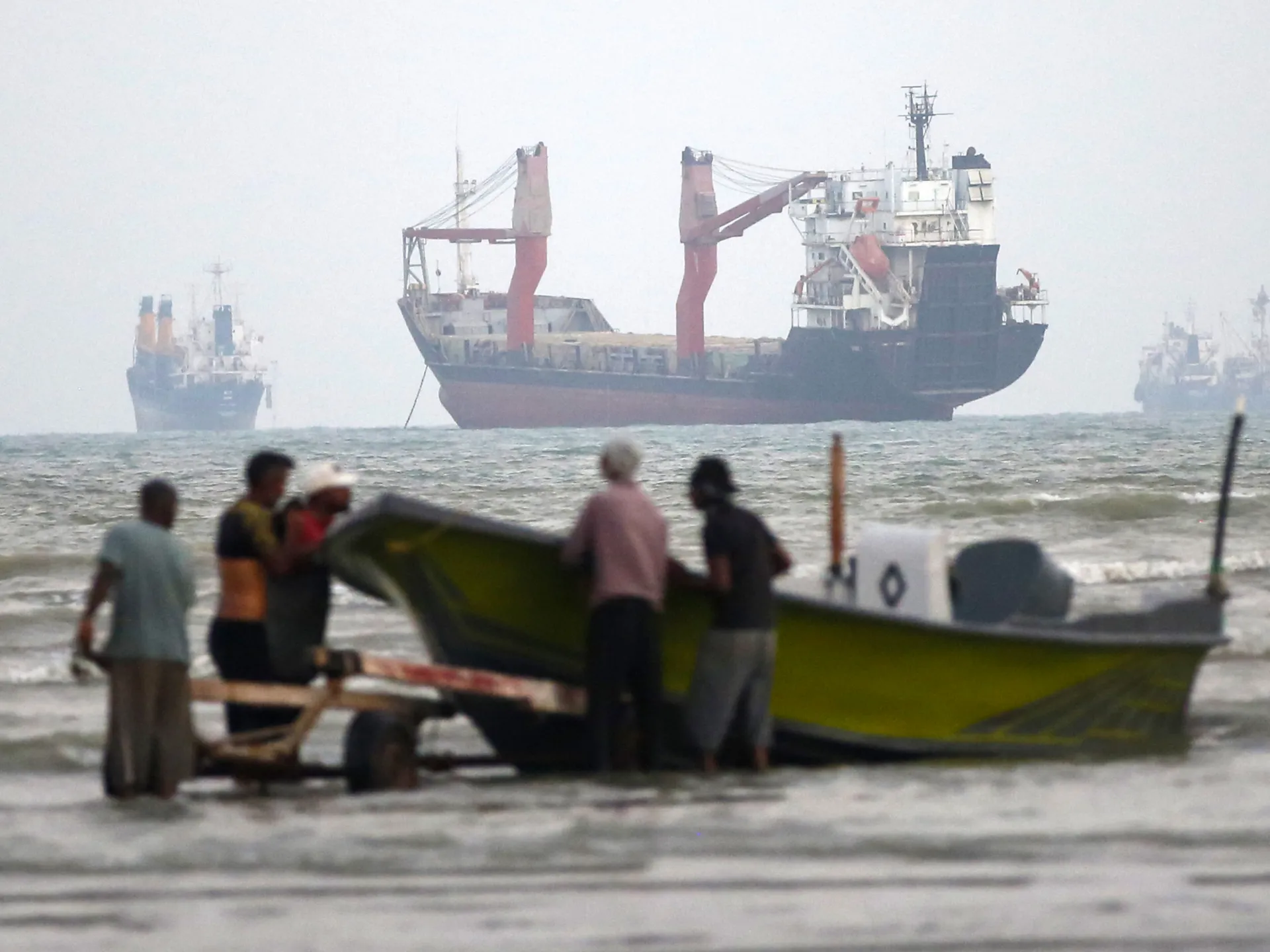
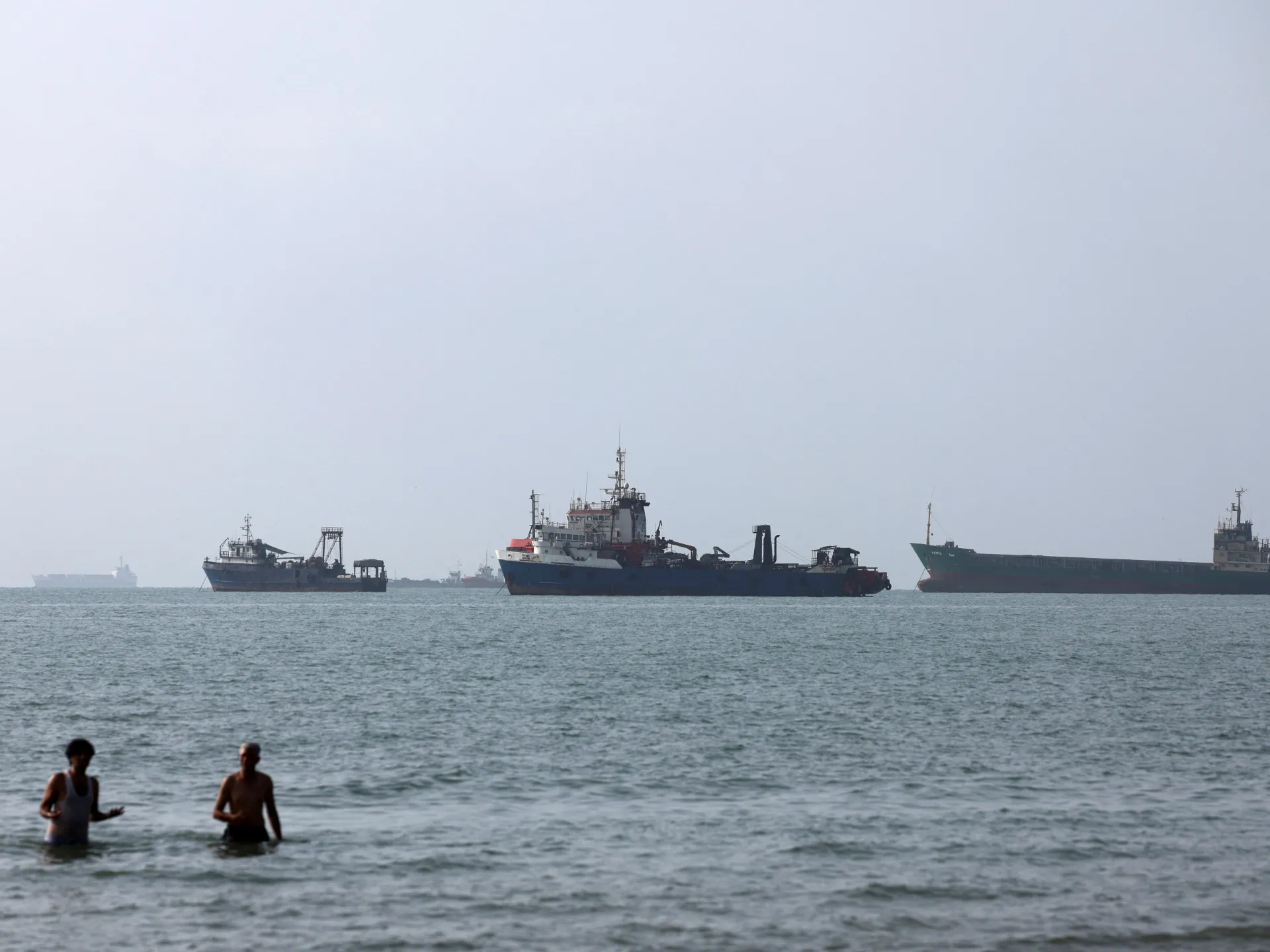
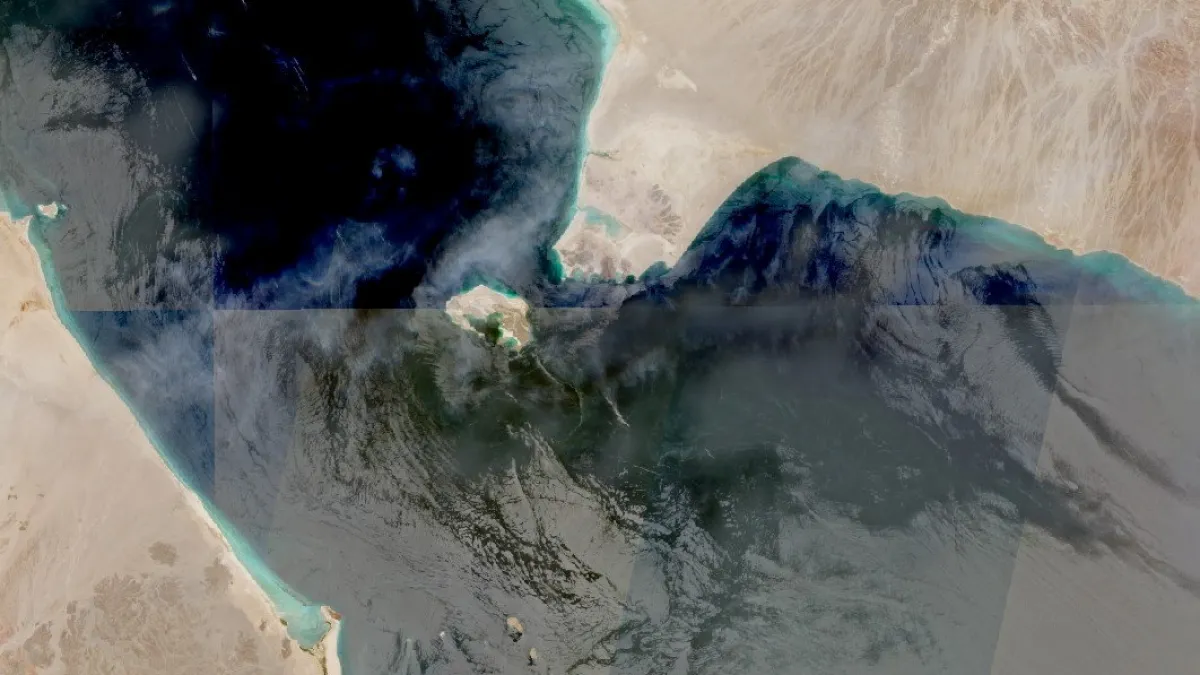
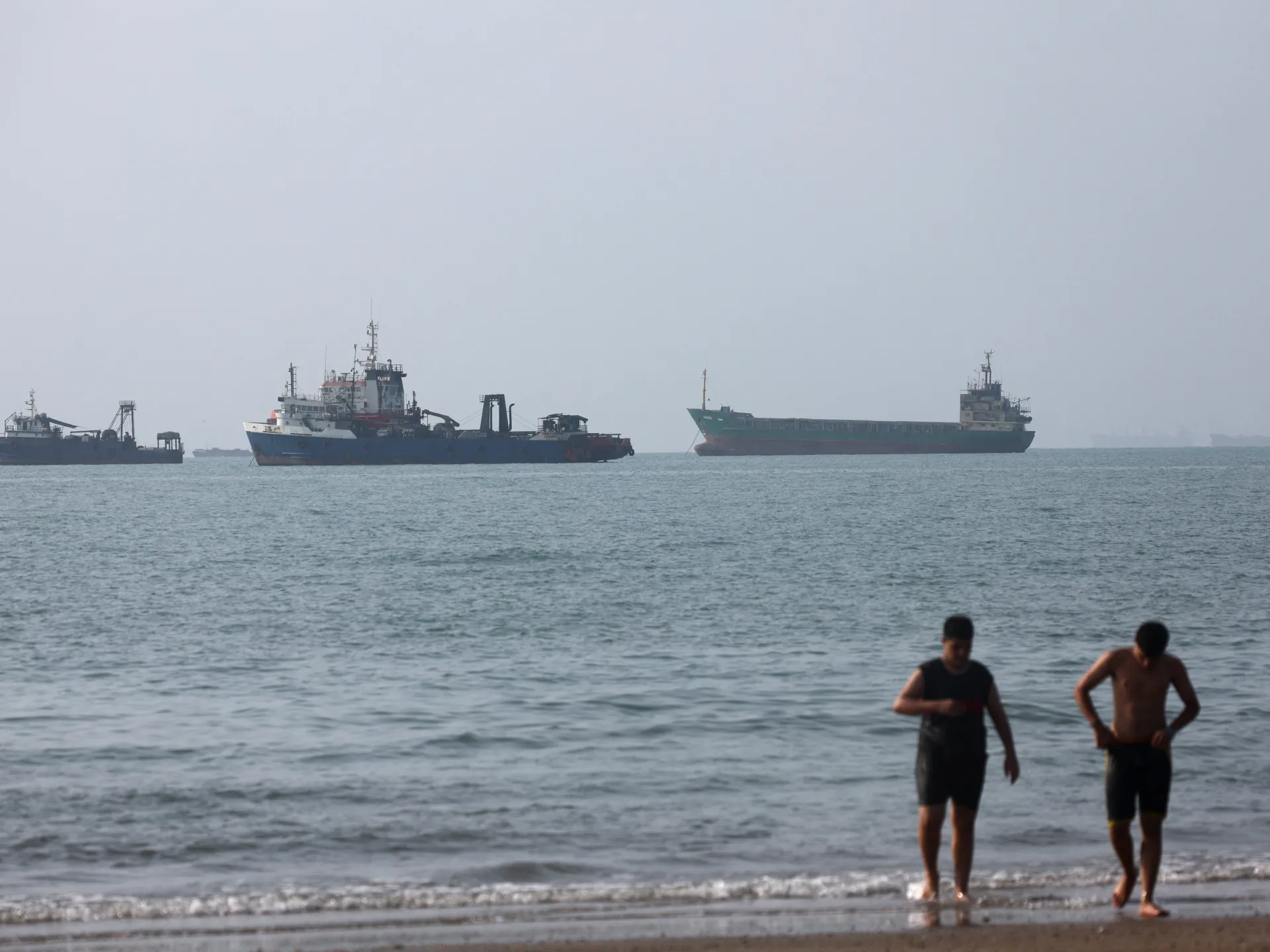
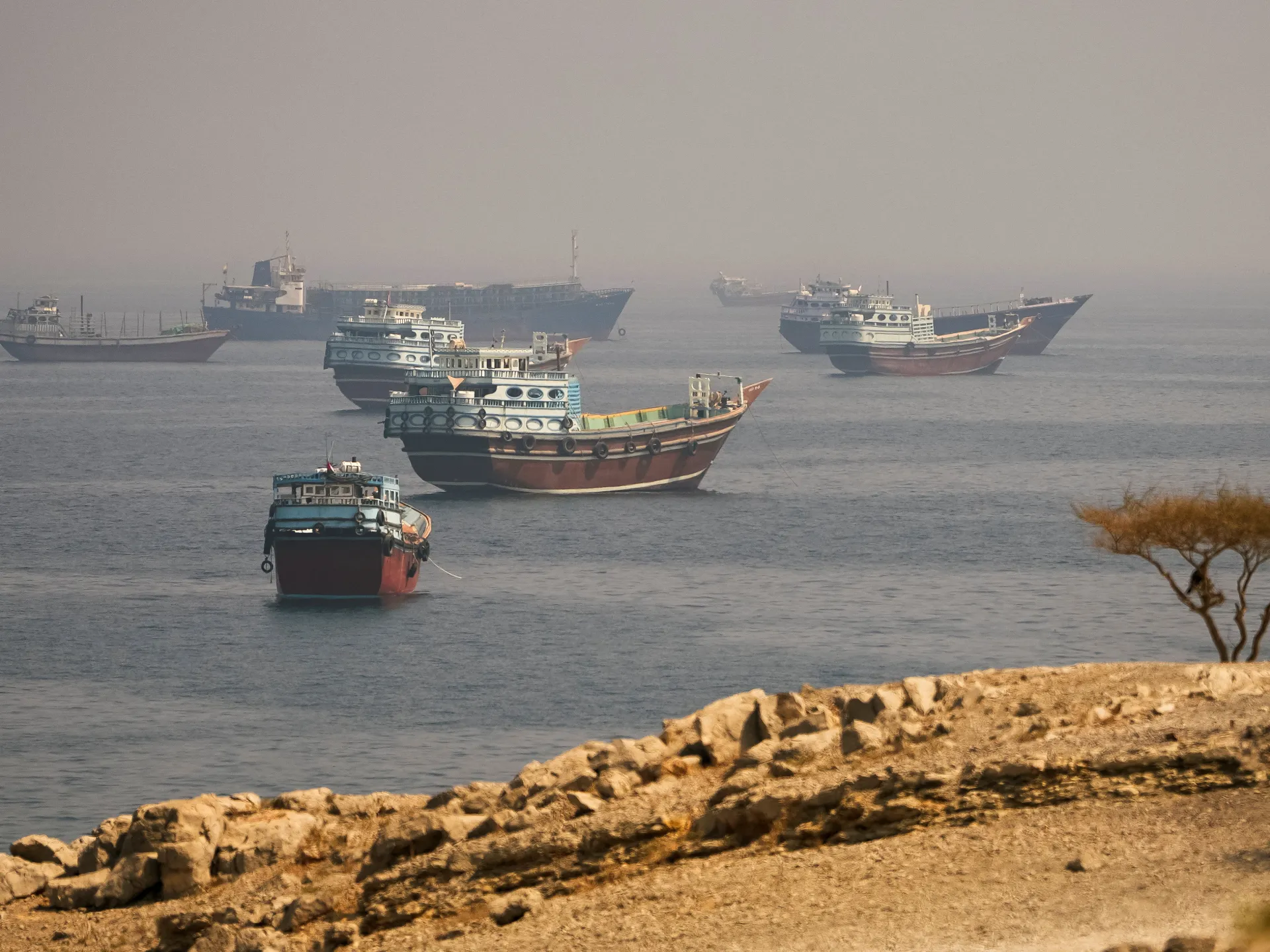
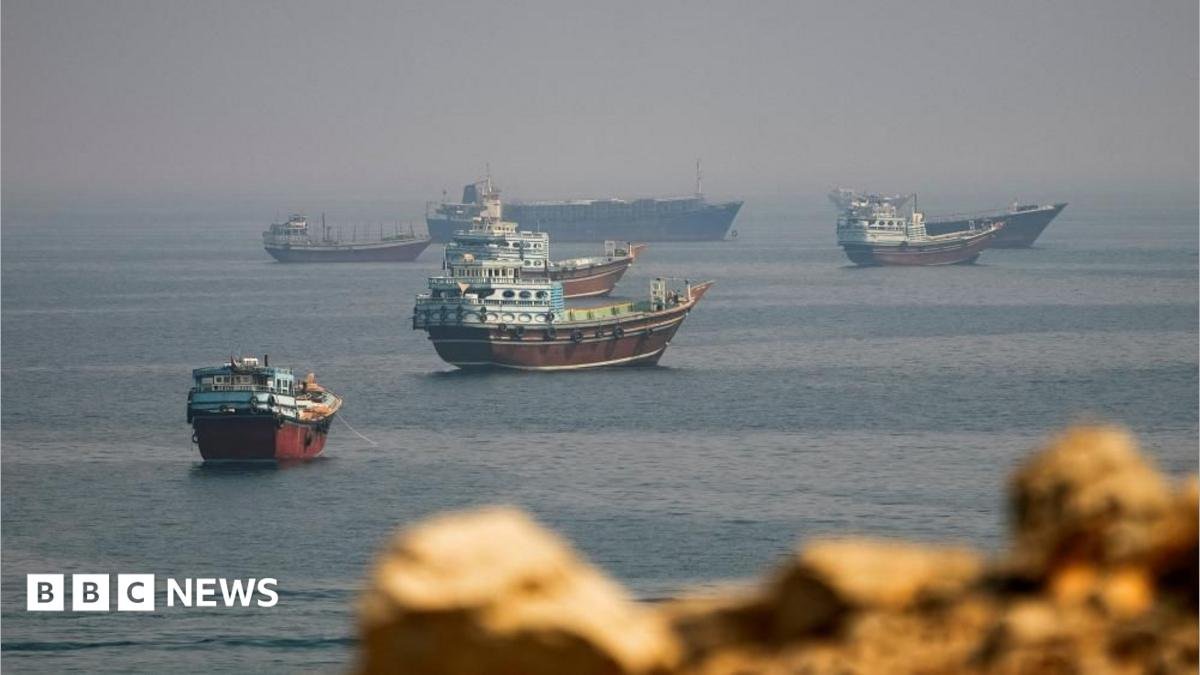
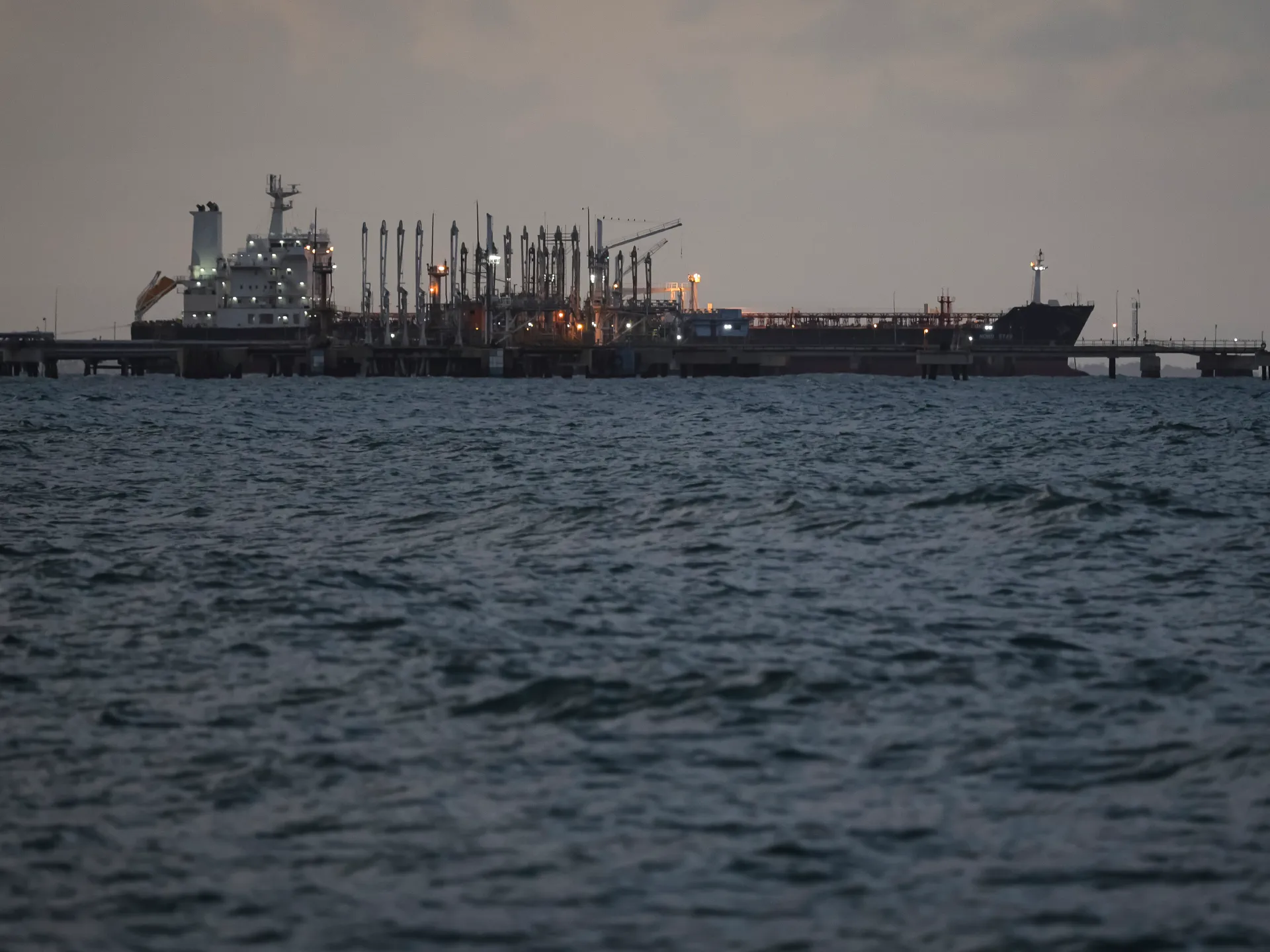
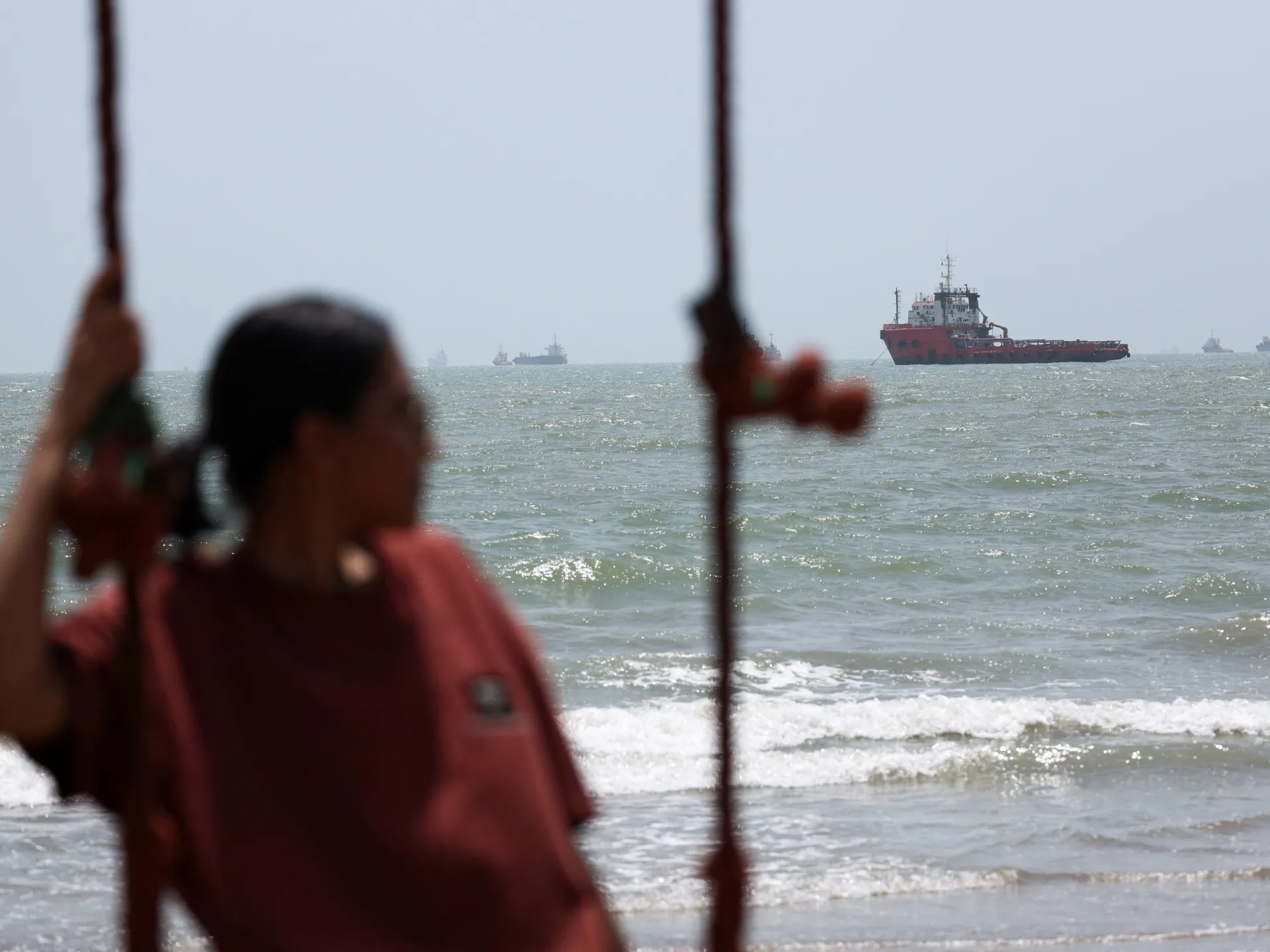
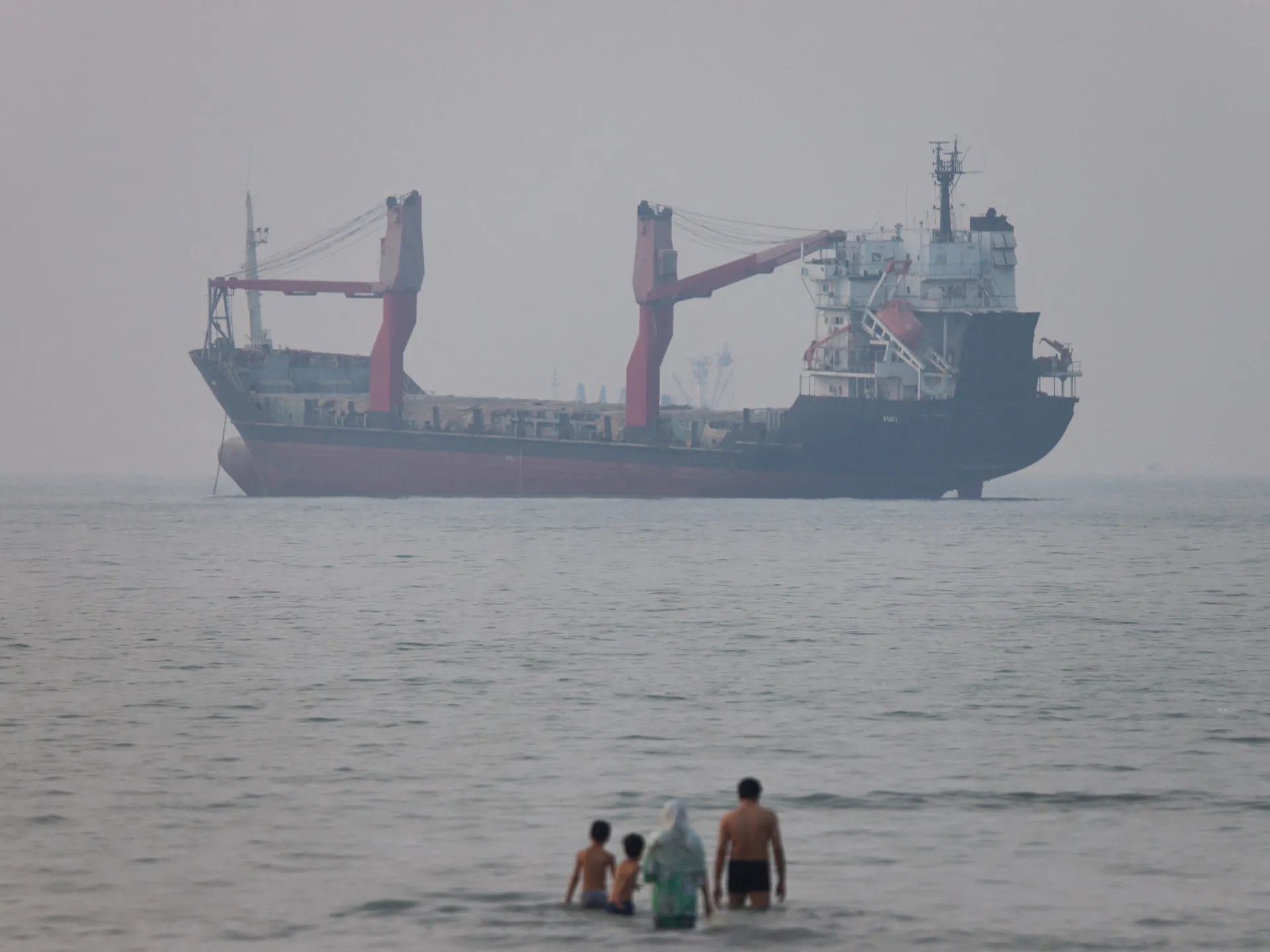
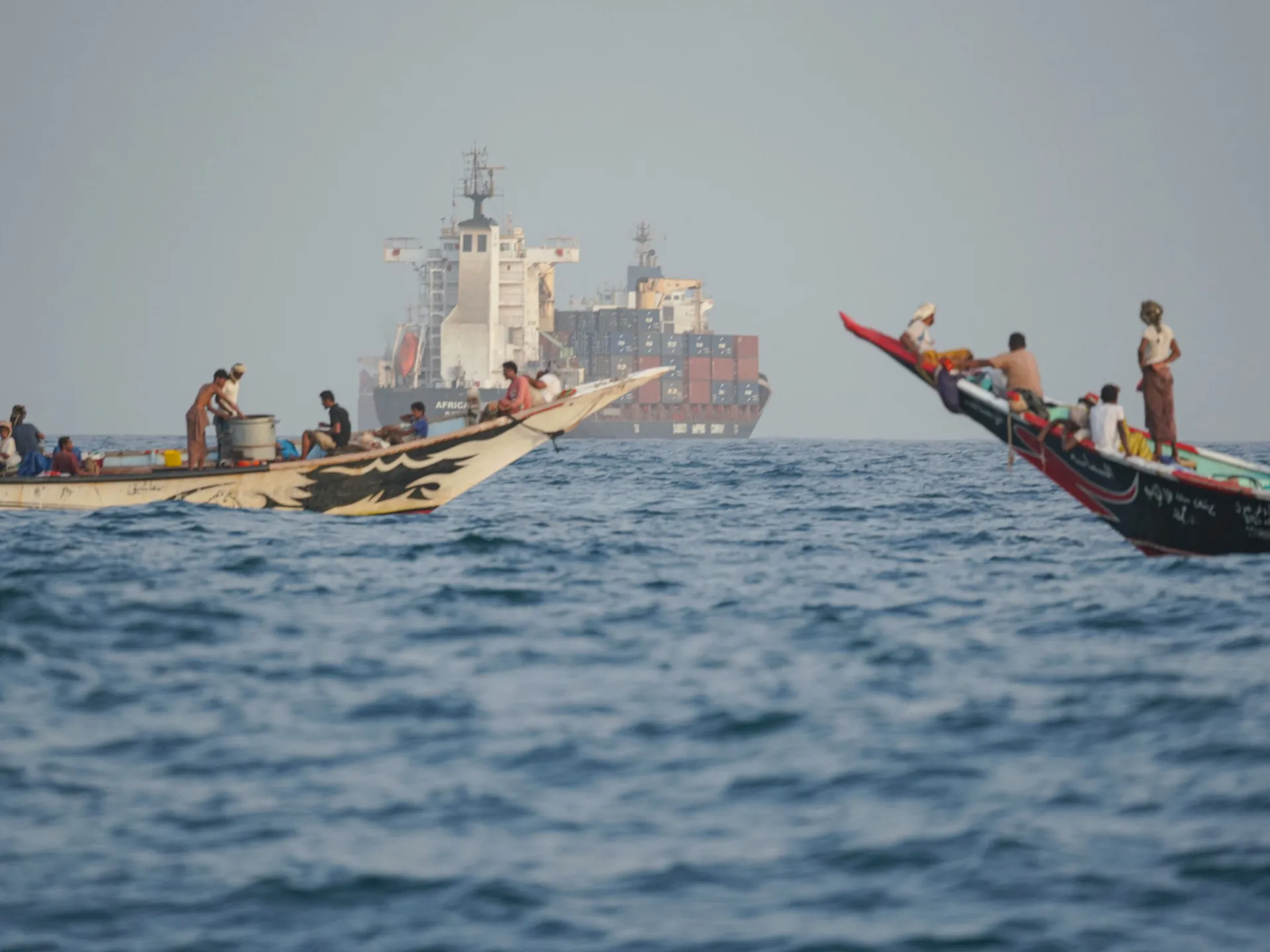
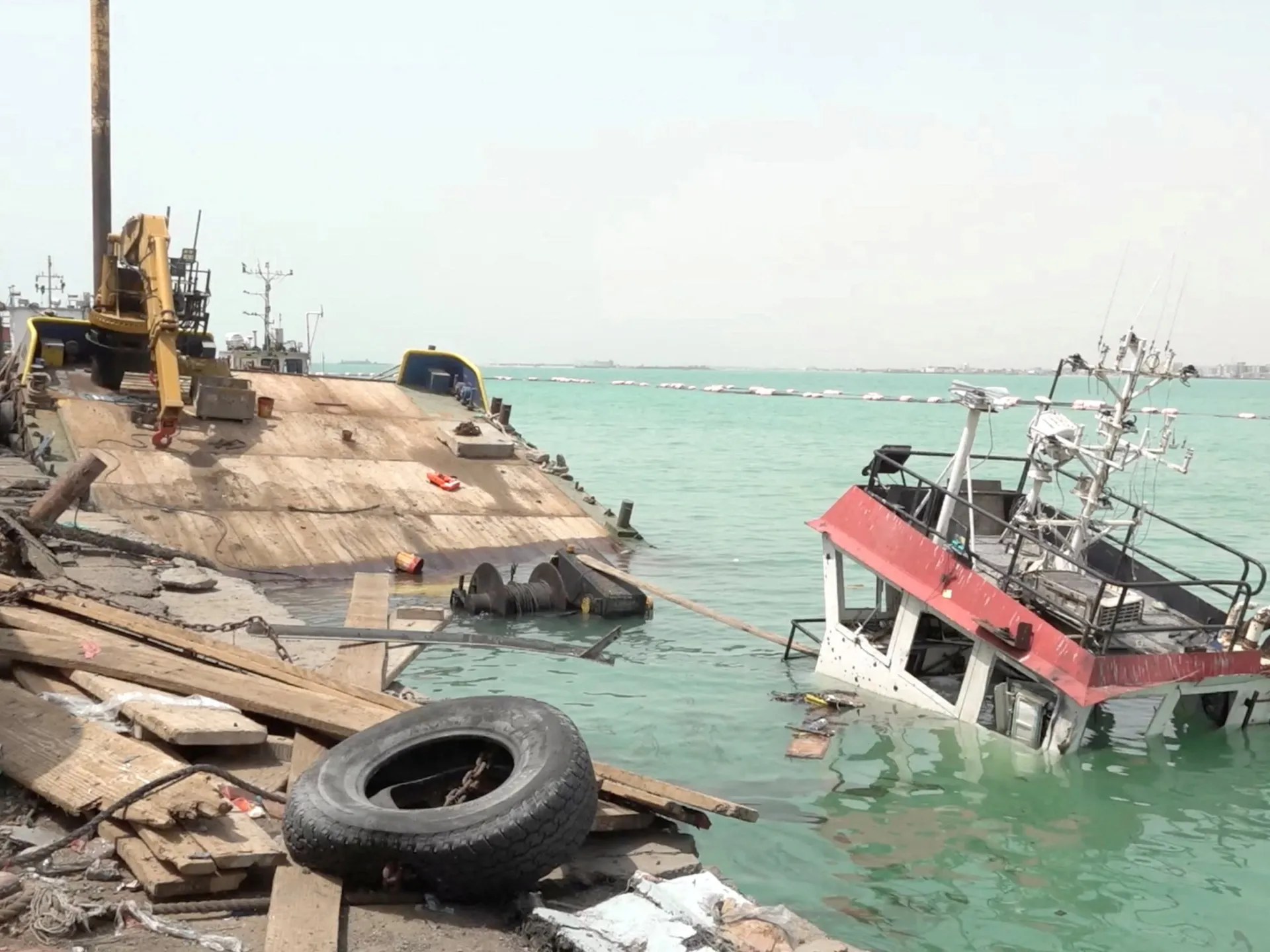
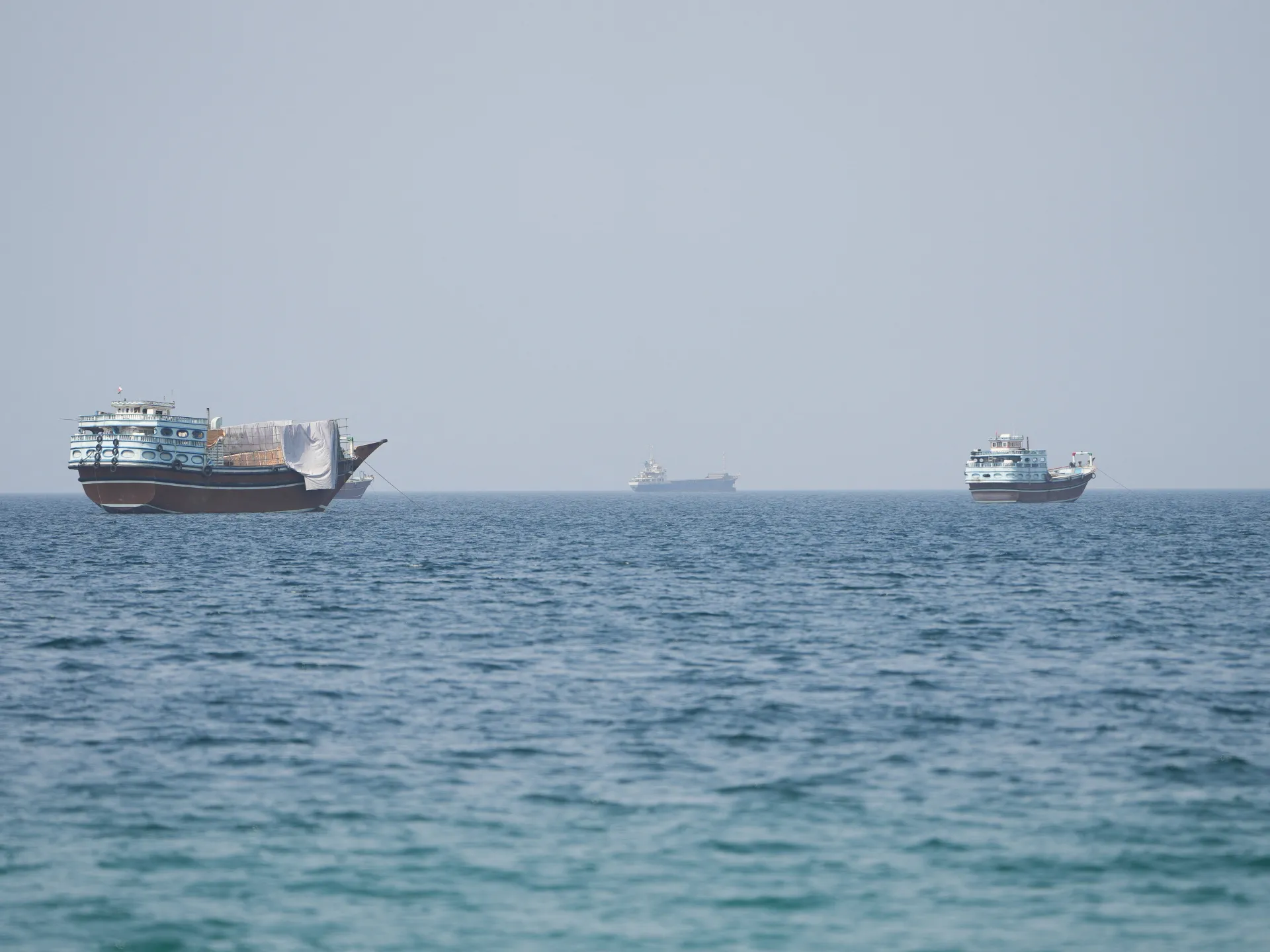
Beyond the immediate human toll, the recent ground advances e traffic. The rebels have reportedly secured control over significant portions of the Red Sea coast, including Mayyun Island and the Greater and Lesser Hanish islands. These positions are strategically located near the Bab al-Mandeb strait, a vital maritime artery that serves as a primary route for global energy and commercial shipping, particularly as tensions elsewhere have disrupted other regional waterways.
The shifting control of these coastal areas has forced a military response from the internationally recognized government, which claims to have recaptured certain positions in the contested Taiz province. However, the situation remains fluid and highly volatile. With both sides intensifying their efforts to consolidate territorial gains and exert influence over critical sea lanes, the stability of the region remains precarious, threatening to unravel the fragile diplomatic progress made in recent years.
The collapse of the 2022 ceasefire, which had largely succeeded in curbing large-scale military operations, highlights the deep-seated divisions that continue to fuel the Yemeni war. The conflict, which has persisted for over a decade, has been further complicated s fundamentally altered the nature of the engagement, shifting the focus toward maritime security and economic pressure.
As the international community watches the developments in the Red Sea, there is growing concern that the current cycle of retaliation will lead to a protracted period of instability. Without a return to diplomatic dialogue, the humanitarian situation in Yemen is likely to deteriorate further, as infrastructure destruction and civilian casualties continue to mount. Both the Saudi-led coalition and the Houthi rebels remain entrenched in their respective positions, leaving little room for immediate de-escalation in the absence of external mediation.