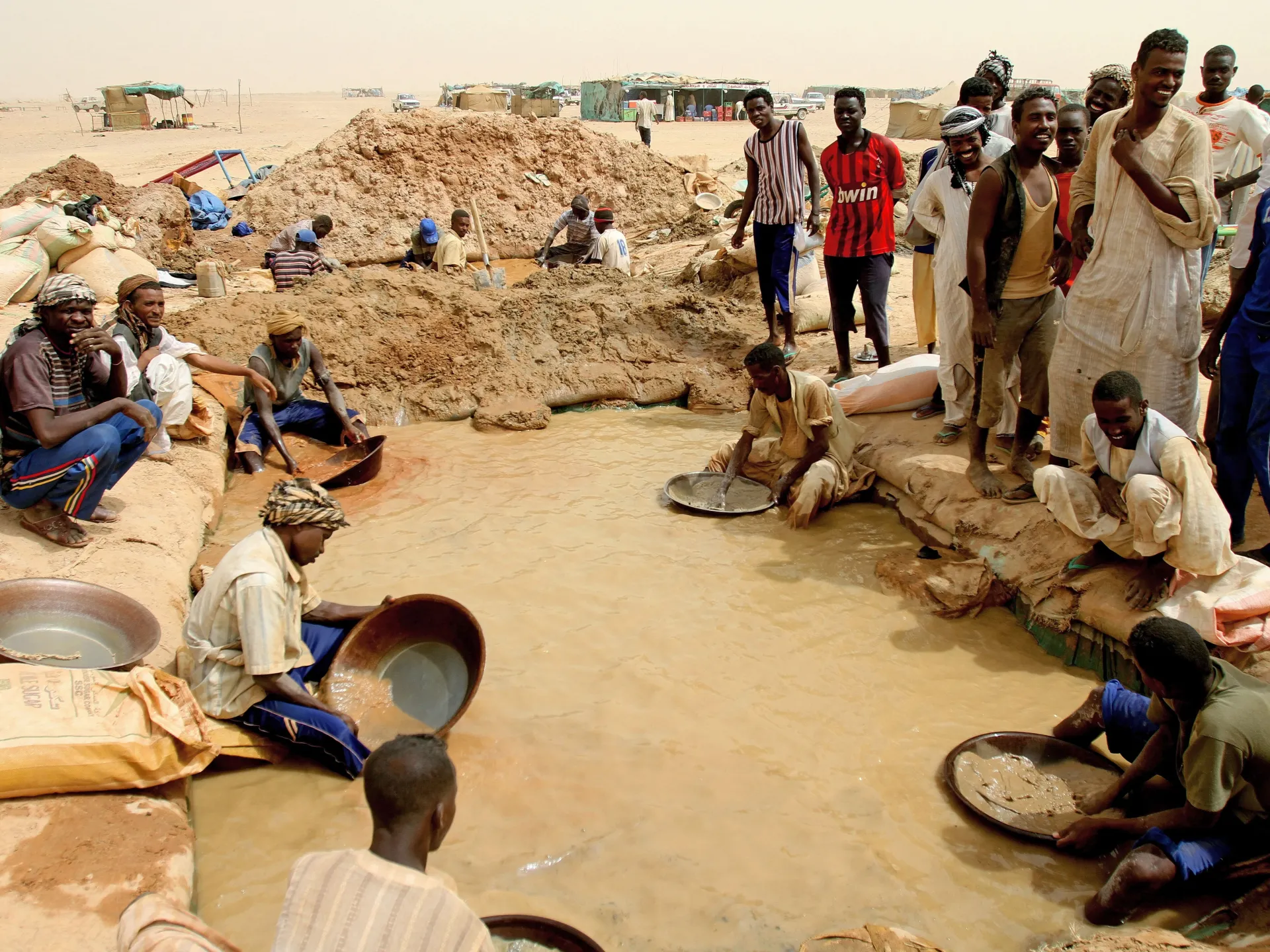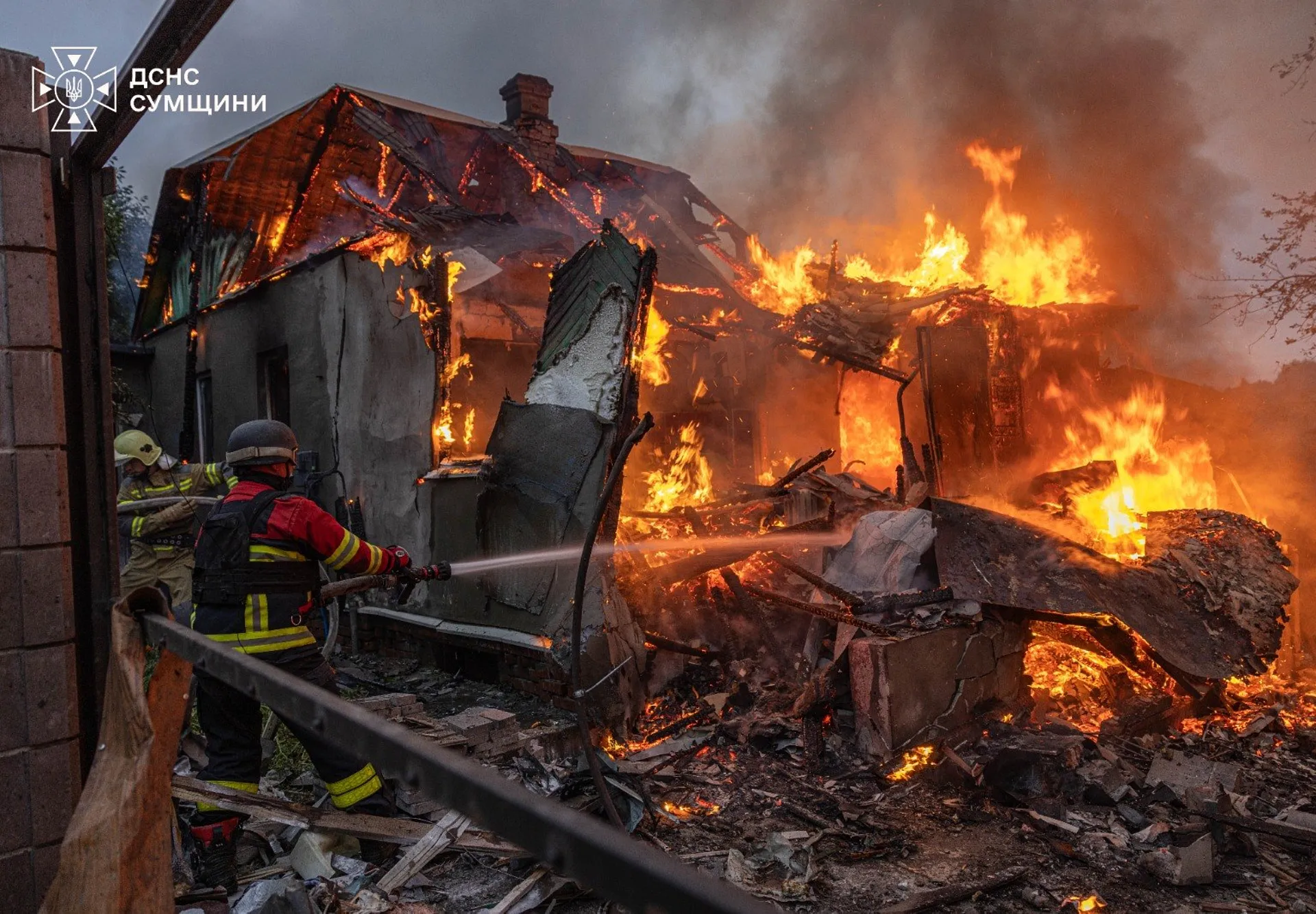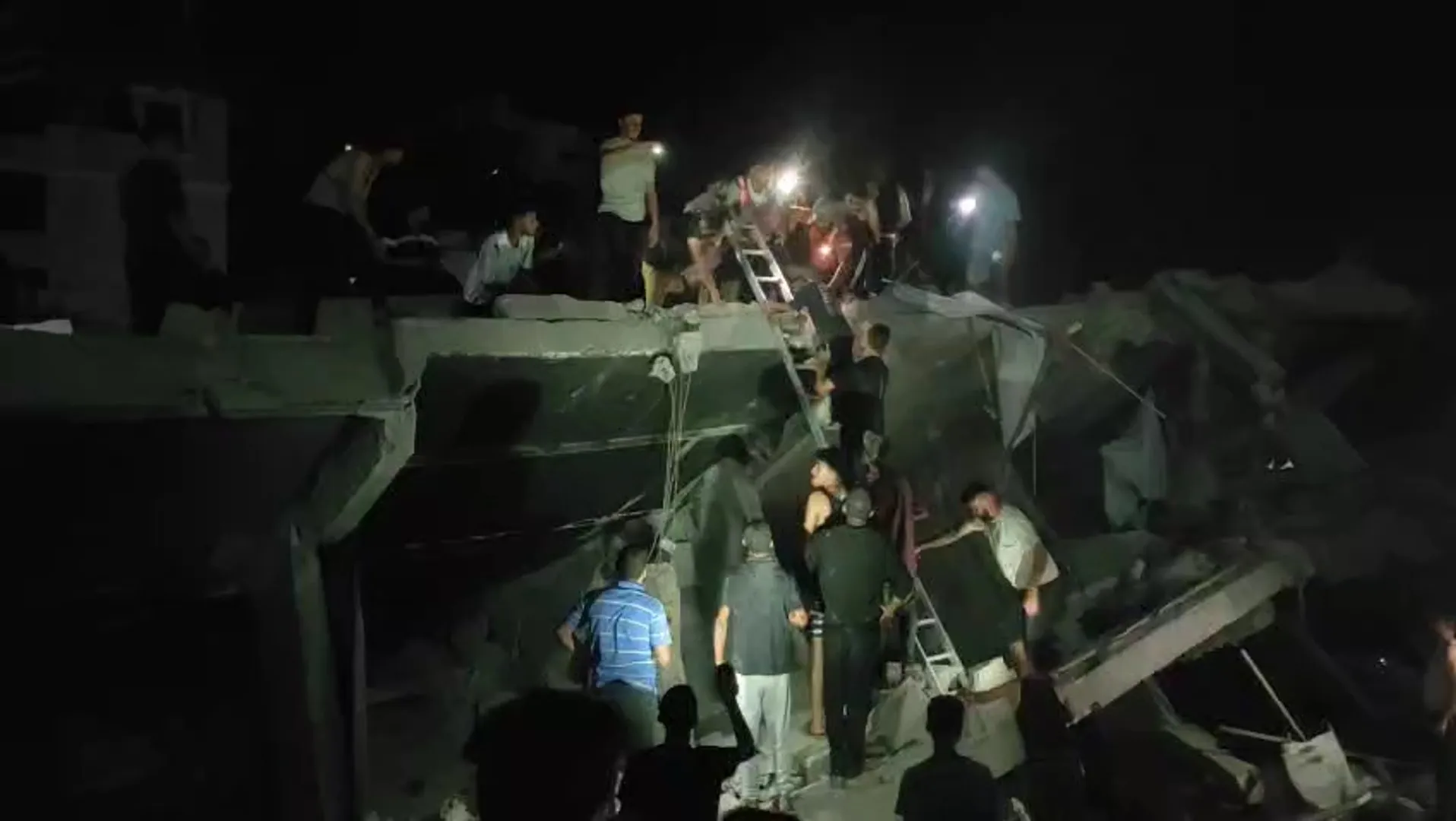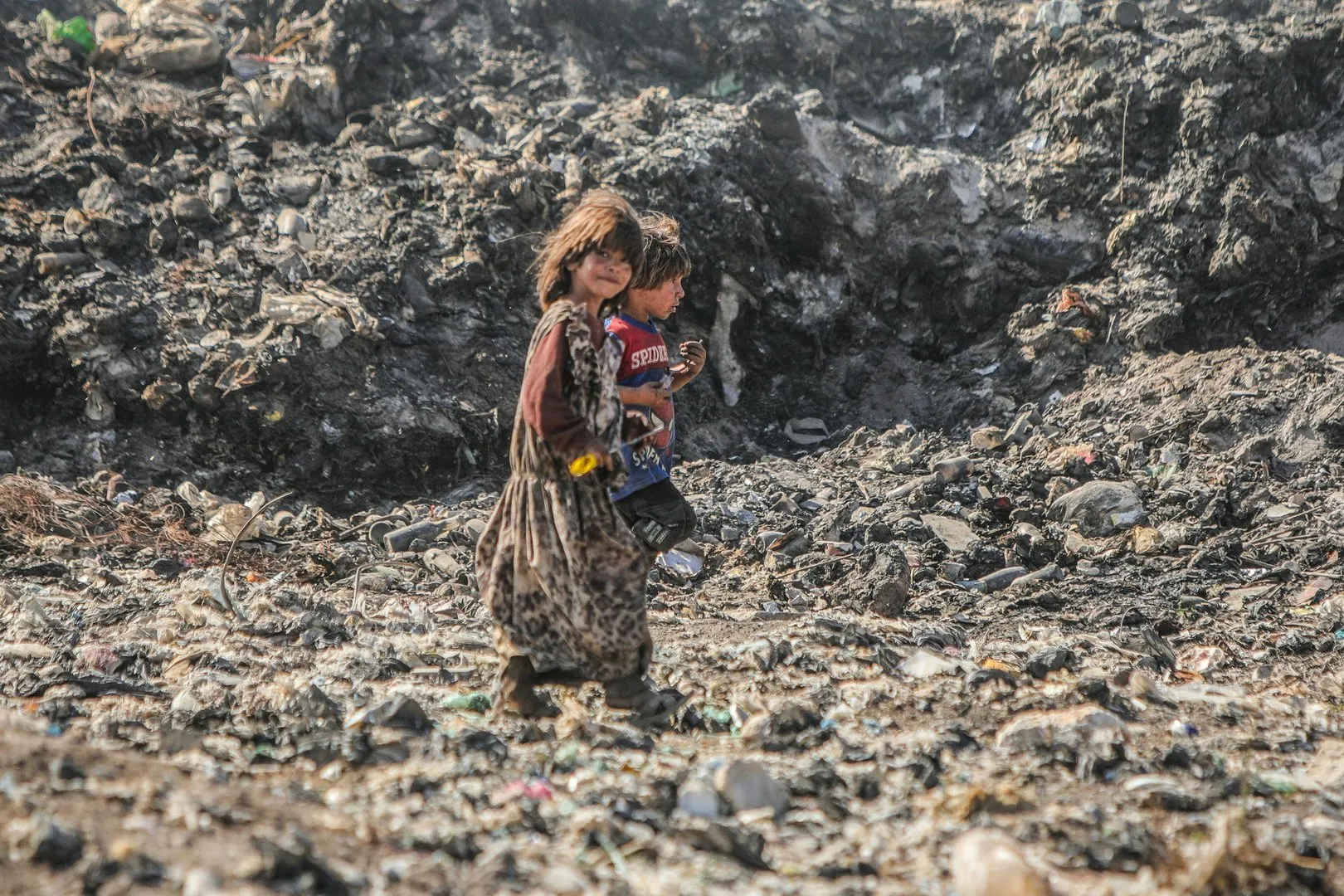
Years of ongoing conflict have forced displaced Syrian families to scavenge through toxic landfills near al-Bab to secure basic survival necessities.
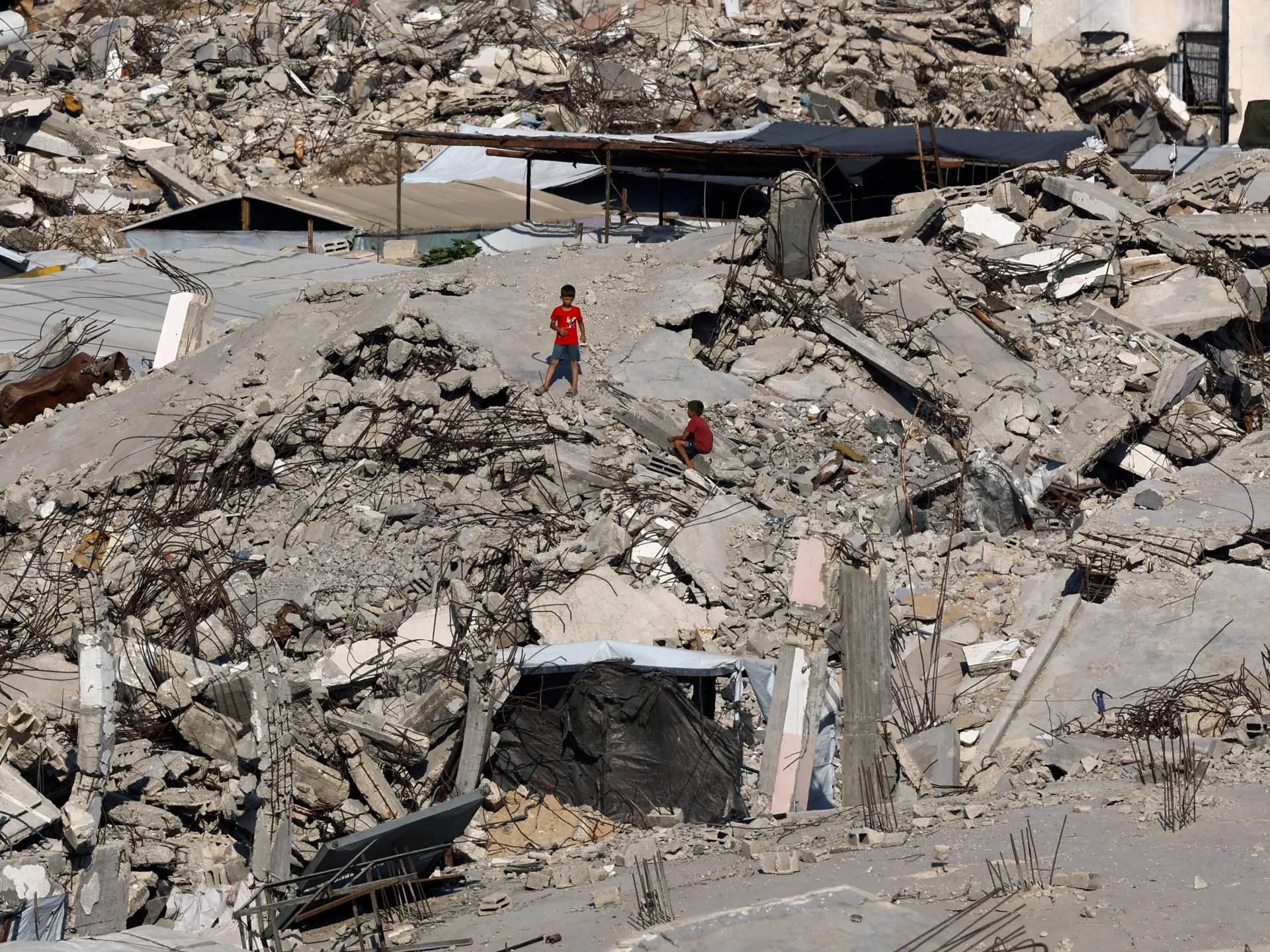
Thirteen years of relentless conflict have fundamentally altered the landscape of Syria, leaving millions of individuals displaced and struggling to survive in a precarious economic environment. Near the city of al-Bab in the northern Aleppo countryside, a harrowing scene has emerged that highlights the depths of this humanitarian crisis. Displaced families, having lost their homes and livelihoods to the war, have turned to massive, smoldering landfills as their primary source of income.
These makeshift camps and surrounding dump sites have become centers of survival where men, women, and children spend their days sifting through mounds of refuse. The air is thick with the acrid smoke of burning garbage, creating an environment that is as hazardous as it is desperate. For those living in the shadow of the conflict, the search for plastic, metal, and other recyclable materials is not merely a job; it is a fundamental requirement to secure enough food for the day.
The scale of this issue reflects a broader failure of resources in the region, where humanitarian aid often struggles to reach the most vulnerable populations. As the war continues to exert pressure on the nation’s infrastructure, the informal waste management sector has become a tragic employer for those who have been stripped of all other options.
Working in the landfills near al-Bab carries immense physical and long-term health risks. The garbage mounds are often set ablaze to clear space, releasing toxic fumes into the atmosphere that the displaced populations inhale daily. Without access to protective gear or proper respiratory equipment, these individuals are frequently exposed to hazardous chemicals, heavy metals, and pathogens found within the waste.
Beyond the immediate threat of respiratory illness, the manual labor involved in digging through sharp debris and decomposing waste leads to frequent injuries. Children are often seen alongside their parents, putting their physical development and health at risk in exchange for small amounts of scrap metal. This exposure to hazardous materials is a stark indicator of the lack of alternatives for families who are essentially living on the margins of society.
Local medical facilities, already strained s arising from this lifestyle. The combination of malnutrition, poor sanitation, and constant exposure to toxic environments creates a cycle of illness that is difficult to break without significant intervention and economic stabilization.
The primary driver behind this dangerous work is acute food insecurity. As the Syrian economy remains fractured, inflation has rendered basic food staples unaffordable for many displaced families. The income generated from scavenging—often amounting to only a few dollars a day—is barely enough to purchase bread and essential supplies. This creates a reliance on the very trash heaps that are slowly poisoning the community.
The persistence of this practice underscores the failure of the informal economy to provide dignity or safety to those it supports. While some international organizations have attempted to provide food baskets and temporary shelter, the demand far outstrips the supply. As more families are pushed into poverty, the number of people turning to the waste sites continues to grow, turning these landfills into permanent, albeit unofficial, settlements.
Addressing this crisis requires more than just emergency aid; it necessitates a comprehensive approach to economic revitalization and job creation in northern Syria. Without viable employment opportunities, these families remain trapped in a cycle of poverty, forced to trade their health for the ability to survive for another twenty-four hours in a country that has been devastated