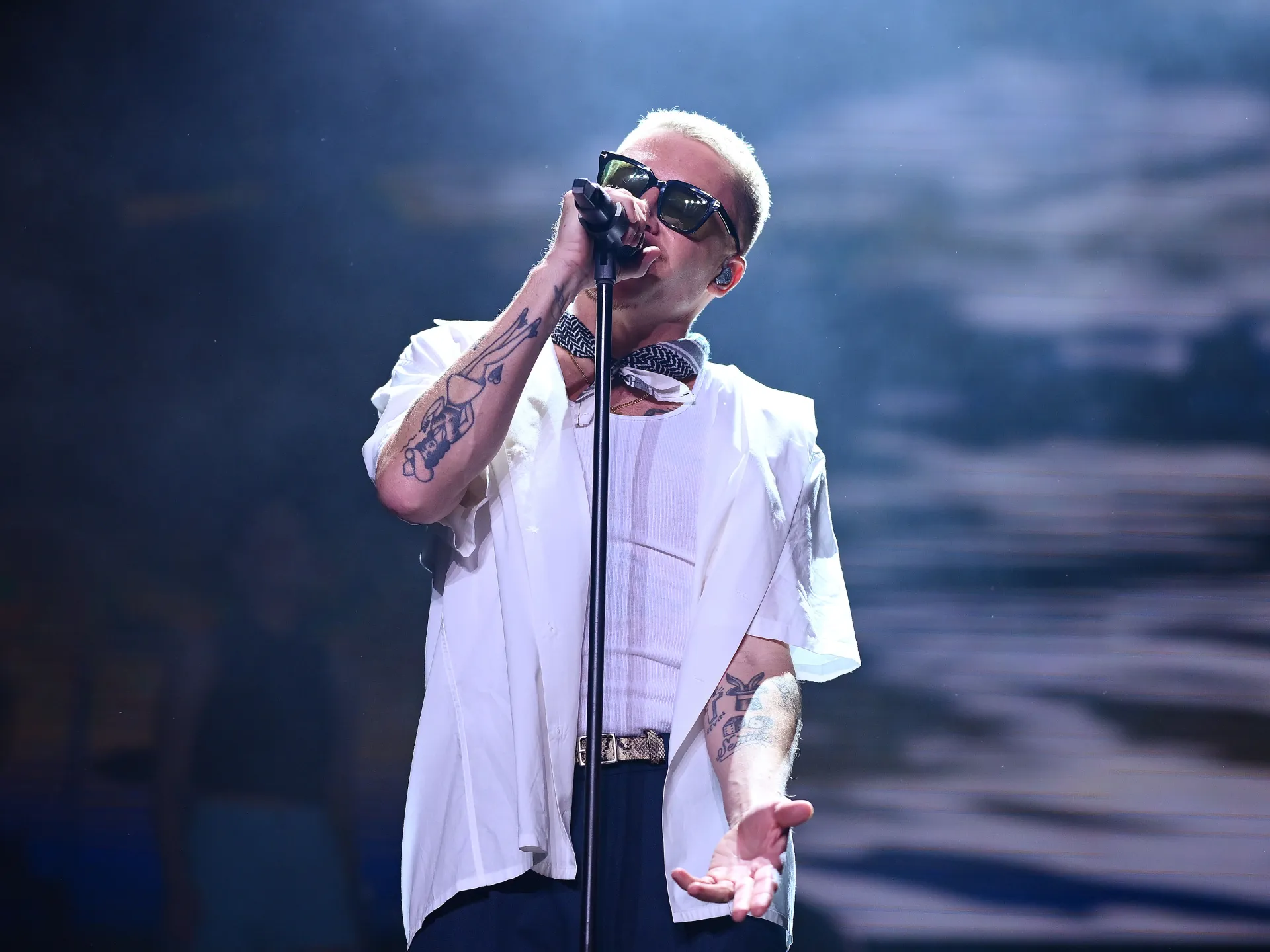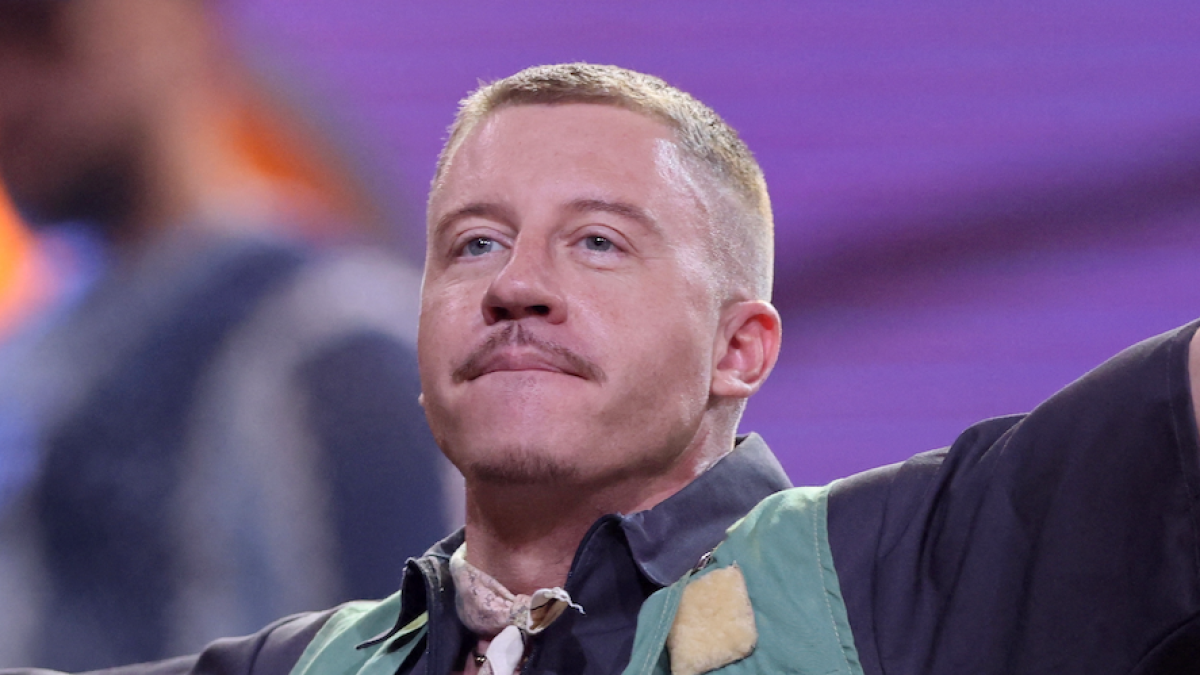
Rapper Macklemore claims he was removed from Ed Sheeran’s upcoming US tour due to his vocal support for Palestine and external pressure from influential figures.
American rapper Macklemore has publicly claimed that he was removed from a high-profile concert tour alongside international pop star Ed Sheeran. According to the musician, his exclusion from the upcoming United States tour dates was a direct consequence of his vocal support for the Palestinian cause. The artist asserts that his political activism, which has become increasingly central to his public persona, created friction that eventually resulted in his termination from the project.
The announcement has sparked a significant conversation regarding the intersection of celebrity activism and the professional music industry. e potential professional repercussions that artists may face when they align themselves with polarizing geopolitical movements. The industry has long grappled with the balance between artistic freedom and the commercial interests of tour promoters and corporate stakeholders.
Central to Macklemore’s account is the assertion that external pressure played a decisive role in the decision-making process. The rapper specifically pointed to billionaire Robert Kraft, suggesting that the influential figure exerted pressure on Ed Sheeran regarding the tour lineup. The implication is that financial and political influence behind the scenes can dictate the participation of artists in major commercial endeavors, even when those artists have established fan bases and commercial viability.
This narrative underscores the power dynamics often present in large-scale entertainment ventures, where corporate sponsors and high-net-worth stakeholders can exert considerable sway over tour management. When political stances diverge from the interests or preferences of those funding or managing the tours, artists frequently find themselves in precarious positions. The situation serves as a stark reminder of the complexities involved in maintaining both an activist voice and a mainstream career in the modern music business.
Macklemore’s situation is not an isolated incident in the current climate of celebrity political engagement. The rapper noted that other prominent figures in the music industry have previously expressed disapproval of his public comments, specifically citing singer Pink. Her criticism of his "Free Palestine" remarks serves as a broader example of the internal industry friction surrounding the ongoing conflict in the Middle East.
As artists continue to use their platforms to address international human rights and political issues, the music industry is finding itself increasingly divided. These public disputes often polarize fans and professional peers alike, leading to a landscape where personal conviction can directly impact professional opportunities. The case involving Macklemore and Ed Sheeran’s tour serves as a high-profile illustration of how these tensions are manifesting at the highest levels of global entertainment.
The fallout from this incident raises fundamental questions about the future of advocacy in the arts. As social media allows for immediate and unfiltered communication, artists are more empowered than ever to their views on world events. However, this increased visibility also means that the consequences of such advocacy are more immediate and potentially more damaging to their traditional career paths.