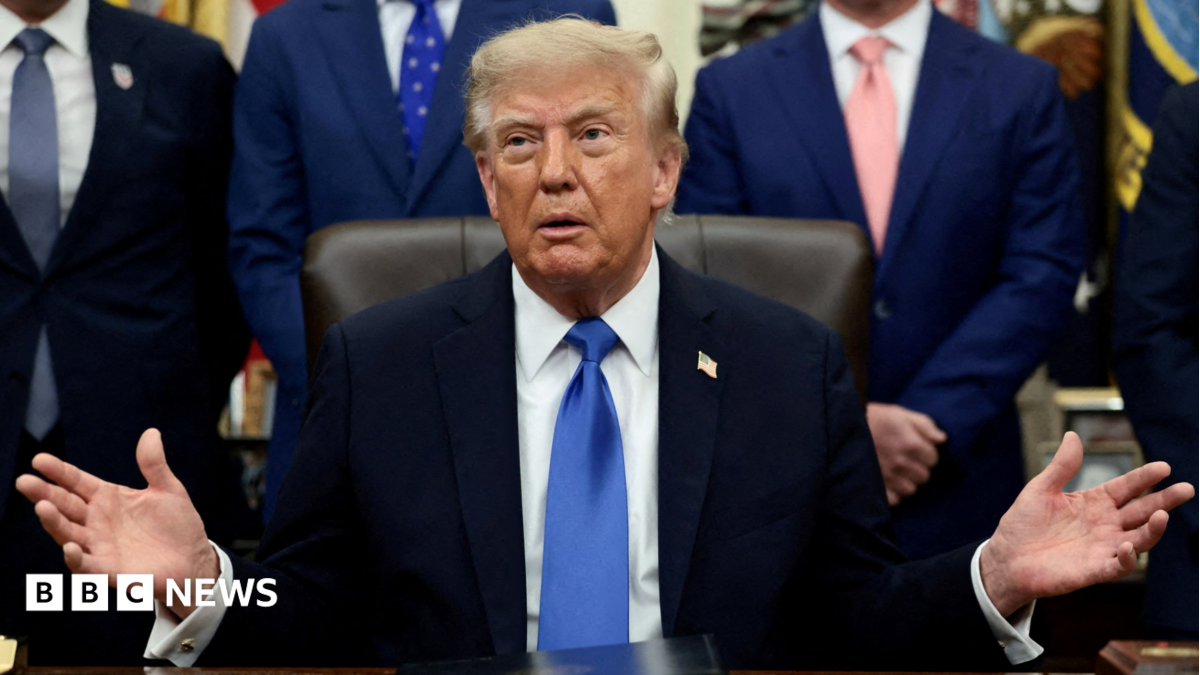
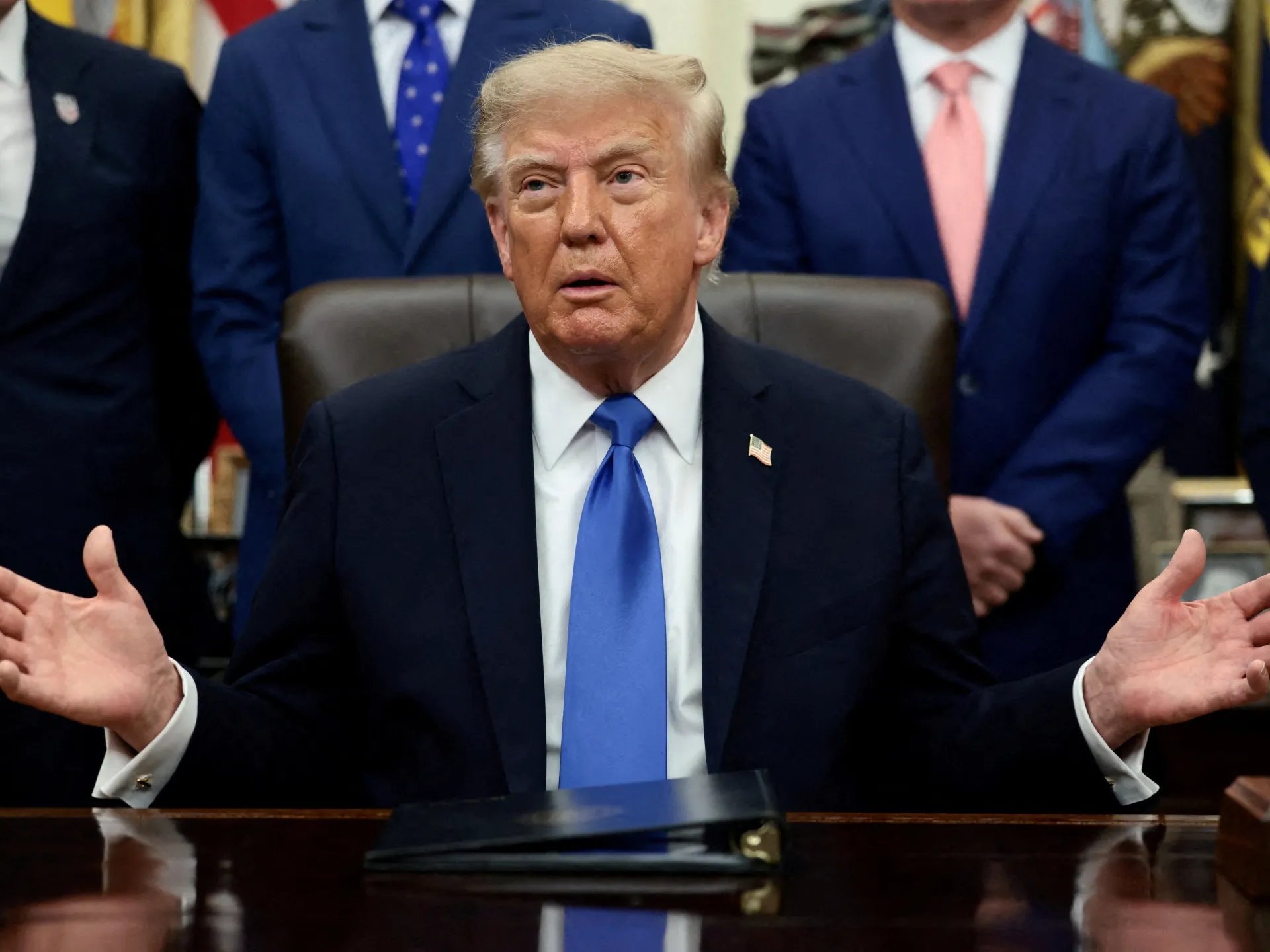
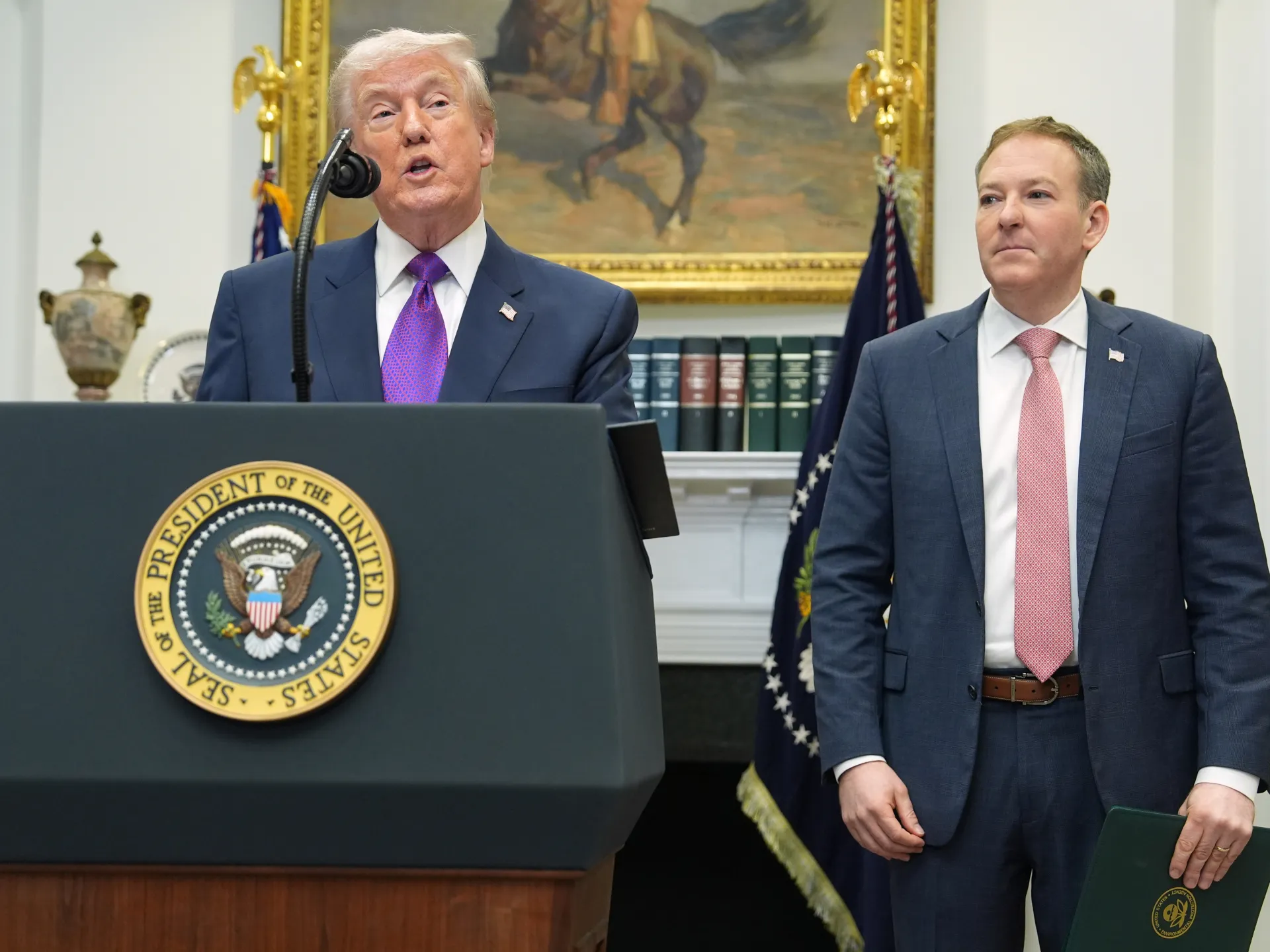
Canadian provincial leaders have joined Prime Minister Mark Carney in condemning new 50 percent US tariffs, citing a fundamental breakdown in trust with the current American administration.
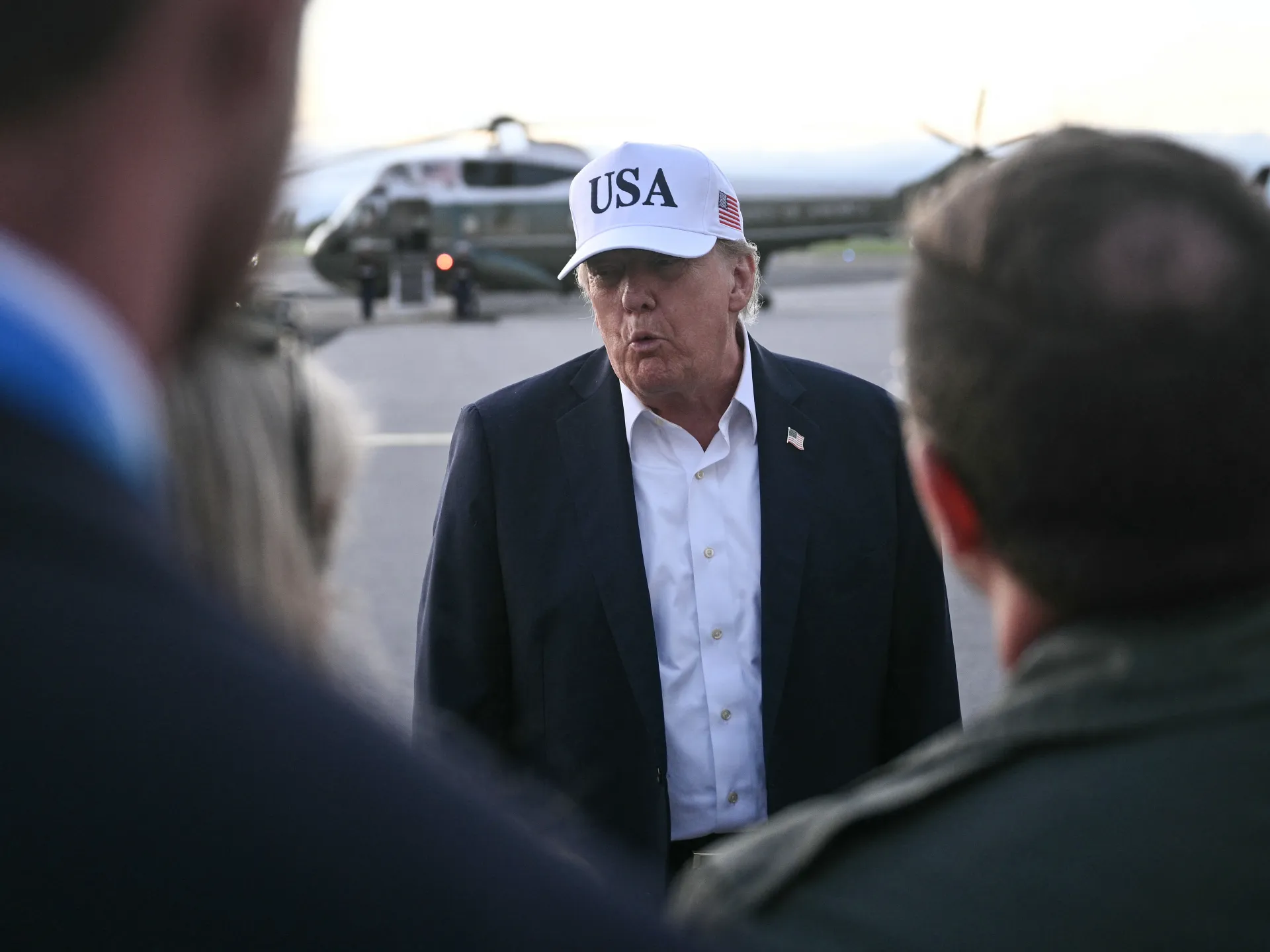
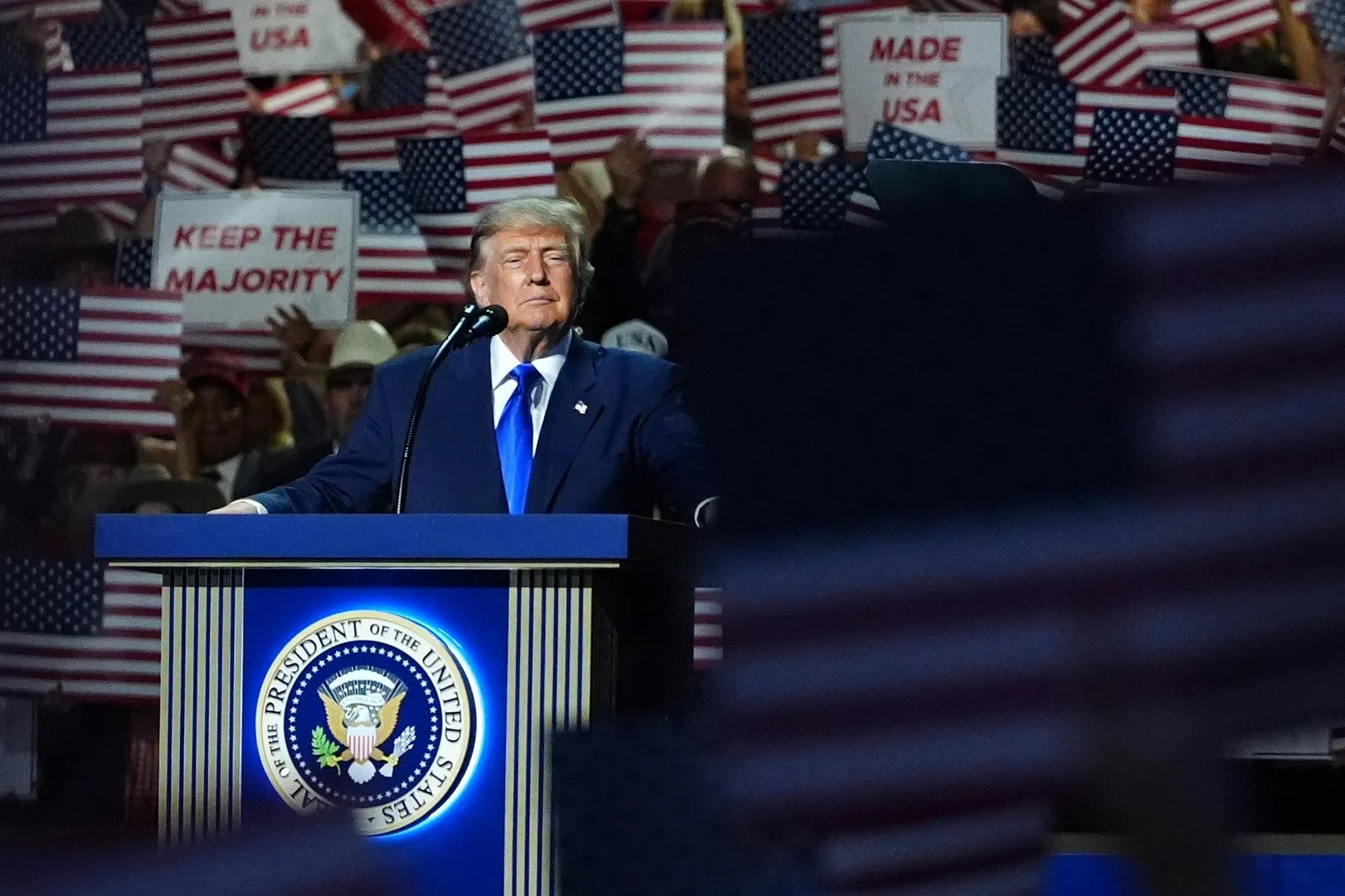
The imposition of significant new tariffs rom Canada’s provincial premiers. Following the announcement that President Donald Trump would levy a 50 percent tariff on approximately $20 billion worth of Canadian goods, regional leaders across the country have voiced deep concerns regarding the stability of the long-standing cross-border trade relationship. The move represents a major escalation in bilateral economic tensions, prompting an urgent reassessment of Canada's trade strategy.
British Columbia Premier David Eby has been among the most vocal critics of the administration’s approach. Eby emphasized that the sudden nature of the tariffs and the broader economic strategy deployed growing sentiment among provincial leaders that the traditional predictability of North American trade agreements has been compromised, leaving Canadian businesses and industries in a state of uncertainty.
The scale of the tariffs, which target a substantial volume of Canadian exports, threatens to disrupt supply chains that have been integrated for decades. Industries ranging from manufacturing to natural resources are currently assessing the financial toll of these measures. With a 50 percent barrier on such a significant portion of trade, many experts warn that the cost to Canadian exporters could be severe, potentially leading to job losses and a slow-down in regional productivity.
Provincial governments are now scrambling to determine how to mitigate the damage to their respective local economies. Because these tariffs affect a diverse array of goods, the impact is being felt from the forestry sector in the west to manufacturing hubs in the central provinces. Premiers are calling for a coordinated national response that prioritizes the protection of Canadian jobs while seeking a diplomatic resolution to the dispute.
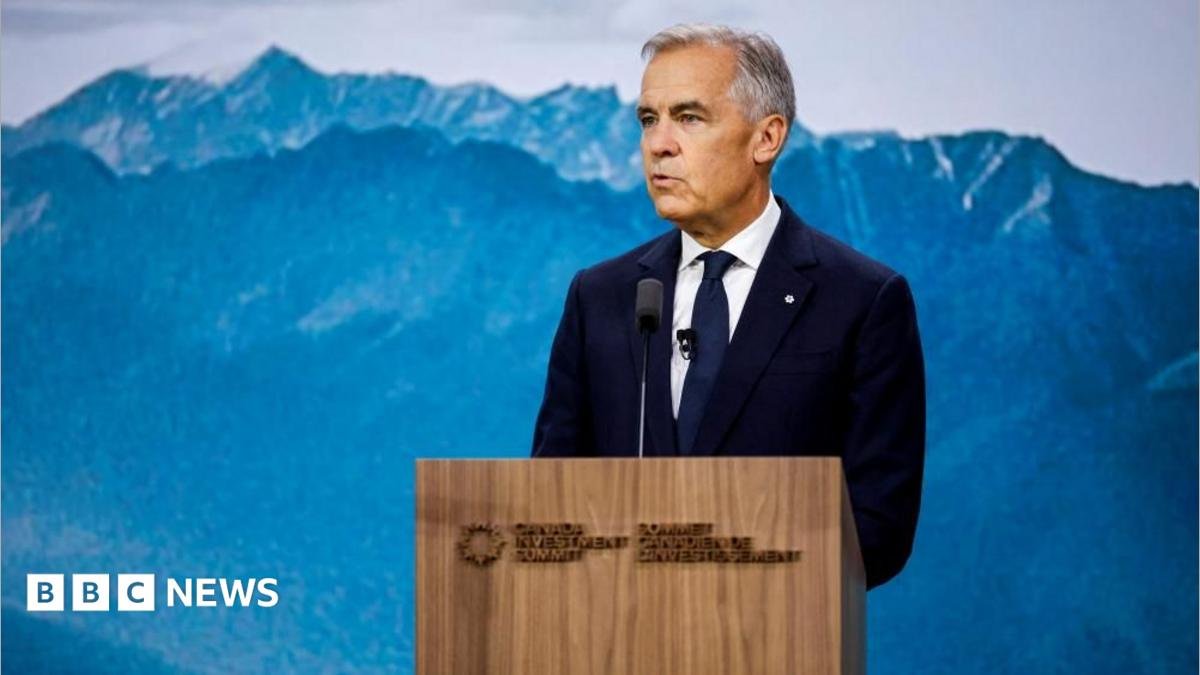
Prime Minister Mark Carney has found himself at the center of this diplomatic firestorm, working closely with provincial counterparts to present a cohesive front. The political discourse has shifted toward the issue of international credibility, with many Canadian officials questioning the viability of future negotiations given the current administration's stance. The sentiment that it is increasingly difficult to rely on American commitments has become a central theme in the domestic political debate.
This erosion of trust is not merely a rhetorical stance but a reflection of the challenges Canada faces when dealing with a neighbor that is willing to use protectionist tactics so aggressively. As the federal government coordinates with the provinces, the focus remains on maintaining the integrity of the Canadian market while resisting external pressure. The situation remains fluid as both sides evaluate the long-term consequences of these restrictive trade policies.
Looking ahead, the road to resolving this trade dispute appears complex. The Canadian leadership is preparing for a prolonged period of economic friction, necessitating a pivot toward diversifying trade relationships beyond the United States. While the US remains Canada's largest trading partner, the current volatility has accelerated discussions regarding the need for greater economic autonomy and resilience.
Ultimately, the actions taken makers. ave effectively united disparate political factions within Canada. The coming months will likely be defined s Canada navigates this challenging chapter in its relationship with its southern neighbor.