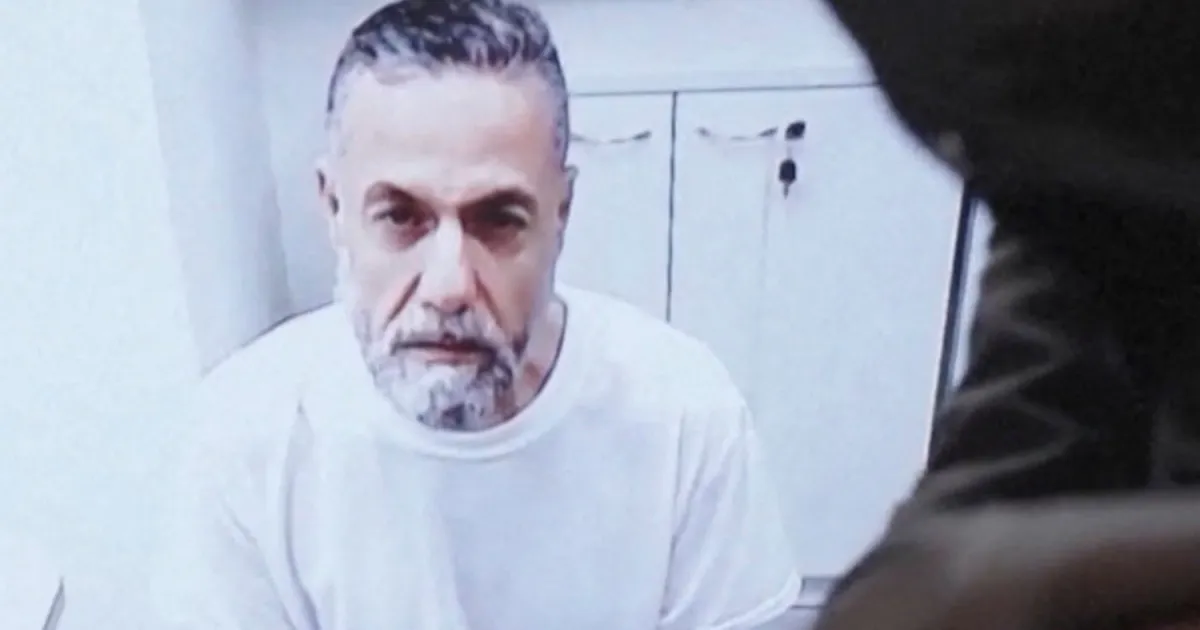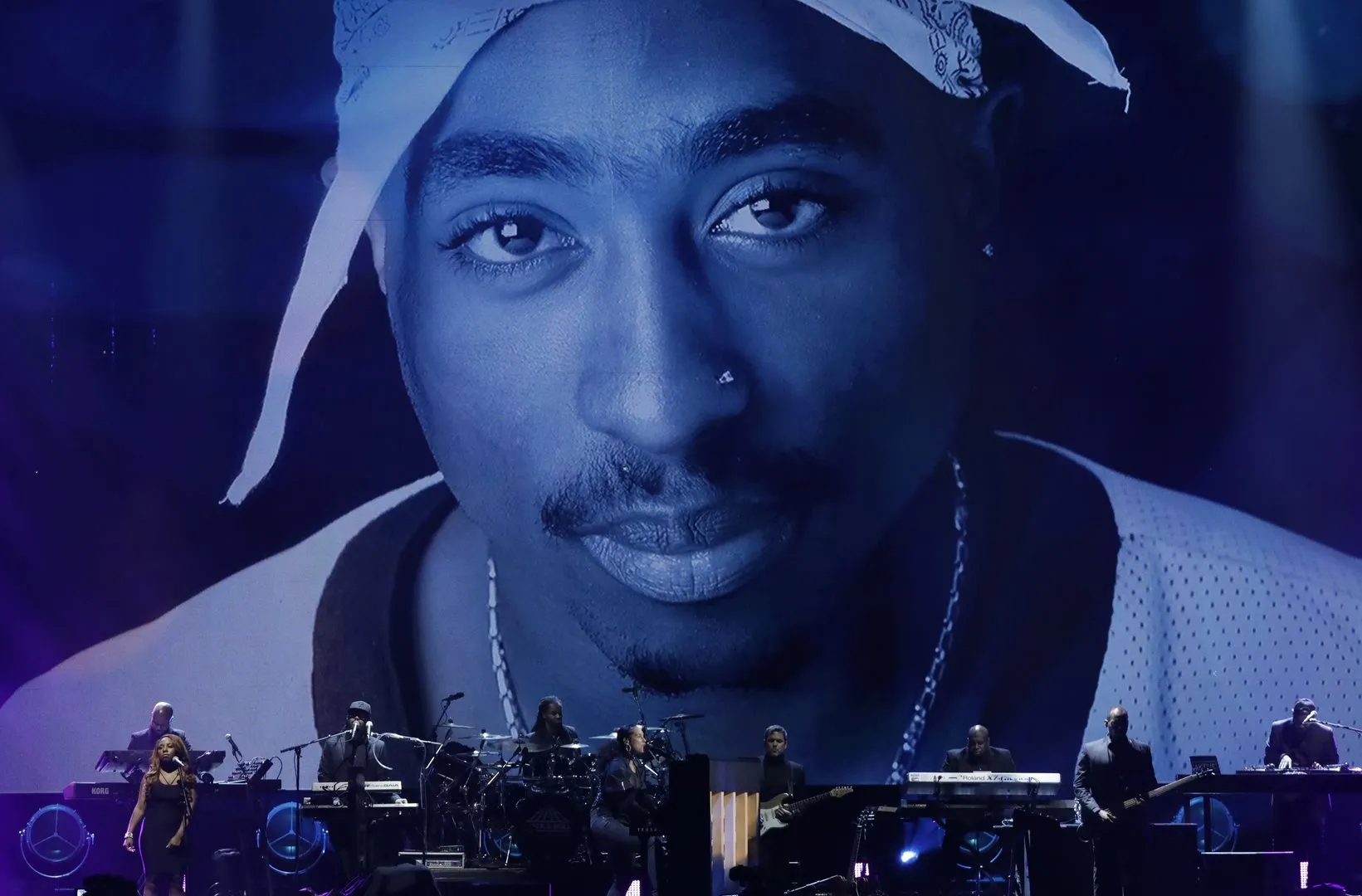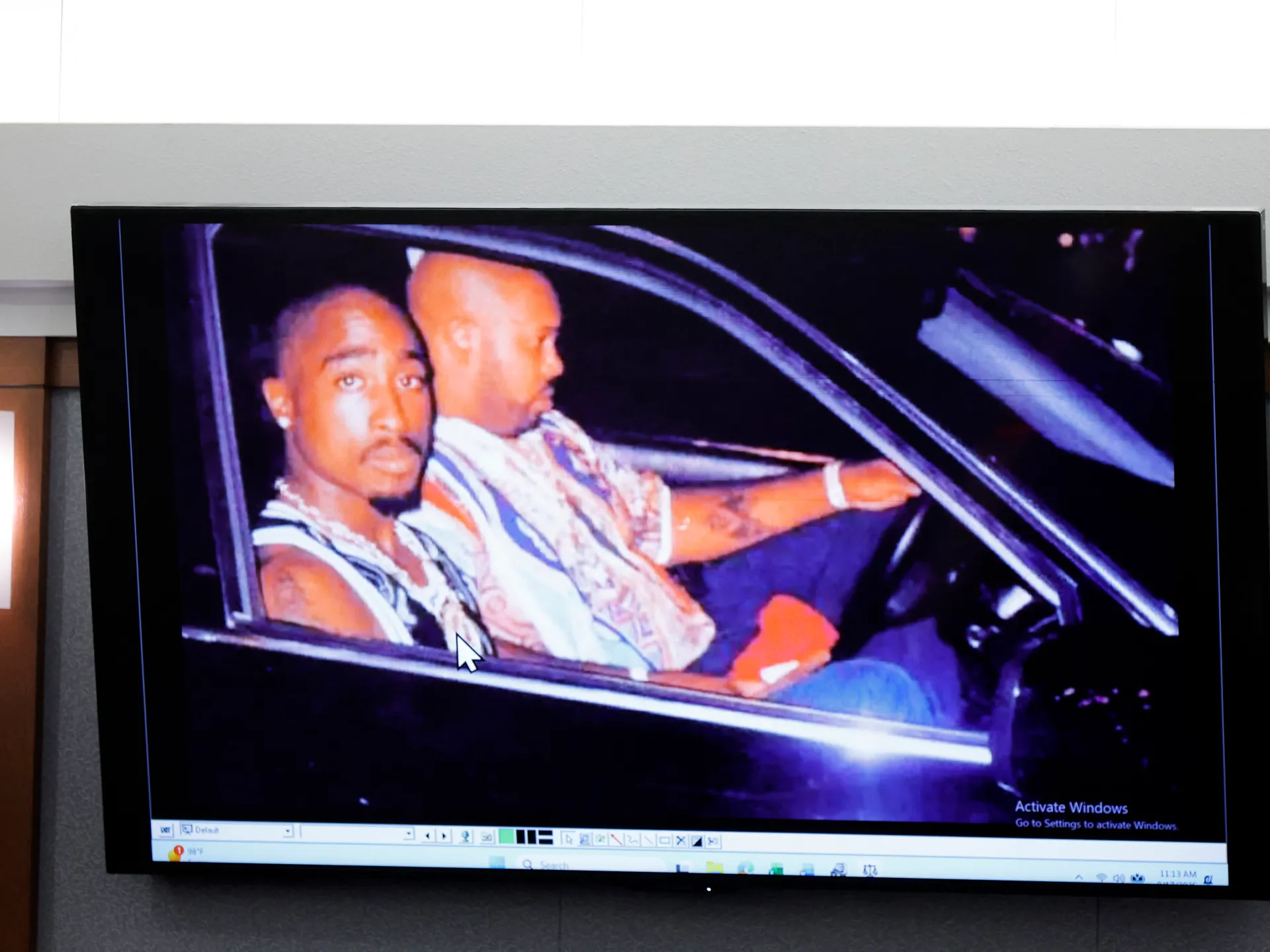
The trial of Duane 'Keefe D' Davis, the alleged mastermind behind the 1996 murder of rapper Tupac Shakur, has officially commenced in a Las Vegas court.
The long-awaited legal proceedings regarding the 1996 killing of hip-hop icon Tupac Shakur have officially begun in a Las Vegas courtroom. Duane "Keefe D" Davis, a 63-year-old former gang leader, stands accused of orchestrating the drive-cterized Davis as the primary commander on the ground, alleging he facilitated the violence that unfolded in the Paradise area of Nevada nearly thirty years ago.
During opening statements, prosecutor Binu Palal informed the jury that the state intends to demonstrate how Davis ensured the shooters were armed and prepared to carry out the lethal plan. The prosecution's narrative hinges on the assertion that the attack was a calculated act of retribution. According to the state, the evidence against Davis will be bolstered various public statements made in the years following the incident.
Davis is currently facing a single count of murder involving a deadly weapon, with additional allegations that the act was committed to further the interests of a criminal street gang. Despite the gravity of these charges, Davis has entered a plea of not guilty. The trial, presided over amines decades-old evidence and testimony.
The incident that led to Shakur's death is rooted in a volatile rivalry between two prominent Los Angeles-area street gangs: the South Side Compton Crips and the Mob Piru. Davis, who has identified himself as a leader within the Compton Crips, allegedly sought revenge after a physical altercation involving his nephew at a Las Vegas casino. The tension escalated on the night of September 7, 1996, while both parties were in the city to attend a heavyweight boxing match featuring Mike Tyson.
Prosecutors contend that the confrontation at the casino served as the catalyst for the subsequent drive-e attack and provided it to individuals riding in the back of a white Cadillac. The group then tracked the vehicle carrying Shakur and Death Row Records co-founder Marion "Suge" Knight, eventually opening fire when they caught up with them.
Shakur was hit a local hospital. Knight, who was behind the wheel, sustained only minor injuries from a grazing bullet fragment. This event remains a defining moment in the history of the music industry, signaling a dark period where the real-world violence of gang culture intersected with the burgeoning fame of the "gangsta" rap genre.
The defense team, led n's case, which relies on events from three decades ago. Sandt emphasized the difficulty of proving guilt after such a significant passage of time, questioning the credibility of the evidence presented. He directly challenged the jury to discern whether the prosecution's narrative is grounded in objective truth or mere speculation.
For years, law enforcement officials acknowledged that Davis was a primary suspect in the investigation; however, they previously lacked the admissible evidence required to bring formal charges. The breakthrough in the case reportedly occurred only after Davis began discussing the events publicly, providing the information that authorities eventually used to build their case. The defense now faces the task of undermining the weight of these past statements.
As the trial progresses, the court may hear from high-profile witnesses, potentially including Suge Knight, who is currently serving a 28-year sentence on unrelated charges. The testimony of those present that night is expected to be crucial in determining the outcome of this historic trial. As the proceedings unfold, the world remains focused on whether the legal system can finally provide closure to one of the most enduring mysteries in music history.