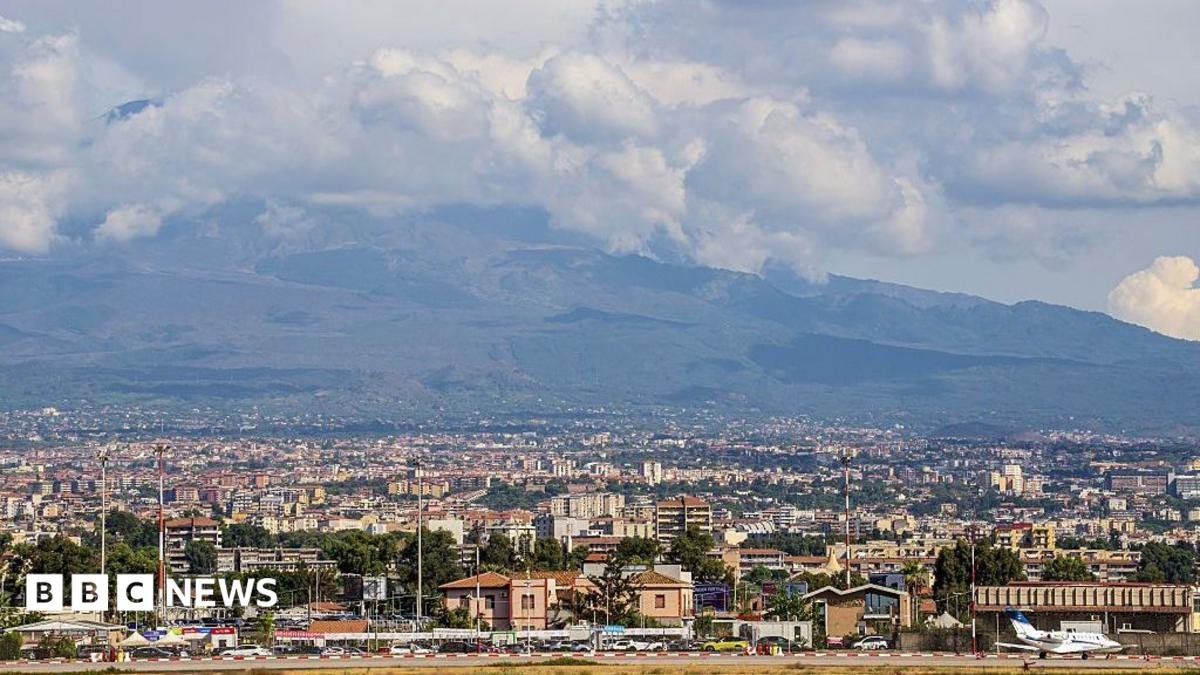
Catania International Airport has suspended all flights as Mount Etna continues to emit volcanic ash, marking the second major disruption in recent months.
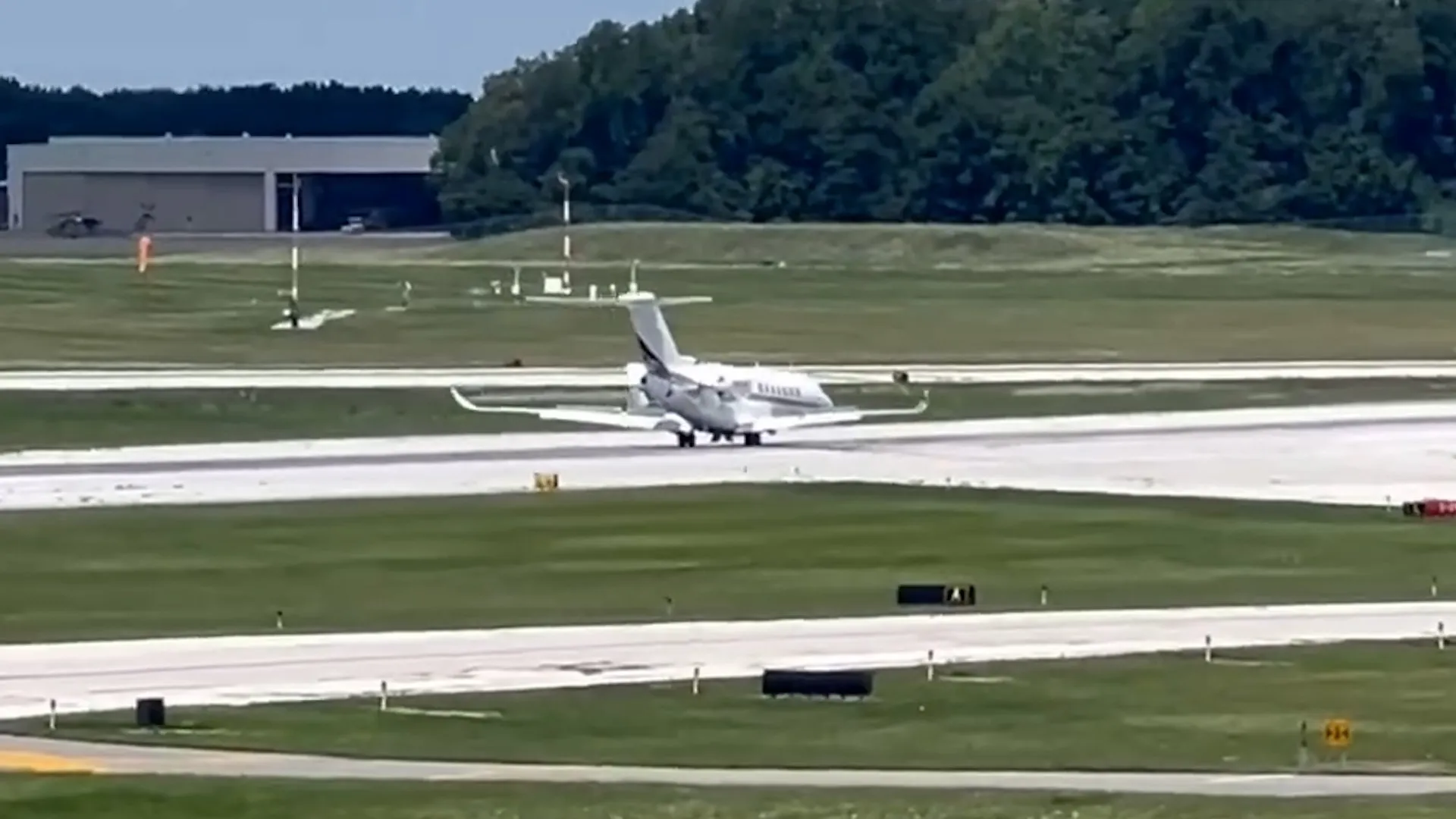
Catania International Airport, a critical transportation hub located on the eastern coast of Sicily, has been forced to suspend all flight operations following a significant eruption from Mount Etna. The airport, recognized as the fifth-busiest in Italy, halted both arrivals and departures on Monday after volcanic ash began to blanket the surrounding airspace. Officials have confirmed that the suspension is expected to remain in effect through Tuesday evening, impacting thousands of travelers who rely on this facility for domestic and international transit.
The decision to ground flights comes after the INGV Etneo Observatory issued a red aviation alert, the highest warning level available, signaling a severe risk to aircraft safety. Volcanic ash is notoriously hazardous to aviation, as the fine, glass-like particles can damage jet engines, clog cooling systems, and obscure pilot visibility. Consequently, the airport management has urged all passengers to refrain from traveling to the terminal and to instead contact their respective airlines for the latest updates regarding flight cancellations and potential rescheduling options.
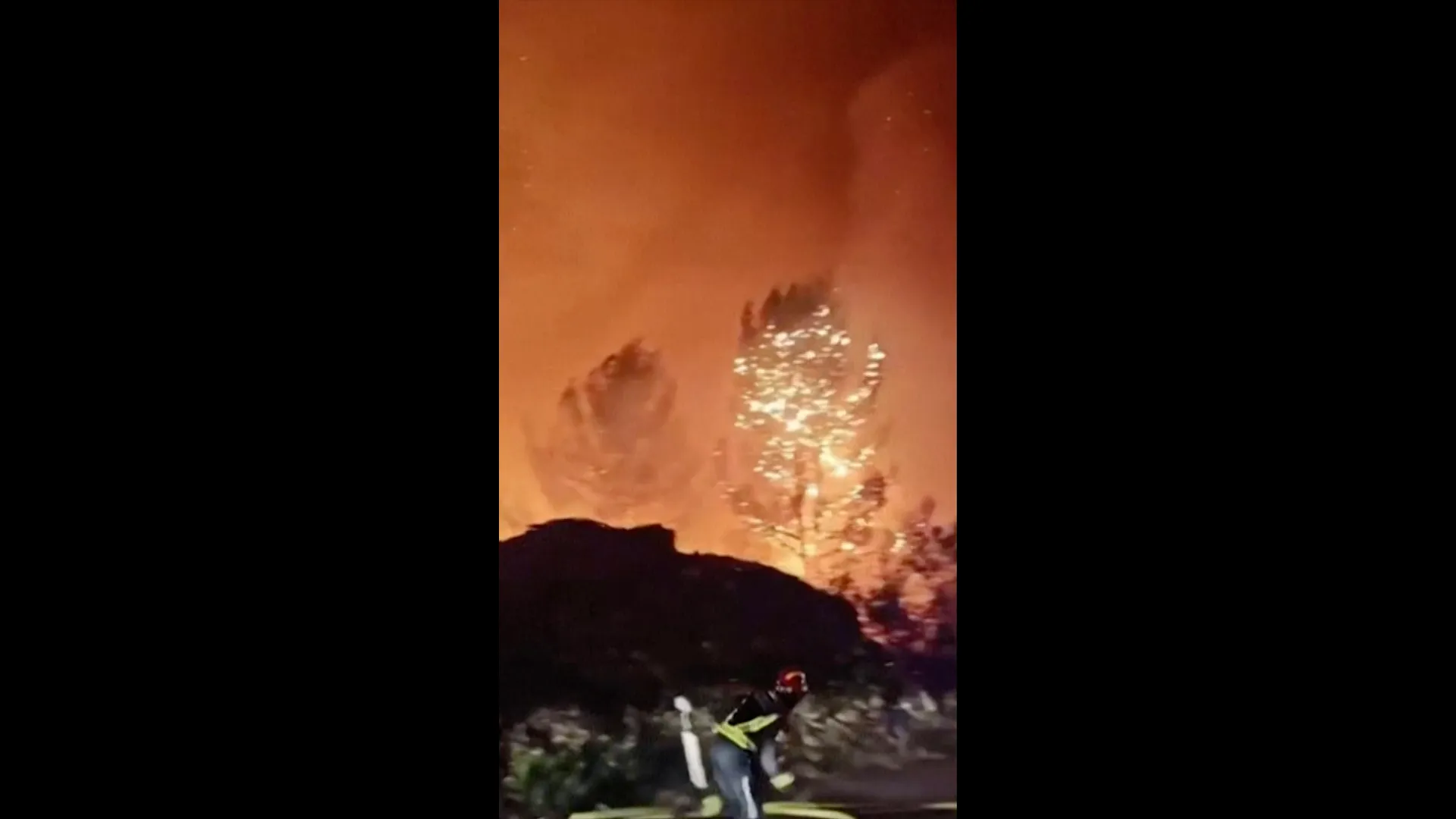
Mount Etna stands as Europe's tallest and most active volcano, reaching an elevation of 3,324 meters. Its proximity to Catania, located just 40 kilometers away, creates an ongoing logistical challenge for local authorities and the aviation industry. While the volcano provides a dramatic landscape that attracts approximately 1.5 million tourists annually, its frequent eruptions often result in periodic shutdowns of regional infrastructure, particularly the airport.
This latest closure is not an isolated event. Only last month, during the height of the summer travel season, the airport was forced to cease operations for nearly a week due to similar volcanic activity. This recurring pattern of disruption has sparked a broader debate regarding the long-term viability of the current airport location. Some experts and local stakeholders have begun calling for a re-evaluation of Sicily’s transport infrastructure, suggesting that other facilities on the island may need to be expanded to ensure that air travel remains reliable even when the volcano is active.
The aviation industry maintains strict protocols when dealing with volcanic emissions. Once ash is detected in the atmosphere, safety regulations mandate immediate flight suspensions to prevent the catastrophic failure of aircraft engines. Given the frequency of Etna’s eruptions, Catania airport has developed specialized procedures to manage these crises, focusing primarily on the safety of passengers and flight crews while attempting to minimize the economic fallout for the region.
Despite the significant disruption to air travel, the cultural relationship between the Sicilian population and Mount Etna remains complex. While the ash causes frustration for commuters and tourists alike, the volcano remains a major draw for sightseers. During the most recent activity in August, large crowds gathered to witness the lava flows, highlighting the dual nature of the volcano as both a dangerous geological force and a central element of the island's tourism appeal. For now, however, the priority remains the stabilization of the air travel network as scientists continue to monitor the volcano's output.