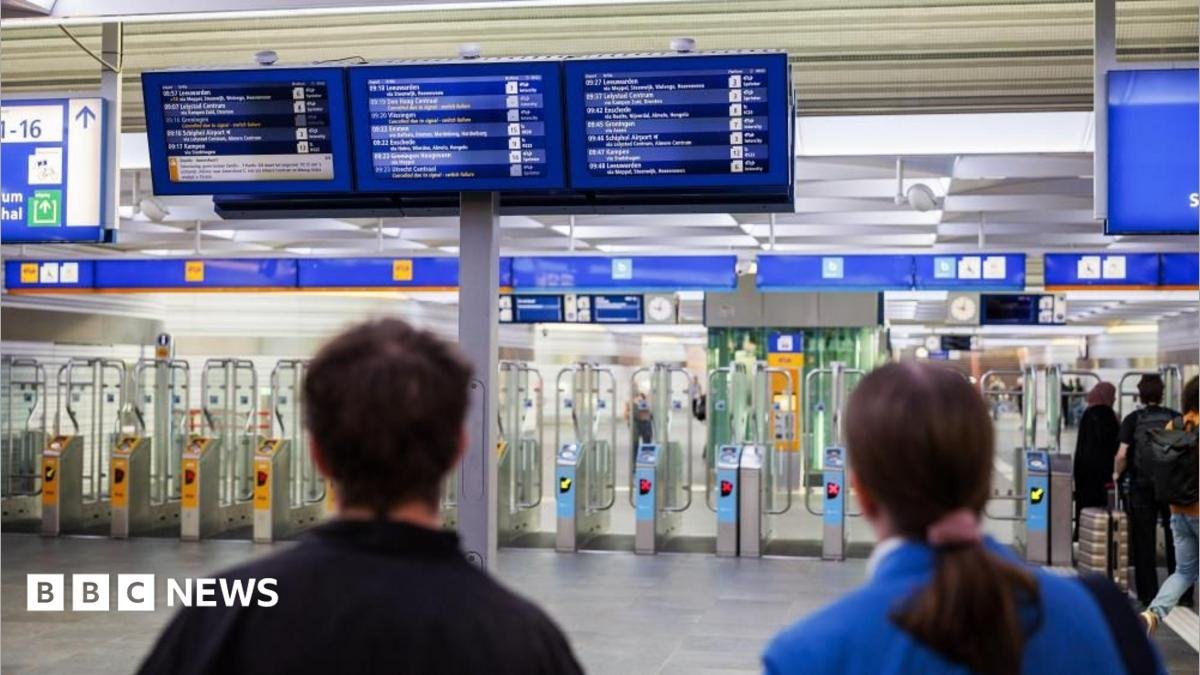
A series of deliberate acts involving metal pipes placed on tracks has caused widespread train cancellations and signaling failures throughout the Netherlands.
Commuters across the Netherlands faced significant travel uncertainty on Tuesday as a deliberate act of sabotage crippled major sections of the national railway network. ProRail, the organization responsible for maintaining the country's rail infrastructure, issued an urgent warning to passengers residing in the central and northern regions, advising them to prepare for widespread cancellations and prolonged delays. The disruption has been particularly acute for those attempting to reach key transit hubs, including the busy Utrecht station and the Amsterdam Schiphol Airport, which serves as one of Europe’s most critical international aviation gateways.
The impact of the incident was felt almost immediately, with the national rail operator reporting at least 15 distinct service disruptions scade of secondary technical issues. Most notably, several automated level crossings across the affected zones experienced critical malfunctions, posing a potential safety risk and forcing authorities to deploy emergency measures to secure these intersections. The scope of the interference suggests a highly coordinated effort to undermine the reliability of the Dutch transport system.
ProRail officials confirmed that the disruptions were not the result of routine technical failures or maintenance oversights. Instead, investigations revealed that foreign objects had been intentionally placed on the tracks at various locations. Detailed reports indicate that metal pipes, measuring approximately 1.5 meters (5 feet) in length, were discovered fastened to the railway infrastructure. These objects were specifically positioned to interfere with the electrical signaling systems, causing track section malfunctions that automatically halt train traffic to prevent collisions.
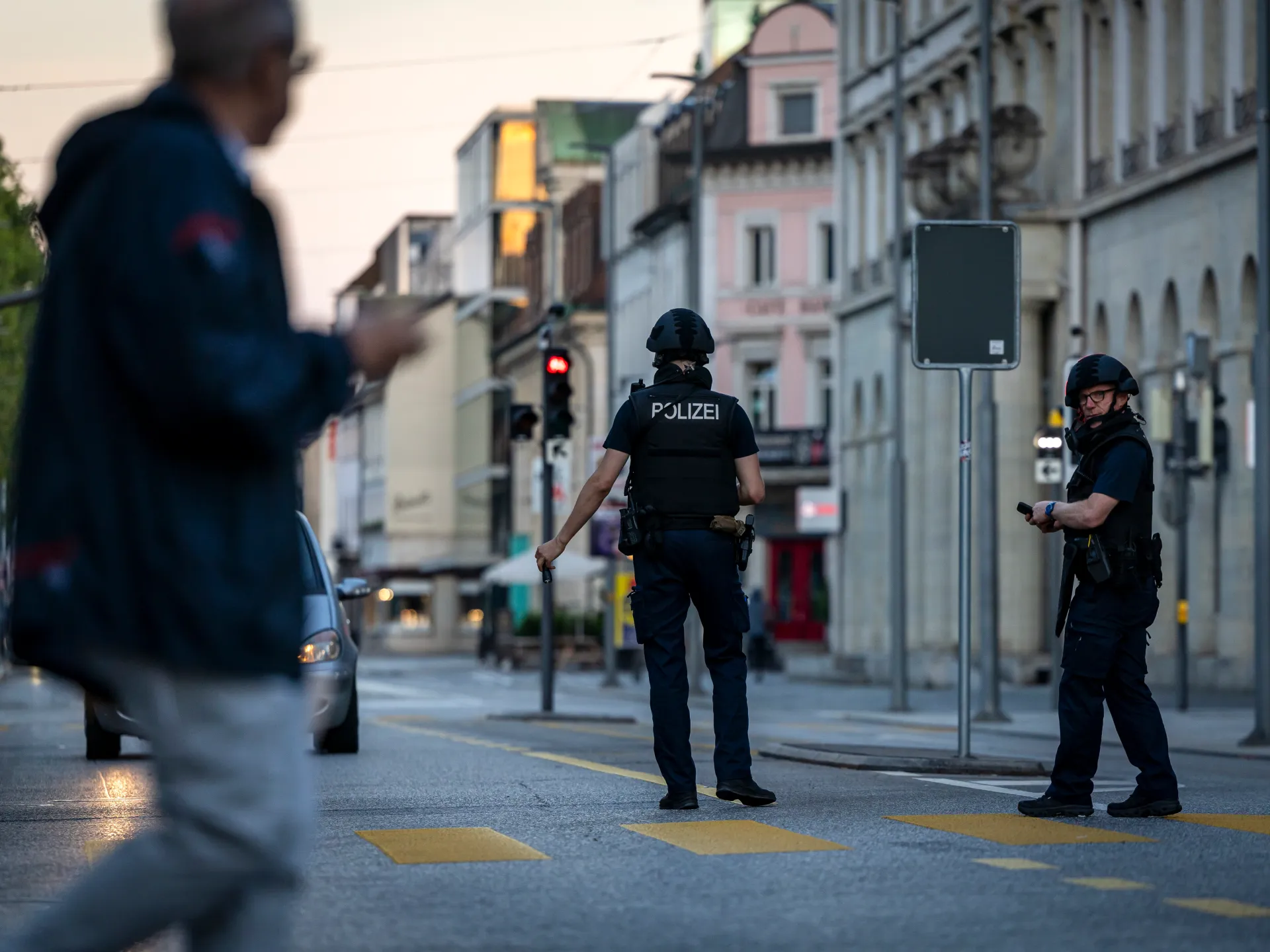
The national police unit has officially launched a formal investigation into the matter, treating the incident as a criminal act of sabotage. While authorities are currently scouring the affected areas for forensic evidence, they have yet to identify any specific suspects or determine a clear motive behind the attacks. The precision required to attach these materials to the tracks suggests a level of familiarity with railway operations, leading investigators to look into whether this was a targeted strike against national infrastructure or a broader attempt to sow public disorder.
The safety of the rail network remains the primary concern for both ProRail and the Dutch government. ay’s fail-safe mechanisms, which prioritize passenger safety ructed. While this prevented any immediate physical accidents, the resulting gridlock has highlighted the vulnerability of the country's interconnected transport grid to low-tech, high-impact interference.
As repair crews work to clear the tracks and restore normal signaling operations, the Dutch police are appealing to the public for any information regarding suspicious activity near rail lines. ProRail continues to provide real-time updates to passengers, though the volatility of the situation means that travelers are being warned that the recovery process could take significant time. The incident has prompted a broader conversation regarding the security of critical national infrastructure and the challenges of protecting thousands of kilometers of track from individuals seeking to disrupt public services.