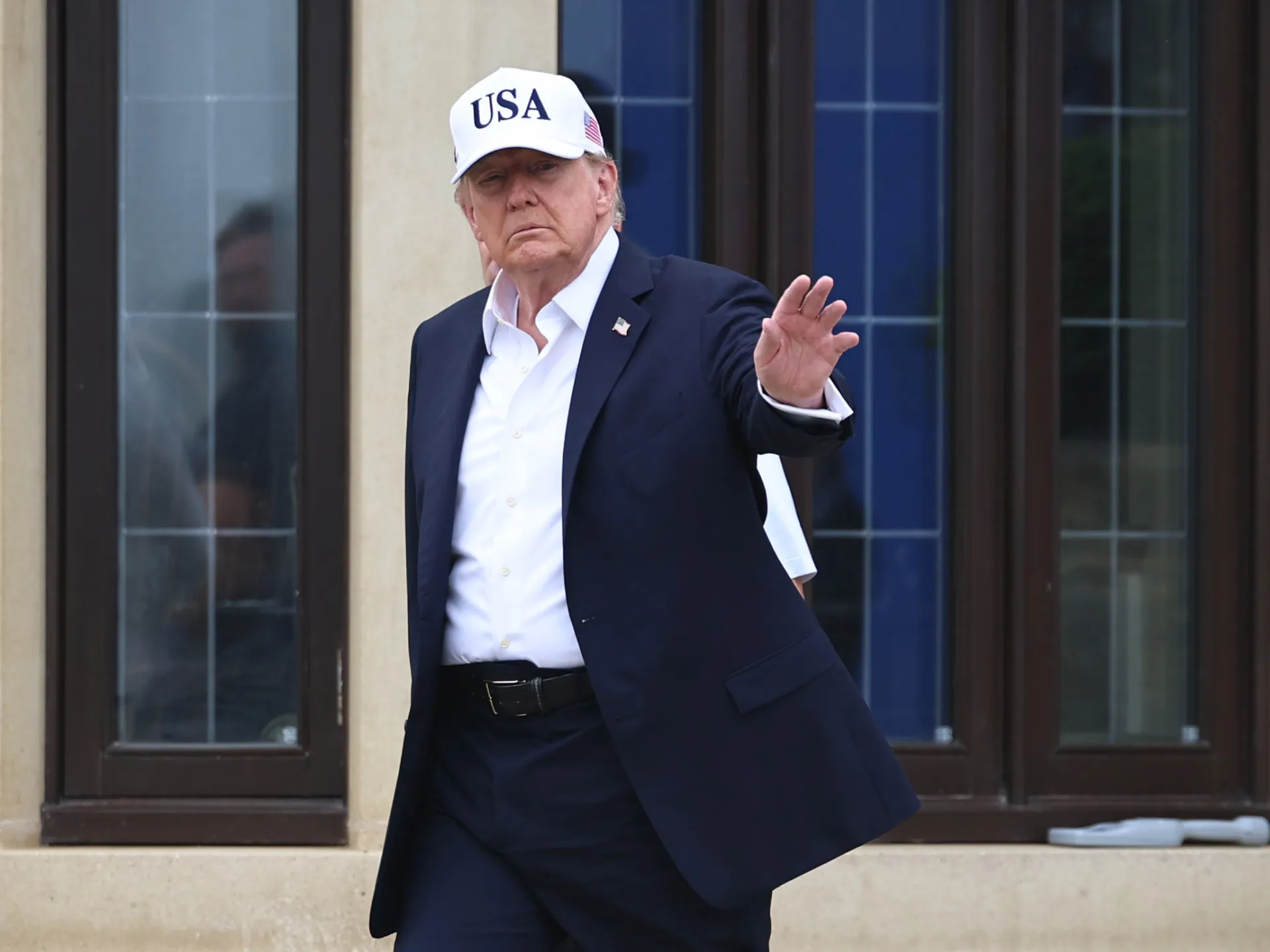
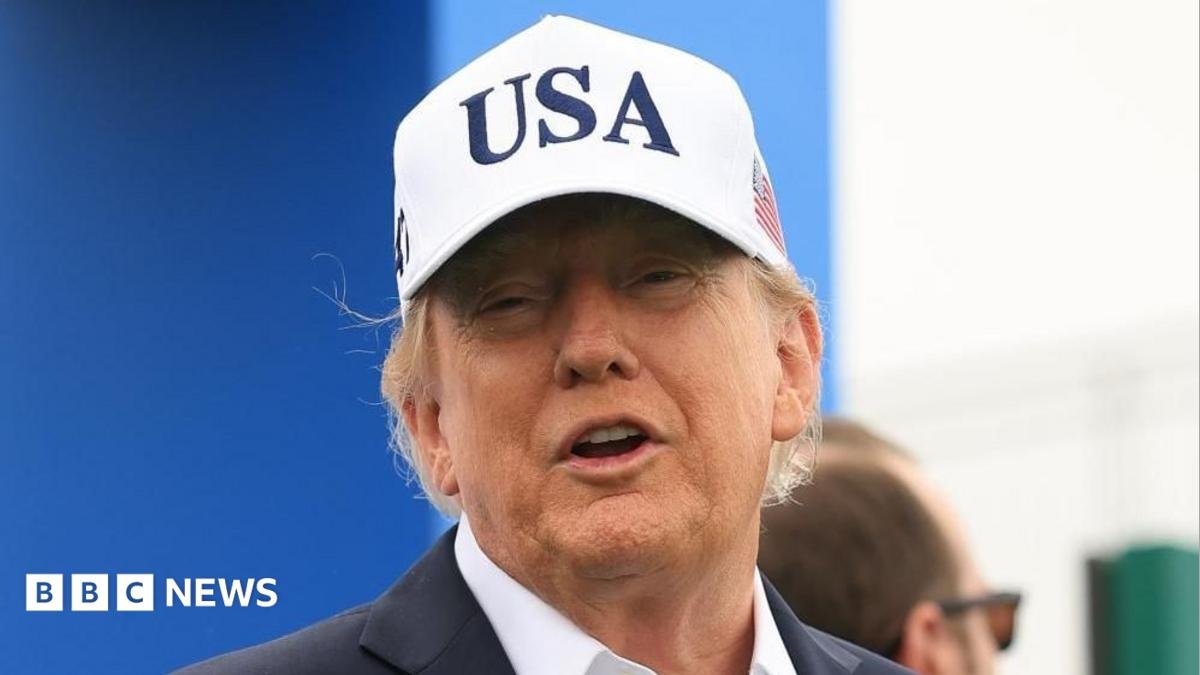
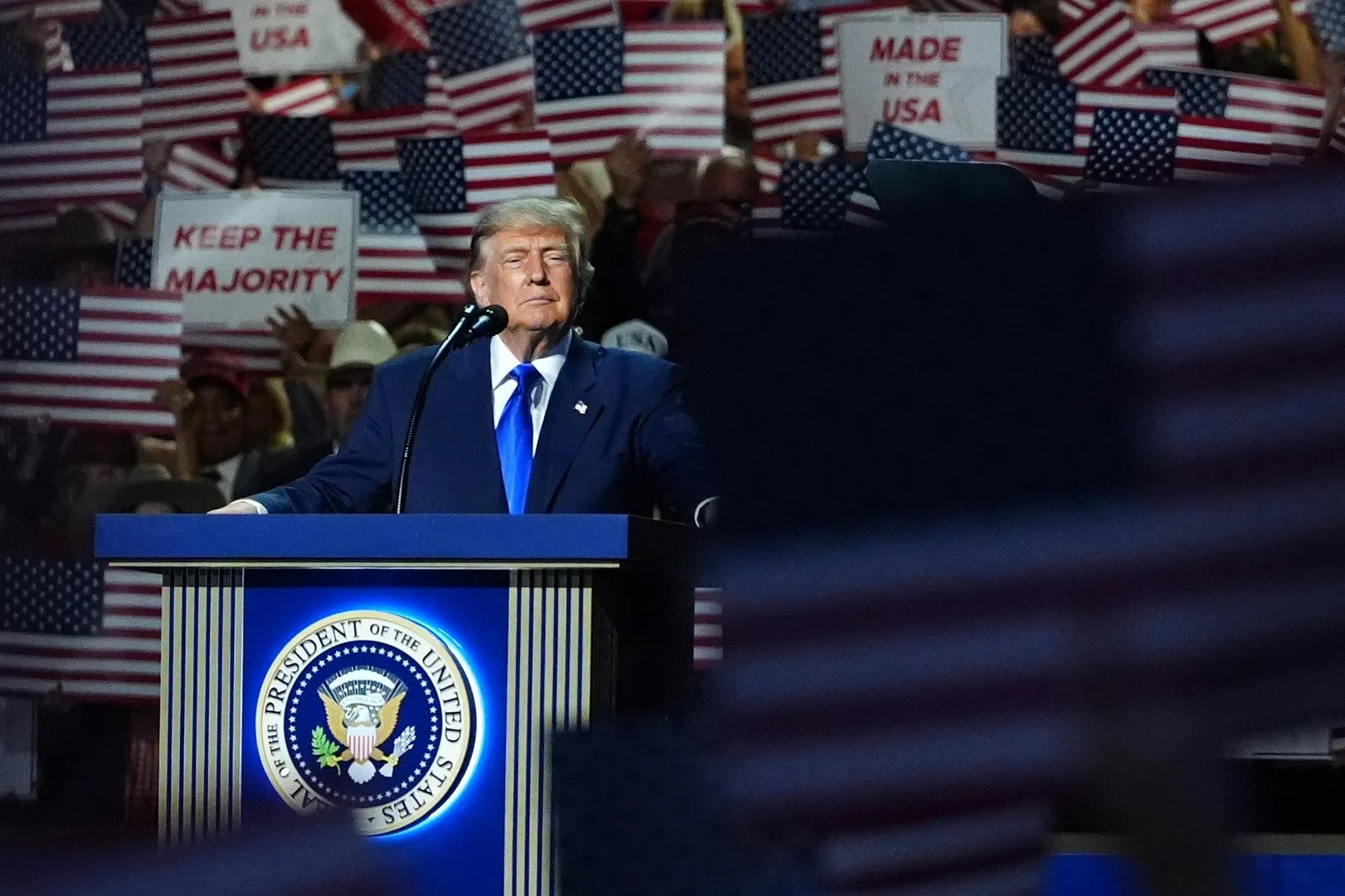
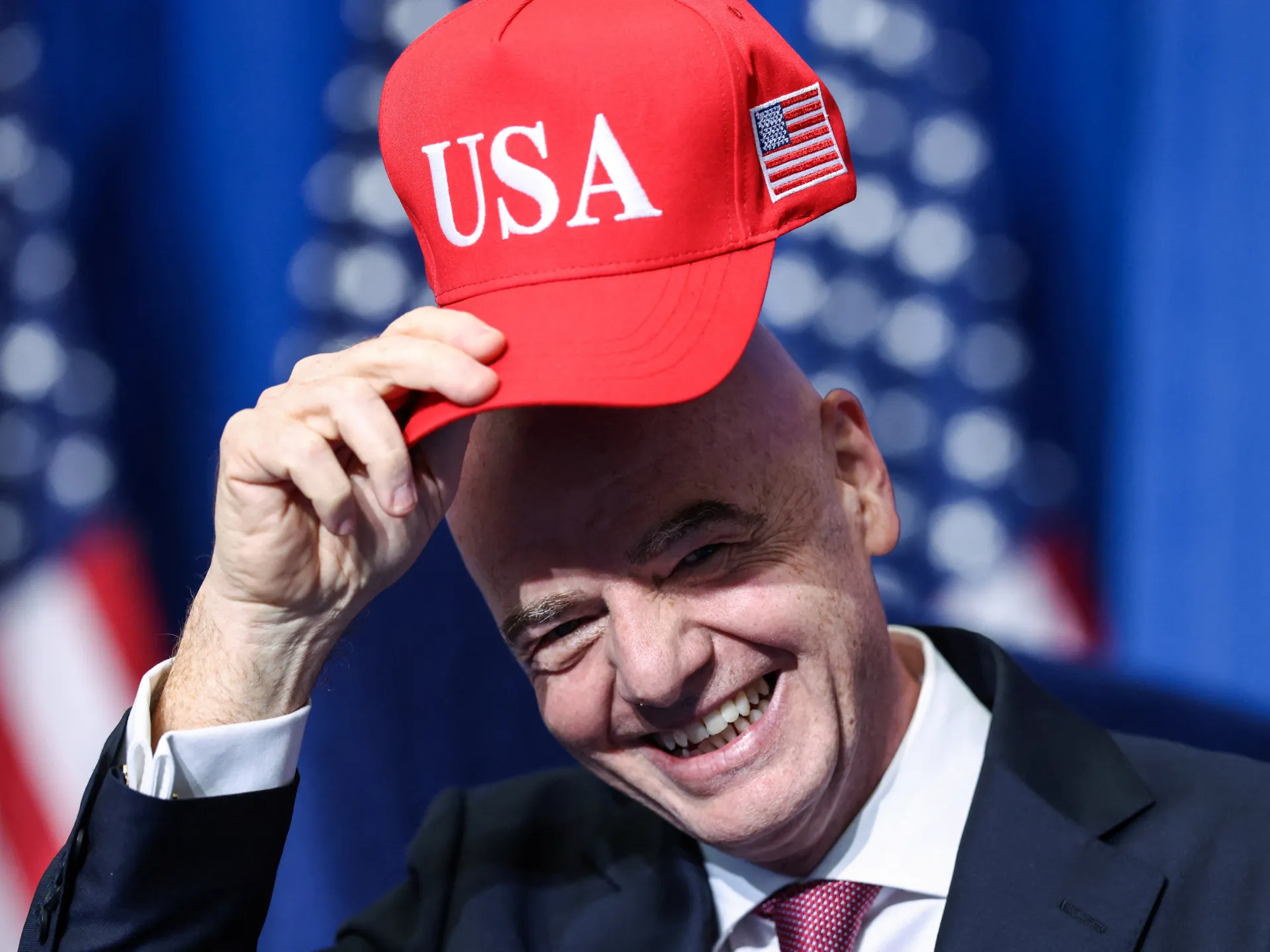
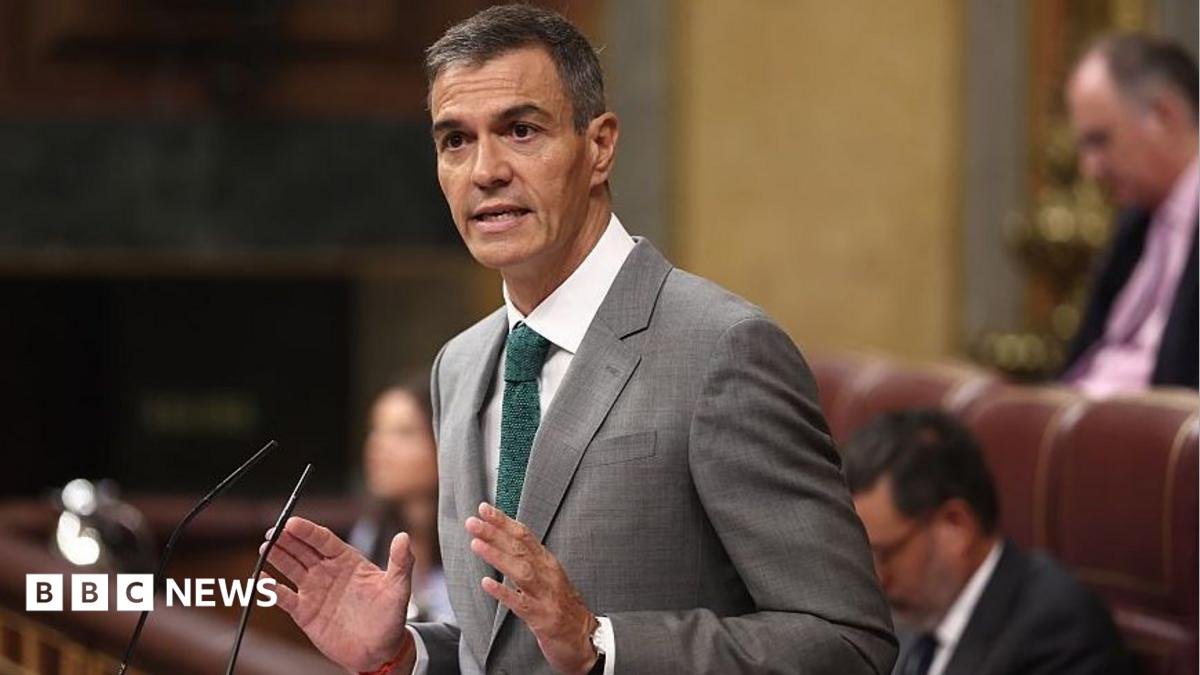
During a two-day visit to Ireland, the US President pledged to eliminate the 15% tariff on Irish whiskey, aiming to equalize trade conditions for producers.
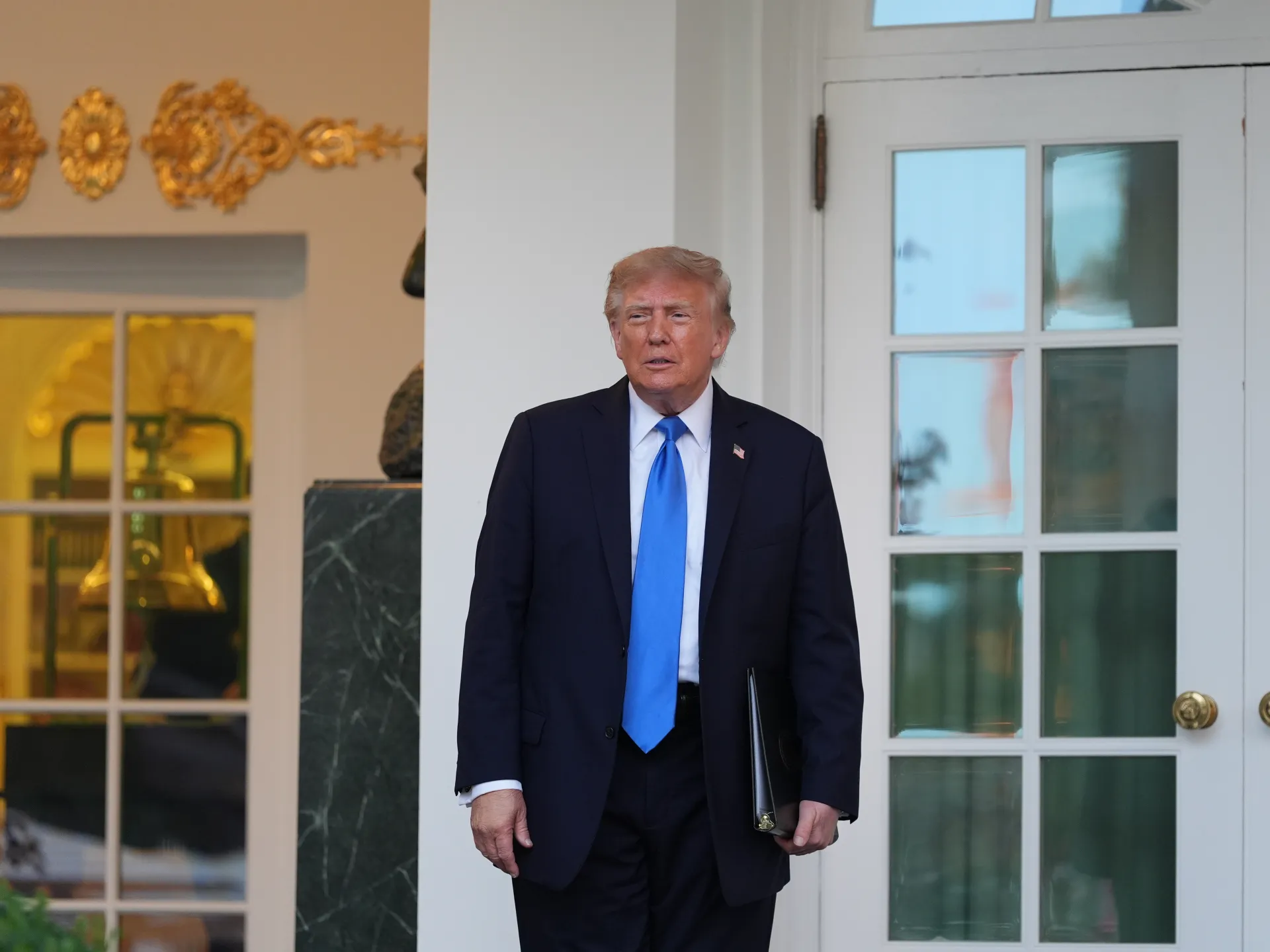
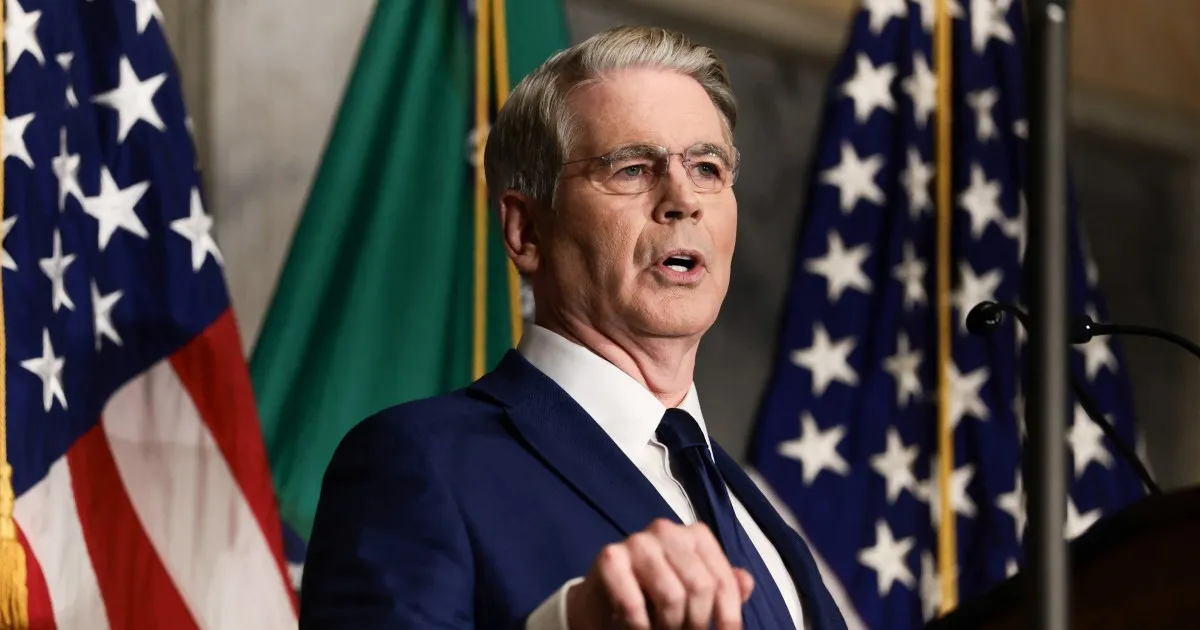
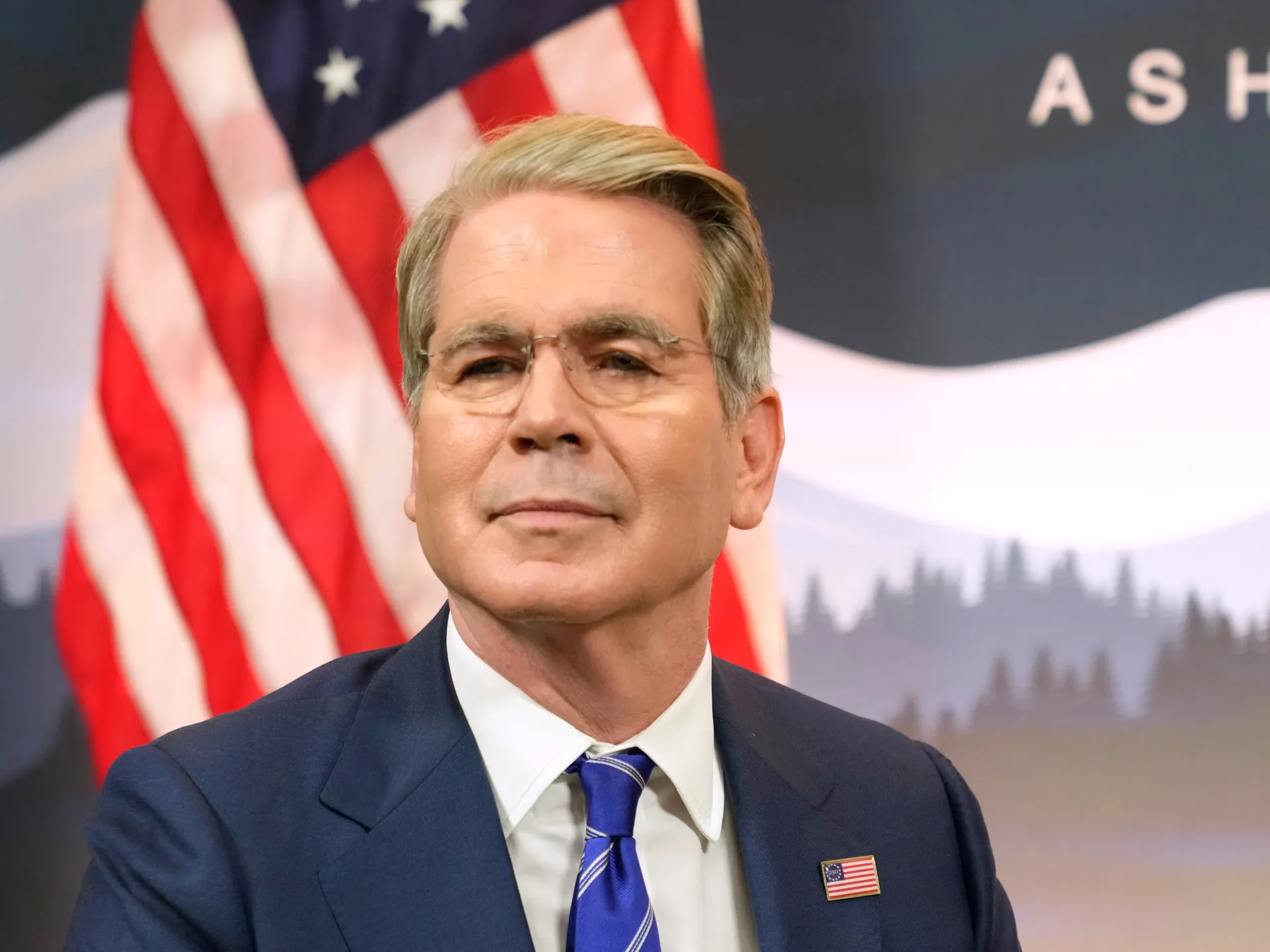
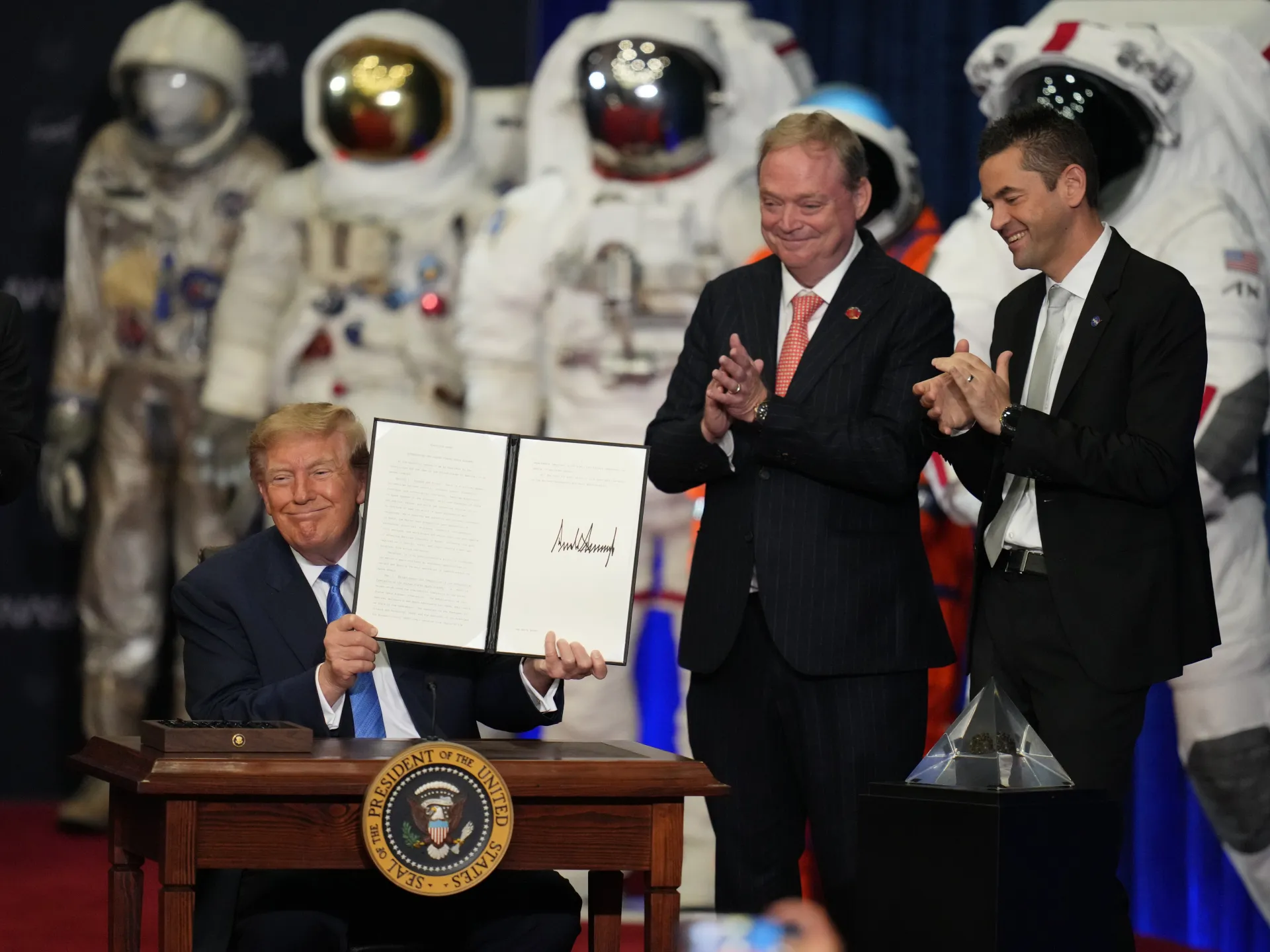
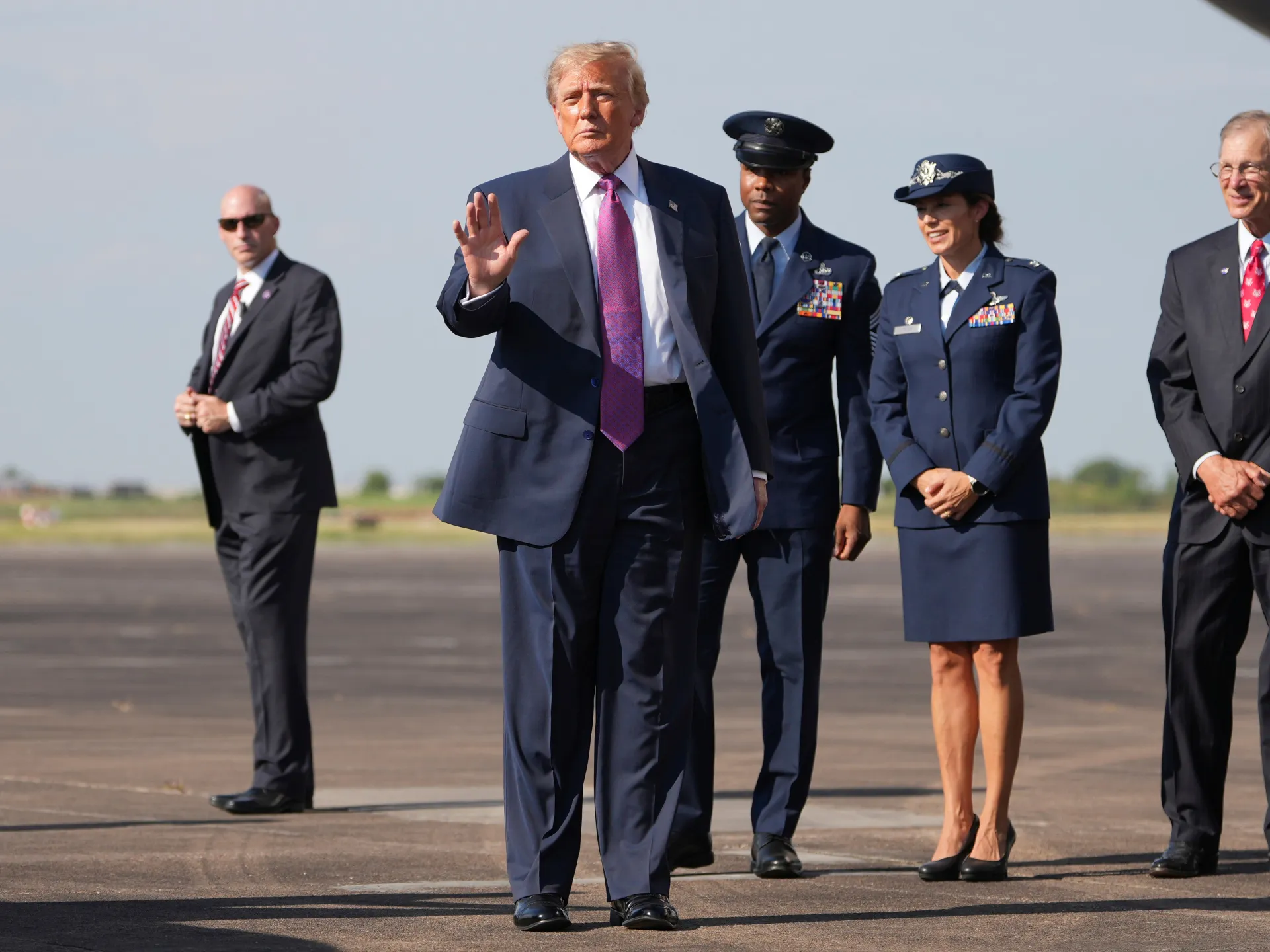
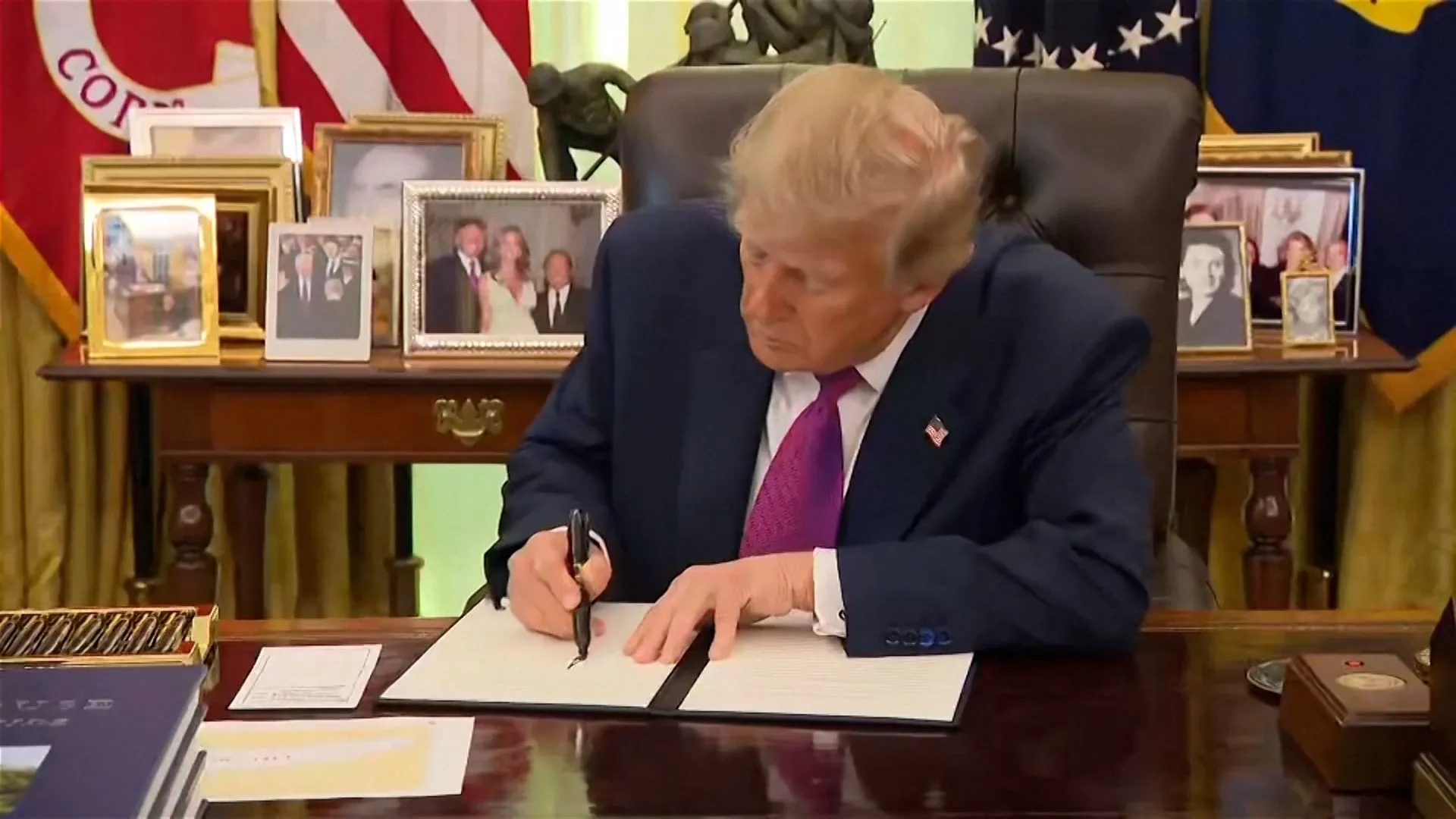
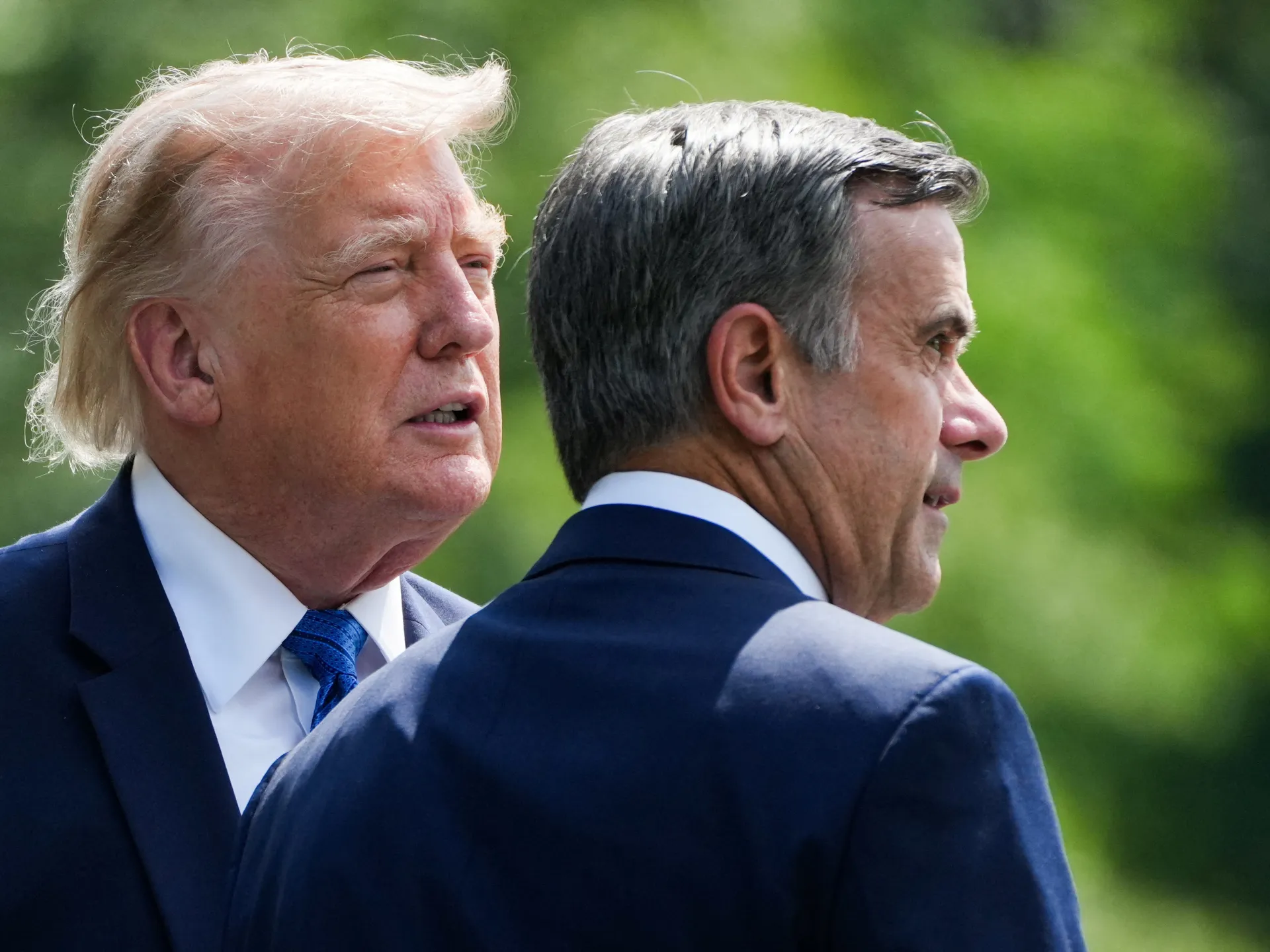
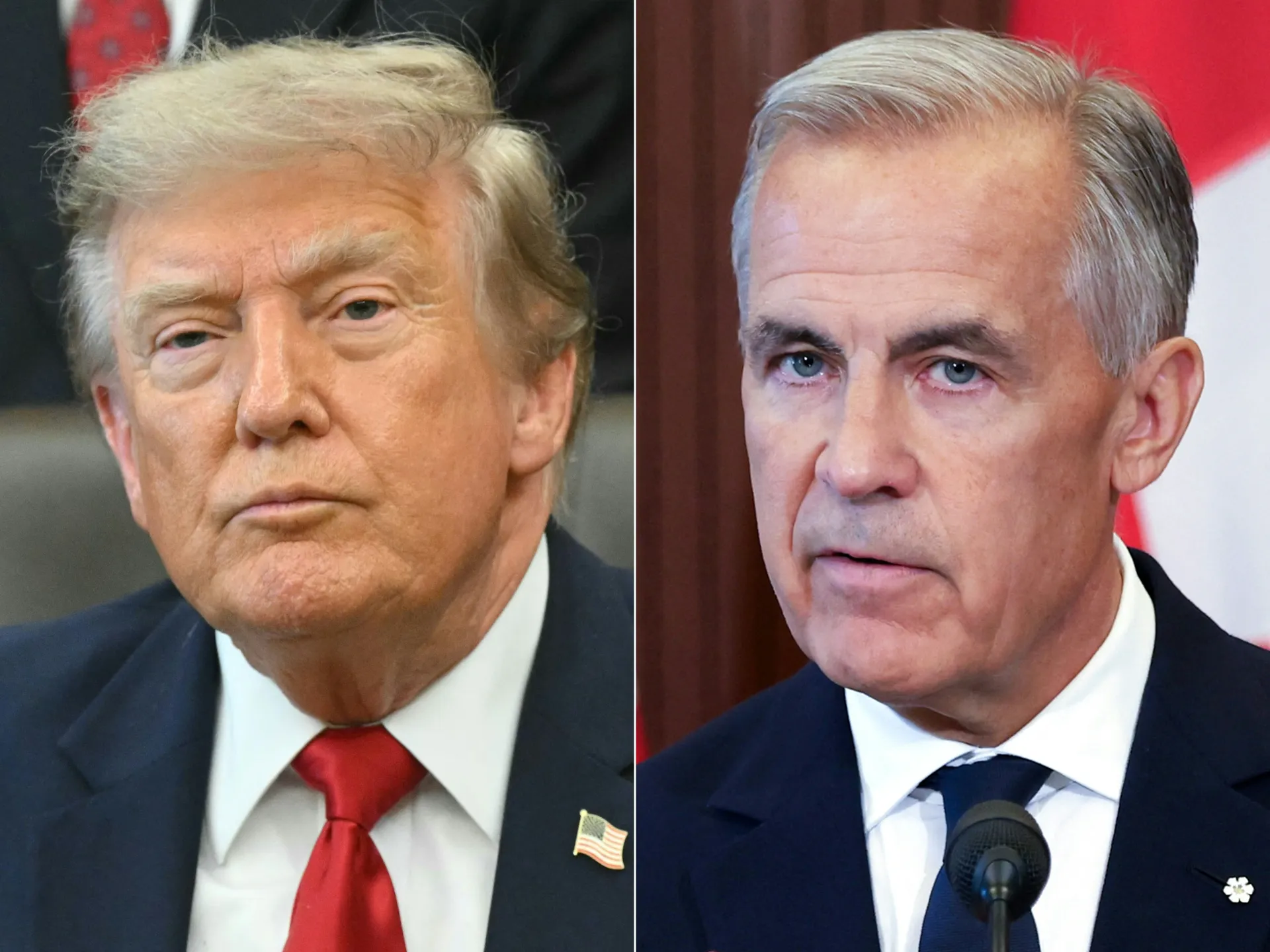
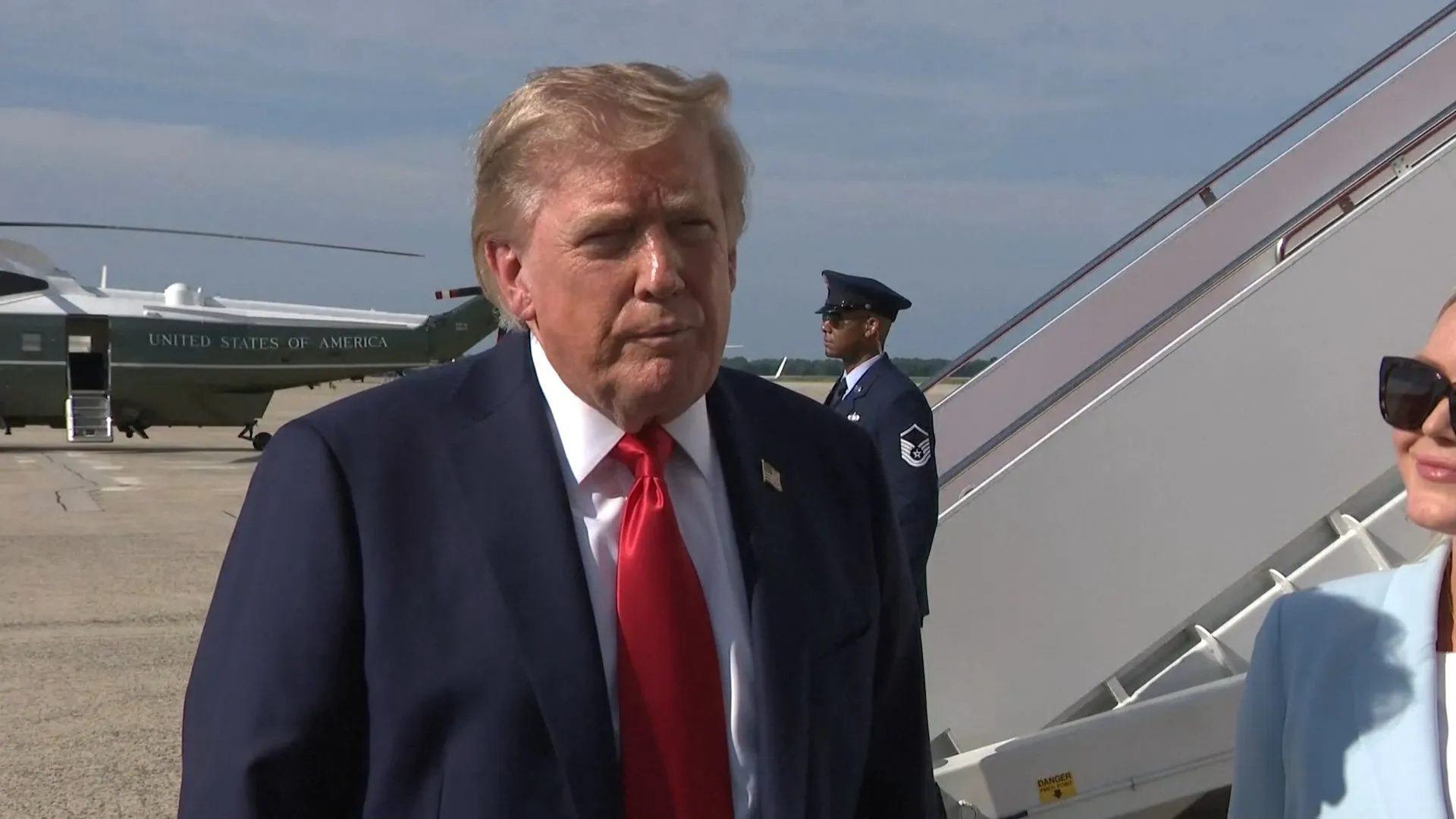
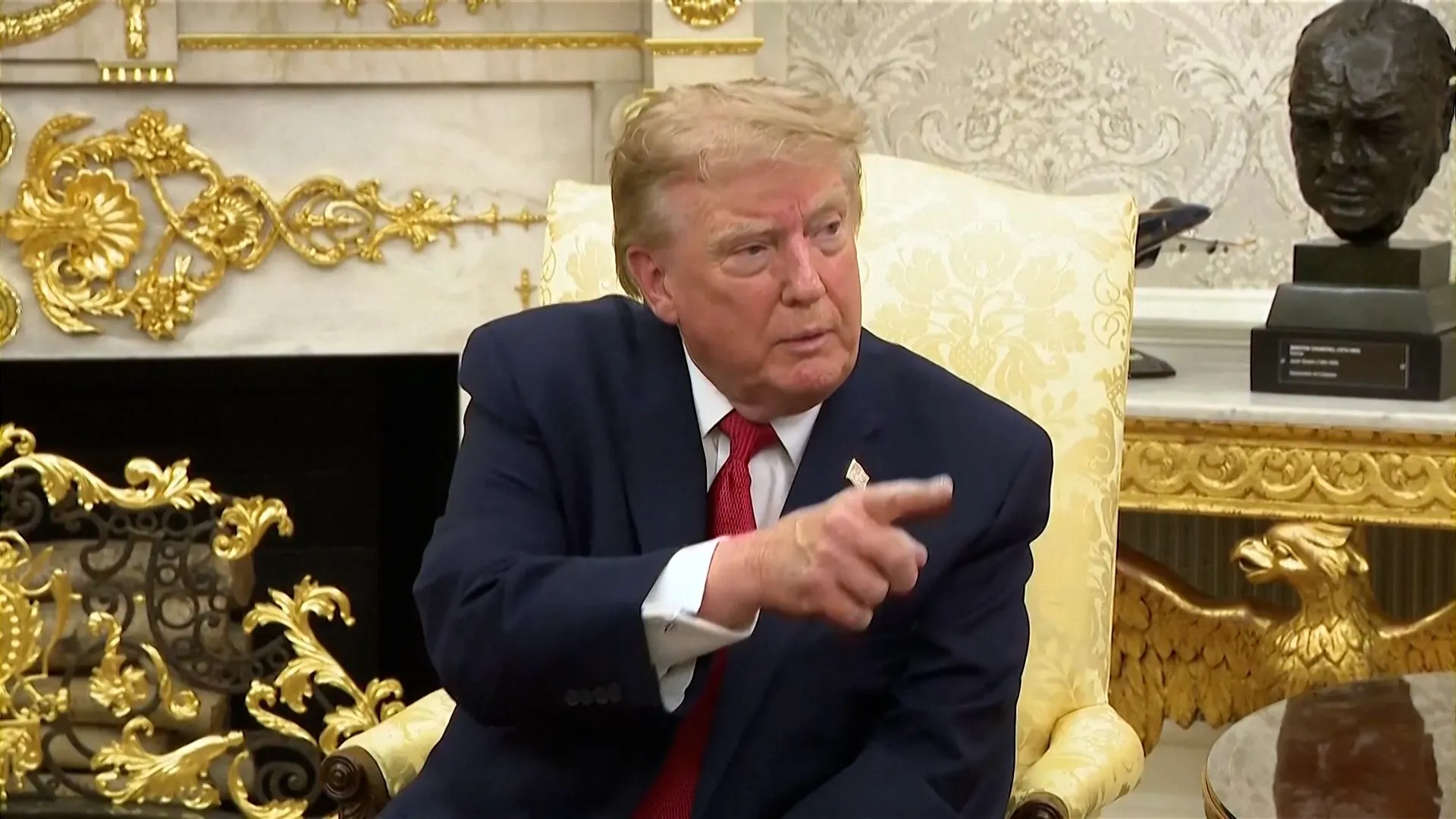
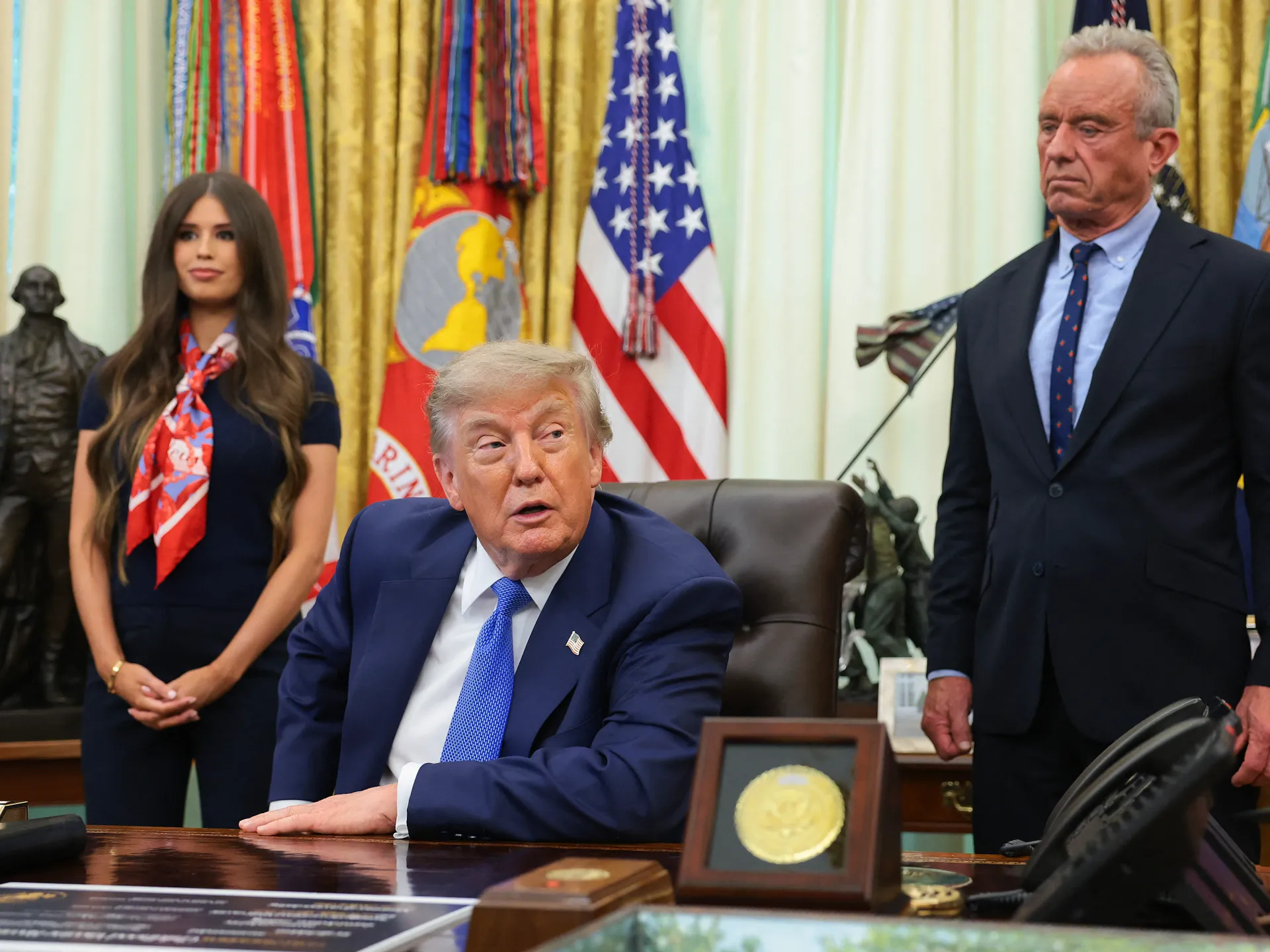
During the conclusion of a two-day visit to Ireland, the President of the United States announced a significant change in international trade policy regarding spirits. The administration intends to eliminate the 15% tariff currently imposed on whiskey produced in the Republic of Ireland. This move effectively aligns the tax treatment of these goods with whiskey manufactured in Northern Ireland and other parts of the United Kingdom, which previously enjoyed a duty-free advantage when entering the American market.
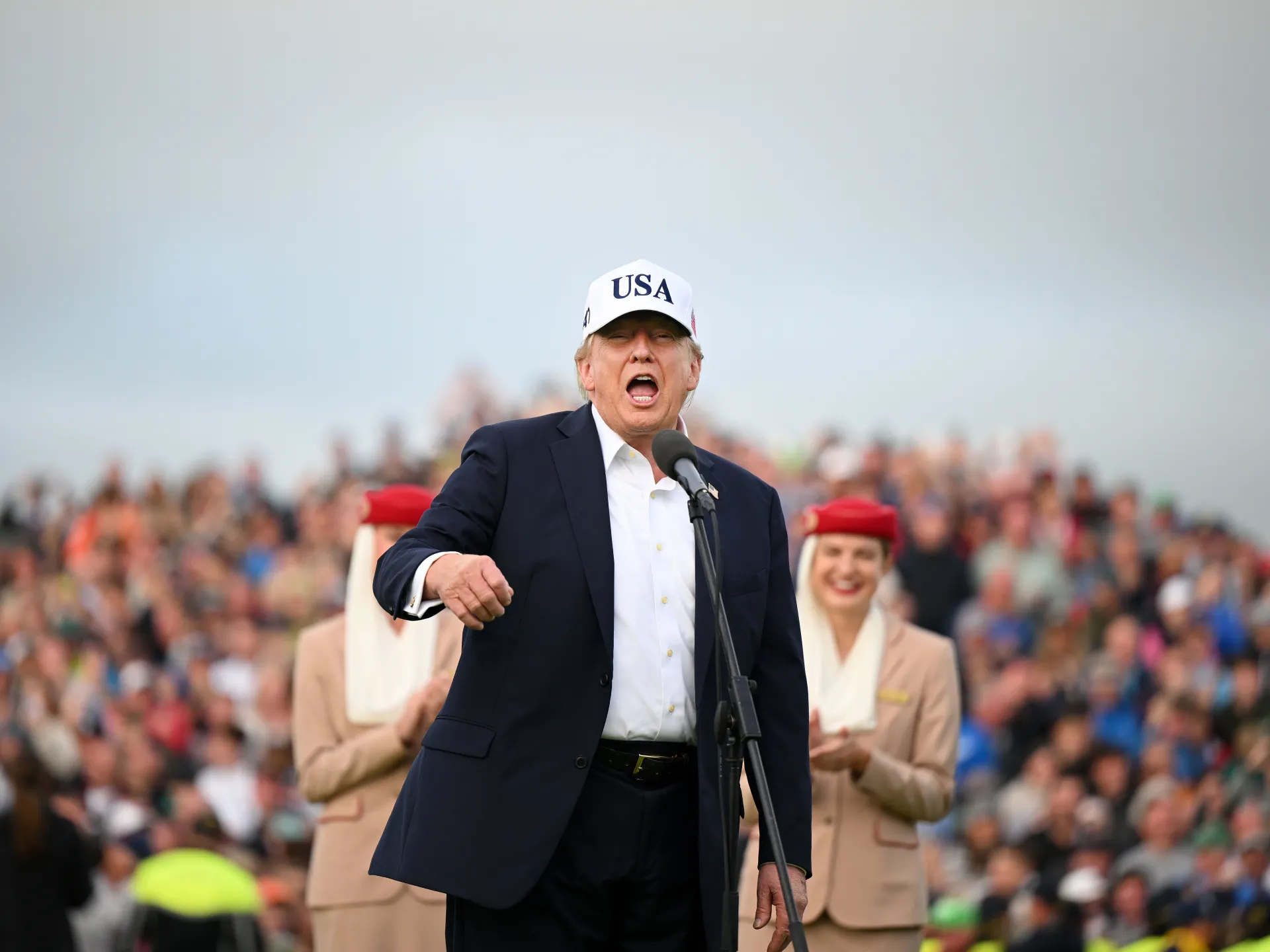
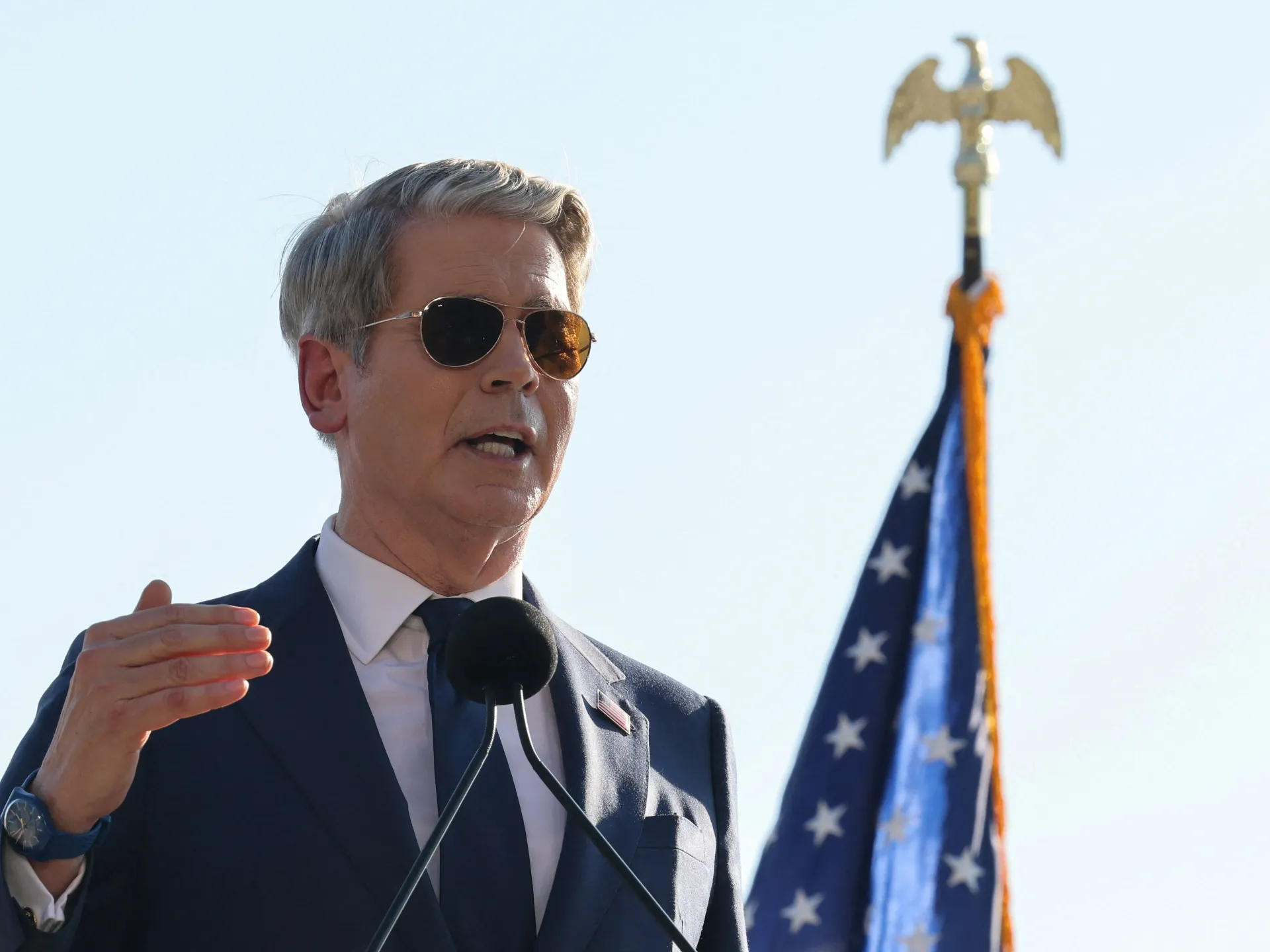
The announcement was made at the Trump International golf resort in Doonbeg, County Clare, shortly before the presentation of the trophy at the Irish Open. The President indicated that he had engaged in discussions regarding these trade barriers with both the Taoiseach and professional golfer Shane Lowry. in the industry described as an unfair competitive landscape.
Economic analysts note that this policy shift will likely alter the competitive balance between distilleries on either side of the border. Previously, complex all-island supply chains meant that some Northern Irish bottling facilities were categorized as EU producers rather than UK-based ones, inadvertently subjecting them to the same tariffs as their southern neighbors. The removal of these duties is expected to streamline trade relations and support the broader beverage export market.
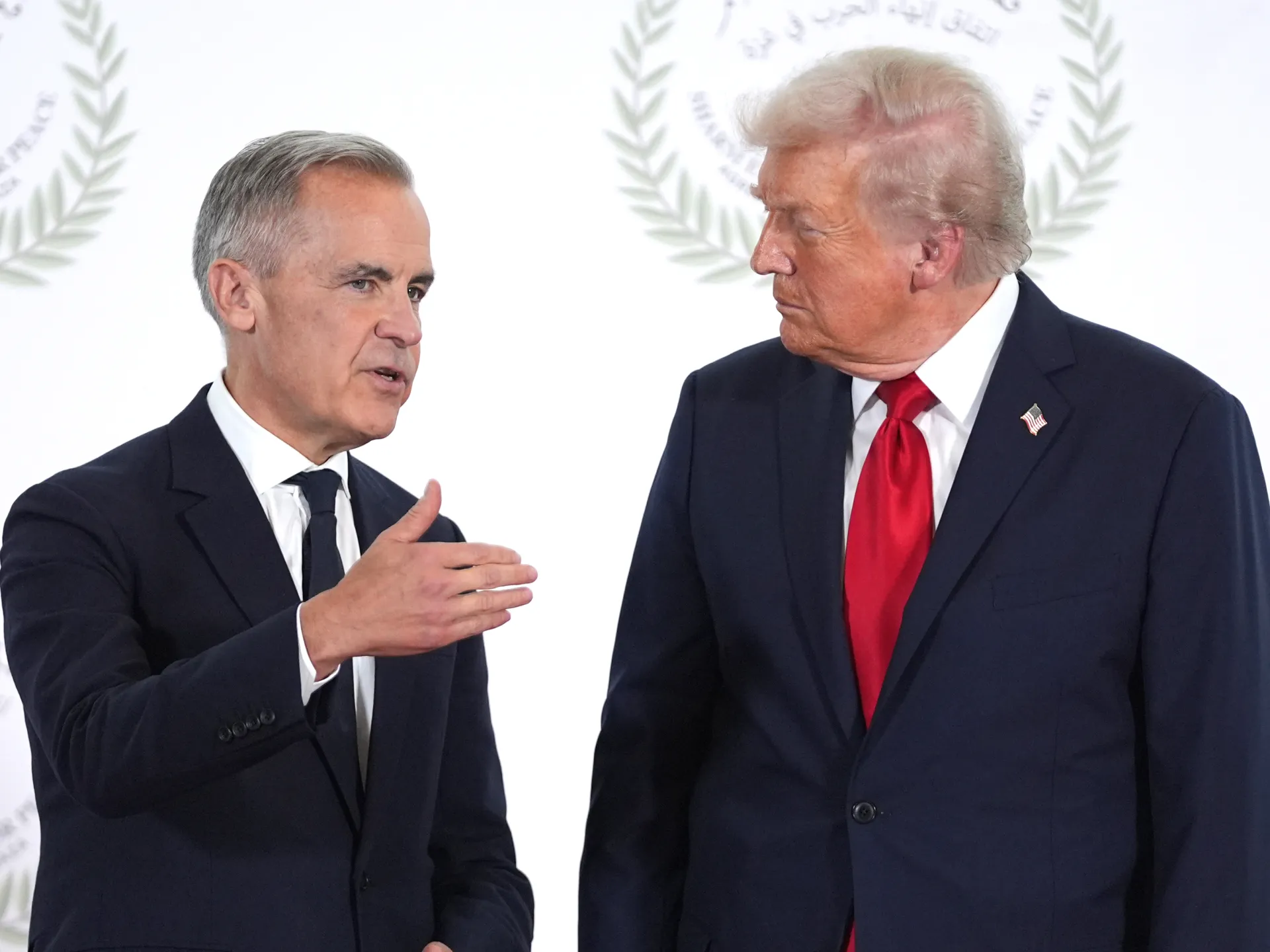
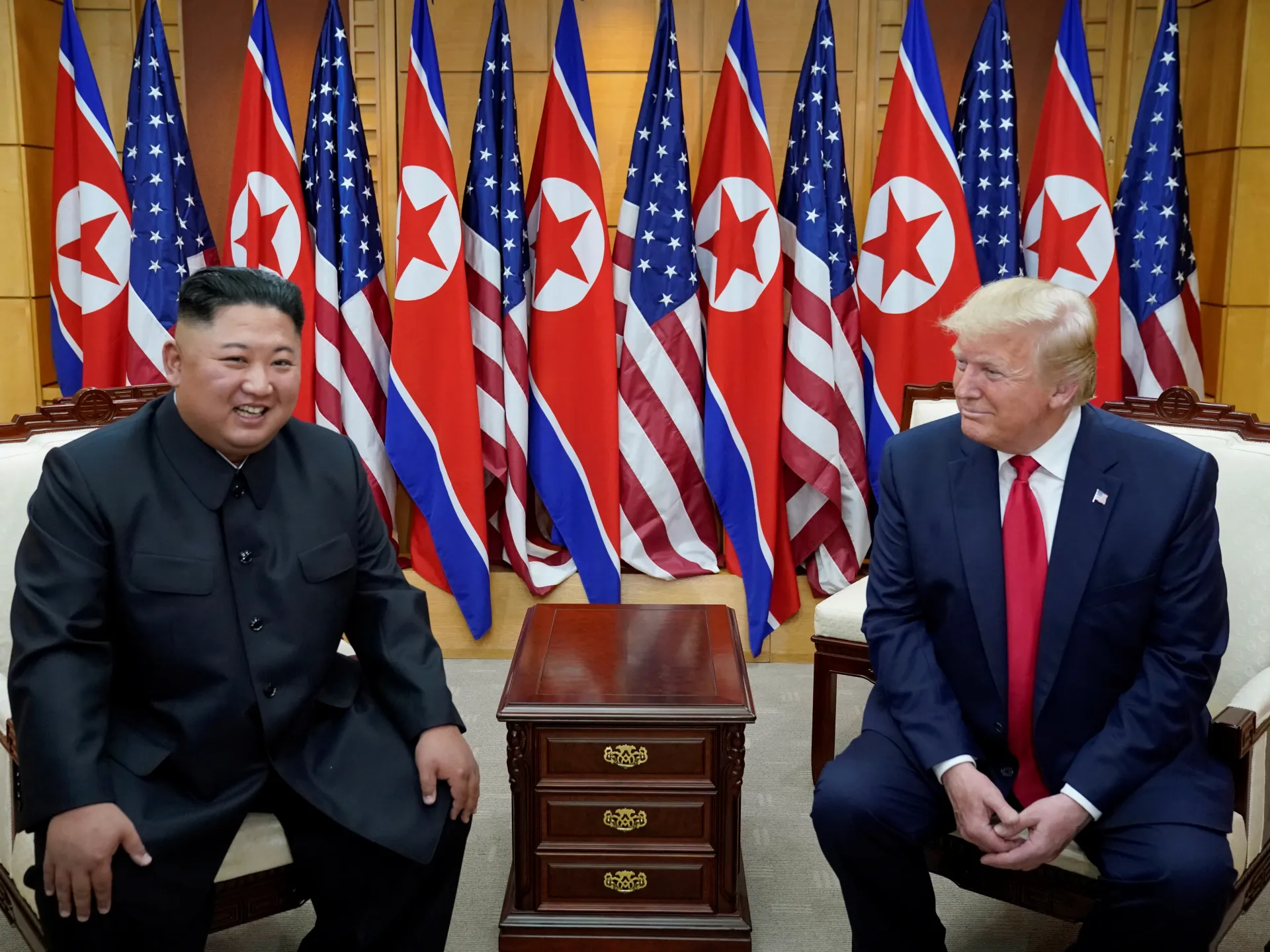
Beyond the trade announcements, the President reiterated his personal views regarding the political structure of the island. He characterized the potential unification of Northern Ireland and the Republic of Ireland as a natural progression. These comments, which were also discussed during meetings with the Taoiseach and the Irish President in Dublin, were presented as his personal perspective on the region's future configuration.
While the remarks sparked international attention, the Taoiseach noted that the President's position was not unexpected. He suggested that some of the public reaction to these comments may have been disproportionate, noting that the President often maintains a unique perspective on global political issues. The administration emphasized that while these views are held in diplomatic policy.
When questioned about the potential for a referendum on Irish unity, the President sidestepped complex constitutional questions. He acknowledged that while many political observers argue that such a vote would only occur following a clear majority of support in Northern Ireland, he noted that political circumstances can shift rapidly. He declined to comment on similar movements regarding Scottish independence, focusing his rhetoric primarily on the Irish context.
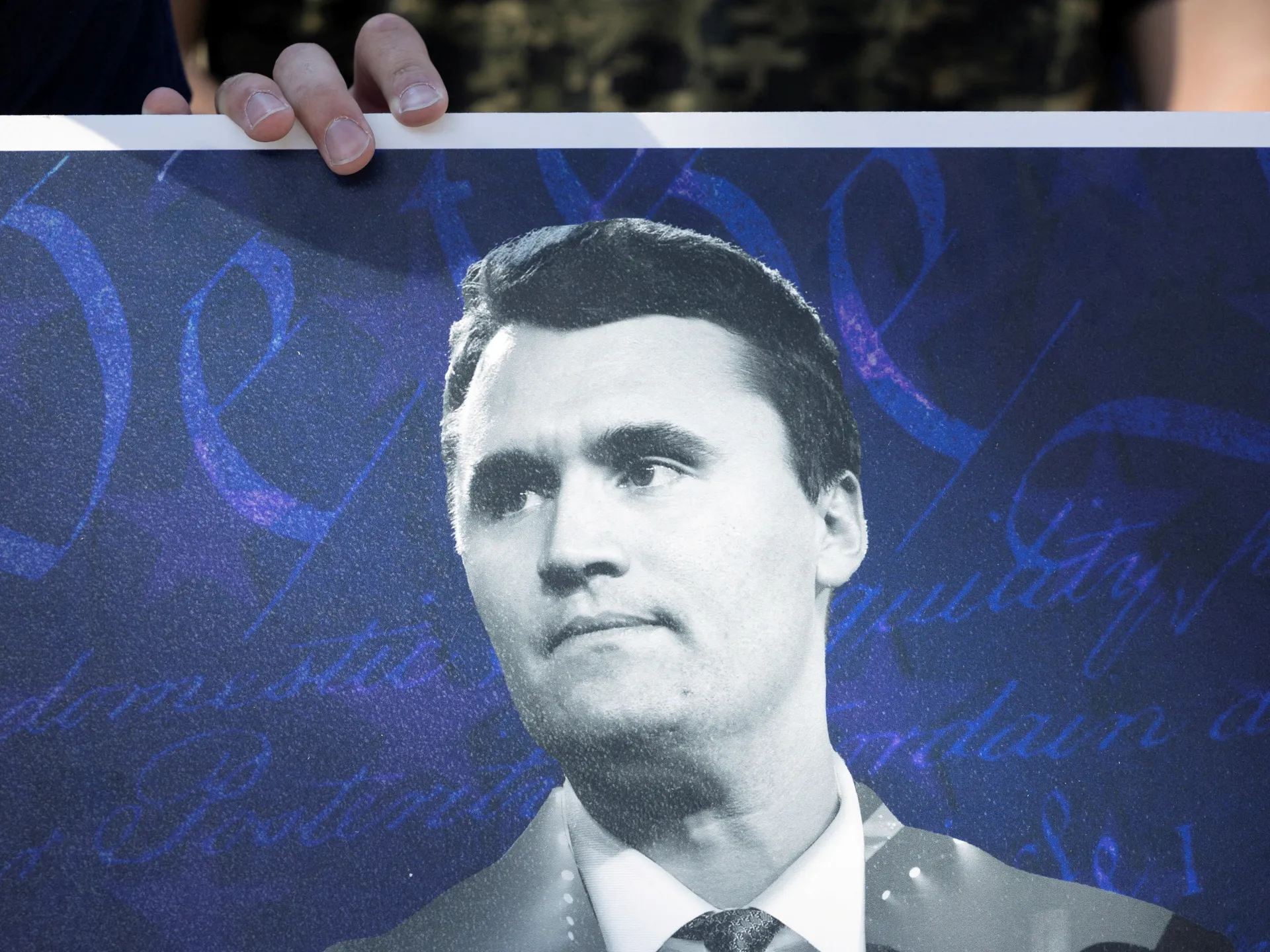
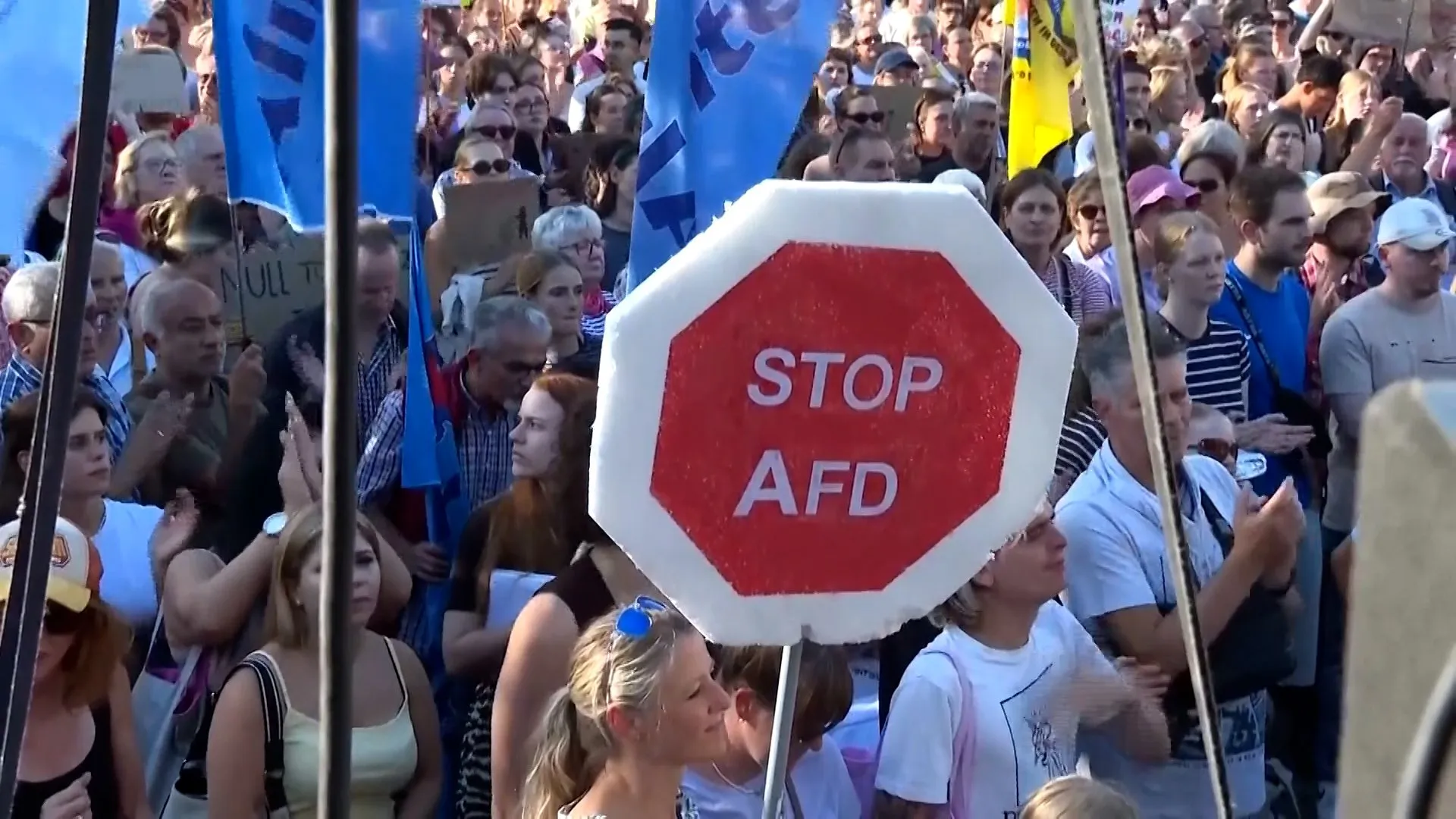
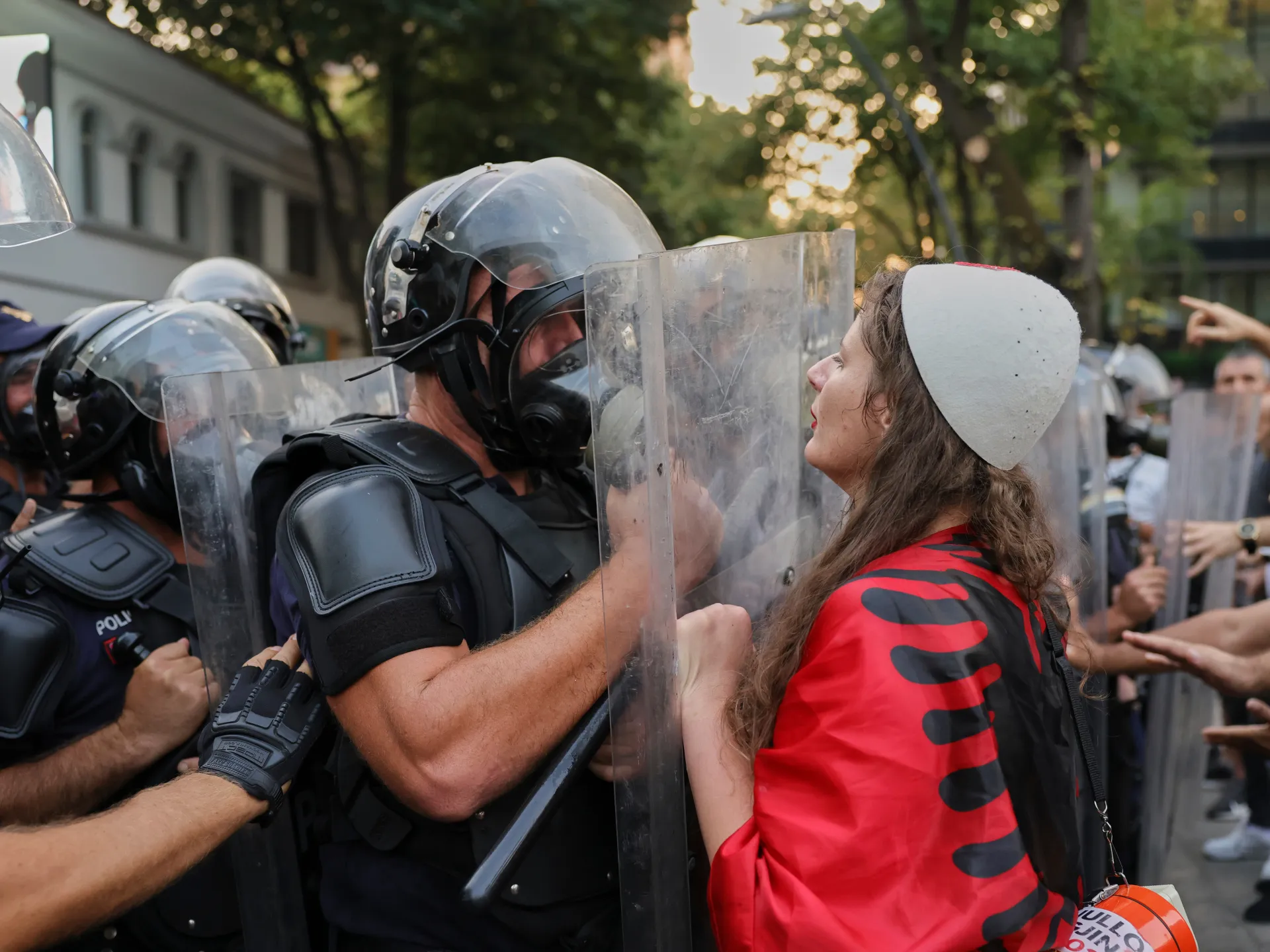
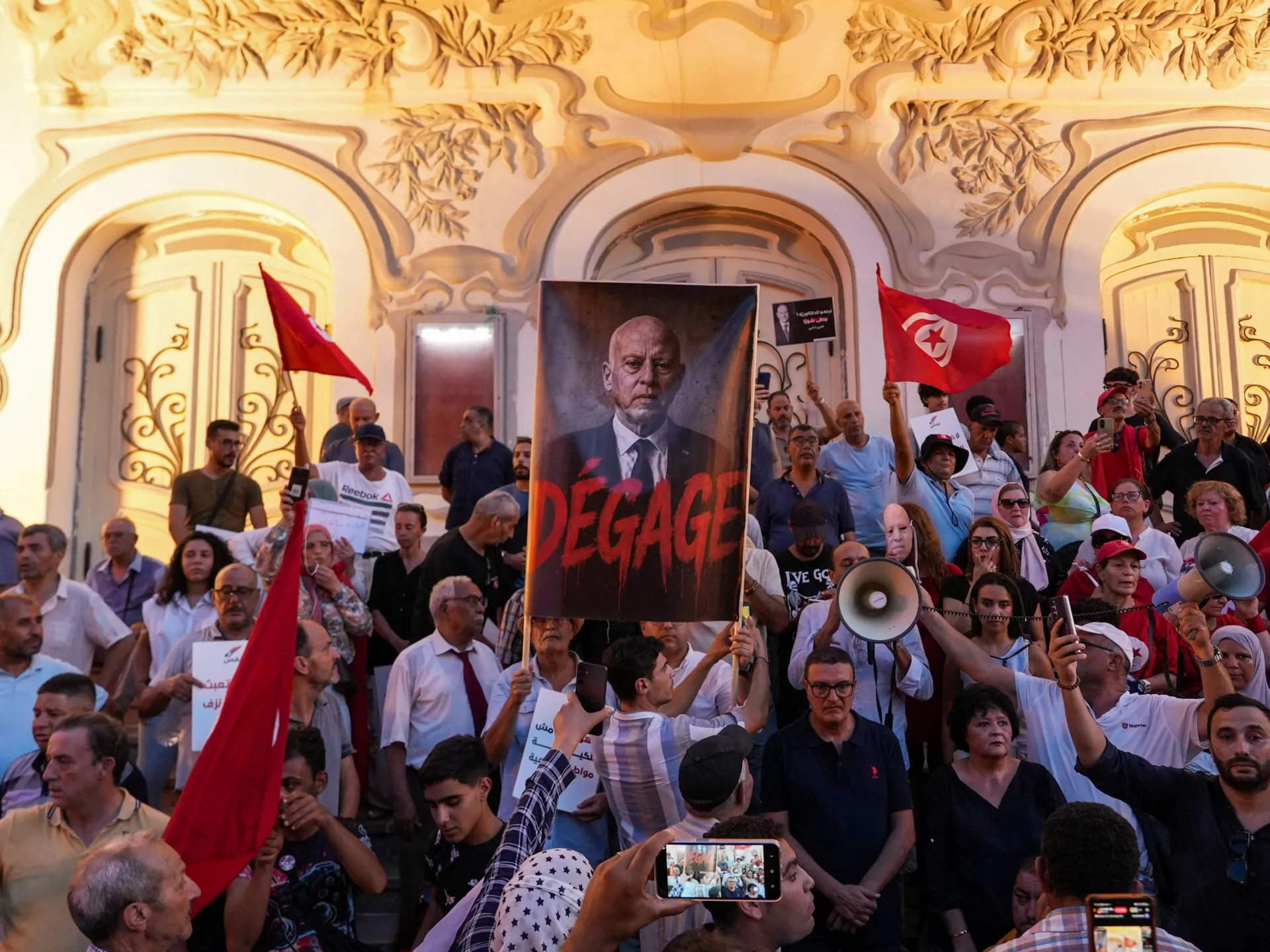
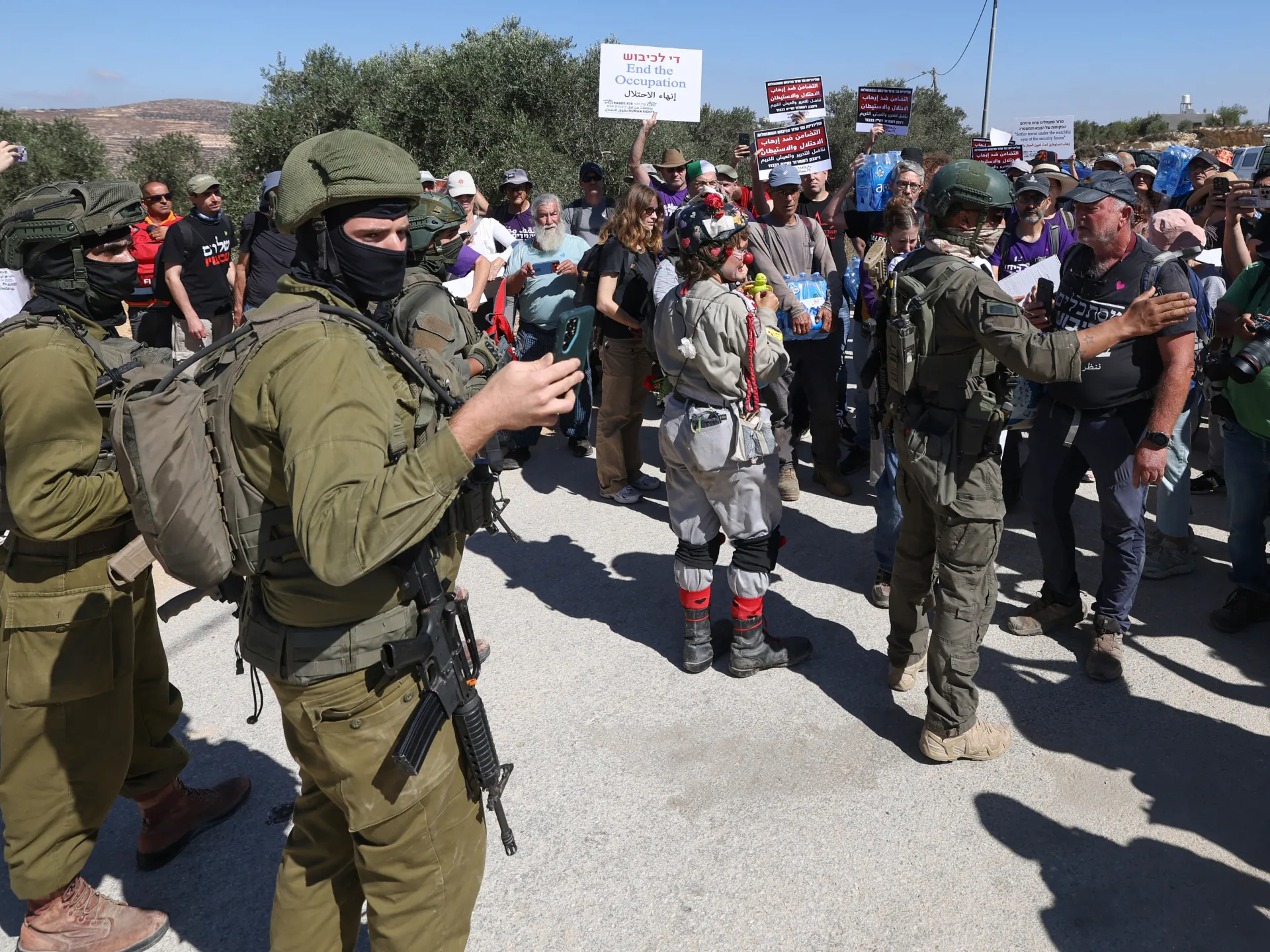
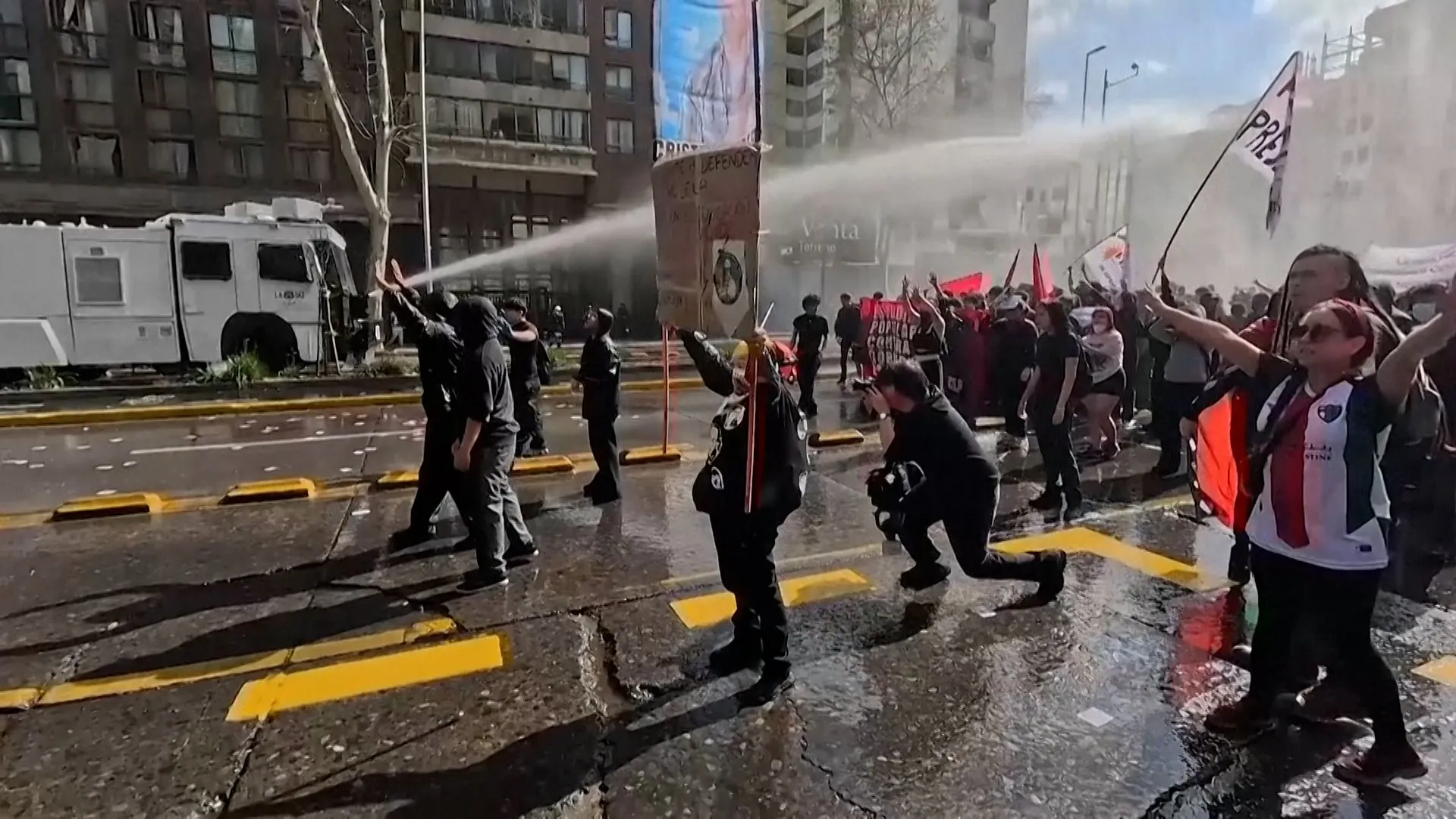
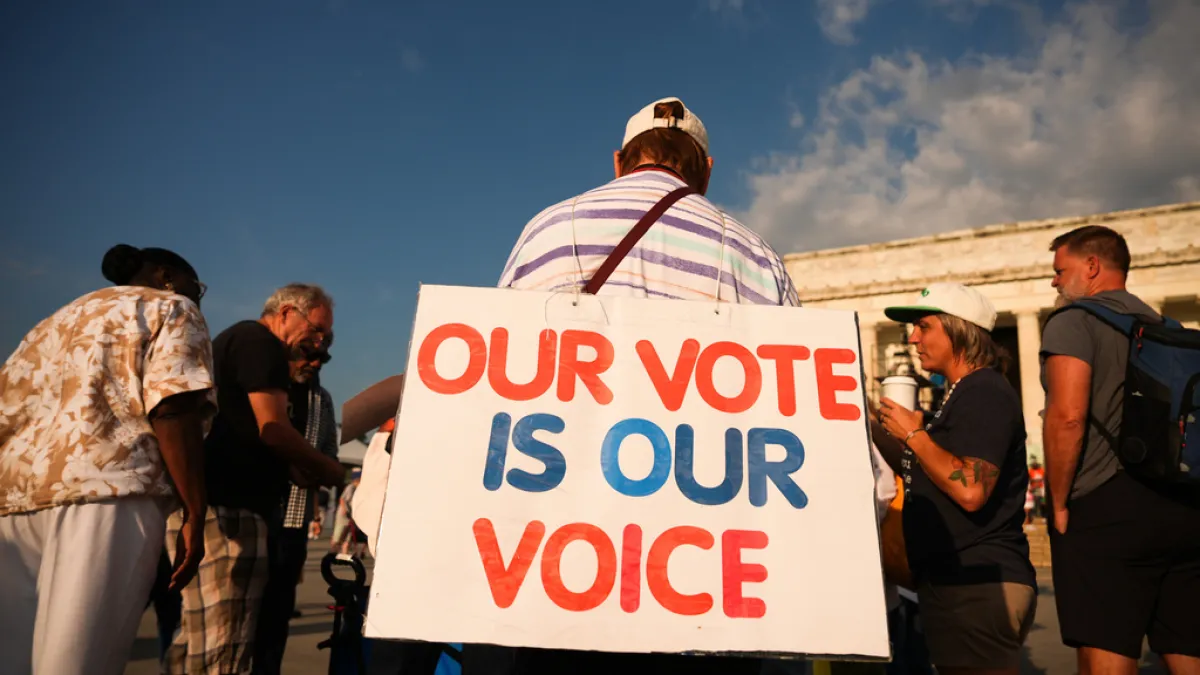
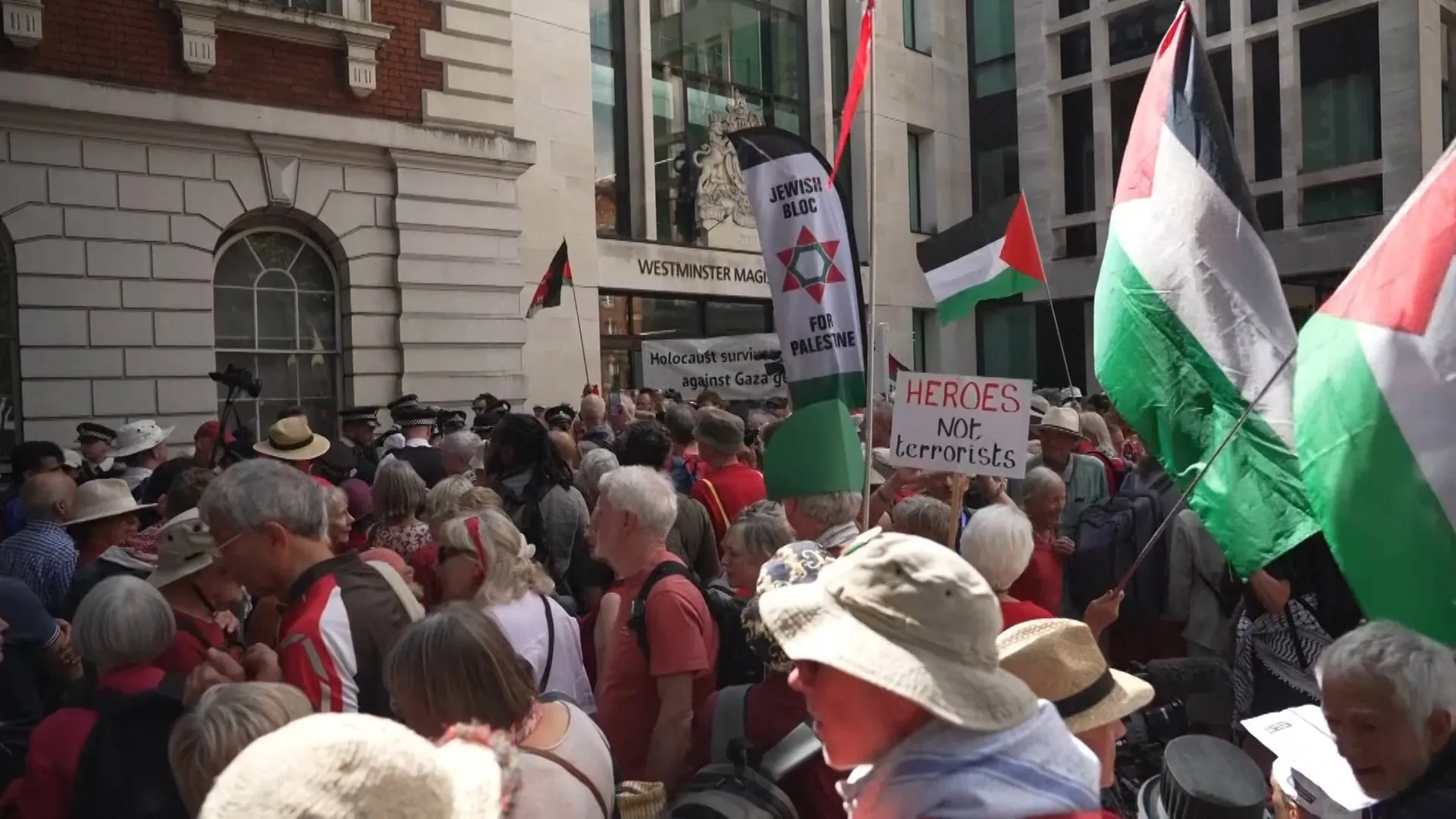
The visit was marked strong local support for the economic contributions of the President’s business interests. In Dublin, thousands gathered to demonstrate against the visit, while smaller groups of protesters were present in Doonbeg. Some religious leaders participated in these demonstrations, citing moral disagreements with the administration's policies.
Conversely, the local business community in County Clare expressed strong appreciation for the presence of the golf resort. Residents and business owners highlighted the facility as a critical engine for the local economy, providing hundreds of jobs in a region that often struggles with rural depopulation. For many in Doonbeg, the resort is viewed as an essential lifeline that sustains the village
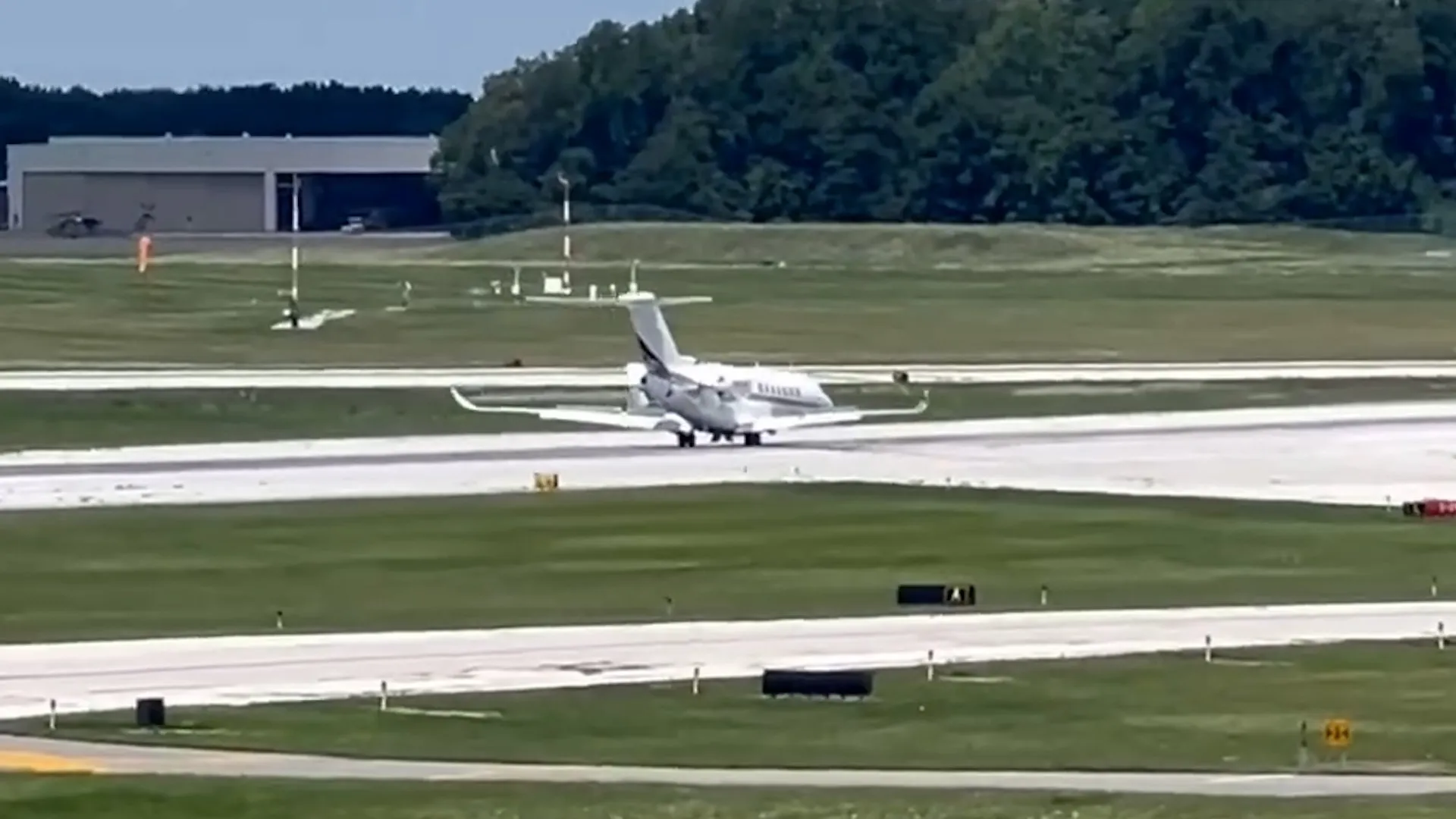
Local stakeholders emphasized that the economic benefits of the resort extend far beyond the golf course itself, acting as a primary driver for the regional economy. As the President departed from Shannon Airport, the visit concluded with a focus on both the immediate impact of the trade policy announcement and the ongoing debate regarding the role of foreign investment in rural Irish communities.