Japan has recorded more than 100,000 centenarians for the first time, highlighting both the country's success in longevity and its deepening demographic crisis.
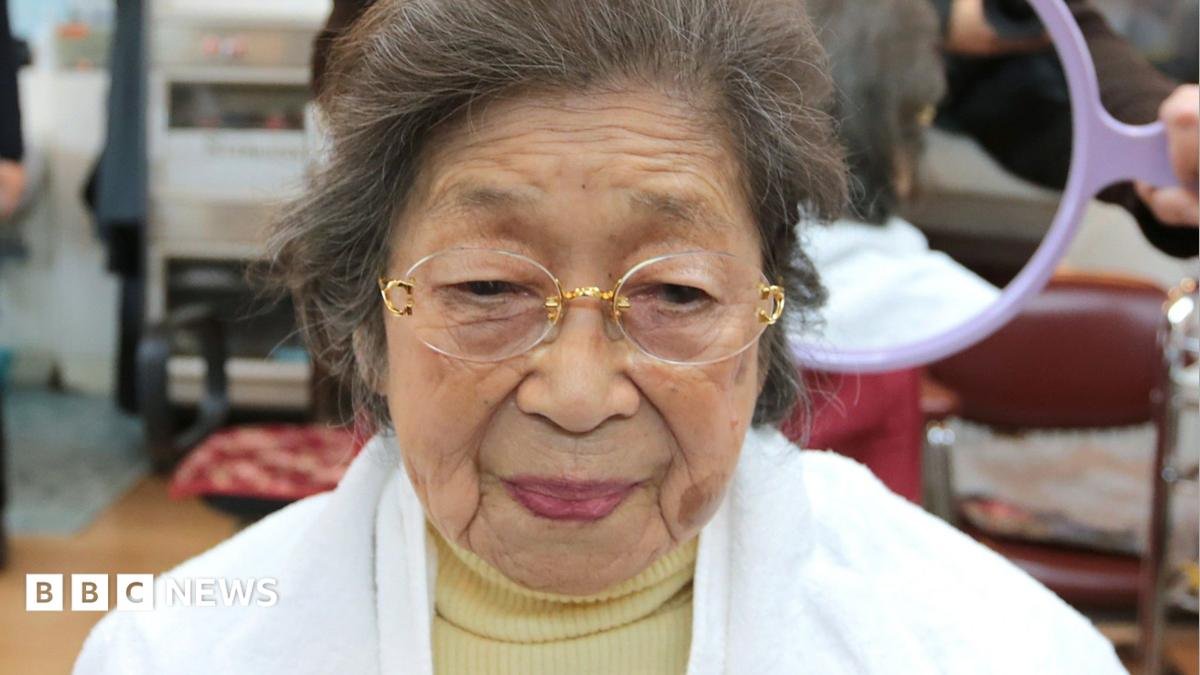
Japan has officially reached a significant demographic milestone, with the number of citizens aged 100 or older exceeding 100,000 for the first time in history. According to recent data provided ure reinforces Japan’s position as a global leader in longevity, with women making up the vast majority at 88% of the total count. Among these individuals are remarkable figures such as 114-year-old Kishimoto Fuyo from Kyoto and 112-year-old Kato Hikaru from Kumamoto, both of whom represent the growing segment of the population living well past the century mark.
Government officials have expressed a mix of celebration and concern regarding these figures. While the health ministry has lauded the medical and technological advancements that have allowed for such long, active lives, the scale of the aging population presents a daunting challenge to the country's social security infrastructure. The rise in centenarians has been steady and dramatic; when the government first initiated its survey in 1963, there were only 153 people aged 100 or older. the decades since.
Experts often point to a combination of cultural and lifestyle habits as the primary drivers behind Japanese longevity. The traditional Japanese diet, which is rich in fish, vegetables, and rice, is notably lower in saturated fats compared to many Western dietary patterns. Furthermore, the emphasis on physical activity is deeply ingrained in the daily routines of the older generation, who frequently engage in walking, cycling, and regular stretching. This active lifestyle is supported e's later years.
In response to the shifting demographic landscape, the private sector has pivoted to serve this expanding market. Companies have introduced innovative products designed specifically for the elderly, ranging from high-tech eyewear that automatically adjusts its focus to powered exoskeletons that assist with physical movement. The prevalence of these products is a direct reflection of a market where sales of adult incontinence products have consistently outpaced those for infants for over a decade, signaling a profound shift in consumer demand and societal focus.
While the rise in centenarians is a testament to public health success, it occurs against the backdrop of a broader, more pressing demographic emergency. Japan’s birth rate remains critically low, with the total fertility rate dropping to a record low of 1.14 last year. To maintain a stable population, a rate of 2.1 is typically required. Consequently, the government estimates that the total population could fall to 87 million in the coming years. Currently, individuals aged 65 and older account for roughly 30% of the population, a figure projected to rise toward 40% as the demographic imbalance widens.
This "quiet emergency," as described d at encouraging younger generations to have children. However, these initiatives have yet to yield a significant impact on birth rates. The underlying causes are multifaceted, involving a decline in marriage rates, the rising cost of child-rearing, and the increasing participation of women in the workforce. While immigration has seen a slight uptick, it remains a contentious issue, with foreign nationals comprising only about 3% of the population and significant public opposition to large-scale migration policies.
The collection of such data is not without its historical challenges. In 2010, an extensive government audit of family registries uncovered significant discrepancies, revealing that over 230,000 individuals listed as centenarians were unaccounted for, with many having passed away decades prior. This discovery highlighted issues with record-keeping and raised concerns that some families might have withheld information regarding the deaths of elderly relatives to continue collecting pension benefits. Despite these historical hurdles, current figures are compiled with a focus on transparency, often coinciding with the "Respect for the Aged" public holiday, during which the government honors new centenarians with personal letters and traditional sake cups.