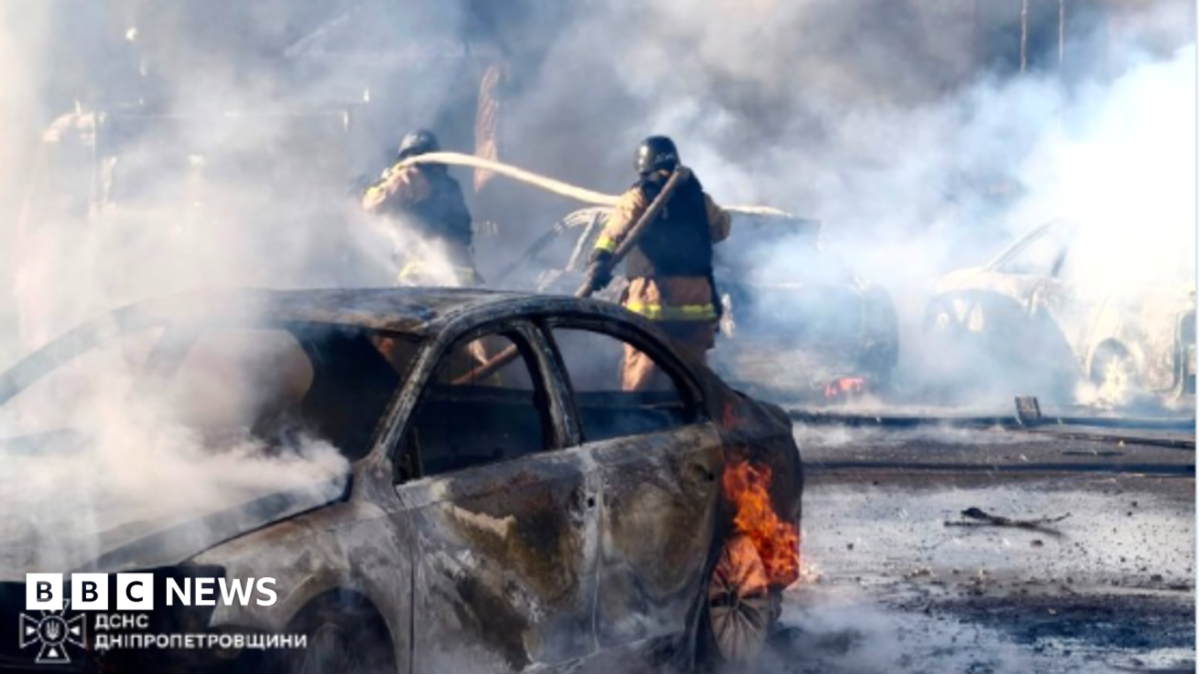
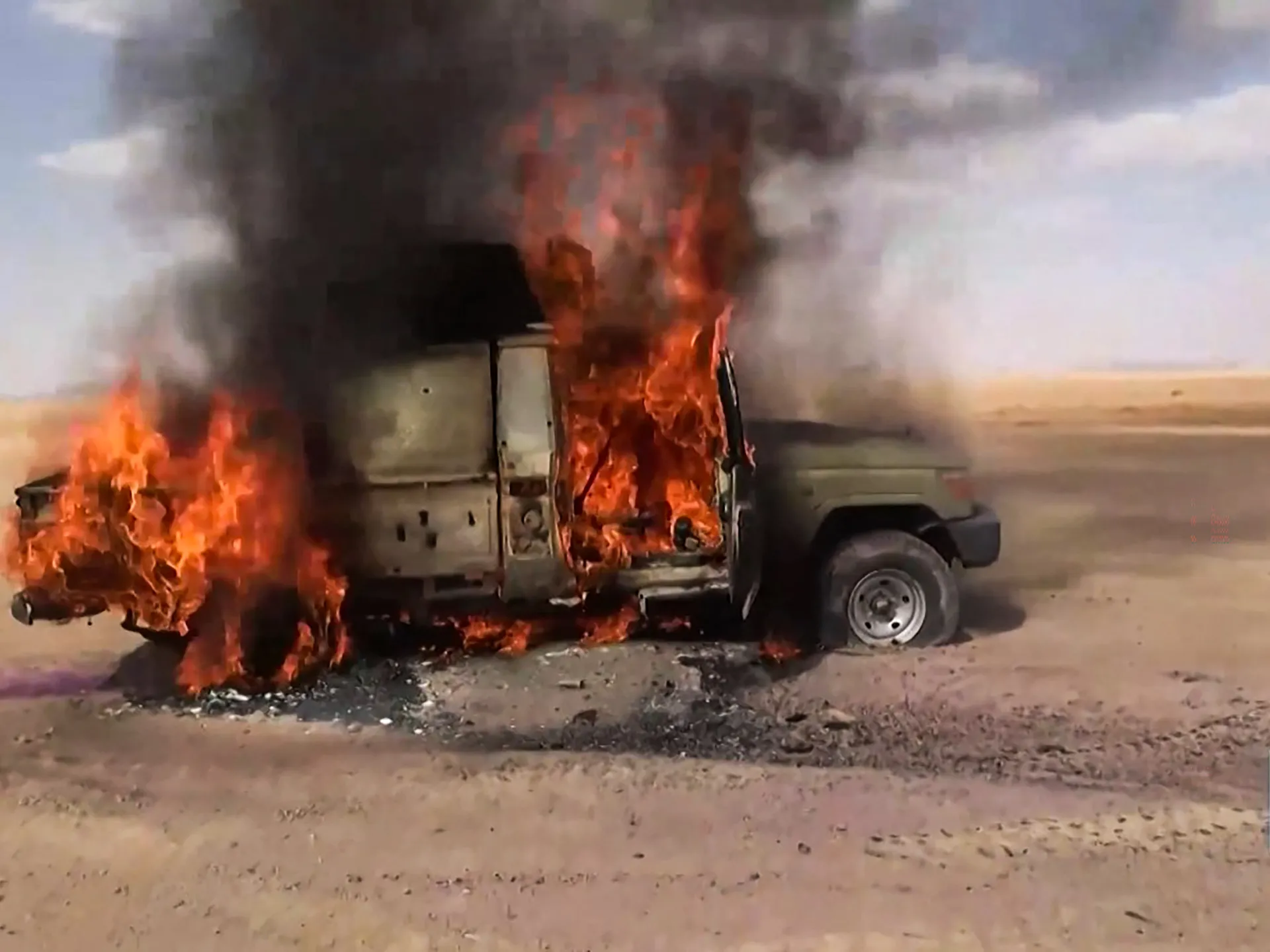
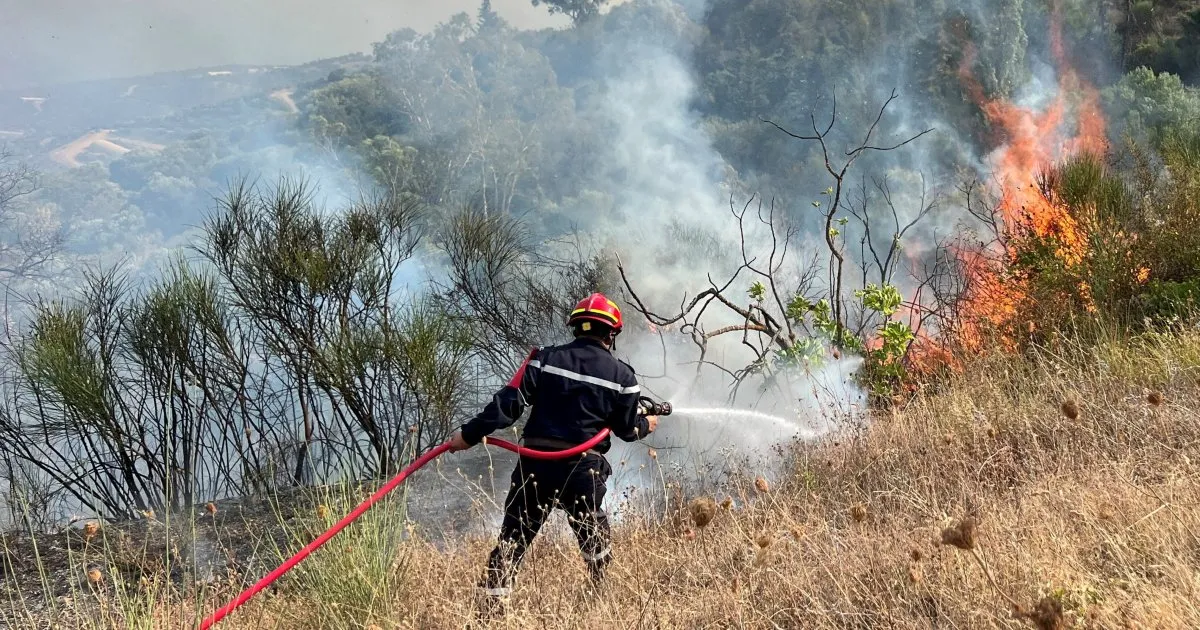
Firefighting crews in Nevada have reached 27% containment on the Hawk Fire, a massive blaze that has displaced thousands and destroyed dozens of homes.
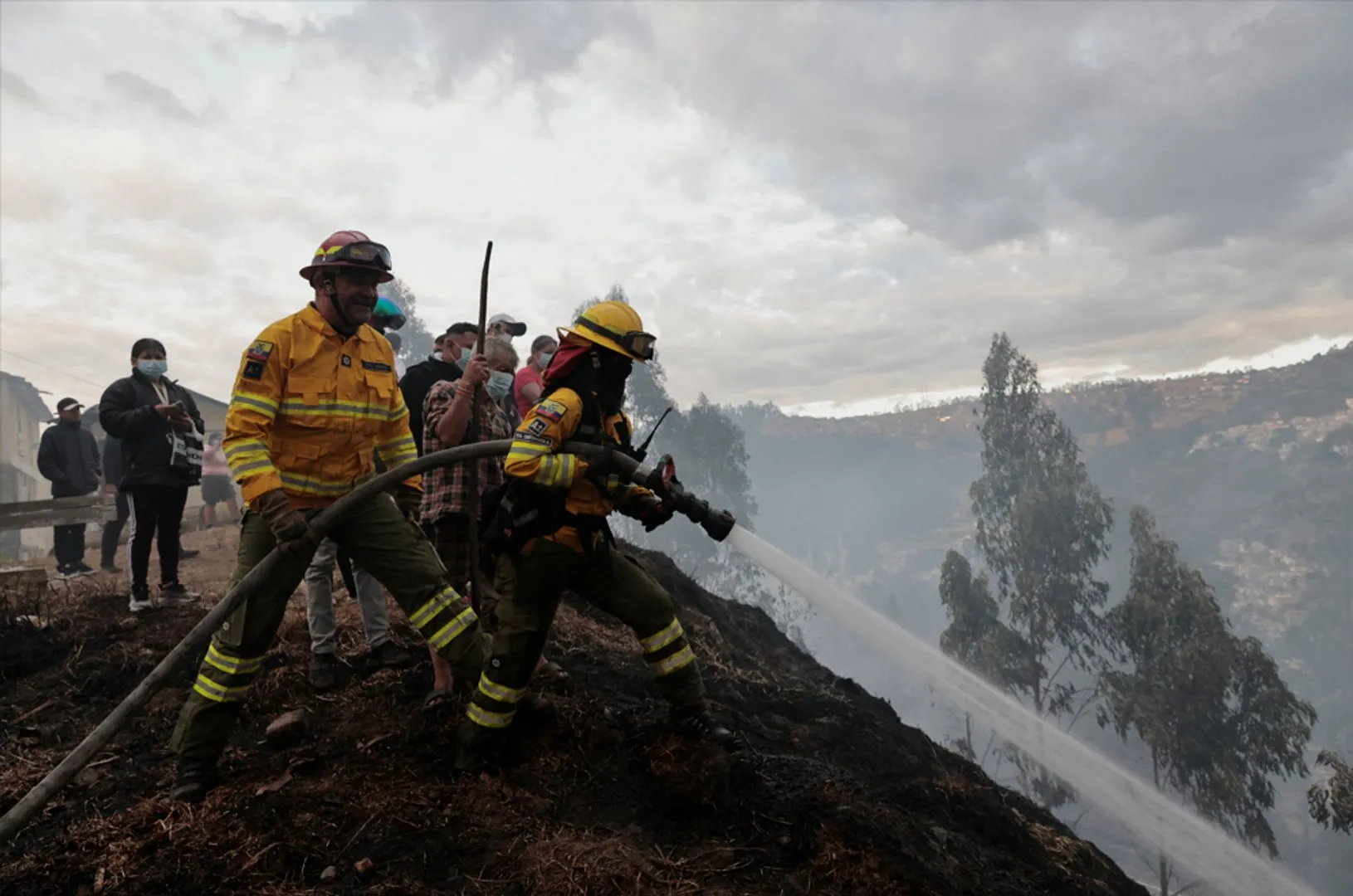
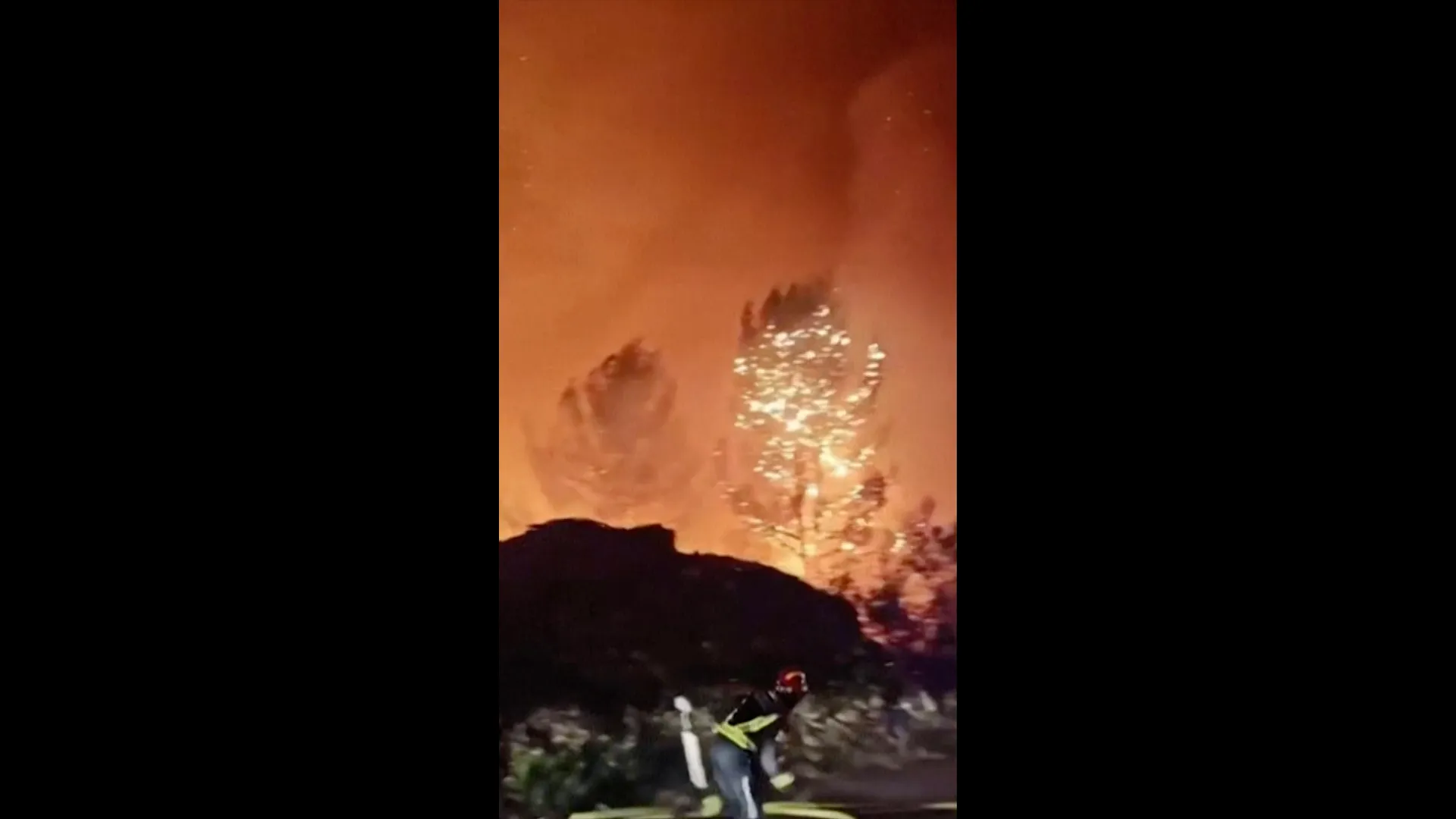
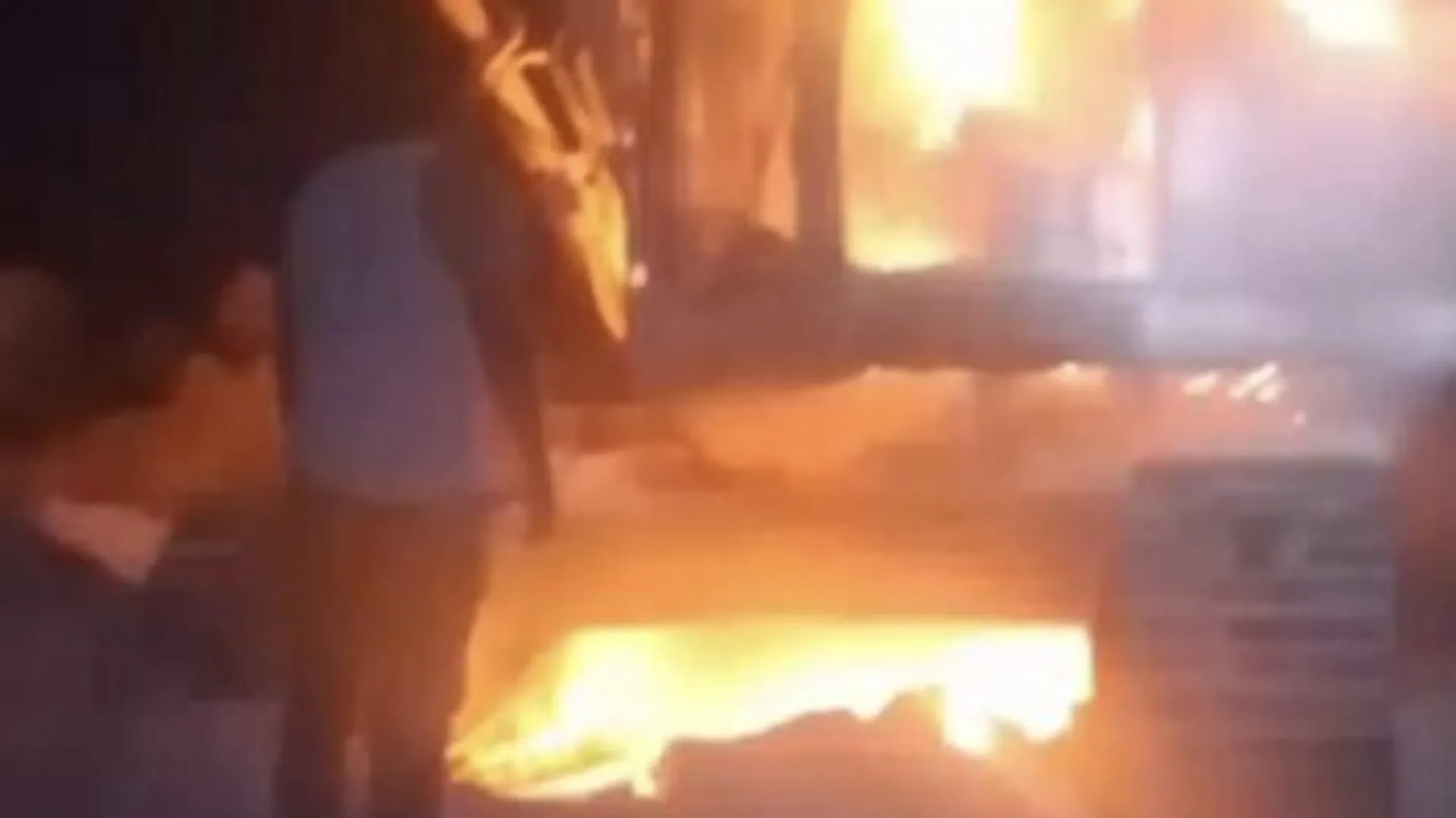
Emergency responders battling the significant wildfire currently threatening the outskirts of Reno, Nevada, have reported a notable increase in containment efforts. The blaze, which originated on Saturday near the Hawk Meadow Trail, has grown to encompass approximately 15,000 acres of land. As of the latest update from fire officials, crews have successfully achieved 27% containment of the perimeter. Despite this progress, a substantial portion of the fire remains active and uncontained, posing a persistent threat to the surrounding region.
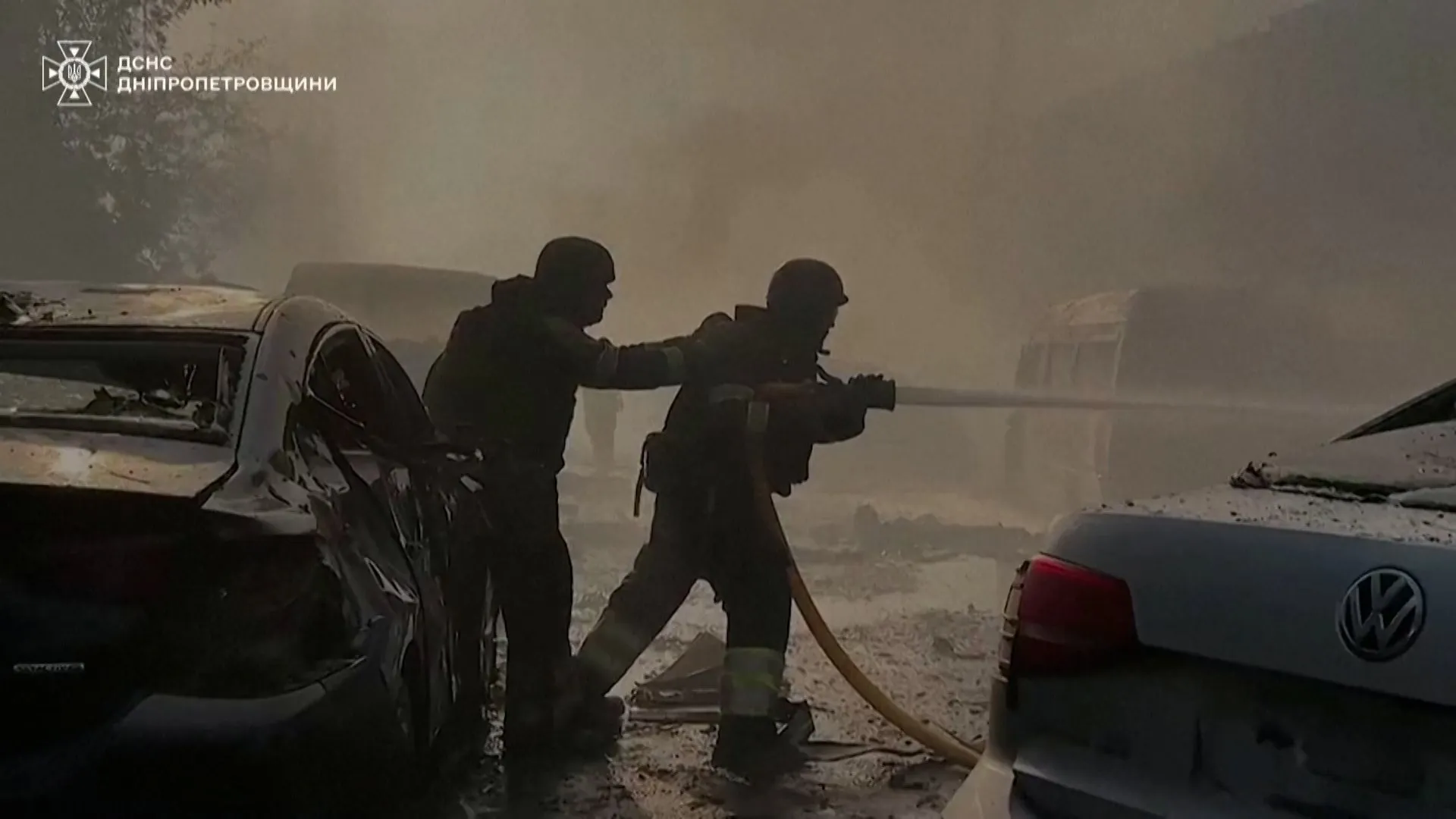
The intensity of the fire has necessitated a massive multi-agency response, drawing on resources from fifteen different states across the U.S. In a show of international support, specialized firefighting personnel from Australia and New Zealand have also joined the effort to suppress the flames. These crews are utilizing a combination of ground-based tactics and aerial support, including large air tankers and helicopters, to drop fire retardants and water over the most volatile sections of the fire line.
While the immediate danger to the heart of Reno has not been realized, the urban-wildland interface remains a significant concern. Local authorities continue to monitor the situation closely, particularly as weather forecasts suggest that unfavorable wind conditions may persist for the coming days. These winds have been the primary driver of the fire's rapid expansion since the weekend.
The human toll of the Hawk Fire has been significant, even as officials confirm that no fatalities have occurred. Seven individuals, including four civilians and three firefighters, have sustained minor burn injuries during the ongoing emergency. Property damage is also mounting; initial assessments indicate that 32 homes have been completely destroyed, with another six suffering damage. Officials have cautioned that these figures are preliminary and may rise as crews gain better access to the most severely impacted zones.
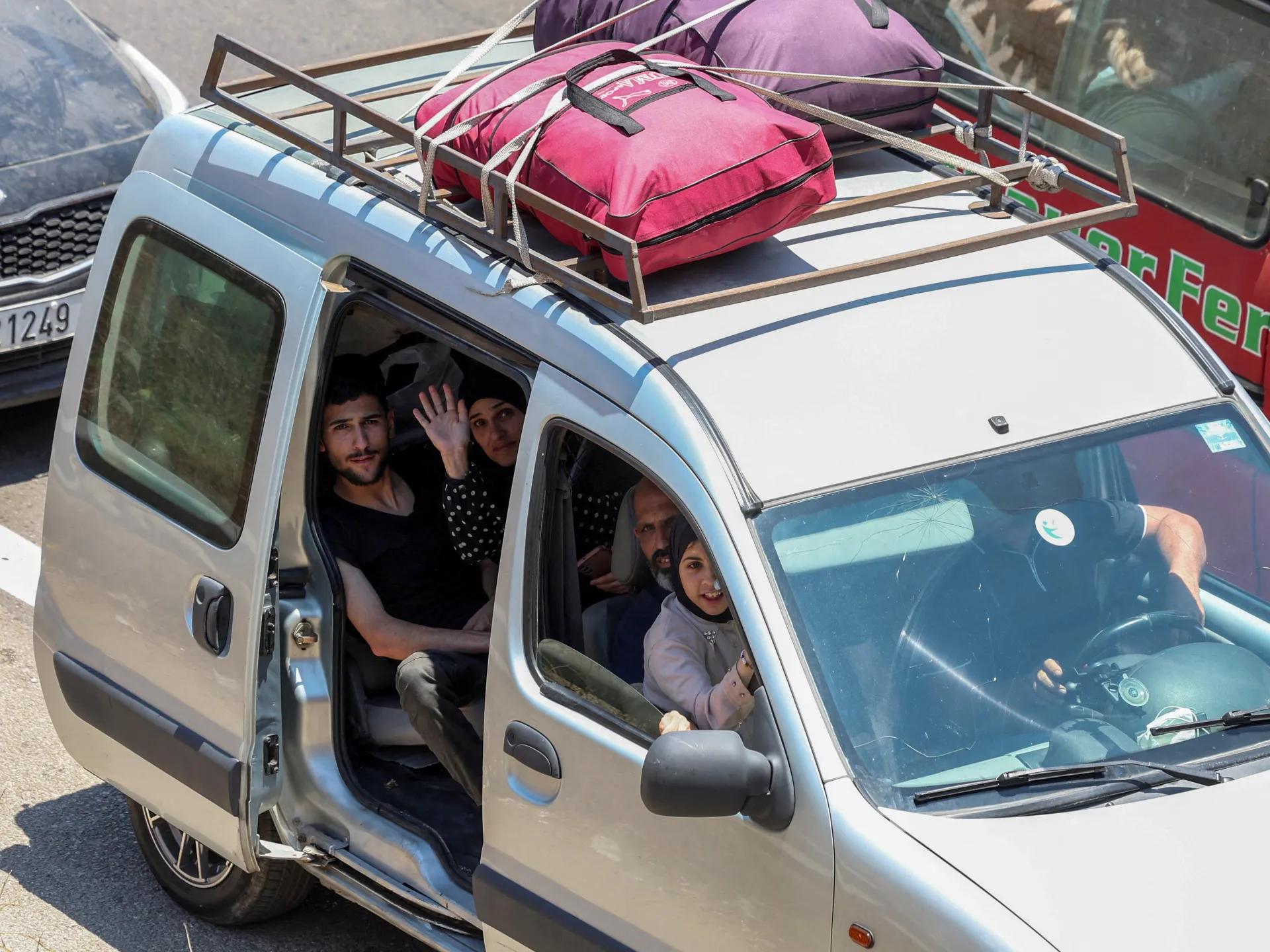
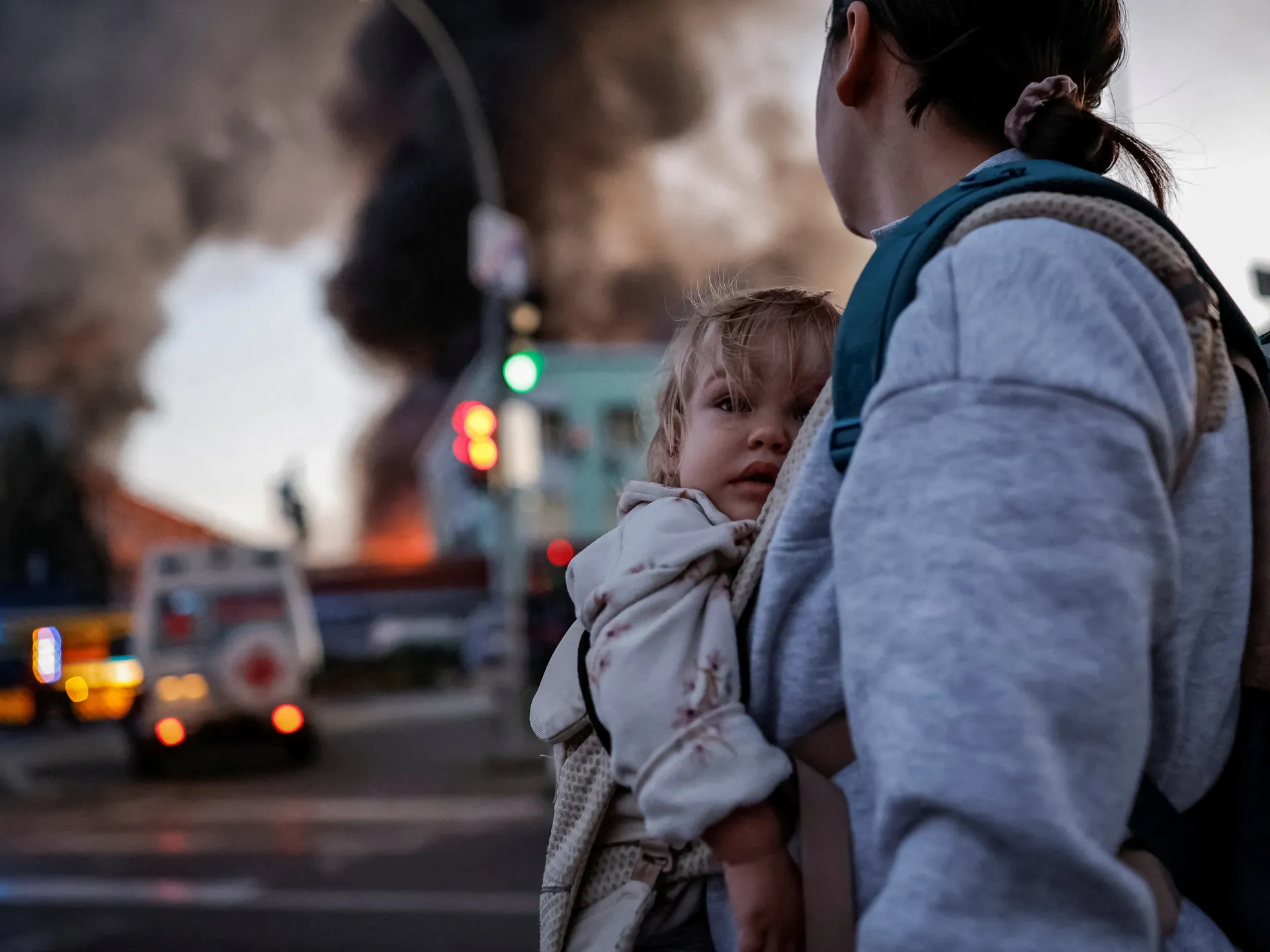
Evacuation protocols remain a critical component of the management strategy. Currently, 23,000 residents are under official evacuation orders, forced to leave their properties to ensure their safety. A larger segment of the population remains on high alert, designated as a "get set" zone, which requires residents to be prepared to evacuate at a moment’s notice. While some residents have been cleared to return home, the situation remains fluid and highly unpredictable.
The disruption has extended to institutional life in the area, including the University of Nevada in Reno. While the campus has technically remained operational, many faculty members have independently opted to cancel classes. Students and local residents have described the scene as distressing, with some individuals taking matters into their own hands to protect personal property, including using private water trucks to dampen surrounding vegetation and structures.
The origins of the Hawk Fire are currently under investigation, with preliminary reports suggesting that the blaze may have been set intentionally. This adds a layer of complexity to the emergency response, as law enforcement agencies work in parallel with fire suppression teams. Nevada Governor Joe Lombardo has declared a state of emergency for Washoe County, a move that authorizes the deployment of the National Guard to assist with evacuation, traffic control, and firefighting operations.
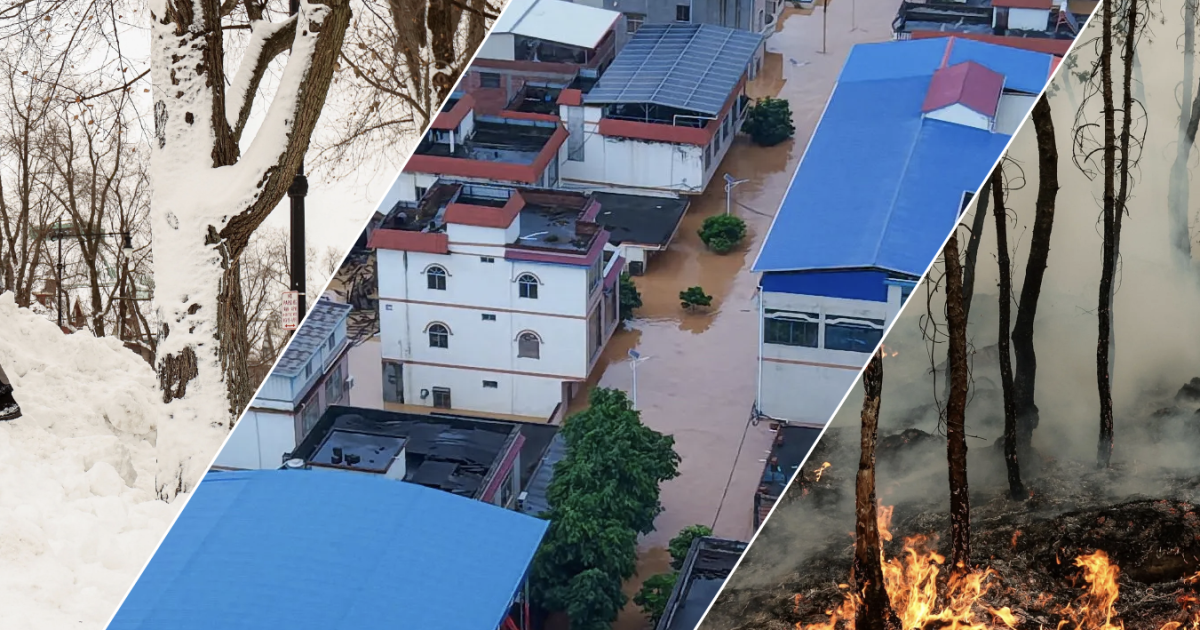
Environmental scientists point to a broader trend of increasing wildfire severity in the American West. Human-induced climate change has contributed to warmer and drier conditions in the region, creating an environment where fires can ignite more easily and spread with greater intensity. Reno, like much of the southwestern United States, has seen a steady rise in average temperatures, which exacerbates the dryness of the local foothills and increases the susceptibility of the landscape to large-scale burning.