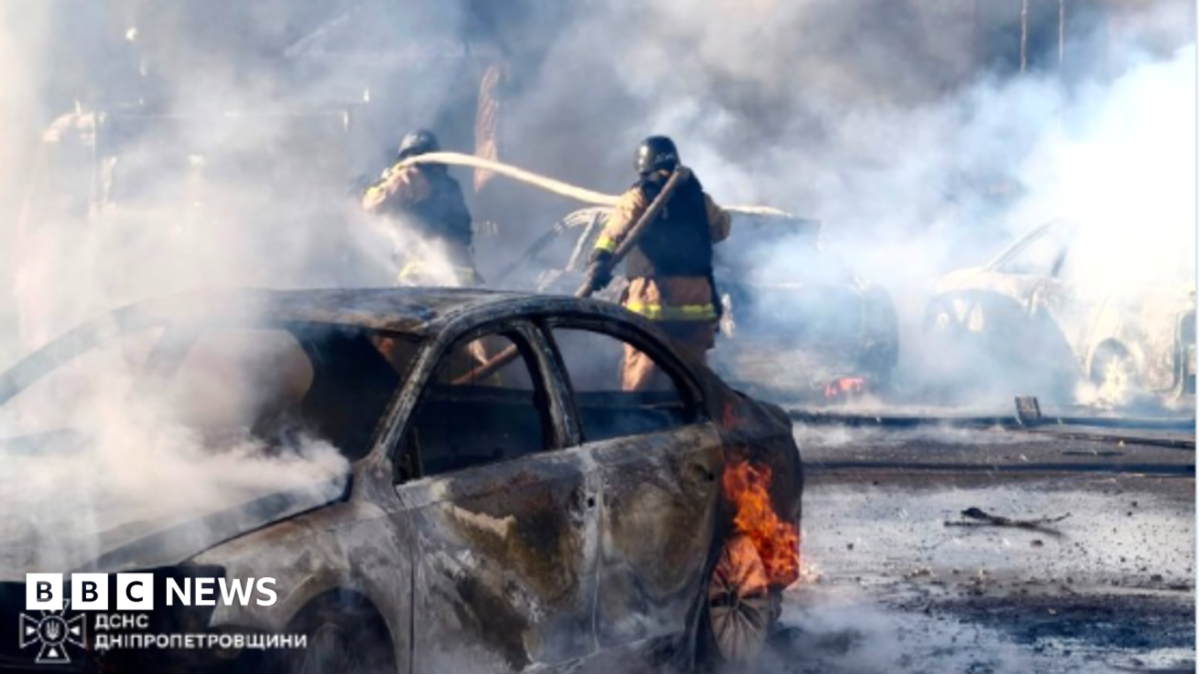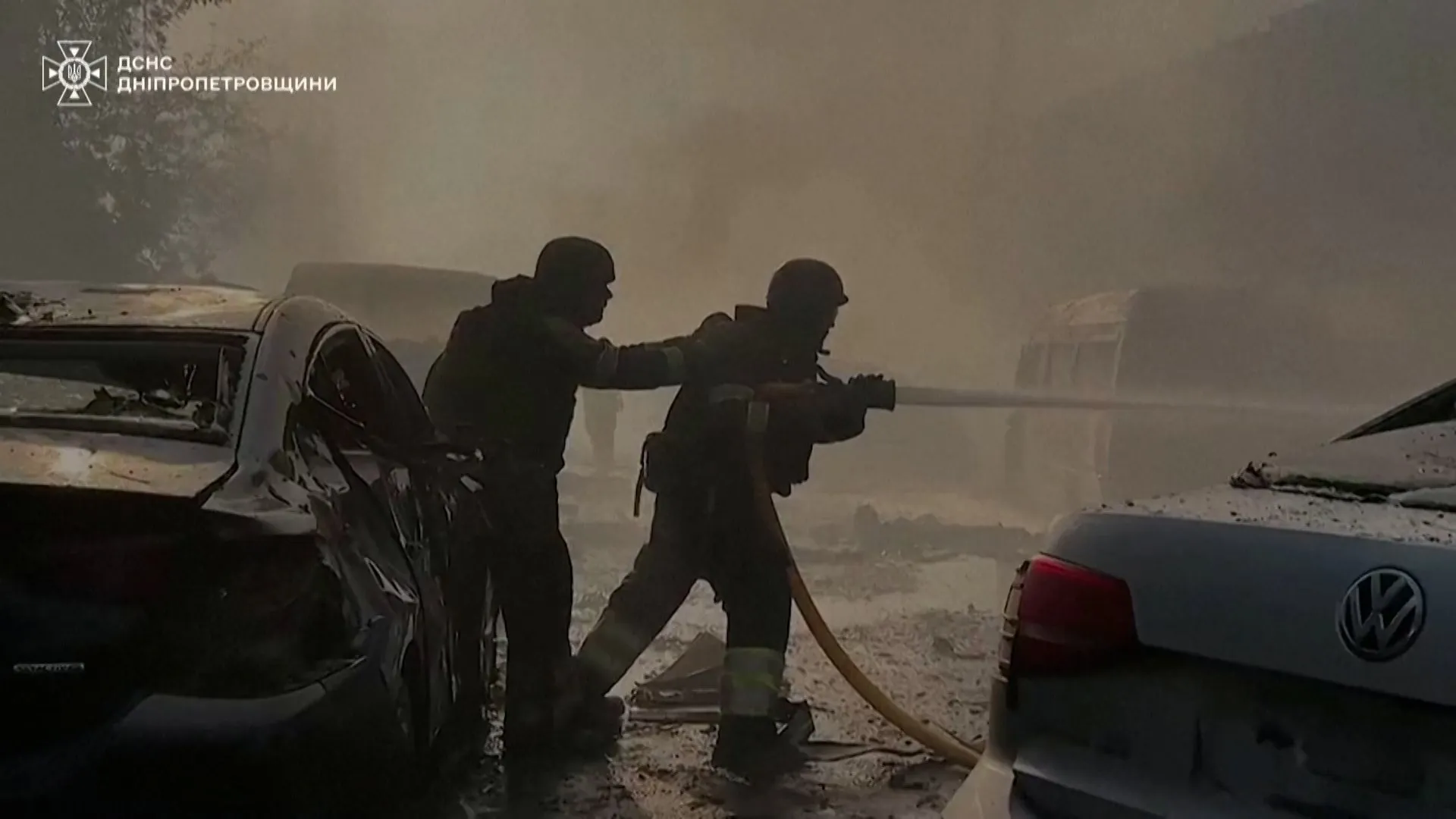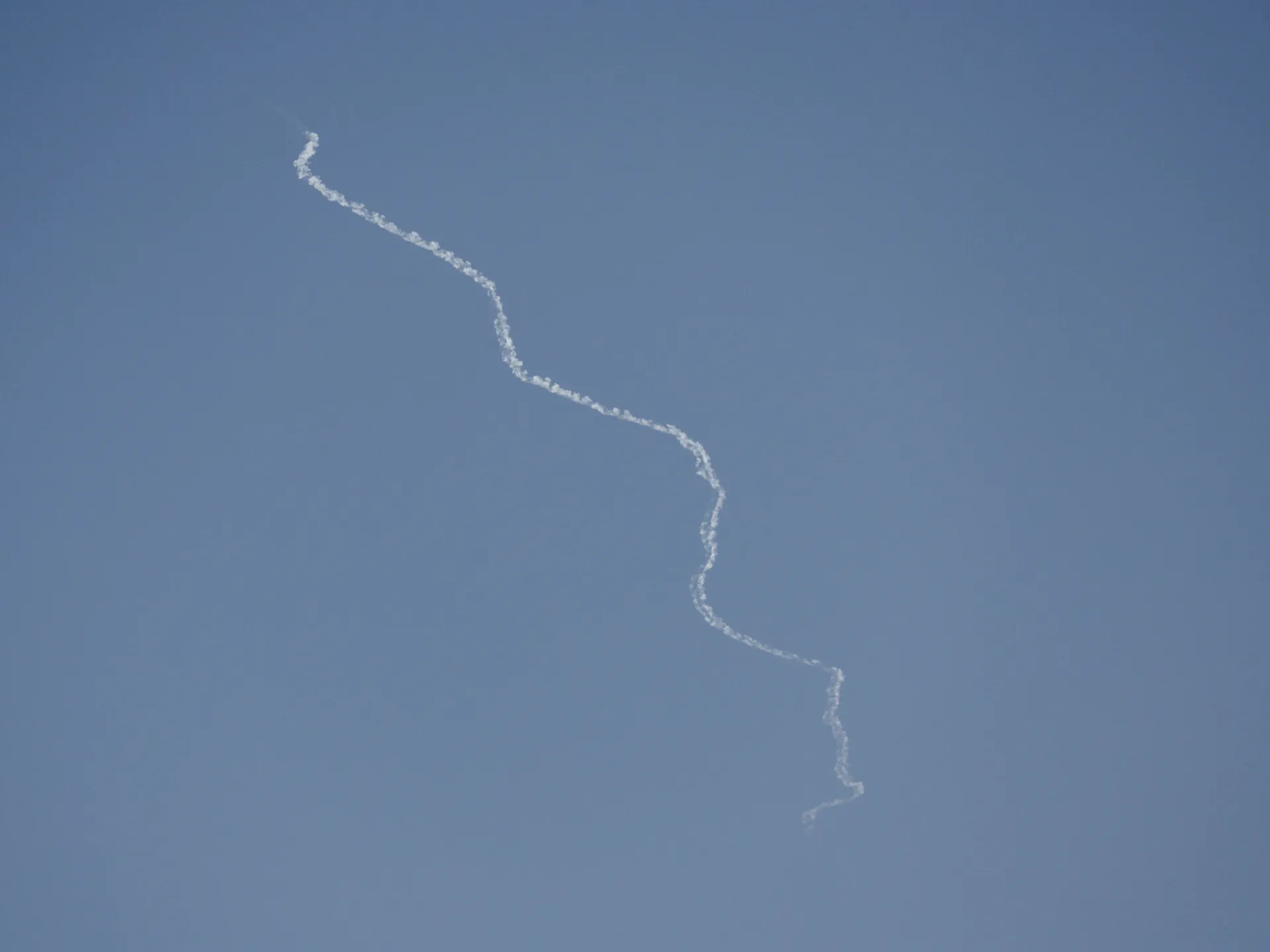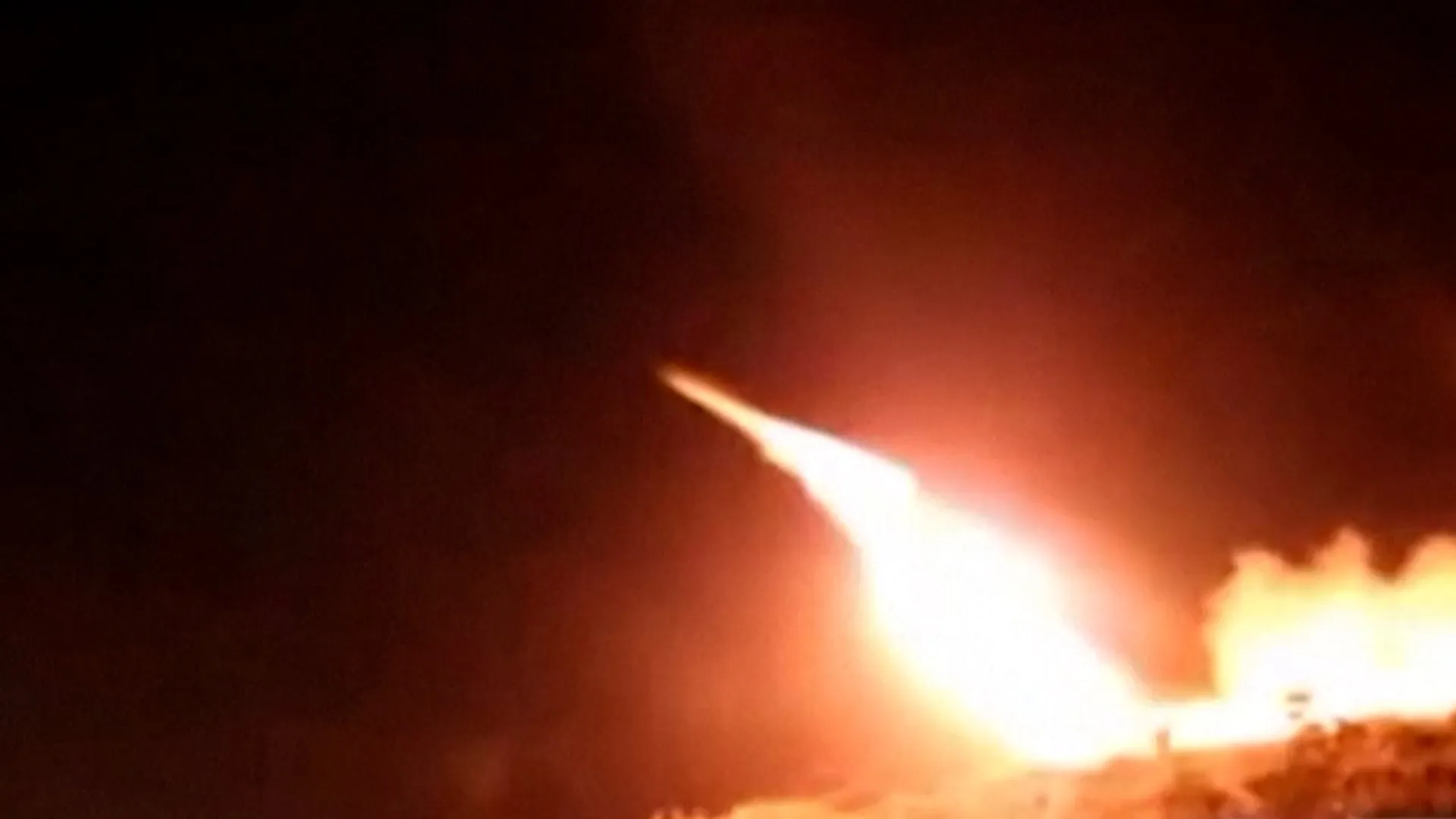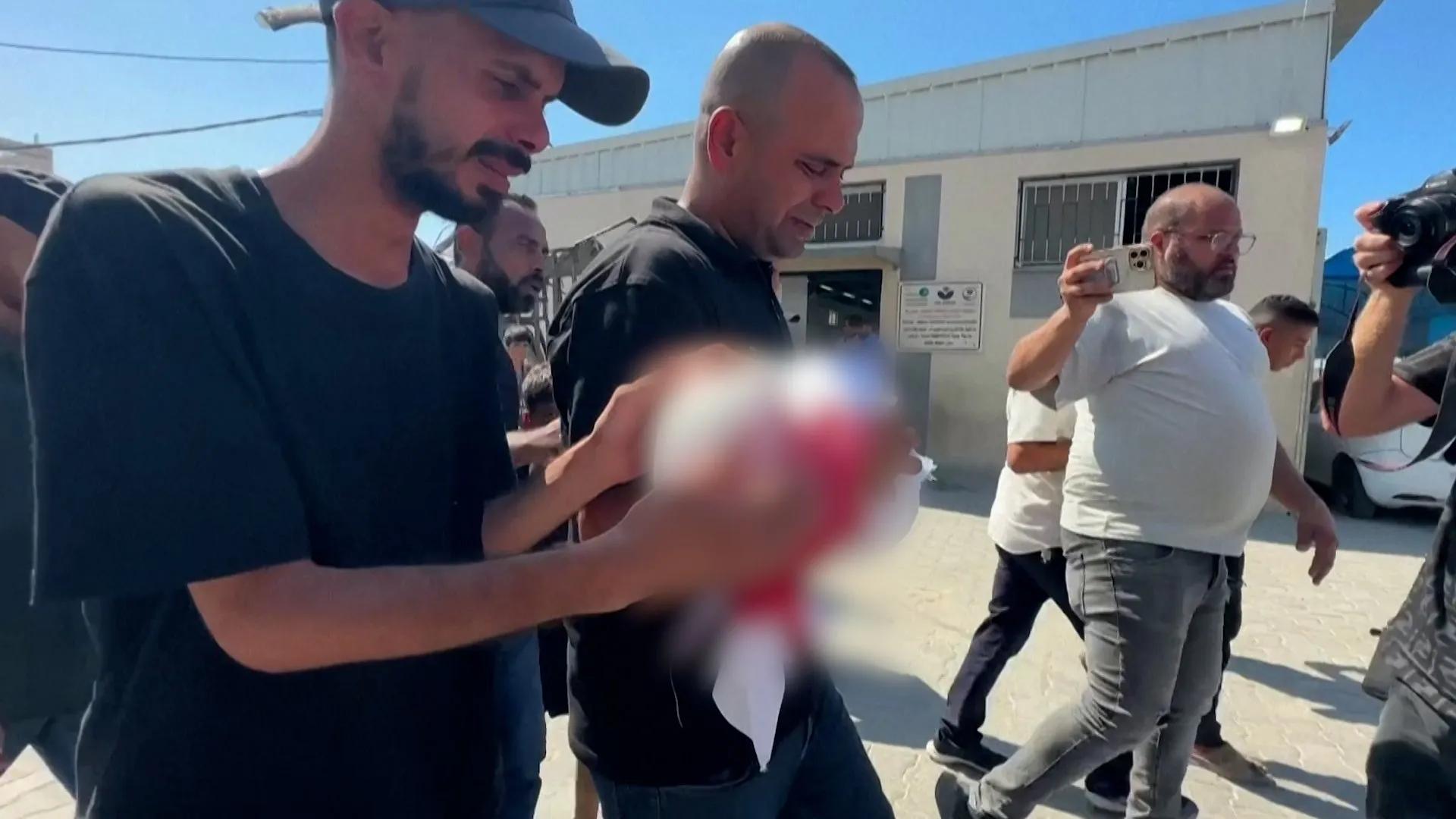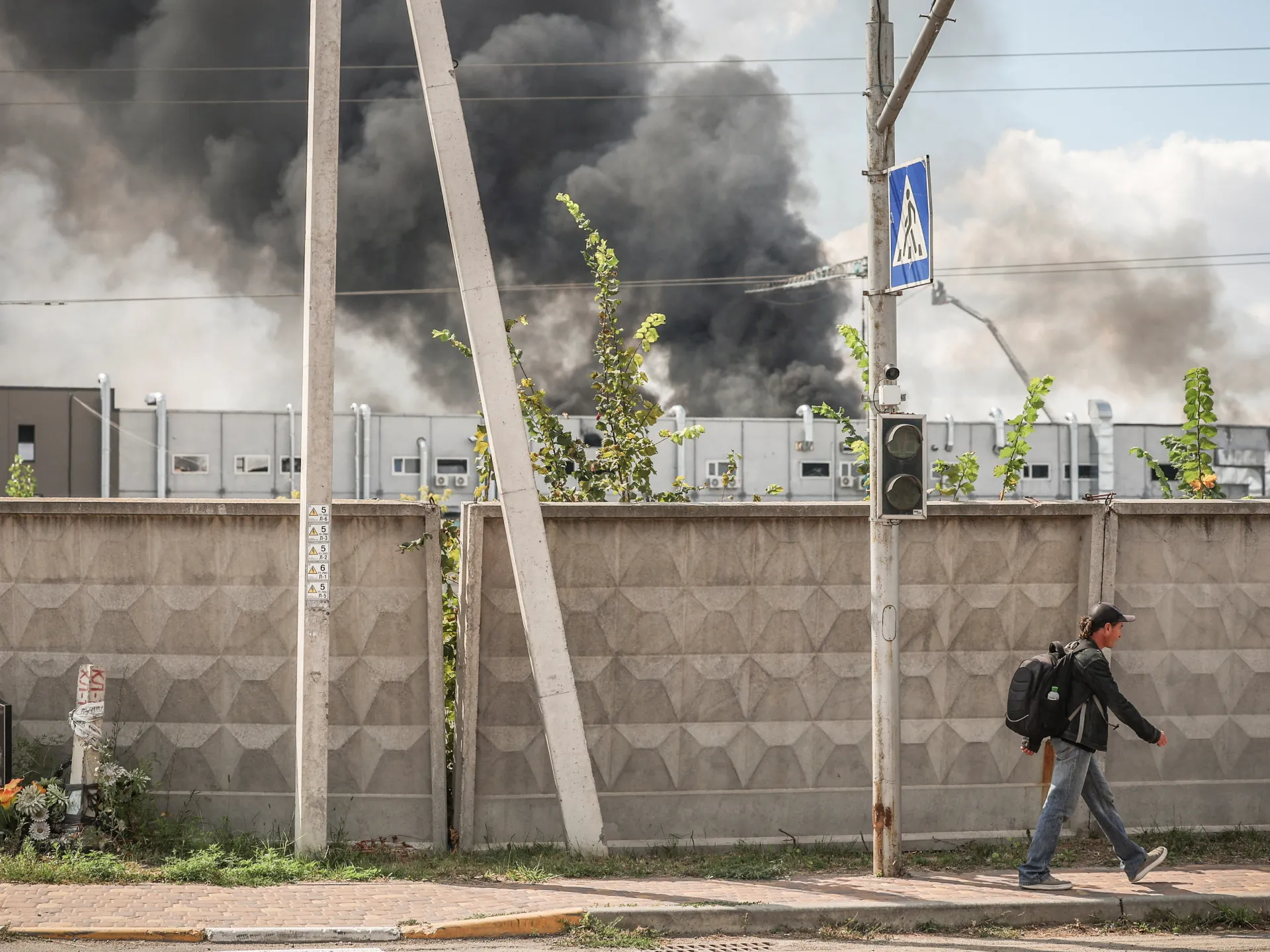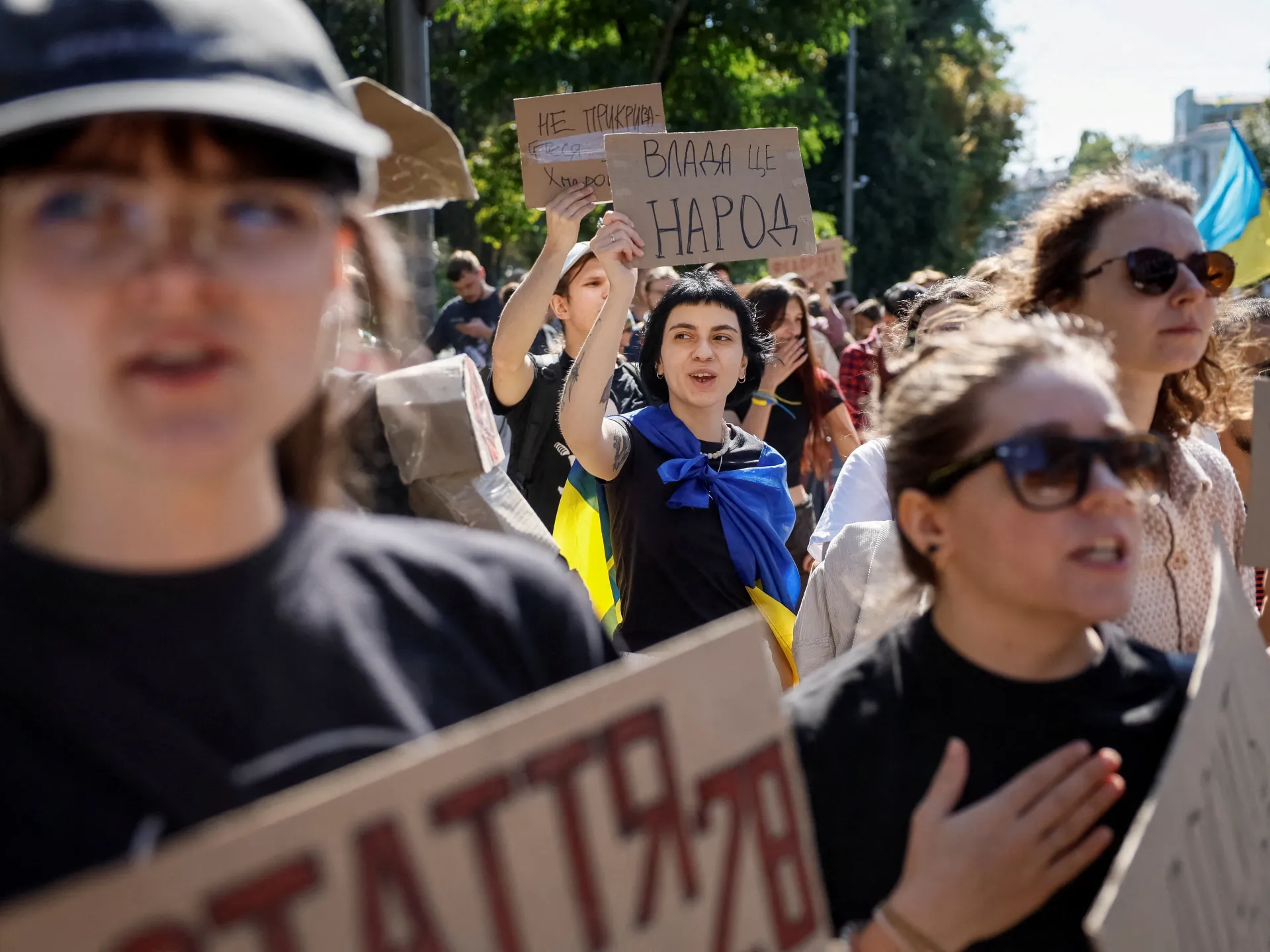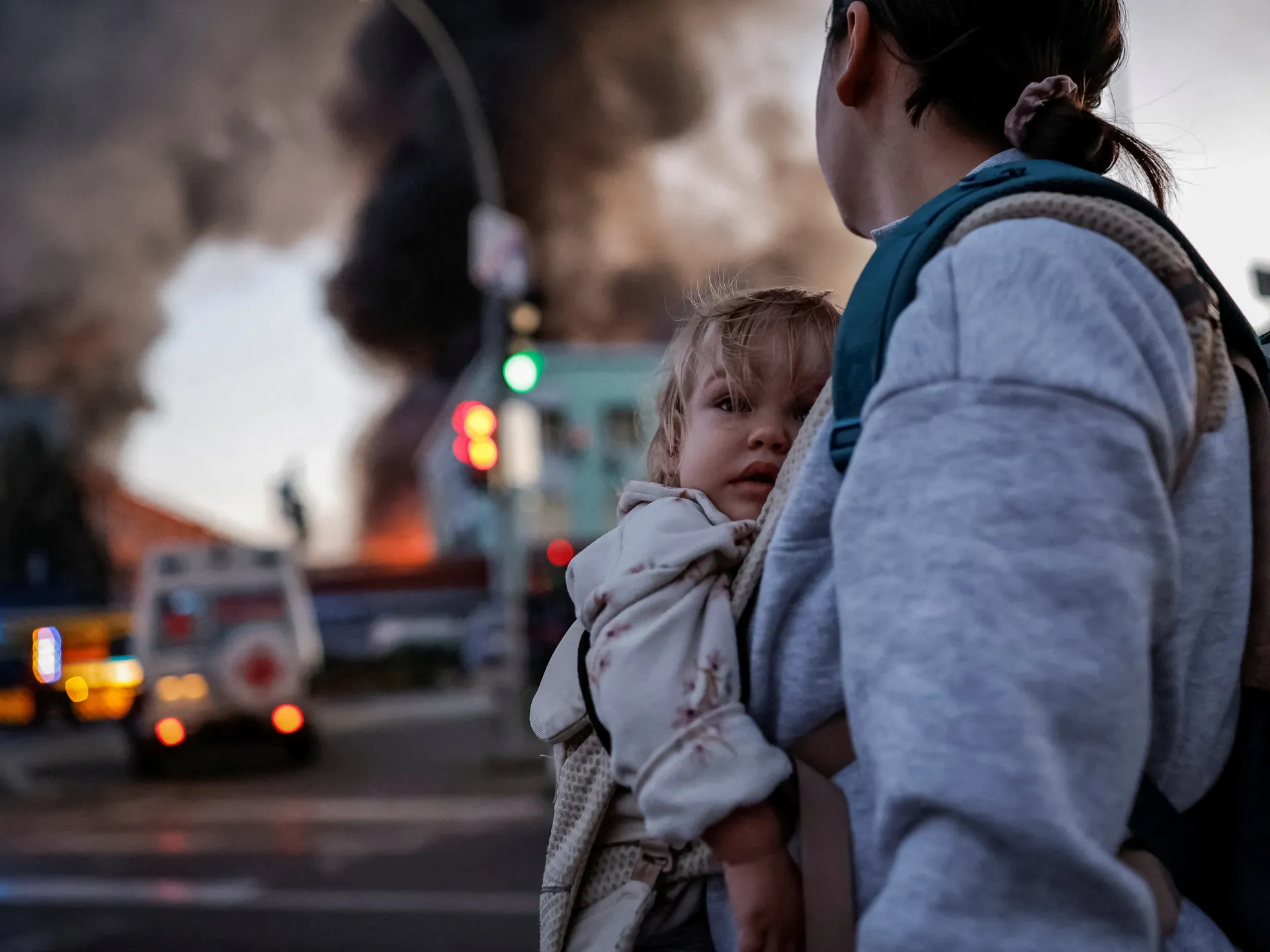
A surge in the frequency and duration of Russian air raids has forced Ukrainian civilians to adapt to a new, exhausting reality of constant alerts and infrastructure disruptions.
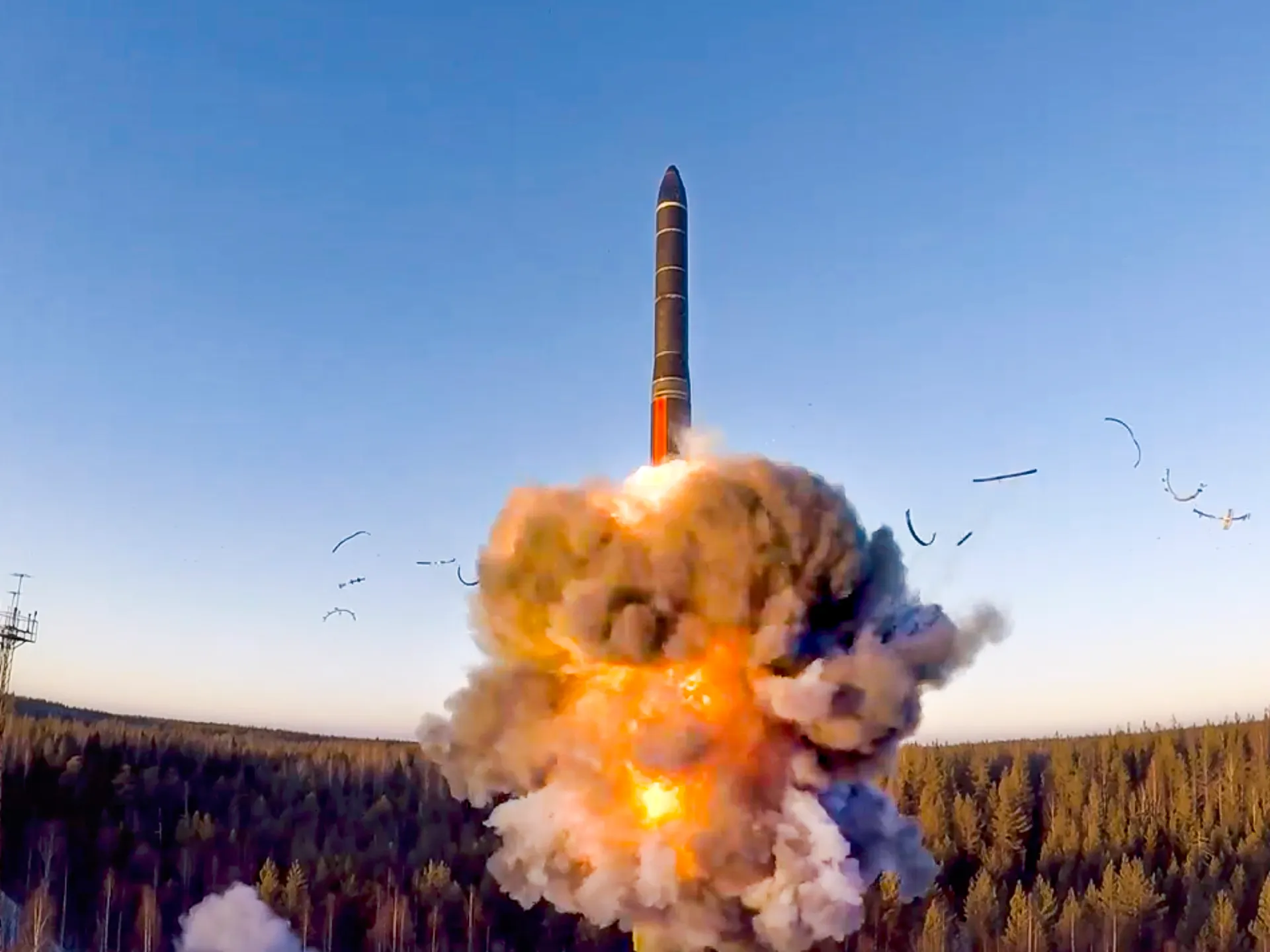
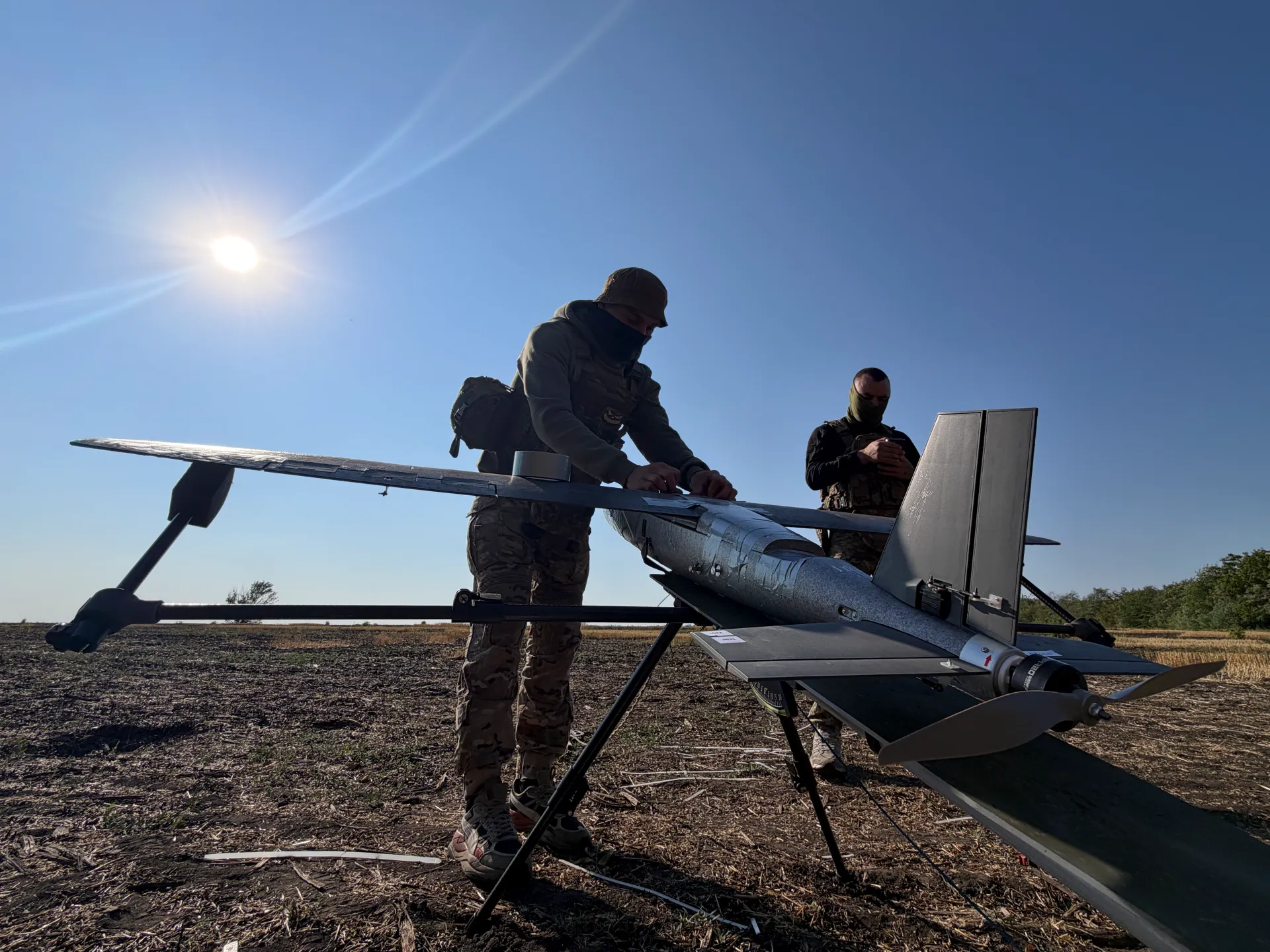
Since the middle of August, the nature of aerial warfare in Ukraine has undergone a significant transformation. Rather than focusing on massive, singular strikes, the current Russian strategy relies on a higher frequency of smaller, unpredictable drone and missile attacks. This shift is designed to maximize psychological strain on the civilian population, turning daily life into a persistent state of alertness. ban centers, disrupting everything from professional obligations to basic transit.
The quantitative data behind this change is striking. Reports indicate that the frequency of air raids has surged, with some weeks seeing dozens of alerts lasting for nearly twenty-four hours in total. While a brief diplomatic lull occurred in early September, the resumption of hostilities immediately reaffirmed the new, exhausting pattern. These raids, while occasionally involving smaller numbers of munitions, are strategically timed to prevent deep sleep and create a climate of perpetual instability for millions of residents.
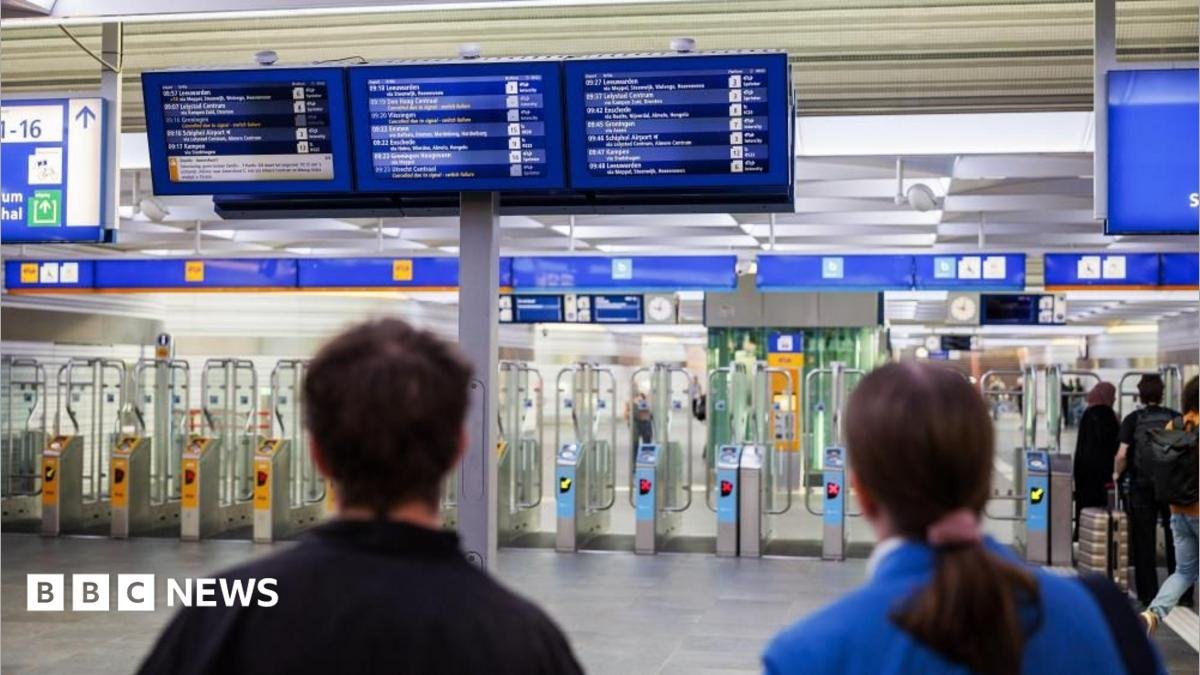
The impact of this campaign is felt most acutely in the daily logistics of city life. In major hubs like Kyiv, infrastructure is forced to shut down repeatedly throughout the day. When sirens wail, public transportation systems, particularly subway lines that cross major river barriers, are halted for safety. This results in massive, hours-long traffic jams and leaves thousands of commuters stranded in underground stations, waiting for the all-clear signal that often fails to arrive during the workday.
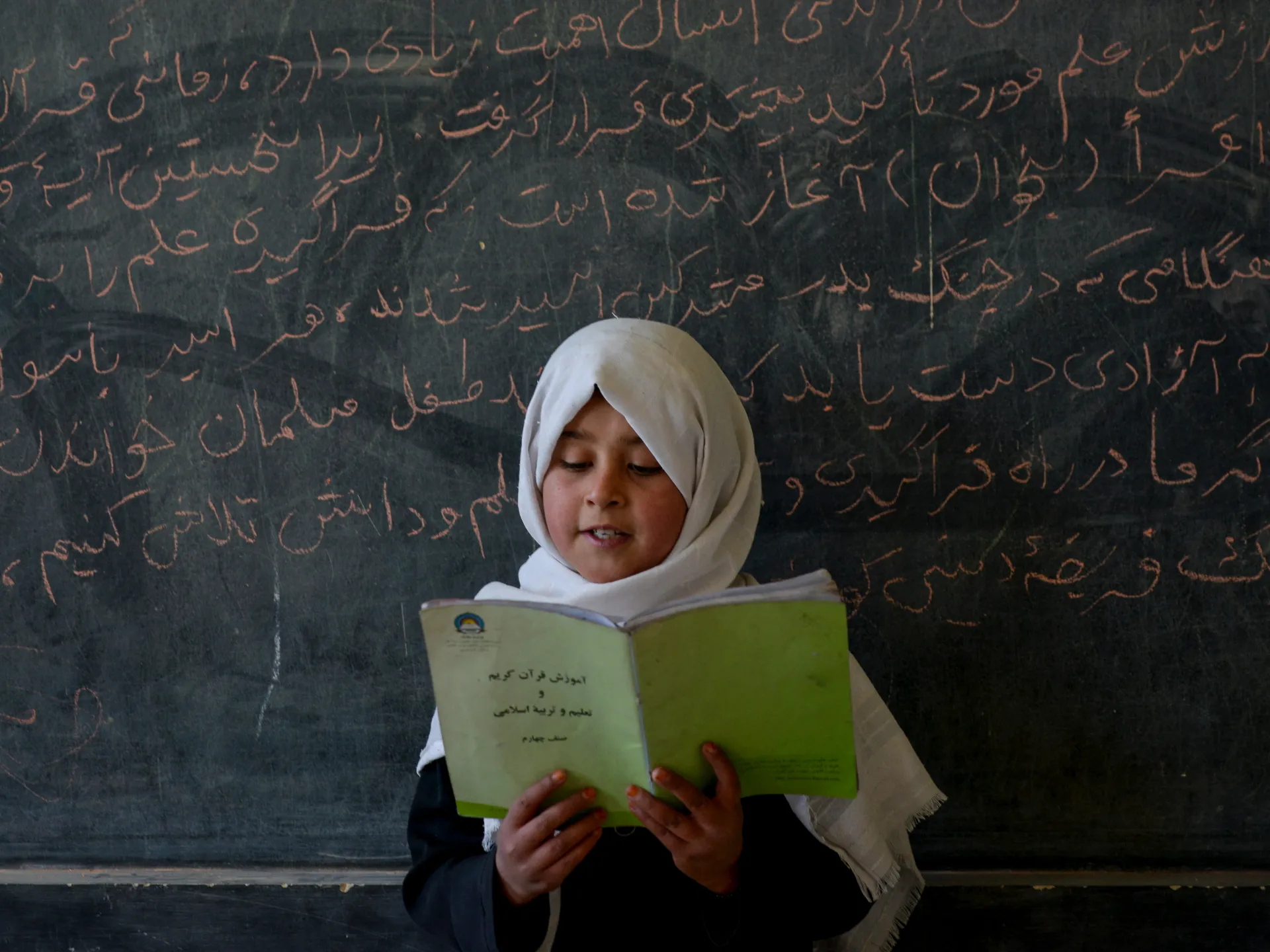
Beyond transportation, the educational sector is facing a profound crisis. Many families have opted to shift children into remote learning environments to avoid the risks associated with school-based bomb shelters. However, this transition comes with its own set of challenges, as students struggle to maintain focus while confined to their homes. The lack of social interaction and the constant environmental stress of potential attacks are creating long-term developmental concerns for a generation of Ukrainian youth.
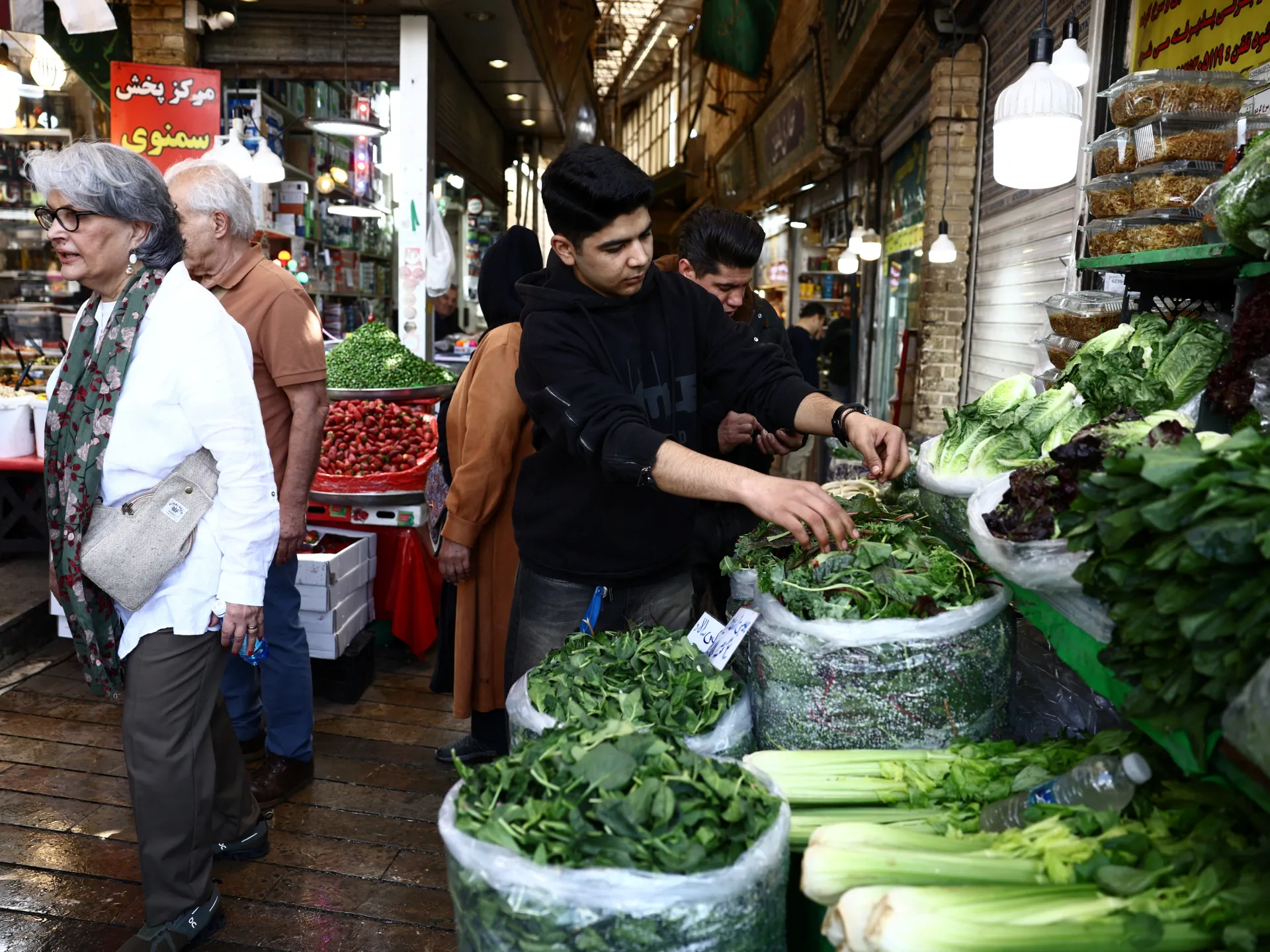
For the average citizen, the physical threat is compounded ities targeted in recent strikes, the availability of essential goods—including medicine and staple foods—has become inconsistent. Residents are moving away from traditional supermarket shopping, opting instead for smaller, localized vendors. This shift requires more time and effort to secure daily necessities, further tightening the schedule of those already burdened
Mental health is increasingly becoming a primary casualty of the ongoing conflict. Many professionals, even those who have adapted to remote work, report needing pharmaceutical intervention to manage anxiety and sleep deprivation. The exhaustion of waiting for the next alert has replaced the initial shock of the war with a grim, stoic endurance. Families are now looking toward the upcoming winter with trepidation, anticipating further strikes on critical energy infrastructure that could lead to widespread blackouts and prolonged periods without heating or electricity.
Despite the overwhelming pressure, the population continues to demonstrate remarkable ingenuity. From small business owners operating in subterranean spaces to families preparing for a winter of potential isolation, the strategy is one of adaptation. Many are moving toward self-sufficiency, seeking out homes with alternative energy sources like wood stoves and private water wells, though such moves are often complicated
The collective experience has forged a unique societal resilience, rooted in the memory of past historical traumas and a refusal to be broken abric of daily life, there remains a persistent commitment to maintaining professional and personal routines. As the conflict drags on, the challenge remains not only in surviving the physical strikes but in preserving the social and mental well-being of a nation under continuous siege.