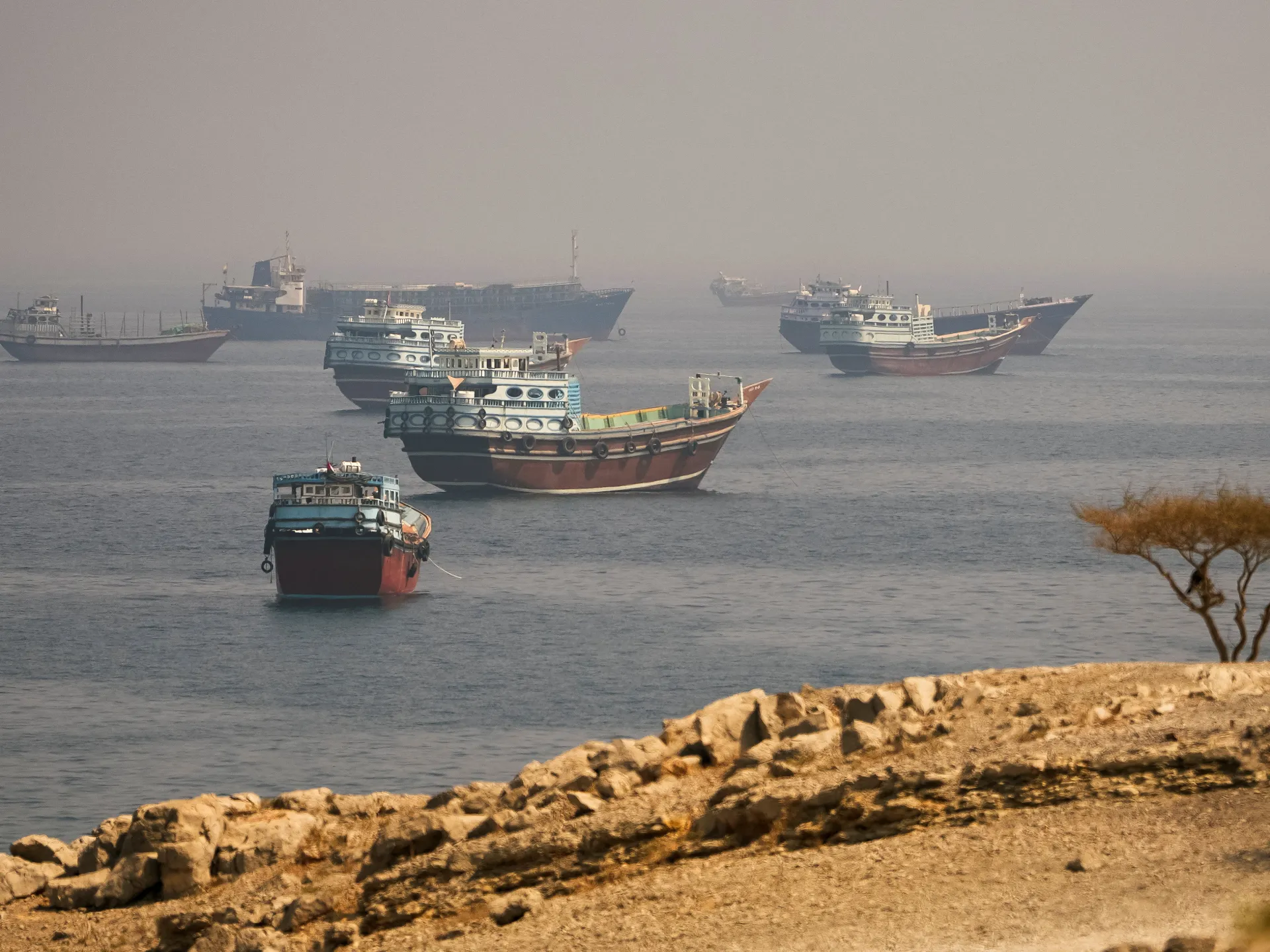
A planned summit in Oman aimed at restoring transit through the Strait of Hormuz has been postponed following objections from Saudi Arabia.
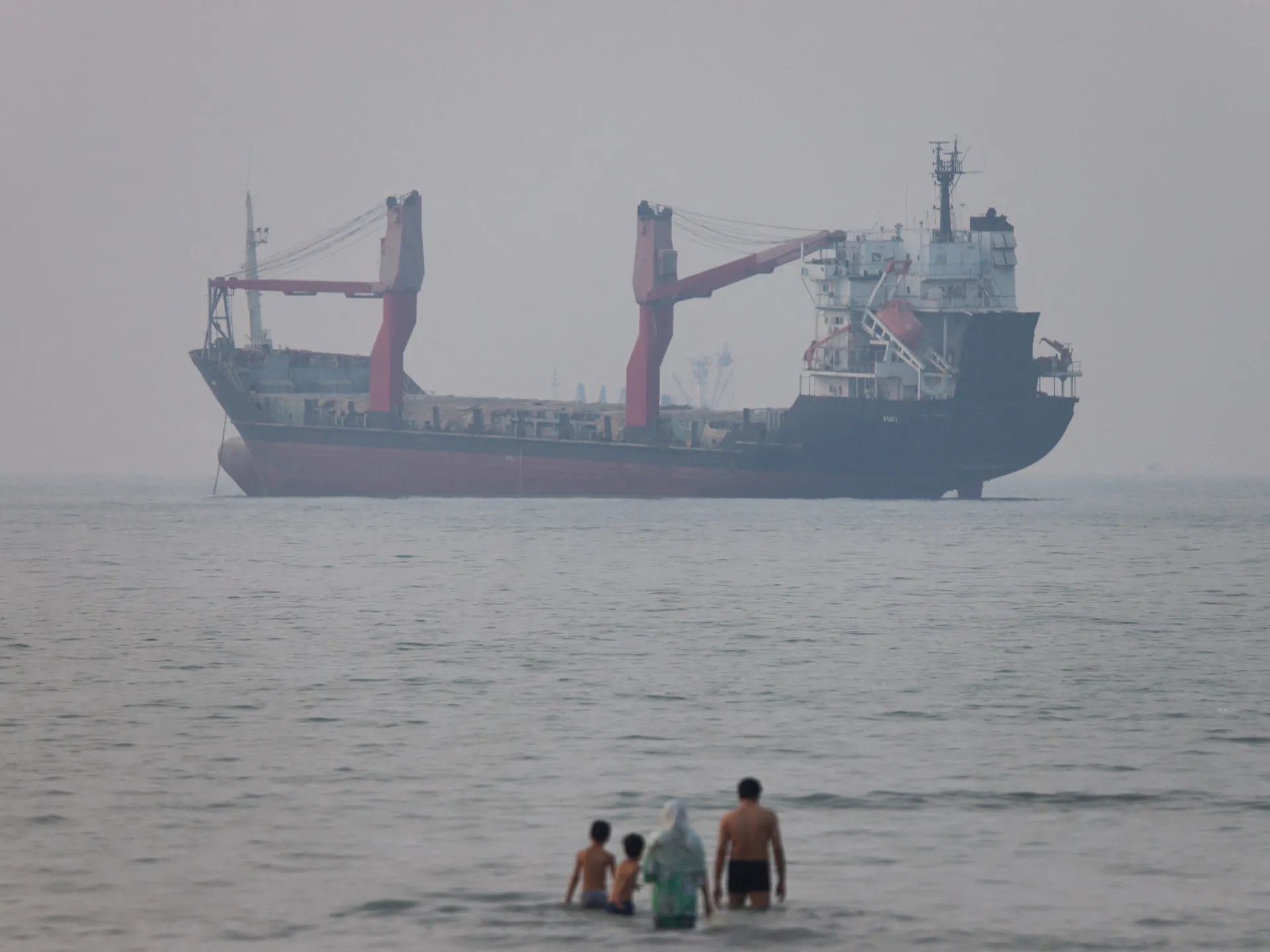
A critical diplomatic summit intended to establish temporary navigation routes through the Strait of Hormuz has been indefinitely postponed, marking a significant setback for regional stability. The meeting, which was set to take place in the Omani port city of Salalah, aimed to bring together representatives from Iran, Iraq, and several Gulf Cooperation Council (GCC) nations to address the ongoing maritime crisis. However, the gathering was canceled on Sunday night, with no immediate indication of when or if the discussions would resume.
While participants remained largely silent regarding the specific reasons for the delay, Iran’s Ministry of Foreign Affairs attributed the cancellation to objections raised ge within the Iran-Oman agreement might establish a permanent new status quo in the waterway, a development the kingdom deemed unacceptable. Bahrain, a vocal critic of the initiative, had already refused to attend, labeling the potential agreement as a form of appeasement toward Tehran.
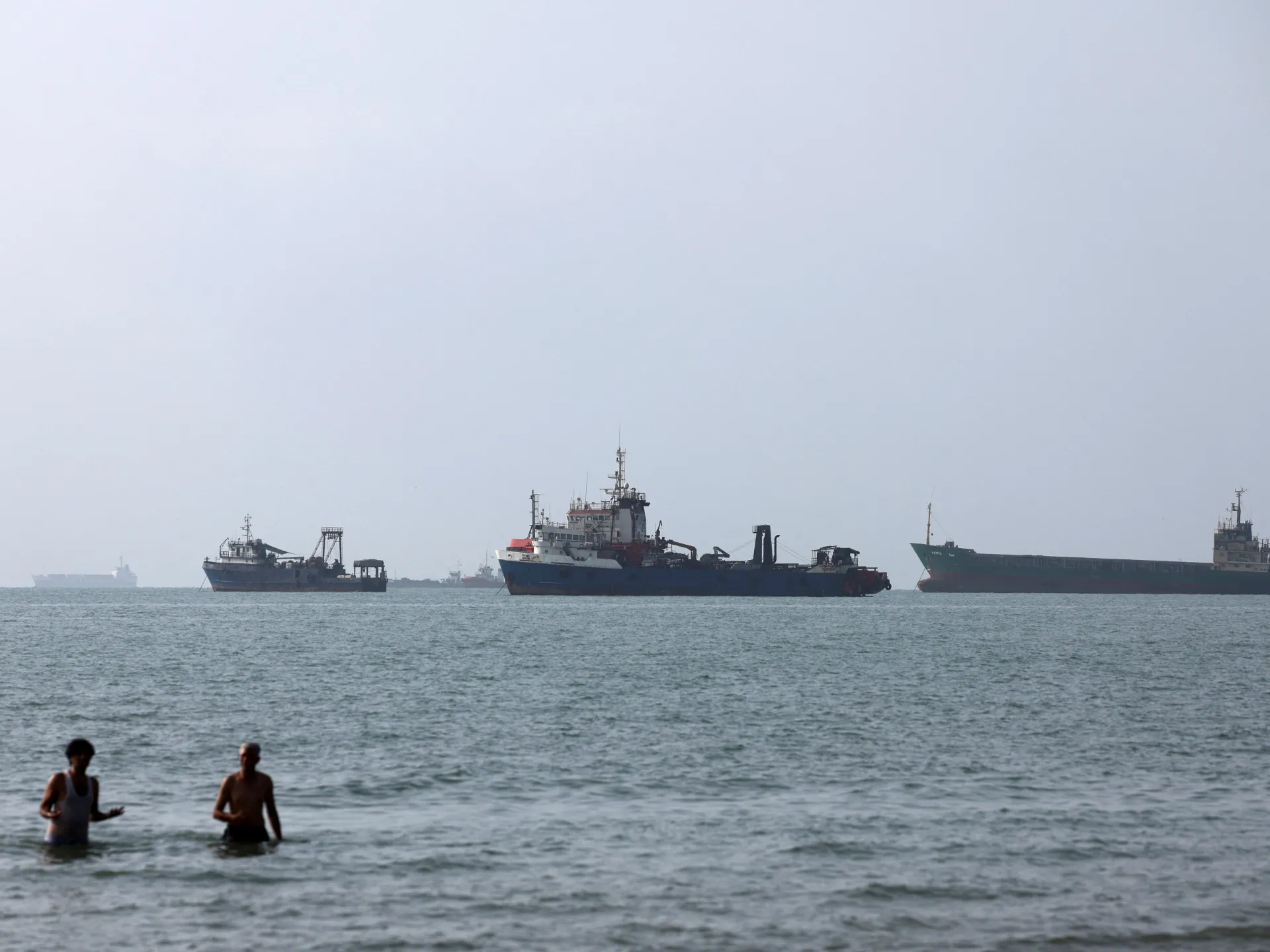
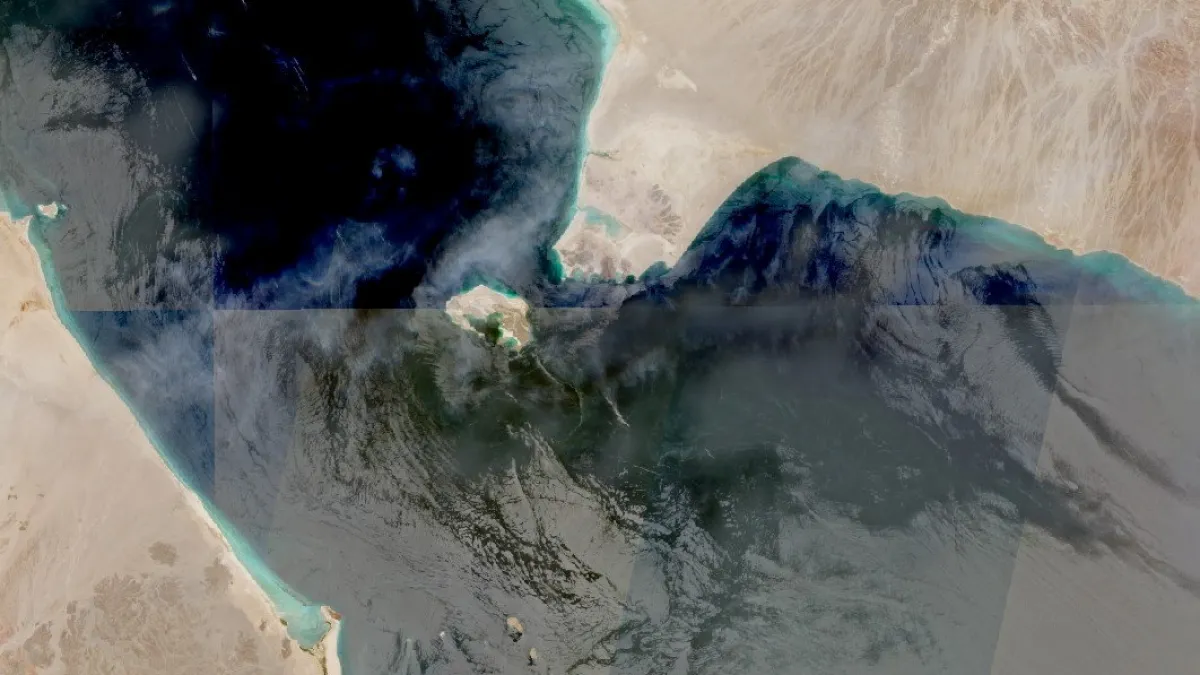
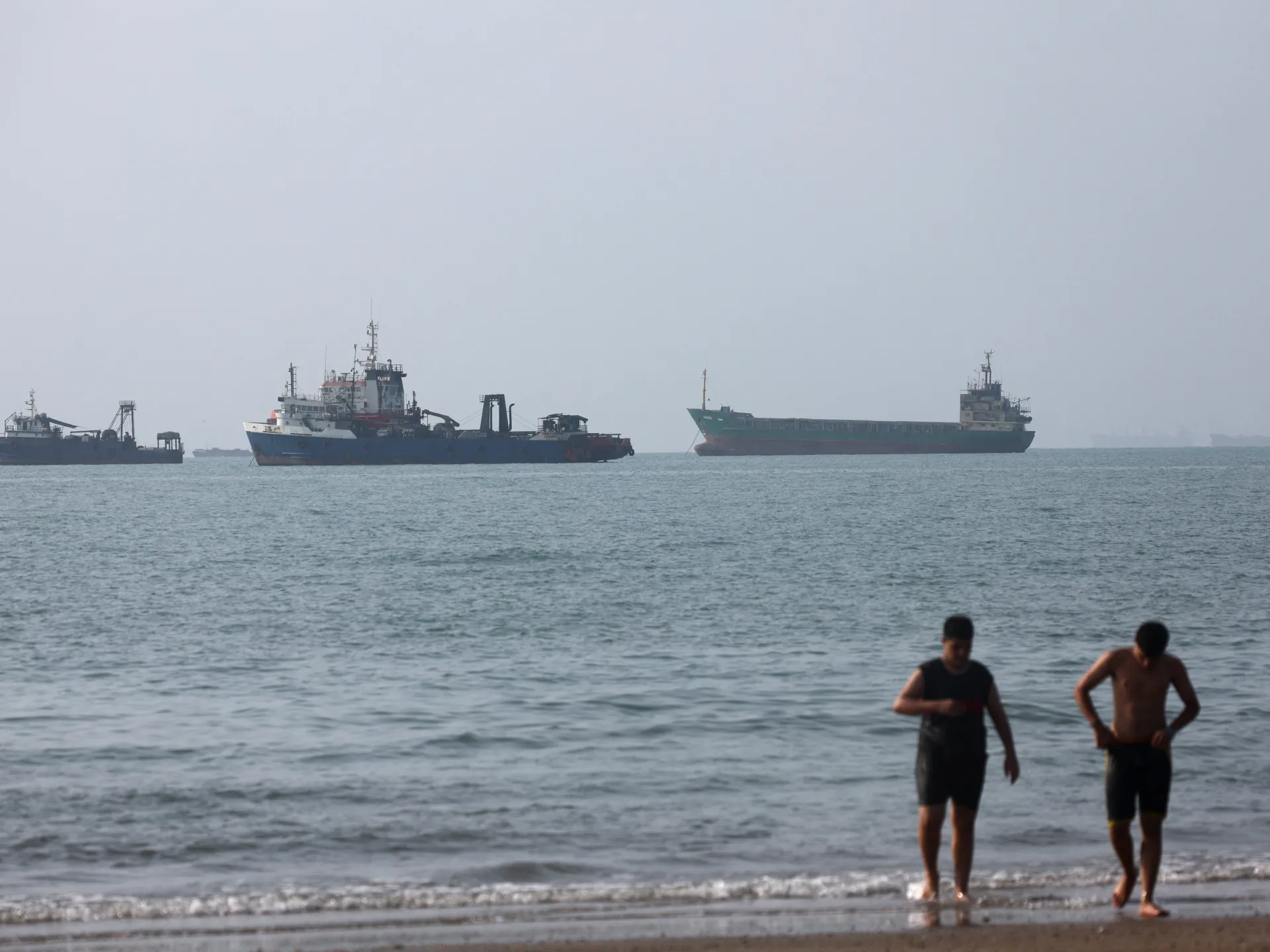
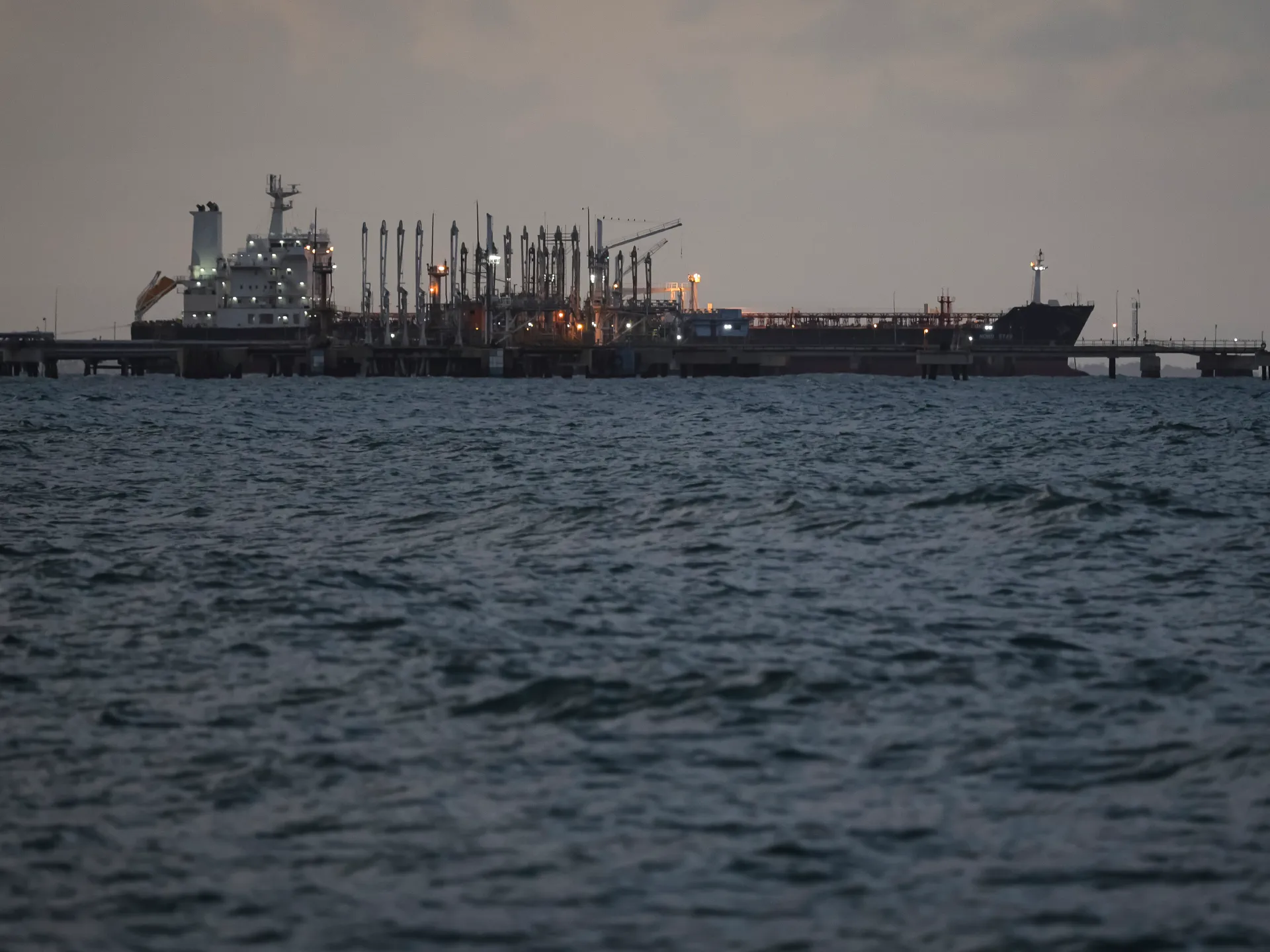
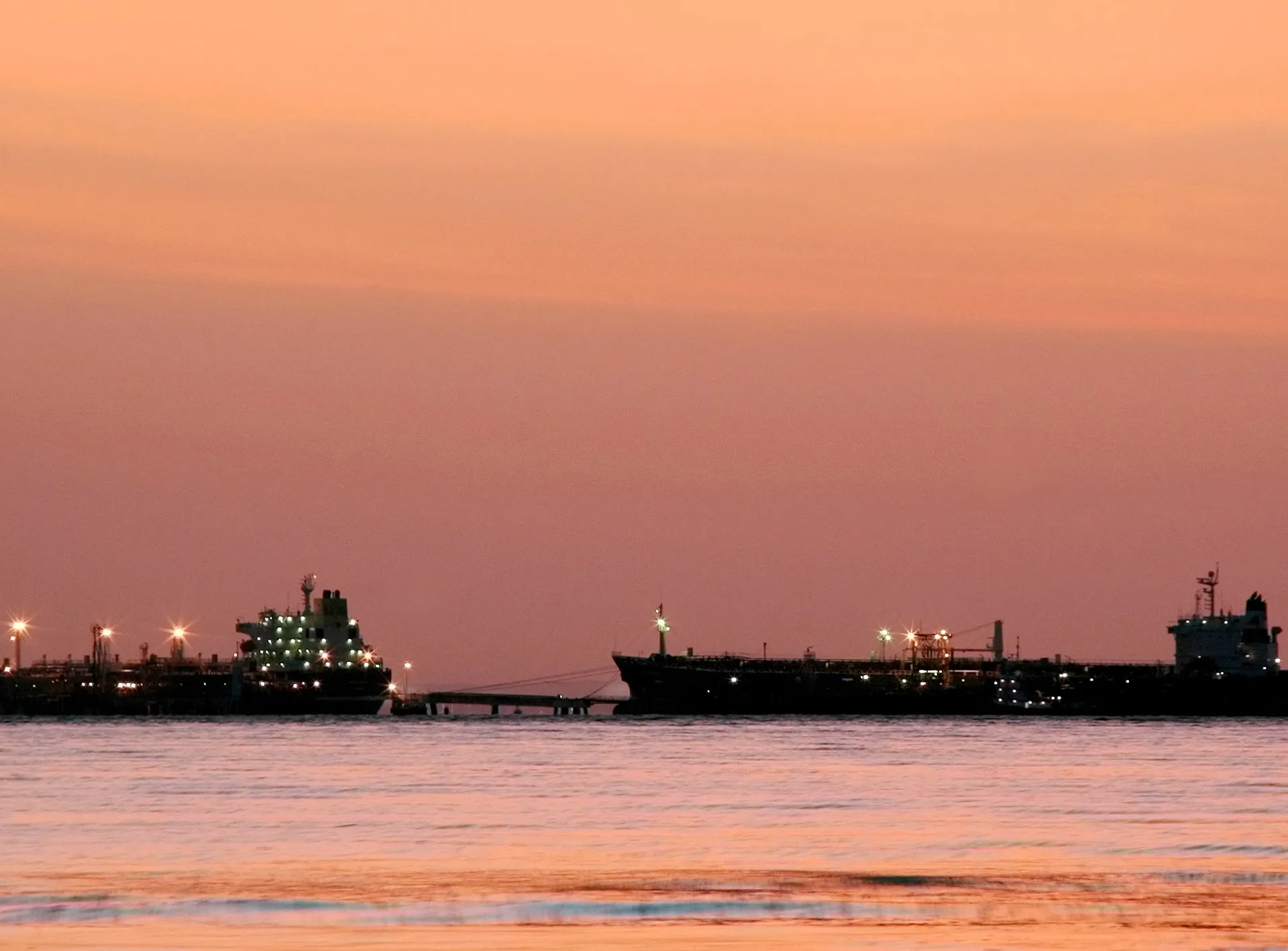
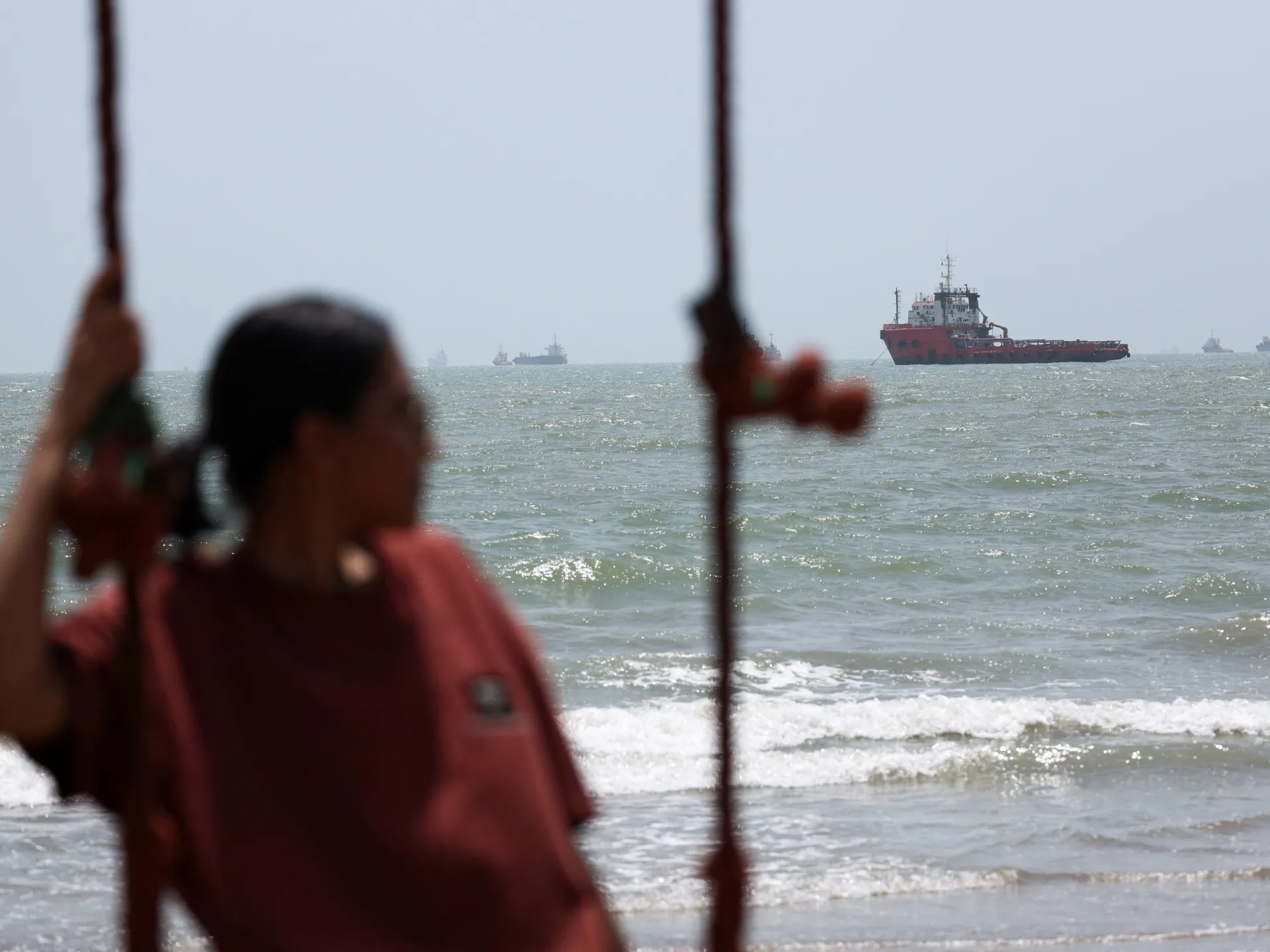
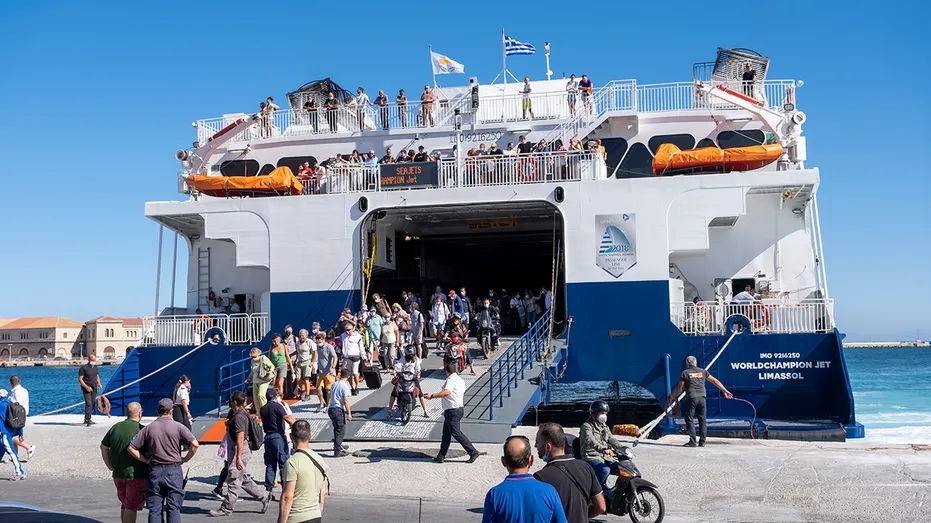
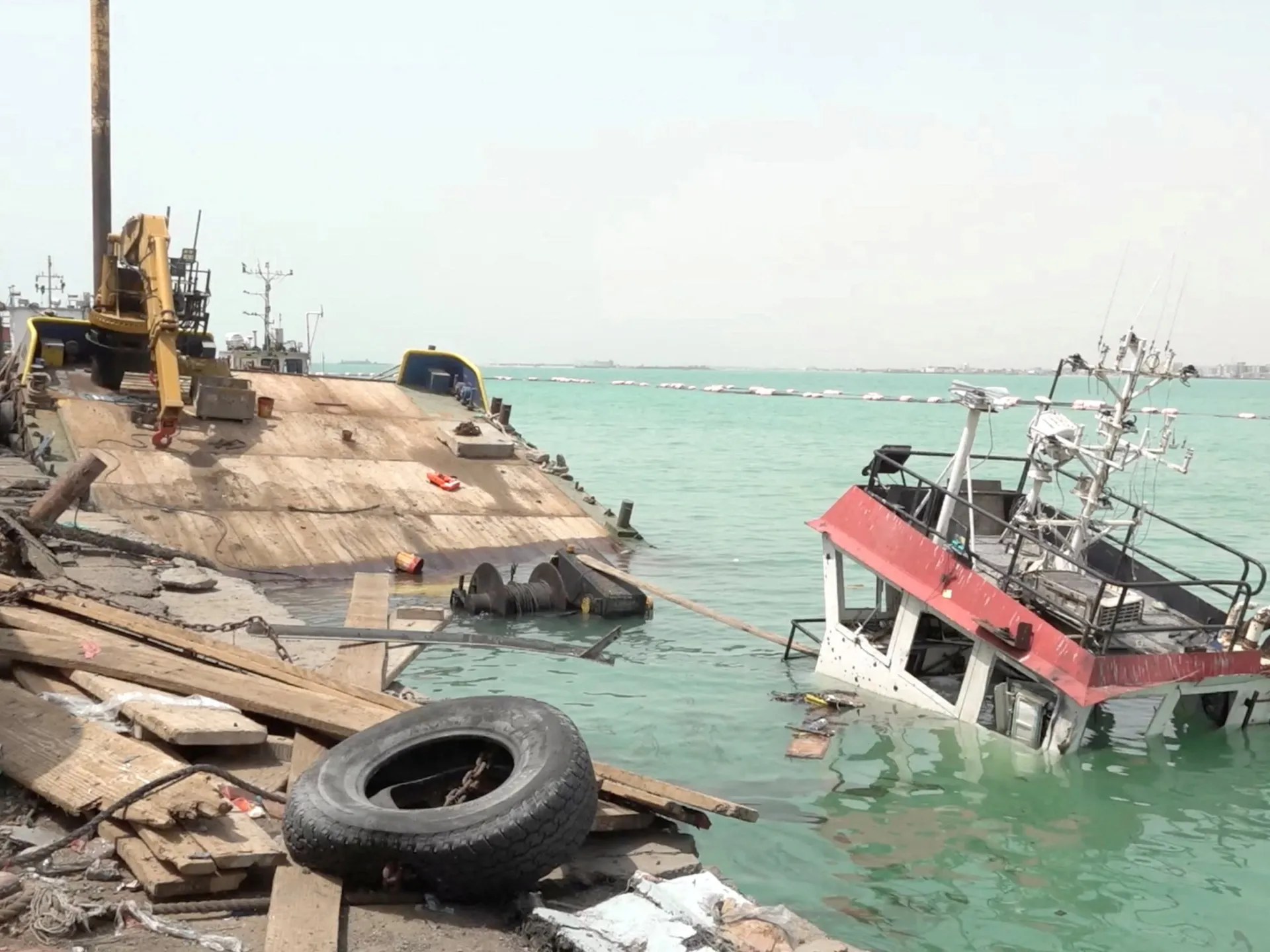
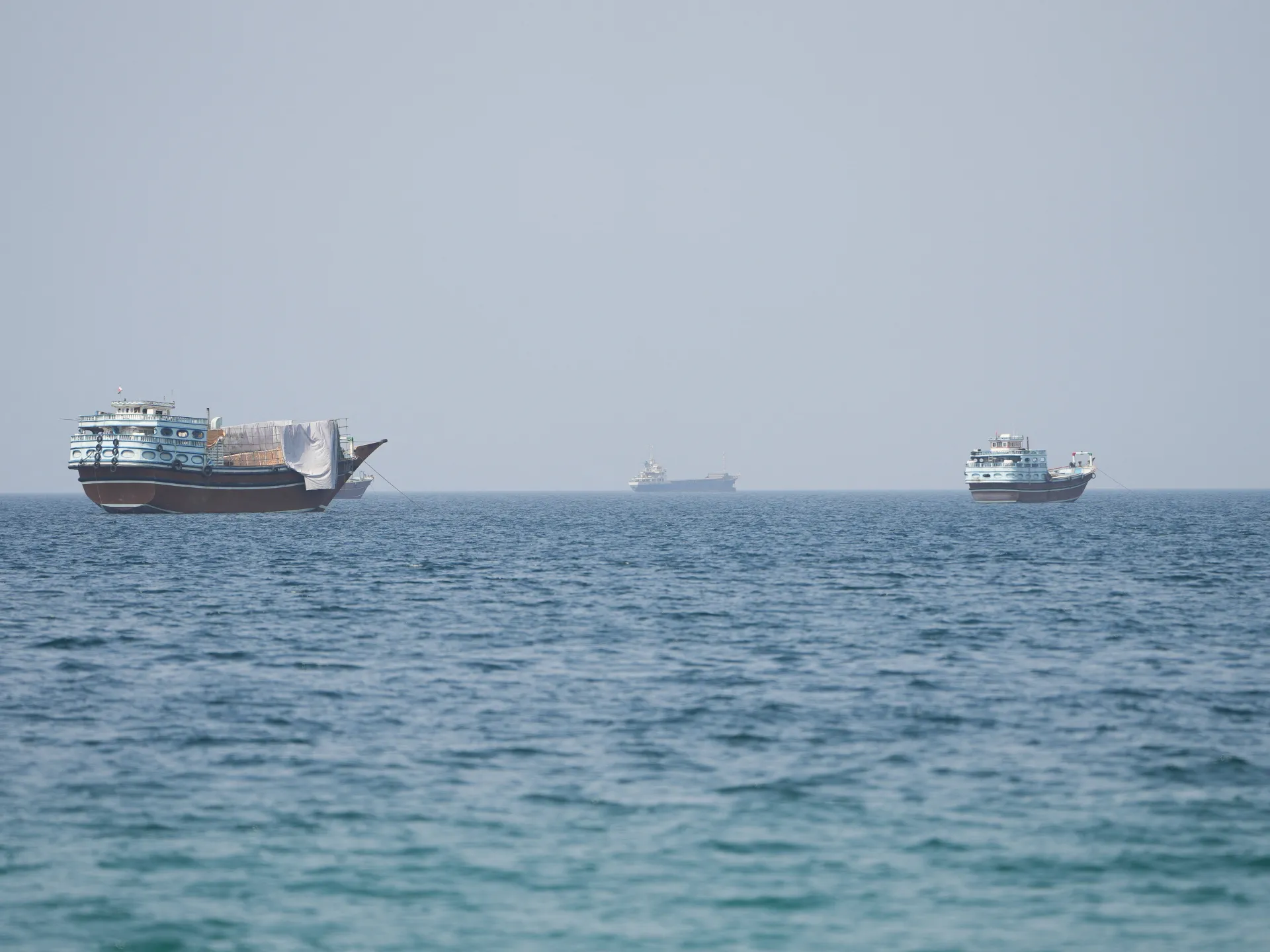
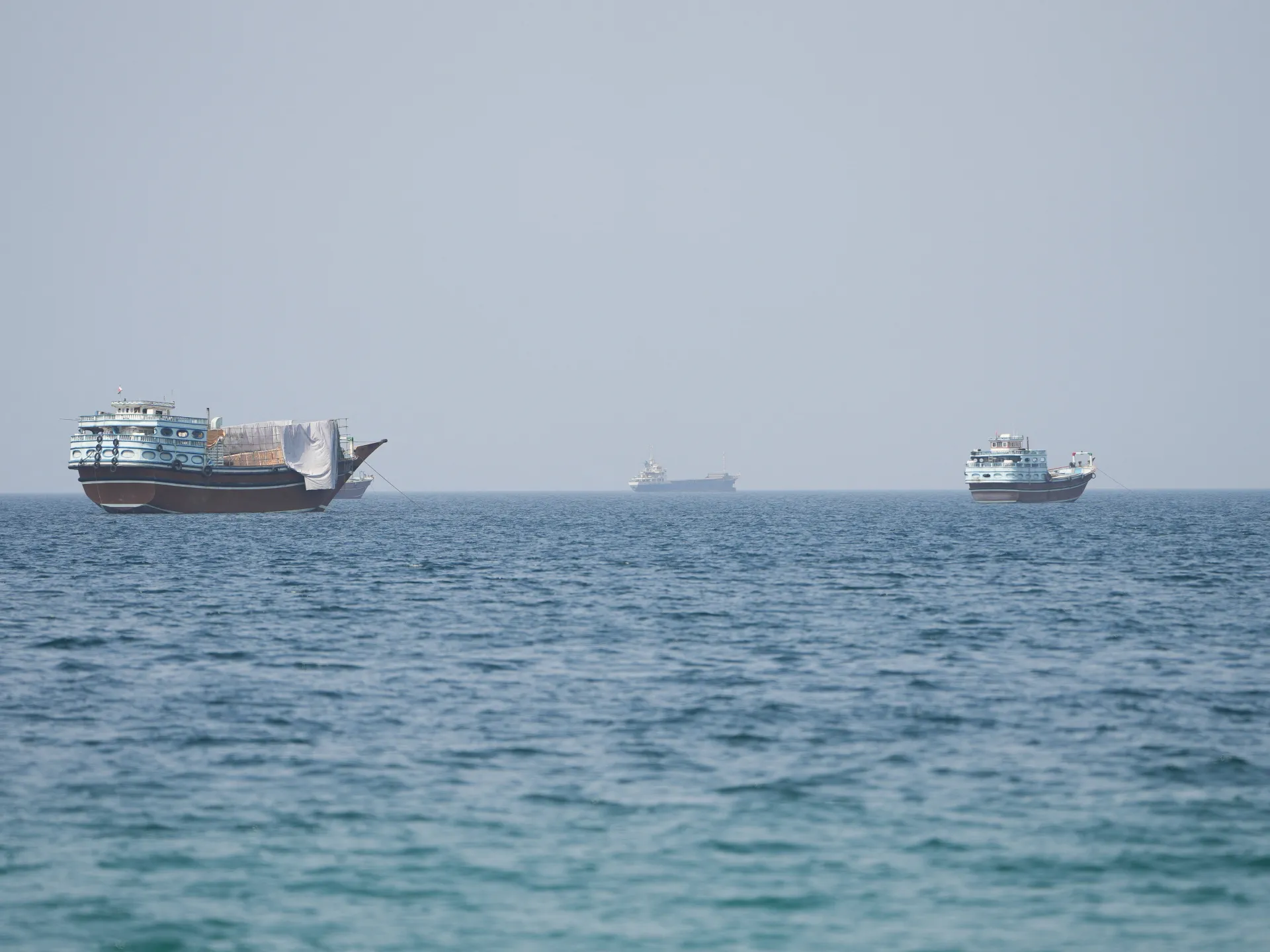
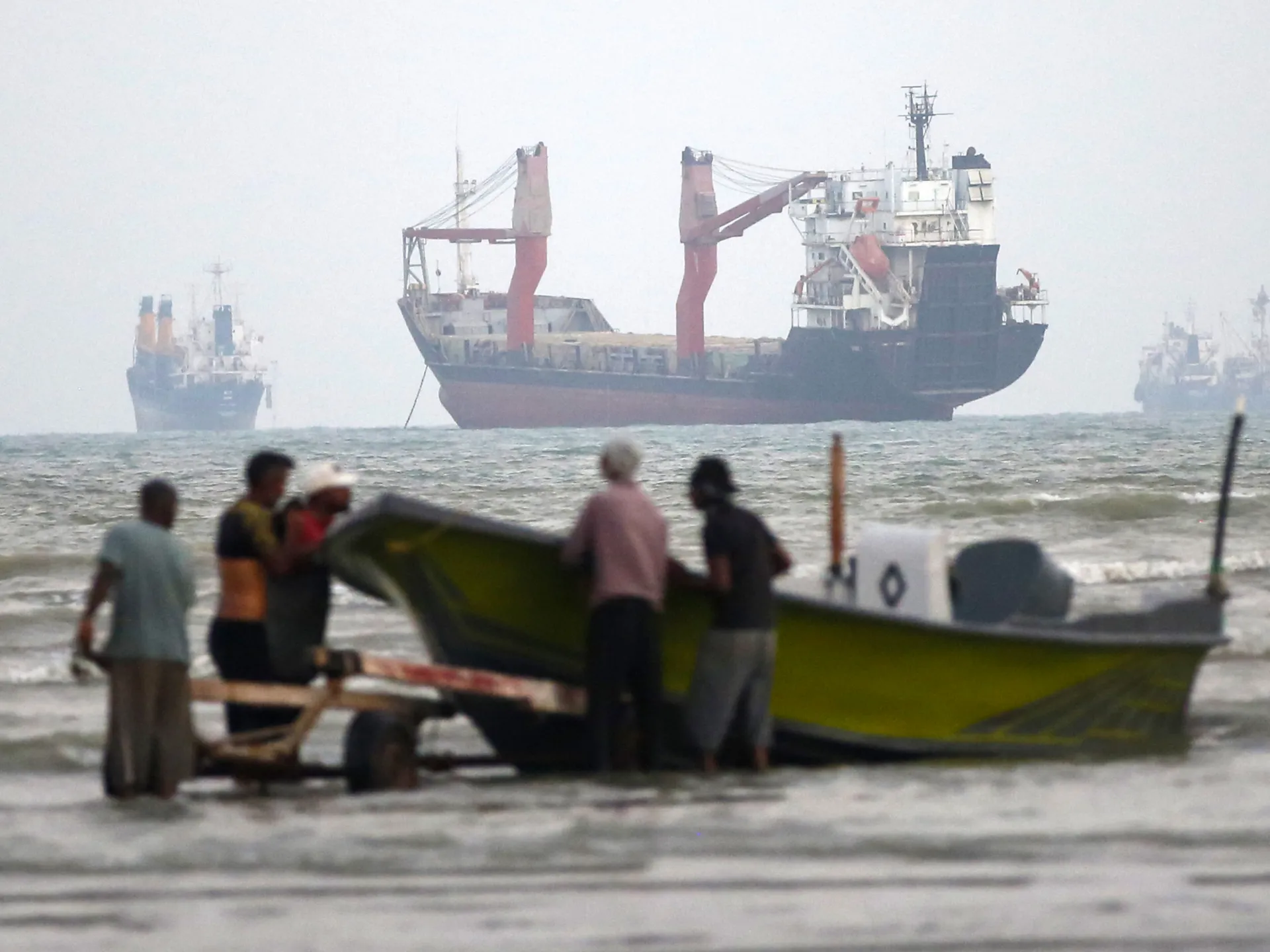
The proposed deal between Iran and Oman, the two nations sharing territorial waters in the strait, was designed to create temporary corridors for commercial vessels to bypass current obstructions. Under the plan, inbound shipping would utilize Iranian waters, while outbound vessels would navigate primarily through Omani-controlled areas. The initiative reportedly included provisions for voluntary tolls to fund essential services such as environmental protection, search-and-rescue missions, and general navigation support.
Despite the lack of a formal regional consensus, Iran has signaled its intention to move forward with the bilateral arrangement. Officials in Tehran maintain that they are consulting with Muscat on how best to finalize and register the agreement. greater pressure on the United States to lift its naval blockade. Analysts note that as the economic pain of the conflict deepens across the Gulf, the pressure for a functional solution to maritime traffic is mounting, even as Washington remains skeptical of any arrangement that validates Iran’s current position.
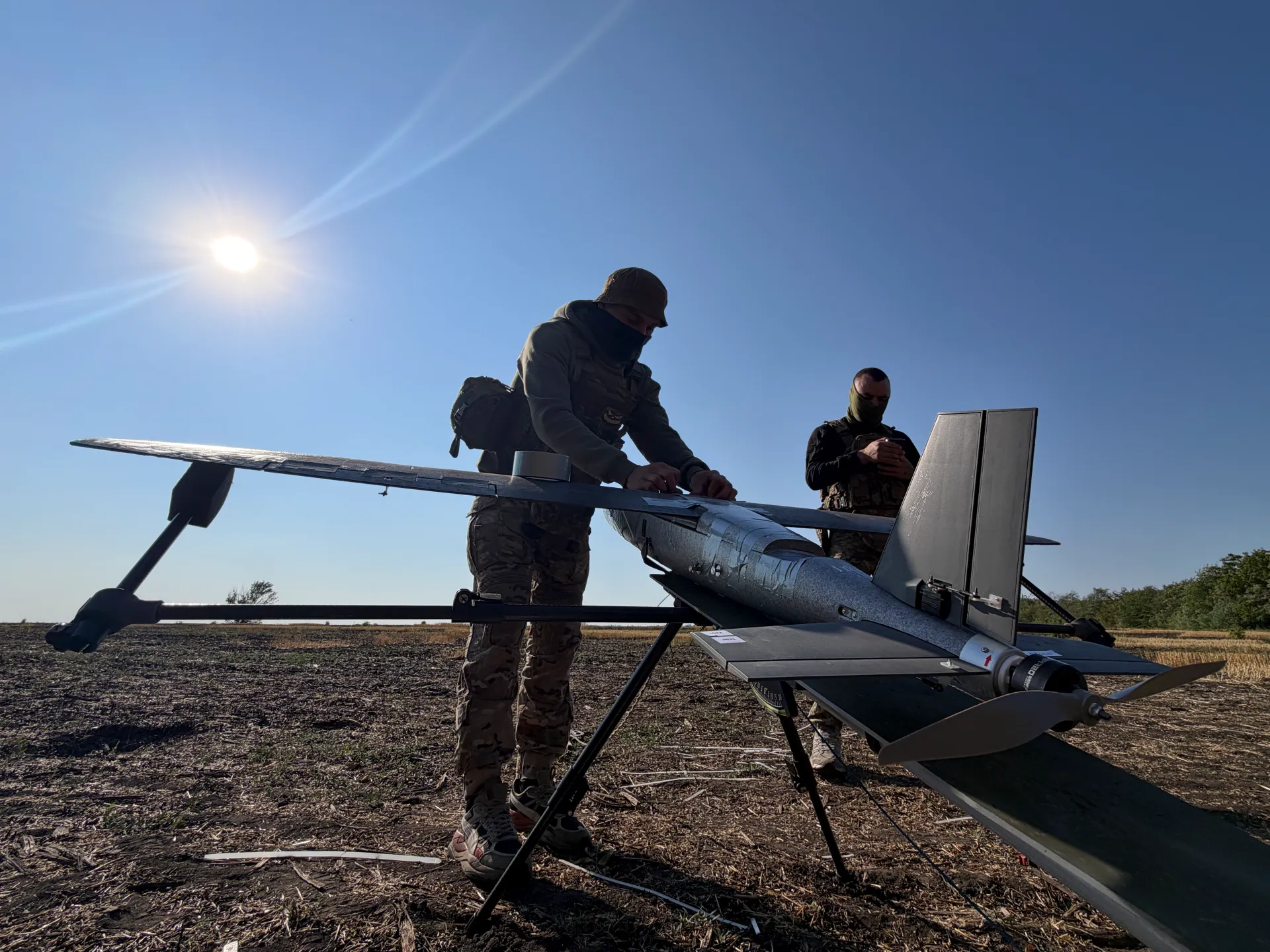
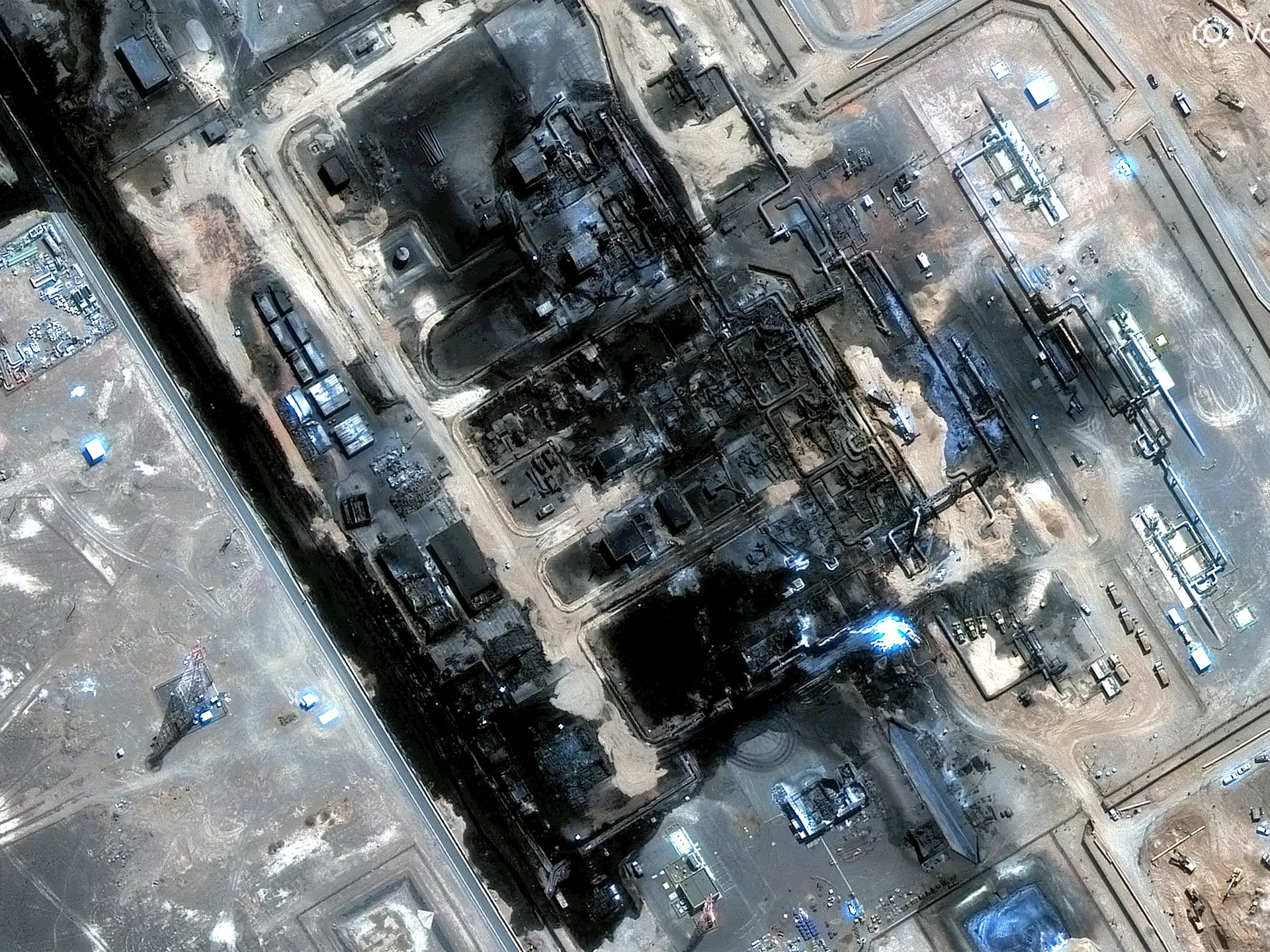
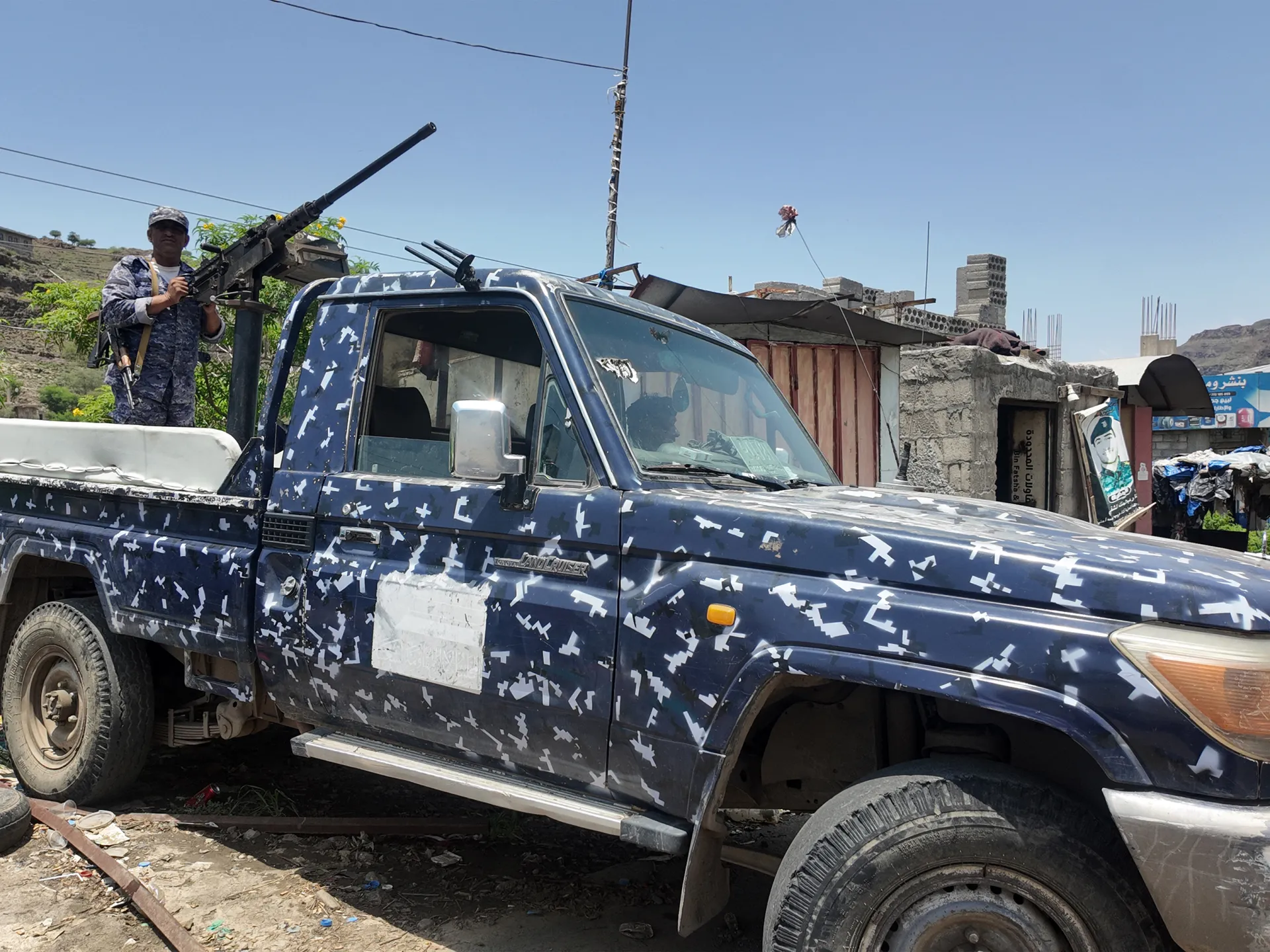
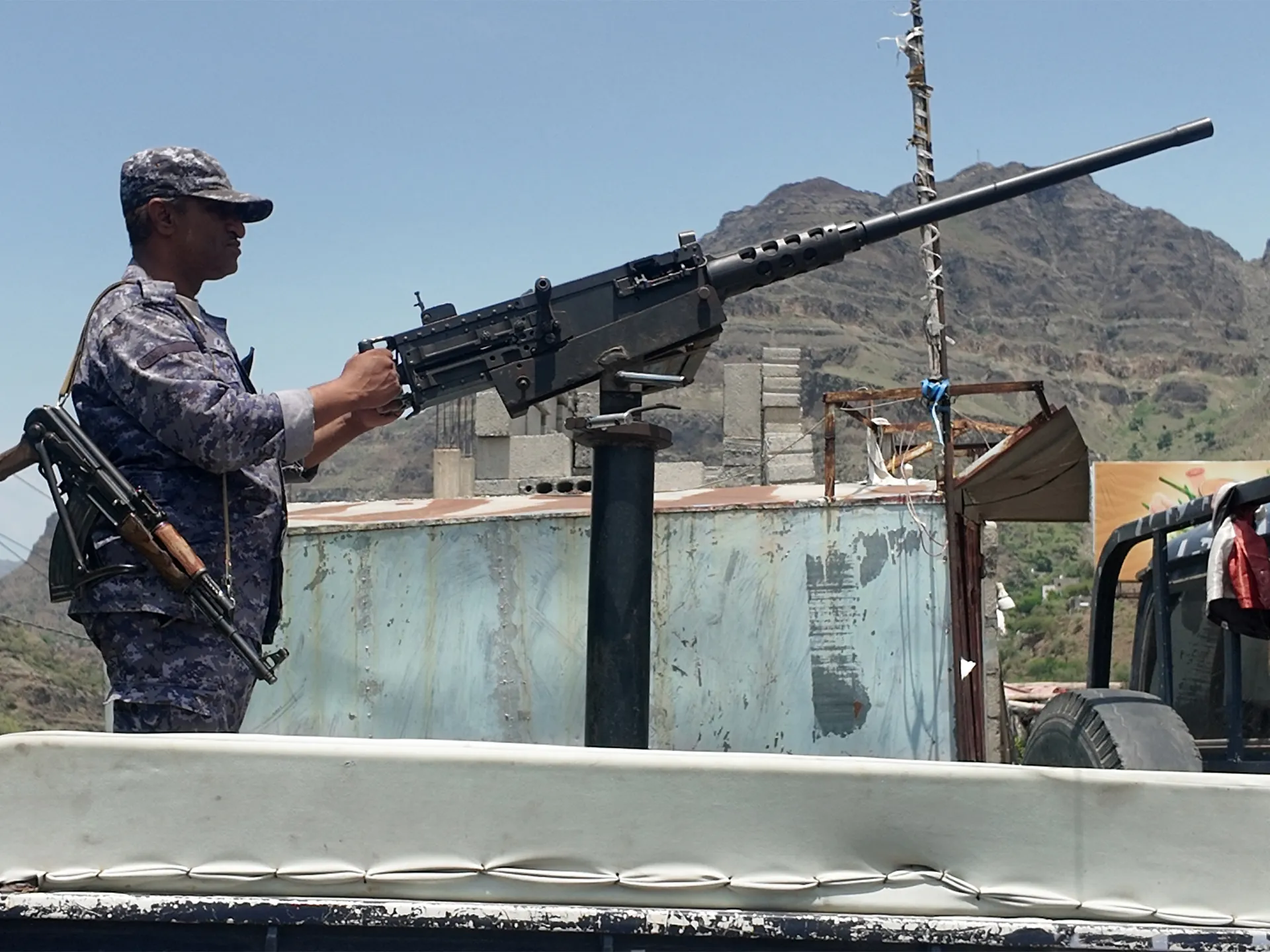
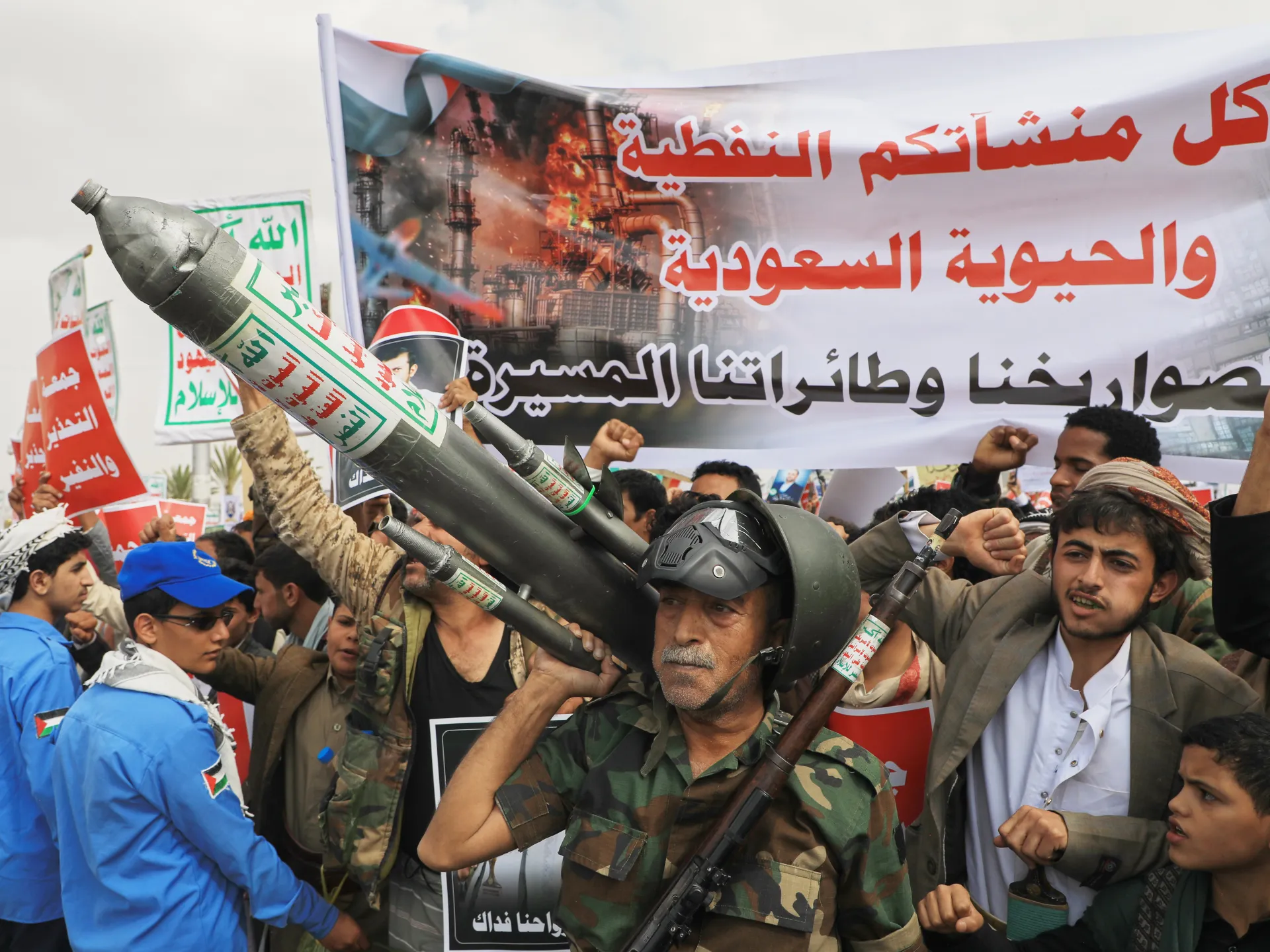
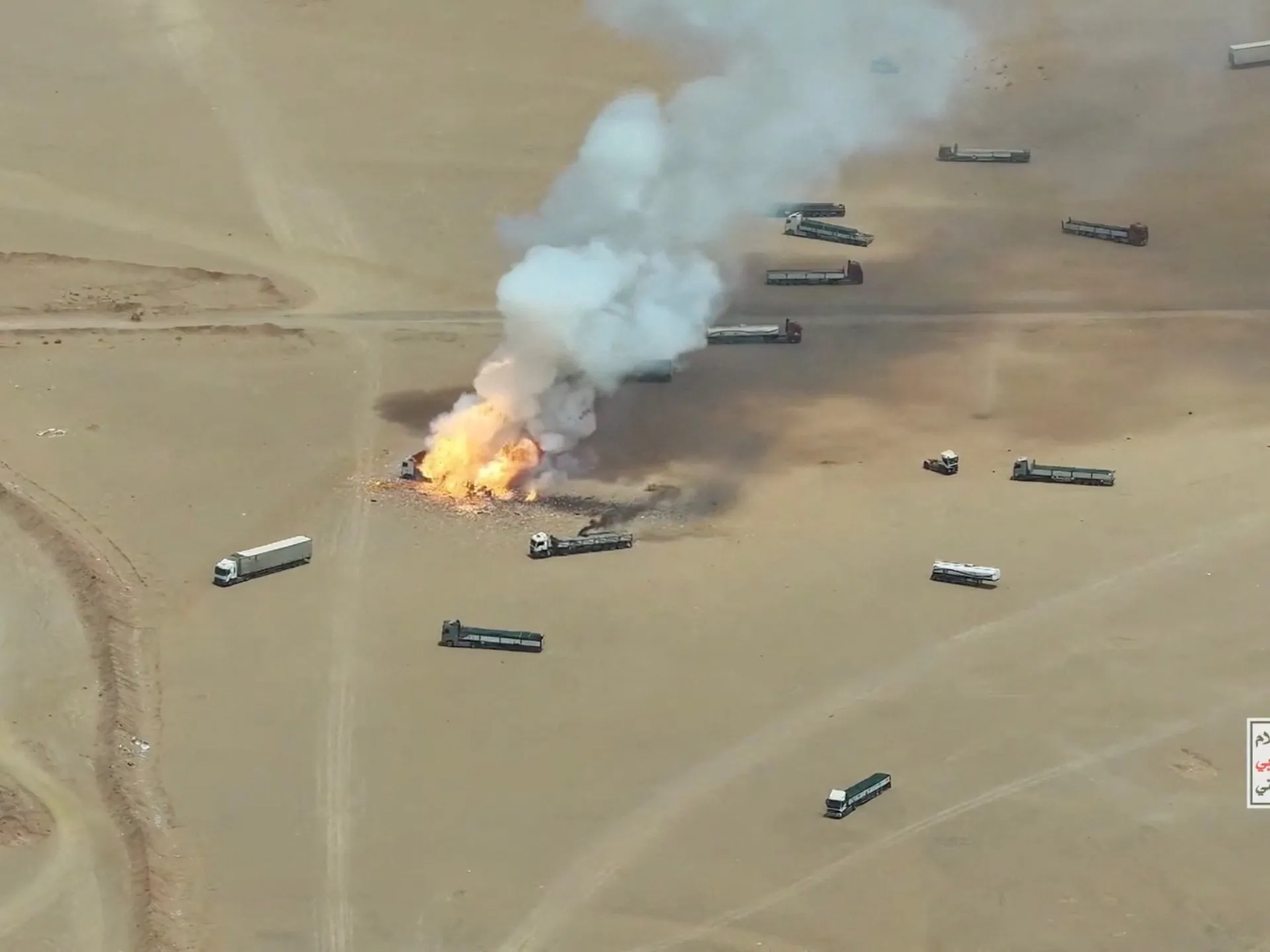
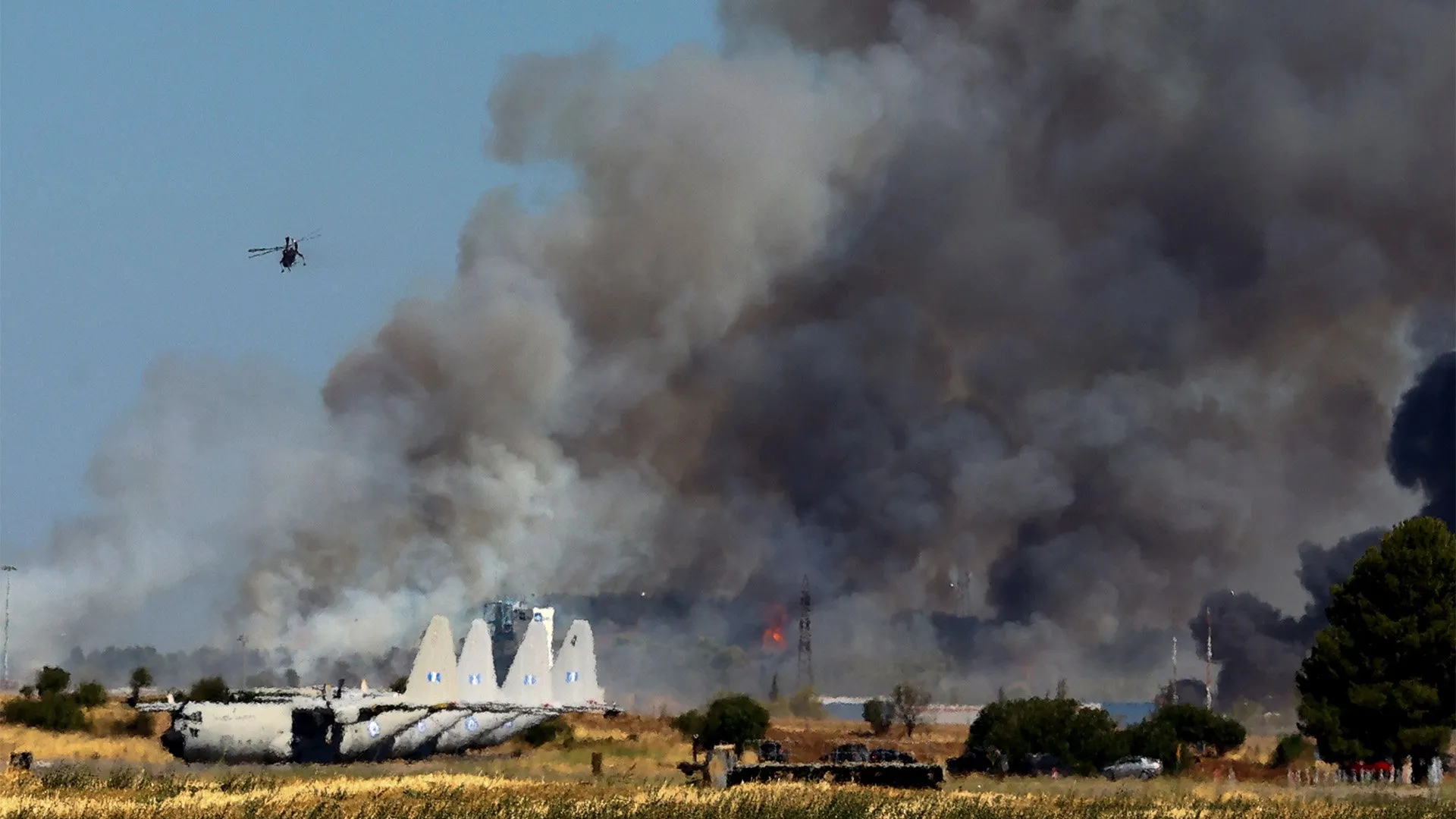
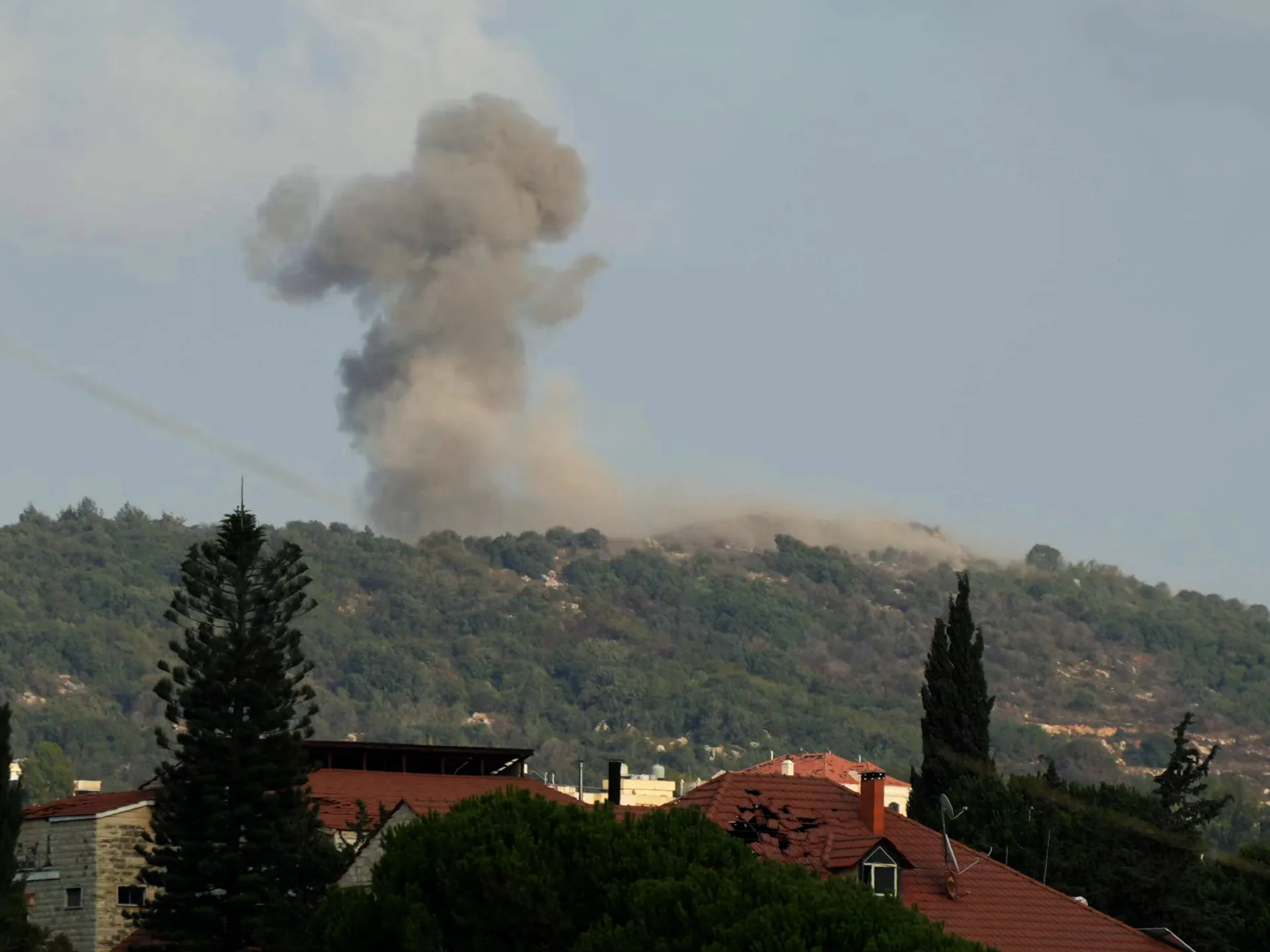
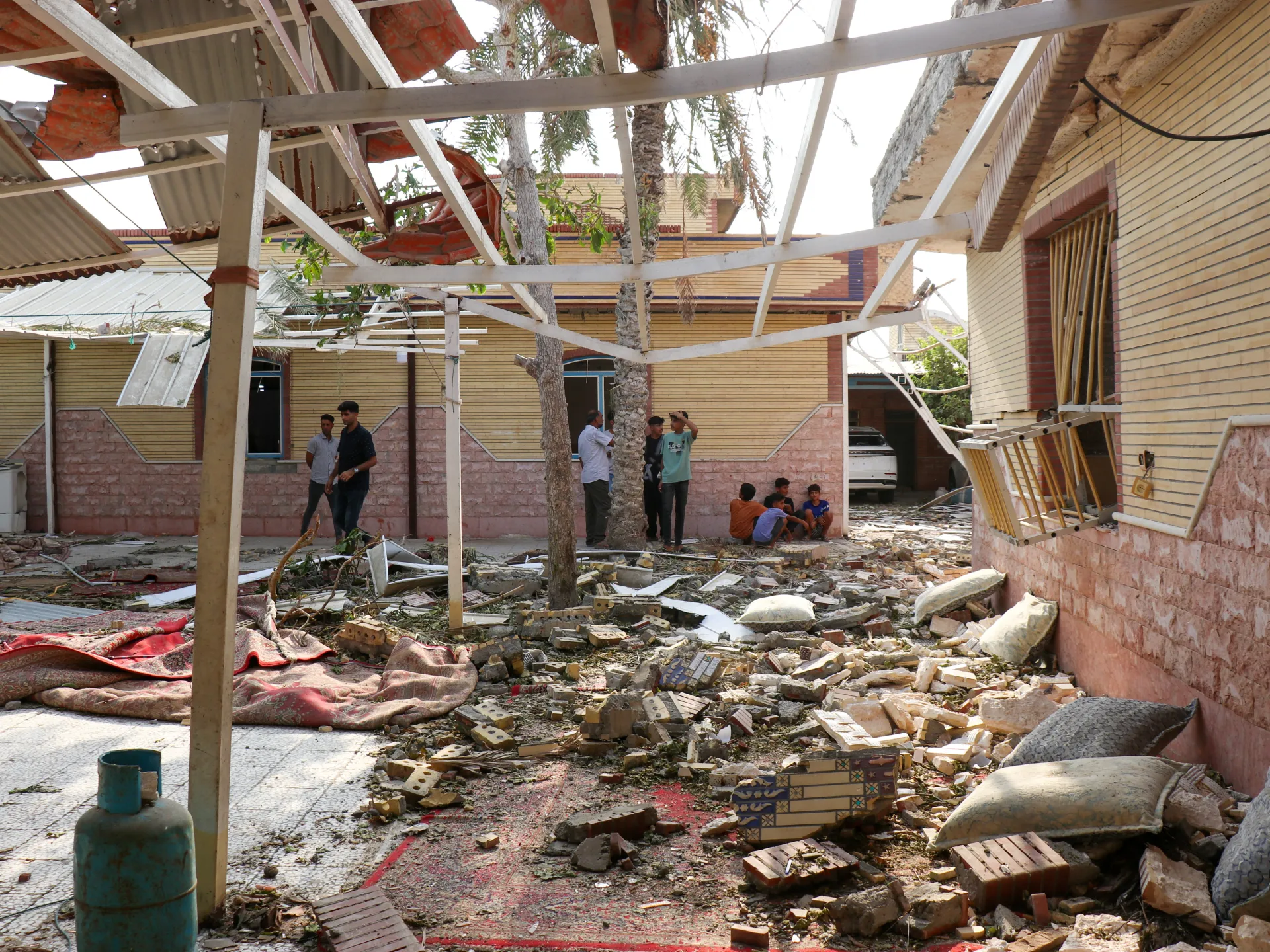
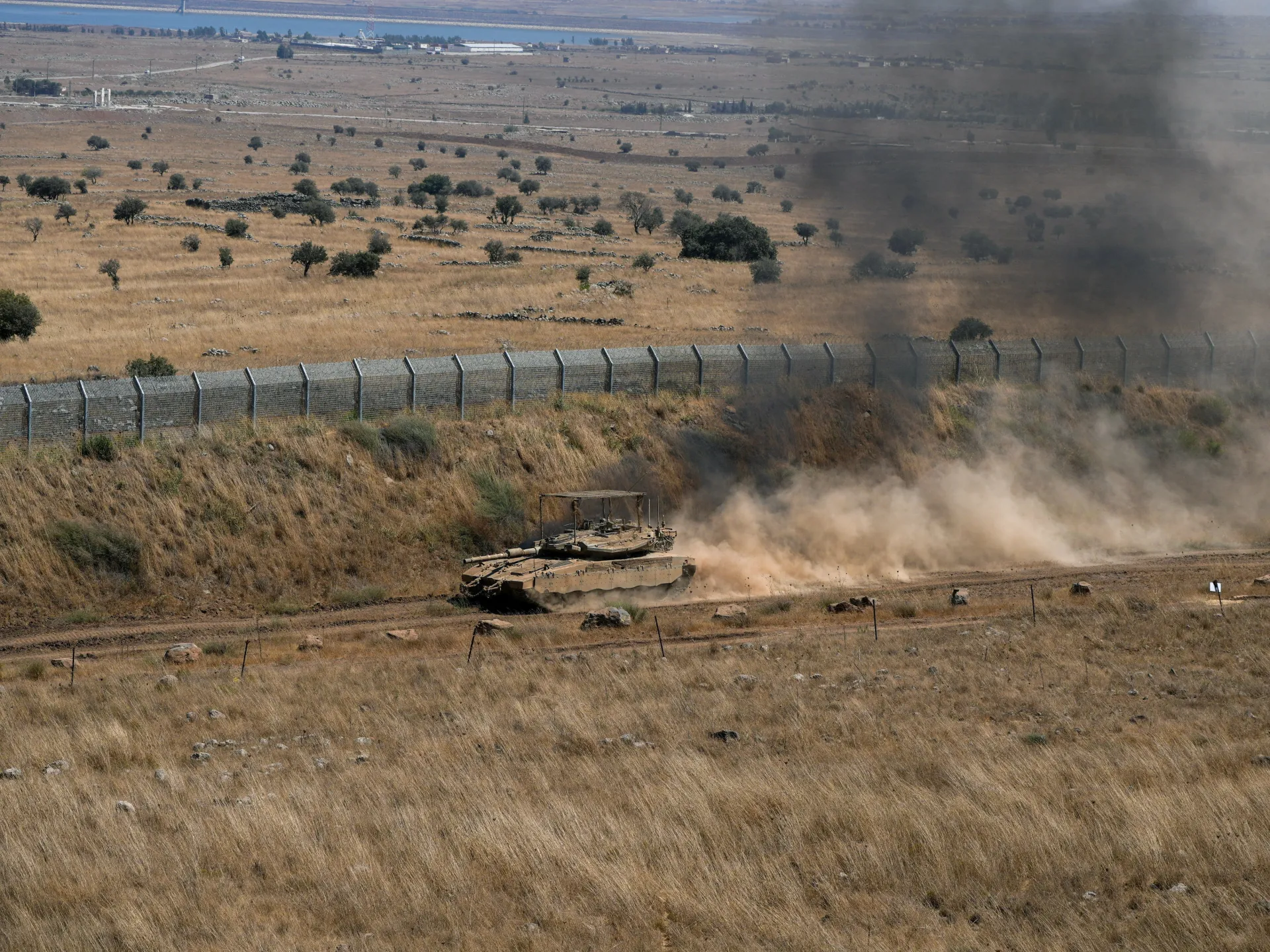
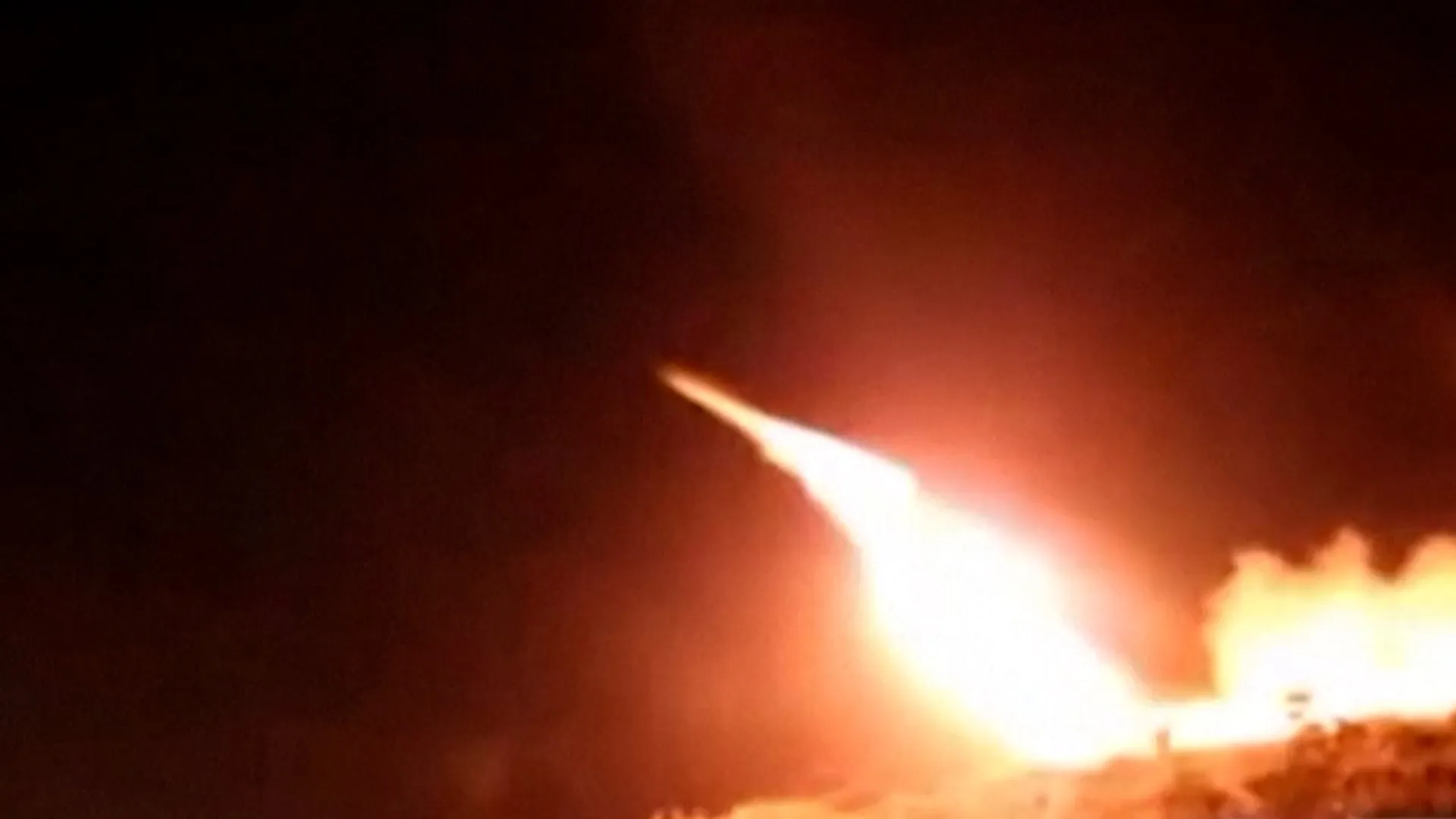
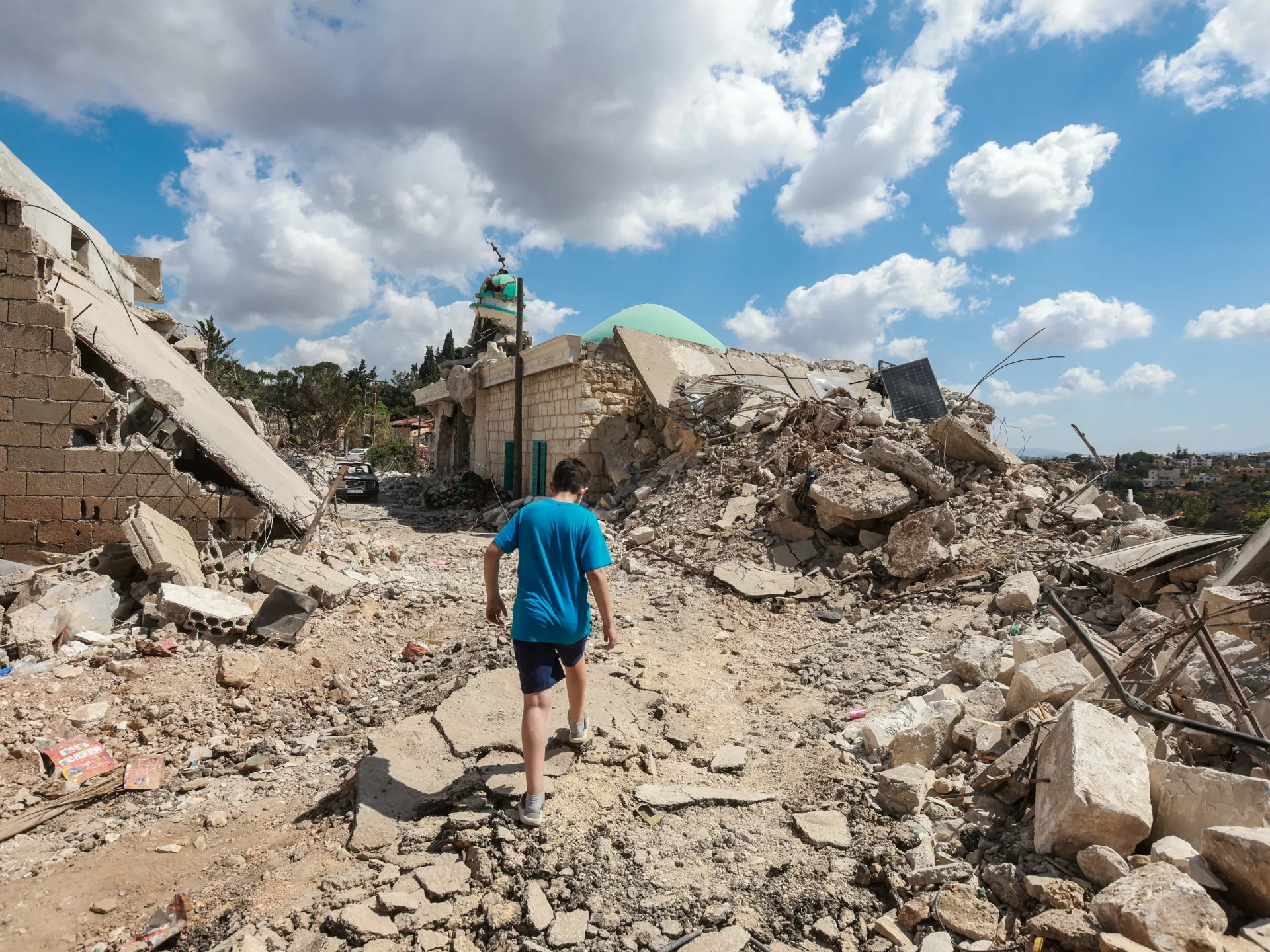
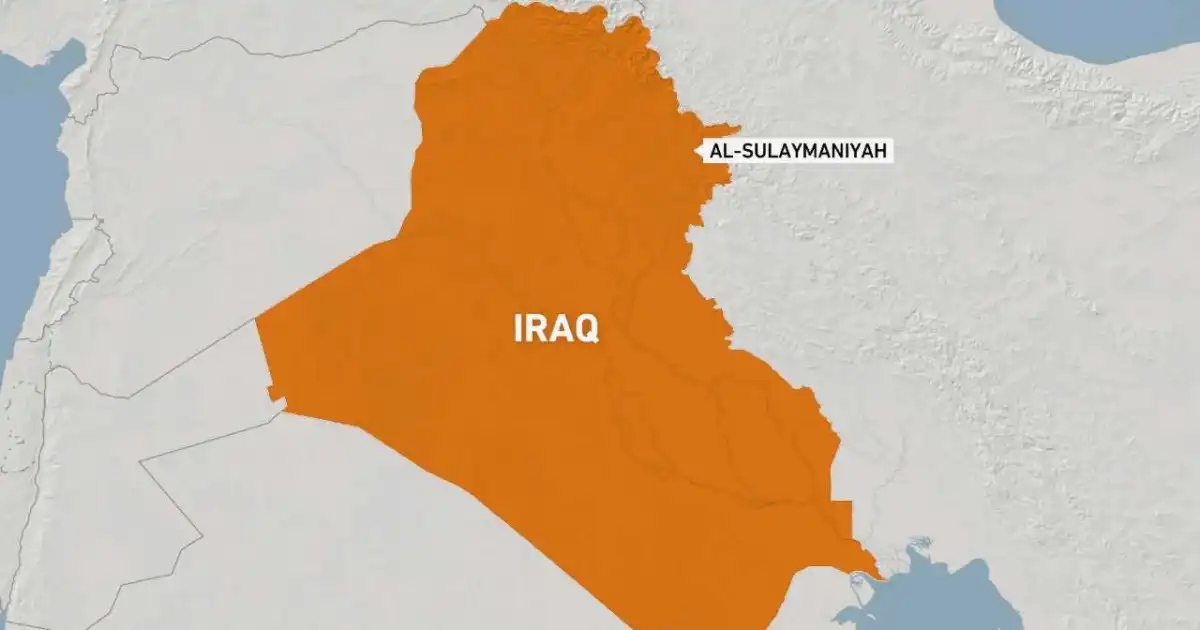
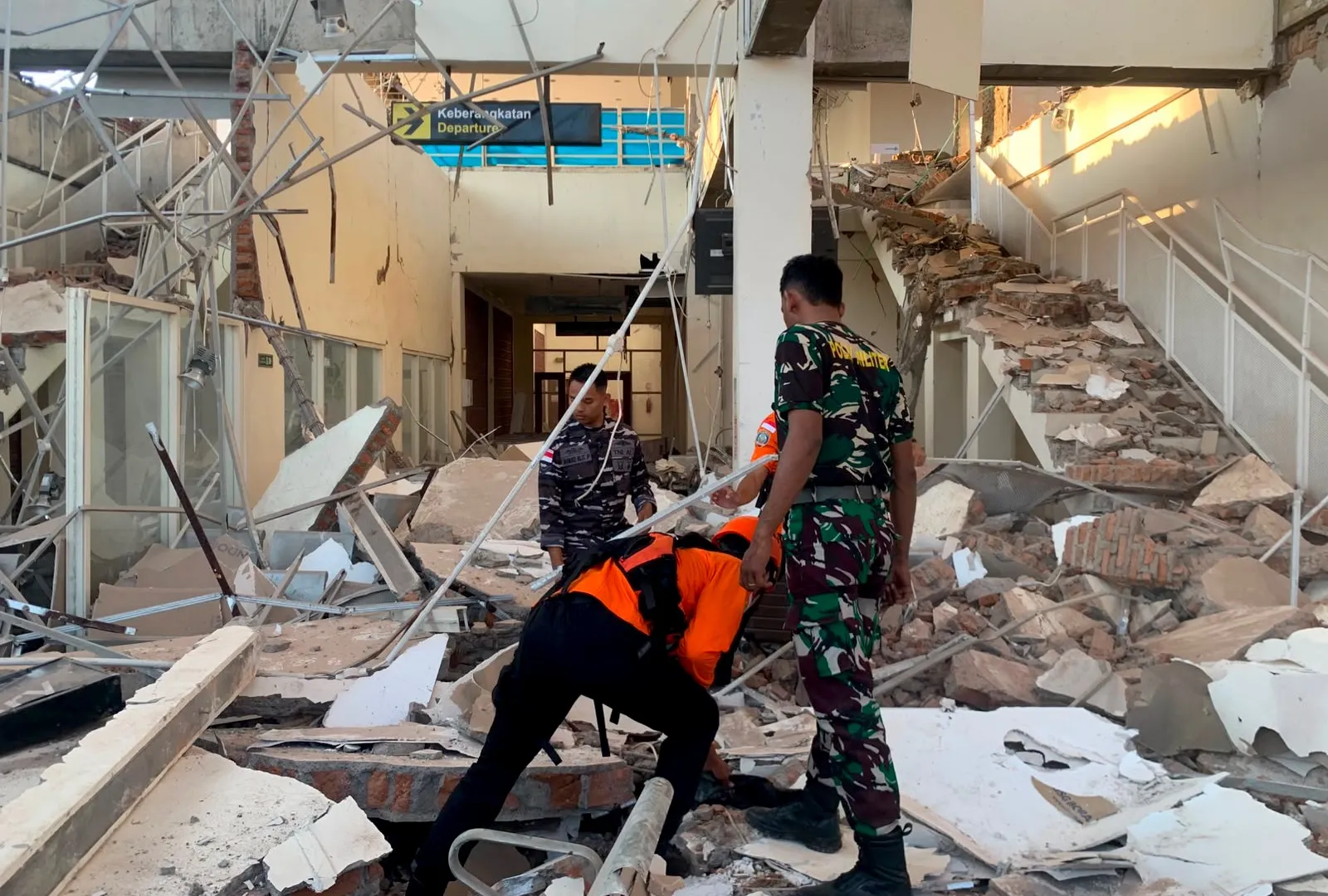
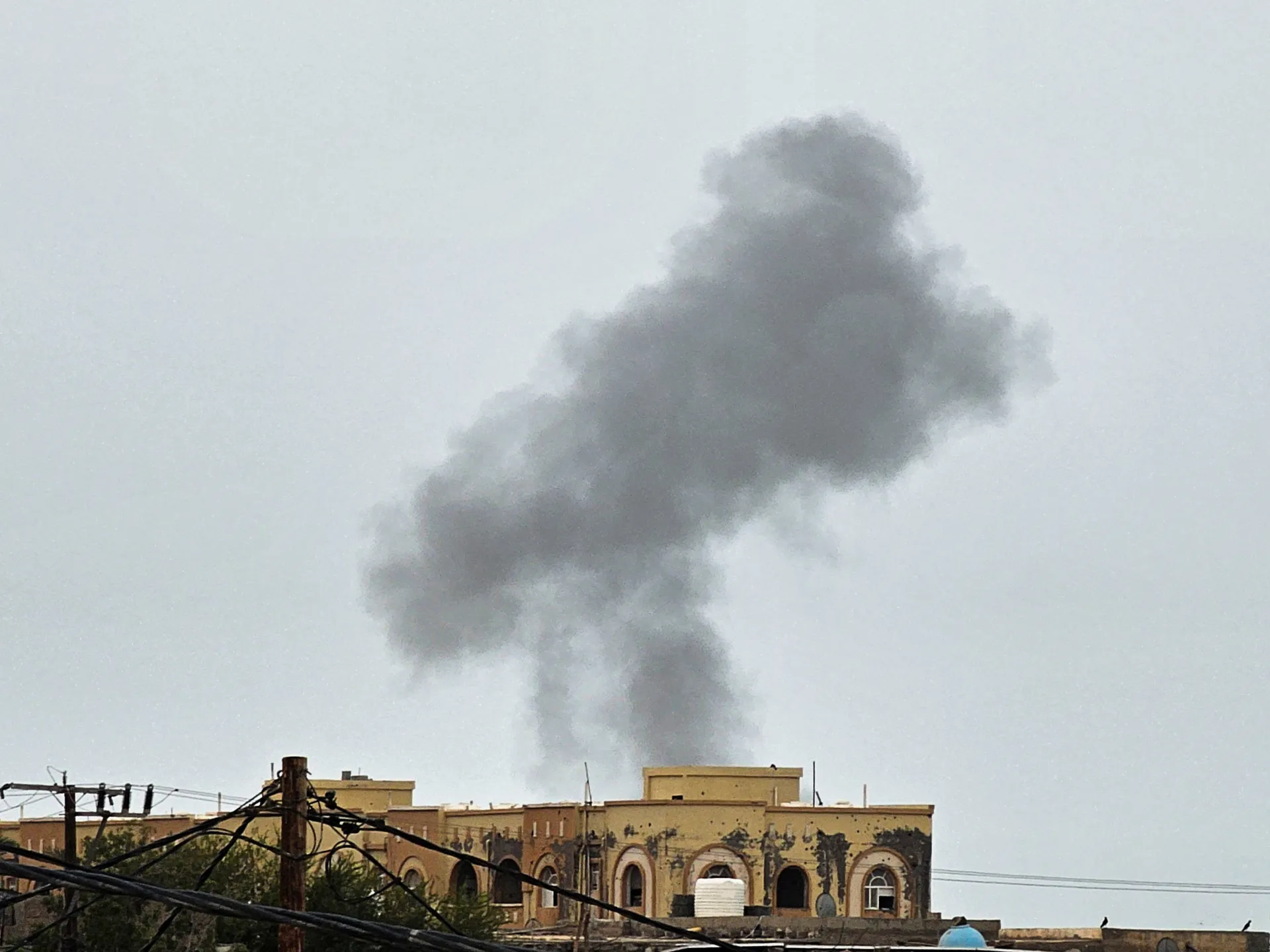
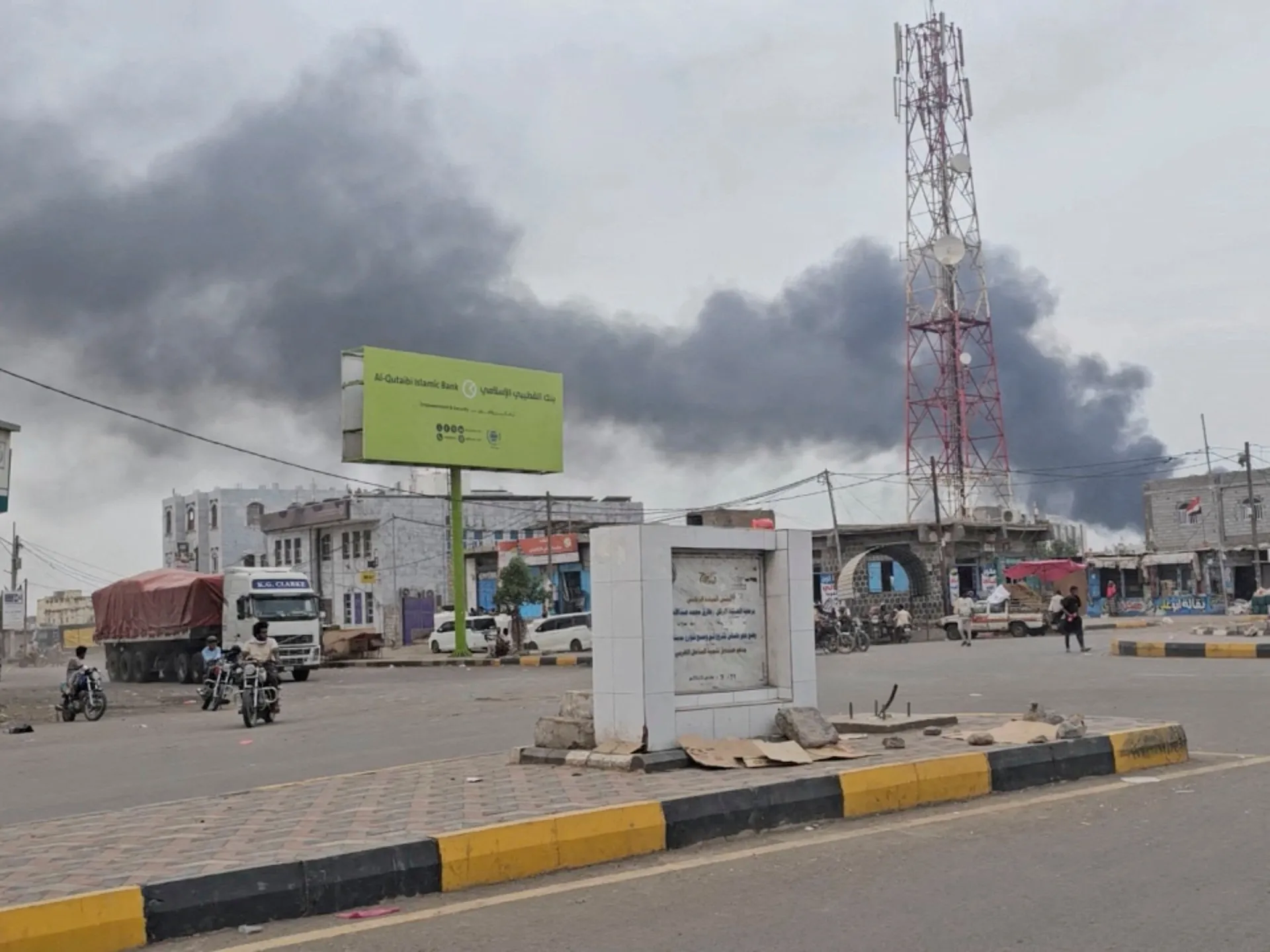
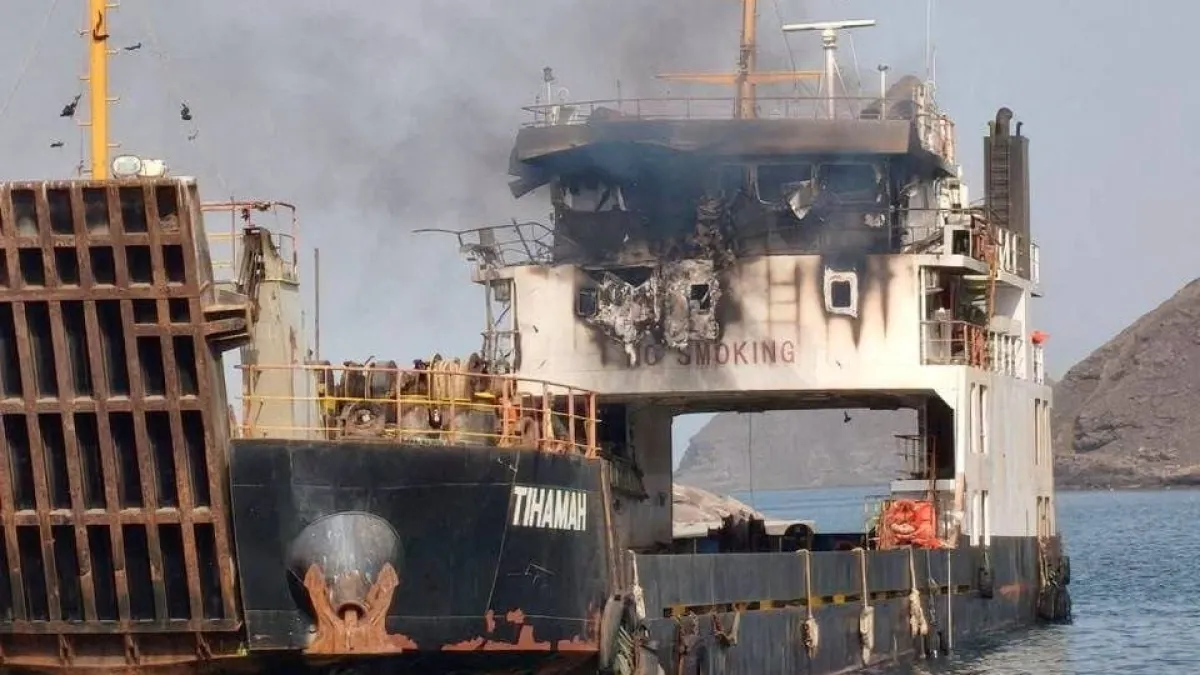
The postponement of the summit occurred against a backdrop of intensified military activity across the Middle East. Saudi Arabia recently suspended operations on its vital East-West oil pipeline following drone strikes originating from Iraq. Simultaneously, Houthi forces have escalated their campaign against Saudi infrastructure, launching barrages of missiles and drones at military facilities in the southern part of the kingdom. These events have created a volatile environment where diplomatic progress is frequently overshadowed
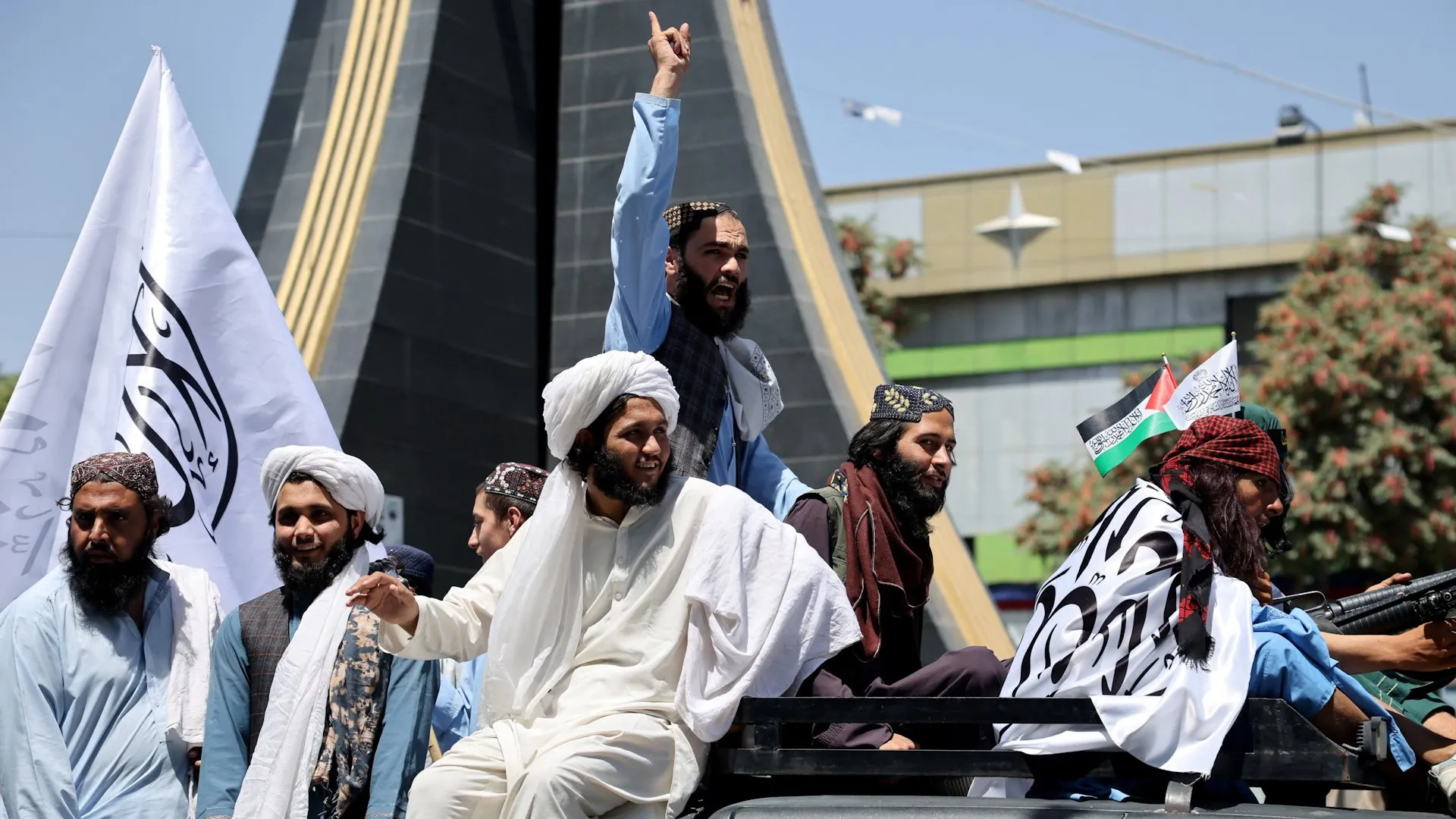
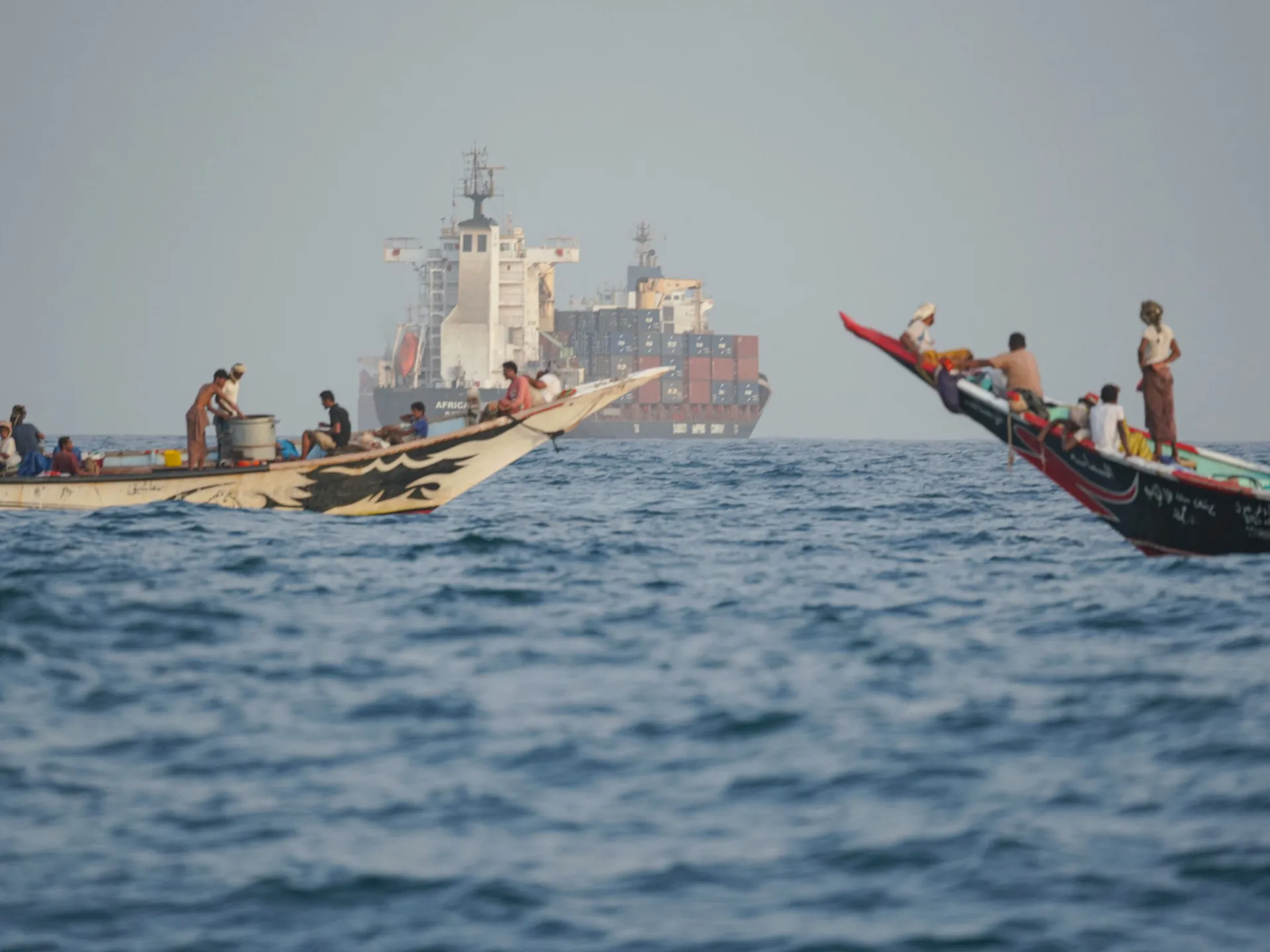
The Houthi movement’s recent success in gaining control over the Bab al-Mandeb strait and parts of the Red Sea has introduced a new layer of complexity to the maritime crisis. Experts argue that the ability to influence traffic in both the Strait of Hormuz and the Red Sea grants Iran and its regional allies significant leverage over the global economy. are attempting to force a shift in the regional power balance, further complicating any potential negotiations with the United States regarding the future of the region.
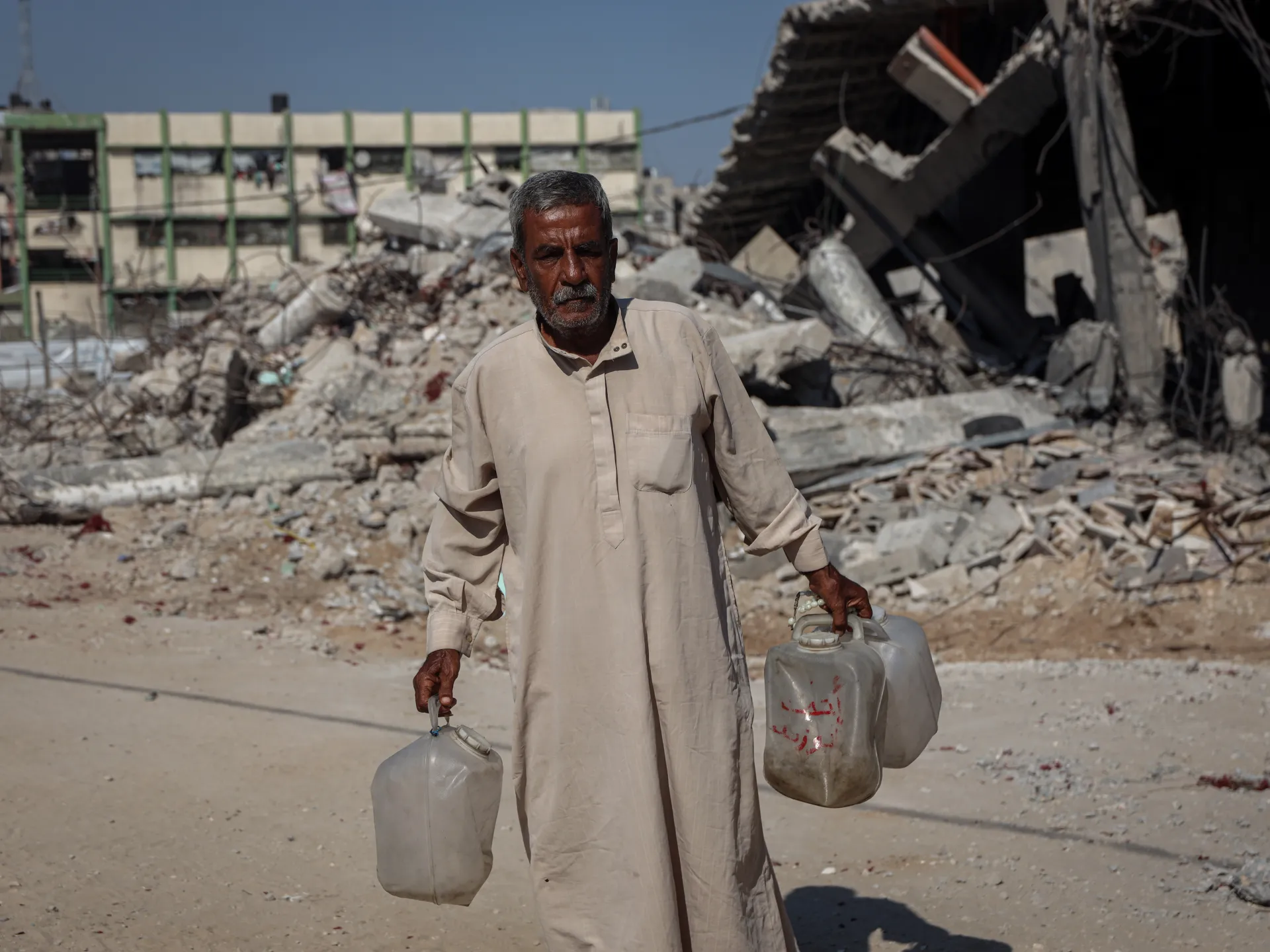
The path forward remains fraught with uncertainty, as Iran continues to link any future cooperation with the United States to the lifting of naval restrictions. Tehran maintains that the current maritime disruptions are a direct consequence of external pressure and that true stability can only be achieved through a return to previous diplomatic agreements. Meanwhile, Gulf states find themselves caught in the middle, desperate to insulate their economies from a war that threatens their vital energy export routes.
Observers suggest that the United States will face increasing difficulty in maintaining its current policy if regional partners continue to seek independent solutions to their security dilemmas. While the immediate effort to open the Strait of Hormuz has faltered, the underlying necessity for a functional maritime corridor remains. Whether through multilateral diplomacy or unilateral adjustments, the struggle to define the future of the region’s most important shipping lanes continues to serve as the primary focal point for the broader geopolitical confrontation in the Middle East.