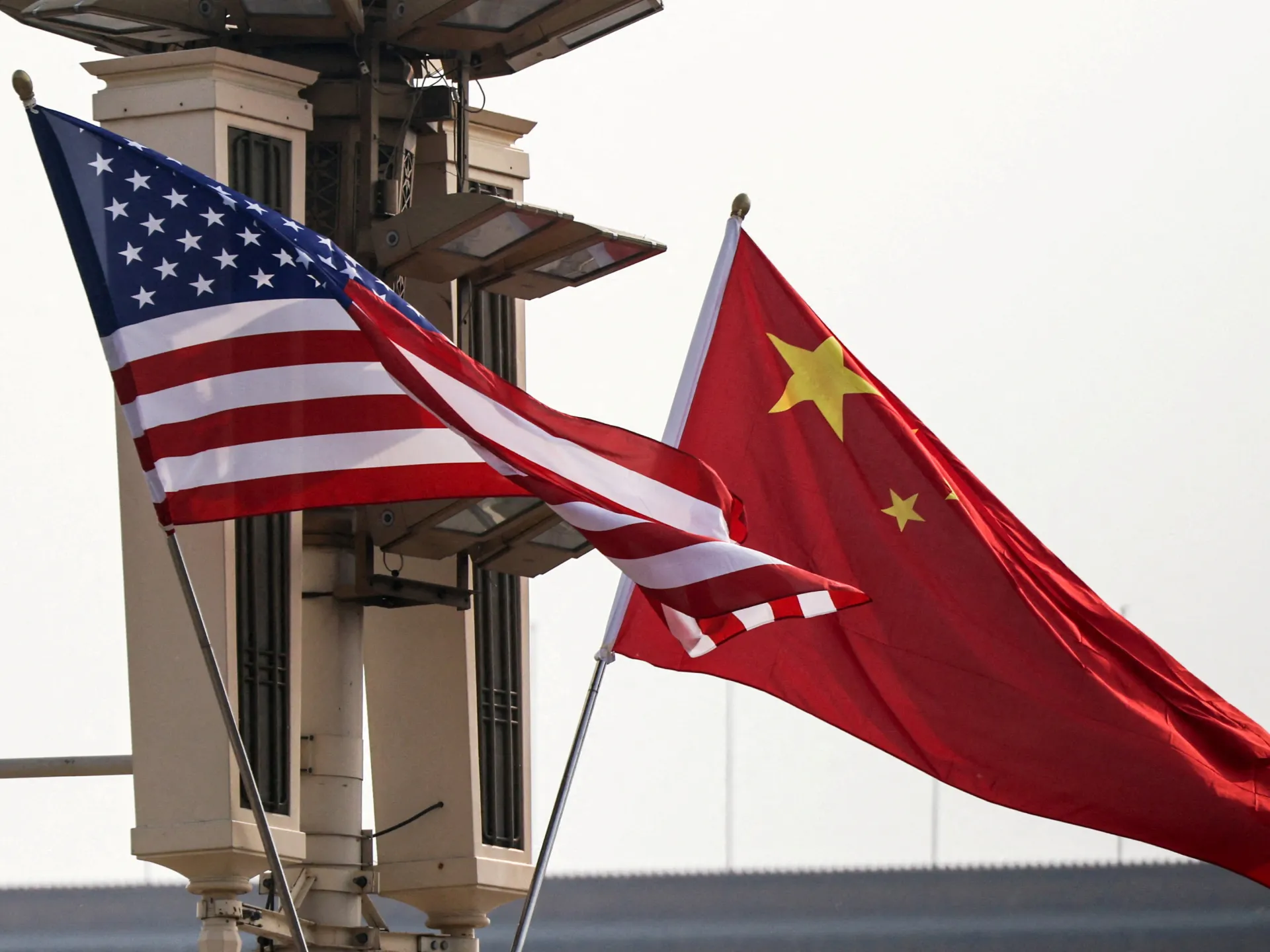
Beijing has officially rejected the narrative of 'malicious competition' in AI, calling for more inclusive global governance as both nations weigh national security against the risks of rapid technological development.
As the international community grapples with the rapid advancement of artificial intelligence, a sharp divide has emerged between the world’s two largest technological powers. Recent discourse from Western industry leaders, including executives from major AI laboratories, has increasingly framed the development of frontier models as a security concern. These warnings, which often suggest that unfettered progress could pose existential risks, have frequently been accompanied s competitive framework, however, has drawn strong condemnation from Beijing, which views such rhetoric as counterproductive.
Chinese officials have pushed back against what they describe as "threat narratives" that characterize their nation's AI ambitions as inherently malicious. According to a spokesperson for the Chinese foreign ministry, framing AI development as a zero-sum game of confrontation and malicious competition serves only to destabilize the prospects for global governance. Instead, Beijing has advocated for a more inclusive approach, emphasizing that AI should be developed in a manner that is open and beneficial to the global community at large rather than being dictated
Despite the calls for international unity, experts remain skeptical about the potential for a formal regulatory partnership between Washington and Beijing. Because artificial intelligence is now inextricably linked to national security and economic dominance, many analysts argue that neither side is likely to embrace a coordinated slowdown. For both nations, AI is viewed as the foundational infrastructure of the next industrial era, making the prospect of mutual restraint seem strategically risky.
The geopolitical stakes are amplified semiconductors. While these measures are designed to hinder Chinese progress, the domestic industry in China continues to innovate, albeit while facing significant challenges in securing the massive capital investments seen in Western markets. The divergence in priorities—with the US focusing on maintaining its technological edge and China aiming to establish its own standards—suggests that AI will remain a central point of friction in bilateral relations for the foreseeable future.
While the international stage remains contentious, both countries are independently addressing the risks associated with frontier models. In China, state security officials have articulated a need for strict ethical guidelines and legal frameworks to protect national interests against foreign intelligence threats. This internal focus on safety and control is mirrored stablishment of the World AI Cooperation Organisation and proposals for open-source AI communities at international summits.
These initiatives reflect a dual approach: maintaining a defensive posture against external threats while actively seeking to influence how AI governance is defined on the world stage. Some analysts suggest that there are technical incentives for both nations to engage in limited cooperation, particularly regarding the identification of vulnerabilities in large-scale models. d common ground in addressing the inherent dangers of advanced AI systems, provided the political will for such collaboration exists.
As diplomatic channels remain open, the topic of AI governance is expected to be a critical component of upcoming high-level summits between US and Chinese leadership. Economic officials from both nations are reportedly working to include technological regulation on their meeting agendas, recognizing that the current trajectory of "race-to-the-top" dynamics could have unpredictable consequences for global stability. The challenge lies in transitioning from a mindset of total competition to one where safety and security are prioritized as shared global goods.
Ultimately, the perception of the AI race will continue to define the bilateral relationship between Washington and Beijing. If one nation were to establish a clear, durable lead in frontier AI, it would likely be interpreted ver whether to slow down, regulate, or accelerate development will remain a defining feature of the modern geopolitical landscape, highlighting the fragile balance between national ambition and the collective responsibility to manage a transformative technology.