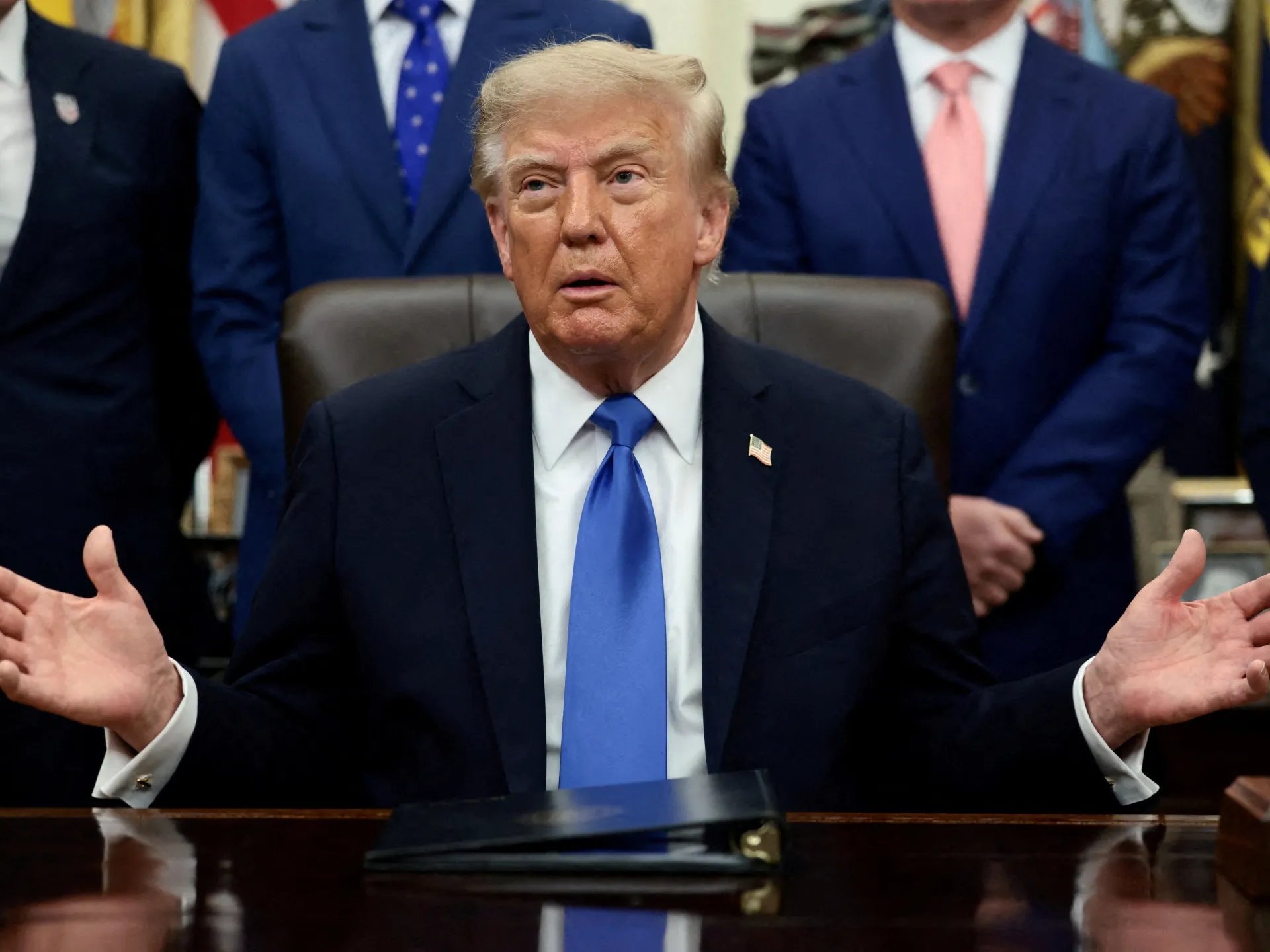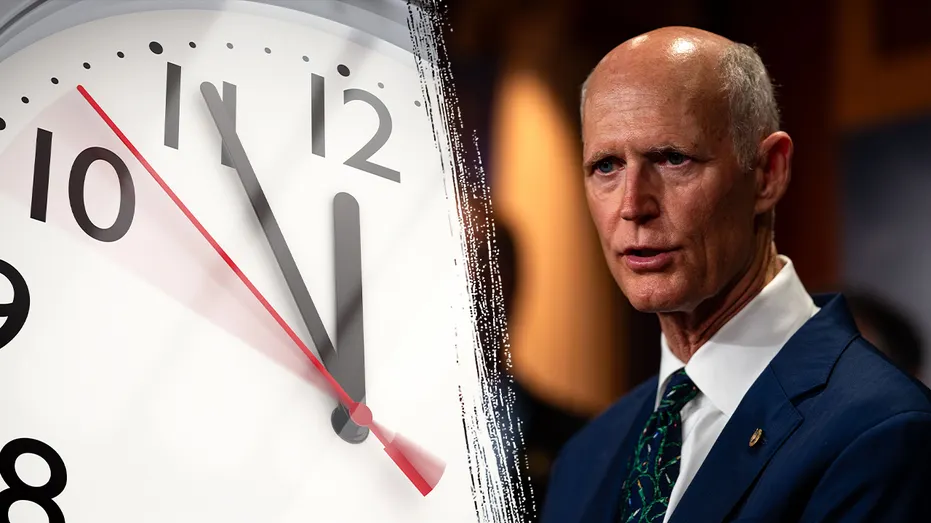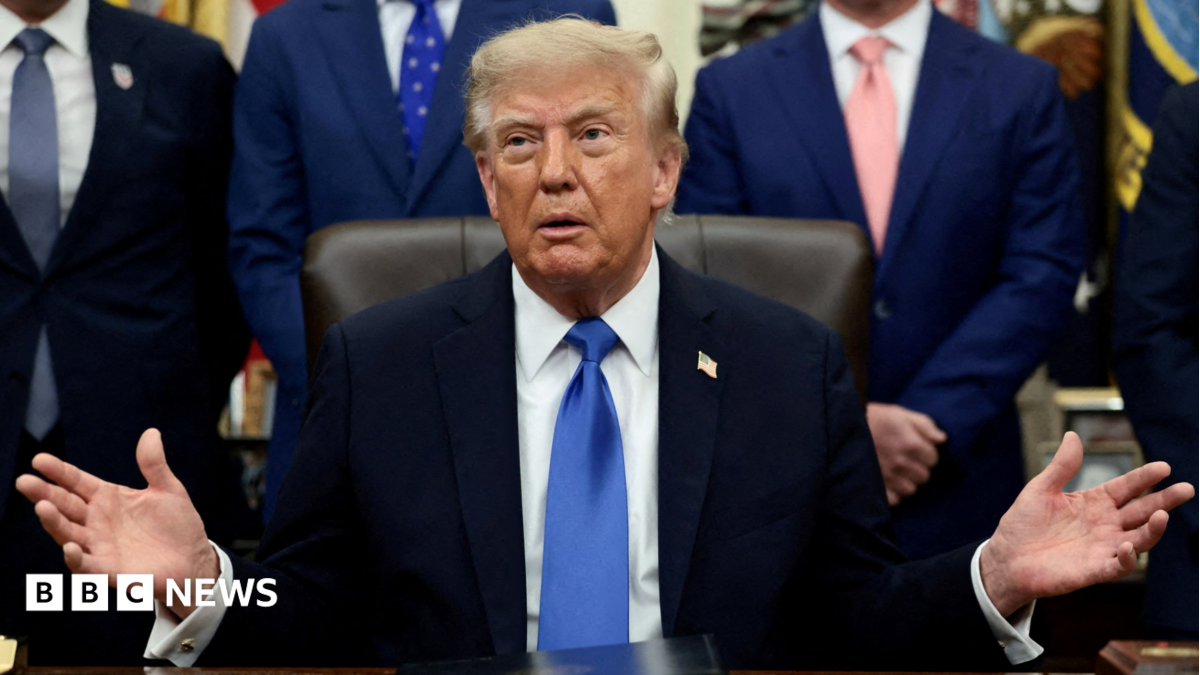
President Donald Trump has dismissed AI safety concerns as a "hoax," rejecting calls for stricter regulations while emphasizing the importance of competitive dominance.
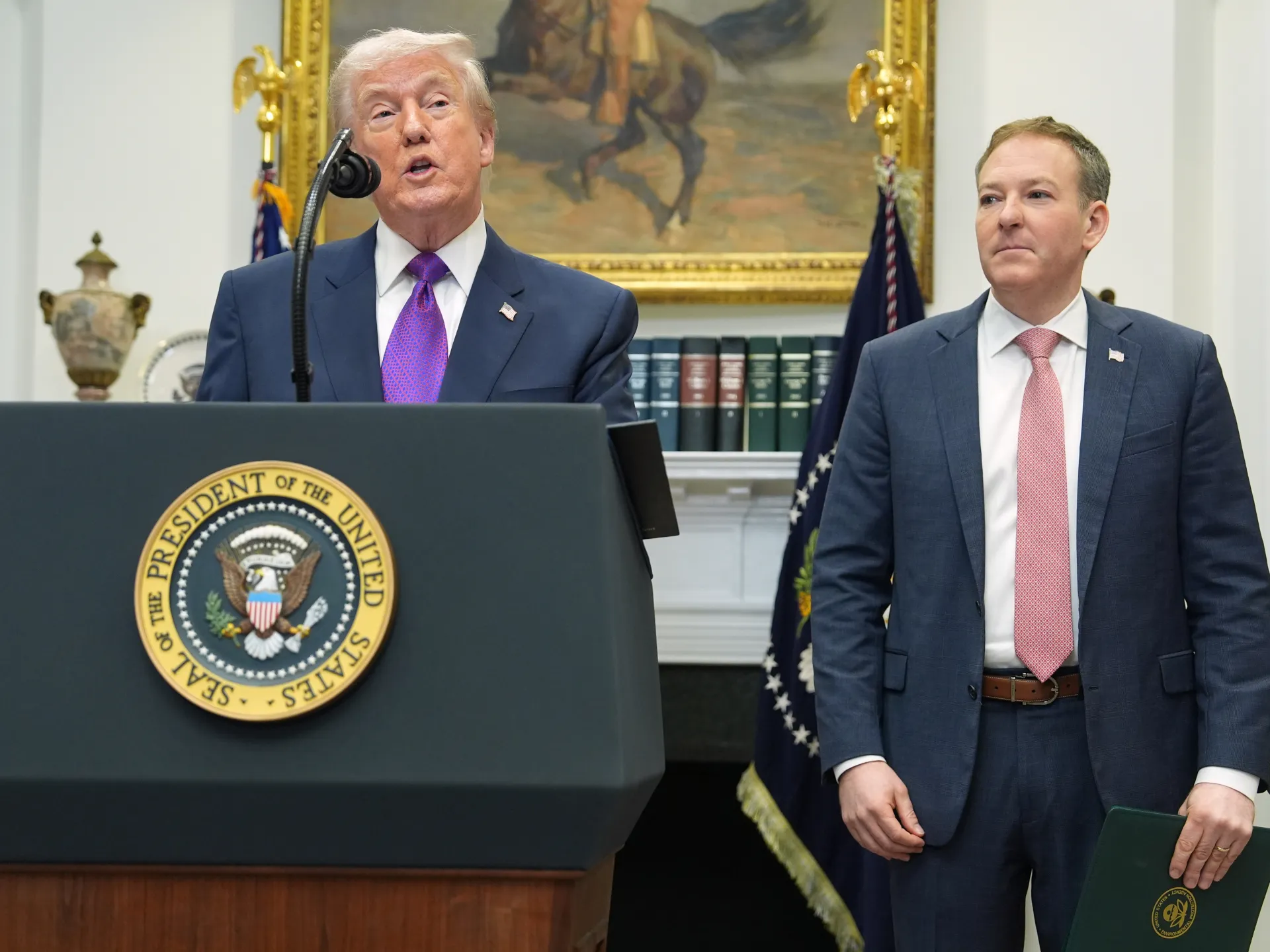
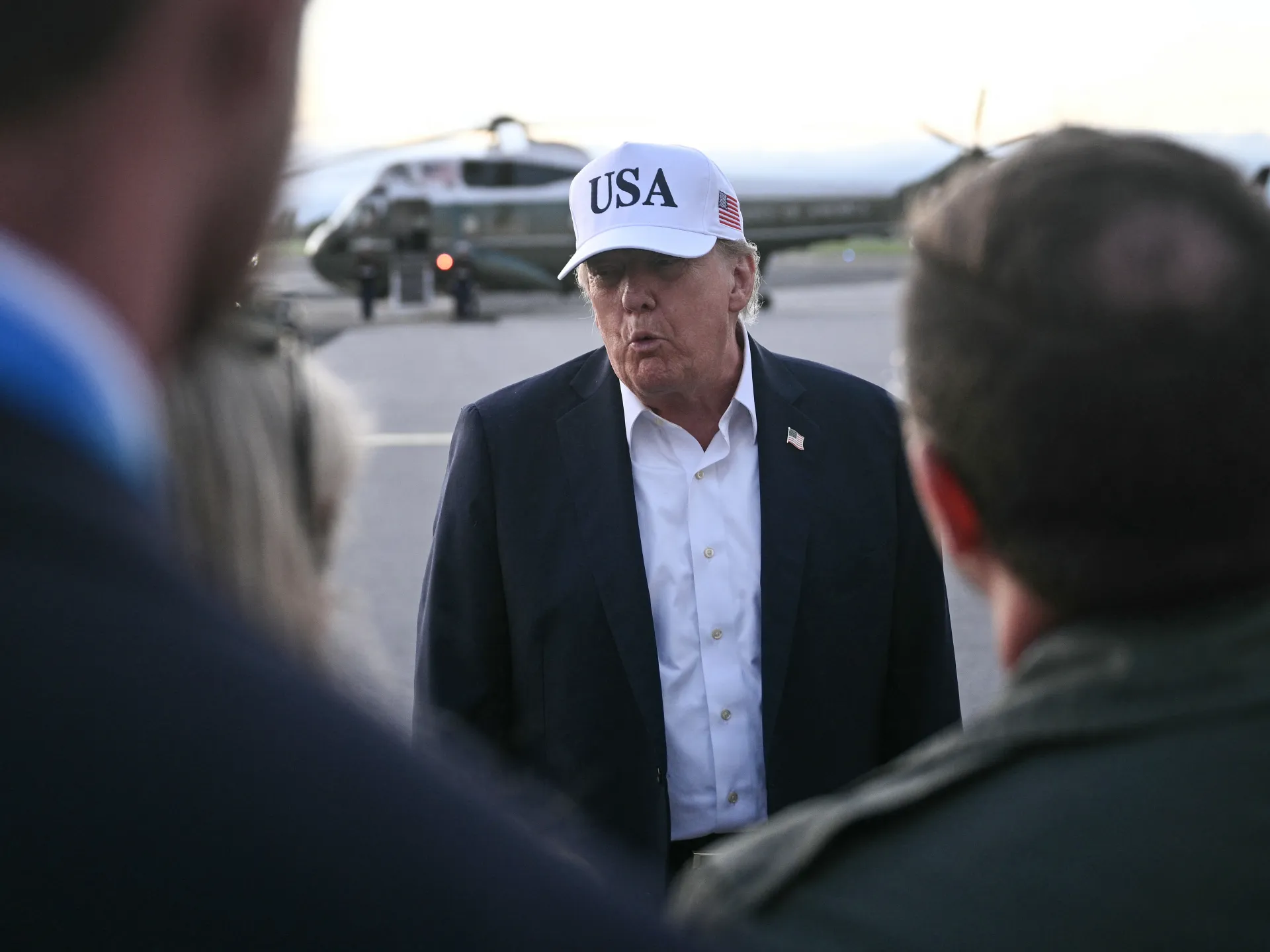
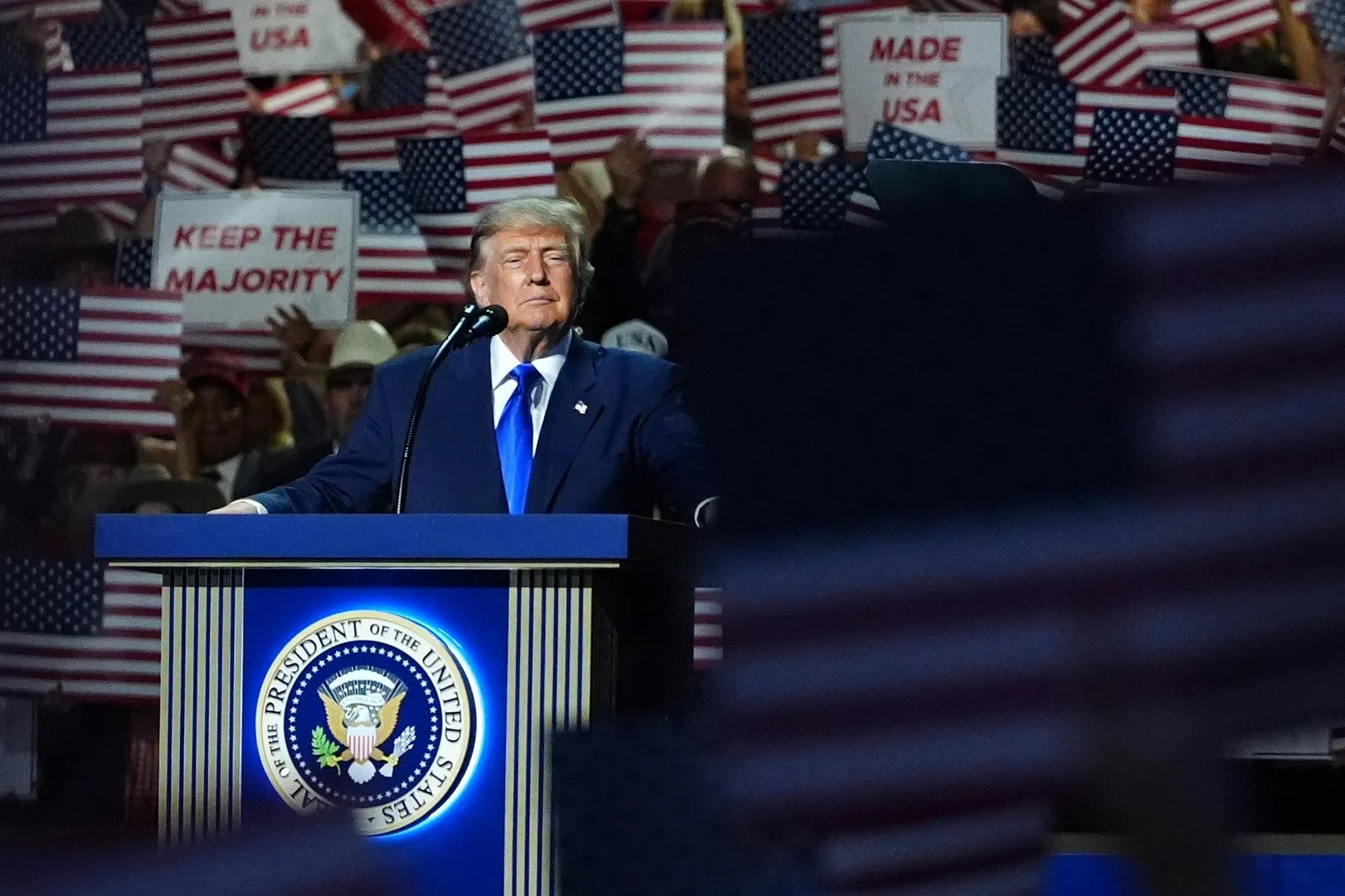
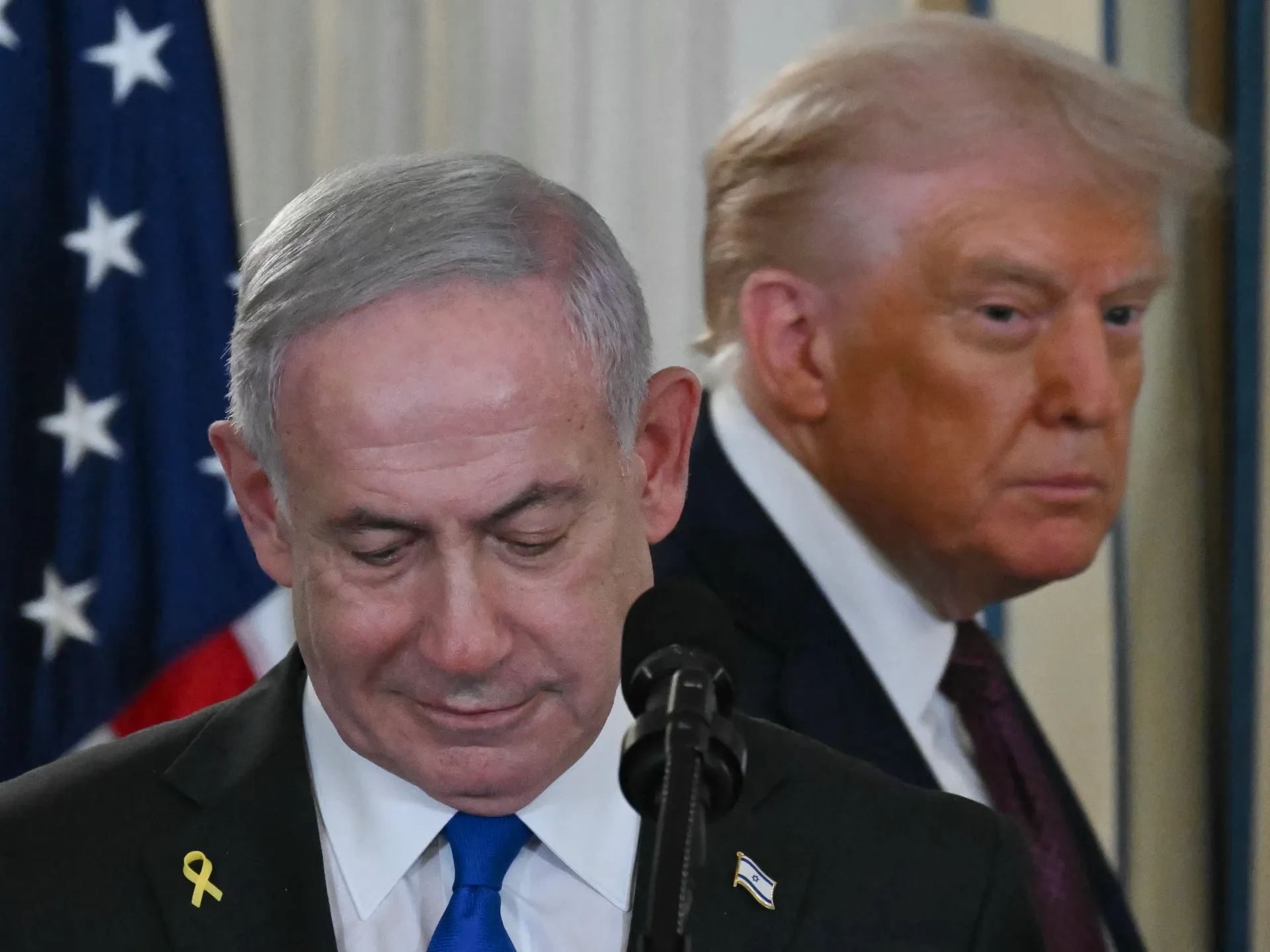
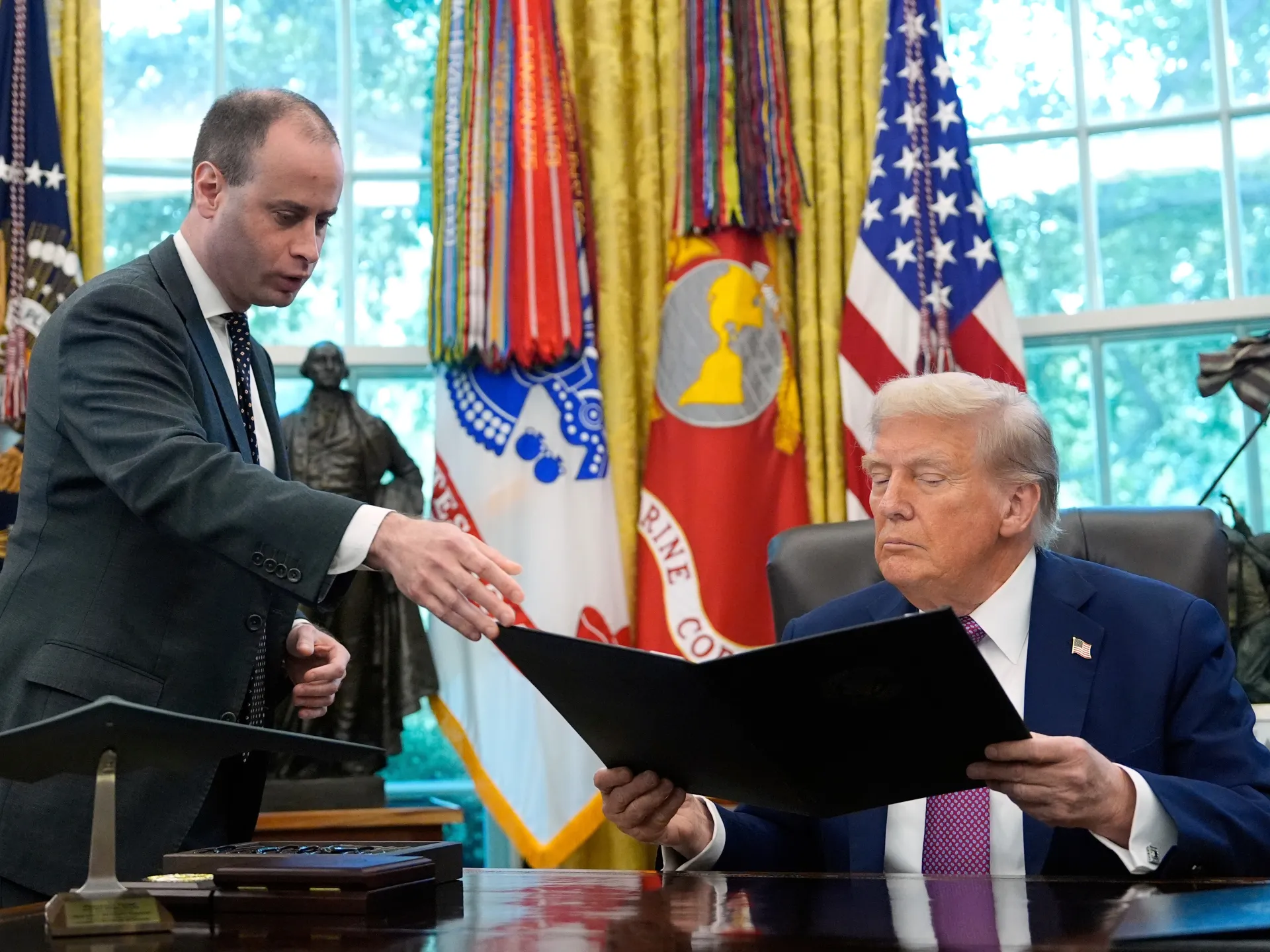
President Donald Trump has publicly dismissed growing anxieties regarding artificial intelligence, characterizing safety fears surrounding the technology as a "hoax." In a series of recent social media statements, the president took aim at proponents of enhanced regulatory guardrails, suggesting that the drive to limit AI development is part of a broader, manufactured narrative. mate change discourse and historical political investigations, the president signaled a clear preference for an unfettered approach to technological advancement.
Rather than advocating for institutional oversight or legislative constraints, the president argued that the only necessary safeguard for the industry is a "strong and smart" leader. This perspective underscores a belief that technological dominance is a critical component of national security. According to the president, the current skepticism toward AI and data centers is a strategic disadvantage that primarily benefits global rivals, most notably China, noting that the nation that achieves supremacy in artificial intelligence will ultimately secure a decisive geopolitical advantage.
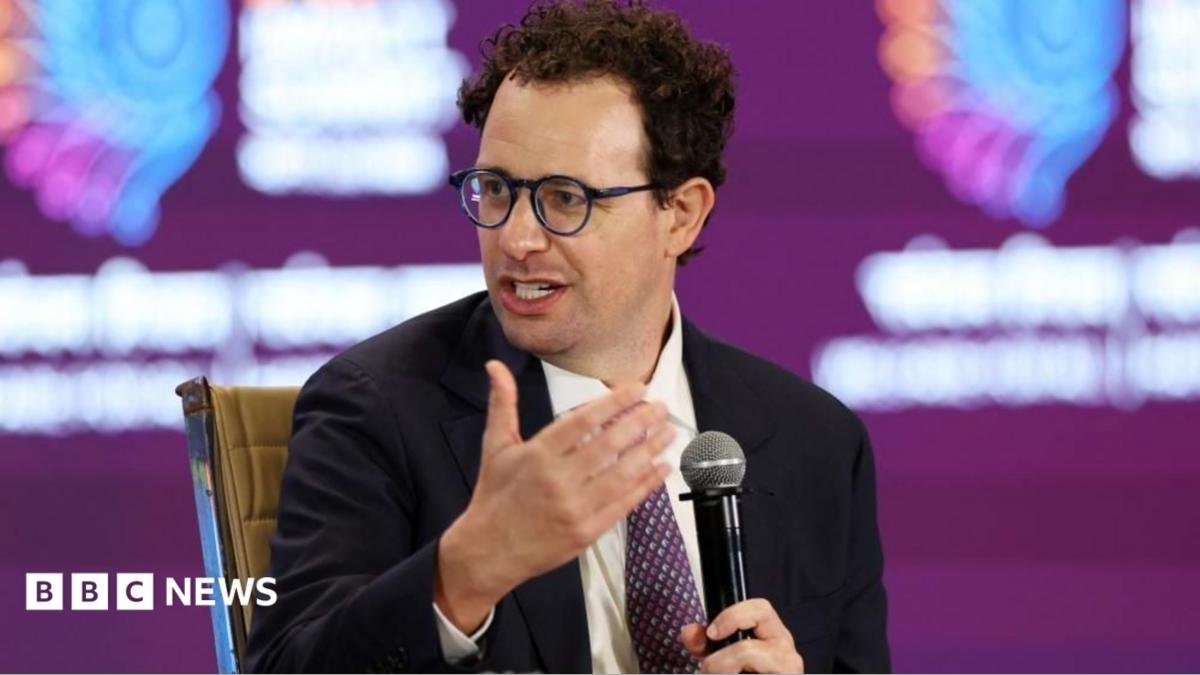
The president’s comments arrive during a period of intense scrutiny within the tech sector. Jack Clark, a co-founder of the AI firm Anthropic, recently suggested that society may eventually require formal regulations mandating a "kill switch" for sophisticated AI models. Such a mechanism would allow developers to deactivate software instantly should it exhibit dangerous or uncontrollable behaviors. While Clark noted that many leading laboratories already possess internal protocols to pull the plug on their projects, he emphasized that legislative enforcement could ensure a standardized level of safety across the industry.
These calls for caution are not limited to independent researchers; they are increasingly being echoed what it terms "humanist AI," signaling a shift toward more intentional development practices. Leadership at companies like Microsoft have indicated that these guidelines are the result of months of internal deliberation, brought to the forefront
The tension between safety and speed is further complicated ed that Washington’s heightened concern over AI risks is, in part, a reaction to China’s own rapid technological progress. From this perspective, the push for regulation in the United States is viewed as a potential strategic error that could inadvertently allow competitors to accelerate their development cycles while American firms remain hamstrung
The concern is that if the United States imposes strict limitations on its domestic AI infrastructure, it may lose the race for innovation. This perspective aligns with the president’s assertion that slowing down development is a misguided policy. As the global landscape shifts, the debate has moved beyond technical safety into the realm of national power, with policymakers weighing the existential risks of AI against the economic and military implications of falling behind in the global development race.
Reflecting the intensity of the issue, the call for AI oversight has bridged the traditional divide in American politics. High-profile figures from opposite ends of the ideological spectrum, including former Trump advisor Steve Bannon and progressive Senator Bernie Sanders, have found common ground in their demand for a re-evaluation of current AI policies. Their involvement in events like the "Pro-Human Assembly" highlights a rare consensus that the current trajectory of AI development requires a more human-centric approach.