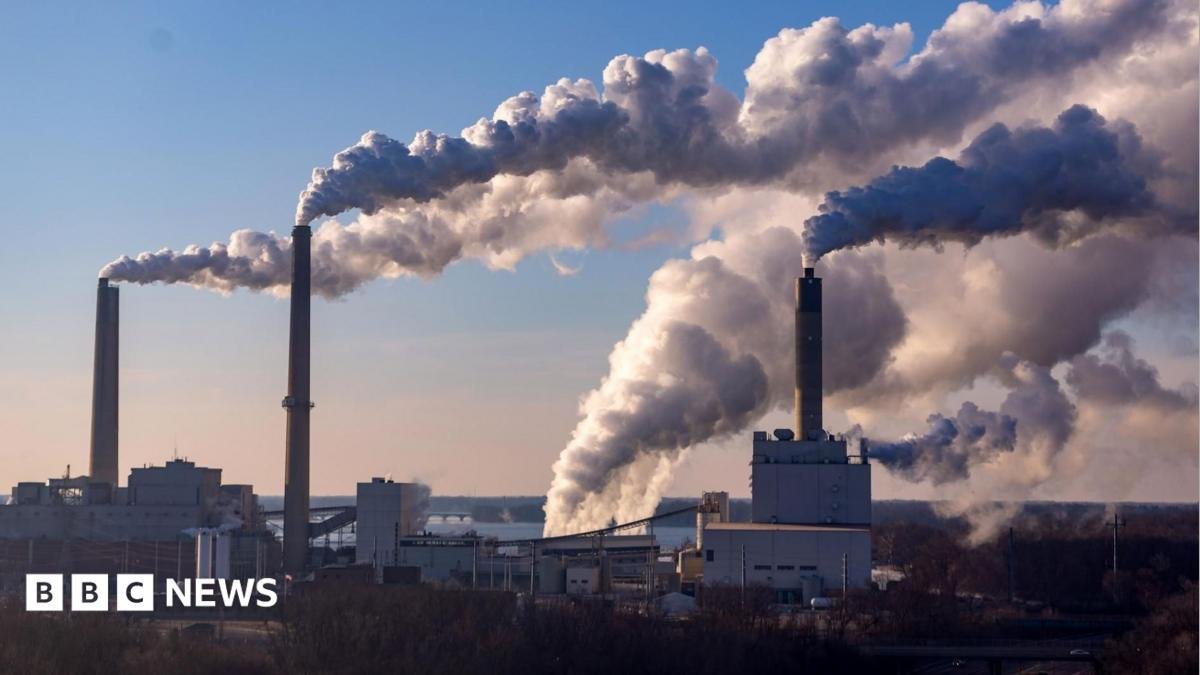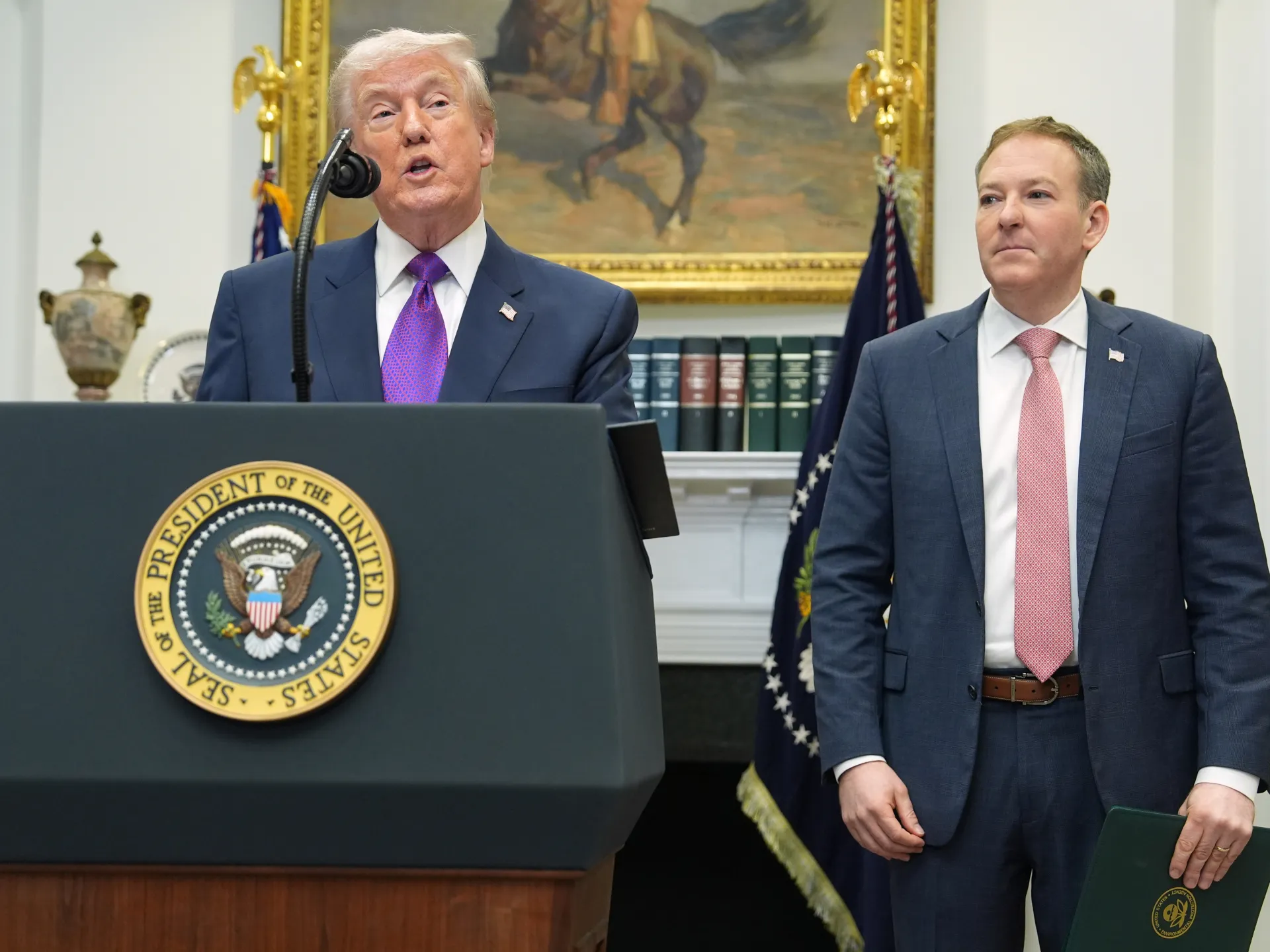
The Environmental Protection Agency has officially repealed federal limits on greenhouse gas emissions for coal and gas-fired power plants, citing trillions of dollars in projected economic savings.
The Environmental Protection Agency (EPA) has officially moved to revoke established federal regulations that previously placed caps on greenhouse gas emissions for coal and natural gas-fired power facilities. This regulatory pivot marks a significant change in the nation's environmental strategy, effectively dismantling the framework that sought to curb the carbon footprint of the domestic energy sector. limate-focused administrative policies.
Proponents of the decision within the current administration argue that the move is essential for fostering economic growth and ensuring energy independence. The official stance emphasizes that these environmental restrictions placed an undue burden on the energy sector, hindering its ability to operate at peak capacity. de utility companies with greater operational flexibility and reduce the capital expenditure required to comply with federal clean air initiatives.
The primary justification for this regulatory rollback is rooted in the government's economic projections, which suggest that the move could the private sector trillions of dollars over the coming decade. Federal officials assert that the previous emission caps forced power plant operators to invest heavily in expensive carbon-capture technologies and equipment upgrades that ultimately drove up electricity prices for consumers. business for energy providers.
However, the economic narrative remains a subject of intense debate among industry analysts and financial experts. While the immediate removal of compliance costs is expected to improve the balance sheets of fossil fuel-reliant utilities, long-term economic consequences remain uncertain. Critics point out that the absence of federal standards could lead to market instability as companies struggle to reconcile long-term infrastructure investments with a volatile and uncertain regulatory future that may change again with future administrations.
The repeal of these emission standards has sparked immediate criticism from environmental advocacy groups and public health organizations. Opponents argue that the removal of these protections ignores the scientific consensus regarding the role of greenhouse gas emissions in driving climate change. With these limits removed, there is growing concern that power plants will increase their output of carbon dioxide and other pollutants, potentially accelerating regional and global environmental degradation.
Beyond the broader climate impacts, health experts are raising alarms about the localized effects of reduced air quality. Power plants that operate without strict emission controls often release a variety of pollutants that are linked to respiratory and cardiovascular issues in nearby communities. tently increasing the public health burden on populations living in close proximity to coal and natural gas power plants, leading to higher healthcare costs and decreased quality of life.
The decision to rescind these pollution limits is expected to trigger a wave of legal challenges from state governments and non-profit organizations. Legal experts anticipate that opponents will argue the EPA has failed to uphold its statutory obligation to protect the public from dangerous pollutants. These court battles could potentially tie up the implementation of the repeal for years, creating a complex landscape for energy companies that must decide whether to continue investing in cleaner technologies or revert to less efficient, higher-emission operations.