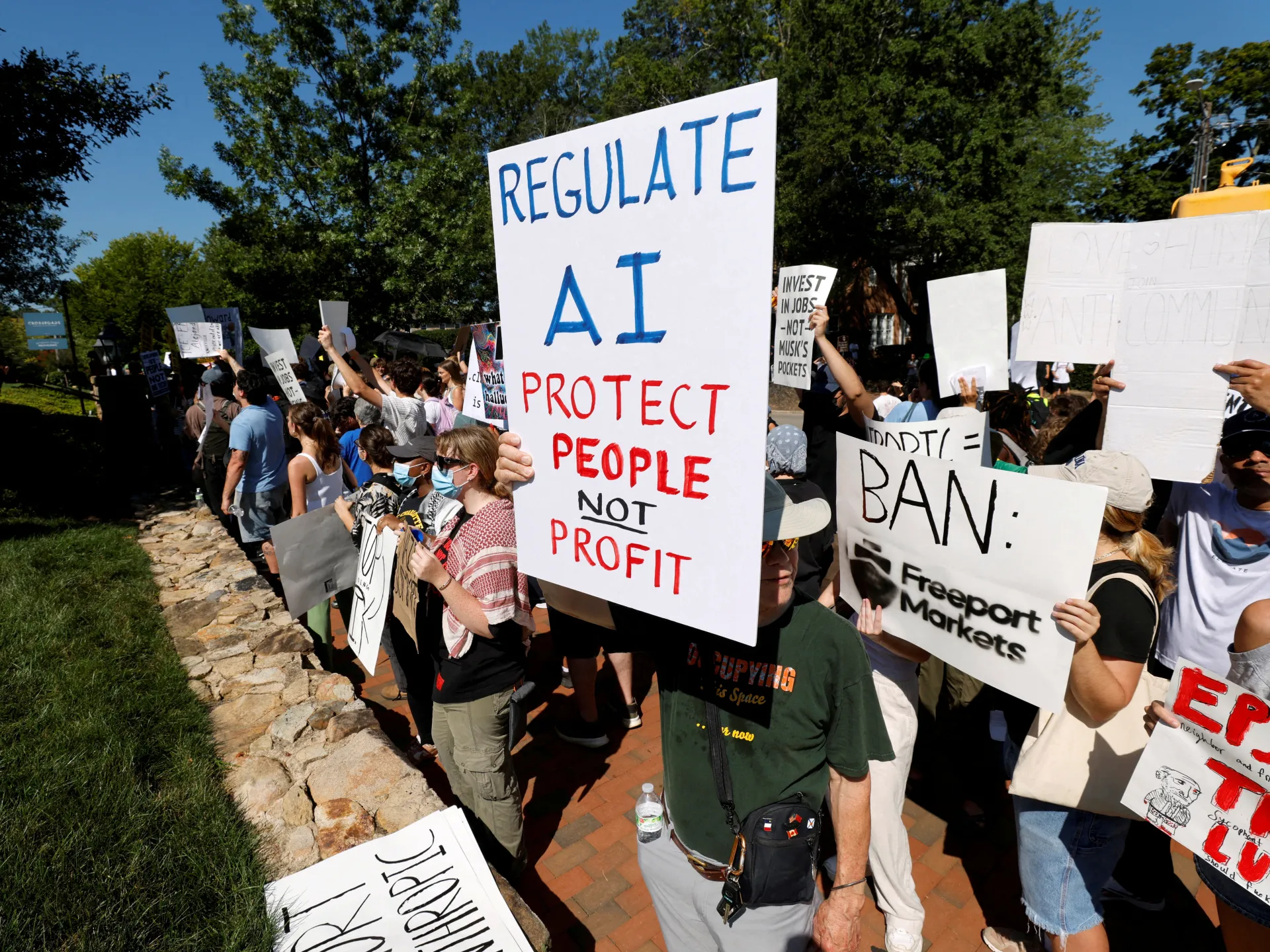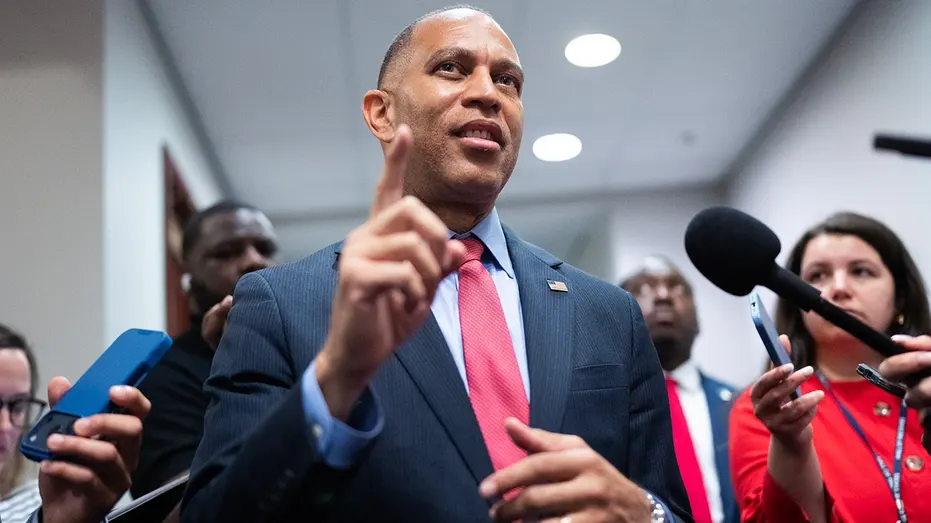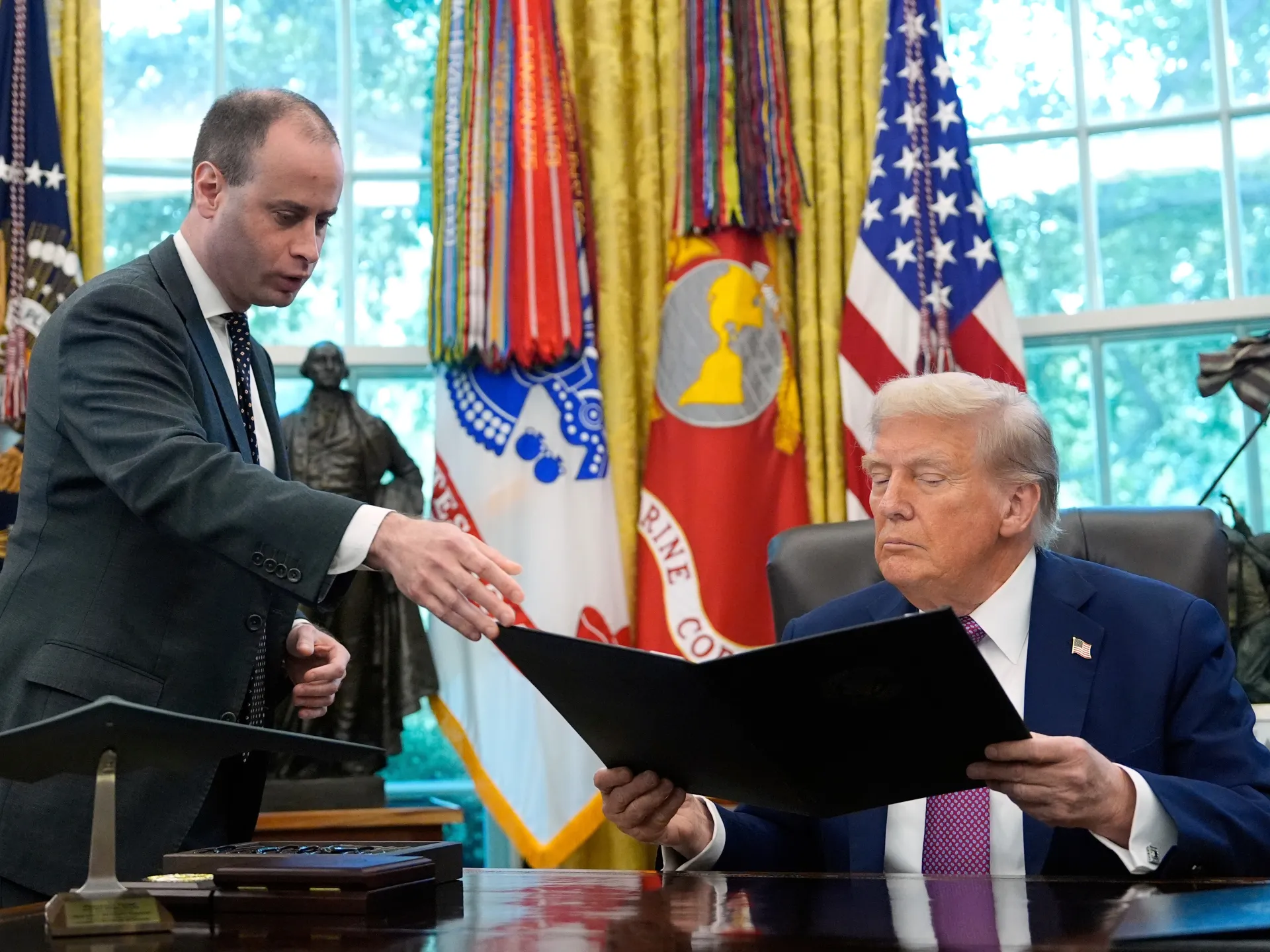
Washington is currently evaluating how to implement comprehensive AI regulations that protect the public while ensuring American companies remain global leaders.
The rapid evolution of artificial intelligence has placed policymakers in Washington in a precarious position. As the technology continues to reshape global industries, the challenge lies in crafting a regulatory framework that mitigates inherent risks without stifling the creative momentum of American tech enterprises. The prevailing concern among legislative bodies is that overly restrictive mandates could inadvertently create a vacuum, allowing international competitors—most notably China—to capture the lead in the global AI race.
Historically, the United States has relied on a model of market-led innovation, where private sector ingenuity drives technological progress. However, the unique nature of AI, which encompasses everything from predictive analytics to generative systems, has necessitated a more structured approach. The debate now centers on how to implement guardrails that ensure safety, ethical deployment, and data privacy while maintaining the competitive edge that has long defined the American technology sector.
Contrary to the belief that regulation acts solely as a deterrent to progress, many industry experts argue that a clear legal landscape can actually foster innovation. e, knowing the boundaries of their research and development. This environment allows for the long-term investment required for complex technological breakthroughs, as organizations are less likely to face sudden, disruptive shifts in compliance requirements.
Proponents of this view suggest that well-designed regulation serves as a foundation for trust. When consumers and enterprises are confident that AI systems are governed o increase. ncy, the United States can define the global benchmark for AI, effectively setting the rules of the road for the rest of the world.
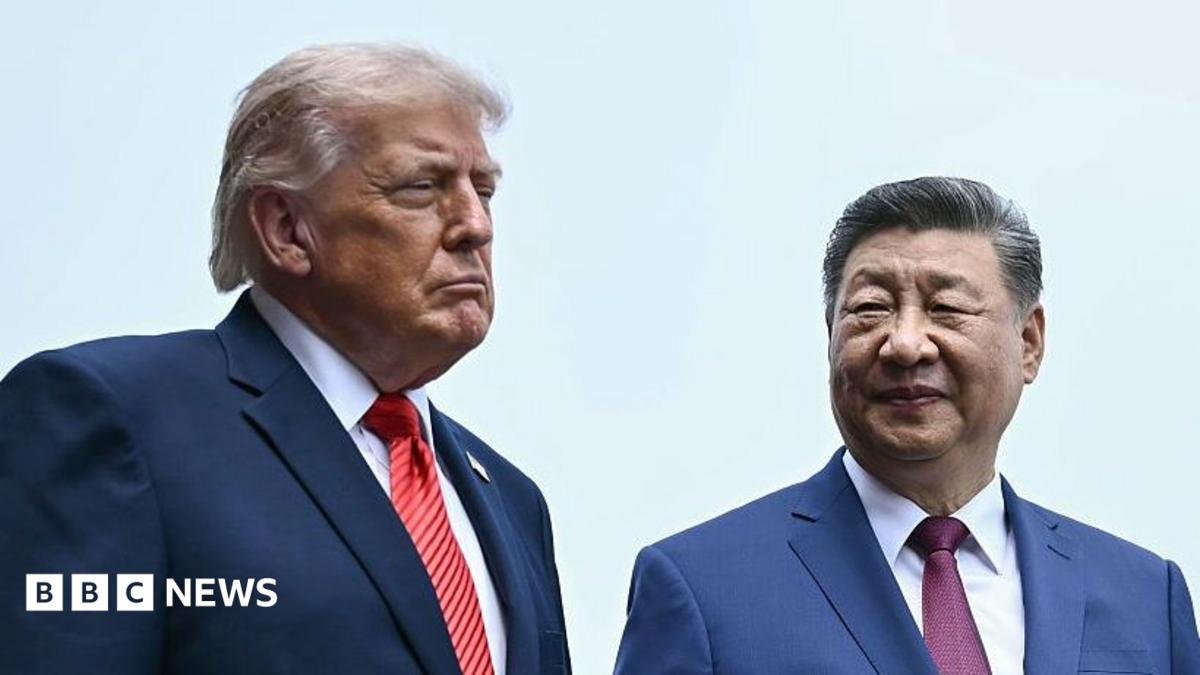
The geopolitical rivalry between the United States and China remains the primary driver behind the urgency of domestic AI policy. Beijing has made no secret of its ambition to become the world leader in artificial intelligence n policymakers, the objective is to ensure that domestic regulations do not create a disadvantage that would allow foreign competitors to set the global agenda for AI standards.
Maintaining a lead in this sector requires a delicate balancing act. While China operates under a different political and economic paradigm, the United States must leverage its strengths in democratic institutional oversight and private-sector agility. The goal is not just to outpace international rivals in terms of sheer processing power or algorithmic capacity, but to dominate the market ternational partners will prefer to adopt.
As the conversation in Washington continues to evolve, the focus is shifting toward a nuanced approach to oversight. This involves distinguishing between foundational research, which should remain largely unencumbered, and the deployment of high-stakes AI applications in sensitive sectors like healthcare, finance, and national security. erest without placing undue burdens on early-stage startups and small-scale developers.
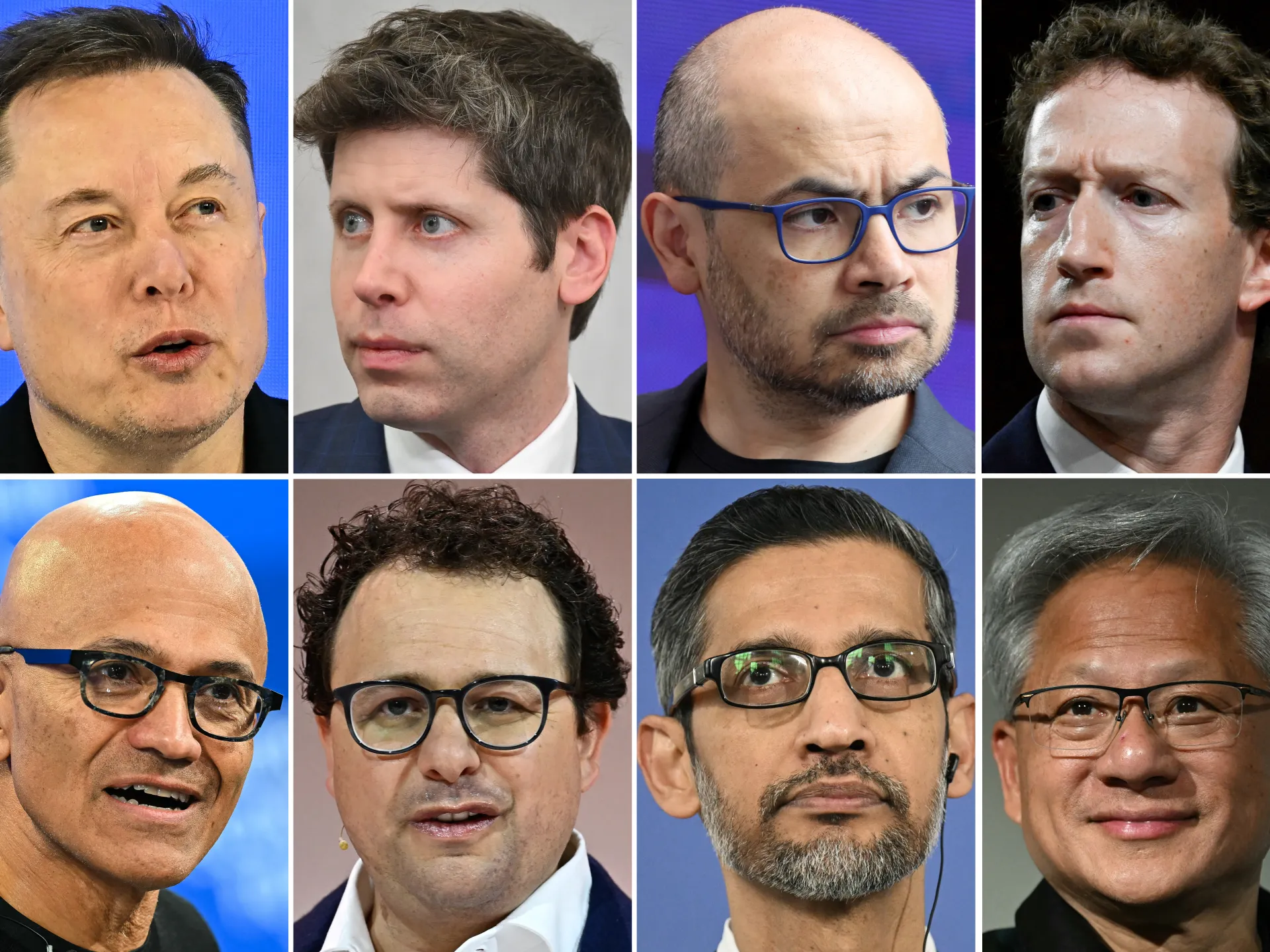
Ultimately, the success of the American AI strategy will depend on the ability of legislators to engage with the tech community to create living, adaptive policies. Technology moves faster than the legislative process, and the ability to update rules as the capabilities of AI expand will be essential. If the United States can successfully harmonize safety with speed, it will likely remain at the forefront of the digital age, proving that responsible governance and technological dominance are not mutually exclusive goals.