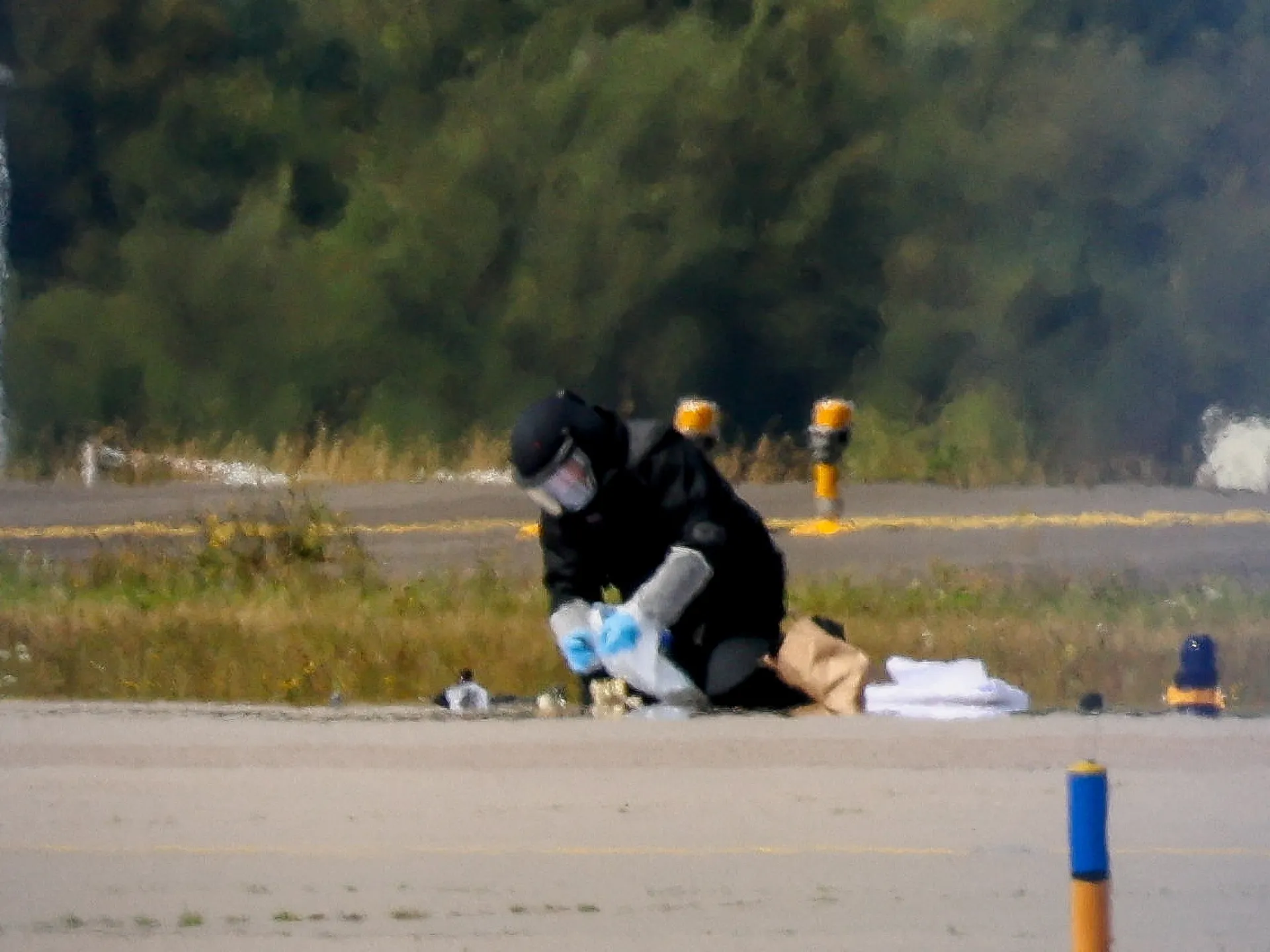
German officials have alerted the public to a rise in hybrid warfare tactics, including drone incursions and sabotage attempts, following a security scare at Leipzig/Halle Airport.
The Growing Reality of Hybrid Threats in Germany
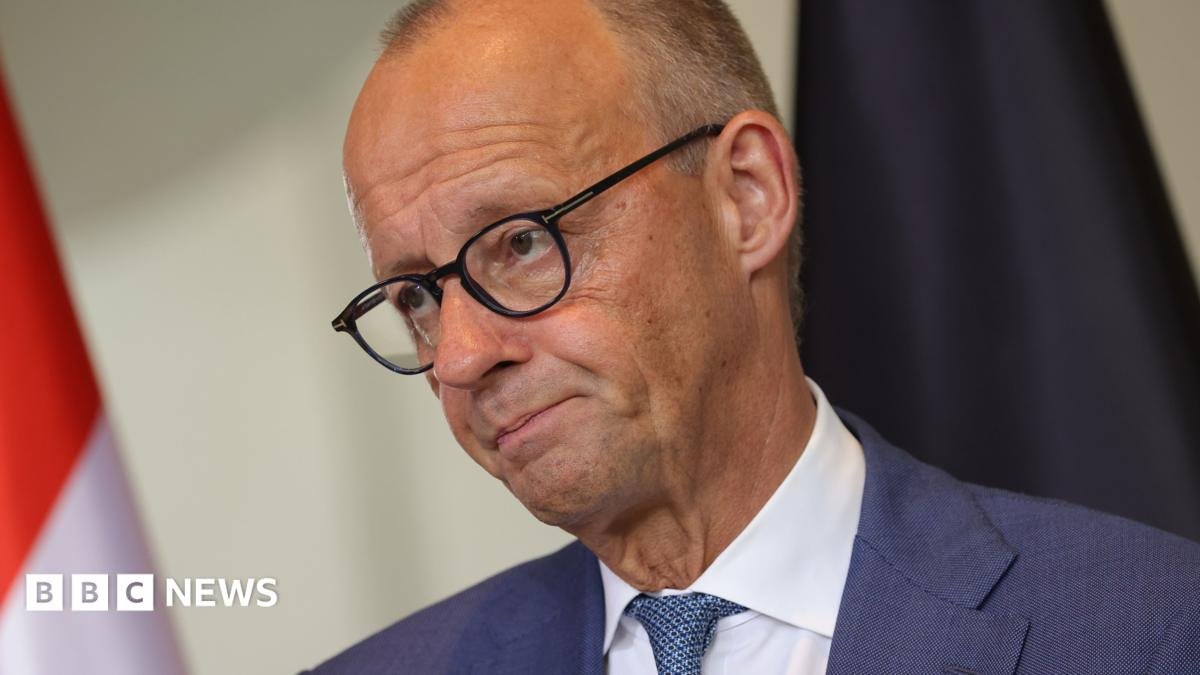
German government officials have issued a stark warning regarding the persistent nature of security threats facing the nation. Describing the current geopolitical climate, Interior Minister Alexander Dobrindt characterized the ongoing situation as a form of daily hybrid warfare. This assessment follows a series of alarming incidents that have put national security agencies on high alert, suggesting that foreign entities are actively attempting to destabilize Germany through non-traditional means.
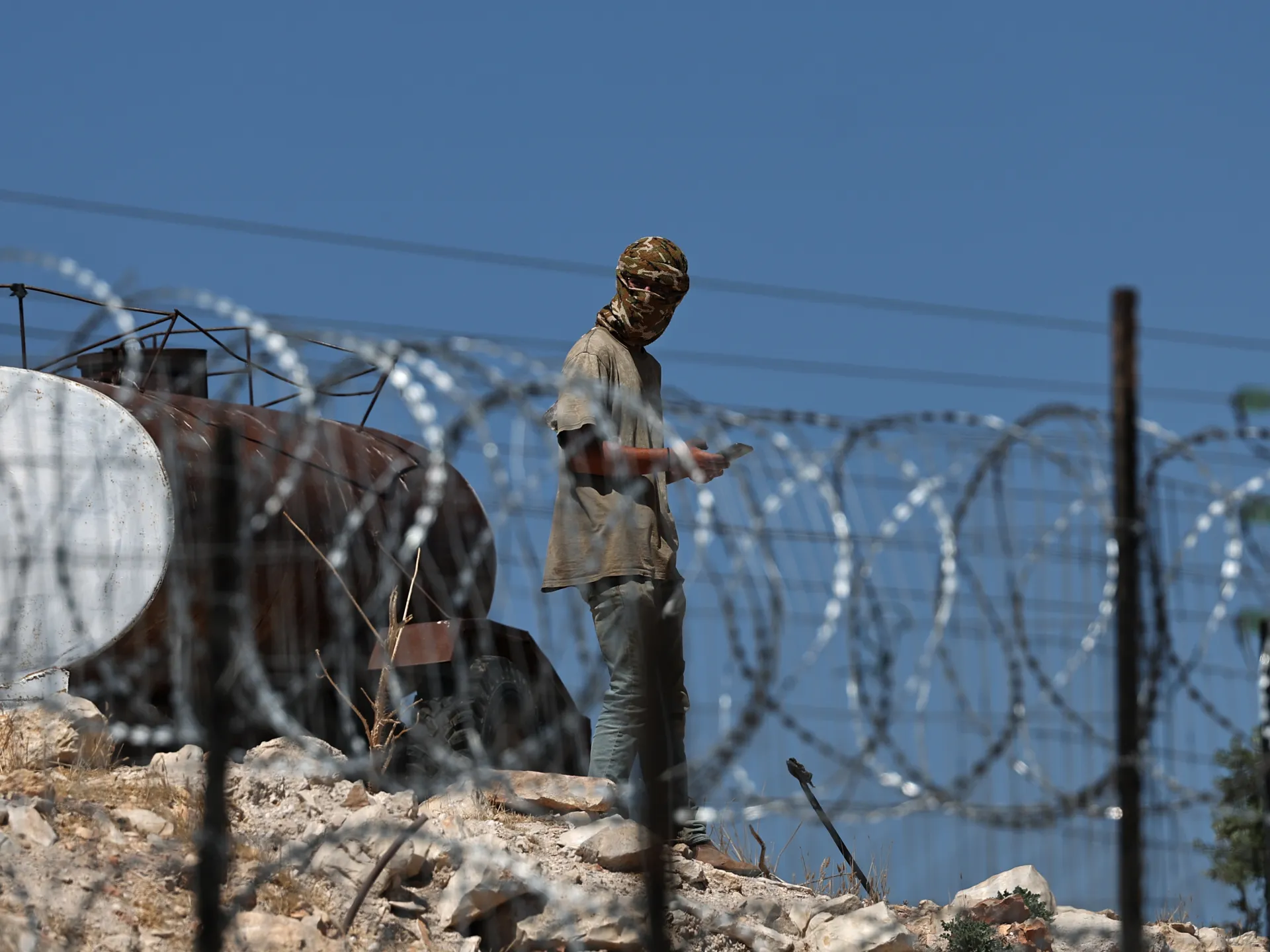
Dobrindt emphasized that while Germany is not engaged in a conventional open conflict, it remains a primary target for covert operations. These activities include sophisticated cyberattacks, industrial espionage, and various forms of sabotage designed to undermine the country’s social and political cohesion. While the minister refrained from explicitly naming specific foreign powers responsible for these actions, the underlying tension suggests a coordinated effort to influence internal stability from abroad.
Recent Drone Incidents Spark National Alarm
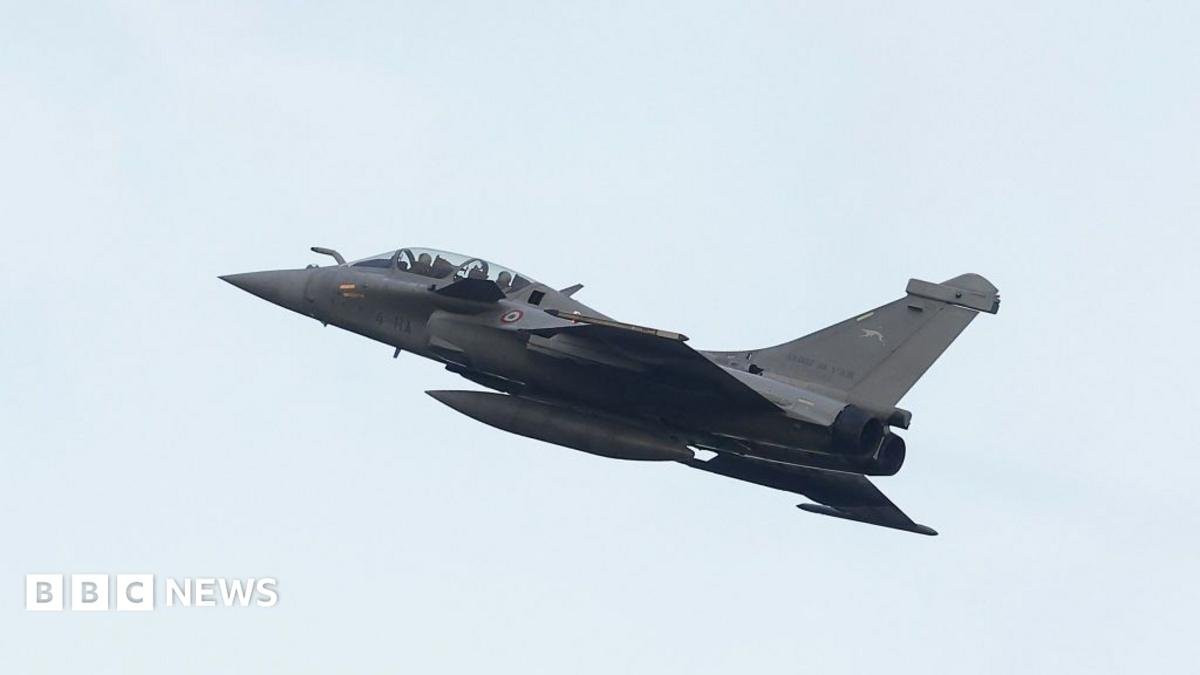
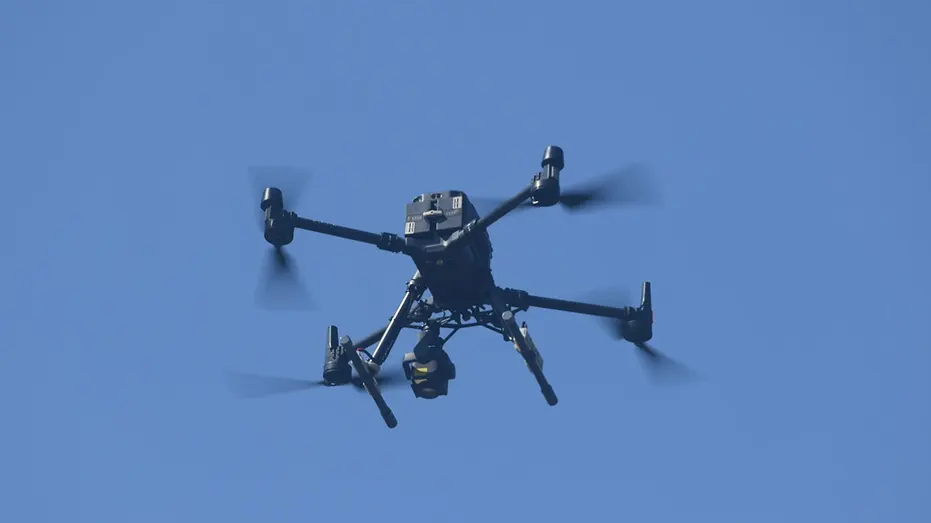
The urgency of the situation was underscored week. This event served as a catalyst for renewed concerns regarding the vulnerability of critical infrastructure across the country. Following the discovery, German lawmakers have openly questioned whether external actors are testing the limits of European security, with some officials suggesting a link to the ongoing conflict in Ukraine.
In response to the accusations, the Russian embassy in Berlin has categorically denied any involvement, labeling the incident at the airport as a fabricated provocation. This diplomatic pushback reflects the broader geopolitical friction between Moscow and European capitals. Despite these denials, the proximity of such incidents to vital logistics hubs has prompted German security services to re-evaluate their protective measures and surveillance capabilities at major transit points.
Strengthening Defenses Against Aerial Incursions
Recognizing the evolving nature of the threat, the German government is moving to significantly bolster its anti-drone infrastructure. Reports indicate that the Ministry of the Interior is planning to double the size of its specialized anti-drone task force, increasing the personnel count from 150 to 300 experts. Furthermore, the government aims to expand its operational footprint
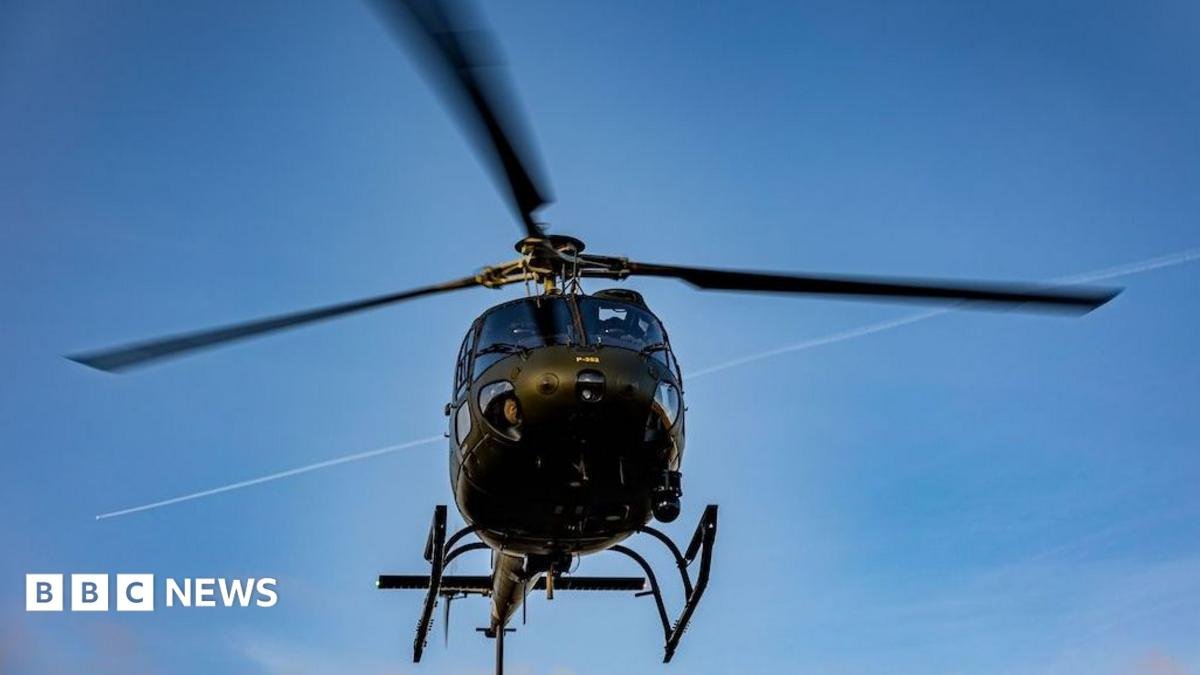
This strategic expansion is intended to provide a more robust shield against unauthorized aerial vehicles that have increasingly been spotted near sensitive military installations. For example, recent reports confirmed that two drones were sighted hovering over a military site in Mechernich, located in the state of North Rhine-Westphalia. These incursions have highlighted the necessity for a more comprehensive monitoring network to protect military assets and ensure the safety of civilian airspace.
Broader Regional Concerns Across Europe
The security challenges facing Germany are not isolated; they are part of a wider pattern of drone-related activity observed across the European continent. Just recently, an explosion involving a drone occurred in Bulgaria near the Trans-Balkan gas pipeline. While the Bulgarian defense ministry stated there was no immediate evidence of intentional sabotage, the incident has prompted a joint investigation involving Ukrainian authorities to clarify the circumstances behind the blast.
These repeated occurrences have reinforced fears that the ongoing war in Ukraine could have spillover effects, potentially impacting neighboring NATO member states. Both European Union and NATO officials have frequently pointed to Russia as the source of these provocations, though Moscow continues to reject all allegations of wrongdoing. As the situation develops, the focus remains on enhancing regional cooperation and technical readiness to mitigate the risks posed