A powerful 7.4 magnitude earthquake has struck western Colombia, resulting in at least 20 confirmed deaths and significant structural damage across multiple cities.
A seismic event measuring 7.4 on the Richter scale struck western Colombia on Monday, triggering widespread panic and causing significant structural damage across multiple regions. The earthquake, which originated near the municipality of San Jose del Palmar in the Choco department, occurred at a depth of approximately 107 kilometers. While the epicenter was located roughly 400 kilometers west of the capital, Bogota, the tremors were felt extensively throughout the nation and neighboring countries, prompting immediate emergency responses.
Initial reports from the United States Geological Survey and local geological authorities confirmed the intensity of the quake. Although regional authorities initially estimated the magnitude at 6.6, subsequent data confirmed a more powerful 7.4 reading. Despite the significant scale of the geological disturbance, the US tsunami warning system confirmed that no tsunami threat was generated
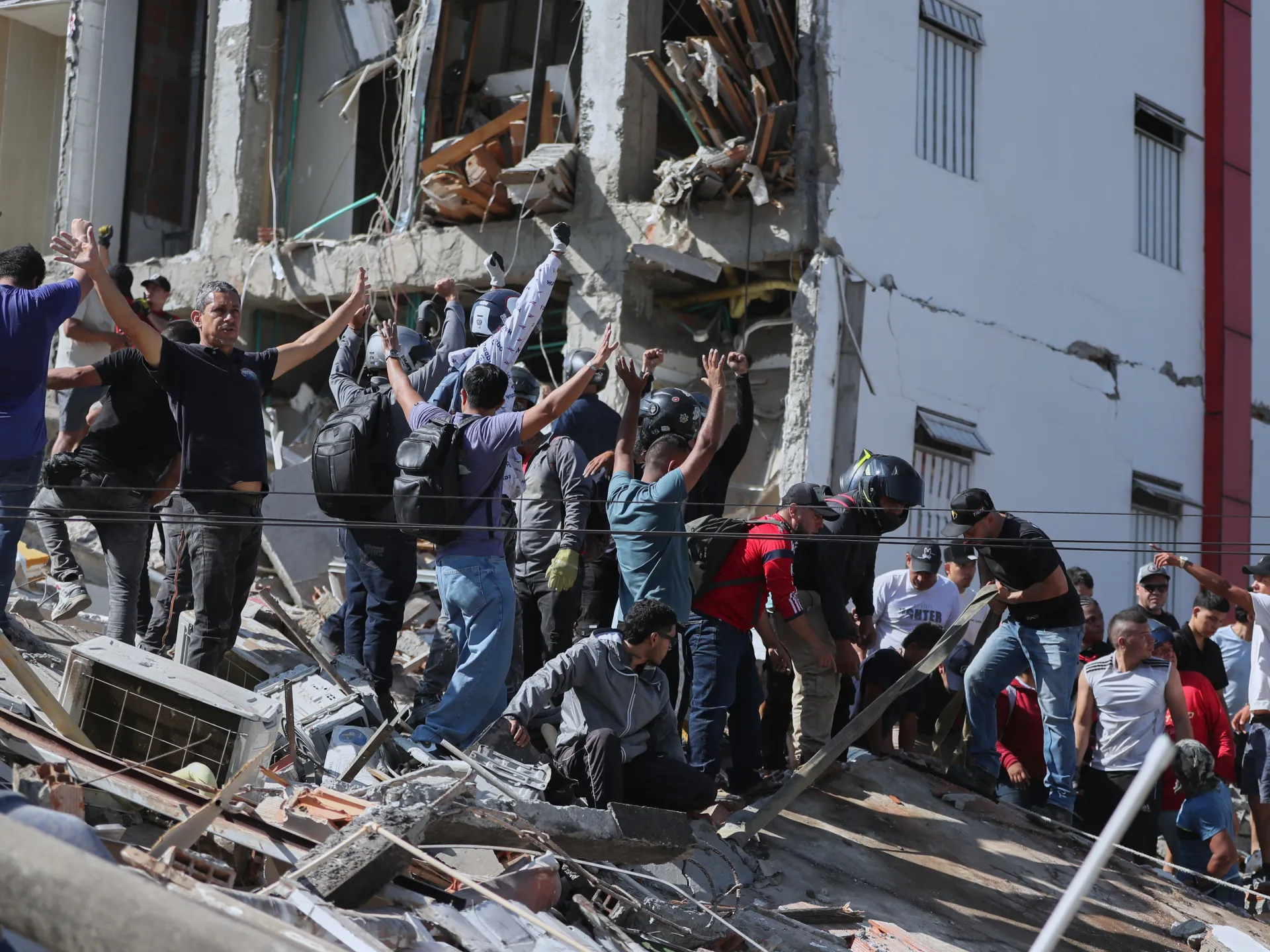
The human toll of the disaster has been concentrated in the tourist-heavy Eje Cafetero region and surrounding municipalities. According to officials in Pereira, at least 18 individuals lost their lives due to building collapses and falling debris. Further reports from Manizales confirmed two additional fatalities, bringing the immediate confirmed death toll to 20. Emergency services are currently working through the rubble in these areas, and officials have cautioned that the number of casualties could rise as search and rescue operations continue.
In the city of Cali, located southwest of the capital, the situation remains precarious. Local authorities have reported that at least 25 buildings collapsed under the force of the tremors. Mayor Alejandro Eder confirmed at least one death in the city and has established a Unified Command Center to coordinate relief efforts. Eder has issued an urgent appeal for aid from larger urban centers like Medellin and Bogota to help manage the mounting humanitarian crisis and provide necessary emergency resources.
Major urban centers experienced significant disruption as the earthquake struck. In Bogota, residents were seen fleeing into the streets as building and car alarms echoed throughout the city. Mayor Carlos Galán reported that while there were cracks in some structures, no major structural failures were documented in the capital. Bogota has since pivoted its resources to assist the more heavily impacted regions in the west, demonstrating regional solidarity in the face of the tragedy.
Medellin also faced significant operational challenges following the earthquake. Mayor Federico Gutierrez ordered the suspension of the city's metro system to allow for comprehensive safety inspections of the infrastructure. While no full-scale building collapses were reported within the city limits, smaller towns on the outskirts of Medellin have documented caved-in roofs and significant wall fractures. Residents across the affected regions are being urged primary concern for civil defense teams.
This disaster follows a period of heightened seismic activity in South America, raising concerns about the stability of the region. Only weeks prior to the Colombian earthquake, Venezuela was devastated urred in late June, resulted in the loss of more than 6,000 lives and the widespread destruction of residential and commercial infrastructure. The proximity of these major events has left the public and government agencies on high alert.
As Colombia moves into the recovery phase, the focus remains on damage assessment and humanitarian support. Governor Nubia Carolina Cordoba-Curi of Choco has emphasized the need for continued monitoring, noting that the epicenter's proximity to populated areas created a dangerous environment for both residents and emergency responders. Official reports are expected to be updated frequently as communications are restored in the most isolated areas of the Choco region and the surrounding mountains.