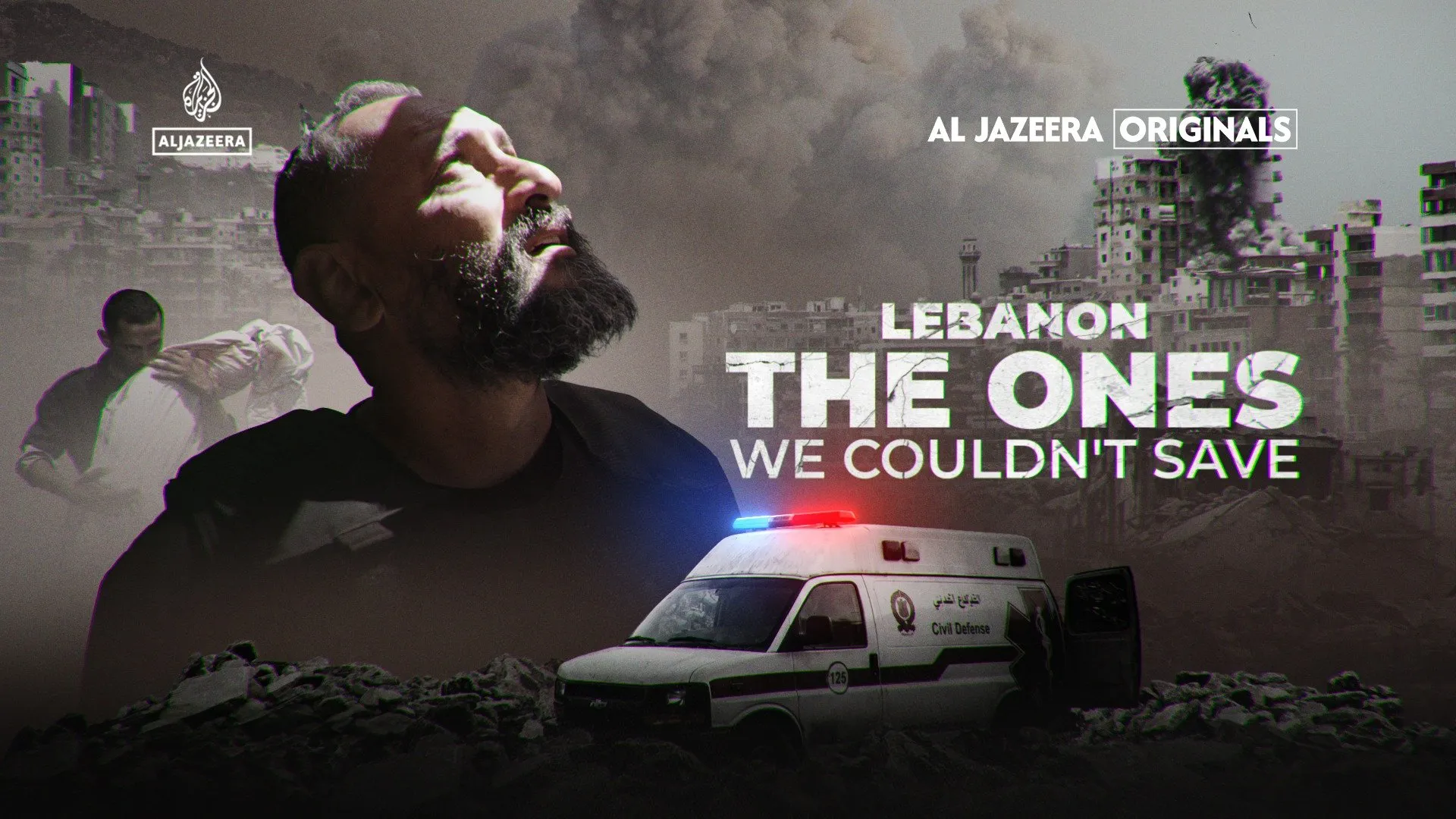
This report examines the lives of Lebanon’s Civil Defense teams, who face extreme danger to rescue civilians while managing the profound psychological toll of constant conflict.
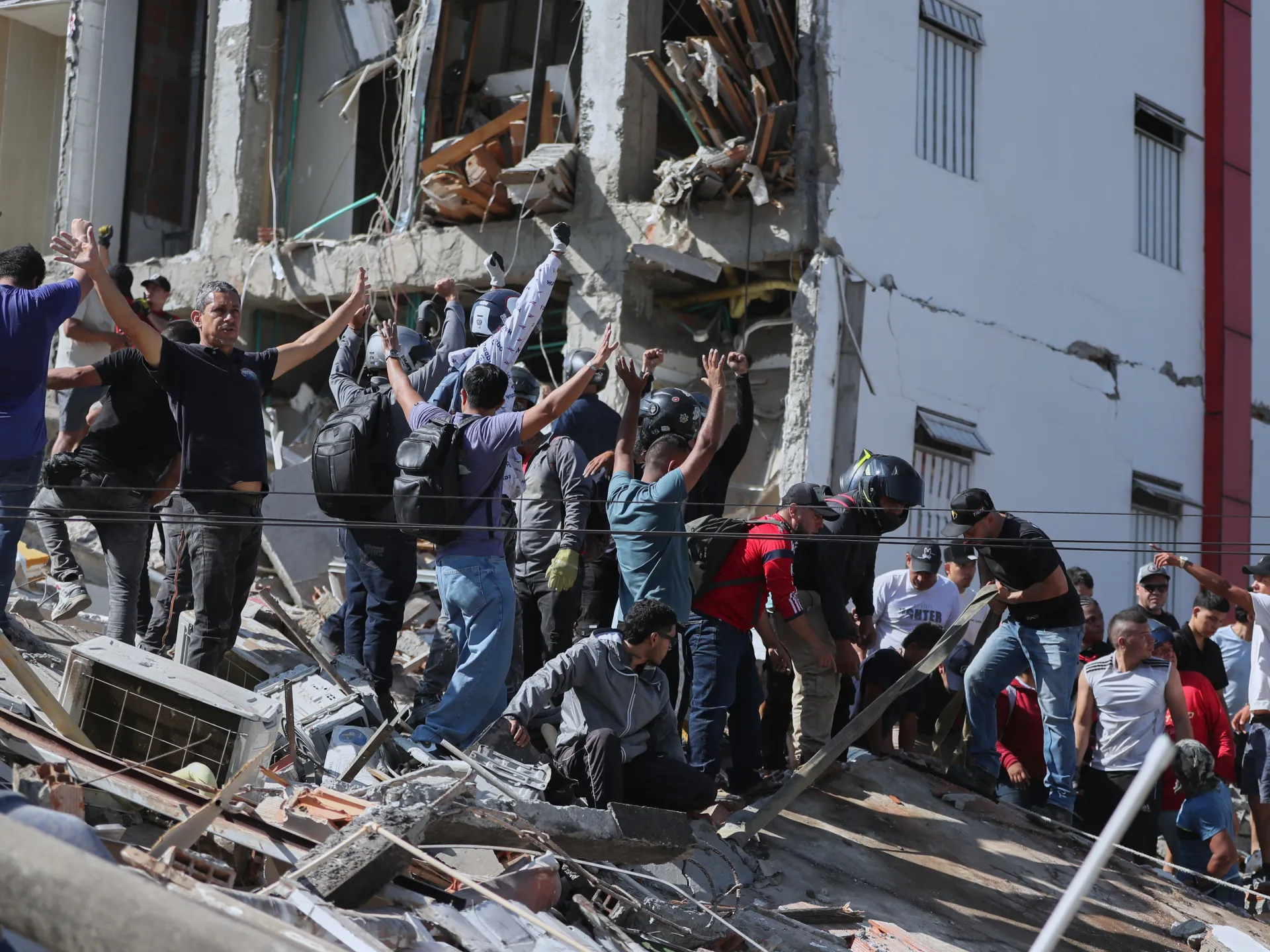
For the personnel serving in Lebanon's Civil Defense, the boundary between professional duty and personal survival has become increasingly blurred. As military operations intensify across the region, these first responders are tasked with the grueling responsibility of navigating active conflict zones to provide life-saving care. Their mission is clear: to reach the wounded, evacuate civilians from dangerous areas, and conduct search and rescue operations amidst the rubble of destroyed infrastructure.
These responders operate with a level of vigilance that is rarely seen in emergency services elsewhere. Every siren call carries the potential for a secondary strike or an encounter with ongoing hostilities. Despite these extreme risks, the teams remain committed to their communities, functioning as the primary line of defense for residents who have nowhere else to turn when disaster strikes.
At the heart of these operations are individuals like Ali Safiuddin, a dedicated team leader whose commitment to Civil Defense has defined his life's work. For professionals like Safiuddin, the station is far more than a workplace; it is a second home where the bonds between team members are forged in the crucible of crisis. These teams effectively become family units, relying on one another for both physical protection and emotional stability during long, harrowing shifts.
However, the psychological toll of such a career is profound. Years of witnessing the cyclical nature of conflict—responding to repeated wars, managing large-scale disasters, and documenting the physical destruction of their homeland—have left deep scars. The resilience required to repeatedly return to the front line after witnessing the loss of colleagues and community members is a testament to the immense human cost borne
The challenges faced d. They are frequently tasked with making impossible decisions under immense time pressure, often working with limited resources and aging equipment. The emotional weight of knowing that they cannot reach everyone in time, or that their own lives are constantly at stake, creates a unique form of trauma that is difficult to process even for the most seasoned veterans.
Despite these overwhelming pressures, the spirit of the Civil Defense units remains unbroken. Their presence provides a vital sense of security to the civilian population in southern Lebanon. ge that prioritizes the welfare of others above their own safety. Their stories shed light on the unsung heroes who remain on the ground long after the cameras have turned away, documenting the quiet sacrifices made in the name of humanity.
As the regional landscape continues to evolve, the role of Lebanon's emergency personnel is becoming increasingly complex. They are not merely fire-fighters or paramedics in the traditional sense; they are essential mediators between the civilian population and the realities of war. The ongoing need for training, equipment, and psychological support for these individuals is critical to ensuring they can continue their vital work.
Ultimately, the story of these first responders is a reflection of the enduring human capacity to care for others in the face of insurmountable odds. Their dedication highlights a commitment to service that transcends political and military boundaries, focusing entirely on the preservation of life. As they navigate the uncertainty of the future, their resilience stands as a powerful reminder of the importance of humanitarian work in even the most volatile environments.