A series of unexplained drone sightings in Bulgaria and Germany has intensified security concerns across Europe, prompting investigations into potential threats against critical infrastructure and military bases.
Security Breach Near Critical Energy Infrastructure
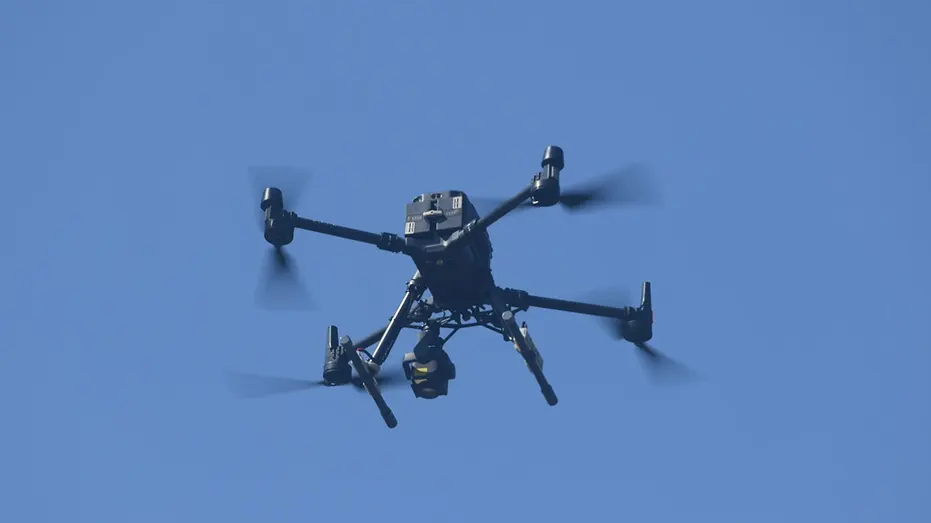
Bulgarian officials are currently investigating a significant security breach after an unidentified drone exploded near the Trans-Balkan gas pipeline. The incident occurred in a sunflower field situated close to the Kardam border crossing, which links Bulgaria with neighboring Romania. This particular pipeline serves as a vital energy corridor connecting Turkiye to Ukraine, making the proximity of the explosion a matter of serious strategic concern for the region.
According to Prime Minister Rumen Radev, the device was not a consumer-grade hobbyist aircraft but a substantial piece of technology equipped with a significant payload of explosives. While initial assessments from the Bulgarian Defence Ministry suggest the craft may have been a Maya decoy drone—a type frequently utilized in modern combat operations—the discovery has prompted an immediate shift in military posture. Authorities have begun redeploying troops to border zones to enhance surveillance capabilities and implement advanced anti-drone defensive measures.
The fact that neither Bulgarian nor Romanian radar systems detected the drone prior to its detonation has exposed potential vulnerabilities in regional airspace monitoring. This intelligence gap has triggered a reassessment of how border security forces manage low-altitude threats, especially in areas housing critical energy infrastructure that is essential for maintaining regional stability during the ongoing conflict in Ukraine.
Heightened Military Alert in Germany
Simultaneously, German authorities are grappling with a series of mysterious drone sightings that have targeted sensitive military and logistical facilities. On Thursday evening, two drones were observed hovering over a Bundeswehr military base located in Mechernich, North Rhine-Westphalia. The base is of particular strategic importance, as it houses a high-security underground storage facility for specialized military hardware and serves as a maintenance hub for US-supplied Patriot air defense systems.
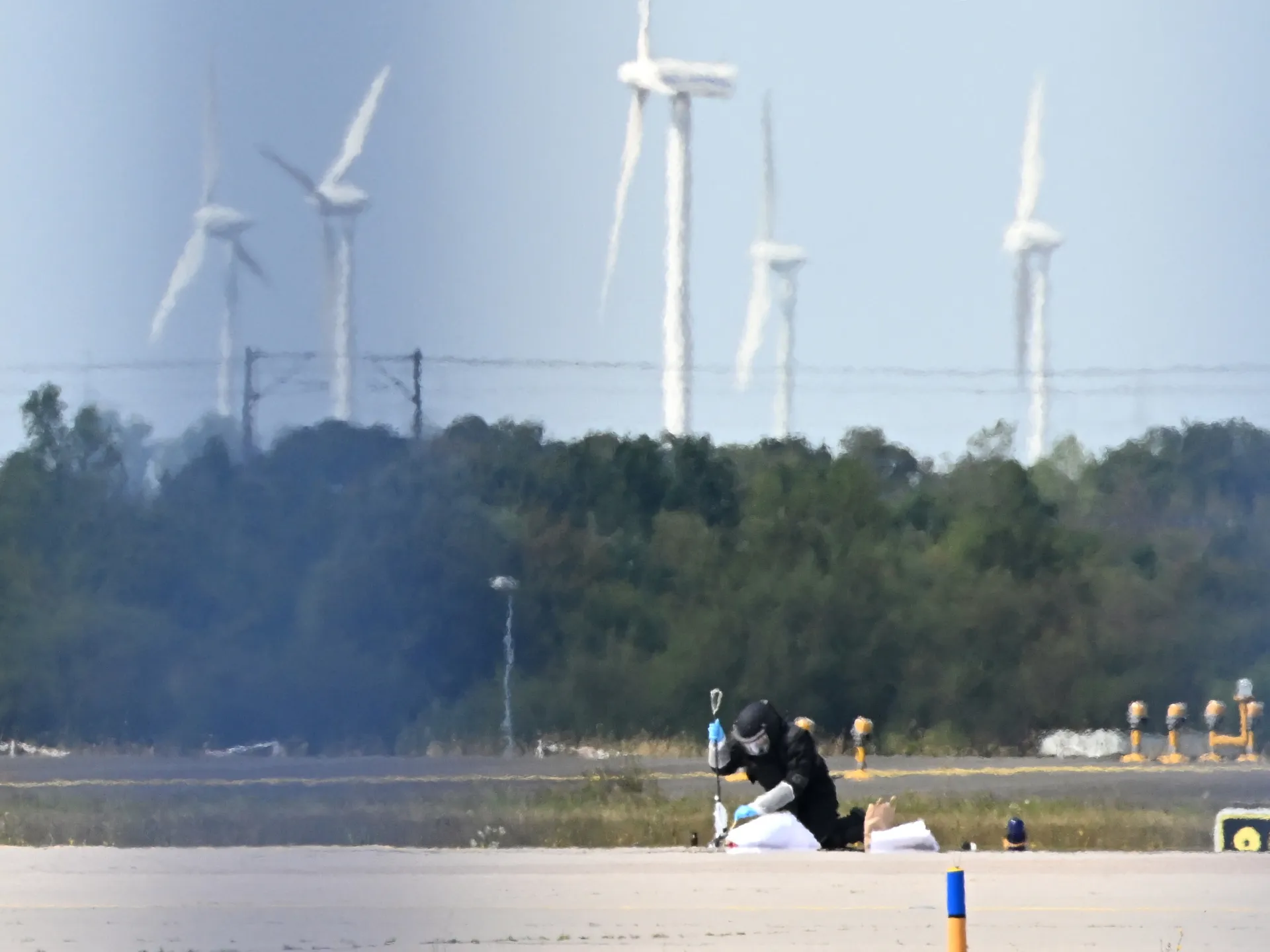
The situation in Germany escalated further following the discovery of a drone near the Leipzig/Halle Airport earlier in the week. This location serves as both a civilian freight hub and a critical logistics point for NATO operations. Reports indicate the device was found in the vicinity of Ukrainian Antonov An-124 cargo aircraft, raising questions about whether the airport was being surveilled for intelligence purposes or targeted for disruption. German police and military personnel are currently conducting thorough investigations into these security lapses.
These events have ignited a heated domestic debate regarding Germany’s readiness to counter emerging security threats. While government officials have exercised caution e led many political figures to point toward Russian involvement. The incidents underscore the challenges faced ted, small-scale aerial surveillance and sabotage tools.
Broader Implications for NATO and Regional Stability
The recent surge in unidentified aerial vehicles across Europe has reignited long-standing fears that the war in Ukraine could spill over into neighboring NATO territories. European and NATO officials have previously accused Russia of orchestrating similar drone incursions, viewing them as a deliberate attempt to test the alliance’s resolve and readiness. While Russia has consistently denied these allegations, labeling reports as “fabricated provocations,” the geopolitical tension remains palpable.
The alliance has maintained a firm stance on territorial integrity, with leadership emphasizing that any reckless behavior posing a risk to member states will be met with a unified response. The pledge to defend “every inch” of NATO territory is being put to the test as member nations attempt to balance the need for civilian oversight with the requirement for robust military defense against modern, unconventional threats. These drone incidents serve as a stark reminder that the theater of modern conflict is no longer confined to the front lines of a single nation.
As investigations continue, the focus will likely shift toward upgrading automated detection networks across the continent. The ability to distinguish between harmless commercial drones and weaponized decoys has become a top priority for defense ministries across Europe. The current situation demands a coordinated response from the European Union and NATO to ensure that critical infrastructure and military assets remain protected from potential gray-zone aggression that seeks to destabilize the region without triggering a full-scale military conflict.