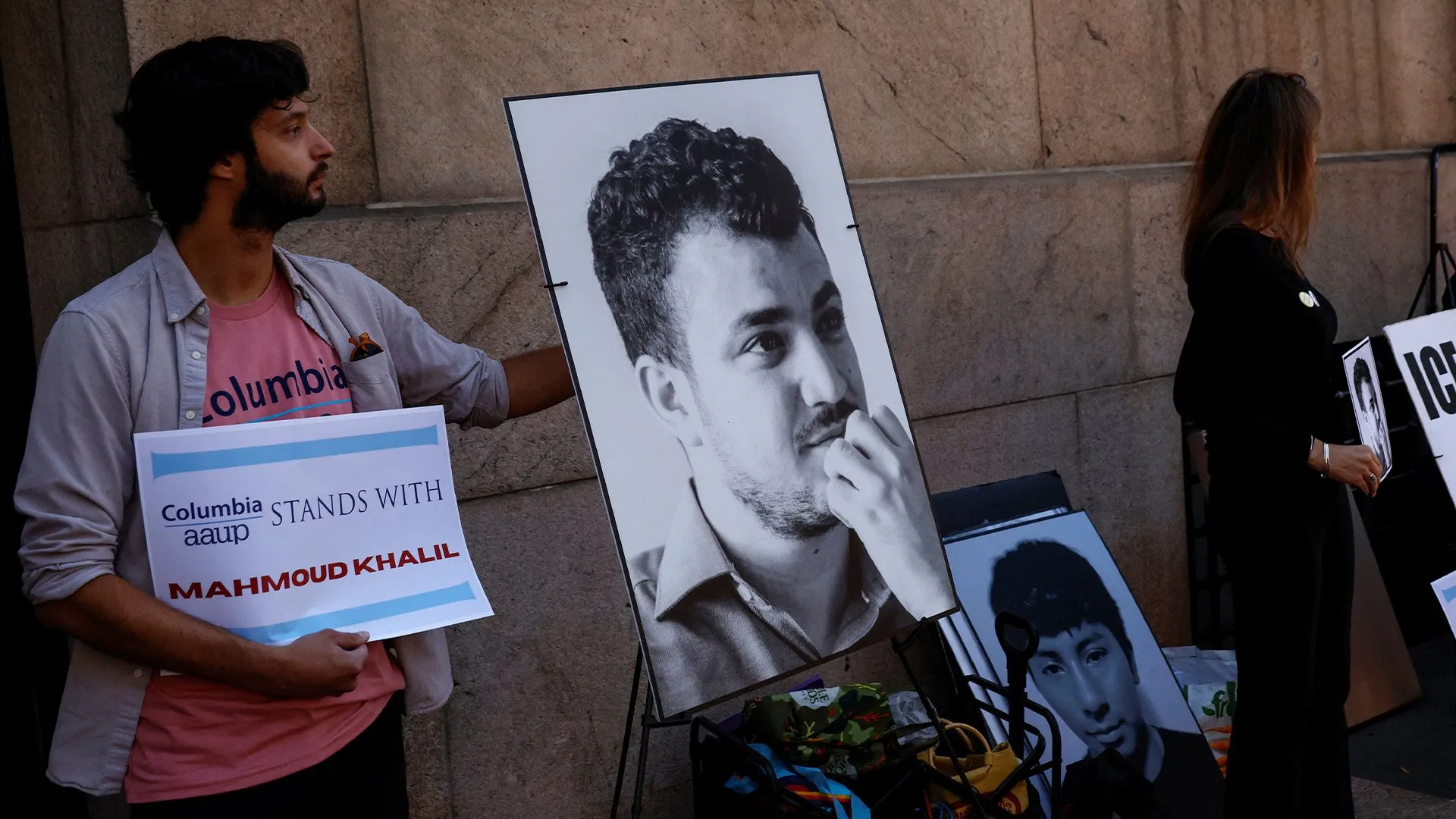
Former Columbia University student and activist Mahmoud Khalil has filed a discrimination lawsuit, alleging the institution failed to address systemic racism against Palestinian students.
Mahmoud Khalil, a former student and prominent pro-Palestinian activist, has officially launched a lawsuit against Columbia University, citing systemic failures to protect Palestinian students. The litigation targets both the academic institution and a specific university dean, framing the grievances as a deep-seated issue of institutionalized racism that has allegedly permeated the campus environment. Khalil argues that the administration failed to provide a safe or equitable space for students identifying with the Palestinian cause, leading to an environment where their voices were systematically marginalized.
The legal filing centers on the assertion that Columbia University ignored repeated concerns raised ministration’s response to these concerns was not only inadequate but indicative of a broader pattern of discriminatory practices. hold institutional decision-makers accountable for the climate that developed during a period of heightened geopolitical tension and campus activism.
For many students involved in advocacy, the university experience has been marred ound sense of abandonment the welfare and academic freedom of those advocating for Palestinian rights. This legal challenge underscores a growing trend of students seeking judicial intervention when they feel that internal university grievance processes have failed to address their rights to expression and safety.
The lawsuit emphasizes that the psychological and academic toll of this alleged discrimination is significant. lenced, the institution is accused of enabling a culture of exclusion. Khalil’s case is expected to draw significant attention to how elite universities manage political discourse and whether their current policies regarding student safety are applied in a non-discriminatory manner across different ideological groups.
The case brought forward tion. As universities continue to grapple with how to balance free speech, safety, and institutional reputation, legal precedents set rs alike. The focus on institutionalized racism suggests that the proceedings will involve a rigorous examination of how Columbia University handles complaints of bias and whether its internal protocols are sufficient to combat systemic prejudice.
Furthermore, this legal battle highlights the increasing intersection of campus activism and civil rights litigation. As students become more litigious in their efforts to challenge university administration policies, institutions may find themselves forced to re-evaluate their disciplinary and support frameworks. The outcome of this specific case could serve as a litmus test for how courts define the obligations of private universities in protecting their students from discrimination based on political identity and national origin.
As the legal process unfolds, both the public and the academic community will be looking for clarity regarding the extent of the university's liability. The lawsuit represents a pivotal moment for those seeking to challenge what they view as a biased administrative apparatus. With the case now in the hands of the legal system, the focus shifts toward the discovery process and the potential for testimony that could shed light on internal administrative communications and decision-making during the period in question.
The university has yet to provide a detailed rebuttal to the specific claims, but the filing marks a significant escalation in the ongoing tensions regarding campus discourse. Whether this case leads to a settlement or a protracted courtroom battle, it has already succeeded in bringing the issue of institutional accountability to the forefront of national conversation. The resolution of these proceedings will likely influence future policies at Columbia and beyond, as institutions look to navigate the complex terrain of student activism in a polarized era.