A surge of violent riots across multiple Sri Lankan prisons has resulted in three deaths and 23 injuries, prompting a government investigation into potential coordination by criminal gangs.
Sequence of Violent Disturbances Across National Facilities
Sri Lanka has been shaken ly two dozen inmates requiring urgent medical care. The incidents occurred over a span of two days, prompting the government to deploy riot squads and specialized police units to restore order within the affected correctional facilities. Public Security Minister Ananda Wijepala confirmed the casualties during a parliamentary session, highlighting the severity of the security breach.
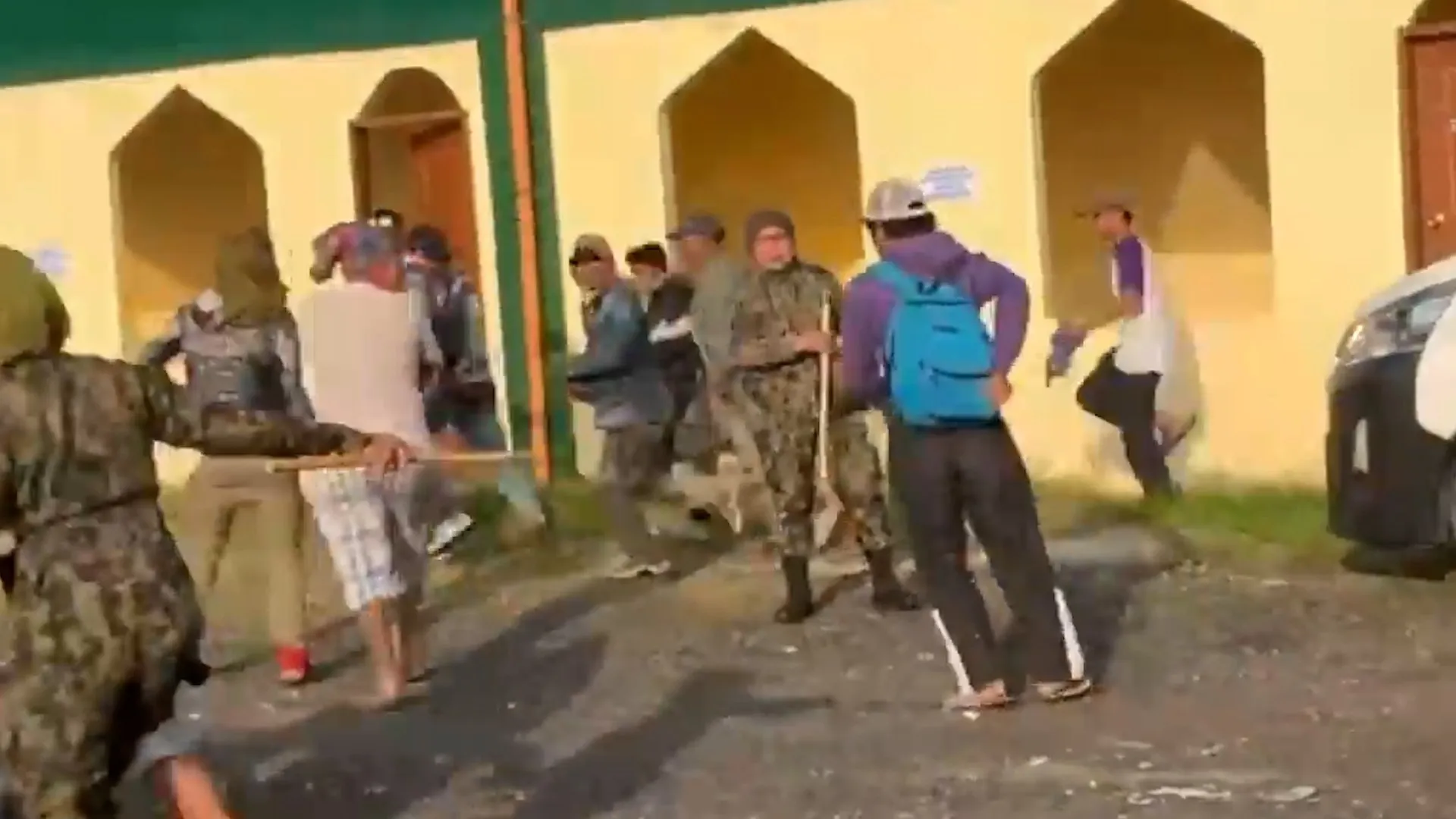
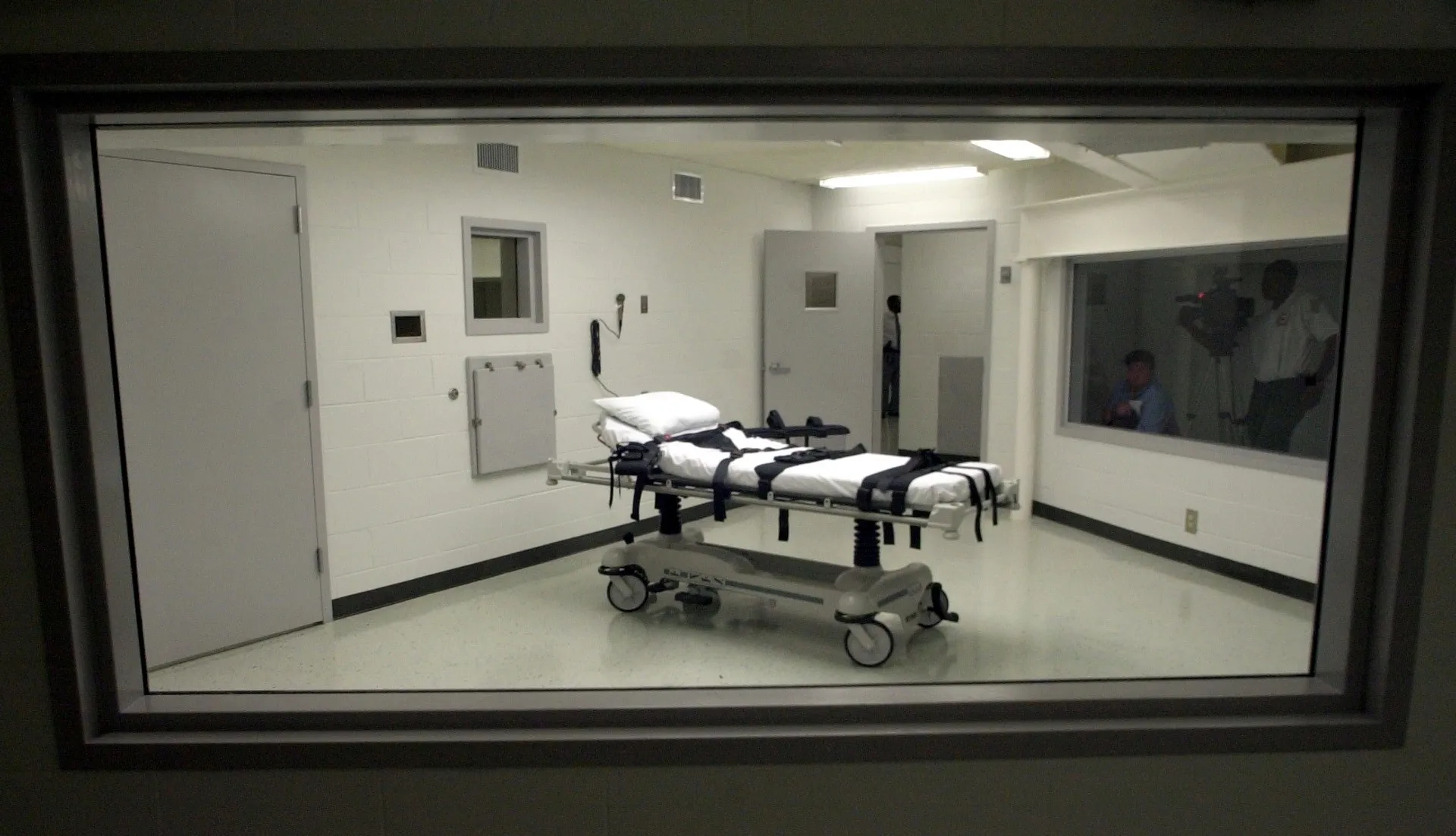
The first major outbreak took place at the New Magazine Prison in Colombo, where 40 inmates managed to breach their cell blocks late Thursday night, resulting in one death. e Kuruwita prison, located approximately 80 kilometers from the capital, claiming the lives of two additional individuals. Between these two primary incidents, 23 prisoners sustained injuries, necessitating hospital admissions to address the fallout of the chaotic clashes.
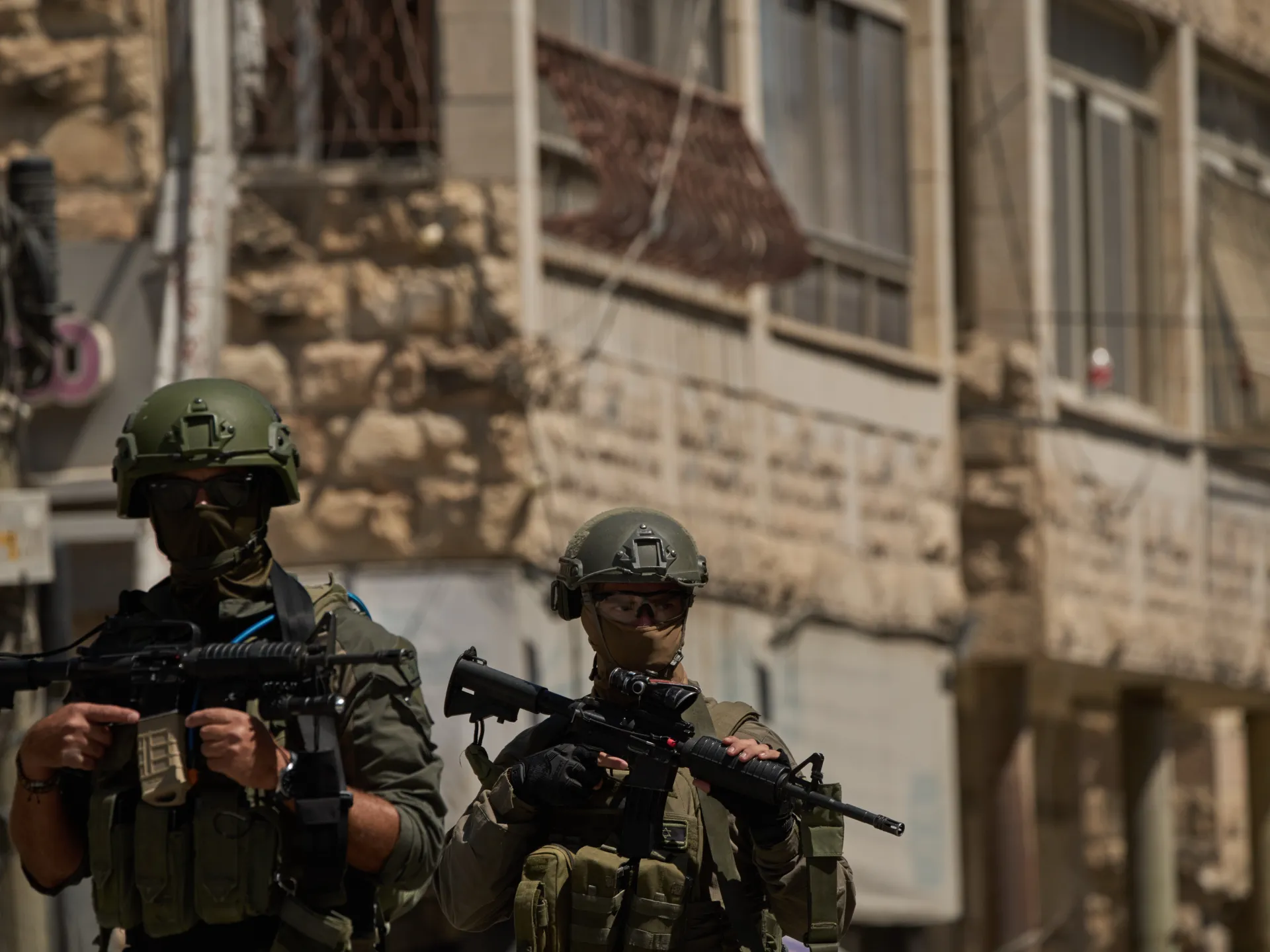
Beyond the lethal encounters, authorities were forced to intervene at an open prison in the coastal city of Negombo. Police reported using tear gas to disperse protesting inmates who had attempted to stage demonstrations. Across all three locations, riot police were tasked with managing tense situations where inmates had climbed onto rooftops or occupied open areas of the prison grounds, requiring a coordinated effort to force detainees back into their designated wards.
Investigating Potential Coordination and Criminal Influence
Government officials are currently investigating whether these widespread disturbances were the result of a coordinated effort rather than spontaneous outbursts. Minister Wijepala suggested that the violence appears linked to the activities of narcotics dealers and competing criminal syndicates operating from within the prison walls. The government is treating the possibility of organized sabotage with high priority, promising a comprehensive inquiry to uncover any underlying motives or external orchestration.
The recent violence follows a troubling pattern of instability within the nation’s correctional system. Only a month prior, a severe clash at a prison in Negombo resulted in the deaths of 10 staff members and 20 inmates over the course of two days. Furthermore, a separate riot occurred just last weekend at the Mahara prison, leaving one person dead and several others injured. These recurring events have prompted authorities to look deeper into the structural failures that allow such violence to persist.
Systemic Overcrowding and Legislative Challenges
Experts and human rights advocates have long pointed to extreme overcrowding as the primary driver behind the volatility in Sri Lanka’s prisons. Data presented in parliament indicates that the current prison population exceeds 39,000 inmates, despite the system having a total capacity designed for only 10,000. This disparity means facilities are operating at roughly four times their intended limit, creating an environment ripe for tension and conflict.
The Committee for Rights of Prisoners, led these congested conditions. A significant portion of the current population consists of individuals awaiting trial for narcotics-related offenses. Recent legislative changes that have tightened bail conditions have exacerbated the situation, making it increasingly difficult for suspects to secure release, thereby further inflating the number of people packed into already strained facilities.
In response to the growing crisis, the government is exploring constitutional amendments intended to streamline judicial processes. These proposed changes aim to extend the tenure of superior court judges and accelerate the processing of pending cases. detainees and relieve the pressure on the country’s overwhelmed correctional infrastructure.