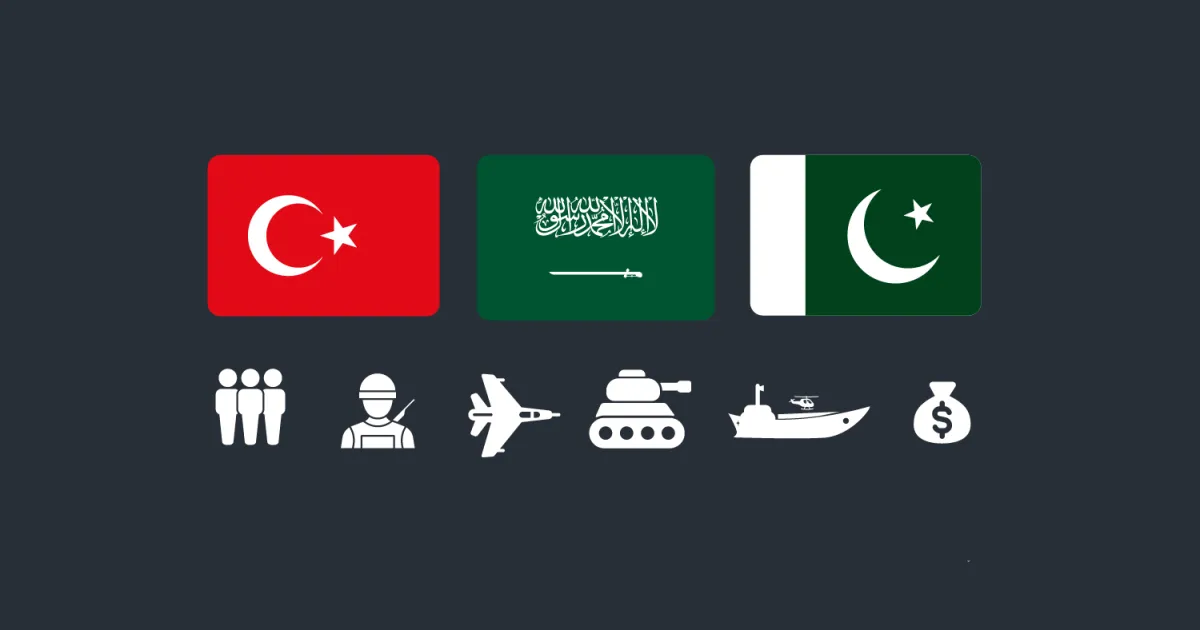
A new trilateral defense pact between Saudi Arabia, Pakistan, and Turkiye has prompted a calculated response from Tehran as regional powers seek to redefine security in the Middle East.
A New Security Architecture Emerges
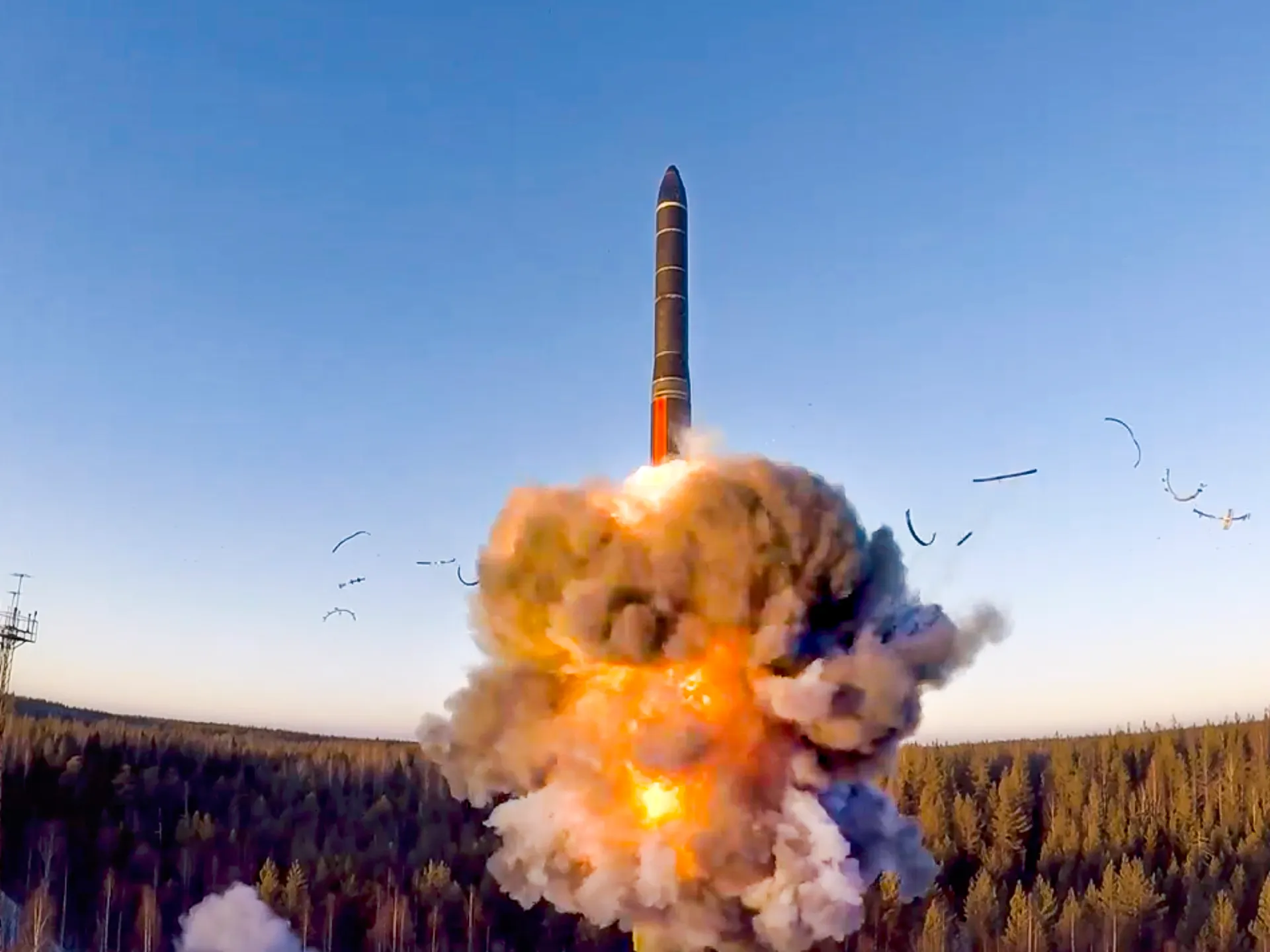
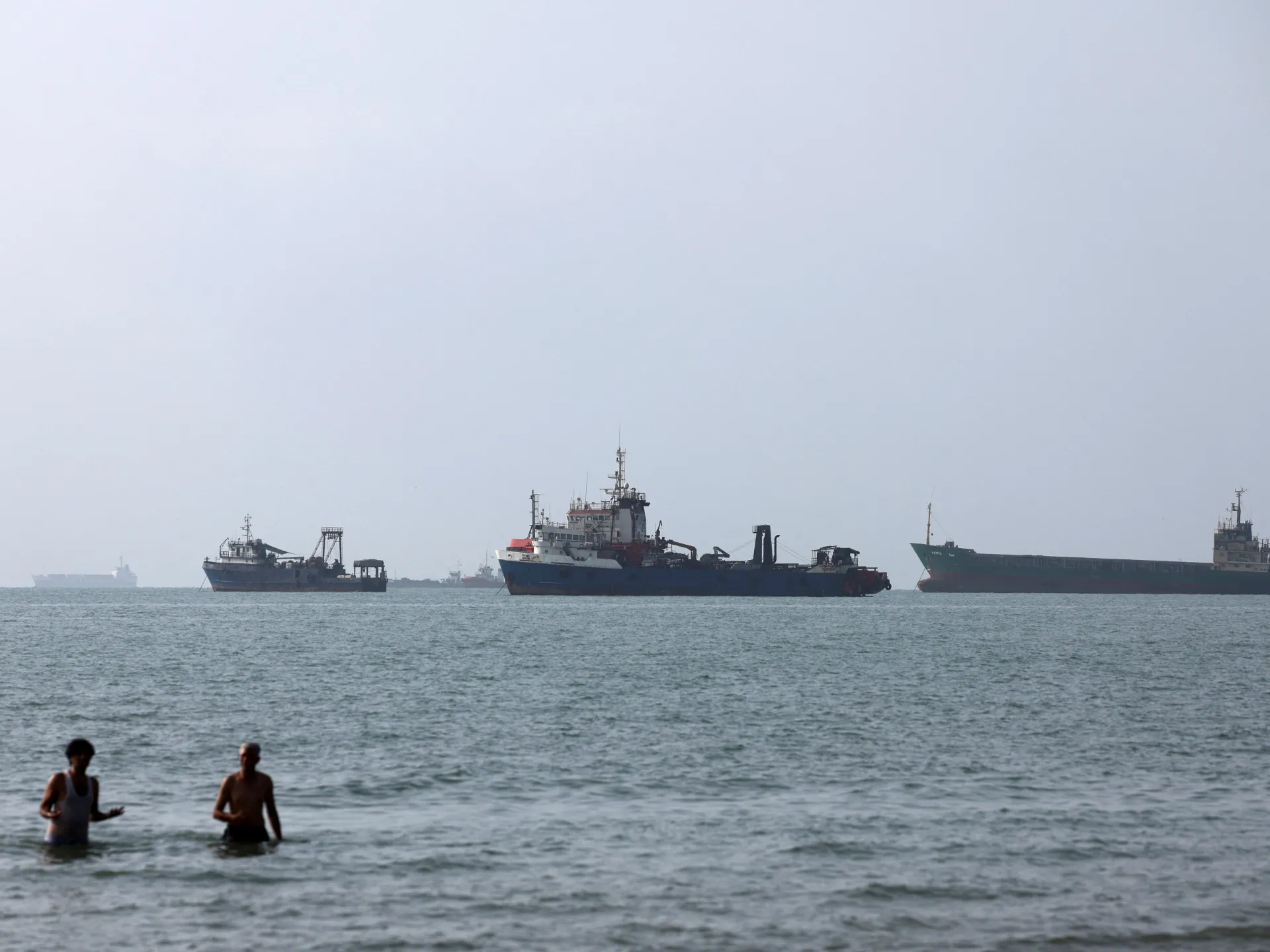
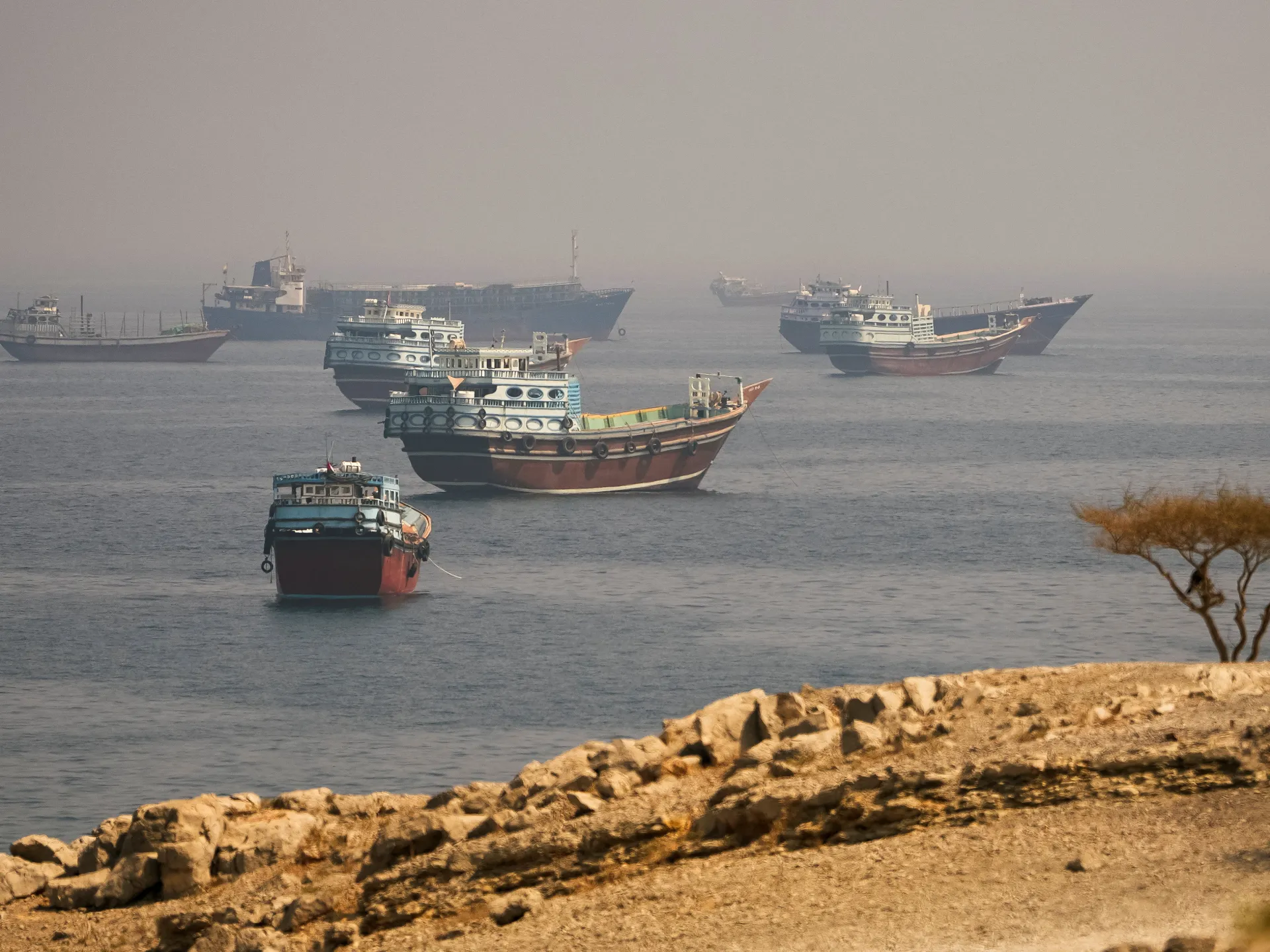
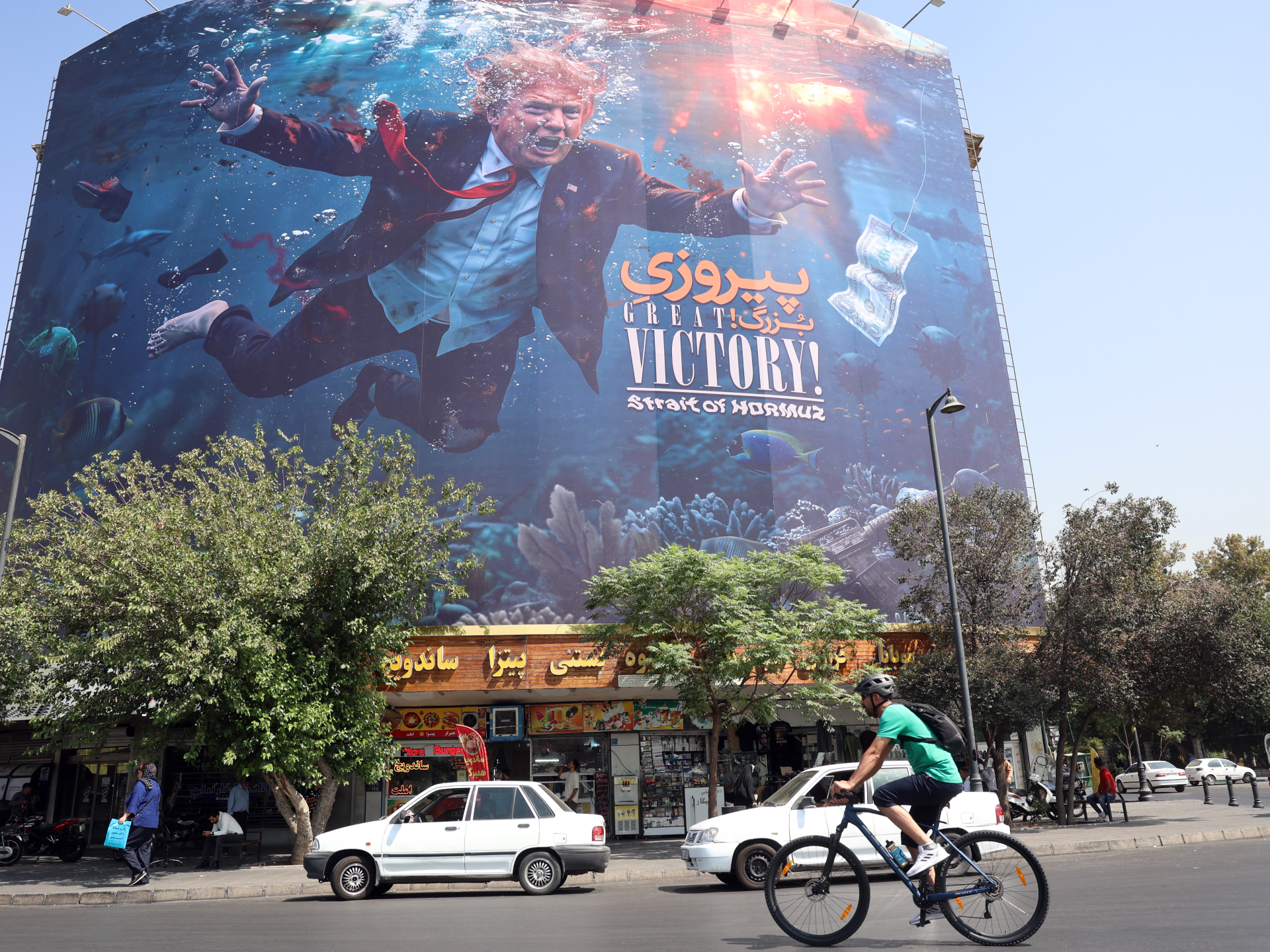
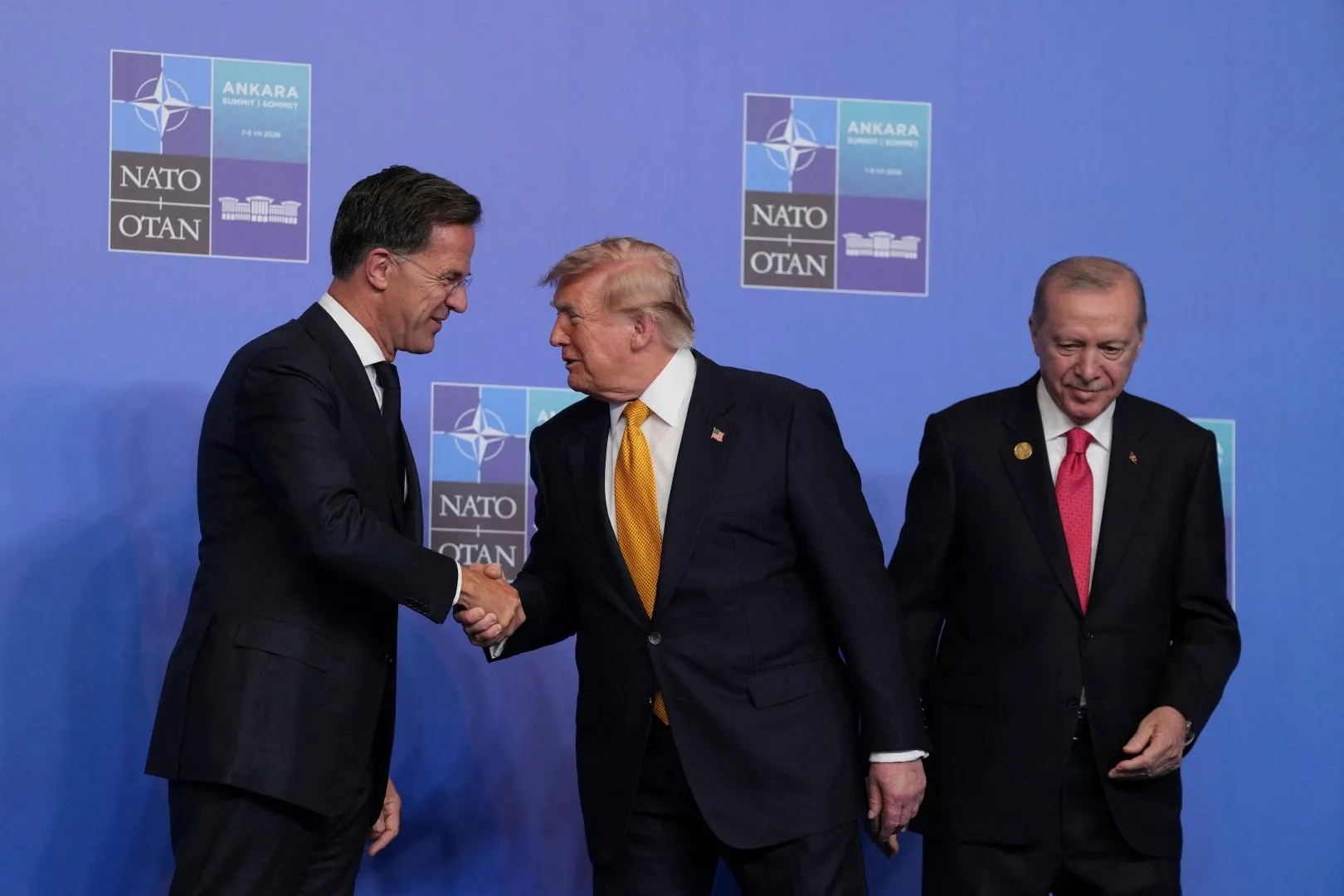
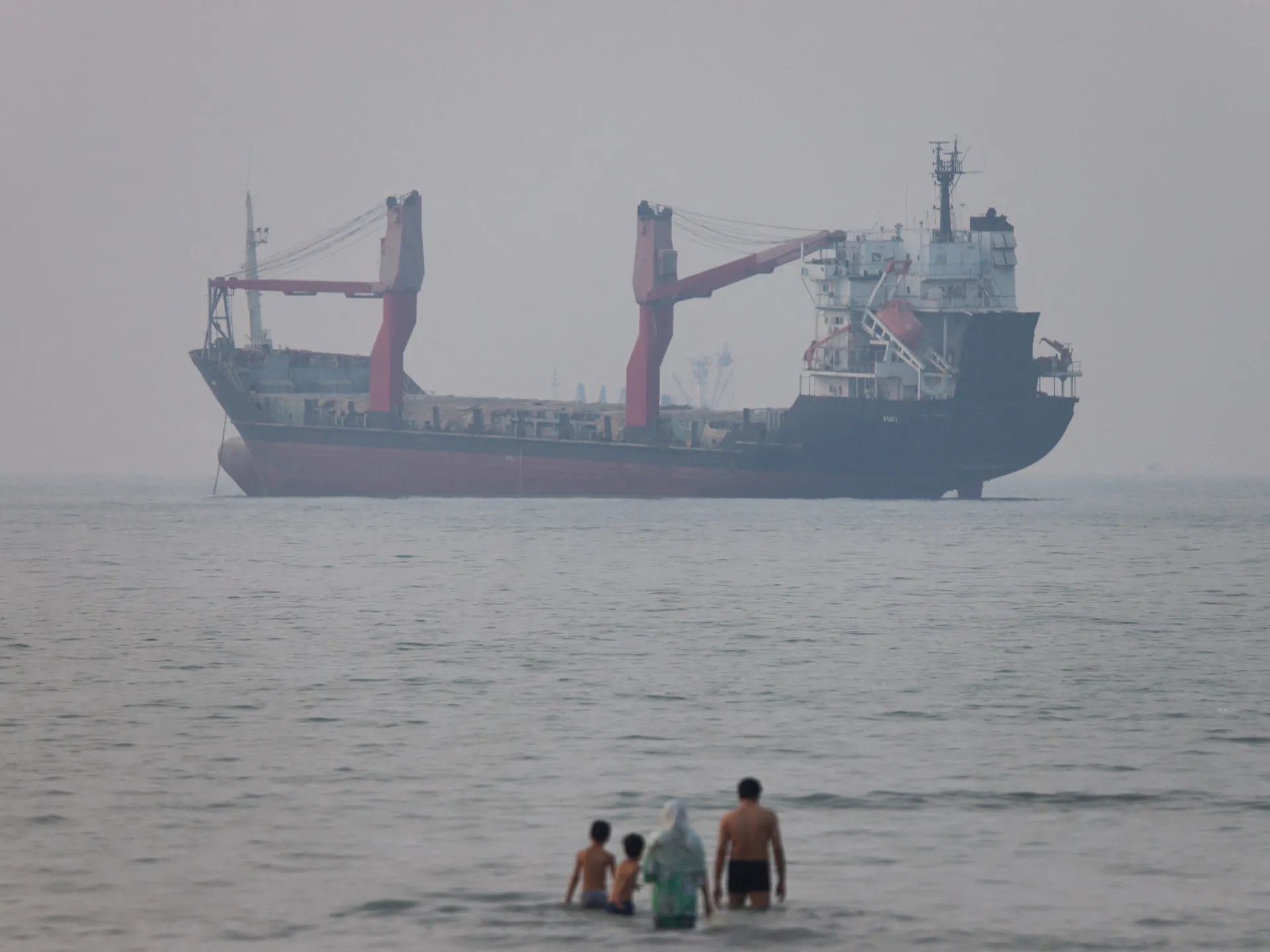
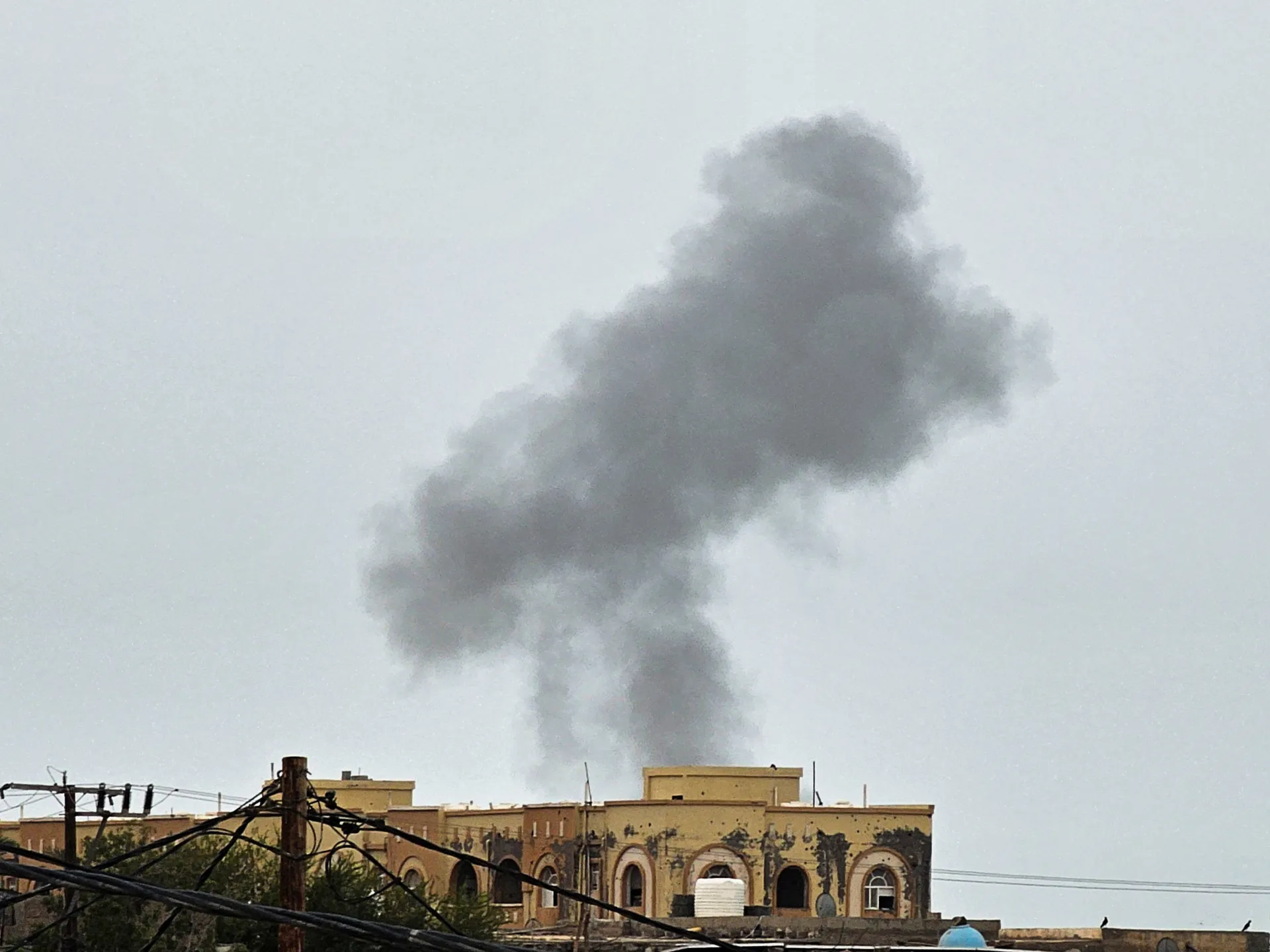
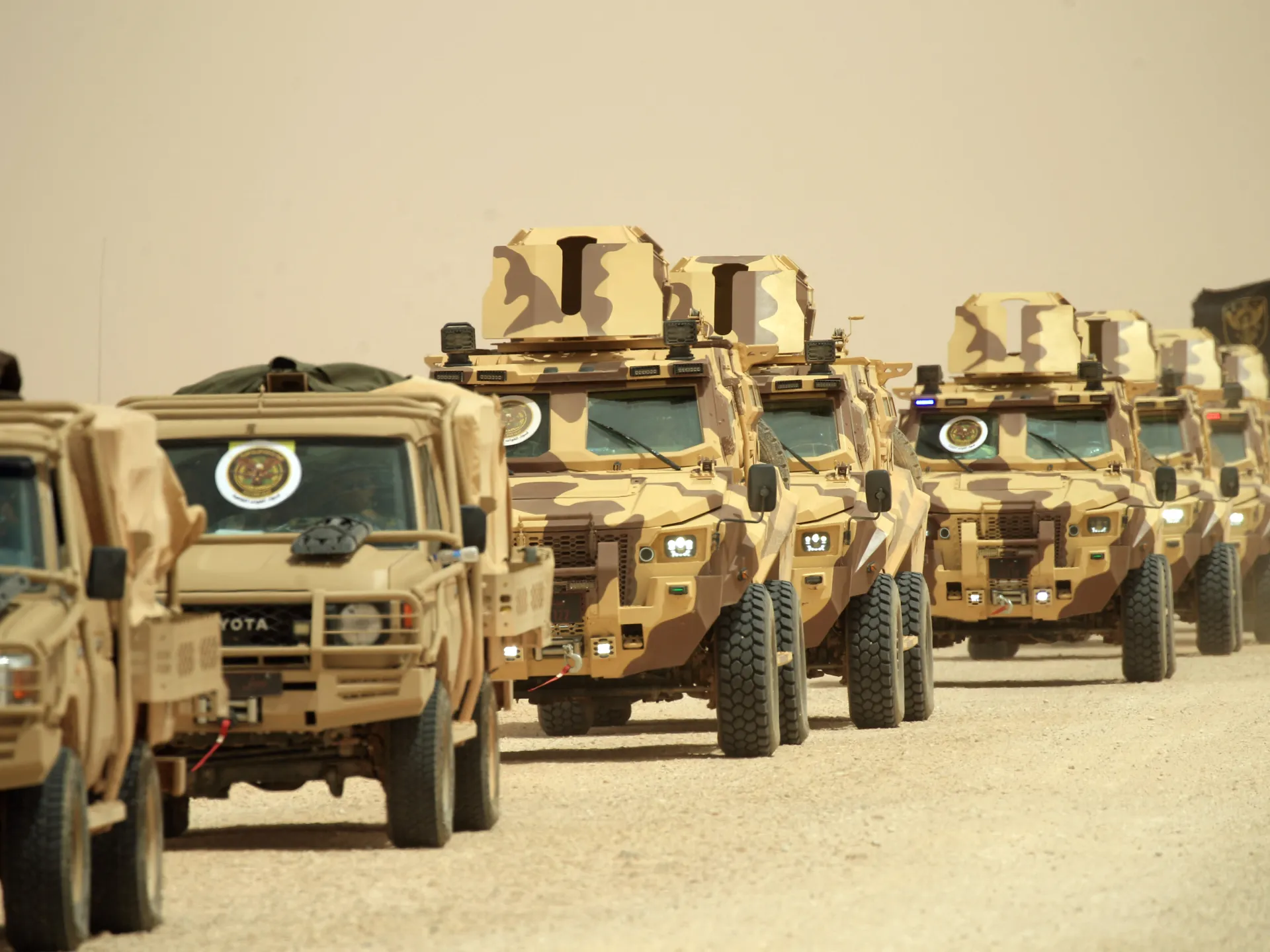
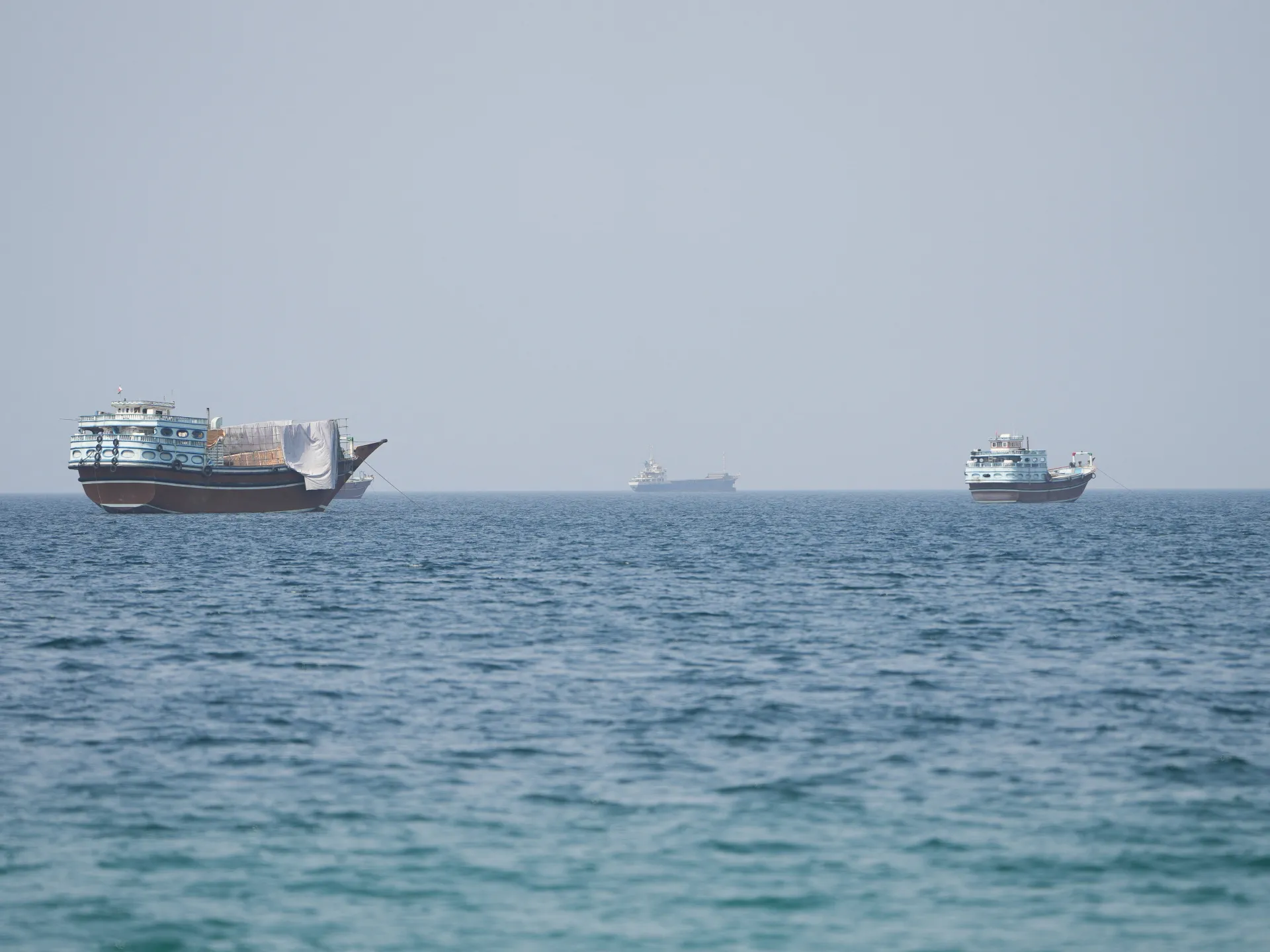
The recent formation of a mutual defense pact between Saudi Arabia, Pakistan, and Turkiye has introduced a significant shift in the security landscape of West Asia. Signed in Mecca, the agreement stipulates that an armed attack against any of the three member nations will be treated as an act of aggression against the entire bloc. This trilateral arrangement comes during a period of heightened regional volatility, particularly following the ongoing conflict involving Iran, the United States, and Israel, which has disrupted vital maritime trade routes in the Strait of Hormuz.
While the signatories have been careful to emphasize that the pact is not directed at any specific nation, its emergence at a time of ongoing regional instability has invited intense speculation. Officials from Riyadh, Islamabad, and Ankara maintain that the agreement is the culmination of long-term negotiations aimed at fostering regional cooperation. They have explicitly stated that the treaty does not supersede or invalidate existing security commitments they hold with other international partners.
Tehran’s Strategic Calculations
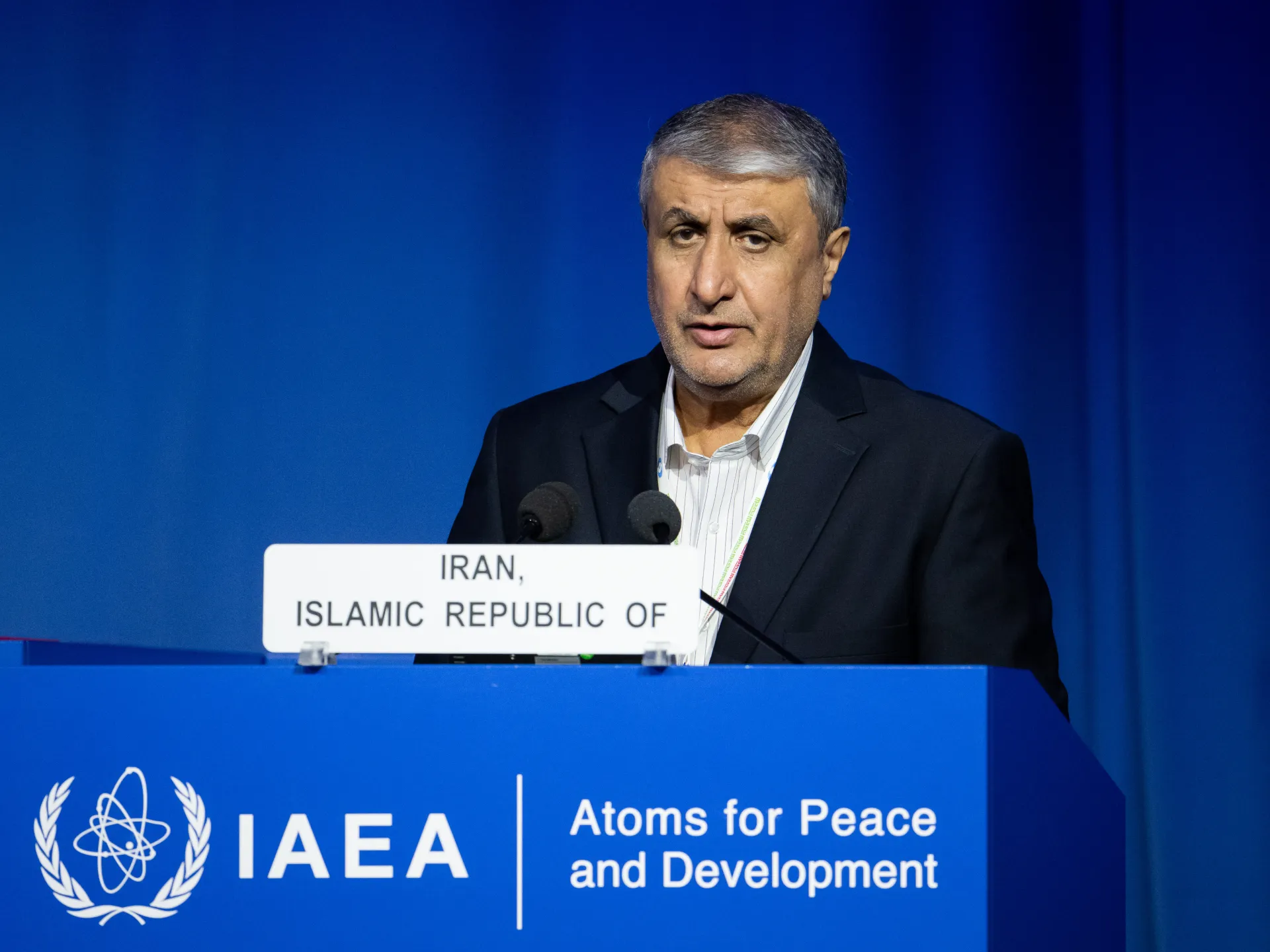
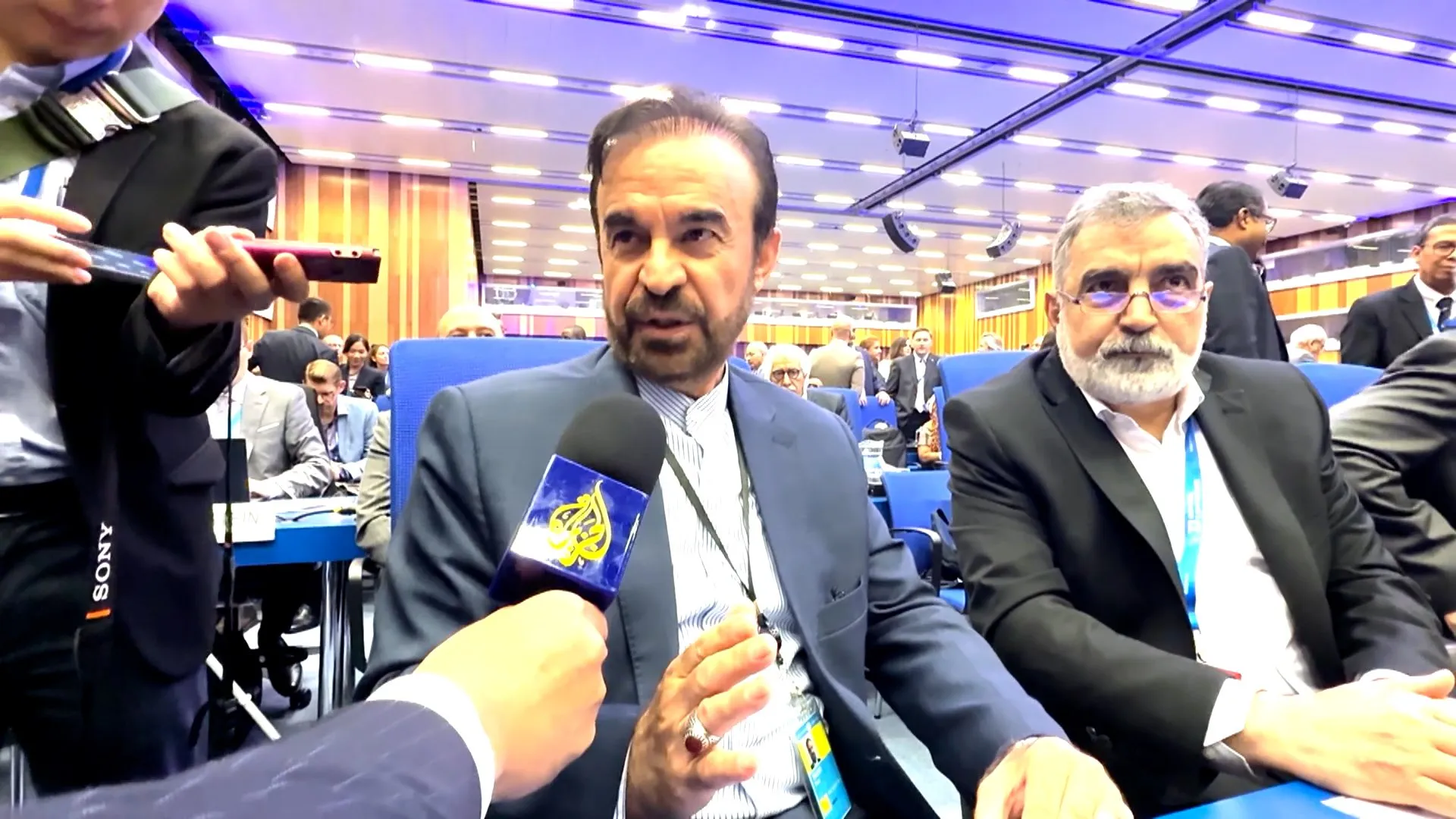
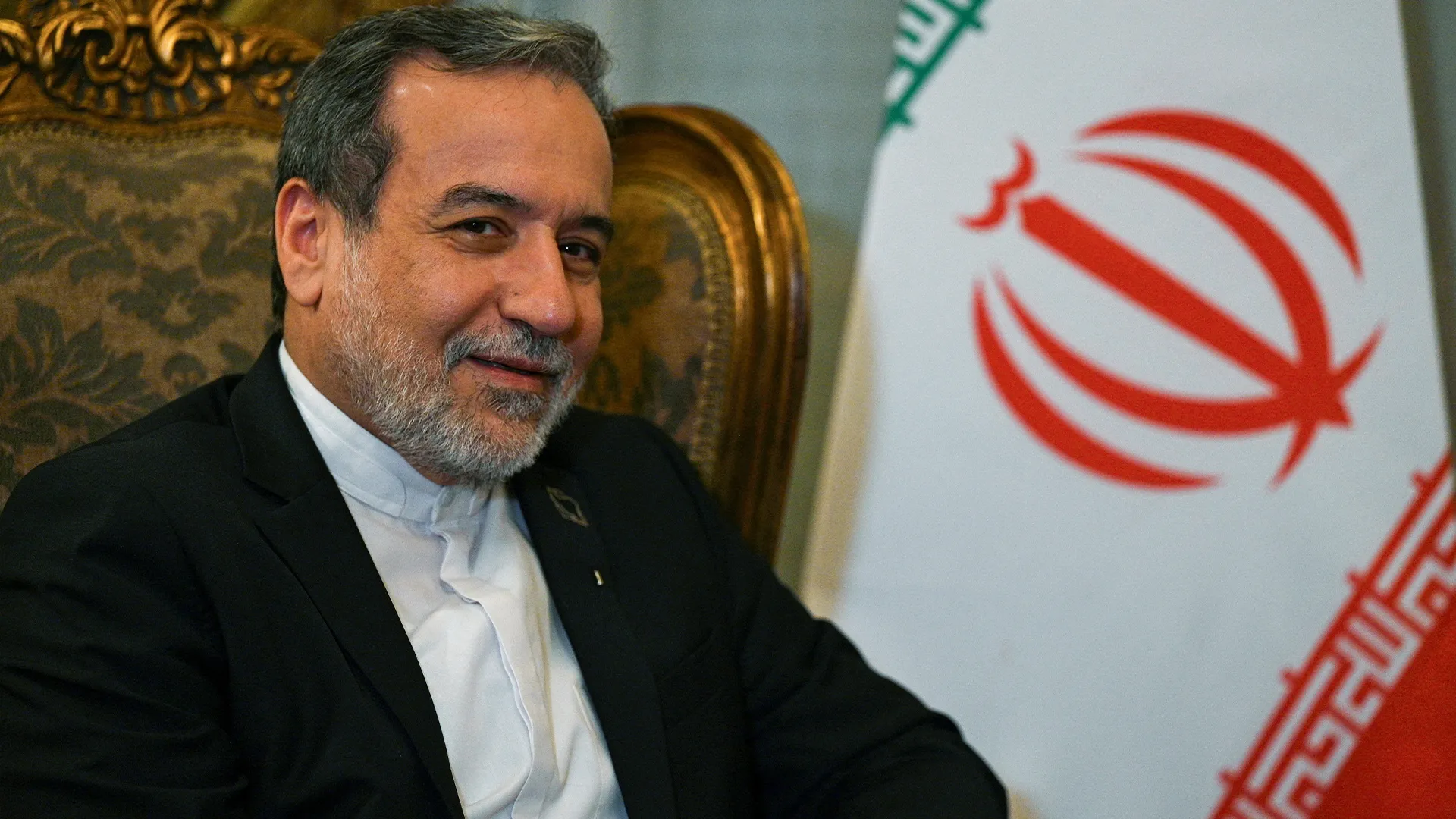
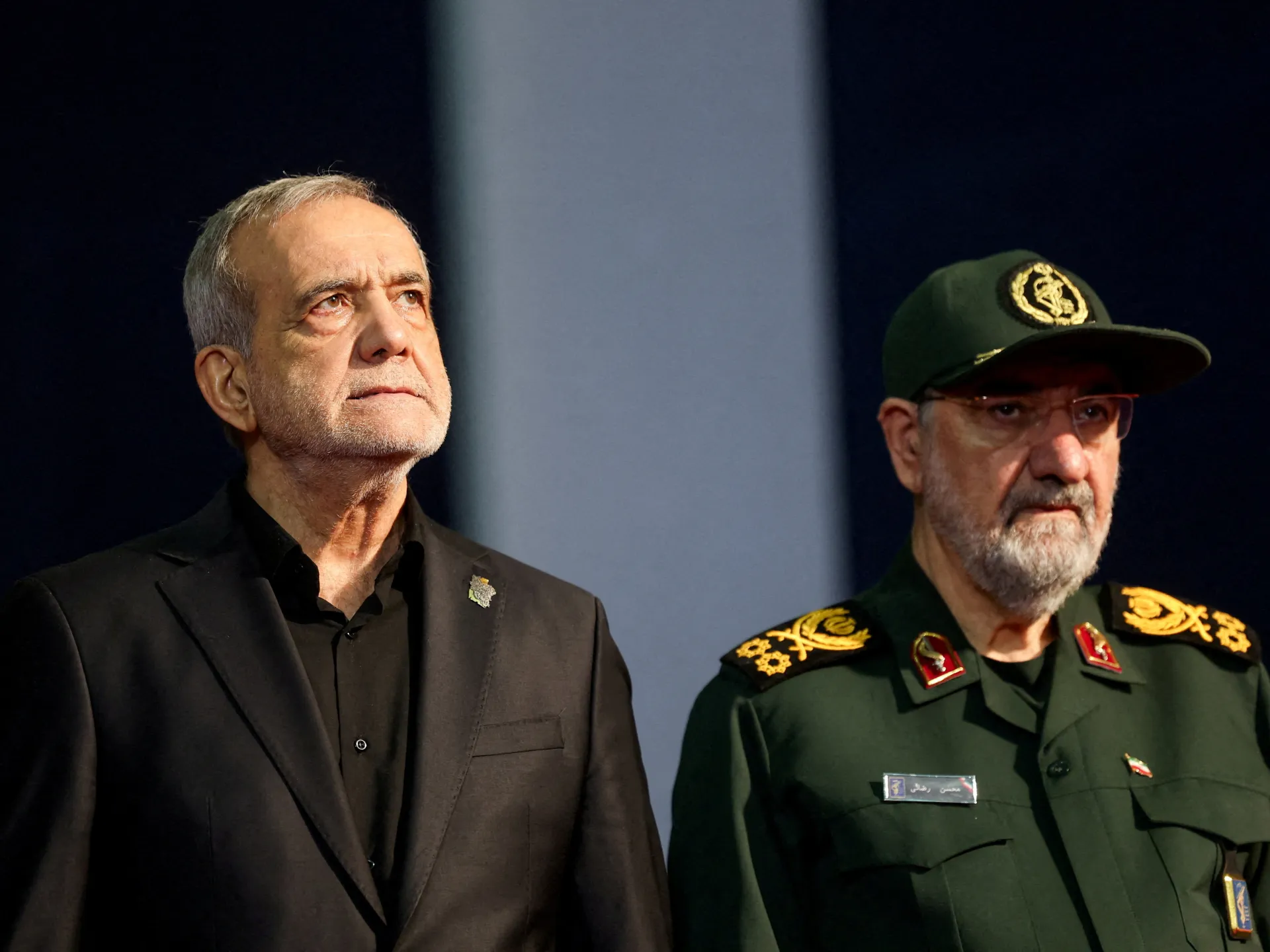
In Tehran, the official reaction to the Mecca agreement has been largely restrained. Rather than issuing a sharp condemnation, Iranian leadership has focused on the broader theme of Muslim unity and the potential for regional self-reliance. Foreign Minister Abbas Araghchi recently highlighted the strength of regional cooperation, suggesting that Islamic nations possess the capability to manage their own challenges without relying on external powers. This narrative aligns with a long-standing Iranian objective to reduce the influence of Western security frameworks in the Persian Gulf.
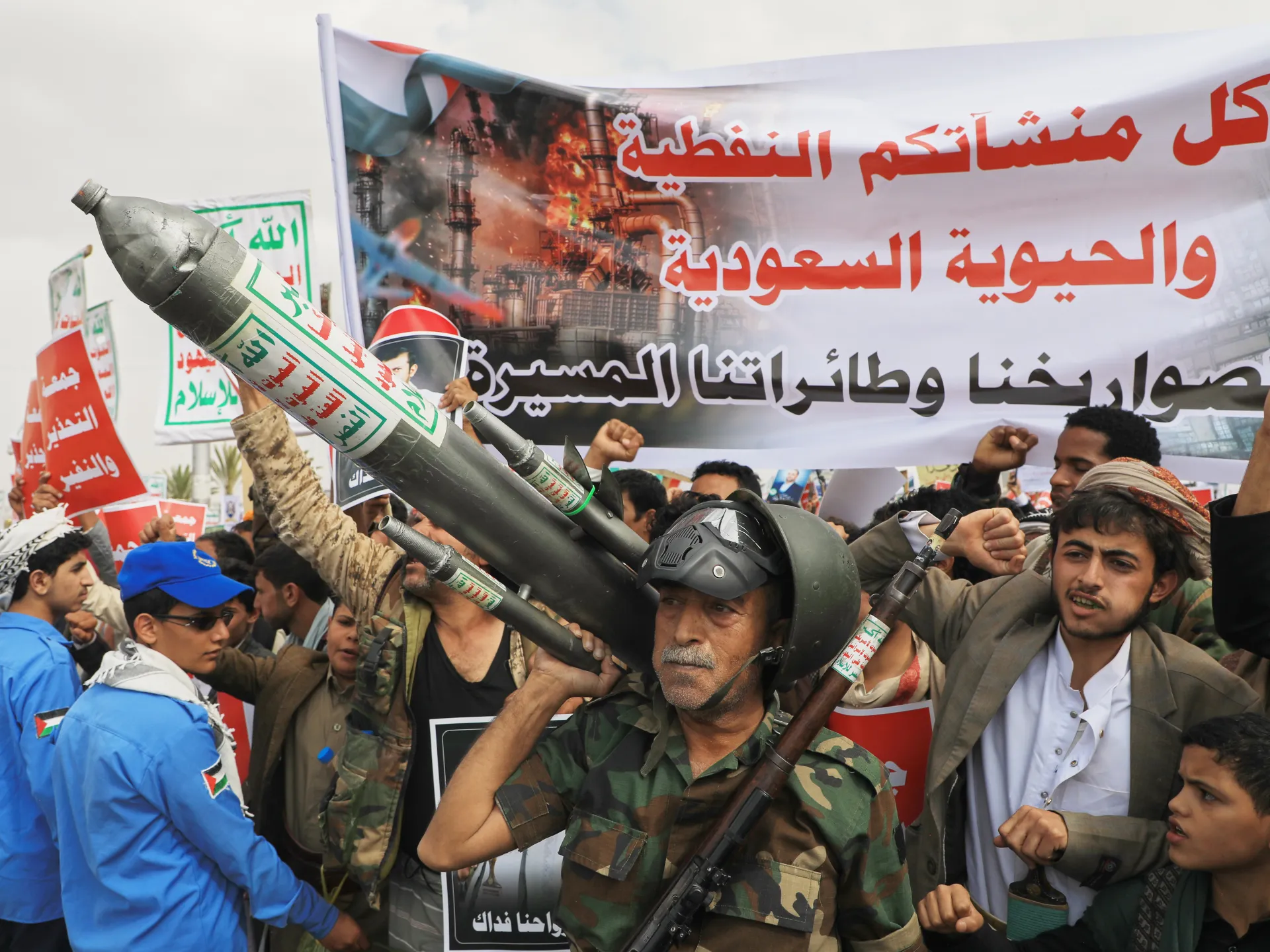
However, beneath the surface of diplomatic rhetoric, some Iranian observers harbor concerns about the long-term implications of the pact. Analysts note that the timing of the agreement—arriving after months of attacks on Saudi infrastructure ies. There is a palpable concern in Tehran that if this trilateral bloc begins to coordinate pressure in theaters like Yemen or Iraq, it could significantly complicate Iran’s regional strategic interests.
Evaluating the Substance of the Pact
Academic experts on Middle Eastern geopolitics remain divided on whether this pact represents an immediate threat to the status quo or a largely symbolic gesture. Some scholars argue that the agreement is primarily a response to the perceived unreliability of traditional Western security guarantees and the ongoing regional tensions. ion toward a post-American security order where regional actors take primary responsibility for their own defense.
Despite the high-level rhetoric, some observers point out that the agreement lacks the operational substance required to fundamentally alter the regional power balance. For instance, there is little evidence to suggest that Pakistan or Turkiye would be willing to commit military resources to Saudi Arabia’s ongoing conflict in Yemen. Consequently, many view the pact as an attempt to create a diplomatic counterweight to other regional initiatives, such as the Abraham Accords, rather than a military alliance designed for immediate offensive operations.
The Path Toward Future Regional Stability
Internal debate within Iran reflects a spectrum of opinion regarding the pact. While some government officials view it as a positive step toward ending Western hegemony, others, including certain members of the Iranian parliament, have warned that it could be used to mobilize against Iran’s network of regional allies. These hawkish voices caution that miscalculations regarding the nature of the pact could lead to increased friction, urging the government to maintain a balanced and vigilant approach to regional diplomacy.
Looking ahead, the evolution of this trilateral arrangement will likely depend on how its members define their security objectives. If the pact remains a loose framework for cooperation, it may coexist with Iranian regional interests. Conversely, if it evolves into a more rigid coalition aimed at containing Iran, it could force a reconfiguration of alliances across the entire Middle East. For now, Iran appears to be keeping its options open, prioritizing the preservation of individual bilateral relationships with Riyadh, Islamabad, and Ankara while monitoring the bloc’s development for any signs of direct antagonism.