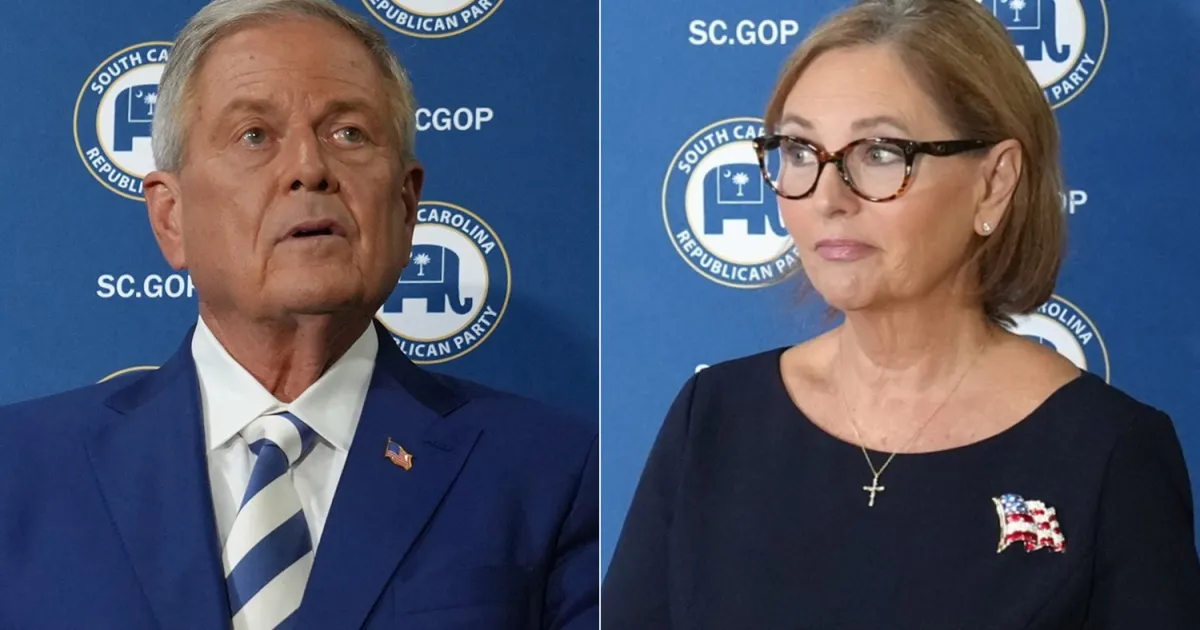
Rep. Ralph Norman has criticized the Senate's five-week recess, arguing that lawmakers should remain in session to address urgent priorities like the SAVE Act.
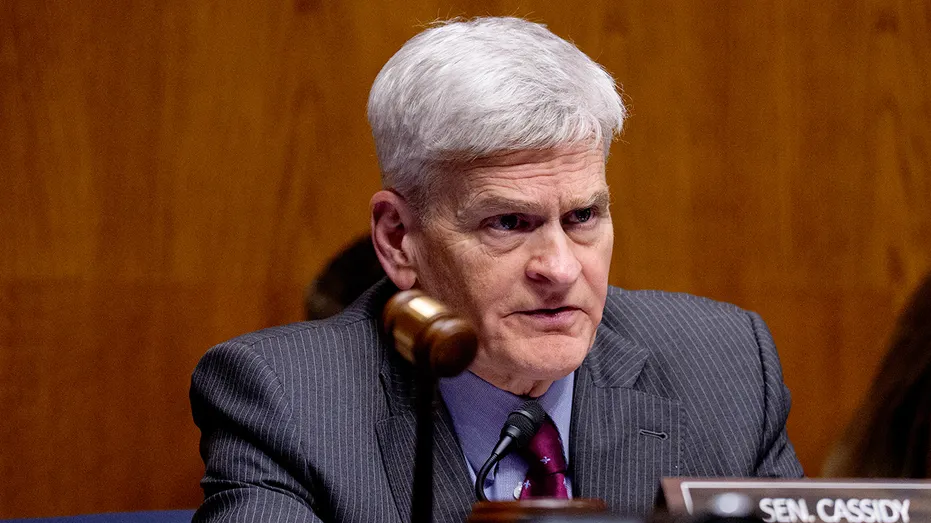
Representative Ralph Norman of South Carolina has voiced strong opposition to the Senate's current legislative schedule, specifically targeting the five-week recess that began in August. Norman, a vocal proponent of conservative legislative priorities, characterized the extended break as a significant oversight during a time when several critical issues remain unresolved in the upper chamber. His primary contention is that lawmakers should be prioritizing urgent national business rather than stepping away from Washington, D.C., for a lengthy hiatus.
The Senate commenced its recess on August 8, with plans to return to regular proceedings on September 14. During this period, prominent legislative items, most notably the Act, have seen little movement. Norman argued that the timing of this recess is insensitive to the concerns of the American public, suggesting that the decision to leave the capital while these debates are ongoing undermines the legislative process. He emphasized that his goal is to change the culture of Congress to ensure that lawmakers remain focused on their duties until key priorities are addressed.
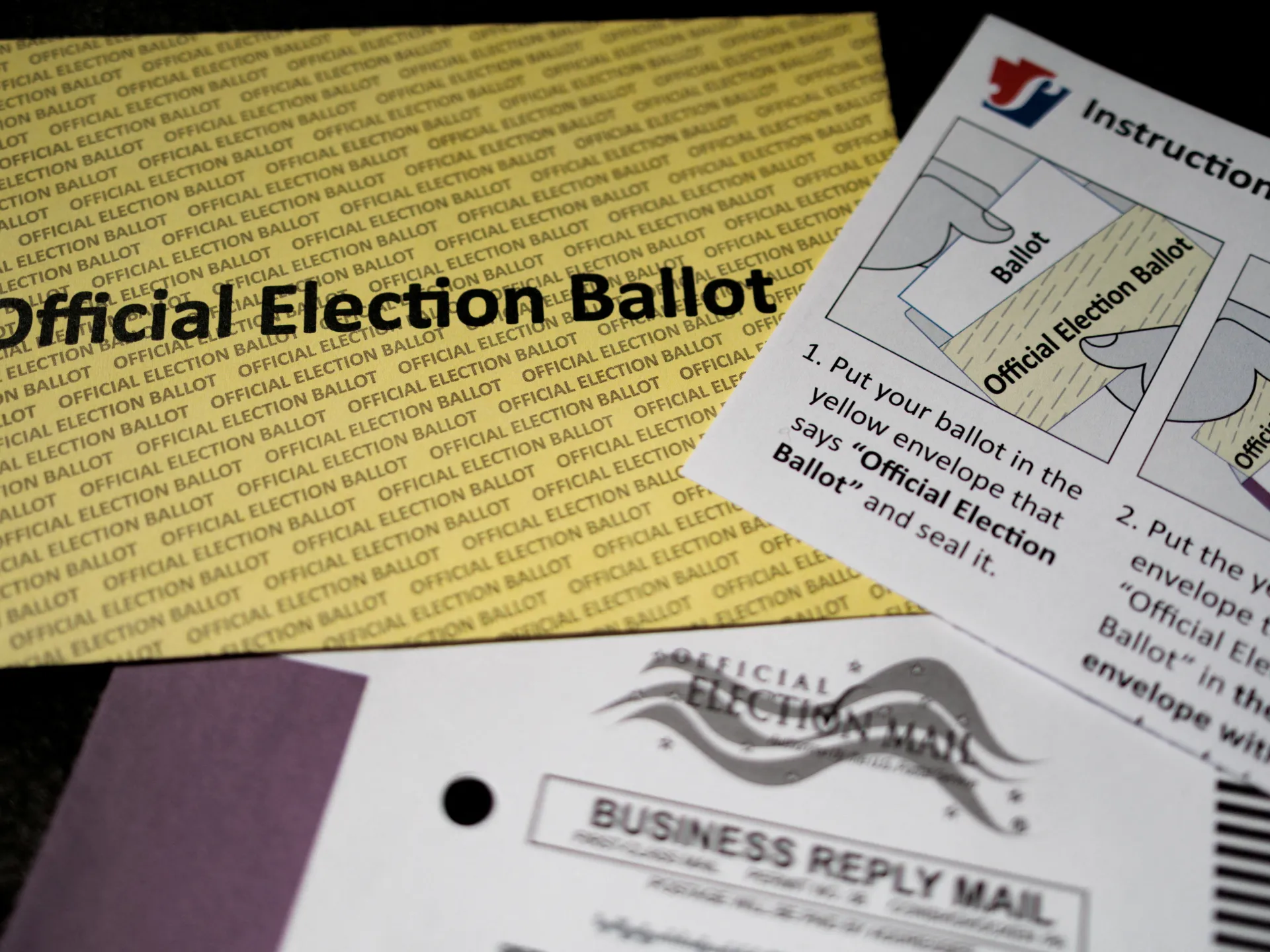
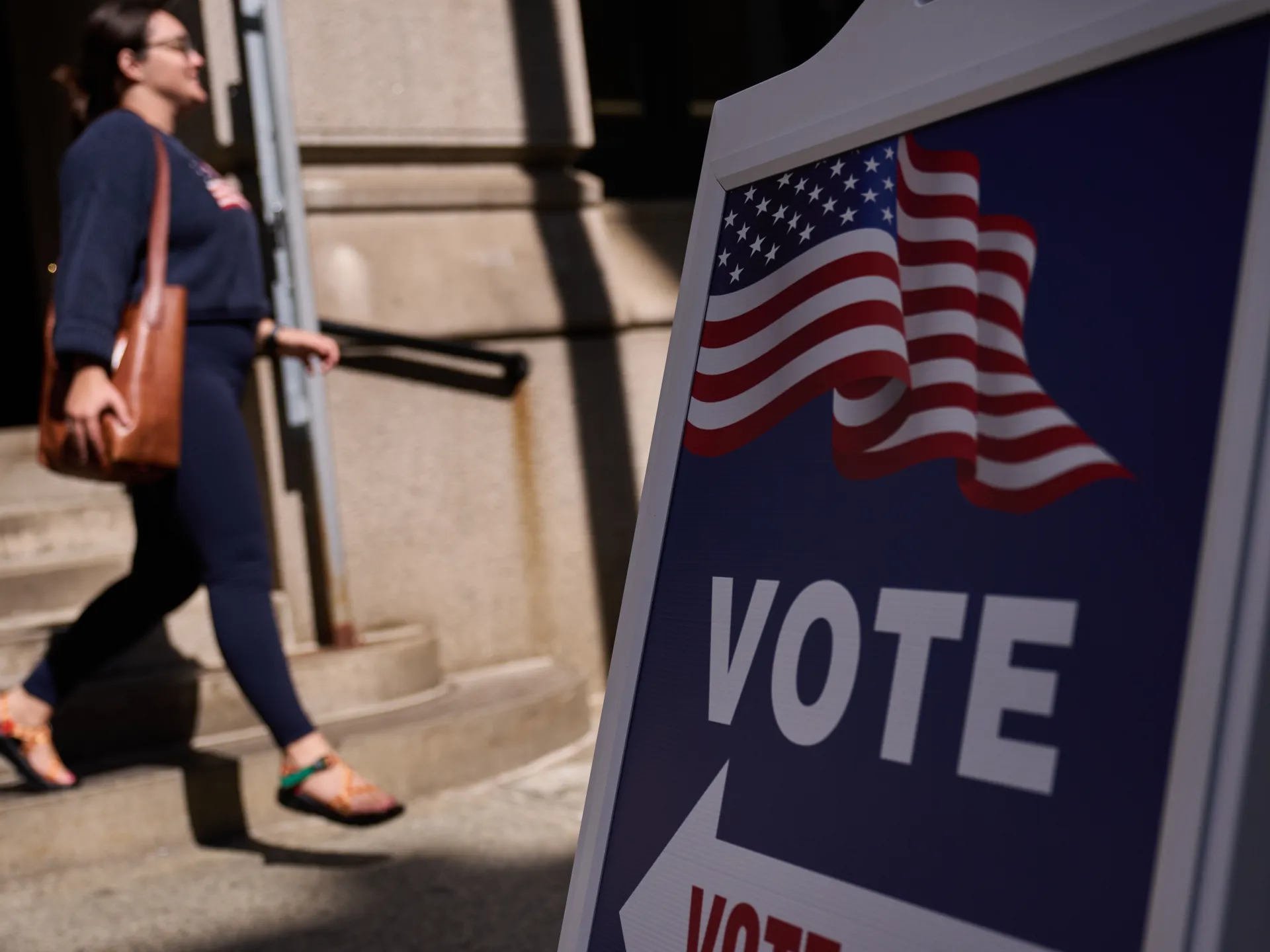
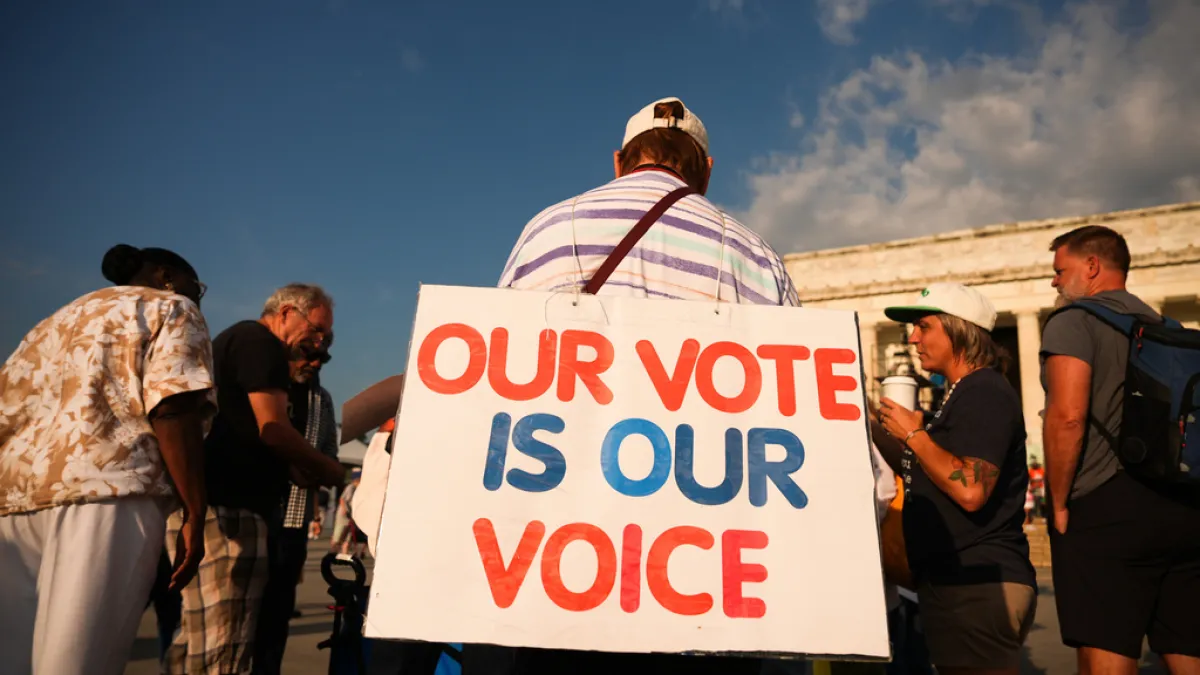
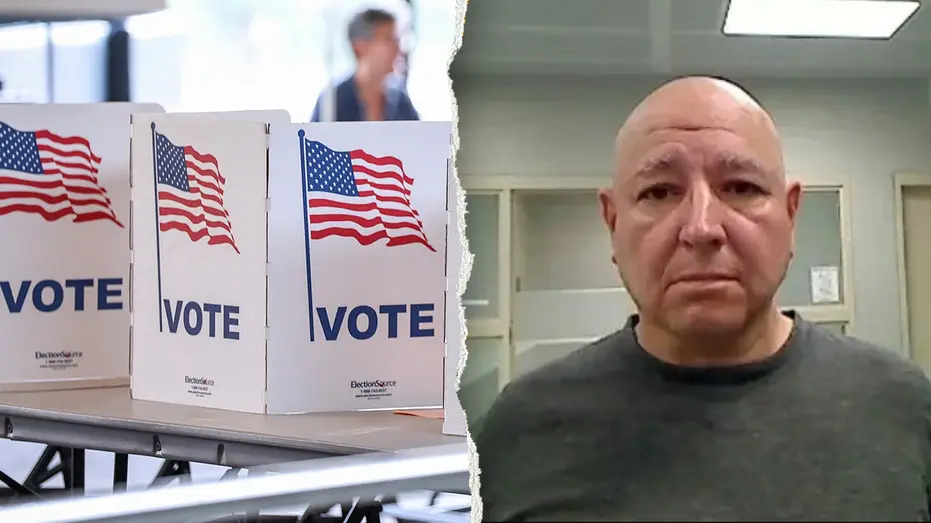
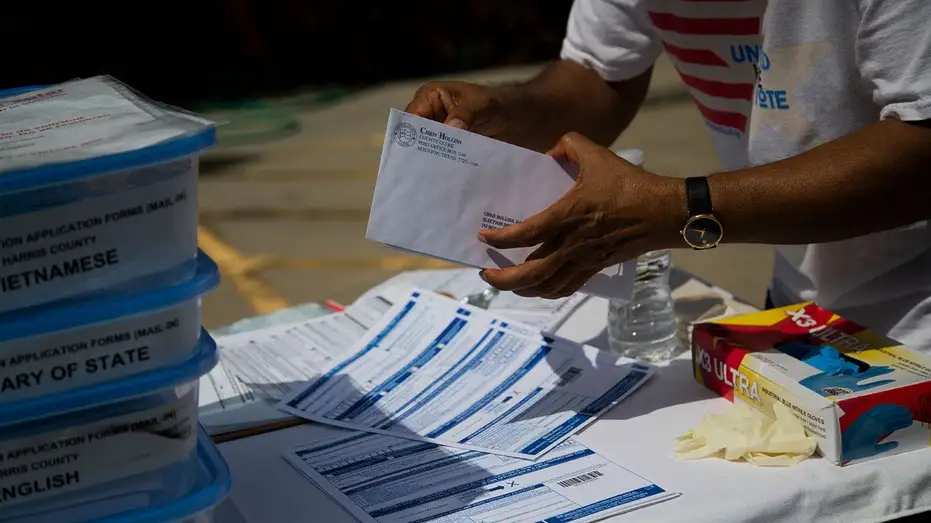
At the center of Norman's frustration is the Act, a bill that has already successfully passed through the House of Representatives. The legislation is designed to mandate documentary proof of U.S. citizenship for individuals seeking to register to vote in federal elections. Norman views this bill as essential for maintaining the integrity of the American democratic process, stating that the security of the electoral system is fundamentally linked to ensuring that only citizens participate in choosing national leaders.
Norman expressed deep concern regarding the current status of the bill, noting that without strict verification measures, the foundation of the country's democracy is at risk. He has challenged the leadership in the Senate to demonstrate greater urgency in securing votes for the measure. According to Norman, the common refrain that there are insufficient votes to pass specific legislation is no longer an acceptable justification for inaction. He believes that the current state of national affairs requires a more proactive, round-the-clock approach to governing that transcends standard procedural delays.
While Norman has been critical of the Senate's performance under Majority Leader John Thune, he clarified that he is not currently advocating for a change in leadership. His frustration stems from a perceived lack of urgency and the persistent use of the "we don't have the votes" argument as a reason for stalling conservative initiatives. Norman noted that while he respects Thune on a personal level, he is disappointed of the nation.
The Senate has previously engaged in debates regarding election integrity and voter identification requirements, including holding late-night sessions to address these topics. However, these efforts have consistently struggled to reach the 60-vote threshold necessary to overcome a filibuster. Norman’s calls for a more intense legislative schedule underscore a broader tension within the party regarding how best to leverage their influence to pass high-priority legislation before the current term concludes.
Beyond his legislative criticisms, Norman is navigating a competitive political environment in South Carolina. Following his announcement to run for the Senate seat previously held on the "America First" agenda. His campaign strategy emphasizes an immediate commitment to passing the Act as a primary objective if he is elected to the Senate for the full six-year term.
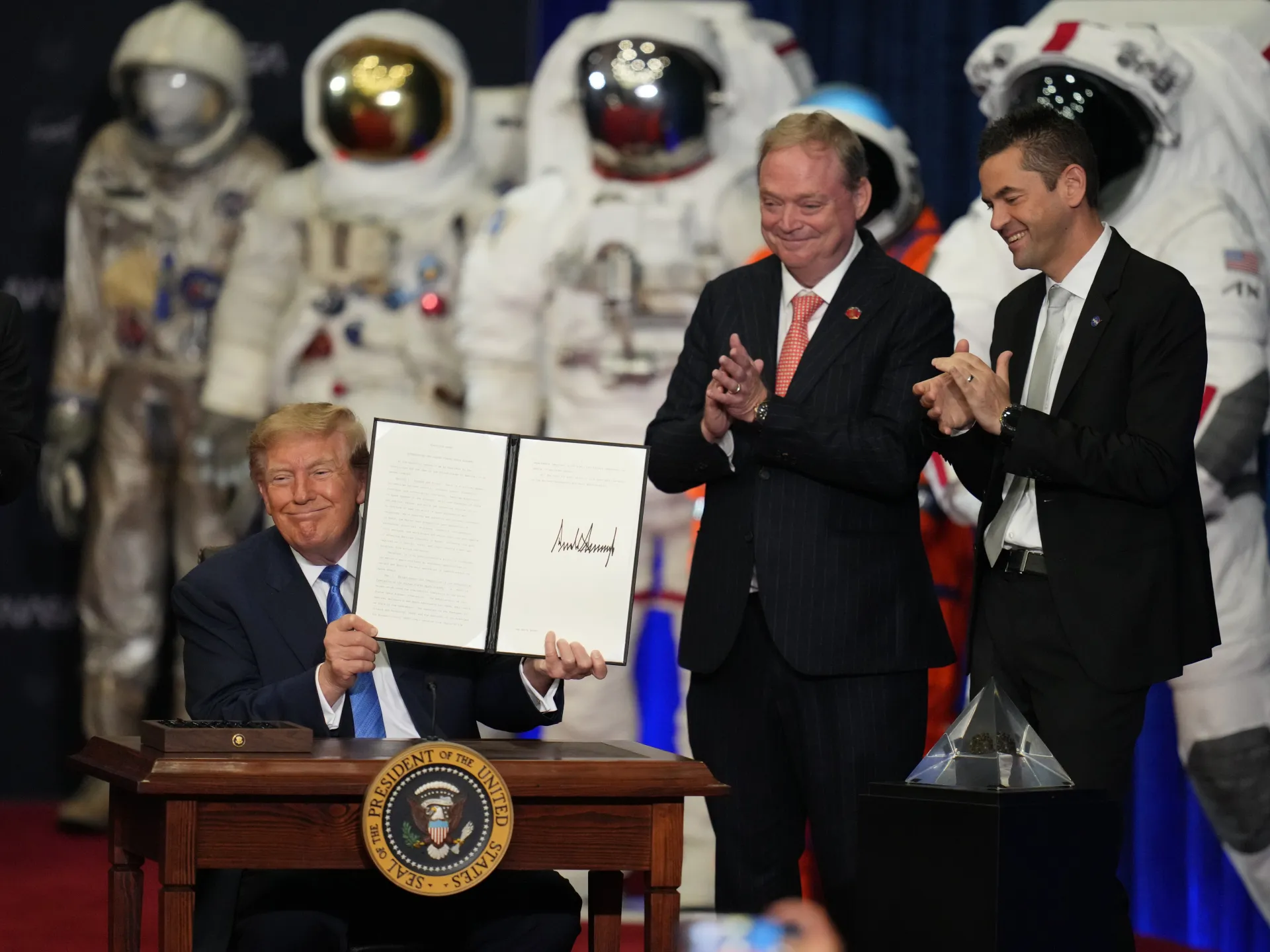
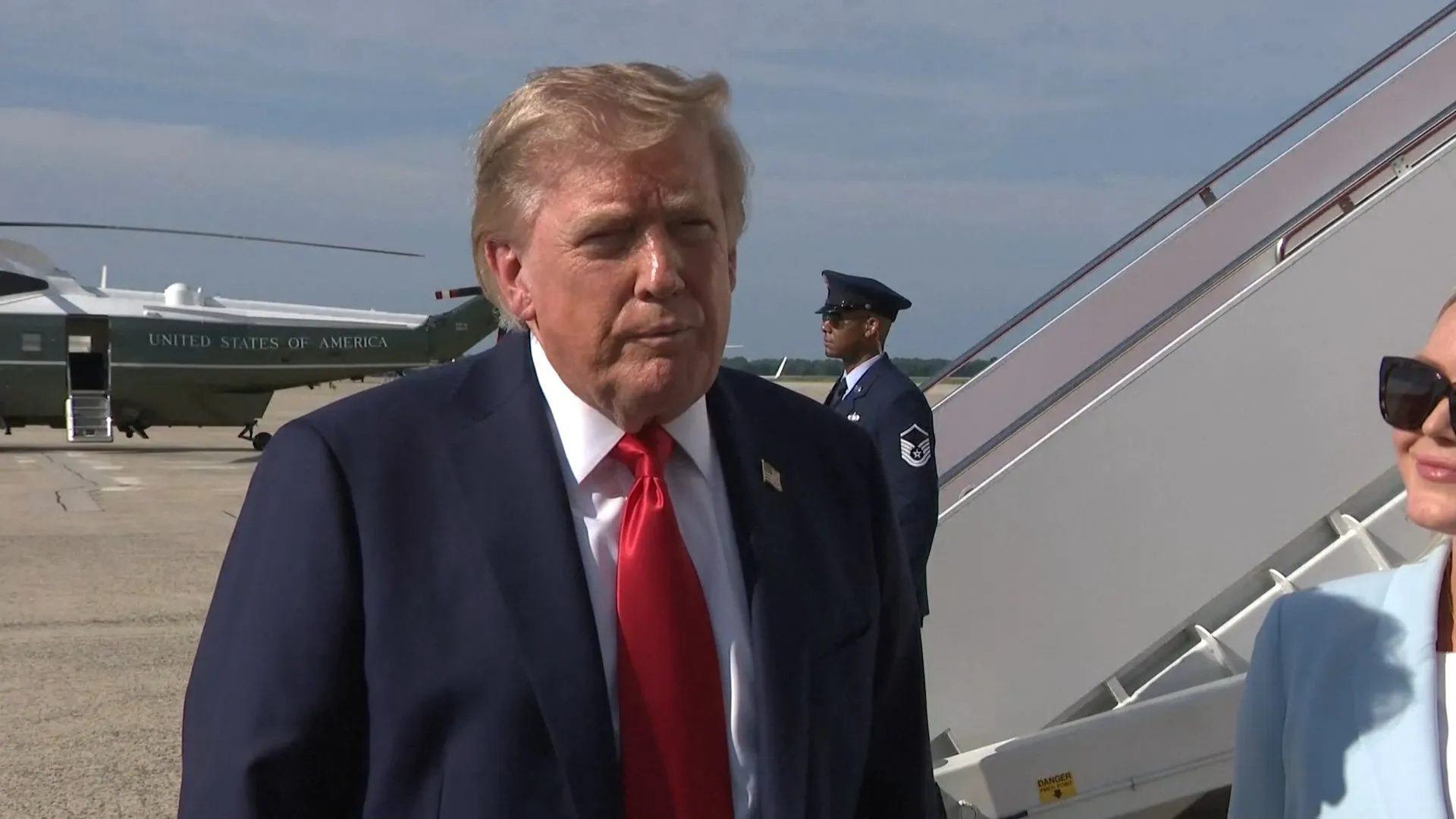
The race has been complicated sident Donald Trump. Despite the former president's support for his opponent, Norman has maintained his commitment to his campaign and his policy goals. As the runoff election approaches, Norman continues to stress that his primary focus remains on the legislative priorities he deems most critical for the country, regardless of the shifting political dynamics within his home state and the broader national landscape.