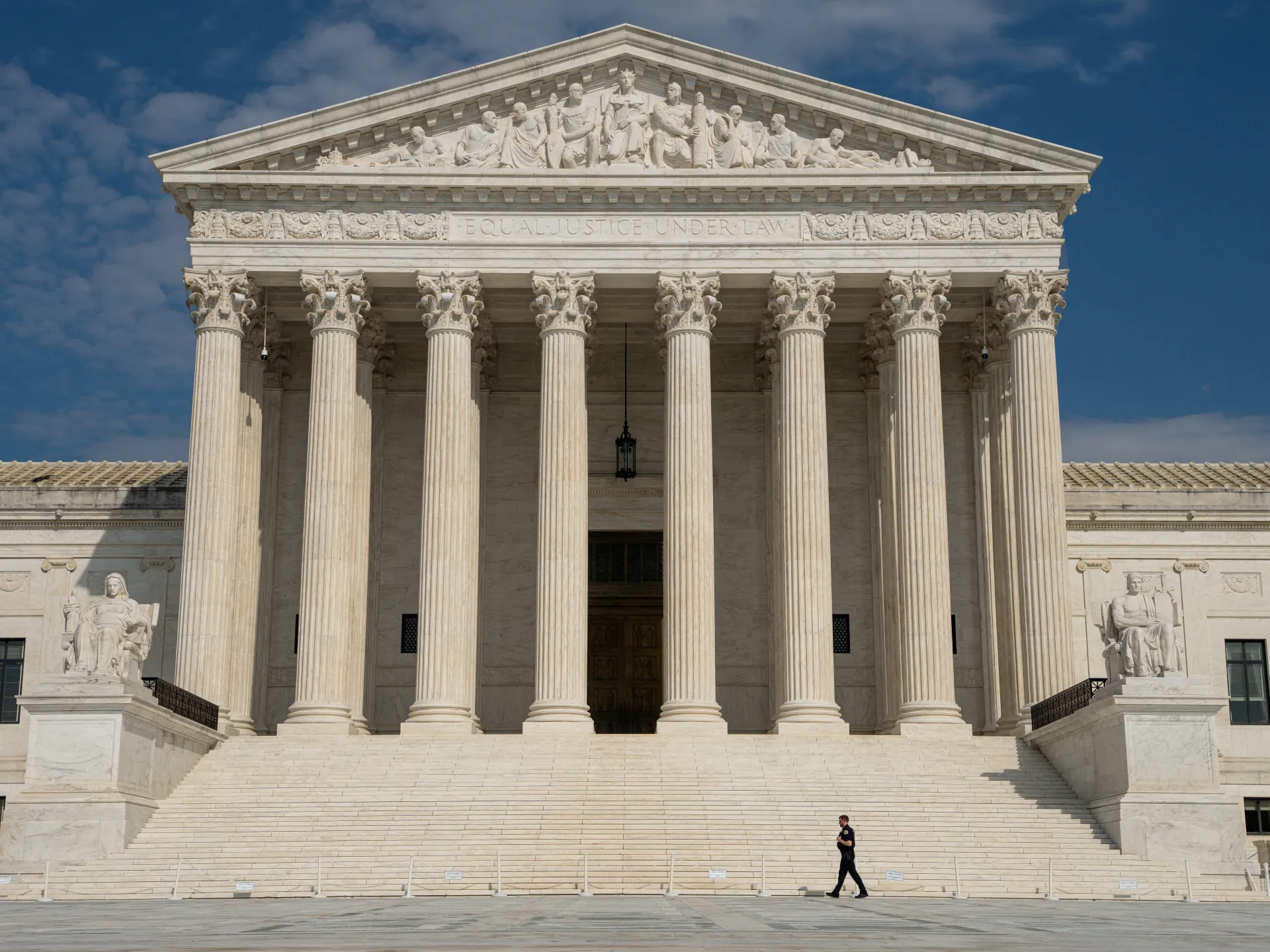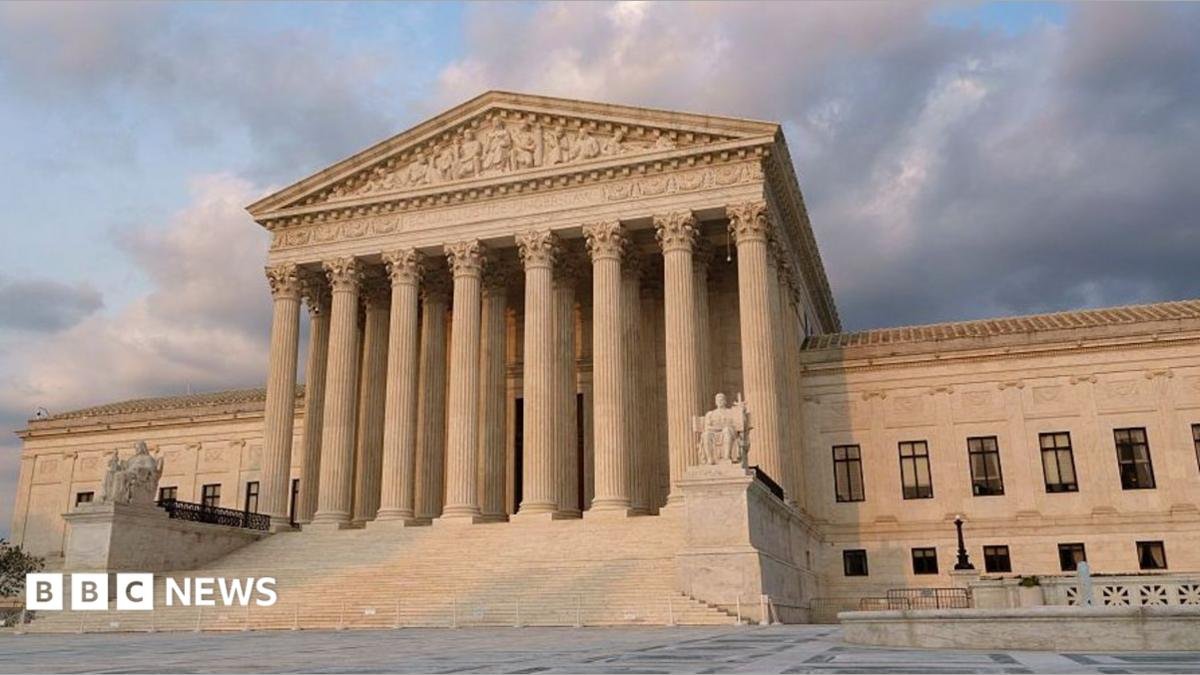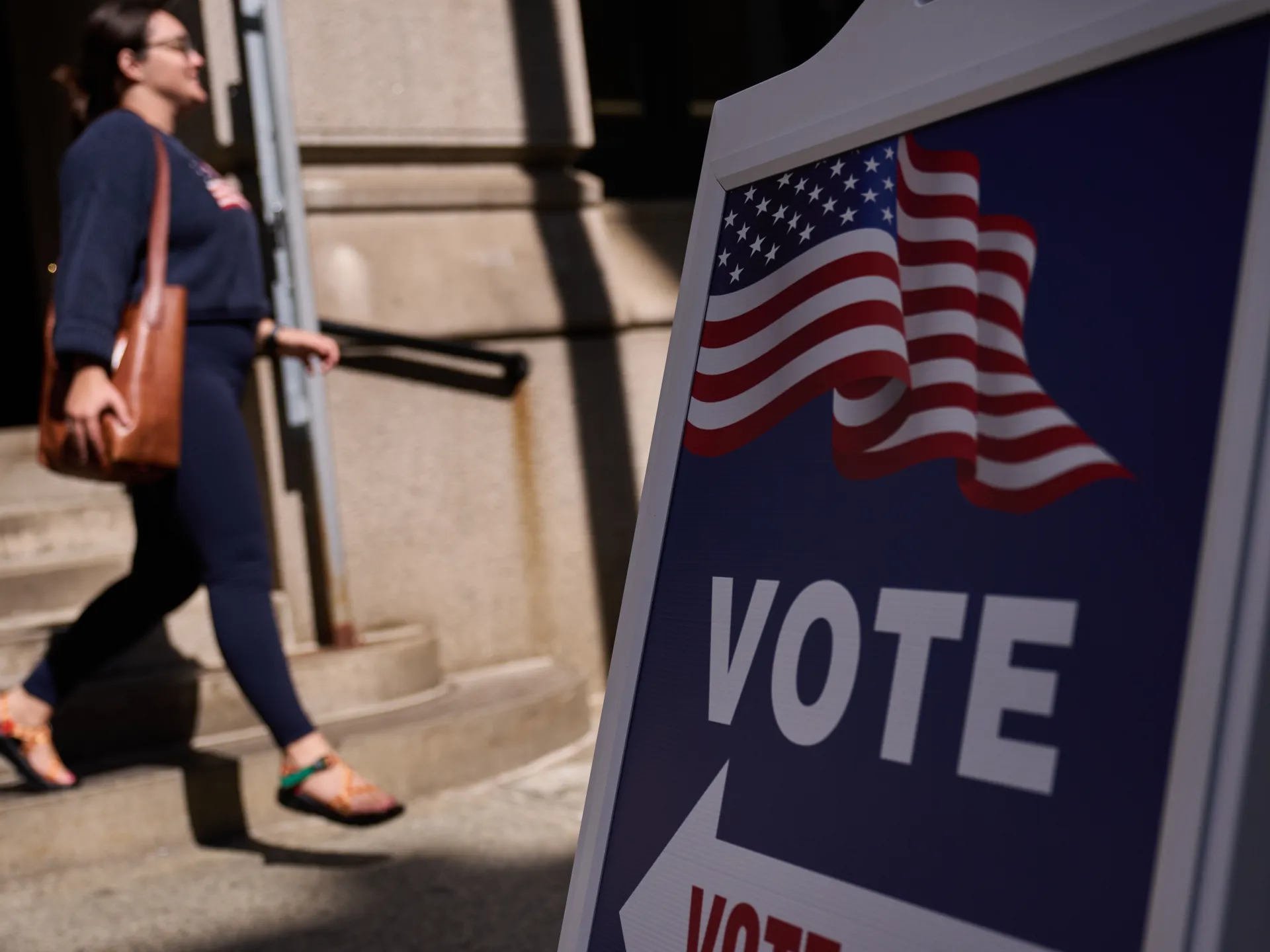
The U.S. Supreme Court has declined to restrict mail-in voting rules, effectively halting an executive effort to impose new federal standards on state elections.
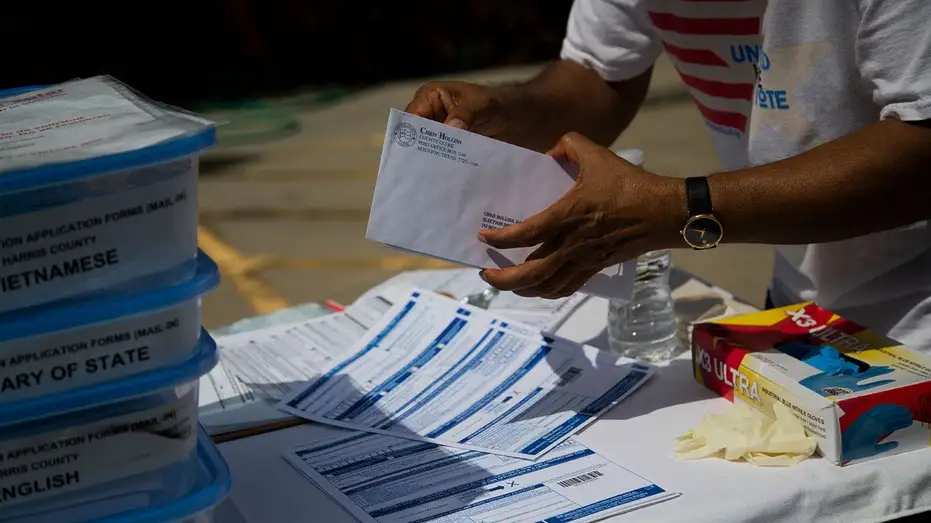
The United States Supreme Court has officially declined to intervene in a legal dispute regarding the regulation of mail-in ballots, effectively upholding a lower court’s injunction. This decision represents a significant setback for efforts to alter long-standing election rules shortly before the onset of the midterm voting period. t mail-in voting protocols remain in place, preventing last-minute disruptions that could have complicated the electoral process as ballots are already being distributed in several jurisdictions.
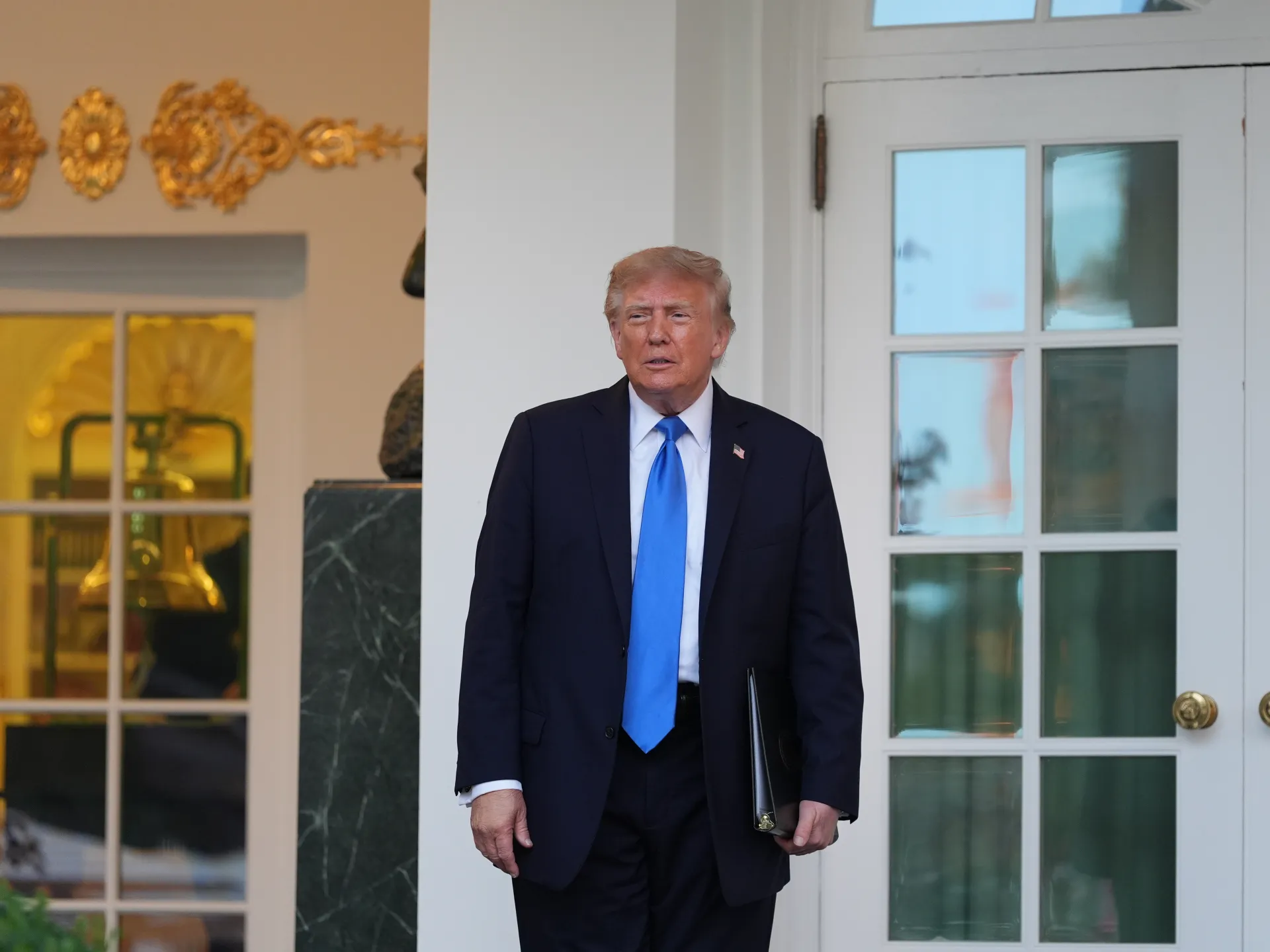
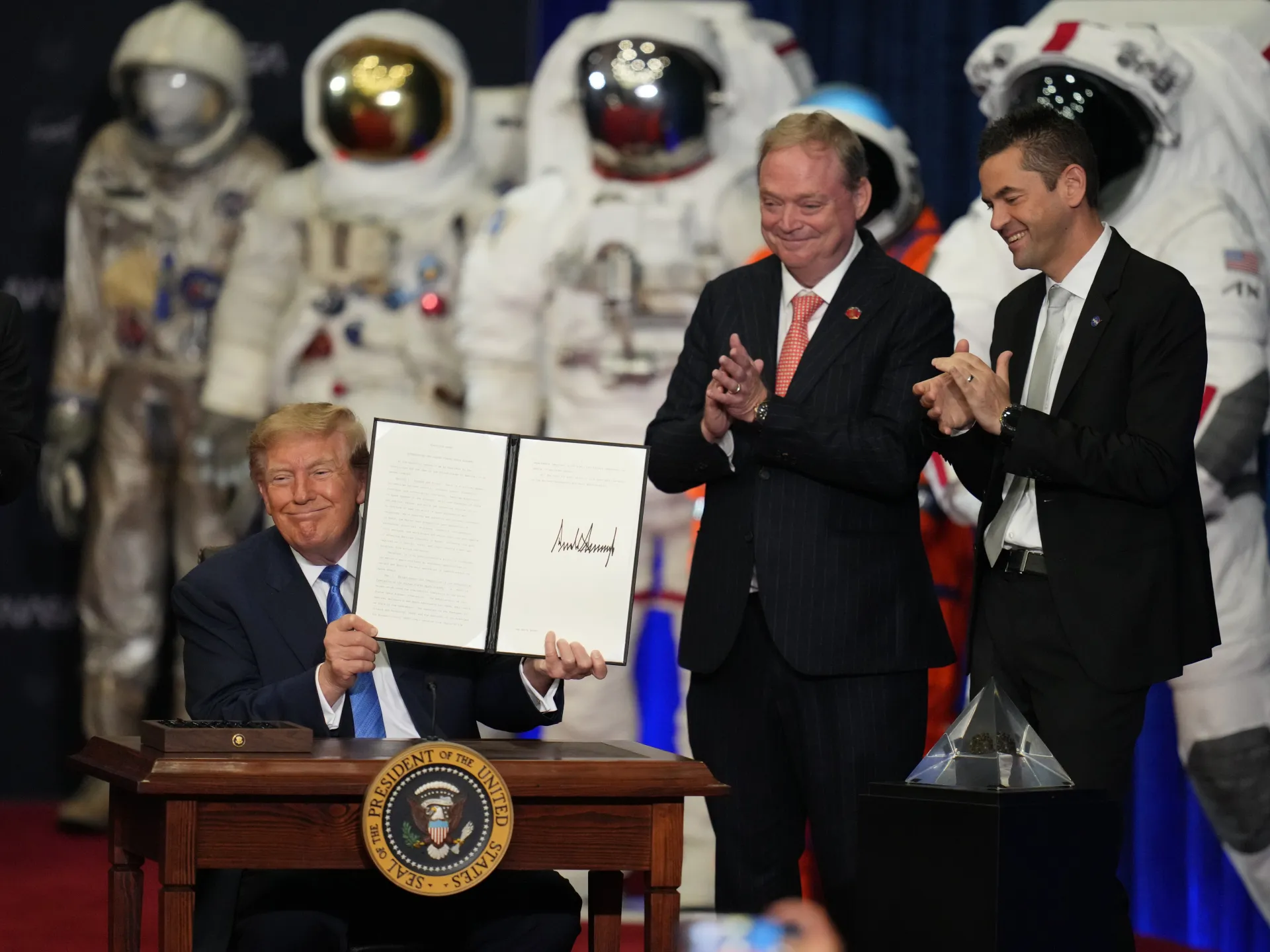
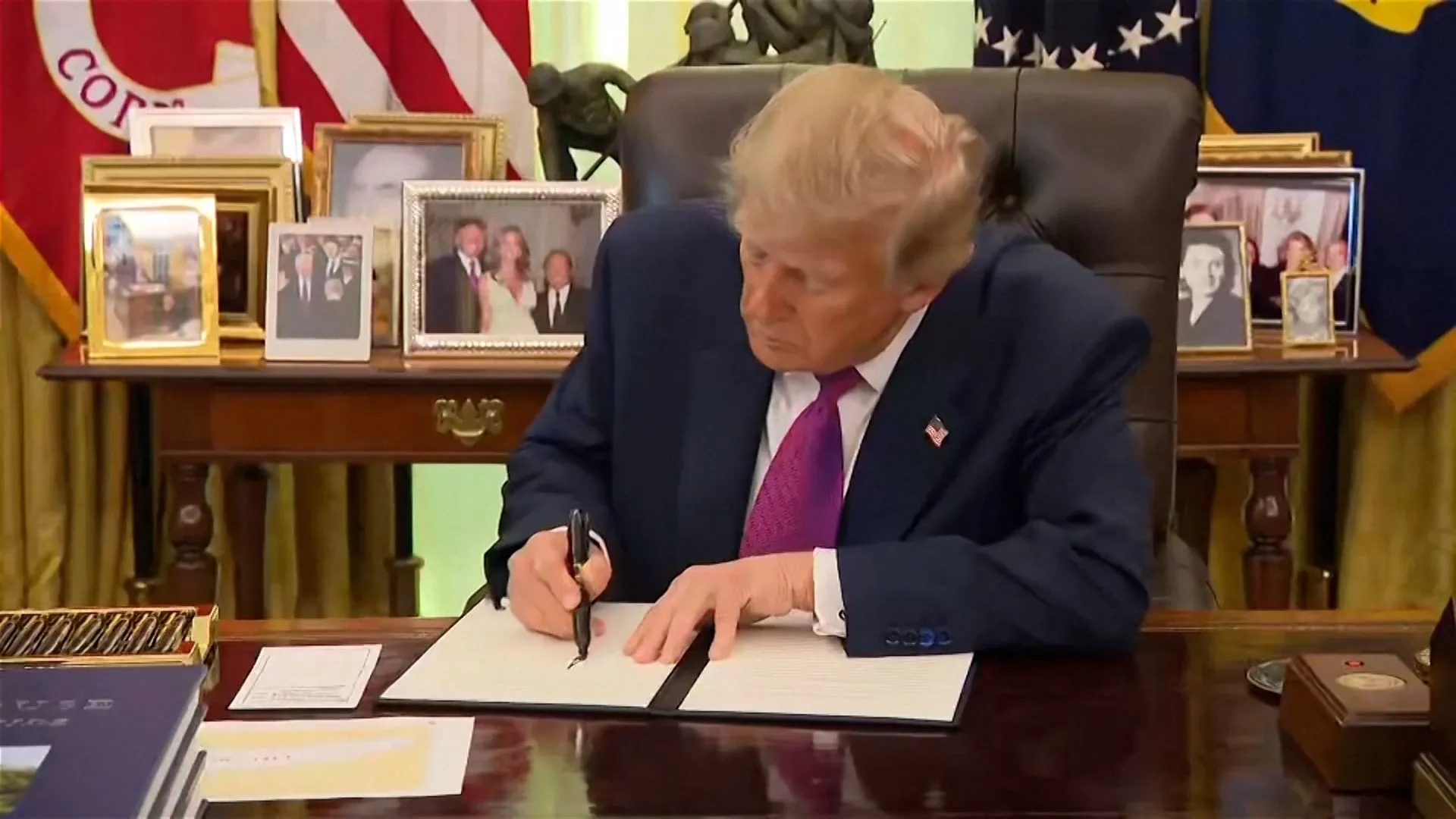
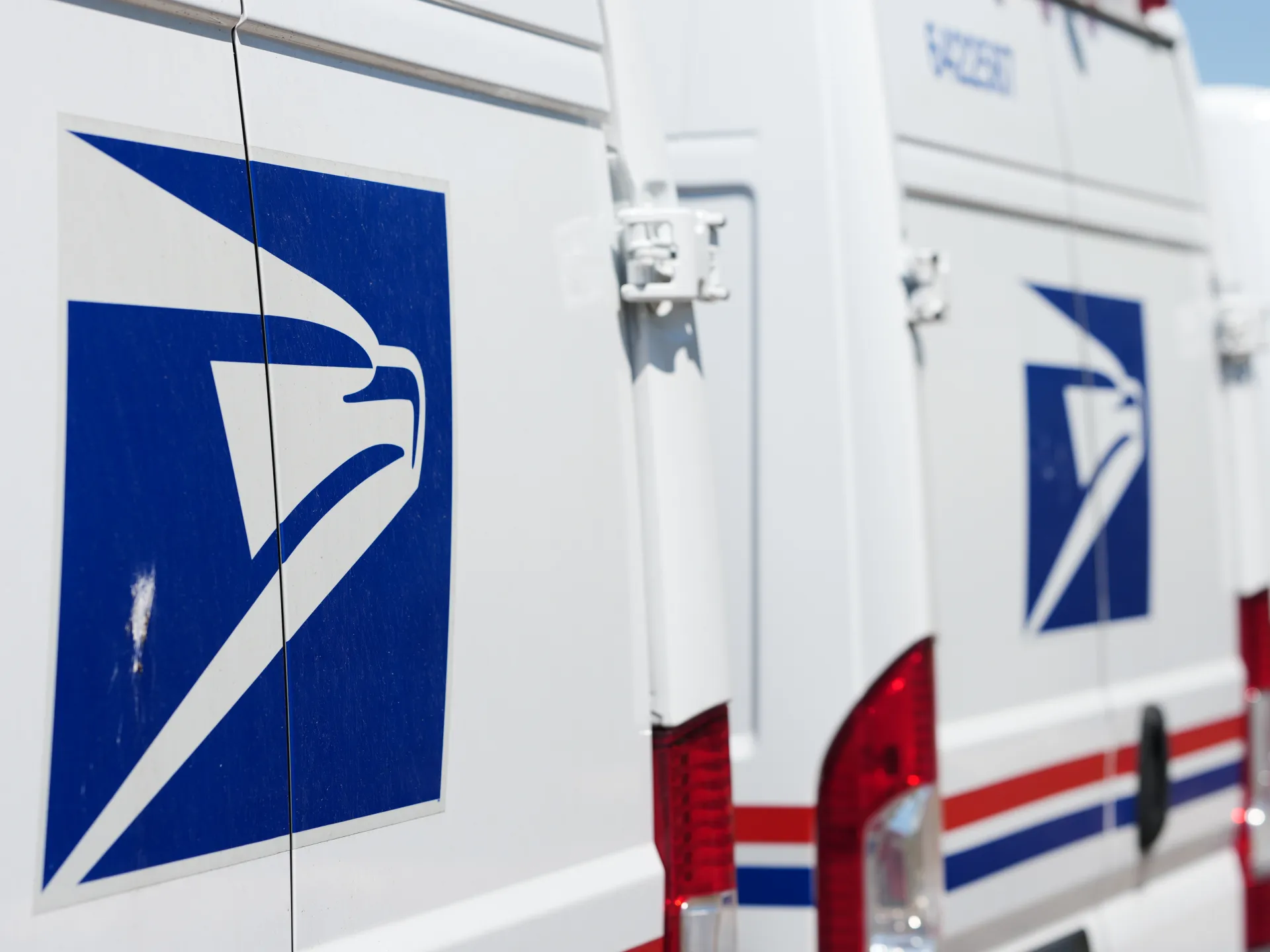
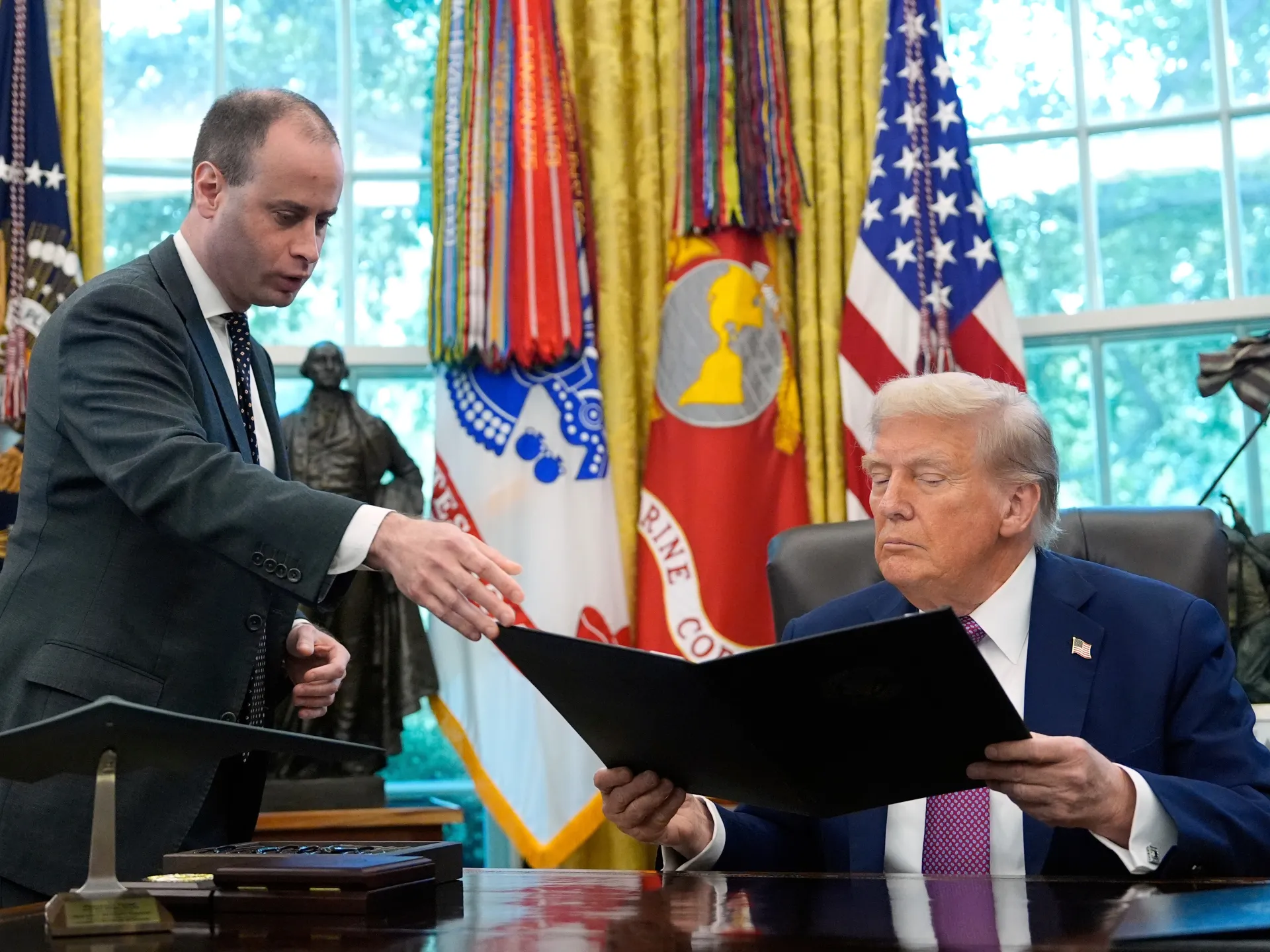
The case centers on an executive order signed in early 2026, which sought to overhaul how the U.S. Postal Service interacts with state-run voting systems. The order aimed to centralize control over mail-in ballots under federal oversight and mandate uniform envelope standards across all states. However, legal challenges brought forward ogistically impossible to implement on such a short timeline but also potentially unconstitutional.
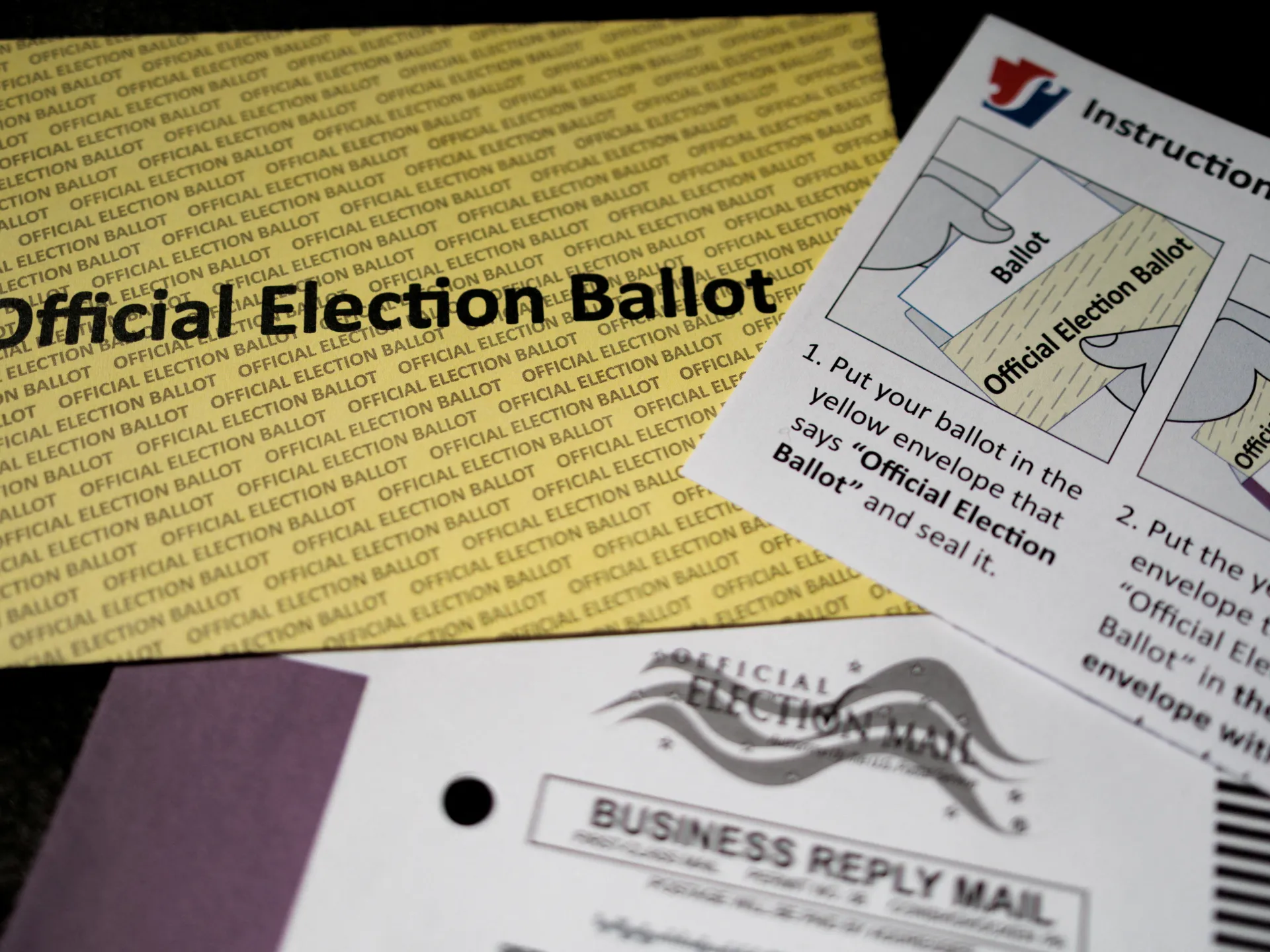
The executive action in question sought to force states to adopt a standardized envelope style and mandated that states provide the U.S. Postal Service with comprehensive lists of eligible voters. Under the proposed framework, various federal departments, including the Department of Homeland Security, were to be involved in verifying the legitimacy of these voter lists. The directive also granted the postal agency the authority to reject ballots that did not adhere to the newly imposed standards or failed to match the provided registries.
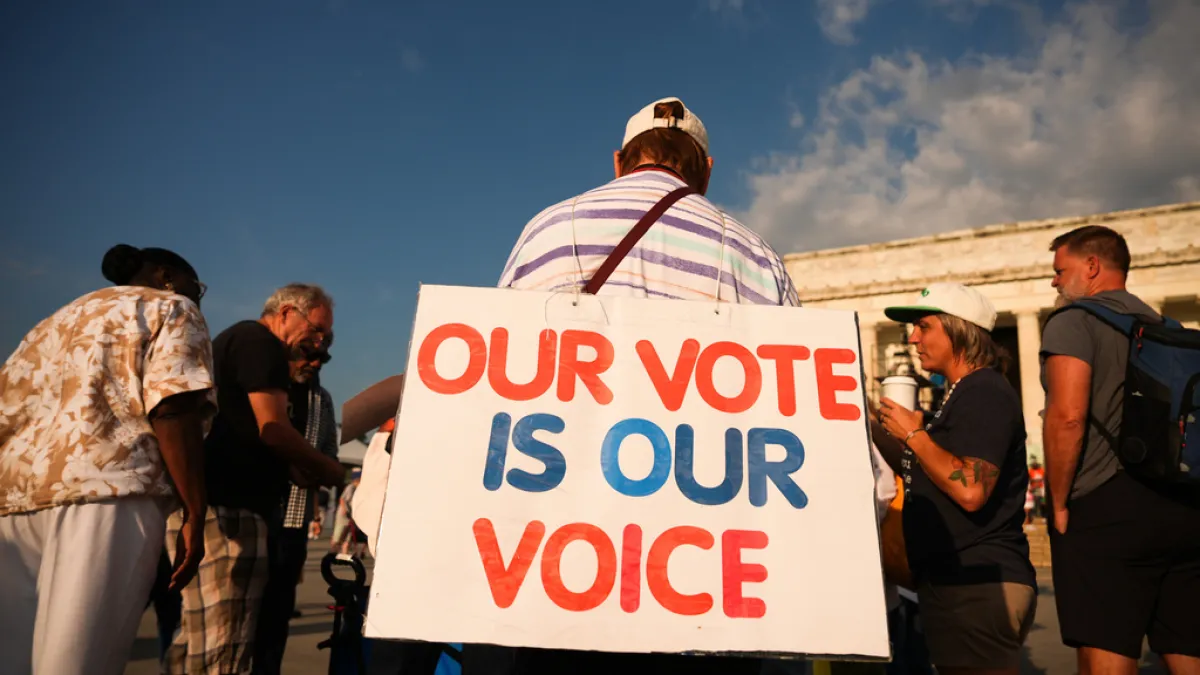
Proponents of the order argued that these measures were necessary to bolster election security and ensure that only verified, eligible voters could cast ballots through the mail. Conversely, critics and voting rights advocates contended that the order would inevitably lead to widespread disenfranchisement. They argued that the short implementation window would create administrative chaos, causing thousands of legitimate, timely ballots to be discarded due to technicalities rather than voter ineligibility.
The journey to the Supreme Court was marked lly, a federal district judge issued an injunction against the executive order, citing concerns that it likely violated constitutional protections and would place an undue burden on state election officials during an active election cycle. While the administration attempted to challenge this injunction, the Supreme Court’s final decision solidifies the lower court's stance, noting that the administration was unlikely to succeed on the merits of the case.
While the court's order was brief and did not provide an exhaustive legal analysis, it effectively ends the immediate threat to the established mail-in voting systems. Justices Samuel Alito and Clarence Thomas were noted as dissenters in the order, while Justice Brett Kavanaugh suggested that while he supported the current ruling, he might be open to reconsidering the policy’s merits in a future, separate proceeding. For now, however, the status quo for mail-in voting remains protected.
Mail-in voting has been a staple of the American democratic process for decades, accounting for approximately one-third of all votes cast in national elections. Extensive research, including data from the Brookings Institution, indicates that while isolated instances of fraud or forgery occur, they are statistically rare, affecting only a tiny fraction of total ballots. Advocates for mail-in voting consistently point to these statistics to emphasize that the method is secure and serves as a vital tool for increasing voter participation across diverse demographics.