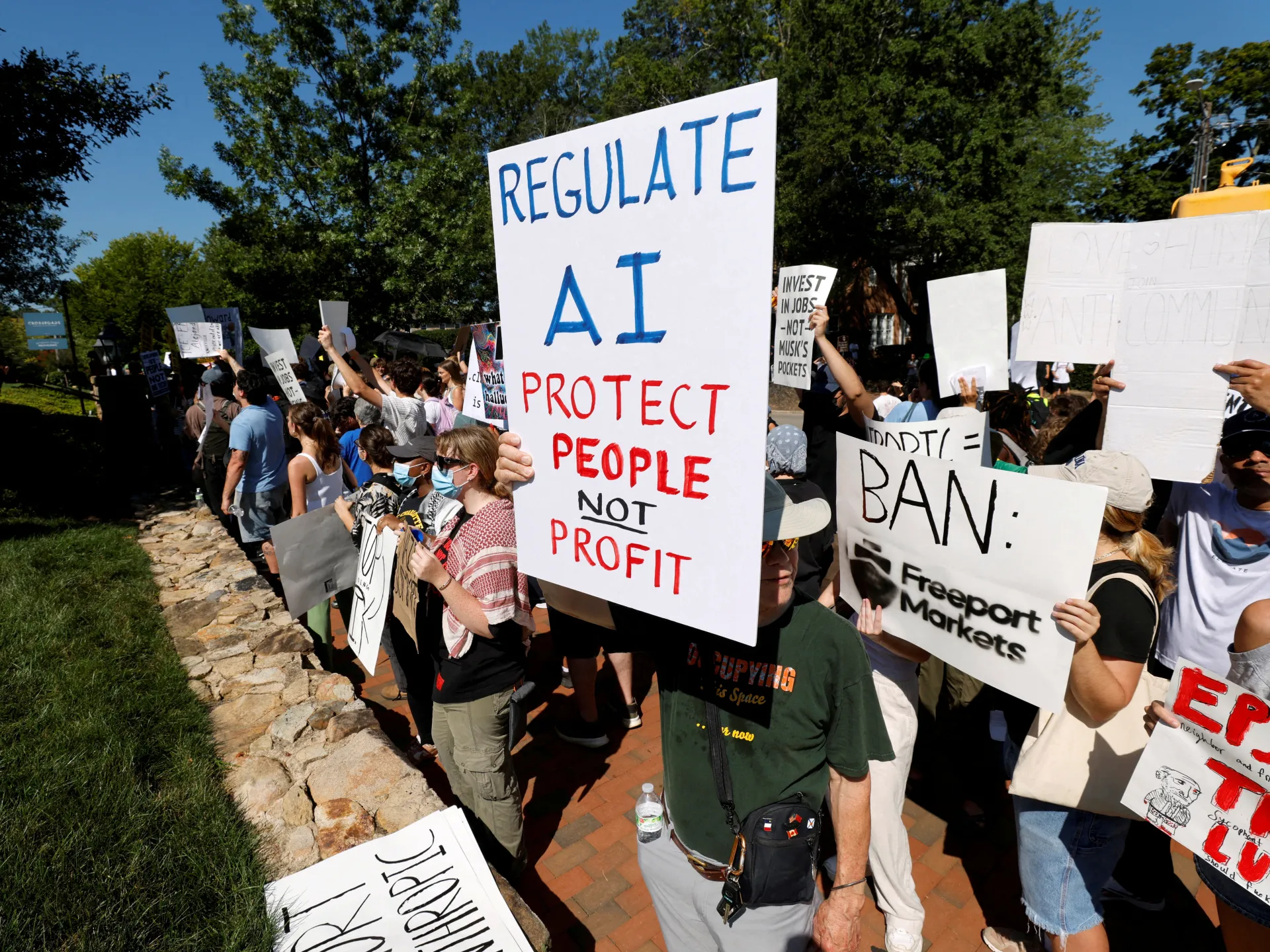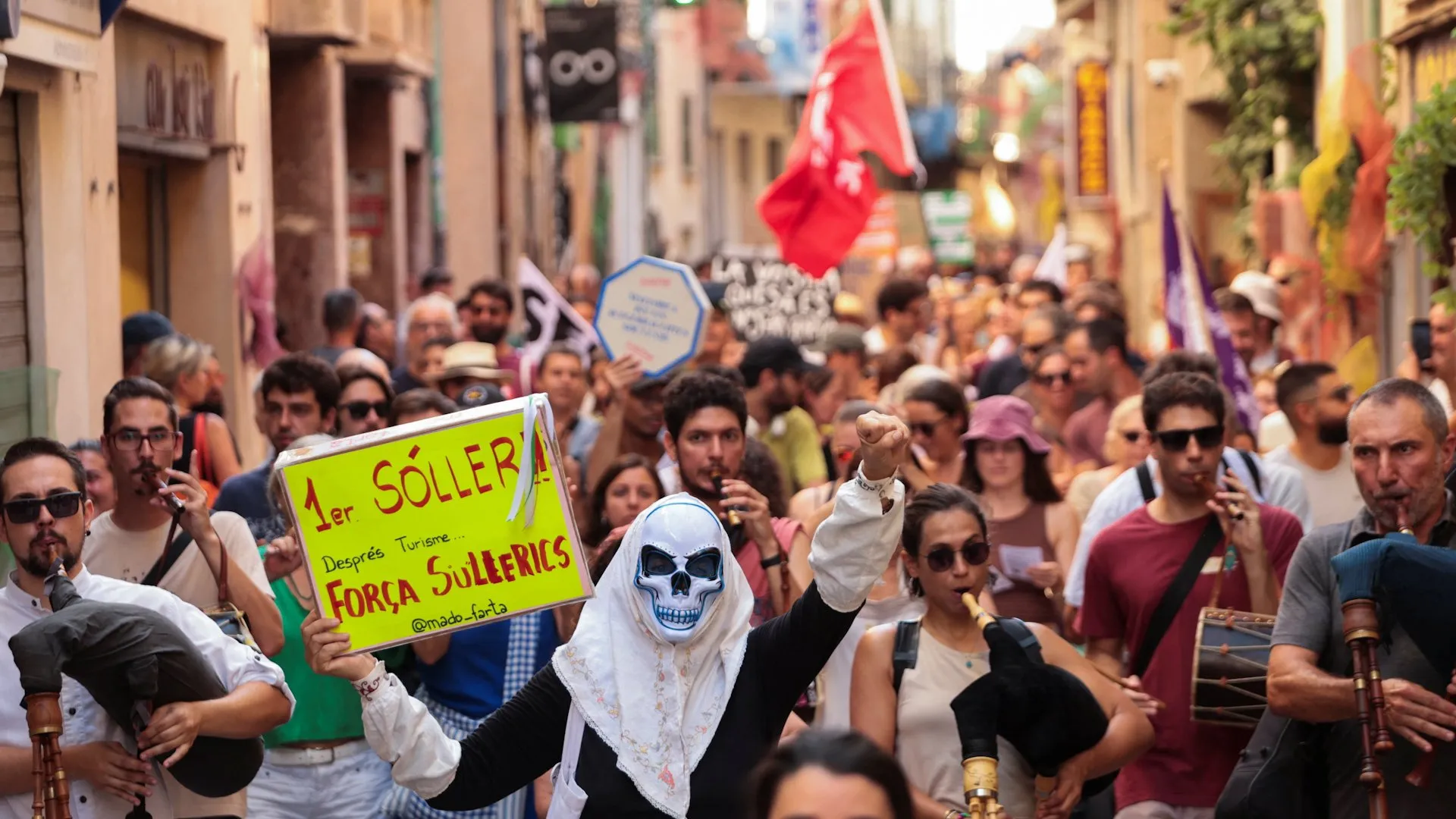
Hundreds of local residents in Soller, Mallorca, took to the streets to protest the negative impacts of mass tourism on their housing and cost of living.
Growing Discontent Over Tourism Infrastructure
The picturesque town of Soller in Mallorca became the latest focal point for growing anti-tourism sentiment across the Balearic Islands. Hundreds of local residents gathered on Saturday to voice their frustration regarding the unchecked growth of the tourism industry. This demonstration serves as a clear indication of the deepening divide between the local population and the economic model that has dominated the region for decades.
Participants in the march expressed collective concern over how the influx of seasonal visitors has reshaped their daily lives. For many residents, the streets of Soller, once defined ume of tourists traversing the island. This tension is not an isolated event but rather a symptom of a broader movement across Spain that seeks to reevaluate the sustainability of relying heavily on mass tourism as an economic engine.
Economic Pressures and the Housing Crisis
At the core of the protest lies a severe critique of the local housing market. Demonstrators highlighted that the proliferation of short-term vacation rentals has significantly restricted the availability of homes for permanent residents. As property owners increasingly pivot toward the lucrative tourism market, long-term rental prices have surged beyond the reach of many local families, forcing them to move away from the town centers they have occupied for generations.
Beyond housing, the cost of living has become a primary driver of civil unrest. Protesters noted that the general price of goods and services in Soller has inflated to accommodate the spending power of international visitors. This economic shift creates a scenario where the average worker, who may not directly benefit from the tourism industry, finds it increasingly difficult to sustain a comfortable standard of living. The demonstration was, in essence, a plea for authorities to implement policies that prioritize the needs of residents over the demands of the travel sector.
The Broader Balearic Context
The situation in Soller mirrors ongoing debates happening across the Balearic Islands and mainland Spain. Tourism is undoubtedly a pillar of the regional economy, providing thousands of jobs and contributing significantly to the GDP. However, the protesters argue that this economic contribution comes at an unacceptable social cost. They are calling for more stringent regulations on tourism numbers, better management of public spaces, and a shift toward a more sustainable and equitable model of development.
Policymakers now face the difficult task of balancing the necessity of tourism revenue with the urgent demands of the local electorate. There is a palpable desire for a future where tourism exists in harmony with local life rather than dominating it. The march in Soller sends a strong signal that the status quo is no longer viewed as viable ion regarding land use, resource management, and social equity will likely remain at the forefront of local governance.
Looking Toward a Sustainable Future
Moving forward, the challenge for the island’s administration will be to address these structural issues without causing a collapse in the regional economy. This requires a nuanced approach that considers both the economic benefits of visitors and the quality of life for those who call the island home year-round. Experts suggest that diversification of the economy could be a potential solution, reducing reliance on seasonal arrivals and fostering more stable, year-round employment opportunities.
As the conversation evolves, the citizens of Mallorca are demanding a seat at the table. They are no longer willing to accept the passive side effects of mass travel without systemic change. Whether through stricter zoning laws, caps on total visitor numbers, or taxes aimed at improving local infrastructure, the movement in Soller marks a turning point in how tourist-heavy destinations manage their own future. The pressure on local officials to act decisively will likely intensify as the summer season progresses and public sentiment continues to solidify around these core concerns.