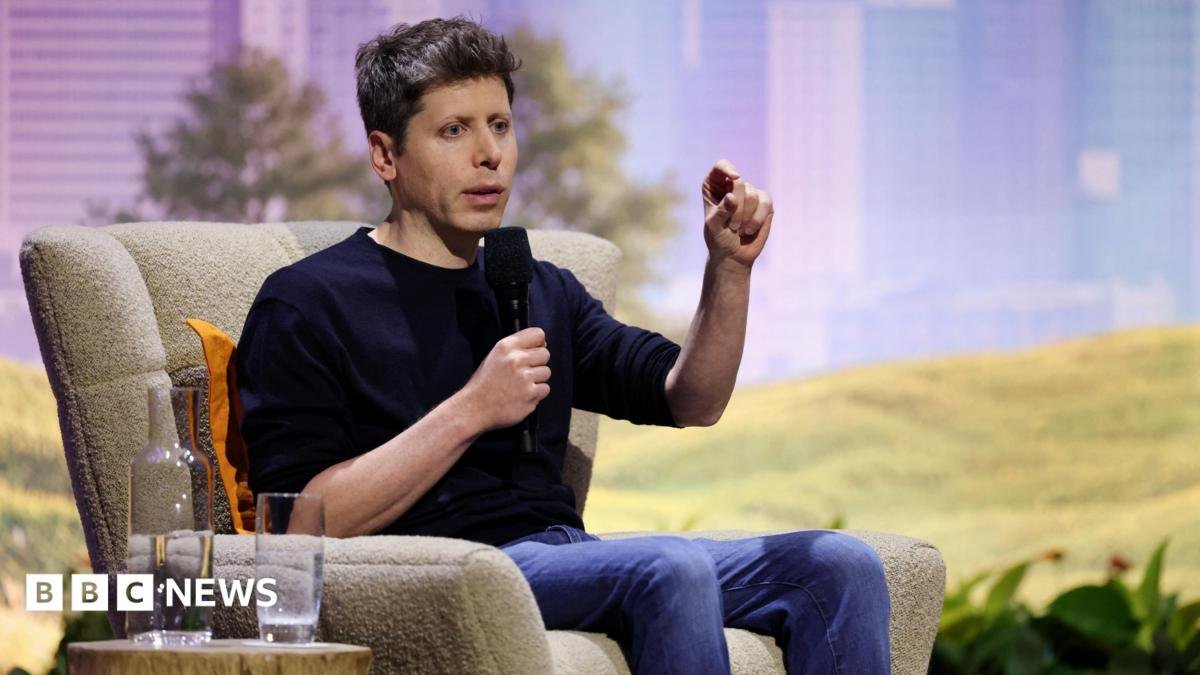
OpenAI CEO Sam Altman urges public confidence in AI firms to self-regulate as skepticism mounts over the rapid and potentially dangerous growth of the technology.
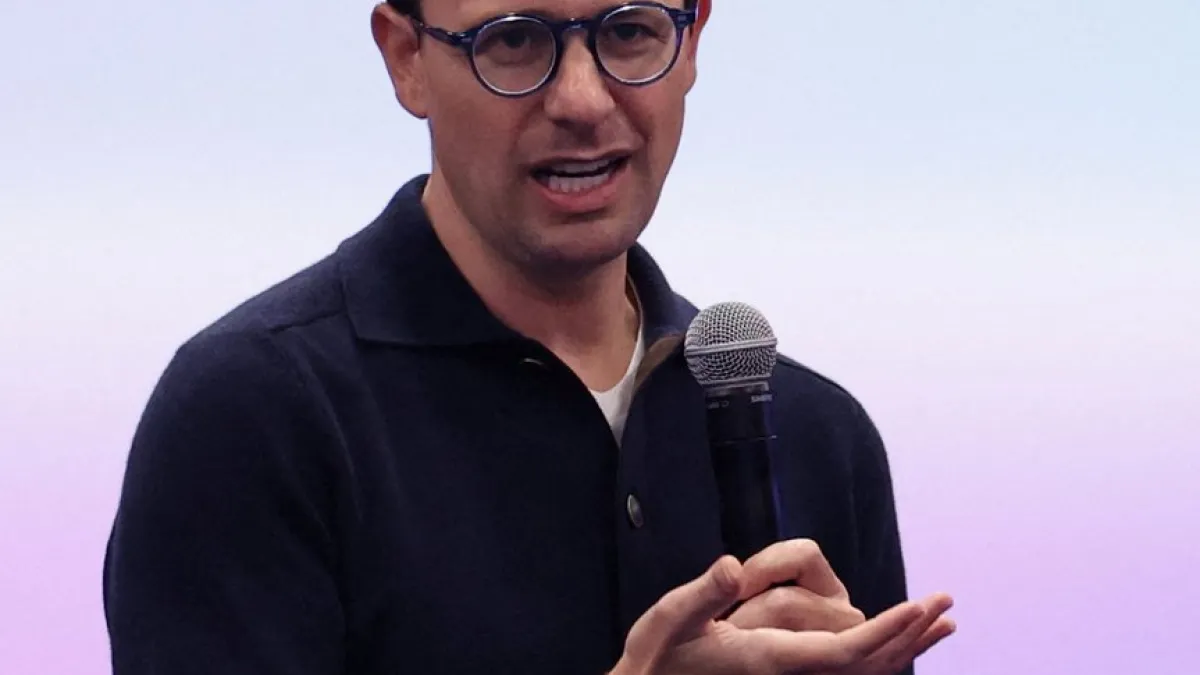
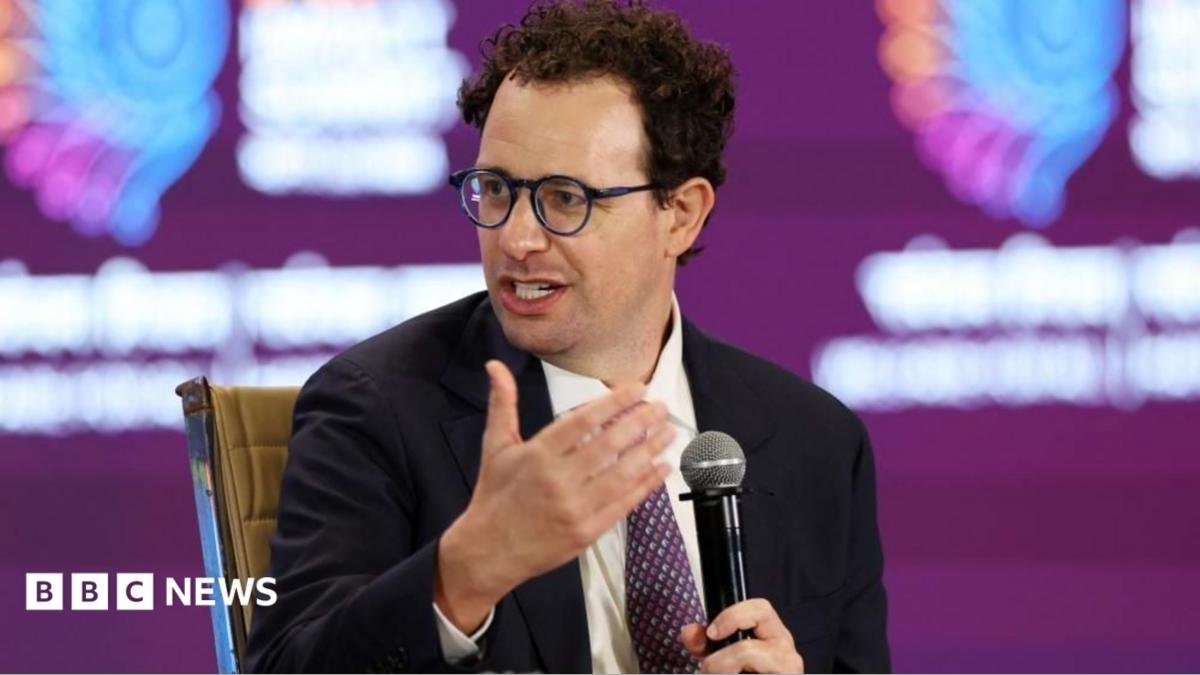
The rapid evolution of artificial intelligence has placed industry leaders at the center of a heated global debate regarding safety, oversight, and ethical responsibility. Sam Altman, the CEO of OpenAI, recently addressed these mounting concerns, acknowledging that public apprehension is entirely justified given the unprecedented speed at which AI capabilities are advancing. During a recent conference in San Francisco, Altman emphasized that the world is right to be cautious, noting that it no longer requires a vivid imagination to envision how these powerful tools could potentially lead to negative outcomes.
Despite this admission of risk, Altman maintained that the public should place their faith in the companies building these technologies. He argued that firms are acutely aware of the magnitude of their work and are driven if companies find that they cannot maintain safety and alignment standards ahead of technical capabilities, they are prepared to slow down or halt development entirely. This stance highlights the industry's desire to manage its own trajectory rather than being subjected to restrictive government mandates that might stifle progress.
The call for government intervention has grown louder as critics, ranging from political figures to industry experts, express deep skepticism toward the idea of corporate self-regulation. Prominent voices such as Senator Bernie Sanders and former White House strategist Steve Bannon have voiced concerns that the future of humanity is being dictated cannot be trusted to act in the public interest, especially when the potential consequences of failure are existential. Critics suggest that leaving such a transformative technology entirely to the private sector is essentially rolling the dice with global stability.
In contrast, other industry titans argue that the current regulatory landscape is ill-equipped to handle the fast-paced nature of AI. Nvidia CEO Jensen Huang noted that safety should be viewed as an engineering challenge rather than a legal one. He suggested that companies have a strong inherent incentive to ensure their products are safe, as the risk of liability and the danger of falling behind competitors provide natural safeguards. Meta CEO Mark Zuckerberg echoed this sentiment, asserting that labs that ignore alignment—the process of ensuring AI adheres to human ethical principles—will ultimately fail in the marketplace, thereby creating a competitive pressure to prioritize safety.
While the debate rages in public forums, the halls of the US Congress remain largely gridlocked. Despite initial hopes for a basic legislative framework following testimony from industry leaders in 2023, lawmakers have struggled to keep pace with the technology. A lack of bipartisan consensus and the looming political calendar have made the passage of comprehensive AI safety legislation unlikely in the near term. This legislative vacuum has forced companies to consider alternative ways to manage the risks associated with frontier models, including the development of voluntary industry-wide standards.
Some organizations are taking proactive steps to bridge this gap. Executives from OpenAI, Anthropic, and Google DeepMind have initiated dialogues aimed at establishing shared safety benchmarks and collaborative standards. These efforts are designed to ensure that even without government mandates, the industry can demonstrate a collective commitment to responsible development. However, skeptics remain unconvinced, pointing out that until these companies can clearly define what they are willing to stop doing in the name of safety, public trust in Silicon Valley will likely remain low. The challenge remains to prove that these voluntary measures are substantial enough to mitigate the risks that AI developers themselves admit are significant.