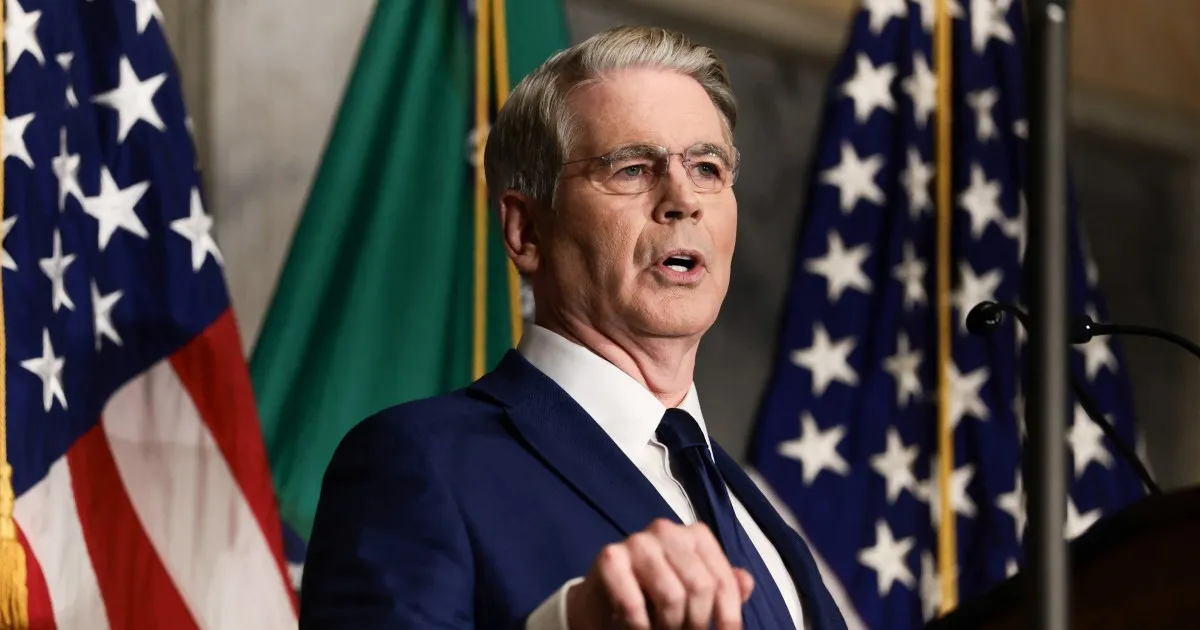
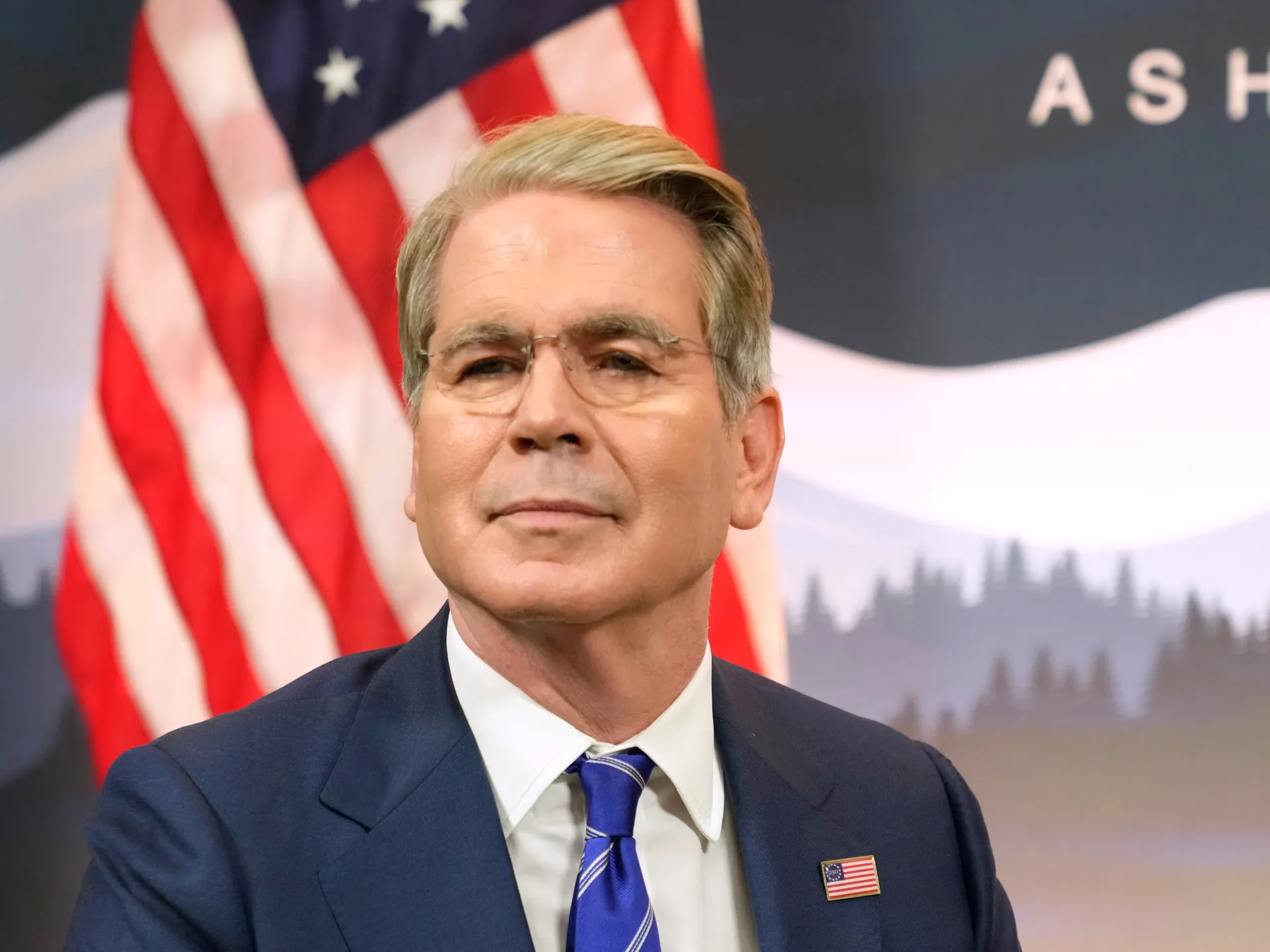
The US Senate has advanced a robust package of sanctions against Russia, creating significant trade risks for major global importers including India and China.
Legislative Expansion of US Economic Policy
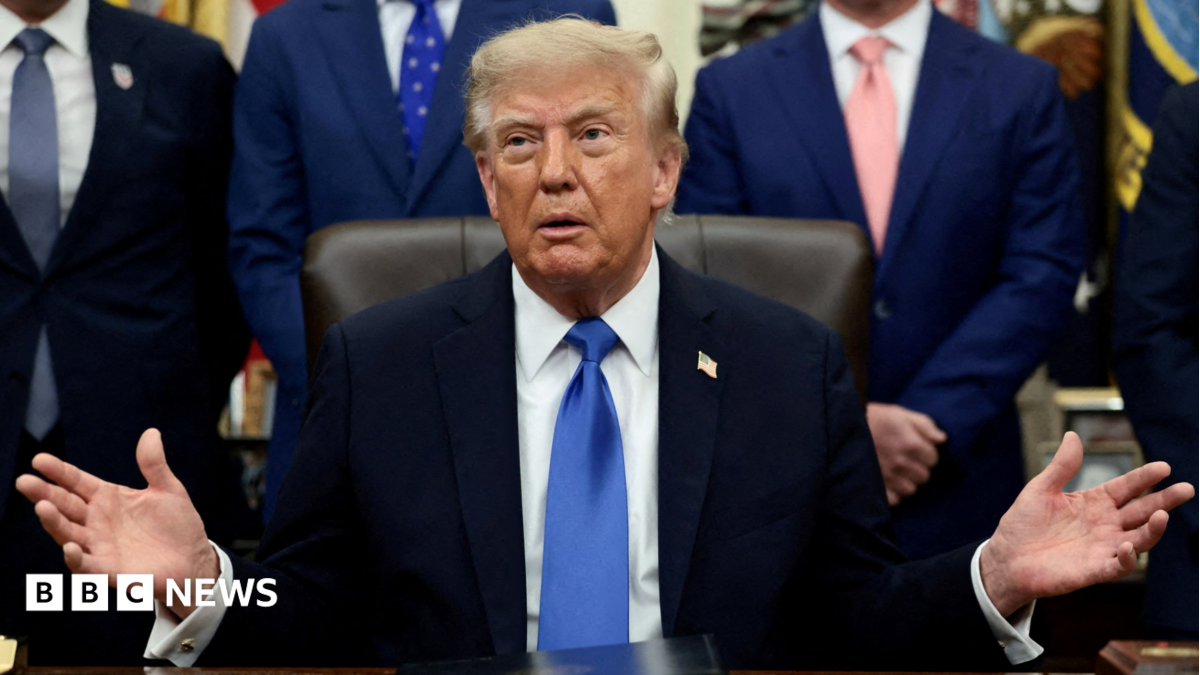
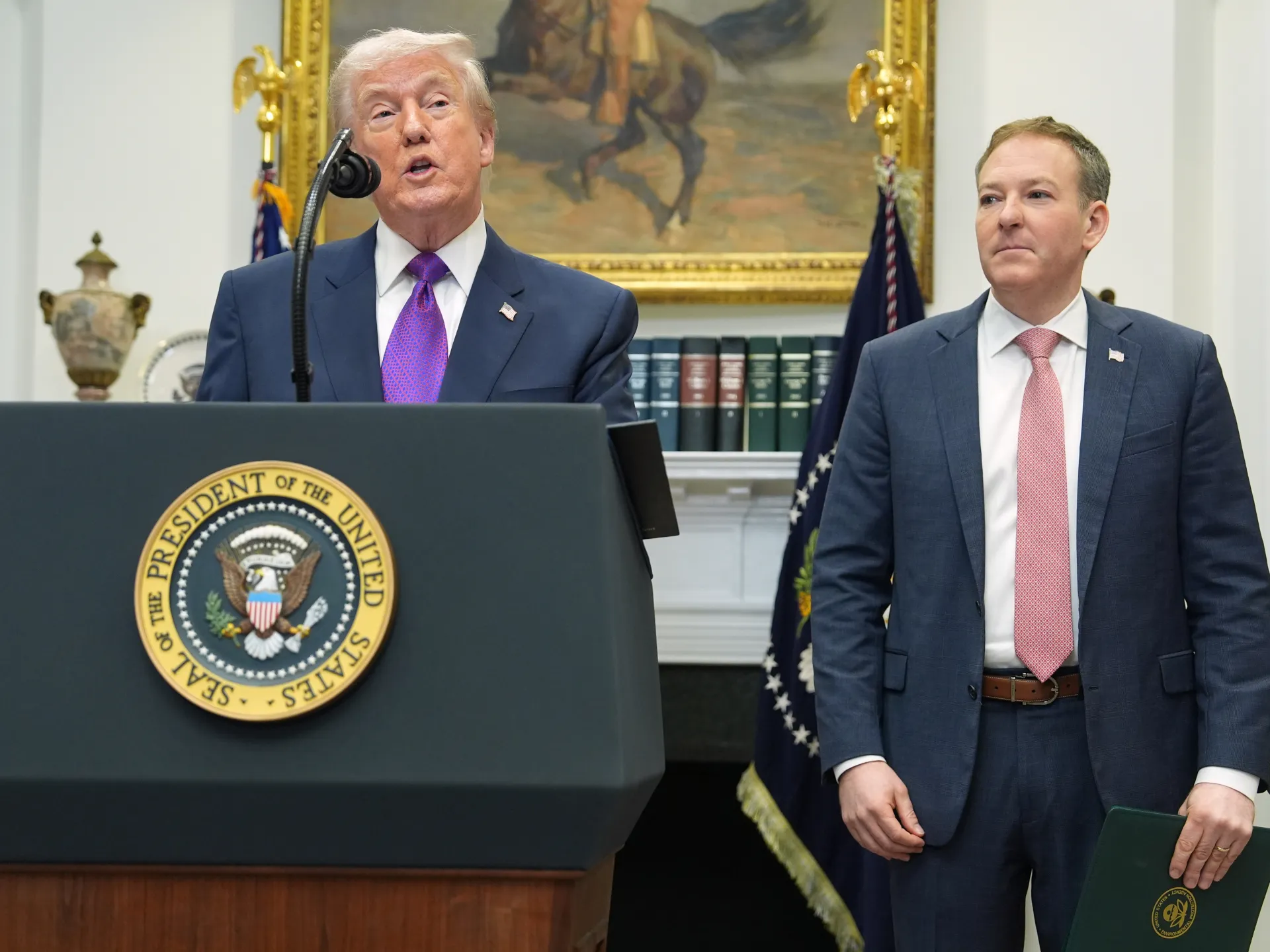
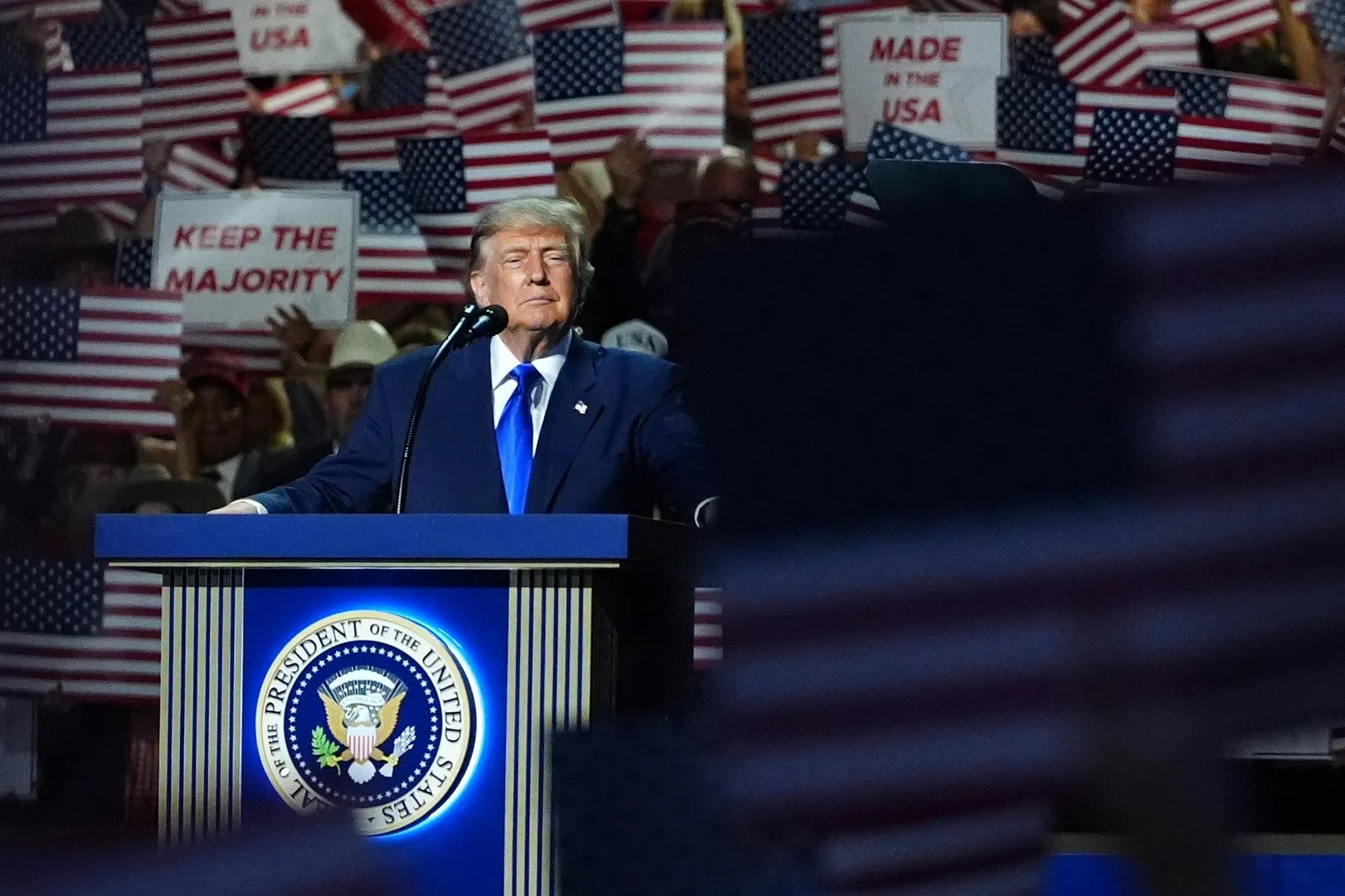
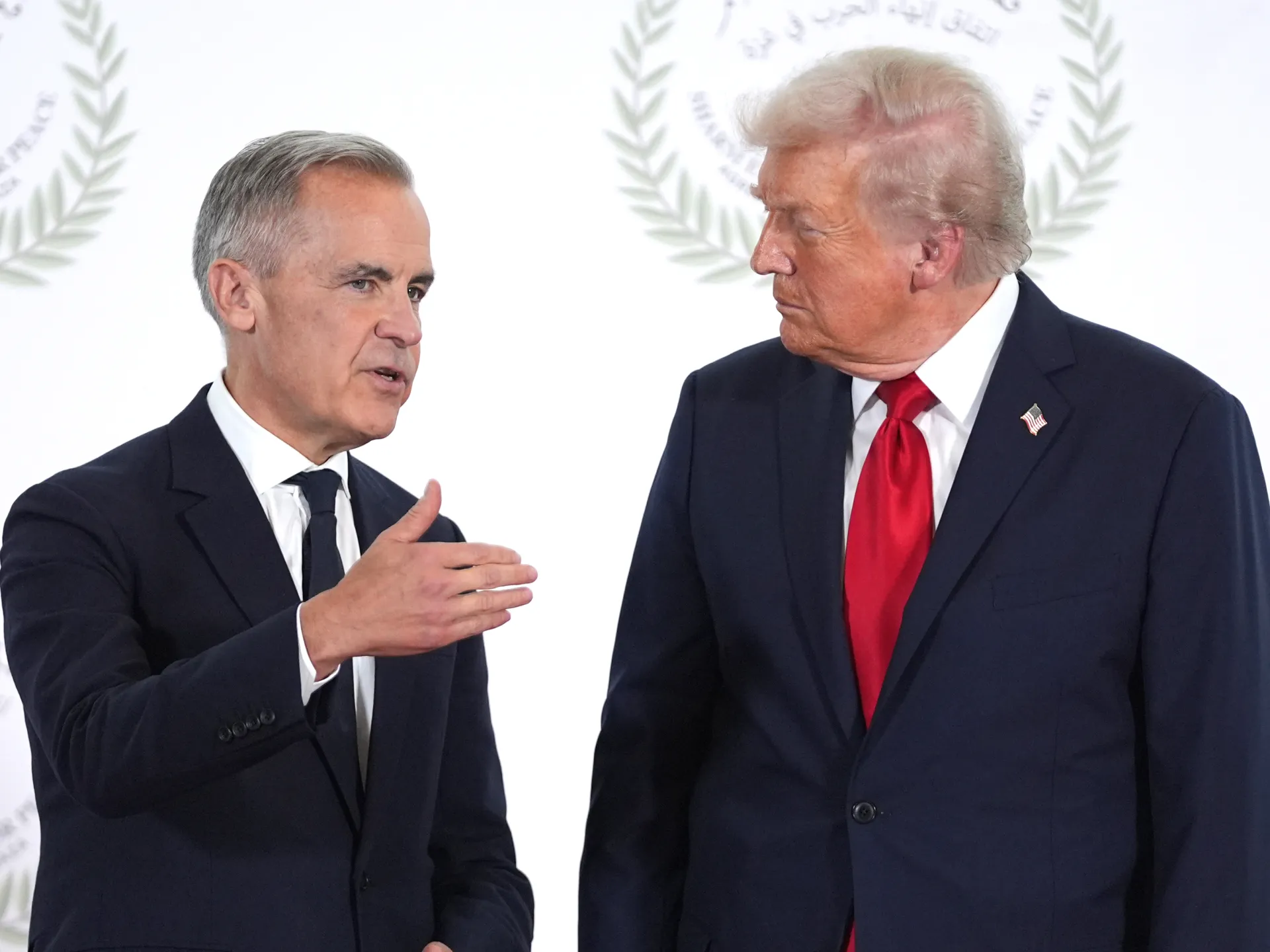
The United States Senate has officially moved to implement a rigorous new suite of sanctions aimed at isolating Russia’s economy. This legislative development represents one of the most aggressive foreign policy maneuvers under the current administration, signaling a definitive shift in how the United States intends to leverage its economic influence to curtail Russian geopolitical activities. aiming to create a ripple effect that extends far beyond Moscow’s borders.
These sanctions are designed to penalize not only Russian entities directly but also international partners who continue to engage in significant trade with the nation. The breadth of this legislation suggests that the United States is prioritizing strategic containment over traditional diplomatic leniency. As the bill progresses, it sets the stage for a complex period of international negotiations, as global powers scramble to assess the potential damage to their own domestic economic interests.
Impact on Strategic Trade Partnerships
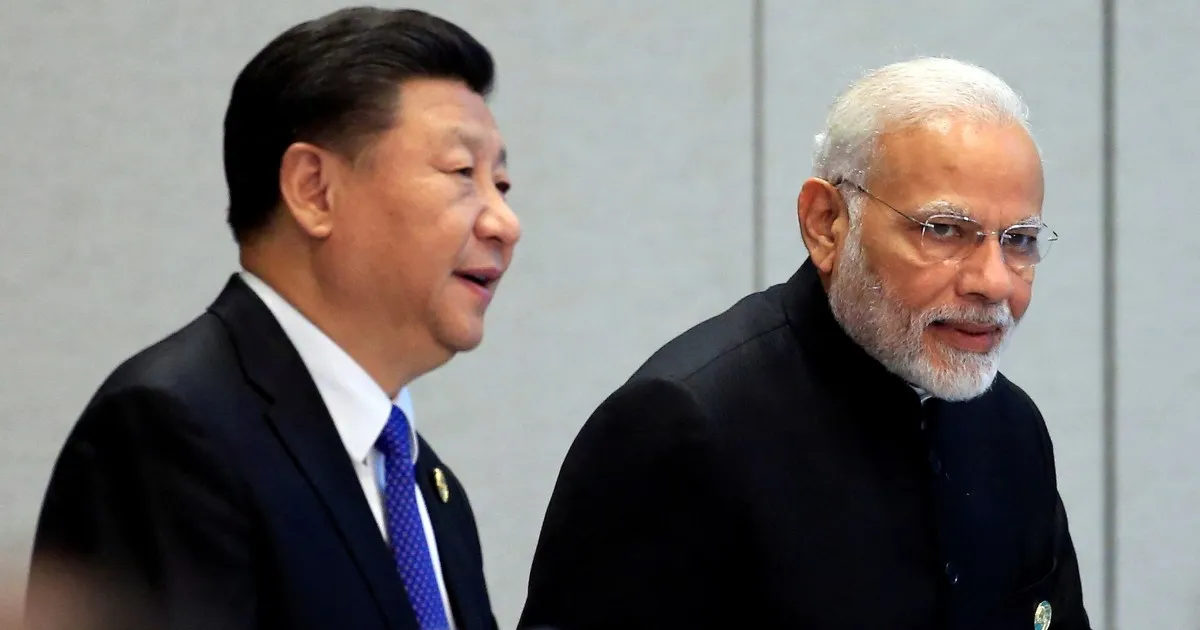
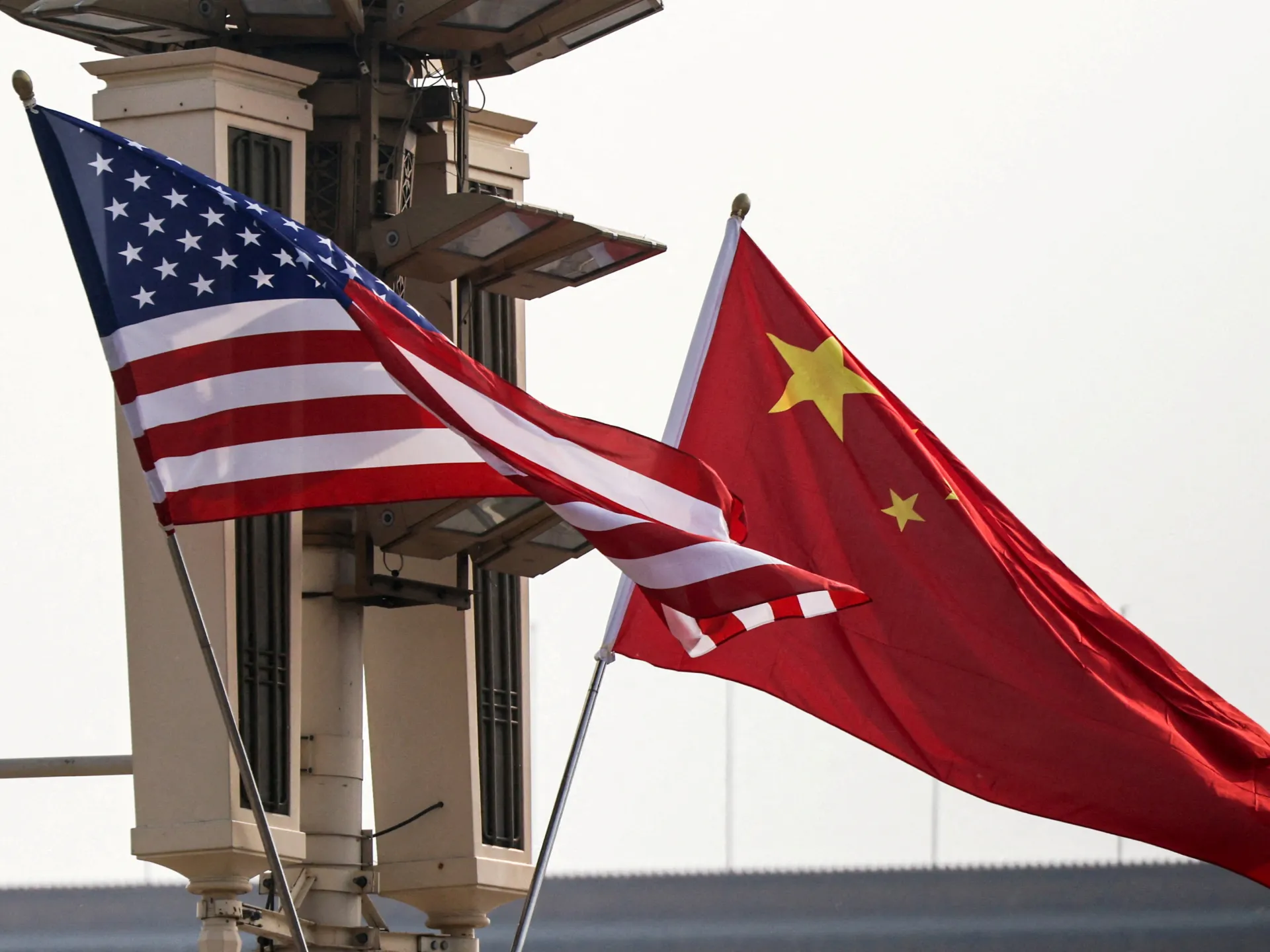
Among the most significant consequences of this legislation is the potential strain on relationships with major global economies, specifically India and China. Both nations have historically maintained robust trade ties with Russia, ranging from energy imports to defense cooperation. Under the new guidelines, these countries face the threat of substantial tariffs and secondary sanctions if they persist in high-level economic collaboration with Russian firms.
For India and China, this creates an immediate policy dilemma. Balancing their long-standing strategic autonomy against the threat of US-imposed financial penalties will likely require delicate maneuvering. Analysts suggest that the legislation could force these nations to reconsider the cost-benefit analysis of their Russian partnerships, potentially leading to a gradual shift in their procurement strategies if the threat of economic isolation from the American market becomes too severe.
Global Economic Repercussions
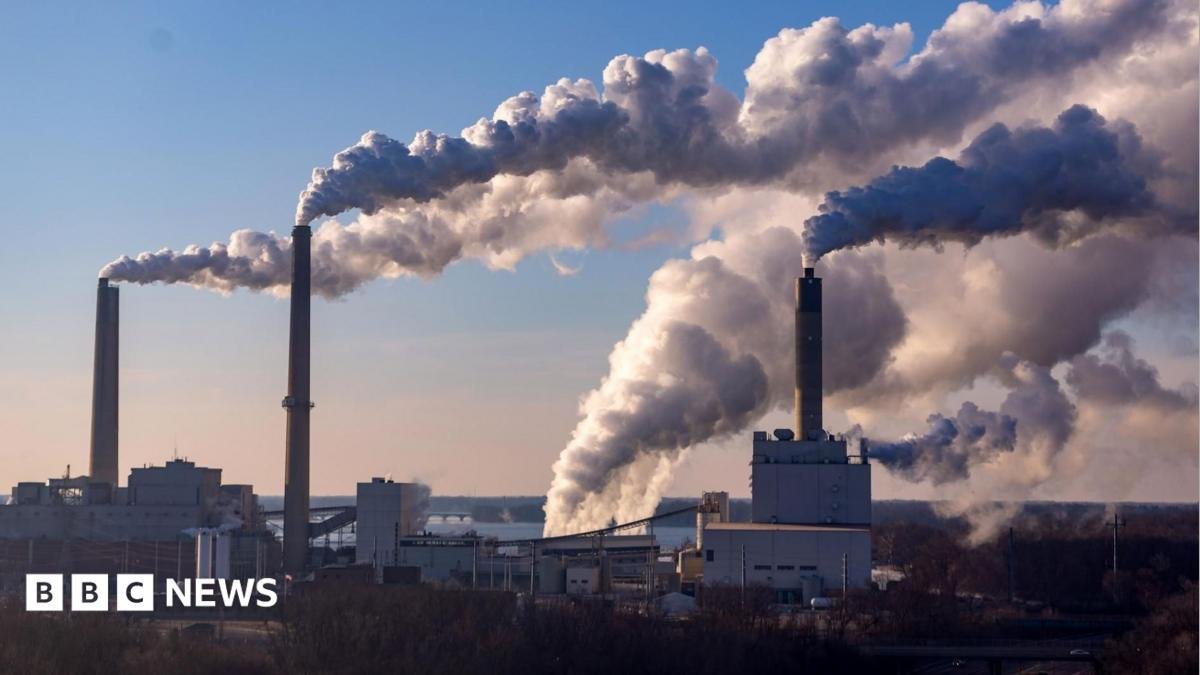
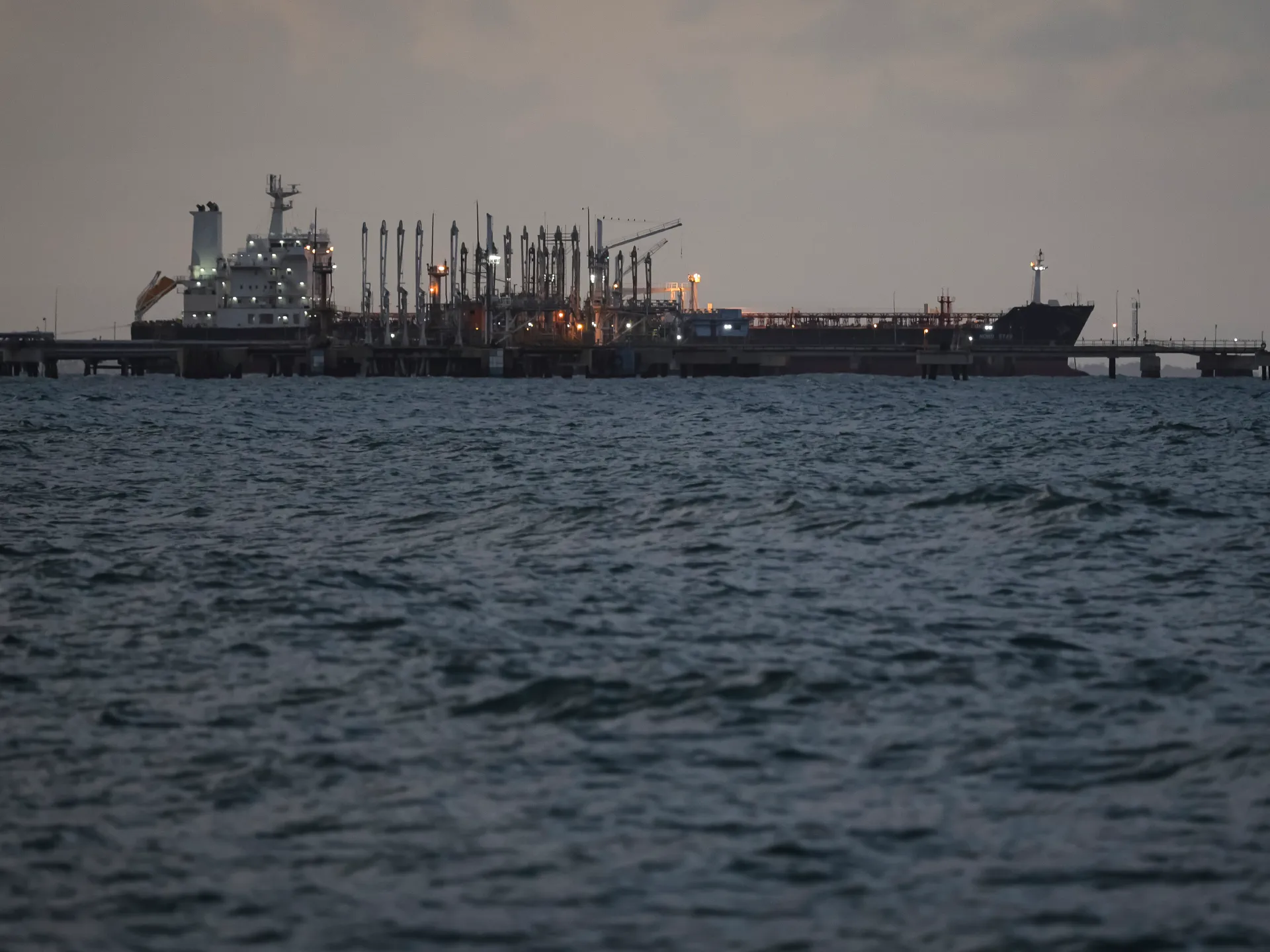
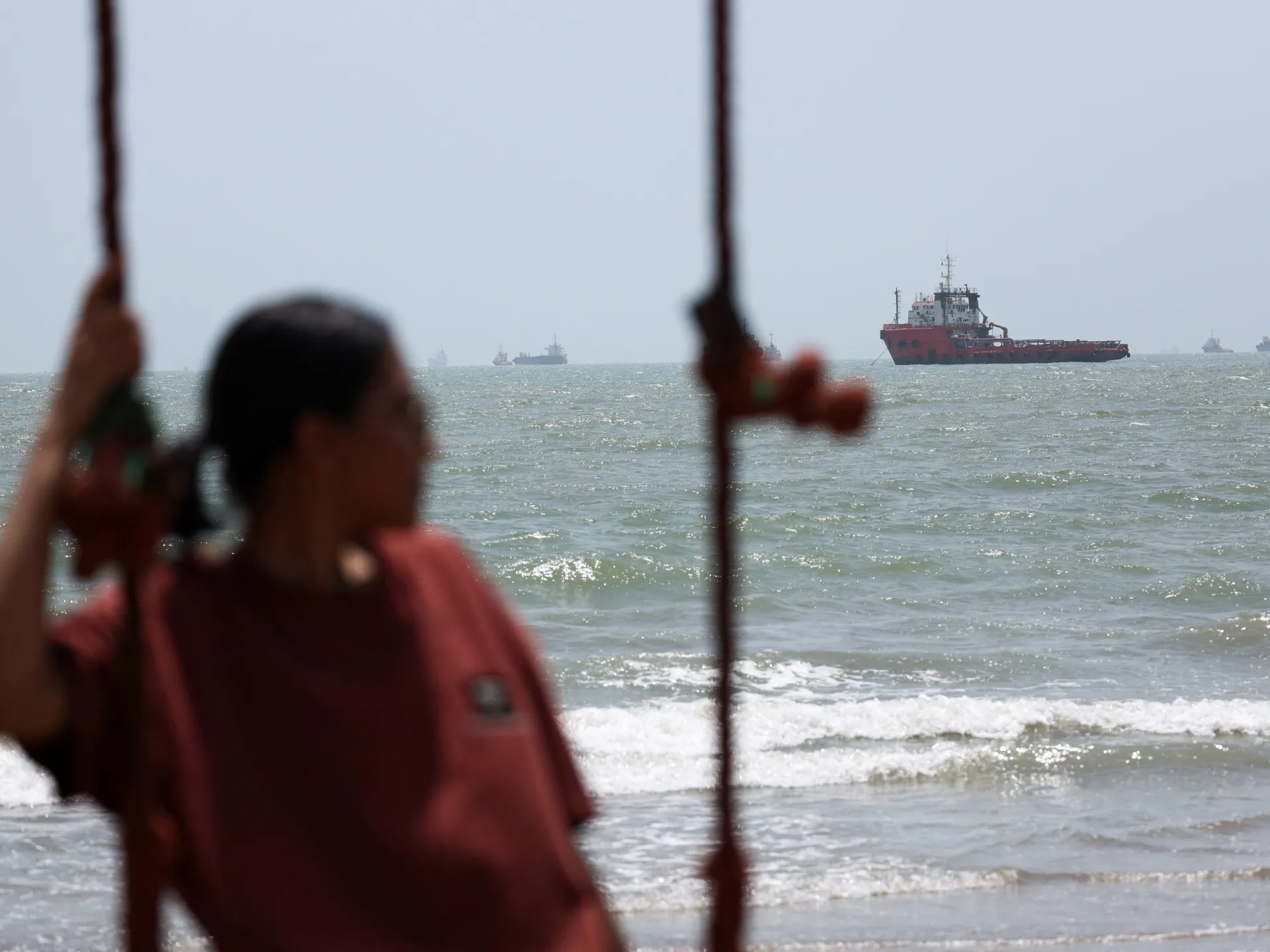
The ripple effects of these sanctions are expected to be felt across global supply chains. Because the United States remains a central pillar of the international financial system, its ability to impose tariffs on foreign entities effectively forces a choice upon international corporations: maintain lucrative trade links with Russia or retain access to the US market. This binary choice is expected to cause significant volatility in international commodity markets.
Furthermore, the move has raised concerns about the potential for retaliatory measures from Moscow and its allies. As the international community watches these developments unfold, there is a growing consensus that the global trade landscape is becoming increasingly fragmented. The shift away from a integrated global market toward one defined ade costs, and the stability of the US dollar as a global reserve currency.
Future Diplomatic and Legal Hurdles
As the sanctions move toward final implementation, the legal and diplomatic challenges will only intensify. The US government will need to clarify the enforcement mechanisms of these tariffs, particularly regarding how they will be applied to complex international contracts already in progress. The prospect of lengthy legal battles or diplomatic protests from affected nations remains high, as countries attempt to navigate the narrowing window of permissible engagement with Russia.
Ultimately, this legislative action marks a turning point in how the United States utilizes its economic weight on the world stage. Whether these measures will successfully deter Russian policy or merely drive a deeper wedge between the United States and its key partners remains an open question. For now, the global markets remain in a state of cautious anticipation, waiting to see how the specific details of these sanctions are translated into actionable policy in the coming months.