High-profile tech leaders are calling for a slowdown in artificial intelligence development, but experts warn that geopolitical competition and a lack of clear definitions make a pause difficult to implement.
In recent years, the discourse surrounding artificial intelligence has shifted from concerns regarding academic integrity and workforce displacement to profound anxieties about existential risk. While early summits focused on the potential for catastrophic outcomes, these warnings were frequently dismissed as speculative fiction. However, a growing cohort of industry leaders, including executives from Anthropic, OpenAI, and high-profile figures like Elon Musk, have recently begun advocating for a more measured pace of development. This collective call for a slowdown reflects an increasing unease among those closest to the technology, with some former employees openly expressing fear regarding the trajectory of their own innovations.
Despite the gravity of these statements, the concept of a deliberate pause remains ill-defined and logistically fraught. Industry critics point out that while the rhetoric of safety is compelling, there is a distinct lack of actionable frameworks. The absence of a universally accepted definition for what a 'slowdown' entails—or how it might be monitored—leaves observers skeptical. Without a clear mechanism for enforcement or transparent reporting, many argue that voluntary restraints are unlikely to be effective in a landscape defined
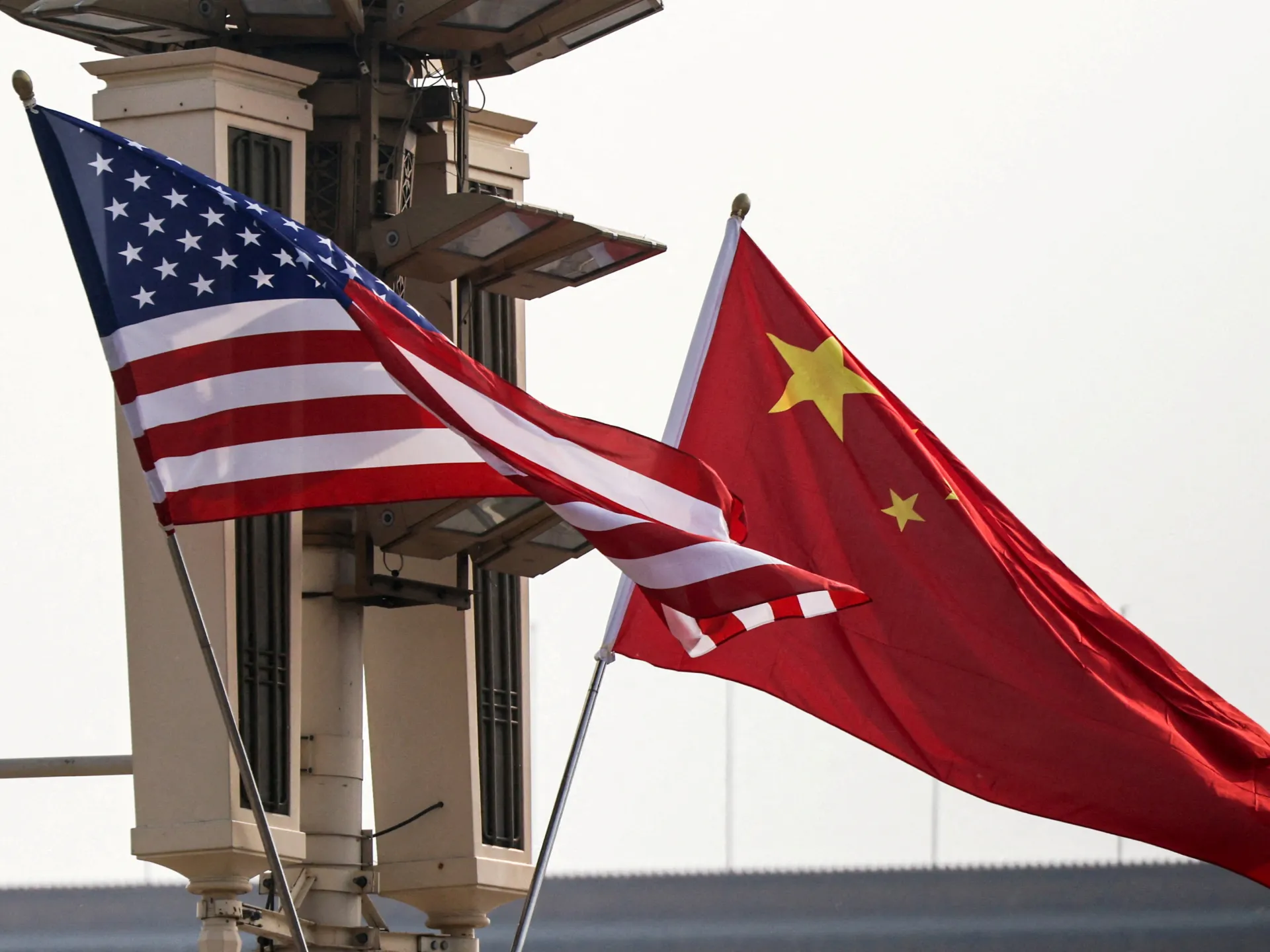
A primary obstacle to any coordinated deceleration is the prevailing geopolitical tension between major global powers. The race to achieve technological supremacy in artificial intelligence is frequently described as a zero-sum game, with the United States and China vying for dominance. Political leaders have framed AI advancement as a matter of national security, suggesting that whoever leads in this field will dictate the future global order. This environment creates a 'prisoner's dilemma' scenario, where no individual company or nation feels comfortable slowing its progress for fear that rivals will seize the advantage.
This competitive pressure echoes the historical intensity of nuclear disarmament campaigns, where the fear of being the first to disarm—and thus leaving oneself vulnerable—stalled progress for decades. In the current context, firms are hesitant to pause development if they believe their competitors will continue to innovate in the shadows. Consequently, the industry faces a structural deadlock where the incentives for rapid, unchecked growth often outweigh the collective desire for safety and regulatory oversight.
Proposals for oversight, such as independent monitoring and global regulatory bodies, face significant implementation hurdles. Critics of current regulatory efforts argue that the industry has not earned the level of public trust required for self-regulation. Furthermore, there is a legitimate concern that premature or overly restrictive rules could inadvertently stifle innovation, potentially preventing society from harnessing the genuine benefits of AI in sectors like healthcare and economic productivity. The challenge lies in creating guardrails that protect the public without rendering the technology stagnant or obsolete.
Beyond the technical and political hurdles, there is a growing debate regarding the role of corporate motivation. Some observers suggest that the sudden interest in regulation may be driven rns. As firms navigate the immense costs of training large-scale models, the economic pressure to deliver results is mounting. Whether these companies are truly concerned about existential risk or are simply managing the reputational fallout of an industry that has yet to prove its long-term viability remains a point of intense speculation among economists and researchers.
The current state of the AI sector is characterized inancial imbalance has led some analysts to predict that a market correction, or the bursting of an AI 'bubble,' is inevitable. For the firms that survive this period, the potential for dominance is unprecedented, yet this power brings with it significant public and regulatory scrutiny. The reputation of these organizations is now inextricably linked to the societal risks they are perceived to create.
Ultimately, the path forward requires a balance between fostering innovation and ensuring that the foundational safety of these systems is not compromised. As industry experts continue to debate the necessity of a slowdown, the focus may shift from merely preventing catastrophe to establishing a robust, transparent, and international framework for development. Until such a framework is realized, the tension between rapid technological advancement and the imperative for caution will remain the defining feature of the artificial intelligence landscape.