NASA has launched the Nancy Grace Roman Space Telescope to study dark energy while simultaneously uncovering new structural anomalies in distant galaxies via Hubble data.
The successful deployment of the Nancy Grace Roman Space Telescope represents a strategic pivot in how humanity surveys the cosmos. ing from a model of "deep-field" surgical observation to high-volume statistical mapping. This shift is essential for transitioning from individual object discovery—such as the recent observations of the peculiar galaxy NGC 4698—to a comprehensive census of dark energy and exoplanet demographics. Understanding the invisible architecture of the universe, which accounts for approximately 95% of its composition, requires the broad-scale data collection now facilitated
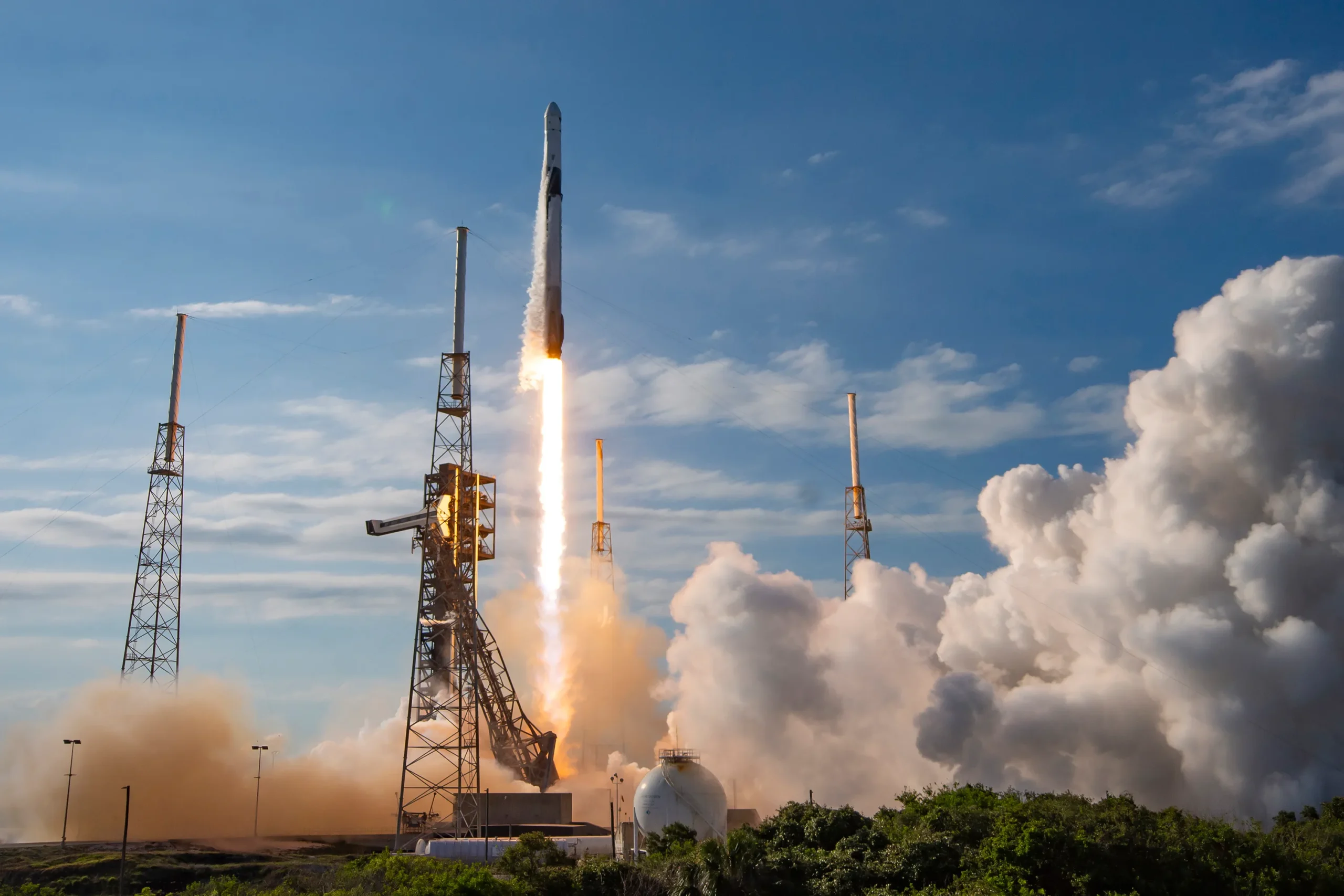
On August 30, 2026, the Nancy Grace Roman Space Telescope achieved successful launch aboard a SpaceX Falcon Heavy rocket from the Kennedy Space Center in Florida. The $4.3 billion observatory is currently embarking on a 100-day transit to Lagrange Point 2, a stable gravitational vantage point located roughly one million miles from Earth. Al Jazeera reports the mission has a base lifespan of five years, with the potential for extension up to a decade should robotic refueling technology become available.
NASA officials, including administrator Nicky Fox, have highlighted the telescope’s potential to identify between tens of thousands and 100,000 new exoplanets. Unlike the James Webb Space Telescope, which excels at deep, high-resolution imagery, the Roman telescope is optimized for panoramic surveys. Its primary objective involves mapping two billion galaxies to measure the expansion rate of the universe and characterize the enigmatic forces of dark energy and dark matter.
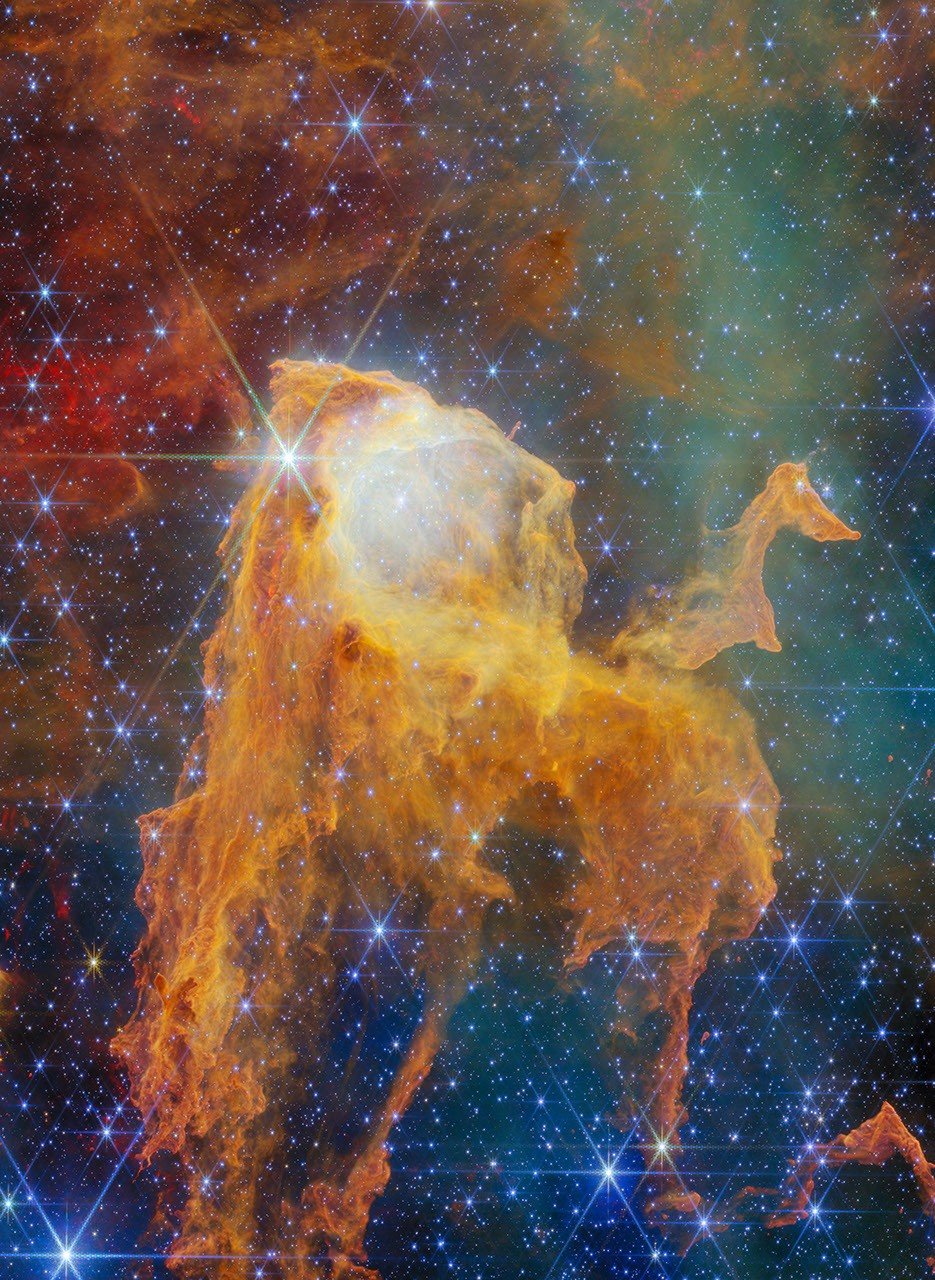
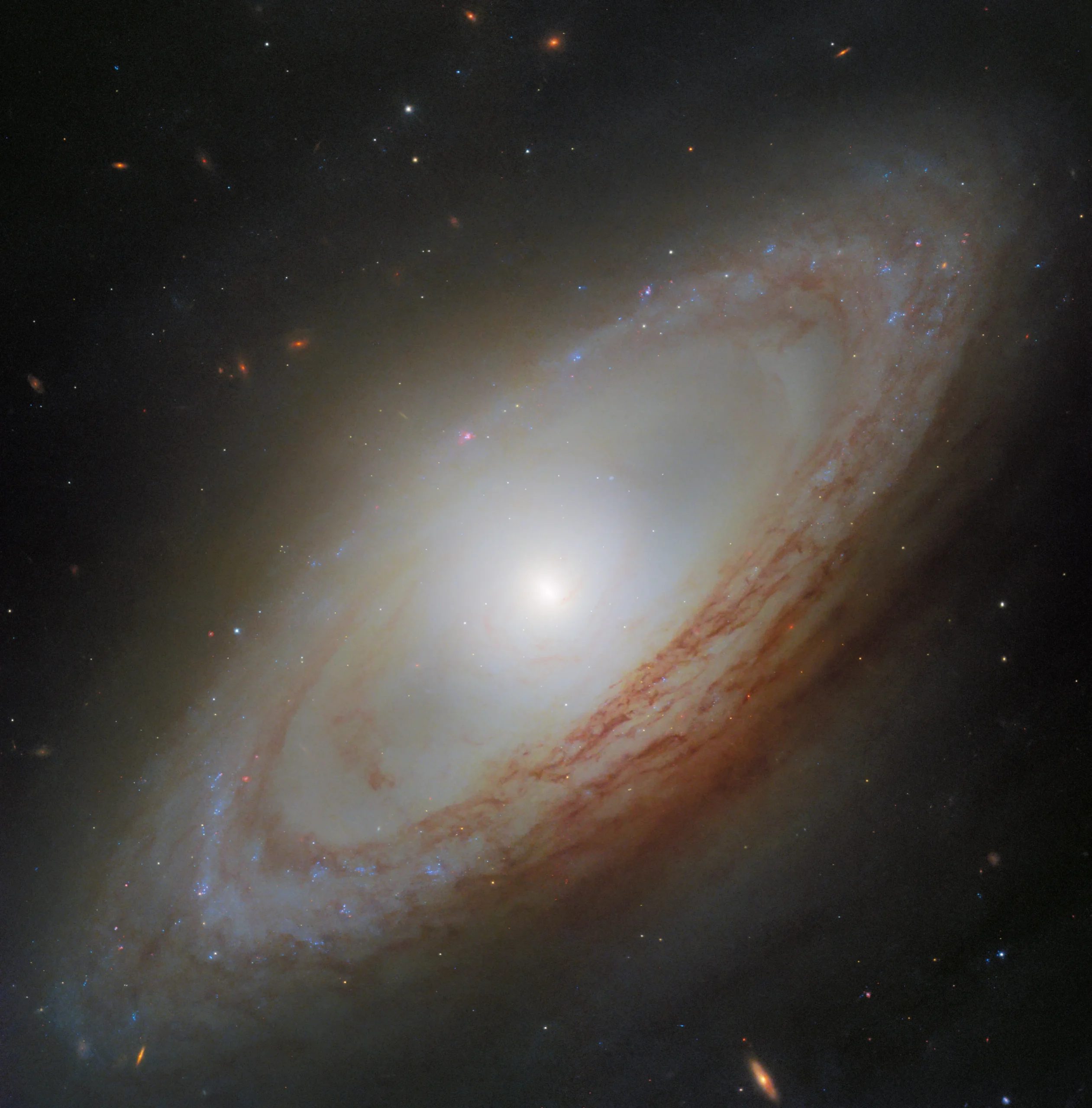
While the new telescope begins its journey, existing assets continue to provide insights into complex galactic structures. NASA’s Hubble Space Telescope recently documented the galaxy NGC 4698, located 55 million light-years away within the Virgo Cluster. This spiral galaxy exhibits a rare structural configuration: its central bulge rotates perpendicular to the surrounding disk of stars and gas. Scientists hypothesize that this "out-of-sync" orientation likely resulted from a past minor galactic merger, which funneled external gas into a new central plane.
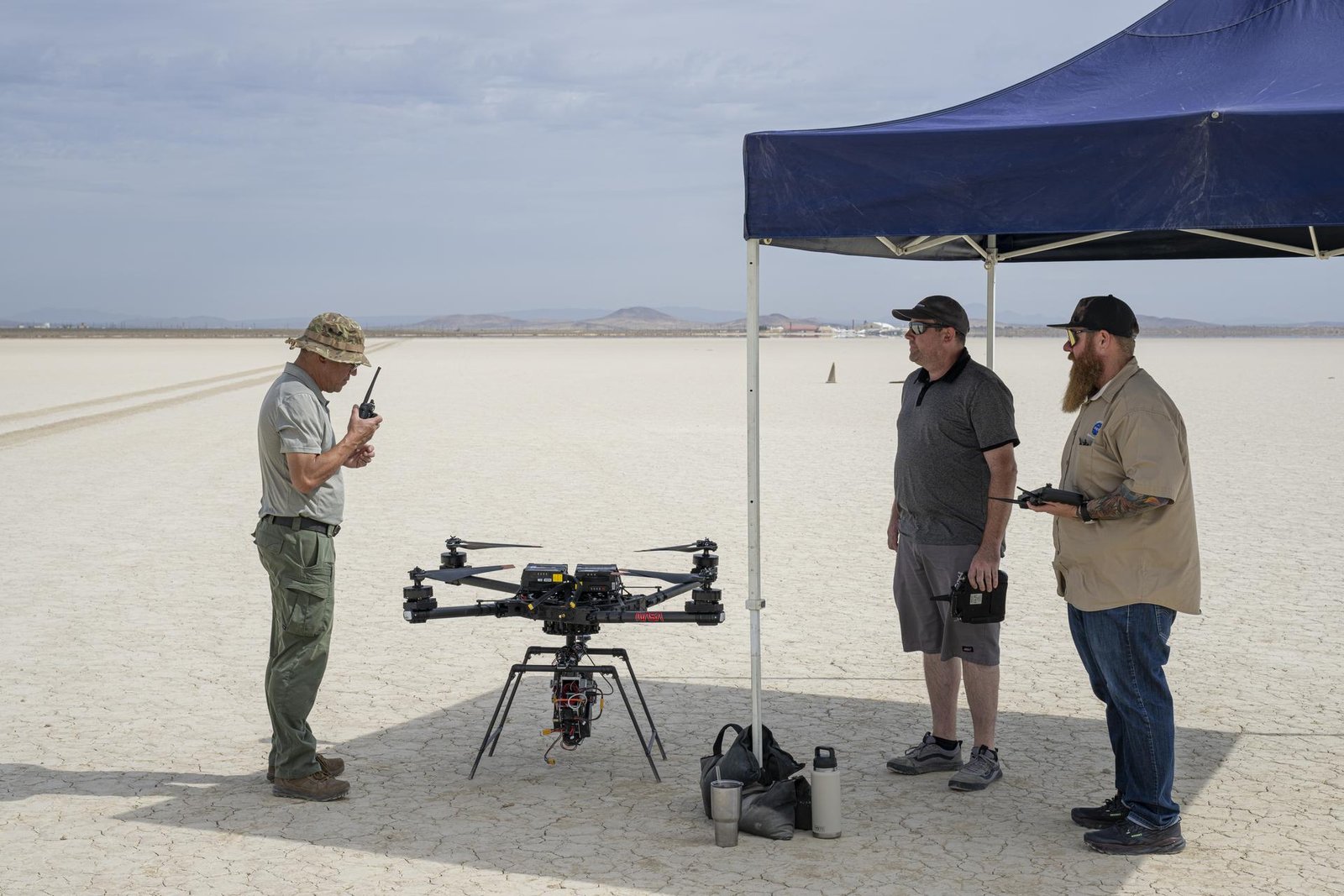
Simultaneously, NASA continues to refine its deep-space landing capabilities closer to home. At the Dale Reed Subscale Flight Research Laboratory in California, engineers are testing the Safe and Precise Landing – Integrated Capabilities Evolution (SPLICE) experiment. eveloping navigation hardware intended for future lunar and Martian exploration, ensuring that technological precision remains a hallmark of both long-distance cosmic observation and near-Earth mission support.
In the coming months, the Roman telescope will complete its journey to its designated orbital point. Once operational, the primary challenge will be the calibration of its wide-field instruments to ensure the data collected from billions of galaxies is consistent for statistical analysis. NASA’s commitment to potential refueling suggests that the mission duration could be subject to future technological developments in orbital maintenance. Meanwhile, data from the Virgo Cluster studies will continue to inform broader evolutionary models, helping researchers understand how the internal dynamics of galaxies like NGC 4698 relate to the large-scale structure of the universe that the Roman telescope is now positioned to map.