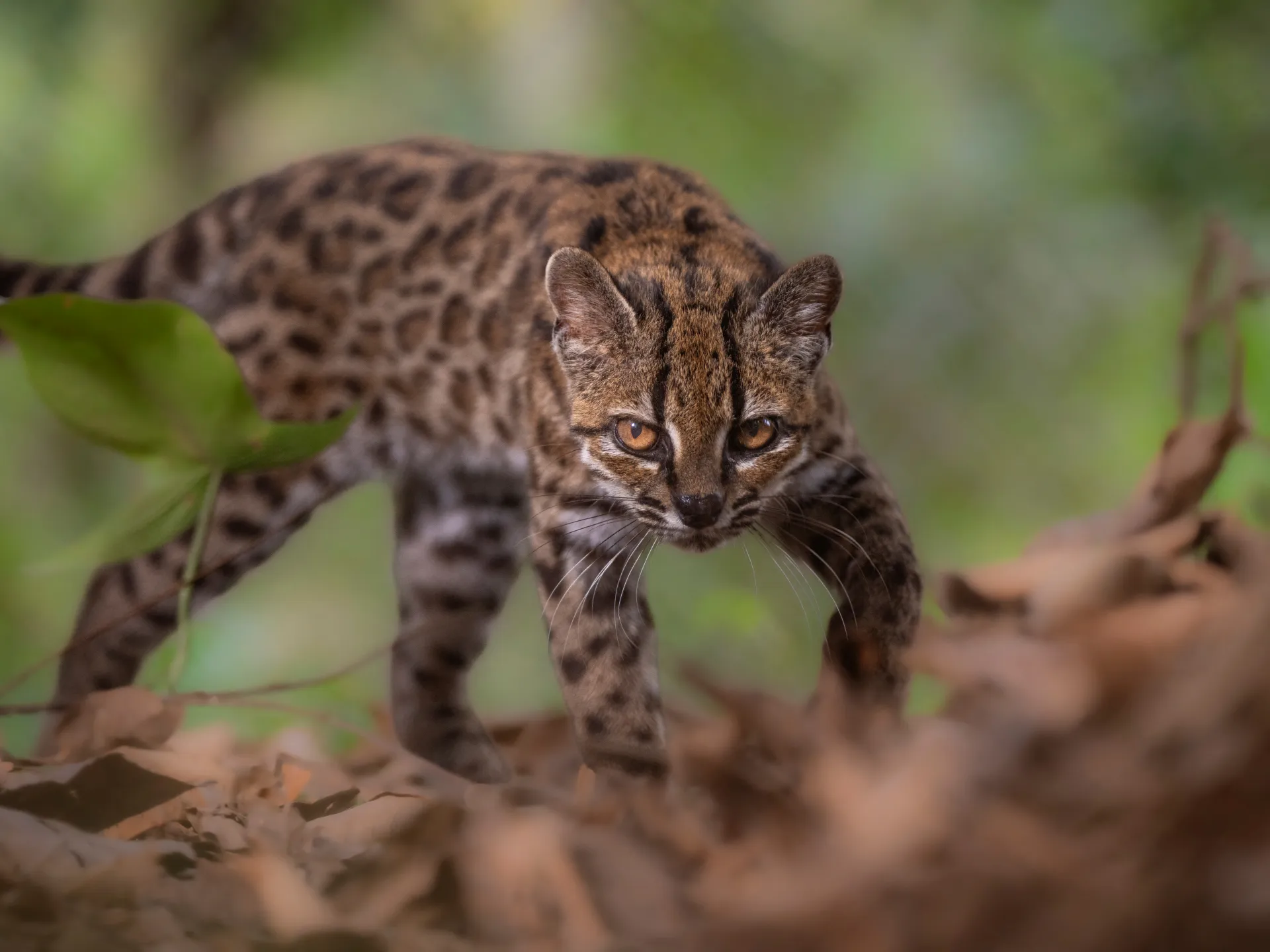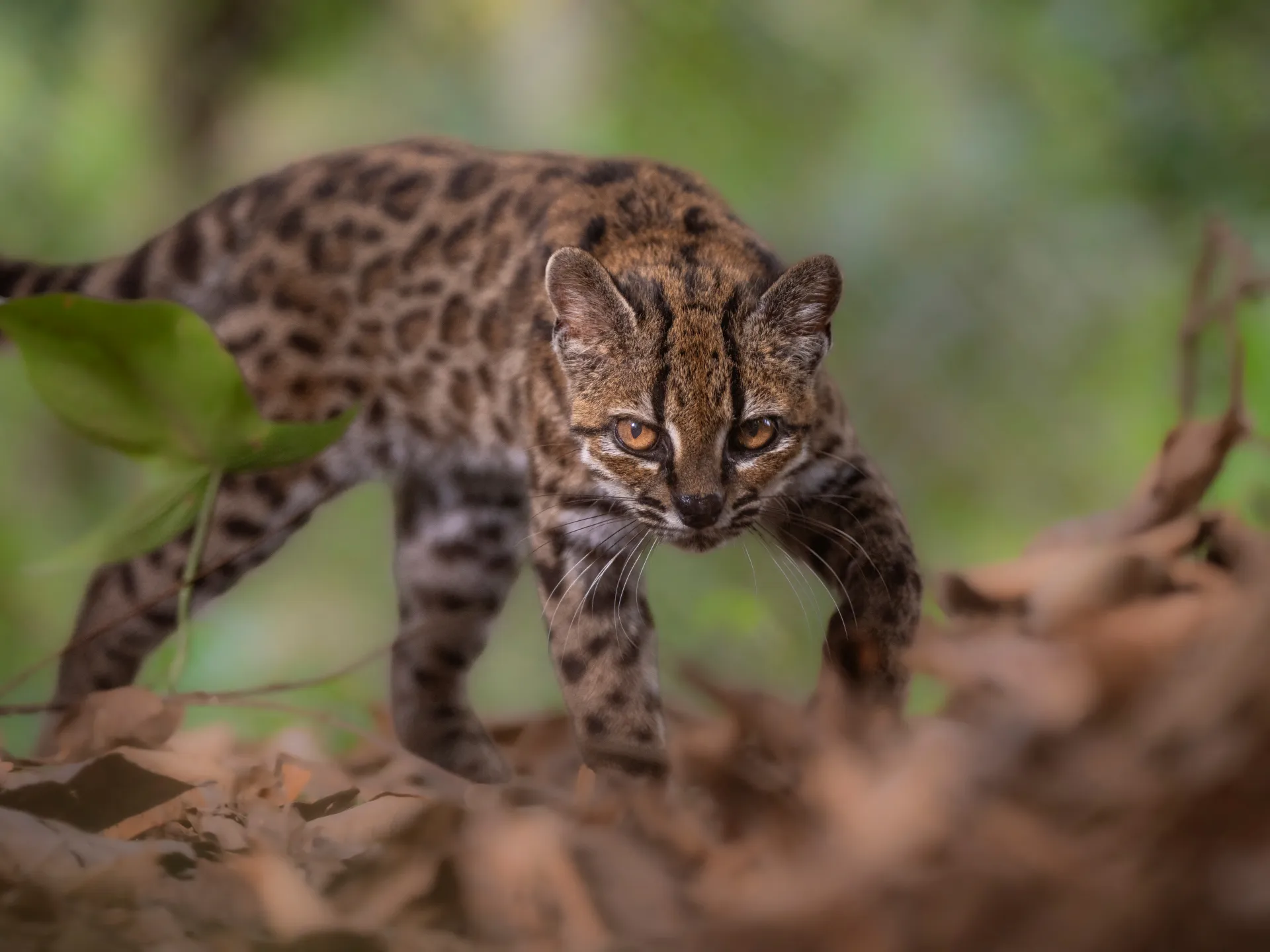
Researchers have identified a new species of wild cat, the Leopardus tilcayo, found in the forests of Bolivia, bringing new attention to the elusive tiger cat group.
The scientific community has recently confirmed the existence of a previously unknown wild cat species native to the dense forests of Bolivia. Known as the Leopardus tilcayo, this small feline has managed to evade formal identification for years tral America. The discovery emphasizes a critical gap in our understanding of biodiversity, illustrating that even in terrestrial environments, elusive mammals can remain hidden in plain sight.
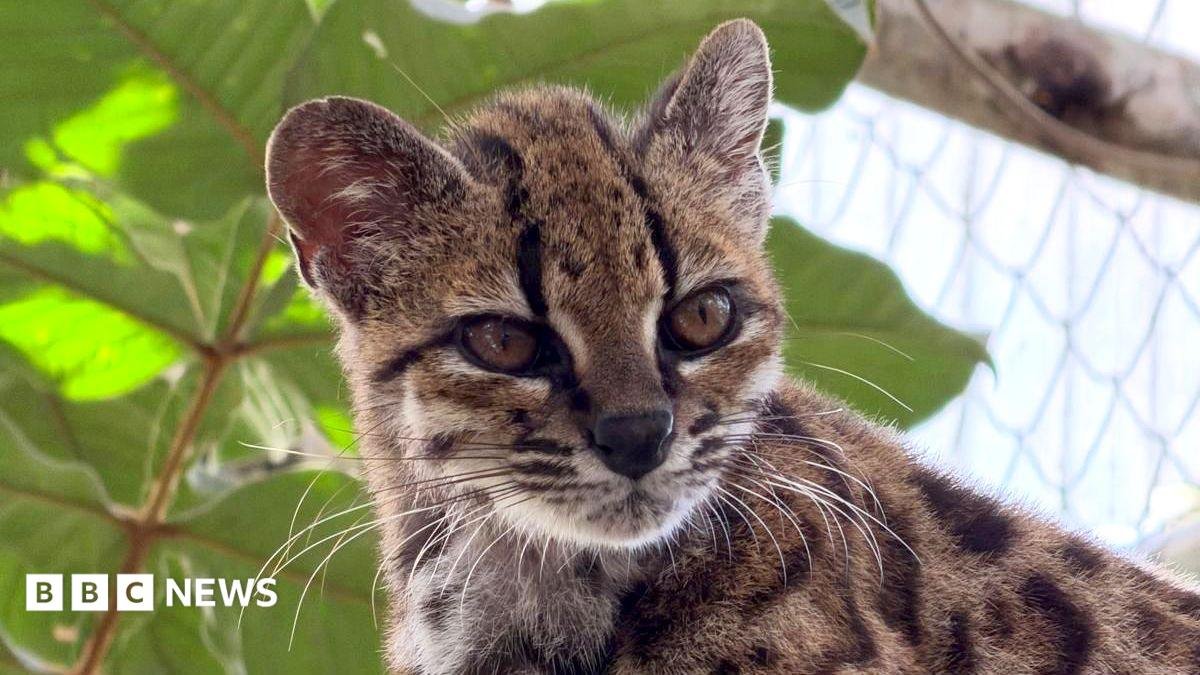
The identification of this species was sparked vian rescue sanctuary. Initially mistaken for a domestic cat, the feline—nicknamed 'Tigrino'—exhibited distinct wild instincts that prompted local researchers to investigate its origins. This chance encounter served as the catalyst for an extensive genetic study that ultimately differentiated the animal from its known relatives.
Tiger cats, a group of small, spotted wild felines ranging from Costa Rica to Argentina, have long presented a significant challenge for biologists. Due to their physical similarities and a lack of comprehensive museum specimens, these cats have been described h between the various populations, often grouping them together despite subtle genetic and environmental variations.
To solve this mystery, an international team of scientists utilized advanced DNA analysis, comparing samples from living animals and historical museum records. The resulting study, published in the journal Current Biology, suggests that the classification of tiger cats is more complex than previously thought. Instead of the three species traditionally recognized, the research indicates there may be as many as five distinct species, including the newly identified Leopardus tilcayo.
The confirmation of the Leopardus tilcayo is a major milestone, yet it brings to light the urgent need for conservation efforts. Because the species was previously unrecognized, it has been absent from official extinction risk assessments. Like their tiger cat relatives, these animals face significant threats from habitat fragmentation, widespread deforestation, and illegal hunting activities across their natural range.
Experts emphasize that effective conservation is impossible without accurate taxonomy. ted protection policies that address the specific needs of these populations. Protecting these small predators is essential for maintaining the ecological balance of the South American forest ecosystems they inhabit.
This discovery has broader implications for the Felidae family, which encompasses every recognized cat species on Earth, from the smallest domestic breeds to the largest apex predators. Before this study, the scientific community officially recognized 41 species of cats. With the addition of the Tilcaya cat and the reclassification of other tiger cat populations, the total count of recognized species is expected to rise to at least 44.
The finding serves as a powerful reminder of how much remains to be discovered regarding the world's mammalian diversity. While many believe that all large or medium-sized animals have already been cataloged, the case of the Leopardus tilcayo proves that significant biological secrets are still waiting to be revealed in the world's less-studied regions. Ongoing genetic research will likely continue to reshape our understanding of feline evolution and the intricate relationships within this diverse family of predators.