NASA expands its international space partnerships with Albania while deploying advanced telescopes to map the dark universe and observe galactic anomalies.
The convergence of advanced astrophysical observation and international regulatory frameworks marks a transition in how humanity interacts with the cosmos. While the deployment of next-generation hardware like the Roman Space Telescope provides the technical capability to map dark energy and exoplanets, the successful integration of nations like Albania into the Artemis Accords demonstrates the necessity of legal and diplomatic infrastructure to match these scientific gains. This dual-track approach—combining raw observational power with a standardized set of principles for exploration—suggests that the future of space science is increasingly defined
NASA’s recent launch of the Nancy Grace Roman Space Telescope from the Kennedy Space Center represents a significant leap in our capacity to survey the universe. According to the BBC, the telescope is designed to capture panoramic views with a field of vision 100 times larger than the Hubble or James Webb telescopes. Currently on a 100-day transit toward a vantage point one million miles from Earth, the Roman telescope is tasked with investigating dark energy and identifying potentially thousands of new exoplanets. Project manager Jackie Townsend confirmed the launch was successful, noting that the spacecraft separated from its SpaceX rocket approximately 30 minutes after liftoff.
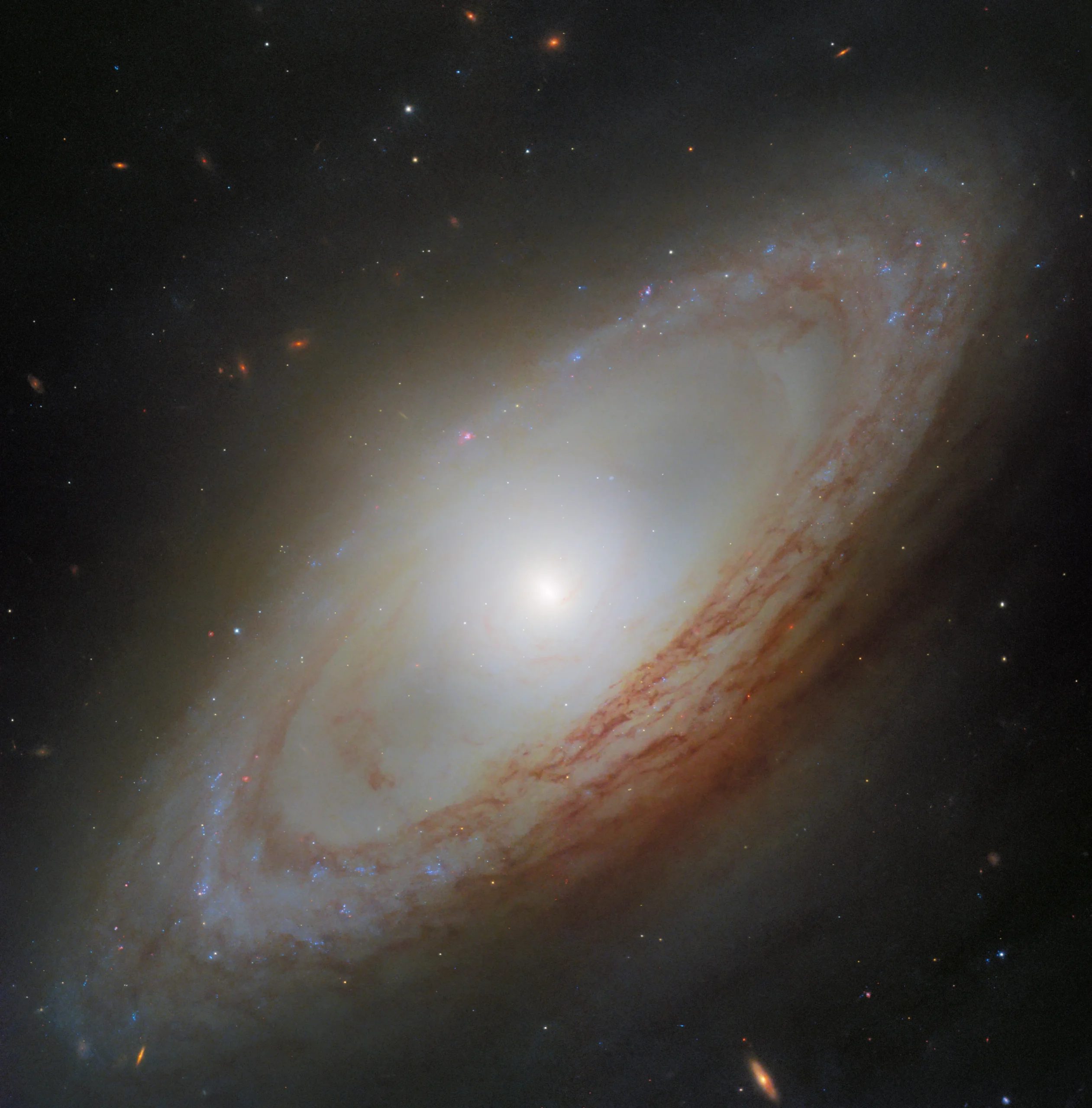
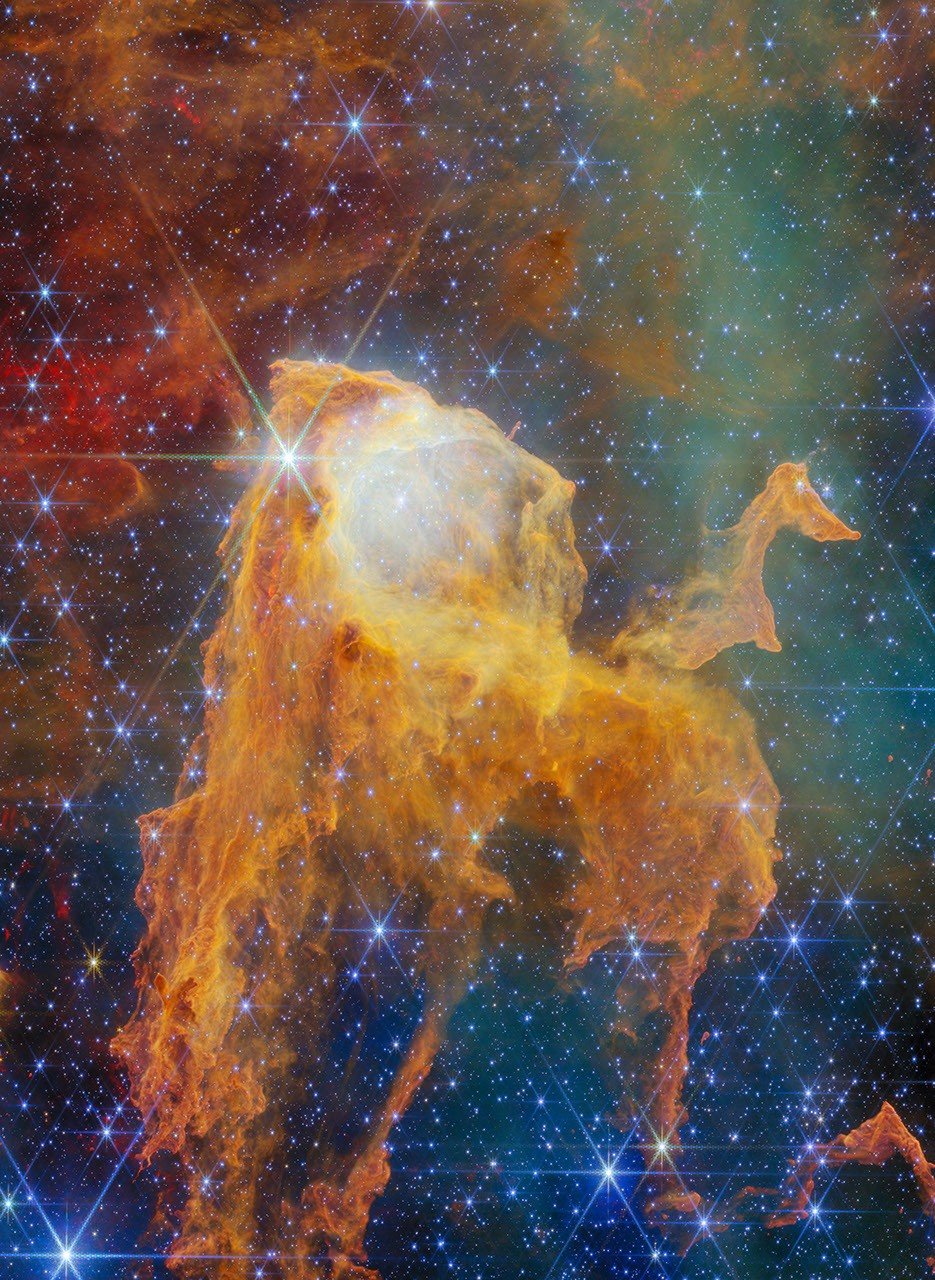
While the Roman telescope prepares to scan the deep universe, existing assets continue to refine our understanding of galactic formation. Recent images from the Hubble Space Telescope have highlighted the unusual nature of NGC 4698, a spiral galaxy located 55 million light-years away in the Virgo Cluster. As reported inner gas clouds rotate perpendicular to the outer disk. Astronomers believe this chaotic orientation may have been triggered captured material from an external source.
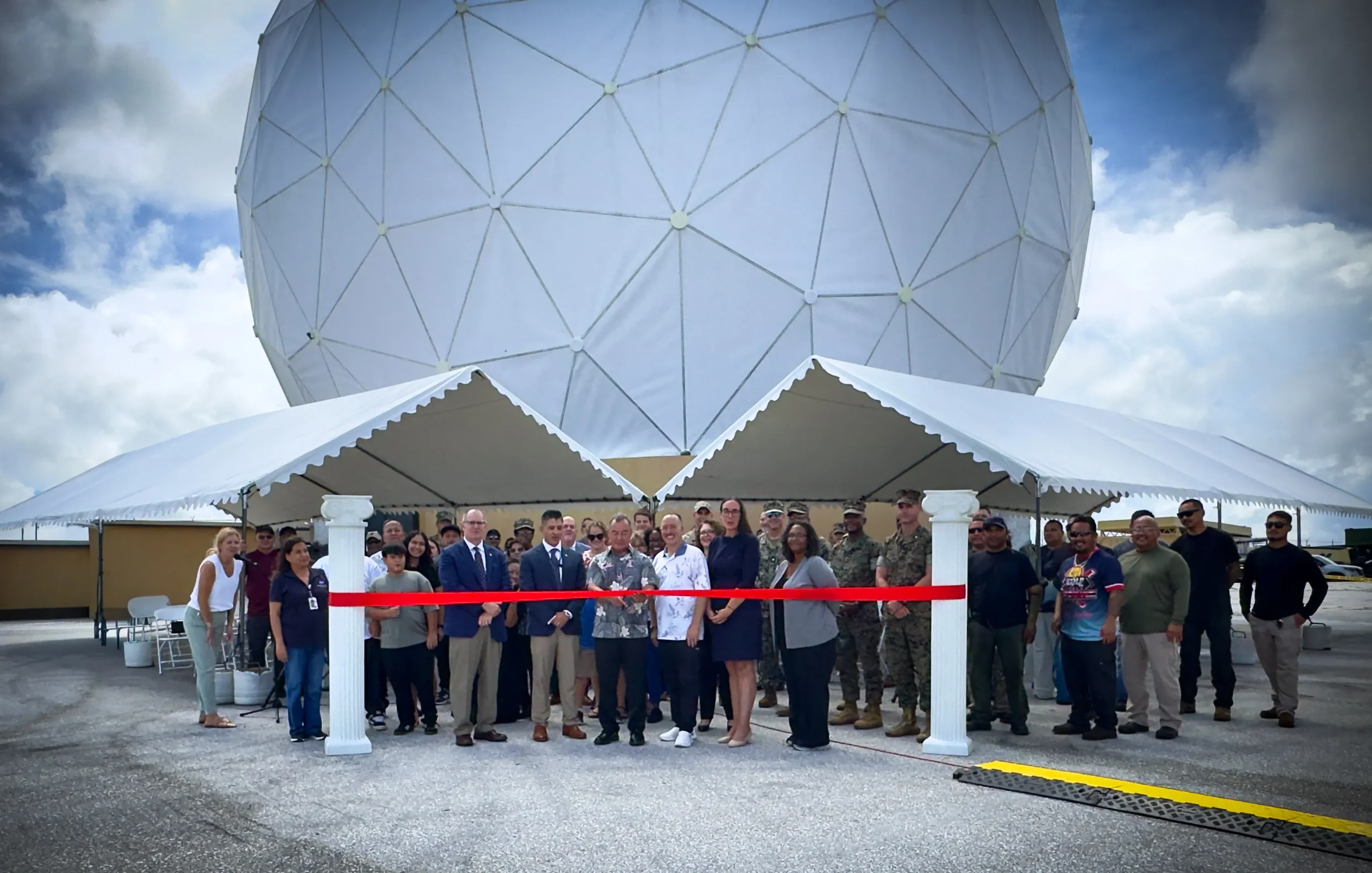
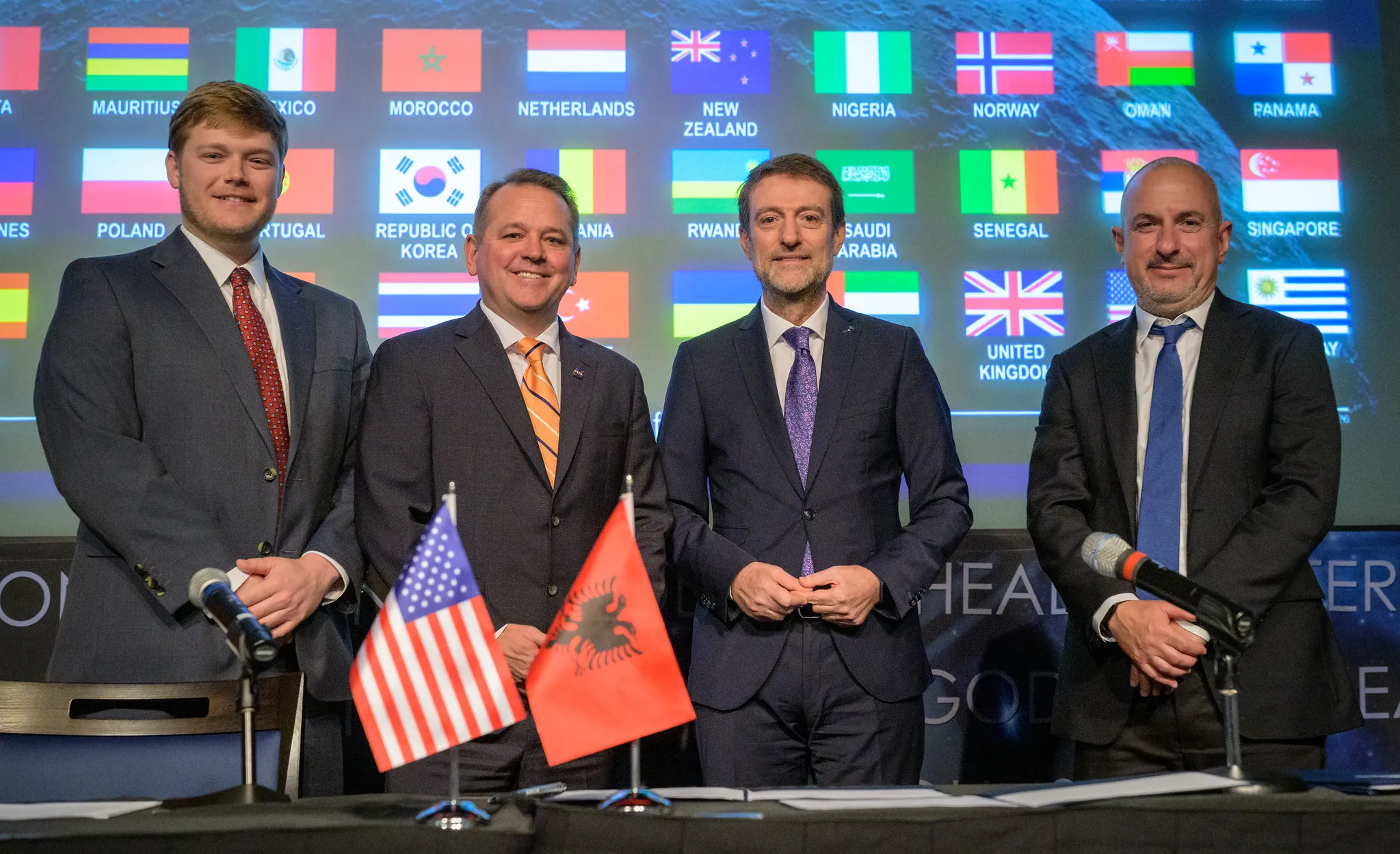
Complementing these technological advancements is the broadening of the Artemis Accords, a collaborative framework governing space exploration. On September 21, 2026, the Republic of Albania officially became the 73rd signatory to the agreement during a ceremony at NASA headquarters in Washington. NASA Deputy Administrator Matt Anderson emphasized the symbolic and practical importance of this addition, noting that it builds upon a century of bilateral relations between the U.S. and Albania. Minister for Europe and Foreign Affairs Ferit Hoxha, who signed on behalf of Albania, underscored his country's commitment to multilateral cooperation and the transparent use of space-based data.
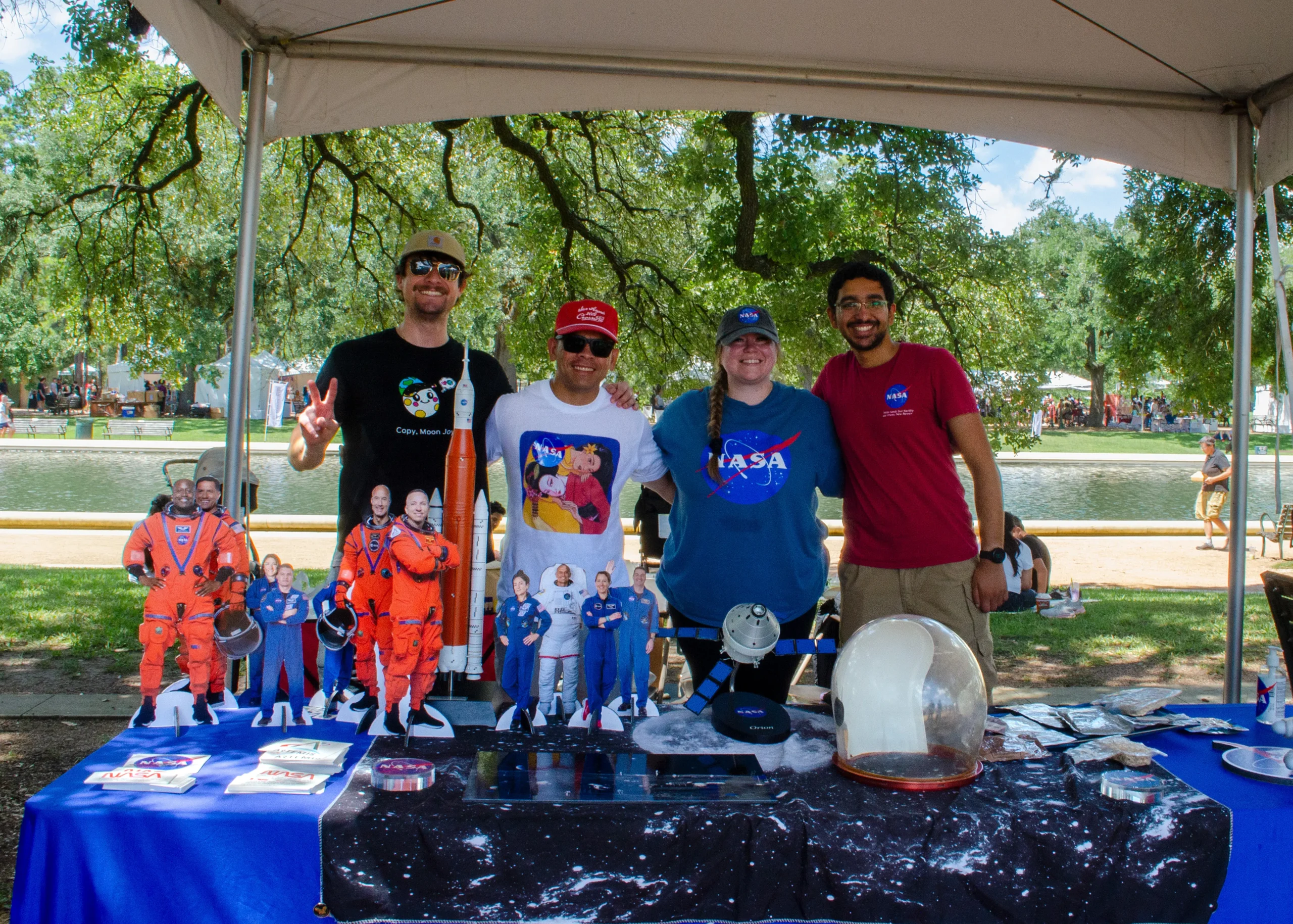
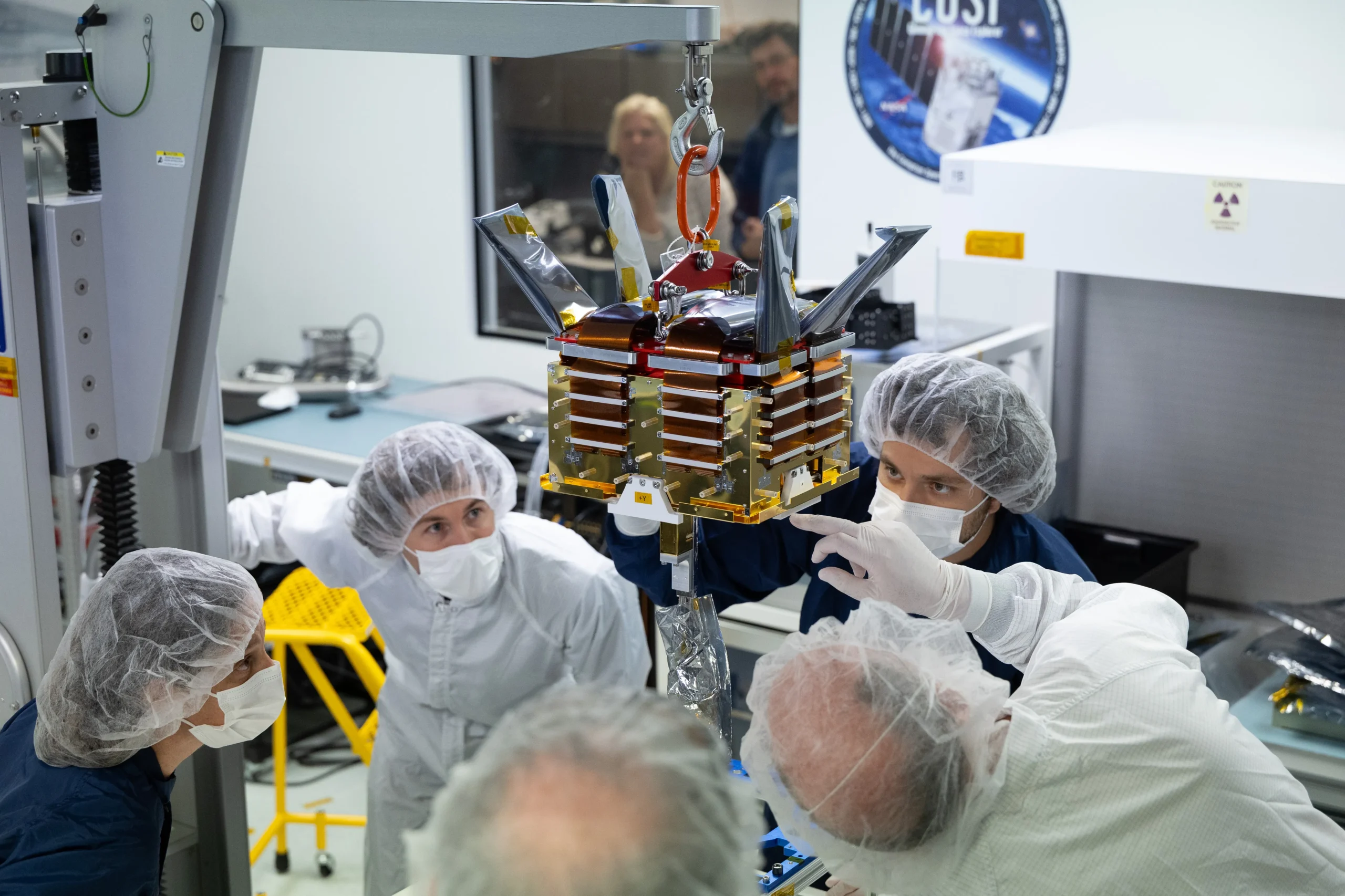
Albania’s involvement in the space sector is not limited to diplomatic accords. The nation previously demonstrated its growing capability X Falcon 9 mission in 2023. Beyond hardware, Albania has participated in the NASA Space Apps Challenge, a global initiative designed to foster innovation data.
The immediate future for NASA involves the complex, 100-day transit of the Roman telescope to its final observation point. Once operational, the data influx will likely test current cosmological models regarding dark energy. Simultaneously, the diplomatic trajectory established ly increase their participation in joint exploration initiatives. As the international community prepares for diverse events—ranging from the first Olympic event in Africa to the continued expansion of space partnerships—the integration of global policy and scientific research appears set to remain a defining theme of the coming months.