

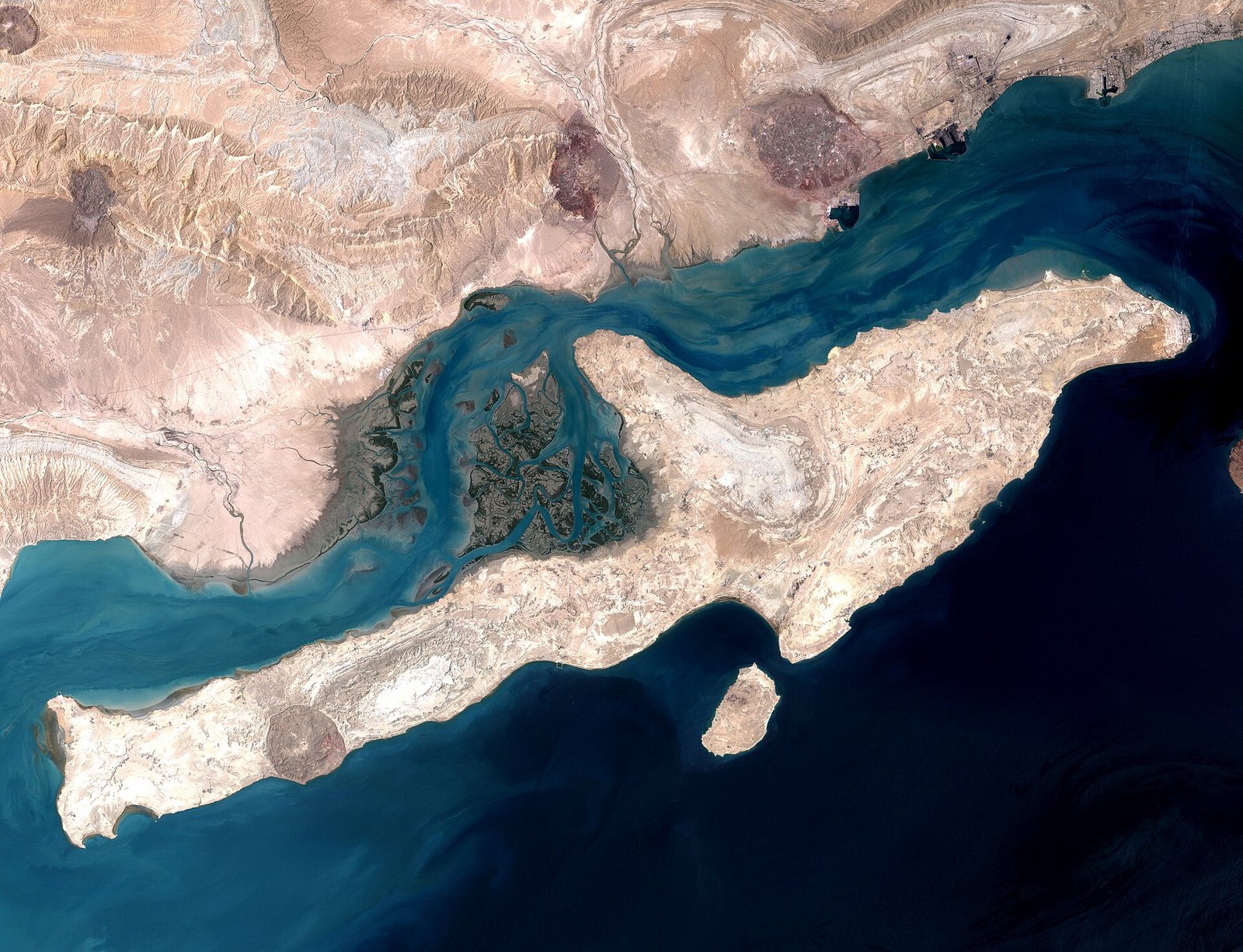
President Donald Trump has confirmed that the US military carried out new limited strikes on Iran on Friday, targeting an air defence system on Qeshm Island in the Strait of Hormuz — and described the operation as “minor” even as Tehran warned that any further attack would trigger retaliation without geographical limits.
Key Points
- US forces struck an Iranian air defence system on Qeshm Island on Friday, November 6.
- Trump said the target was “a little bit of an anti-aircraft device” destroyed “in about 15 minutes, maybe five”.
- Iranian state media reported two explosions in the Suza area of Qeshm Island.
- Iran says its forces shot down a US MQ-9 drone; the US has not confirmed the claim.
Speaking to reporters after arriving in West Palm Beach, Florida, on Friday evening, Trump said: “They built a little bit of an anti-aircraft device and we knocked it out in about 15 minutes, maybe five.” Iranian state media reported the sound of two explosions in the Suza area of Qeshm Island, a strategic island in the waterway through which a large share of the world’s oil shipments pass. The state news agency IRNA reported that two missiles had struck the island.
The strike is the first since Trump’s Republican Party was dealt a sweeping defeat in Tuesday’s midterm elections, and it follows what the US military described as defensive strikes on Monday, when explosions were heard on Qeshm and Hengam islands and near Bandar Abbas on the mainland. US officials have said most of Iran’s air defence systems were destroyed or severely degraded during Israeli bombardment in June 2025 and in the early stages of the current conflict, but they assess that Tehran has been trying to rebuild them. According to a report in The Telegraph on Friday, Iran has been negotiating a deal with Russia for the S-400 air defence system.
Iran warns of retaliation without limits
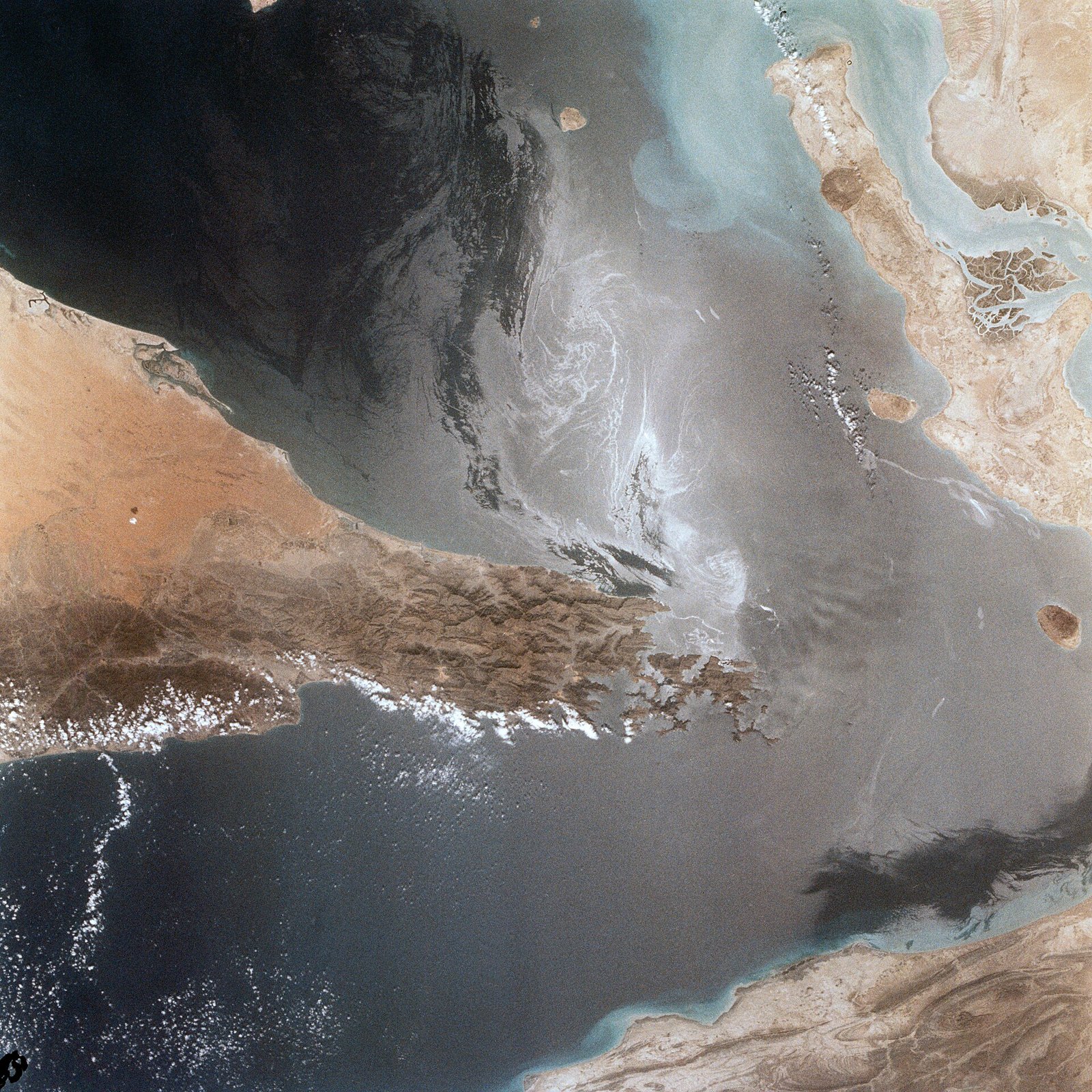
Iran’s military said in the early hours of Saturday that it had destroyed a US-made MQ-9 drone over Qeshm Island using a new system, while the Islamic Revolutionary Guard Corps separately claimed its air defences had intercepted an MQ-1 drone — reportedly the 16th aircraft of that model destroyed since the war began. The US did not confirm either claim. Iranian army spokesperson Mohammad Akraminia warned on Saturday that any fresh attack would trigger an immediate military response without geographical restrictions, saying Tehran’s armed forces were stronger than when the war began on February 28 and were prepared to target American military bases beyond the Middle East.
The fighting at sea has also intensified. At least 11 ships were attacked in and around the Strait of Hormuz in the week ending November 6, according to United Kingdom Maritime Trade Operations, which said three of them sank. Western military intelligence has recorded 88 projectile strikes since hostilities resumed in early July, although most attacks are going unreported.
Talks continue alongside the strikes
Despite the military action, both sides insist diplomacy is still alive. Trump said on Friday that “we are not fighting” and that the US had made “a lot of progress with Iran” in negotiations spearheaded by chief mediator Qatar. Qatari mediators have presented a proposal for a two-day “bridge deal” intended to reduce tensions and open the way to wider nuclear talks. Separately, the US is offering a $20 million reward, along with possible resettlement assistance, for information related to Iran’s nuclear programme.
This is the third American strike on Qeshm Island in five days, after operations on November 2 and the defensive strikes on Monday. For the earlier strikes, see our reports on Trump confirming the Qeshm Island strike earlier this week and US strikes on Qeshm Island as oil rebounded after peace hopes plunged. More in our World News section.
Sources: Associated Press via Gulf News, “US Launches Targeted Strikes on Iran Amid Nuclear Talks and Rising Tensions”; Al Jazeera, “Qeshm island and Hormuz hit, as mediators try to prevent US-Iran escalation”.