

Donald Trump has confirmed that the United States struck Iran, describing the attack on Qeshm Island as a minor operation — even as he warned of a possible “heavy hit” and Tehran said it was ready for battle.
Key Points
- Trump confirmed on Tuesday that US forces struck an anti-aircraft facility on Qeshm Island in the Strait of Hormuz, telling Fox News: “We watched it get built. As soon as it was completed, we hit it.”
- He called the strike a “minor attack” and said it “wasn’t war”, while also saying the US may have to do “something large” against Iran.
- Iran’s President Masoud Pezeshkian said Tehran still seeks a settlement through dialogue and that “no one will benefit from this war” if it reignites.
- Iran said four oil tankers caught fire after hitting mines while trying to cross the Strait of Hormuz on Wednesday.
Confirmation, then a warning
Tuesday’s confirmation ended a day of uncertainty. US media had reported a strike on Qeshm Island — the large island guarding the Strait of Hormuz — and on Tuesday morning Trump confirmed it in a Fox News interview, saying the facility had taken about two months to build and was hit as soon as it was completed.
US officials described the strike as limited and defensive, aimed at stopping Iran attacking commercial shipping. But Trump’s own language pointed in two directions at once: the strike was minor, he said, yet he also warned that Washington could launch a major strike involving a “heavy hit”, and said the Iran war had played a role in his party’s midterm defeat.
Tehran’s two messages
Iran’s response was similarly split. Chief negotiator Mohammad Bagher Ghalibaf said the Islamic republic was “ready for battle with its finger on the trigger”, and deputy foreign minister Kazem Gharibabadi said Iran retained the right to legitimate self-defence. President Pezeshkian struck a different note, saying his government was still trying to resolve the crisis through dialogue.
Mediator Qatar has stepped up efforts to bridge the differences, and Trump himself said on social media that “Iran wants a settlement, as soon as possible”. The gap between those statements — ready for battle, ready for talks — is where the next escalation, or the next deal, will be decided.
Tankers on fire in the strait
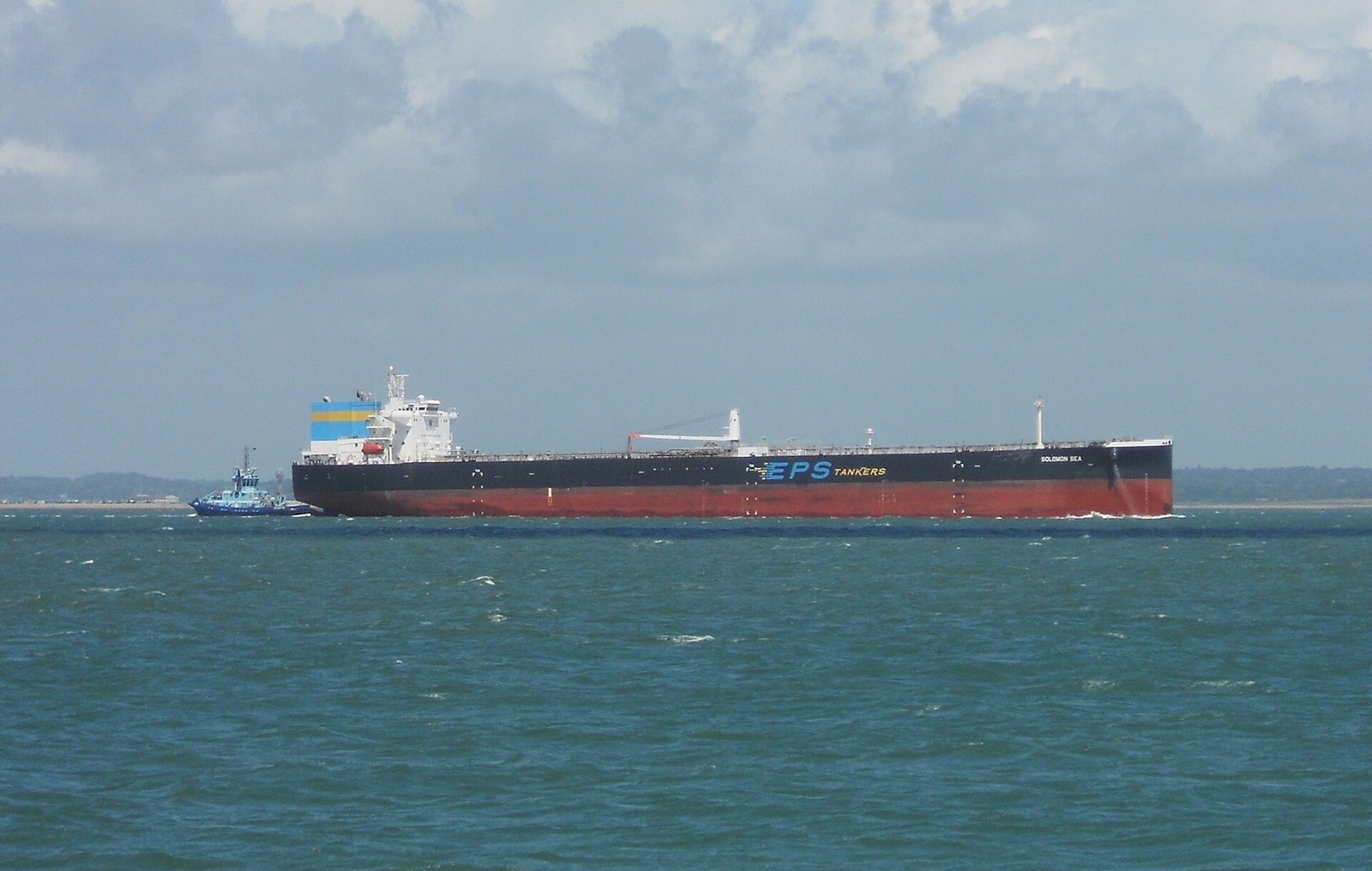
The danger in the waterway was underlined on Wednesday, when Iran said four oil tankers caught fire after hitting mines while attempting to cross the Strait of Hormuz. The strait previously carried about a fifth of global crude and gas supplies, and traffic has fallen sharply since the war began in late February 2026.
Oil markets reflected the tension: Brent crude traded around $104 a barrel early Wednesday, higher than Tuesday’s close, as traders weighed the strike, the tanker fires and the diplomatic track together.
What happens next
Attention turns to whether the Qeshm strike remains a one-off, and to the planned US meetings with Ukrainian and Russian delegations in Abu Dhabi on 10–11 November — a reminder that the region’s wars are increasingly negotiated in the same rooms. For now, both sides are talking about war and about talks in the same breath, and the strait remains the place where either could become real first.