

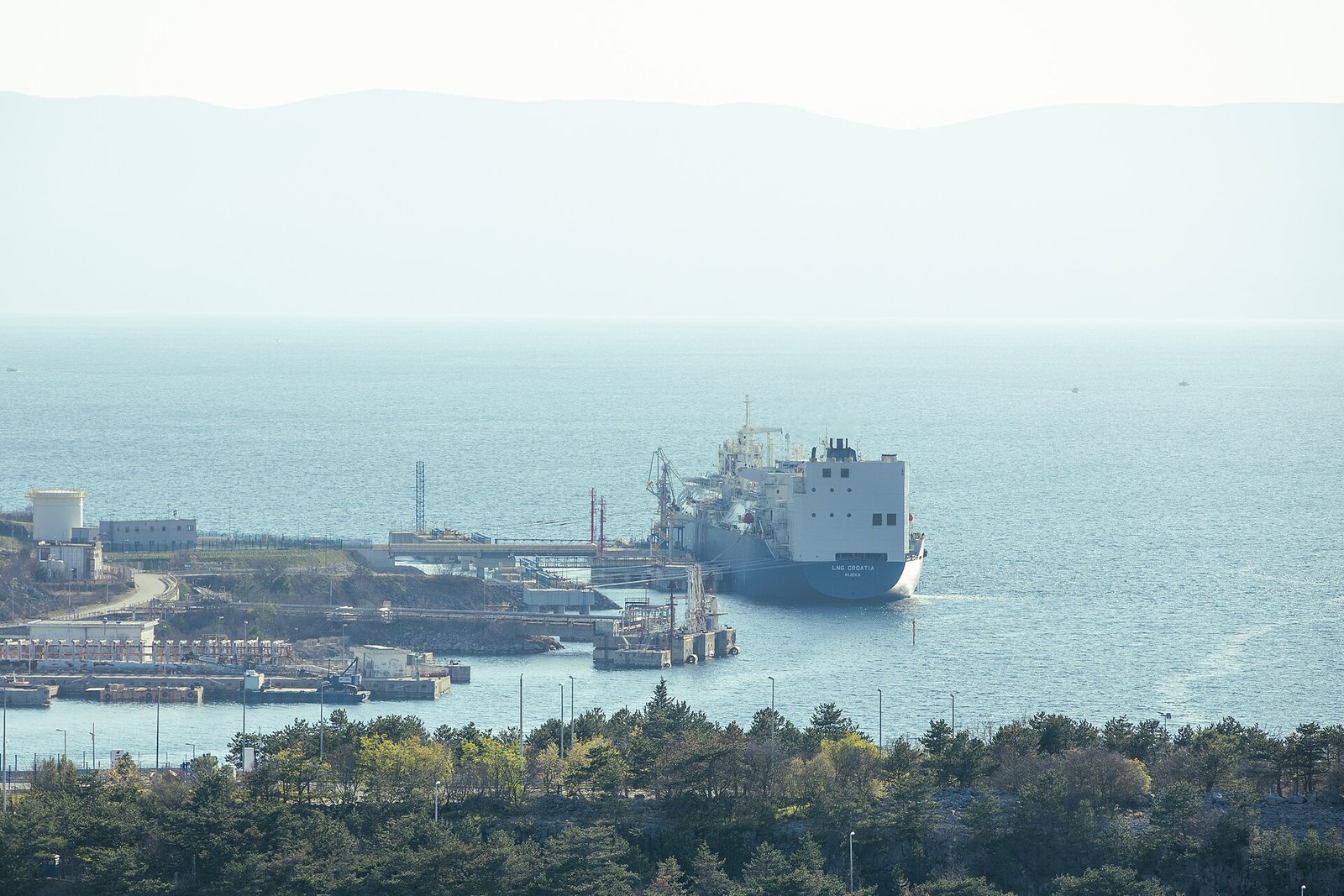
Oil prices whipsawed on Tuesday after a reported American strike on an Iranian island in the Strait of Hormuz collided with fresh hopes — and fresh doubts — about a deal to end a war now in its ninth month.
Key Points
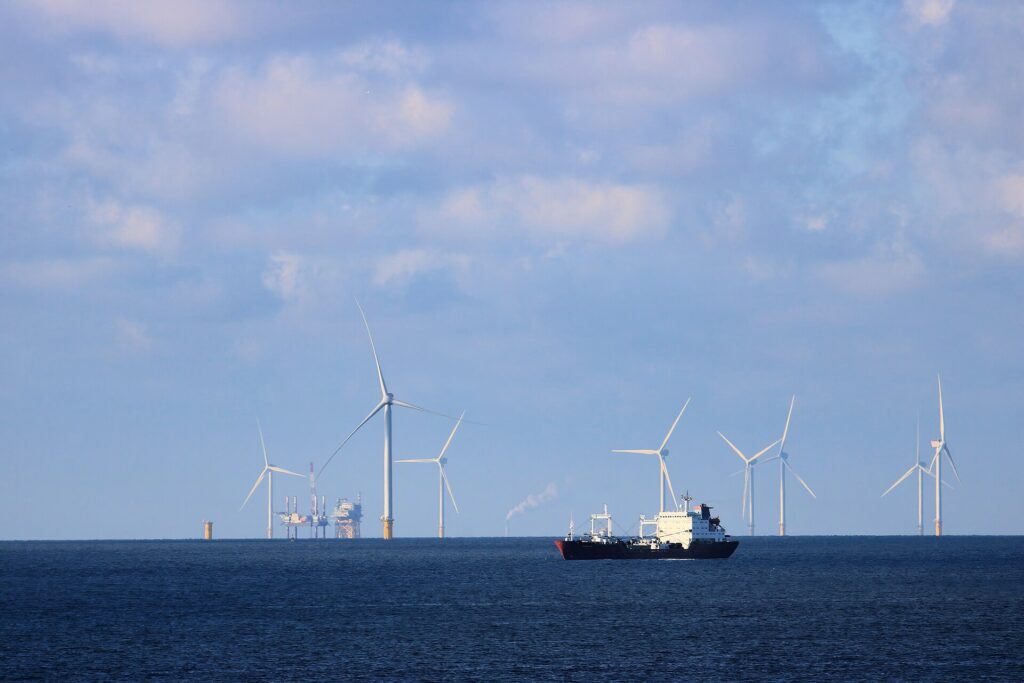
- The US struck Iran’s Qeshm Island in the Strait of Hormuz, the Wall Street Journal reported, citing US officials; some officials described the assaults as defensive, aimed at stopping Iran attacking commercial ships.
- Brent crude rose 48 cents to $105.25 a barrel in early Tuesday trading, and later traded up 1.6%, after settling $8.66 (7.63%) lower on Monday at $104.77.
- The US–Iran conflict began in late February 2026 and has sharply reduced traffic through the strait, which previously carried about a fifth of global crude and gas supplies.
A strike, and a market that cannot decide
The reported strike on Qeshm Island — a large island guarding the narrow waterway through which Gulf oil reaches the world — came as the latest turn in a conflict that has repeatedly sent energy markets lurching. Reuters reported the strike on Tuesday, noting that some US officials framed the action as defensive, intended to prevent Iranian attacks on commercial shipping in the strait.
The market reaction told its own story. Brent, the global benchmark, climbed back above $105 in early trading after Monday’s steep fall, while US West Texas Intermediate rose 47 cents to $96.93. Monday’s plunge had followed word from Tehran that contacts with Washington to end the war were continuing, after Qatari-mediated talks — a hint of diplomacy that traders seized on, only for Tuesday’s strike report to remind them how fragile that hope remains.
The war behind the prices
The conflict, which began in late February 2026, has transformed one of the world’s most important shipping lanes. Before the war, roughly a fifth of the world’s crude and gas supplies passed through the Strait of Hormuz; since then, traffic has fallen sharply as tankers have been hit, threatened or rerouted, and insurers have priced the risk into every voyage.
That is why a single island matters to drivers and households far from the Gulf. When the strait is unsafe, oil becomes more expensive to move, and the premium feeds through to petrol, heating and food prices worldwide — which is why every report of a strike, and every rumour of a deal, moves the price within minutes.
Two voices, two directions
The confusion is compounded by mixed signals from both capitals. President Donald Trump said on Monday that he doubted he would follow through on a threatened resumption of strikes, and said a deal with Tehran could happen. An Iranian official was separately reported saying a deal remained far off. Both statements cannot be fully true at once, and markets are pricing the gap between them.
What happens next
Attention now turns to whether the Qeshm strike is a one-off defensive action or the start of a wider round of attacks — and to the separate diplomatic track, with US delegations from Ukraine and Russia due to meet in Abu Dhabi on 10–11 November, a reminder that the region’s wars are increasingly negotiated in the same rooms. For oil markets, the next headline out of the Gulf will matter more than any forecast.
Related coverage: tankers have been hit · World News · the war
Sources
- Reuters — Reuters
- Reuters markets — Reuters markets