

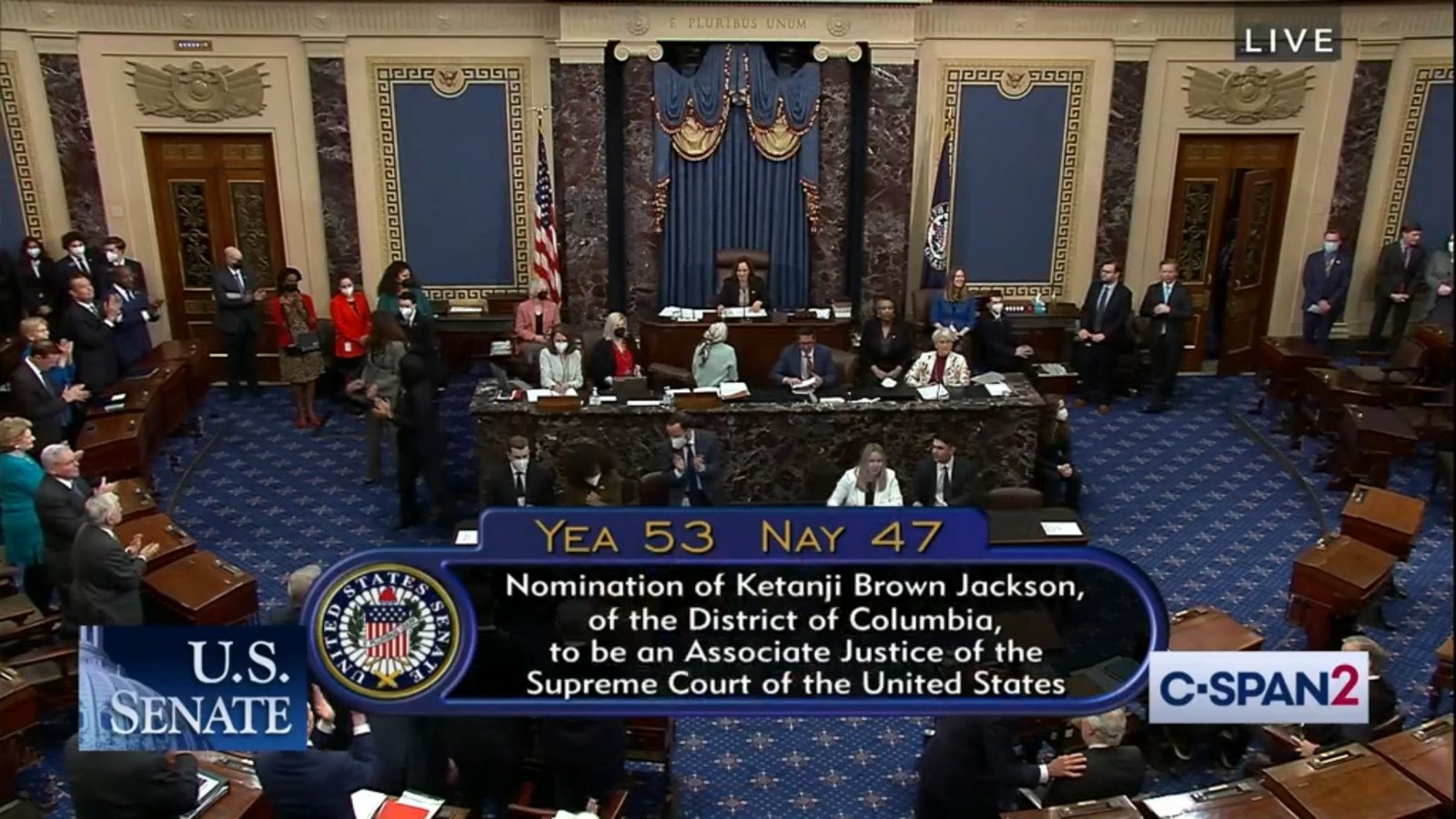
The United States Senate has voted 60-40 to end the longest government shutdown in American history, passing a bipartisan funding package late on Monday night and sending it to the House of Representatives for a vote expected on Wednesday evening.
Key Points
- Senate passes shutdown deal — the Senate voted 60-40 on Monday night to pass a bipartisan funding package ending the 41-day shutdown.
- Eight Democrats broke ranks to back the deal, including seven Democratic senators and independent Angus King.
- The package funds most of the government through 30 January and gives three departments full-year funding through 30 September.
- The House, out of session since 19 September, is expected to vote on Wednesday evening, after which President Donald Trump can sign the bill.
The shutdown began on 1 October and has now lasted 41 days, leaving hundreds of thousands of federal workers unpaid, delaying food aid for millions of families and disrupting air travel across the country. The Senate vote on Monday night was the breakthrough after six weeks of failed attempts — 14 earlier procedural votes on the House-passed funding bill had gone nowhere.
The deal was brokered over the weekend by Senate Majority Leader John Thune, Senate Appropriations Chair Susan Collins and White House negotiators, together with the centrist Democrats who ultimately backed it. The eight who crossed the aisle were Jeanne Shaheen, Dick Durbin, Tim Kaine, Maggie Hassan, Jacky Rosen, Catherine Cortez Masto and John Fetterman, plus independent Angus King, who caucuses with the Democrats.
What the deal contains
The package uses the House-passed stopgap bill as its vehicle and combines it with three full-year spending bills. It funds most of the federal government through 30 January, giving lawmakers more time to negotiate full-year spending bills for the rest of the fiscal year. Three areas receive full-year funding through 30 September: the Agriculture Department, including the Food and Drug Administration; the Department of Veterans Affairs and military construction; and the legislative branch.
The measure also reverses layoffs of federal workers made during the shutdown and guarantees retroactive pay for those who were furloughed. The one major issue it does not resolve is health care. It does not extend the Affordable Care Act subsidies that are due to expire at the end of December, which had been the central demand of Senate Democrats throughout the shutdown. Majority Leader Thune has promised the Senate will vote by mid-December on extending the premium tax credits.
What happens next
The Senate vote does not reopen the government by itself. The bill still needs to pass the House, which has not been in session since 19 September. When it reconvenes on Wednesday it will be the House’s first time in session in 54 days. House Speaker Mike Johnson has told lawmakers to return to Washington, giving them 36 hours’ notice, and has said he expects the bill to pass quickly. The House Rules Committee must first advance the measure, and the full House is expected to hold a final vote on Wednesday evening.
If it passes, as expected, the president is likely to sign the bill the same night — he has already endorsed the legislation — and the government will reopen within hours, with furloughed workers returning and back pay following. The end is in sight, but it is not official yet: until the House votes, the longest shutdown in American history is still running.
For background on what a shutdown closes and what stays open, see our explainer on what happens during a government shutdown, and on Democrats sweeping the midterms to win the House and Senate. More in our Politics section.
Sources: The Well News, “Senate Advances Bill to End Shutdown, House Vote Slated for Wednesday”; Bloomberg via The Edge, “US Shutdown Nears End as Senate Passes Deal, House Readies Vote”.