

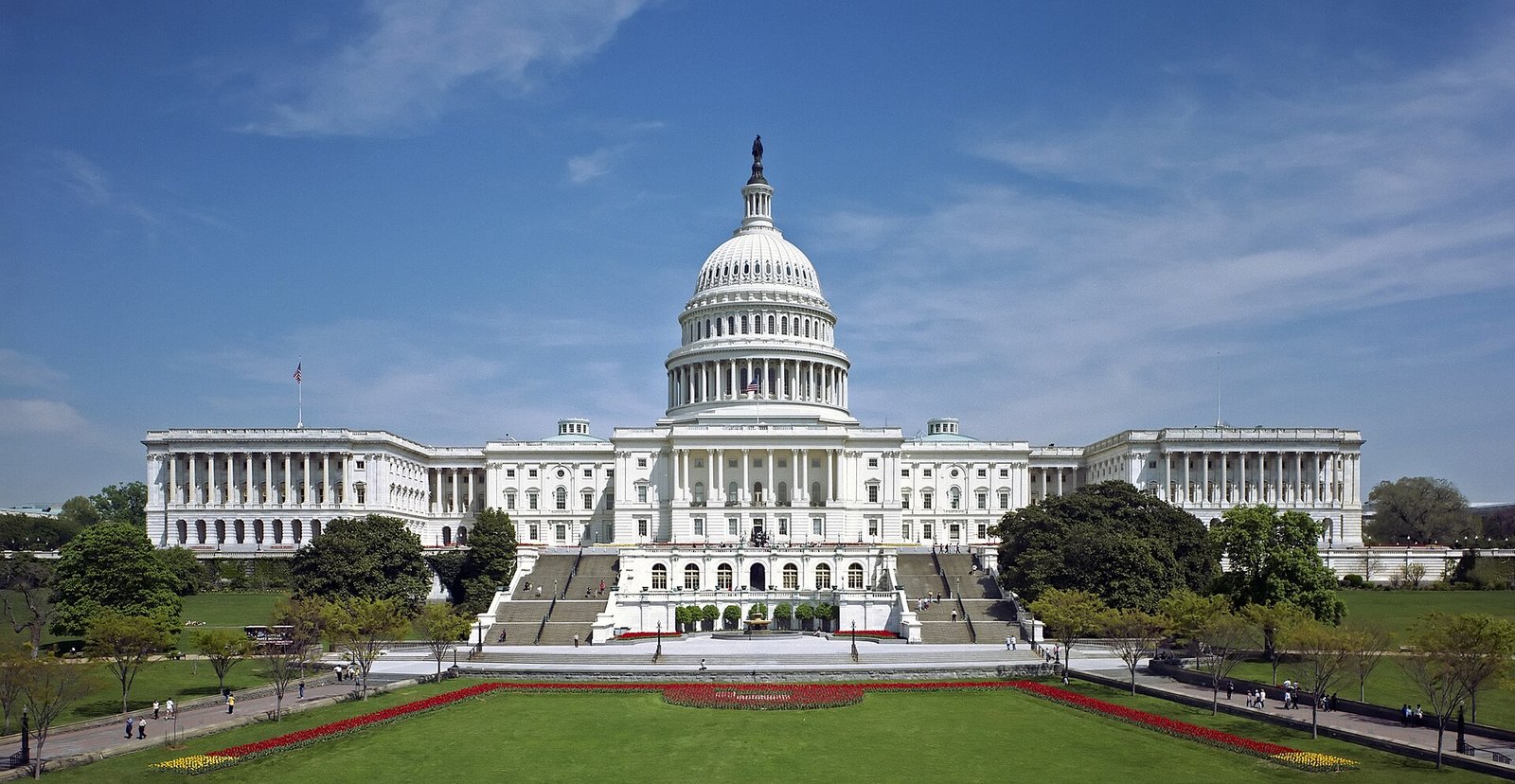
When the money runs out in Washington, the federal government does not stop all at once — it splits in two. Benefit payments keep landing and planes keep flying, while national parks lock their gates and hundreds of thousands of federal workers are sent home without pay. The United States has been through this 23 times since 1976, most recently in late 2025 and early 2026. Here is what actually happens, drawn from the Congressional Research Service (CRS) and the Congressional Budget Office (CBO).
Where things stand (November 3, 2026): no shutdown is in effect. Congress funded all agencies through December 11, 2026 with a stopgap law signed on September 2 — so the next shutdown, if lawmakers miss that deadline, would begin on December 12.
Key points
- A shutdown begins when Congress and the President fail to enact the annual spending bills or a stopgap, leaving a funding gap. Under the Antideficiency Act, agencies must then halt work not essential to protecting life and property.
- Social Security, SSI and Medicare payments continue, the mail is unaffected, and air traffic controllers, airport screeners, the military and federal law enforcement keep working.
- National park visitor centres, Smithsonian museums and most routine federal services close or pause; federal courts run a few weeks on fee balances, then hear essential cases only.
- SNAP food benefits already issued are safe, but a lapse stretching into a new month puts that month’s benefits at risk — in 2025 they were reduced before funding returned.
- Federal employees are either furloughed (sent home) or excepted (kept working). Neither is paid during the lapse; by law, both must be paid afterwards.
- Shutdowns do not save money: CBO put the 2025 shutdown’s permanent cost at about $11 billion in lost output.
What is a government shutdown?
The federal fiscal year runs from October 1 to September 30, and most agencies are funded by 12 annual appropriations bills. If those bills are unfinished in time, Congress usually passes a continuing resolution (CR) — a stopgap that keeps agencies running at existing levels while negotiations continue.
A shutdown starts when neither the bills nor a stopgap is enacted and the old money expires. That interval is called a funding gap (or lapse in appropriations). A gap can open on October 1, or later when a CR runs out.
The reason a gap forces closures is a law called the Antideficiency Act, which bars agencies from spending or committing money Congress has not appropriated. In opinions issued in 1980–81, Attorney General Benjamin Civiletti concluded that during a gap agencies may only carry on work authorised by law, required by the Constitution, needed for the orderly shutdown itself, or involving “the safety of human life or the protection of property.” Everything else must stop.
Two features shape every shutdown. First, it can be partial: if some of the 12 bills have passed, only the unfunded agencies close — the 2018–19 shutdown covered 7 of the 12 bills; the long 2026 lapse covered just one department, Homeland Security. Second, each department follows its own contingency plan, coordinated by the Office of Management and Budget, sorting staff into “excepted” (keep working), “exempt” (paid from other sources) and “furloughed” (sent home).
What closes and what stays open
The dividing line is how a service is paid for, not how important it is. Services funded by permanent law or by their own fees keep going; services paid for by the annual bills stop or shrink.
| Service | During a shutdown | Why |
|---|---|---|
| Social Security and SSI payments | Continue, on the usual dates | Paid under permanent law, outside the annual bills |
| Medicare and Medicaid | Continue | Mandatory spending; coverage and claims carry on |
| Mail delivery (US Postal Service) | Normal service | The Postal Service funds itself from sales, not taxes |
| Air traffic control and TSA screening | Staff stay on duty (unpaid until funding returns) | Excepted work — safety of life |
| Military and federal law enforcement | On duty; pay can be delayed | Excepted work — safety and property |
| Veterans’ hospitals and benefits | Open; benefits continue | VA health care and benefit delivery continue under its plans |
| Federal courts | Open for the first weeks, then essential cases only | Courts first spend fee balances (about two to three weeks); afterwards only constitutional, essential work |
| Passports and visas | Processing continues; waits can grow in a long lapse | Consular operations are largely fee-funded |
| SNAP food benefits | Current month safe; the next month is at risk | Benefits are an entitlement but are paid through annual funding; in 2025 November benefits were cut before funding returned |
| National parks | Staffed facilities close; open-air areas may stay accessible, unstaffed | Decided site by site under Park Service contingency plans |
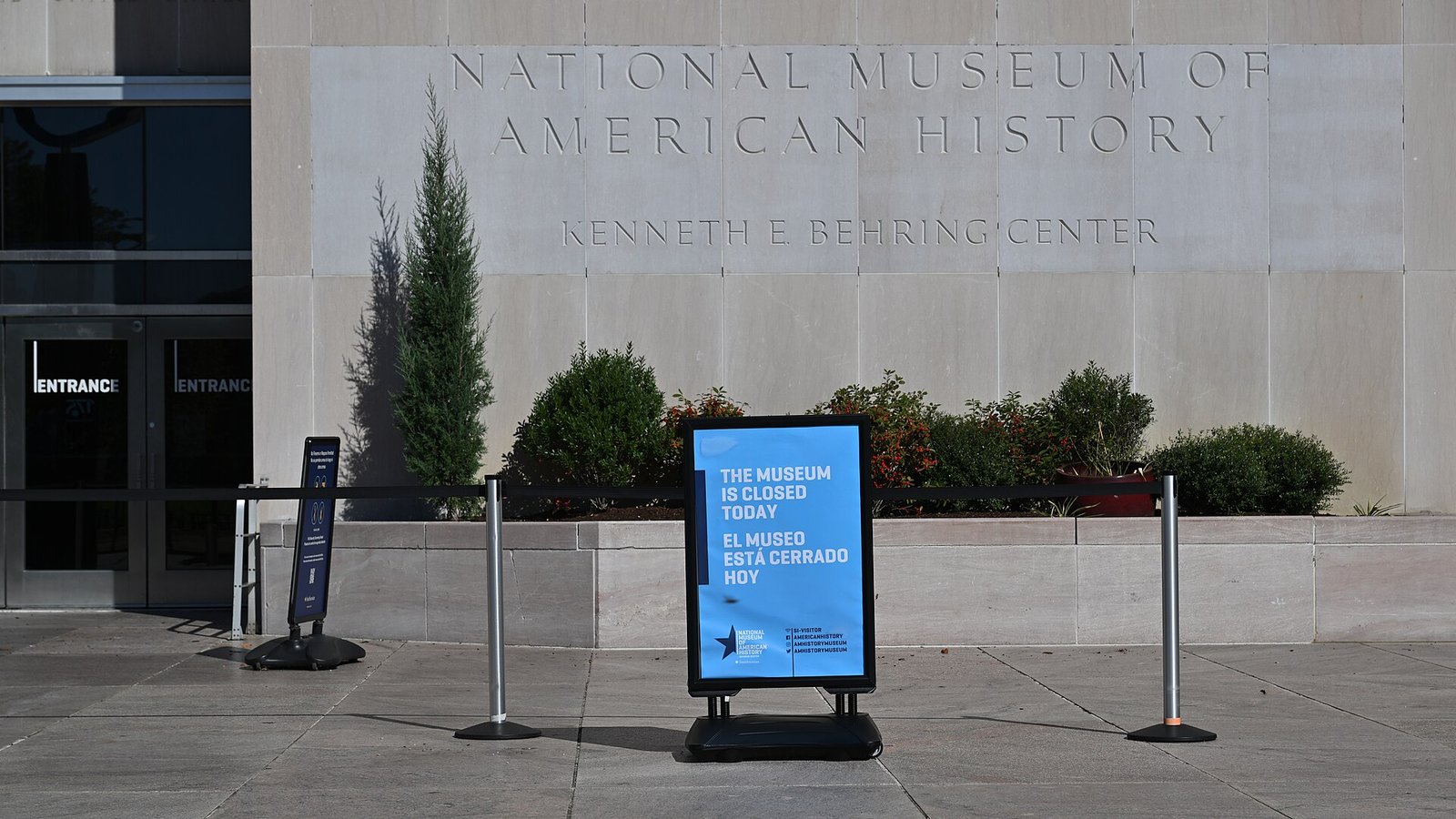
| Smithsonian museums and the National Zoo | Close once reserve funds run out | Funded by annual appropriations |
| Grants, permits, routine inspections and research | Pause | Non-excepted work must stop by law |
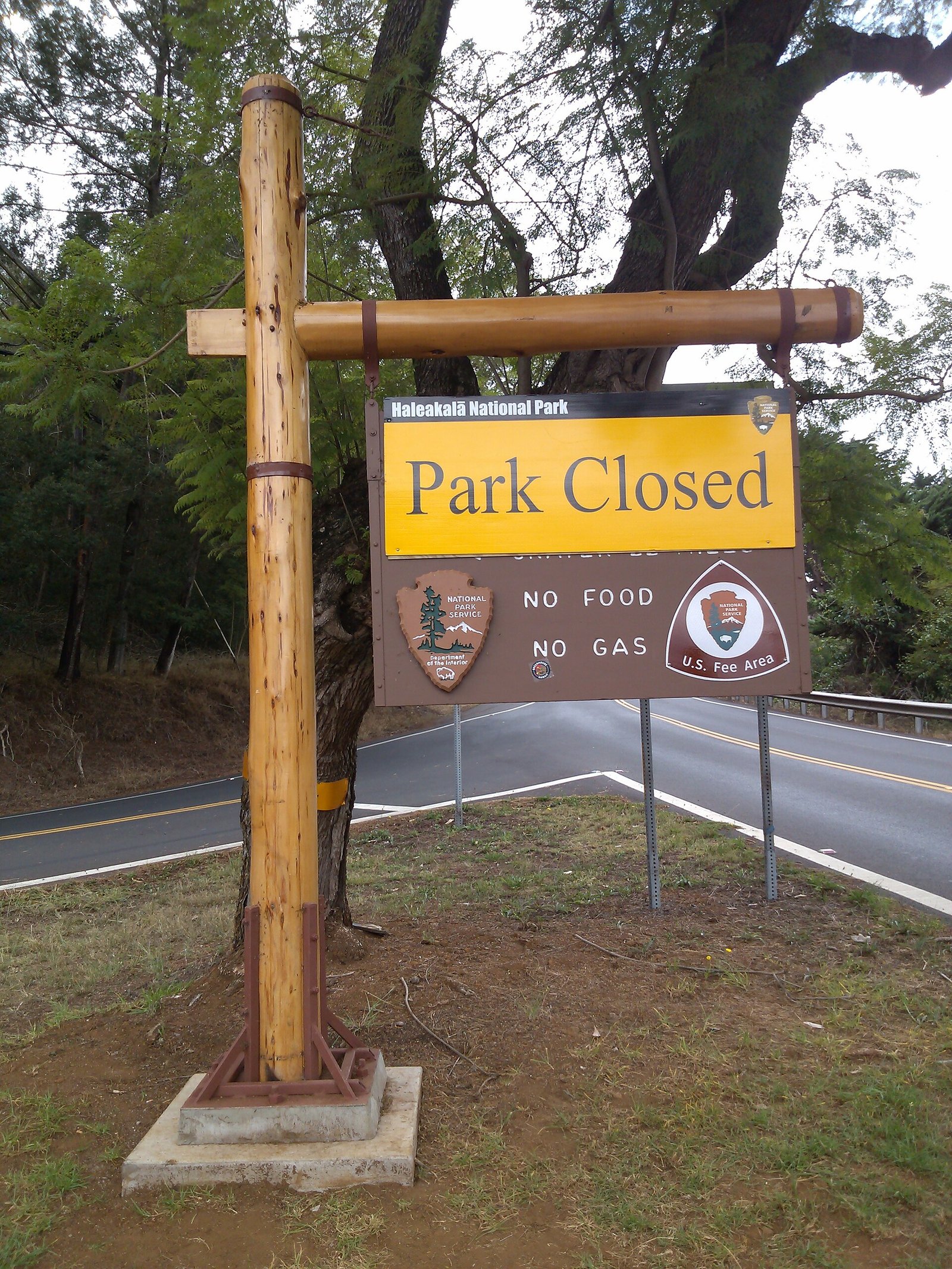
Expect variation. In 2013 the national parks closed outright; in 2018–19 most stayed open but unstaffed, with predictable results for trash and restrooms. The pattern above is what agency plans provide for; each administration applies them with some discretion.
Do Social Security and Medicare checks continue?
Yes — the question readers ask first in every shutdown, and the answer has held in all of them. Social Security retirement, disability (SSDI), survivor and SSI payments are mandatory spending with permanent funding authority, so a lapse in the annual bills does not touch them. In both the 2025 and 2026 lapses, the Social Security Administration stated that payments would continue with no change in payment dates — and they did. Our 2026 Social Security payment schedule lists every payment date for the year.
The Administration itself does feel a shutdown, because its operating budget is one of the annual bills. Field offices stay open and keep taking applications, holding hearings and issuing cards, but with reduced staffing and some services paused — during the February 2026 lapse, benefit-verification letters and earnings-record corrections were suspended in person. Medicare and Medicaid, also mandatory programs, likewise continue uninterrupted.
Every US funding gap since 1976
CRS has counted 23 funding gaps since the modern budget calendar began with fiscal year 1977. Before the Civiletti opinions of 1980–81, agencies usually kept operating through gaps, so early entries closed little or nothing. Durations below are CRS’s count of full days with no budget authority — news reports often give a figure one higher by counting both the first and last calendar days, which is why the 2025 shutdown is usually described as 43 days and the 2018–19 shutdown as 35.
| Began | Funding restored | Full days | President | Notes |
|---|---|---|---|---|
| Oct 1, 1976 | Oct 11, 1976 | 10 | Gerald Ford | Pre-shutdown era; agencies kept operating |
| Oct 1, 1977 | Oct 13, 1977 | 12 | Jimmy Carter | Three gaps fell in fiscal 1978 |
| Nov 1, 1977 | Nov 9, 1977 | 8 | Jimmy Carter | |
| Dec 1, 1977 | Dec 9, 1977 | 8 | Jimmy Carter | |
| Oct 1, 1978 | Oct 18, 1978 | 17 | Jimmy Carter | Longest of the pre-1980 gaps |
| Oct 1, 1979 | Oct 12, 1979 | 11 | Jimmy Carter | |
| Nov 21, 1981 | Nov 23, 1981 | 2 | Ronald Reagan | First gap after the Civiletti opinions |
| Oct 1, 1982 | Oct 2, 1982 | 1 | Ronald Reagan | |
| Dec 18, 1982 | Dec 21, 1982 | 3 | Ronald Reagan | |
| Nov 11, 1983 | Nov 14, 1983 | 3 | Ronald Reagan | Holiday weekend; no disruption reported |
| Oct 1, 1984 | Oct 3, 1984 | 2 | Ronald Reagan | Two gaps in fiscal 1985 |
| Oct 4, 1984 | Oct 5, 1984 | 1 | Ronald Reagan | |
| Oct 17, 1986 | Oct 18, 1986 | 1 | Ronald Reagan | |
| Dec 19, 1987 | Dec 20, 1987 | 1 | Ronald Reagan | |
| Oct 6, 1990 | Oct 9, 1990 | 3 | George H. W. Bush | Columbus Day weekend |
| Nov 14, 1995 | Nov 19, 1995 | 5 | Bill Clinton | About 800,000 furloughed across the two 1995–96 gaps |
| Dec 16, 1995 | Jan 6, 1996 | 21 | Bill Clinton | The modern record until 2018 |
| Oct 1, 2013 | Oct 17, 2013 | 16 | Barack Obama | Government-wide |
| Jan 20, 2018 | Jan 22, 2018 | 2 | Donald Trump | Weekend gap |
| Dec 22, 2018 | Jan 25, 2019 | 34 | Donald Trump | Partial — 7 of 12 bills unfunded |
| Oct 1, 2025 | Nov 12, 2025 | 42 | Donald Trump | Government-wide — the longest full shutdown on record |
| Jan 31, 2026 | Feb 3, 2026 | 3 | Donald Trump | Partial — six bills lapsed |
| Feb 14, 2026 | Apr 30, 2026 | 75 | Donald Trump | Homeland Security only — the longest single gap in CRS’s table |
Fiscal 2026 alone contained three gaps totalling 120 days — a year without precedent in the CRS record.
What happens to federal workers
Shutdowns divide the federal workforce into two groups, and neither is paid while the lapse lasts.
Furloughed employees are sent home and legally barred from working — they may not even volunteer, because the Antideficiency Act generally forbids agencies from accepting voluntary services. Excepted employees keep working because their jobs protect life and property or are required by law: air traffic controllers, federal agents, hospital staff, the military. Approved paid leave is cancelled for the duration. The scale is large: about 800,000 employees were affected in 2018–19, some 340,000 of them furloughed; CBO put the 2025 furlough total at about 750,000.
Payday comes only after the shutdown ends. Before 2019, back pay depended on Congress granting it each time. The Government Employee Fair Treatment Act of 2019 (GEFTA) wrote the guarantee into law: under 31 U.S.C. §1341(c), furloughed employees “shall be paid” for the lapse period and excepted employees for work performed, at their standard rate, “at the earliest date possible after the lapse in appropriations ends.”
One honest complication: in 2025 the administration questioned whether that guarantee operates automatically for furloughed staff, and OPM’s January 2026 guidance says “Congress will determine via legislation whether furloughed employees receive pay for furlough periods.” The statute itself is unchanged, and the laws that ended the 2025 and early-2026 lapses did provide retroactive pay under it — but federal employees should read the funding bill that ends any future lapse, because that is where the question is now being fought.
What a shutdown costs
A shutdown does not save money, because work is delayed rather than cancelled — and employees are afterwards paid for time not worked. CBO has priced the two longest modern episodes.
For the five-week 2018–19 partial shutdown, CBO estimated that GDP was reduced by $11 billion — $3 billion in the last quarter of 2018 and $8 billion in the first quarter of 2019 — and that about $3 billion was never recovered. The shutdown delayed roughly $18 billion in federal spending.
For the 2025 government-wide shutdown, CBO modelled three durations in its October 29, 2025 letter. The shutdown in fact ended after six weeks — CBO’s middle scenario — pointing to about $54 billion in federal spending delayed (including up to $4 billion in SNAP payments) and about $11 billion in GDP permanently lost, with fourth-quarter 2025 growth cut by about 1.5 percentage points. CBO’s reasoning is consistent across both episodes: the economy loses furloughed workers’ output, the demand their unpaid wages would have supported, and business activity stalled by missing permits and loans — and only part of it is made up afterwards.
How a shutdown ends
There is only one exit: Congress passes, and the President signs, either the regular appropriations bills or another continuing resolution. (Proposals for an automatic continuing resolution to fund agencies by default have been introduced for decades; CRS notes none has ever been enacted.) The ending deal often bundles the overdue bills together, with the disputed questions settled — or simply postponed to the next deadline, as happened with the stopgap the House approved in September 2026 to avert an October 1 shutdown.
Once signed, the Office of Management and Budget directs agencies to reopen, staff are recalled, and back pay is issued at the earliest date the law allows. Services restart quickly, but queues for passports and permits, stalled grant reviews and park clean-up take weeks to clear. The next test comes on December 11, 2026, when the current stopgap expires.
Frequently asked questions
Does the mail still run during a government shutdown?
Yes. The US Postal Service is an independent entity funded by the sale of postage and services rather than by appropriations, so mail and post offices operate normally throughout a shutdown.
Are national parks open during a shutdown?
Partly, and it varies. Facilities that need staff — visitor centres, campgrounds, restrooms, gated entrances — close under the Park Service’s contingency plans. Physically accessible open-air areas may remain open but unstaffed. Check the park’s page on nps.gov before travelling.
Do federal employees get paid after a shutdown?
Under current law, yes: the Government Employee Fair Treatment Act of 2019 requires furloughed and excepted employees to be paid at their standard rate once the lapse ends. Nothing is paid during the lapse, and the administration’s 2025–26 reading of the law makes the funding bill that ends a shutdown the document to watch.
Will a shutdown delay my Social Security payment?
No. Social Security and SSI are paid under permanent authority, and the Administration confirmed in both recent lapses that payments would continue with no change in payment dates. See the 2026 Social Security payment schedule for the dates.
How long was the longest government shutdown?
The government-wide shutdown of October 1 to November 12, 2025 — 42 full days by CRS’s count, usually reported as 43 calendar days. The table holds one longer entry — the 75-day Homeland Security gap of February–April 2026 — but that lapse affected a single department.
Does a shutdown save taxpayers money?
No. CBO’s analyses of the 2018–19 and 2025 shutdowns found net losses — about $3 billion of output never recovered in the first, about $11 billion in the second — because delayed work, back pay for unworked time, and lost fees and tax revenue outweigh any spending paused.
Sources
- Congressional Research Service — Federal Funding Gaps: A Brief Overview (RS20348): https://www.everycrsreport.com/reports/RS20348.html
- Congressional Research Service — Shutdown of the Federal Government: Causes, Processes, and Effects (RL34680): https://www.EveryCrsReport.com/files/20110218_RL34680_e189b7f47a6c2763016533f4029096ae8836f4cf.html
- Congressional Research Service — The 2025 (FY2026) Government Shutdown: Economic Effects (R48832): https://www.EveryCRSReport.com/reports/R48832.html
- Congressional Budget Office — The Effects of the Partial Shutdown Ending in January 2019: https://www.cbo.gov/publication/54937
- Congressional Budget Office — A Quantitative Analysis of the Effects of the Government Shutdown on the Economy Under Three Scenarios (letter, October 29, 2025): https://www.cbo.gov/publication/61823
- Congressional Budget Office — A Qualitative Analysis of the Effects of the Government Shutdown on the Economy (letter, October 17, 2025): https://www.cbo.gov/publication/61822
- US Office of Personnel Management — Guidance for Shutdown Furloughs (January 30, 2026): https://www.opm.gov/policy-data-oversight/pay-leave/furlough-guidance/guidance-for-shutdown-furloughs-1-30-2026.pdf
- Administrative Office of the US Courts — Judiciary Funding Runs Out; Only Limited Operations Continue (October 17, 2025): https://www.uscourts.gov/datanews/judiciarynews/2025/10/17/judiciaryfundingrunsoutonlylimitedoperations
- US House of Representatives — Shutdown FAQ (agency guidance summary): https://mcgovern.house.gov/helping-you/shutdown-faq.htm
- Government Employee Fair Treatment Act of 2019, Public Law 116-1 (31 U.S.C. §1341(c))