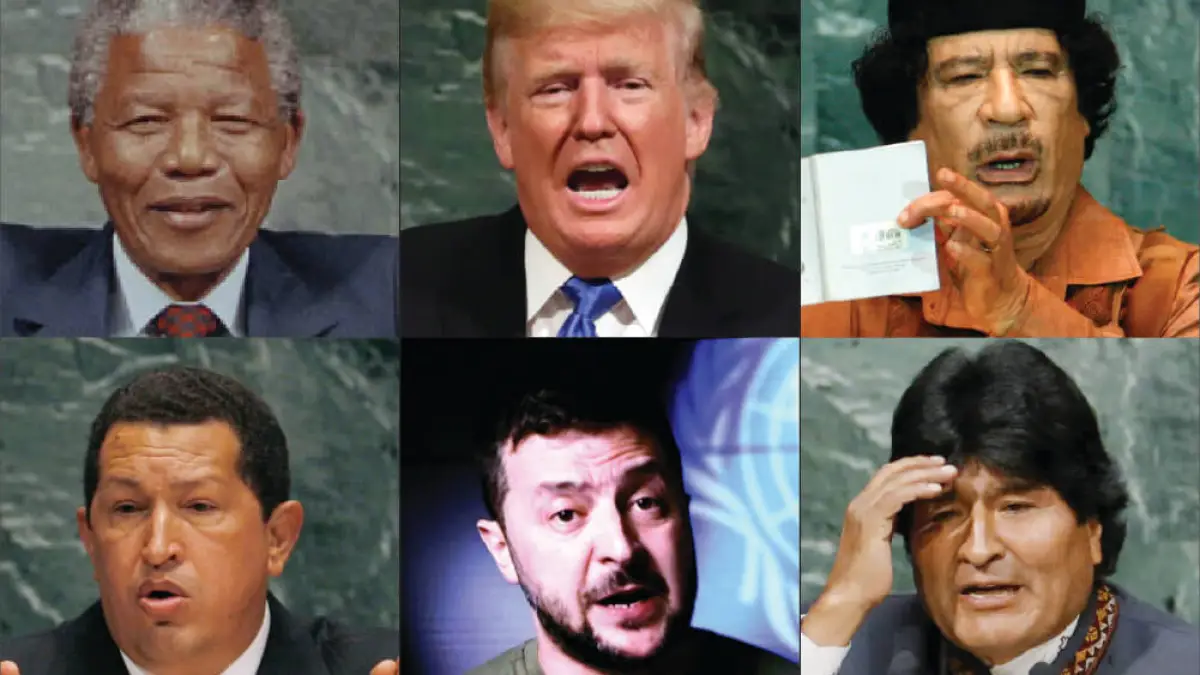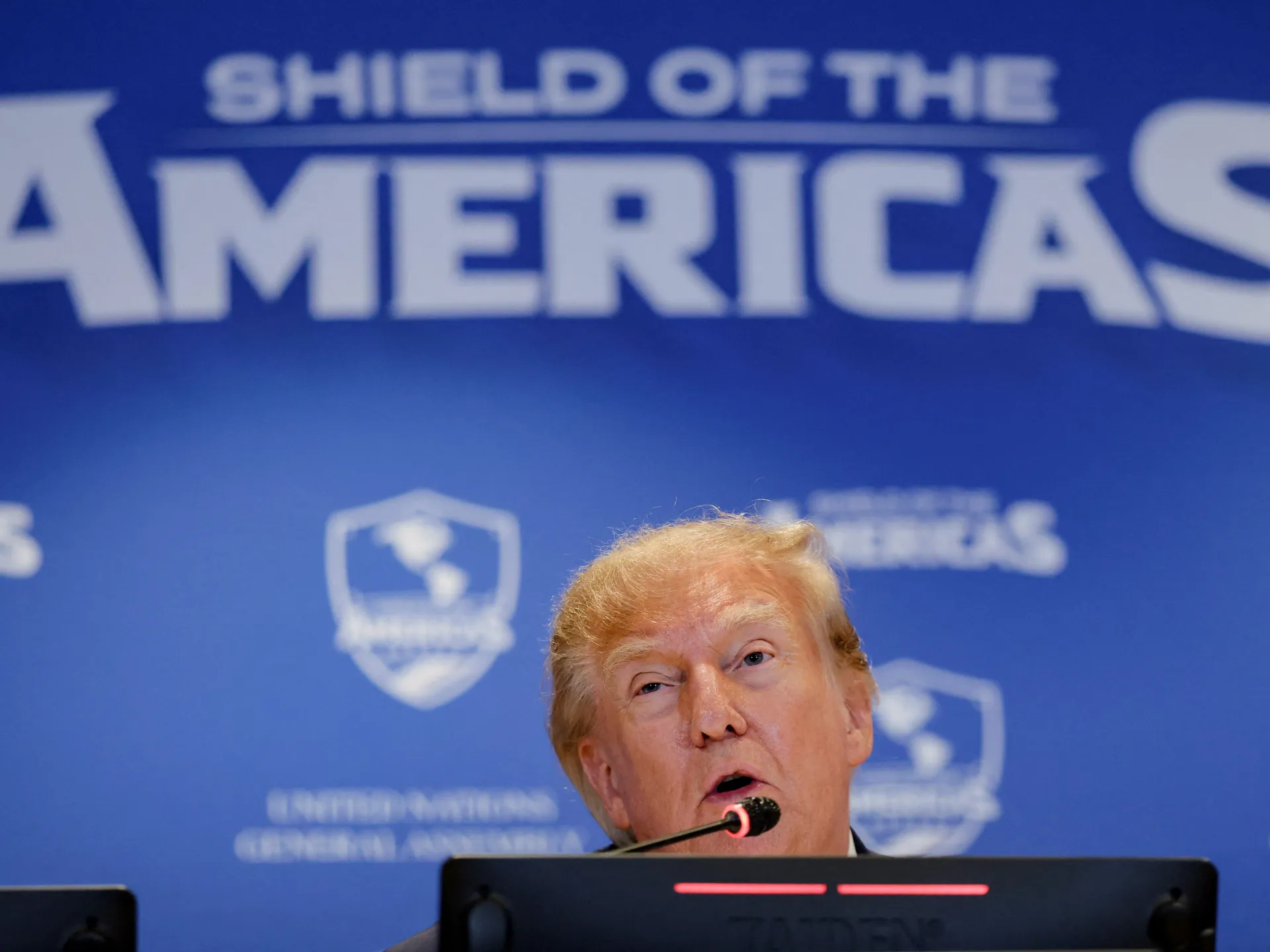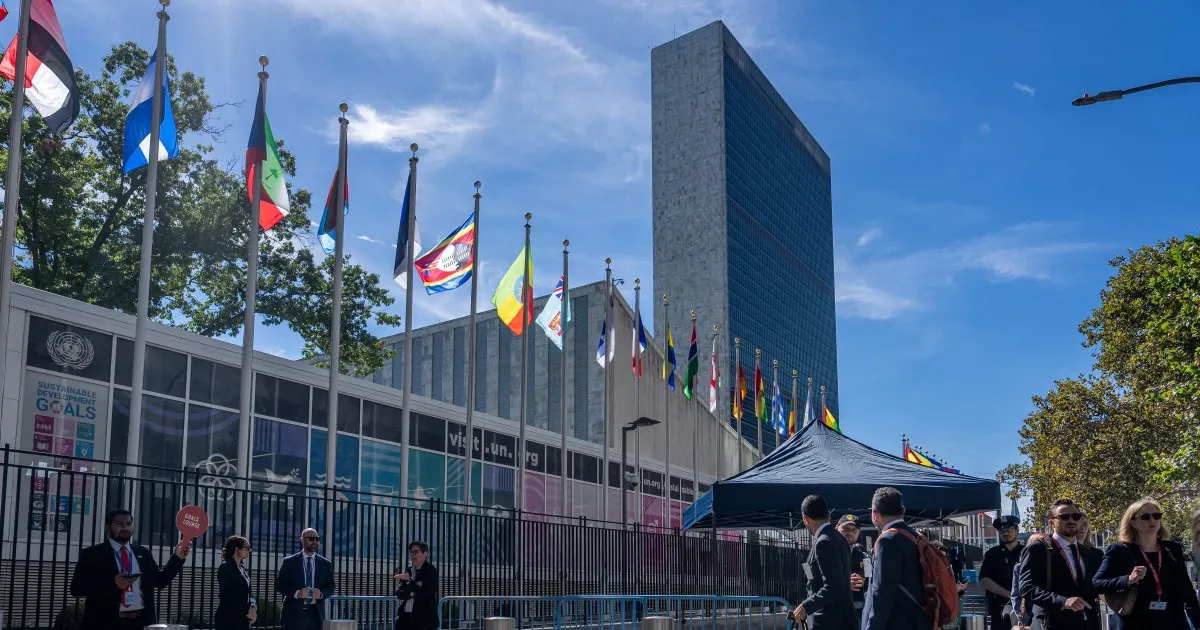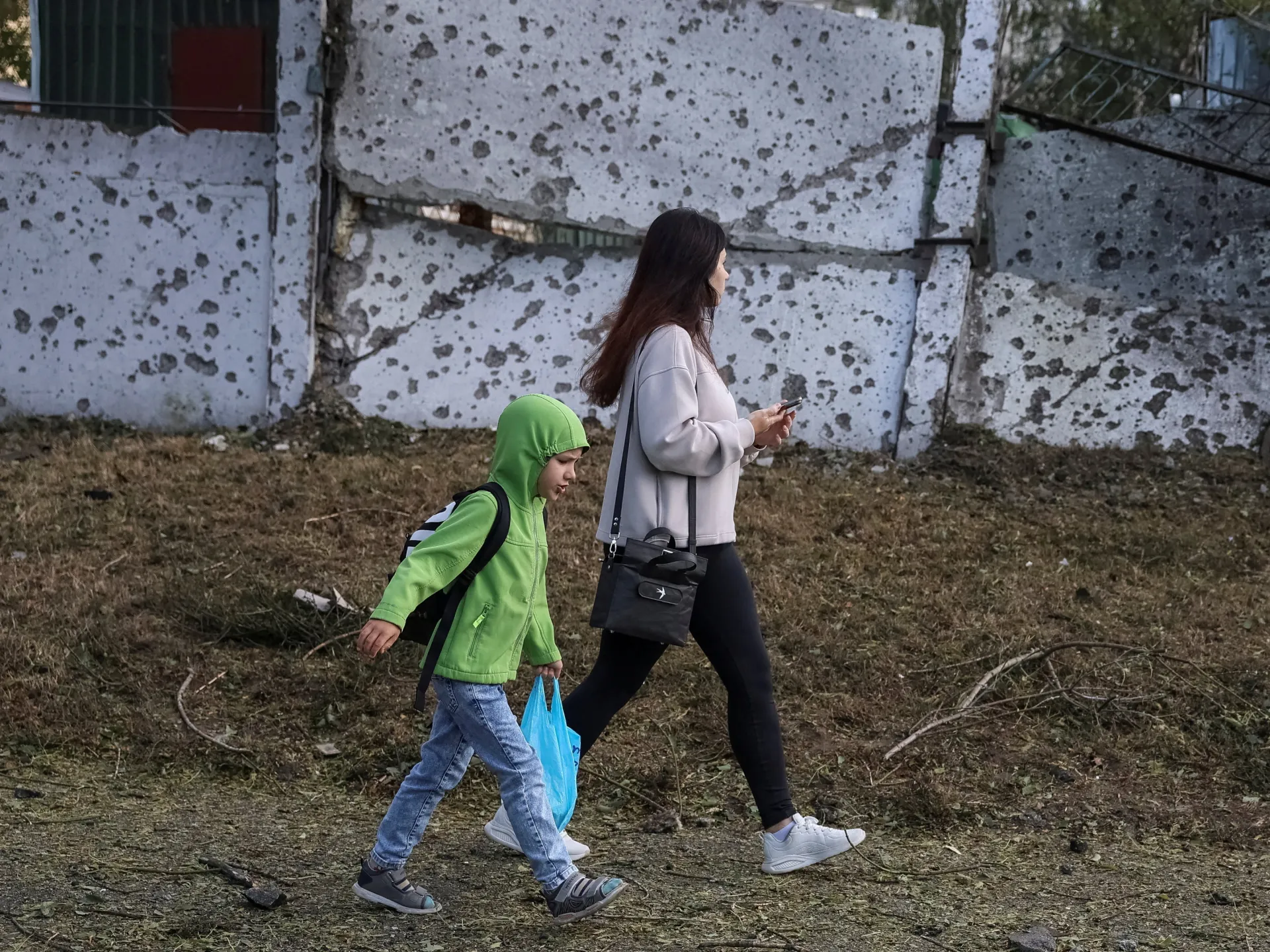
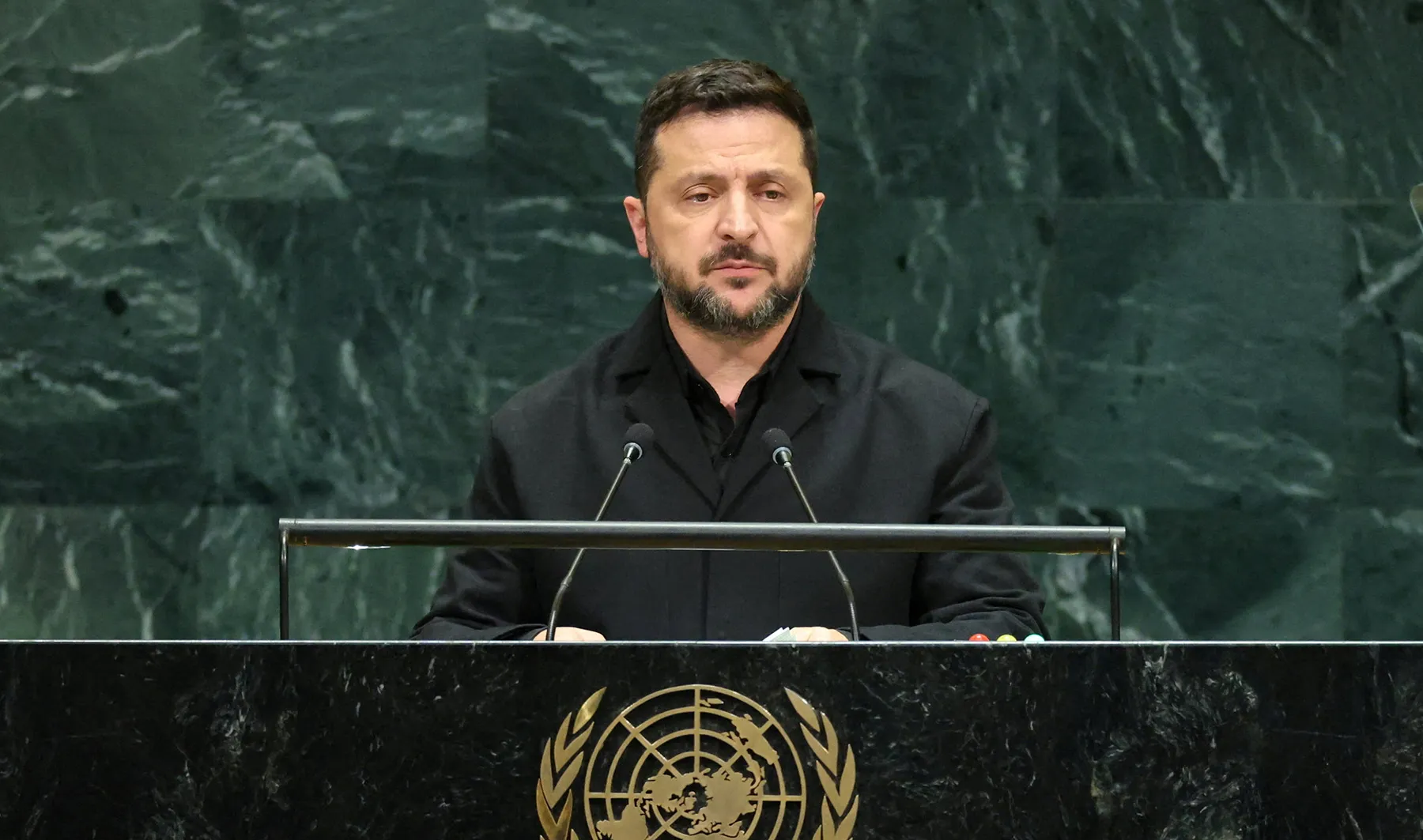
As world leaders at the UN General Assembly debated the future of AI and global security, a Russian offensive in Ukraine left seven dead, highlighting the limitations of current diplomacy.
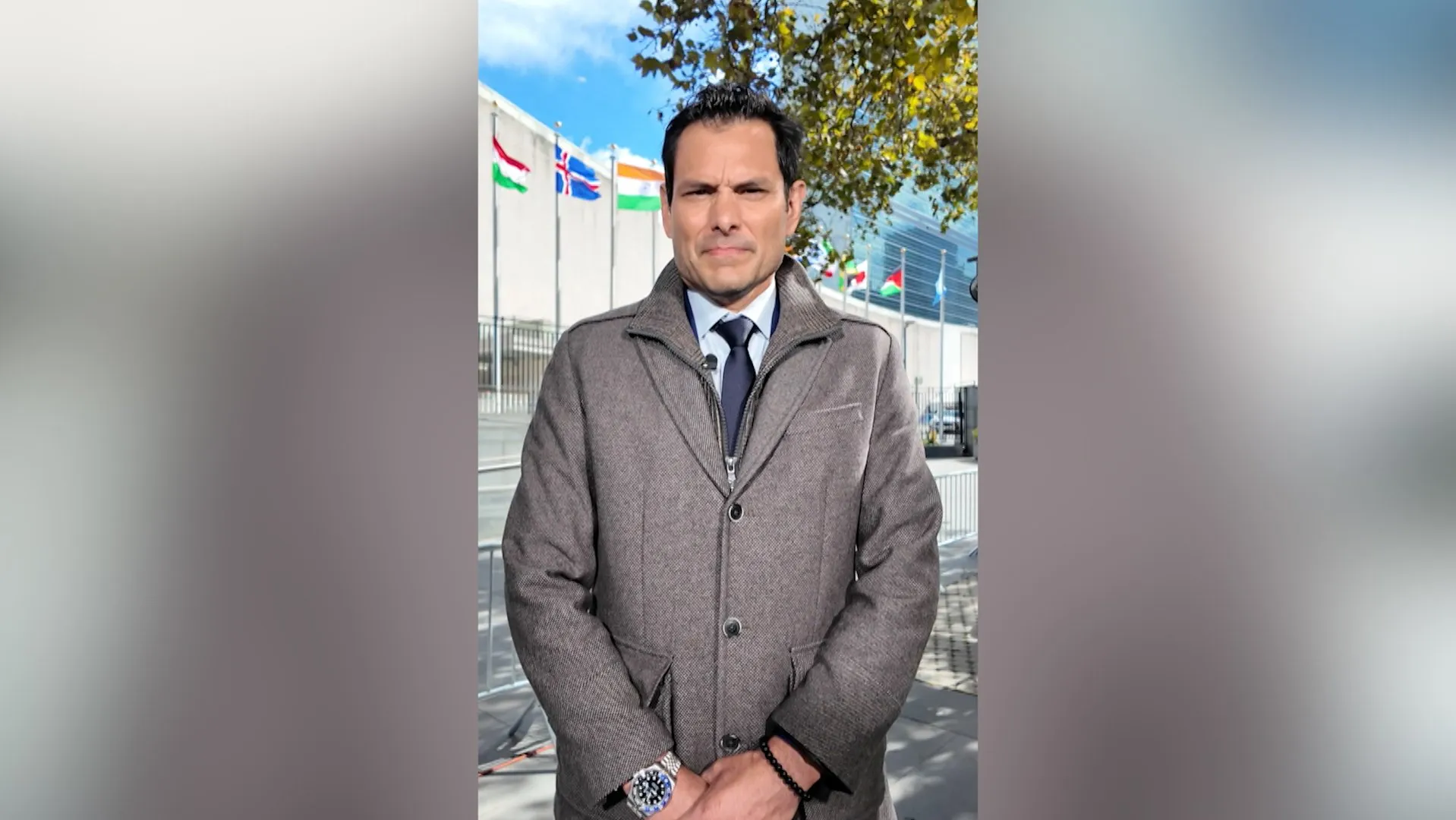
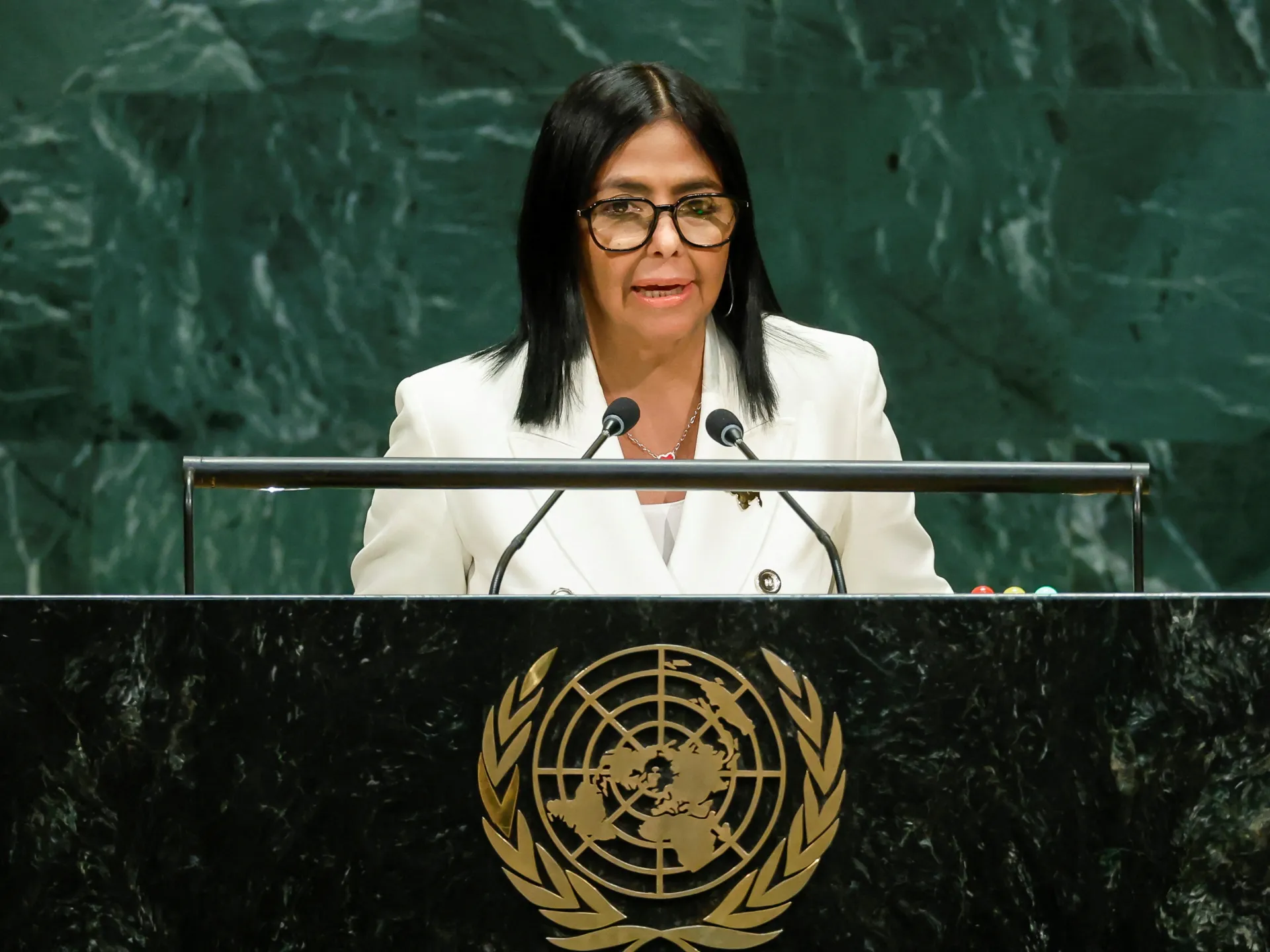
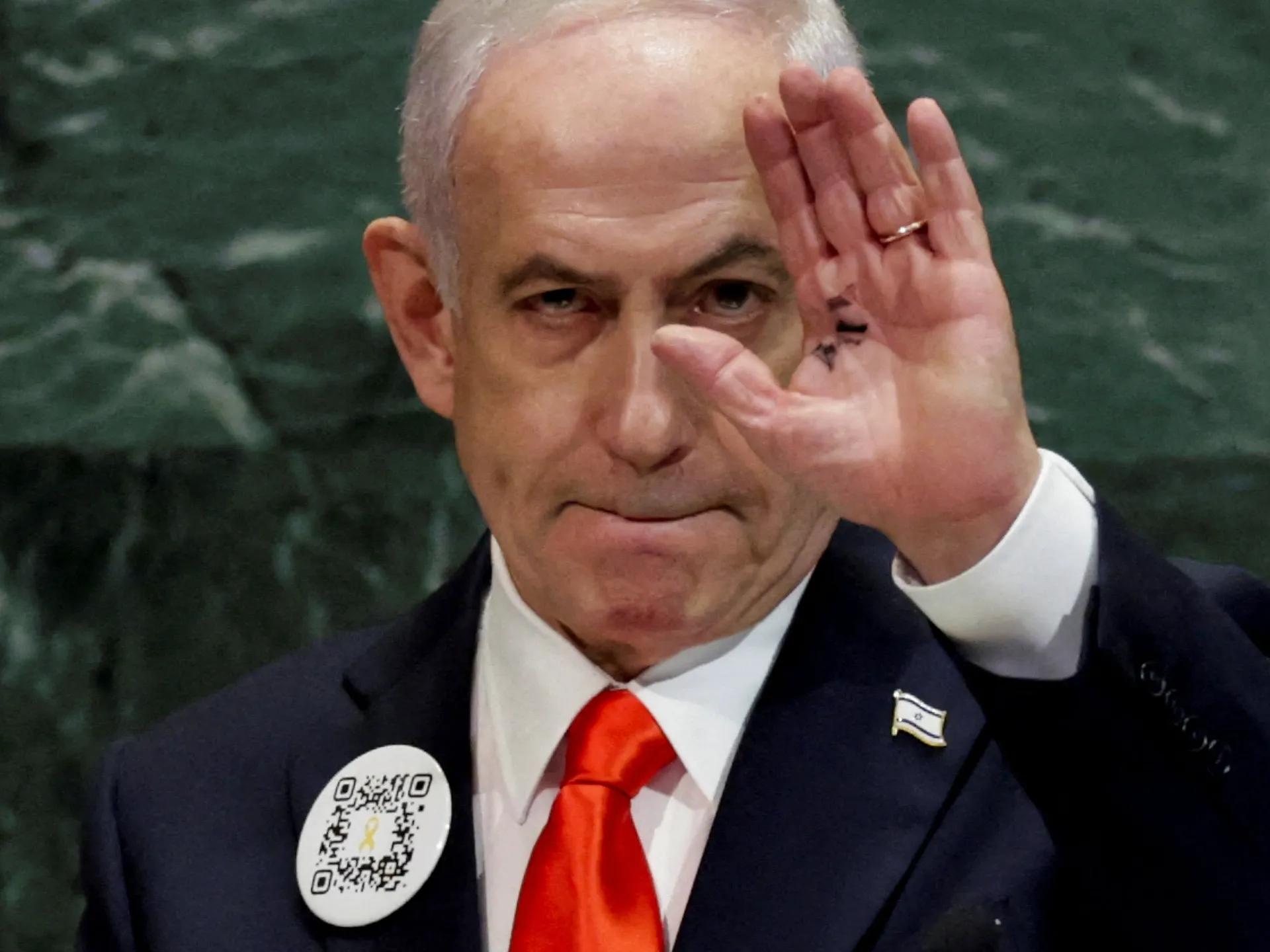
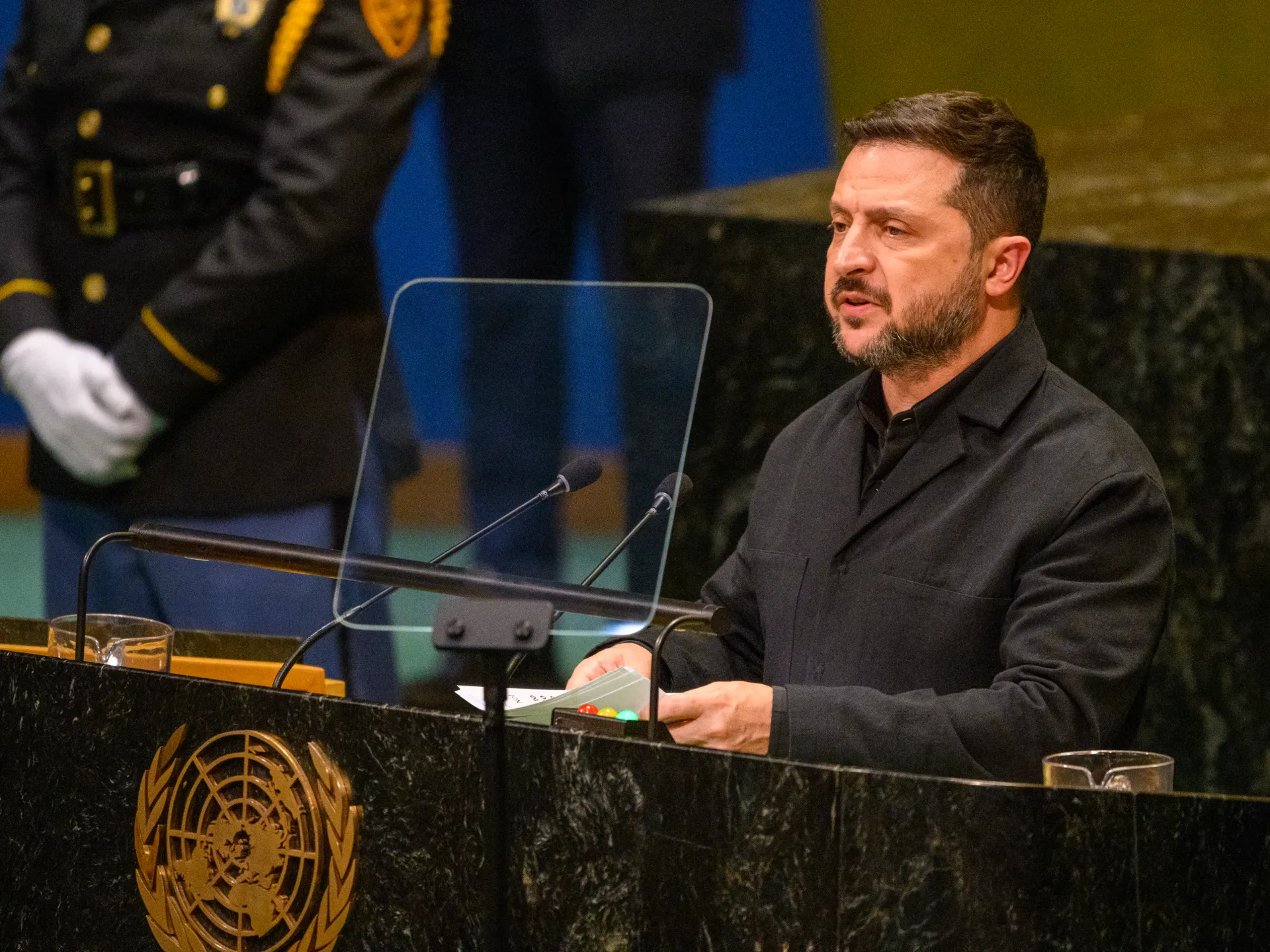
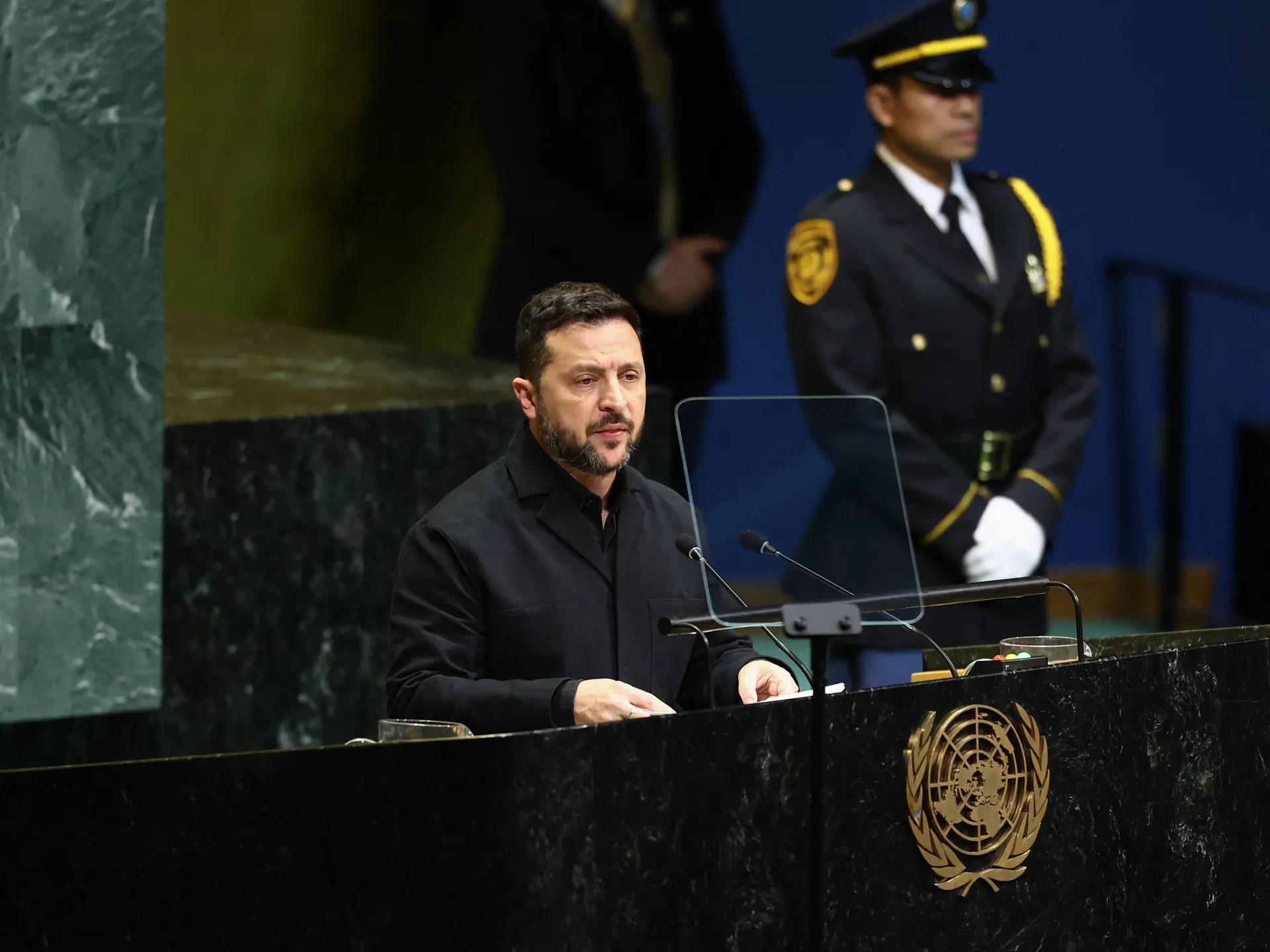
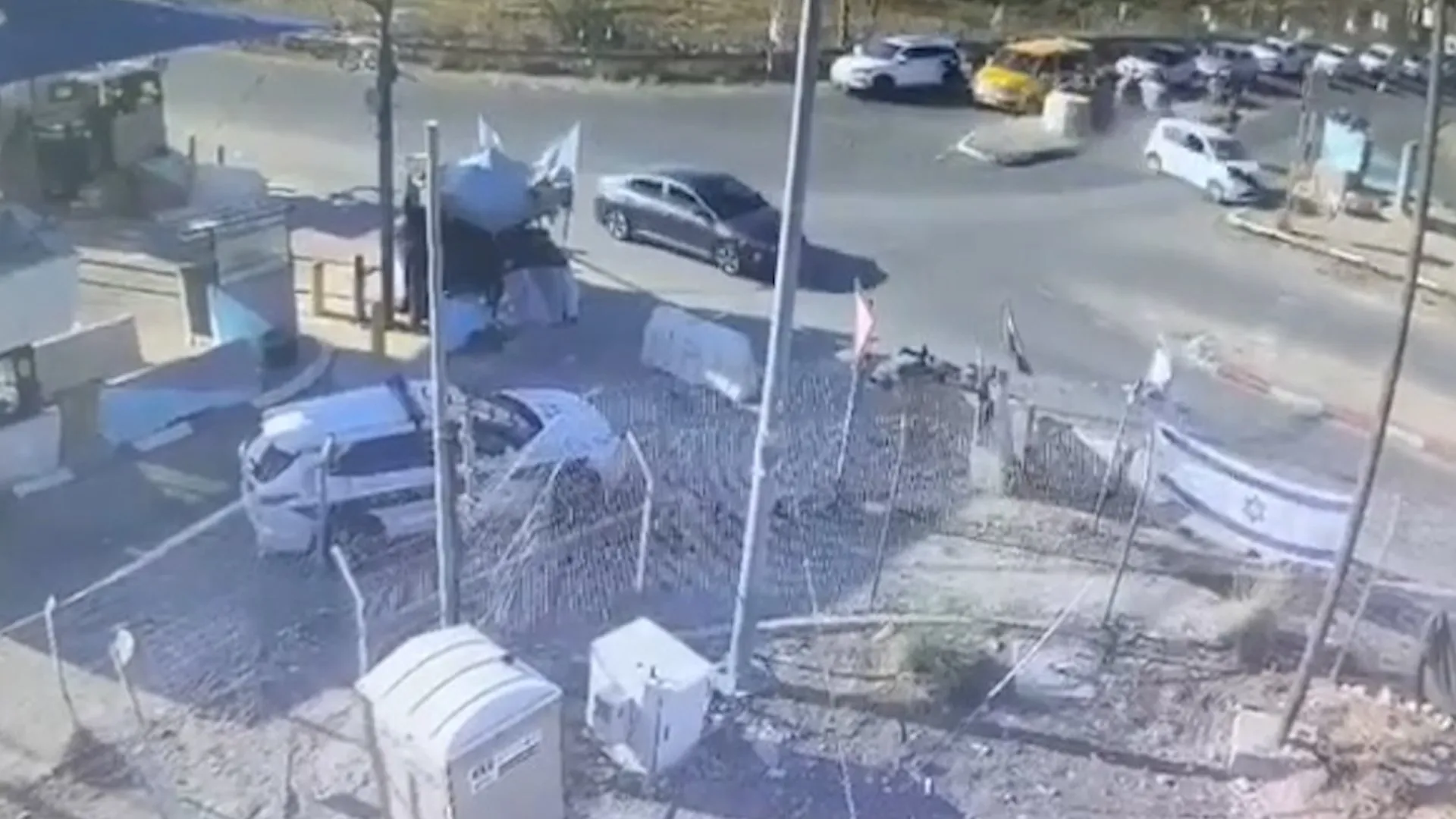
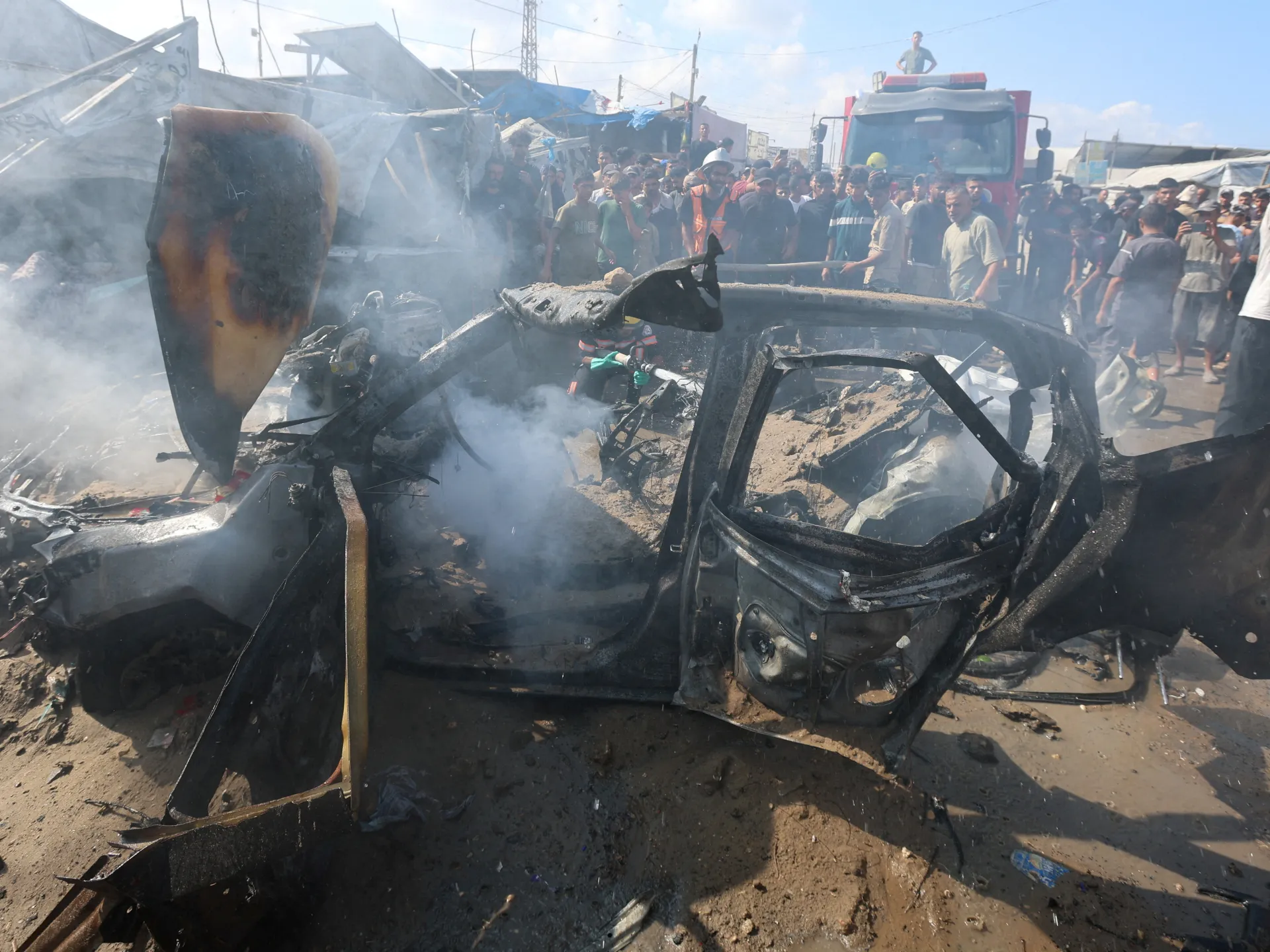
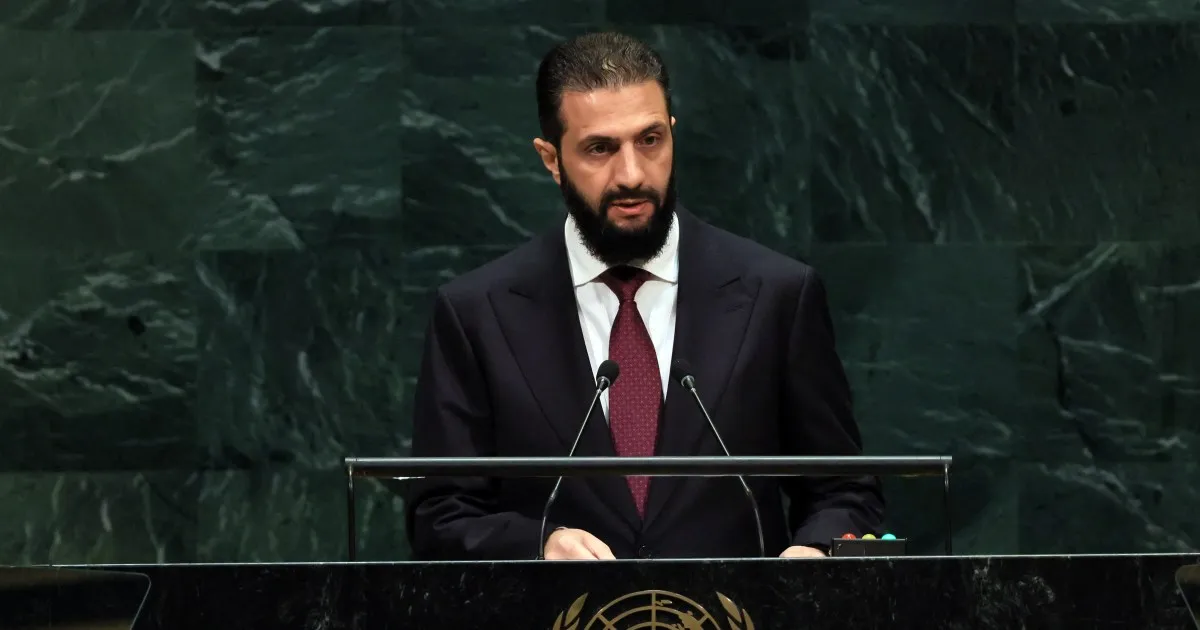
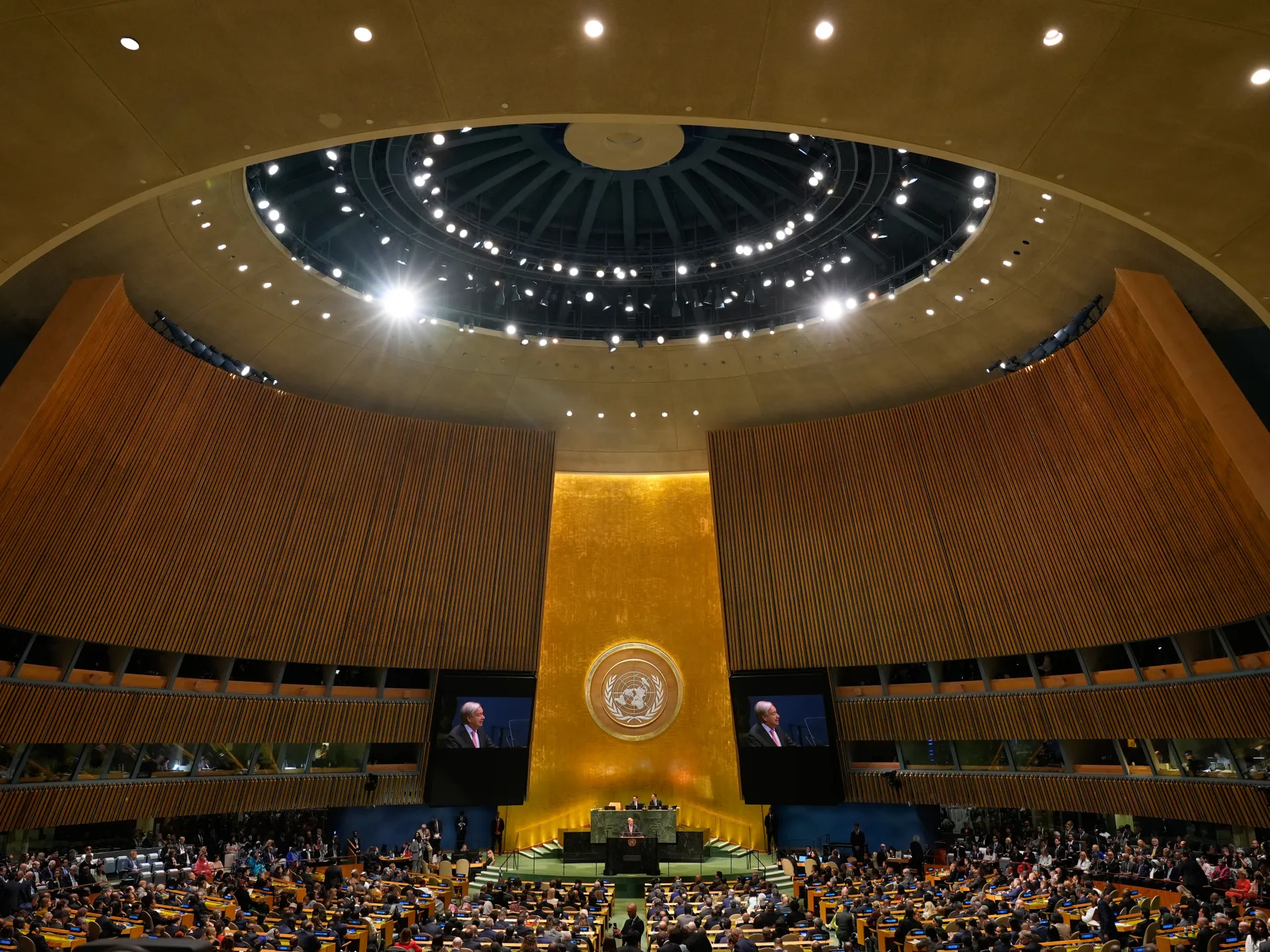
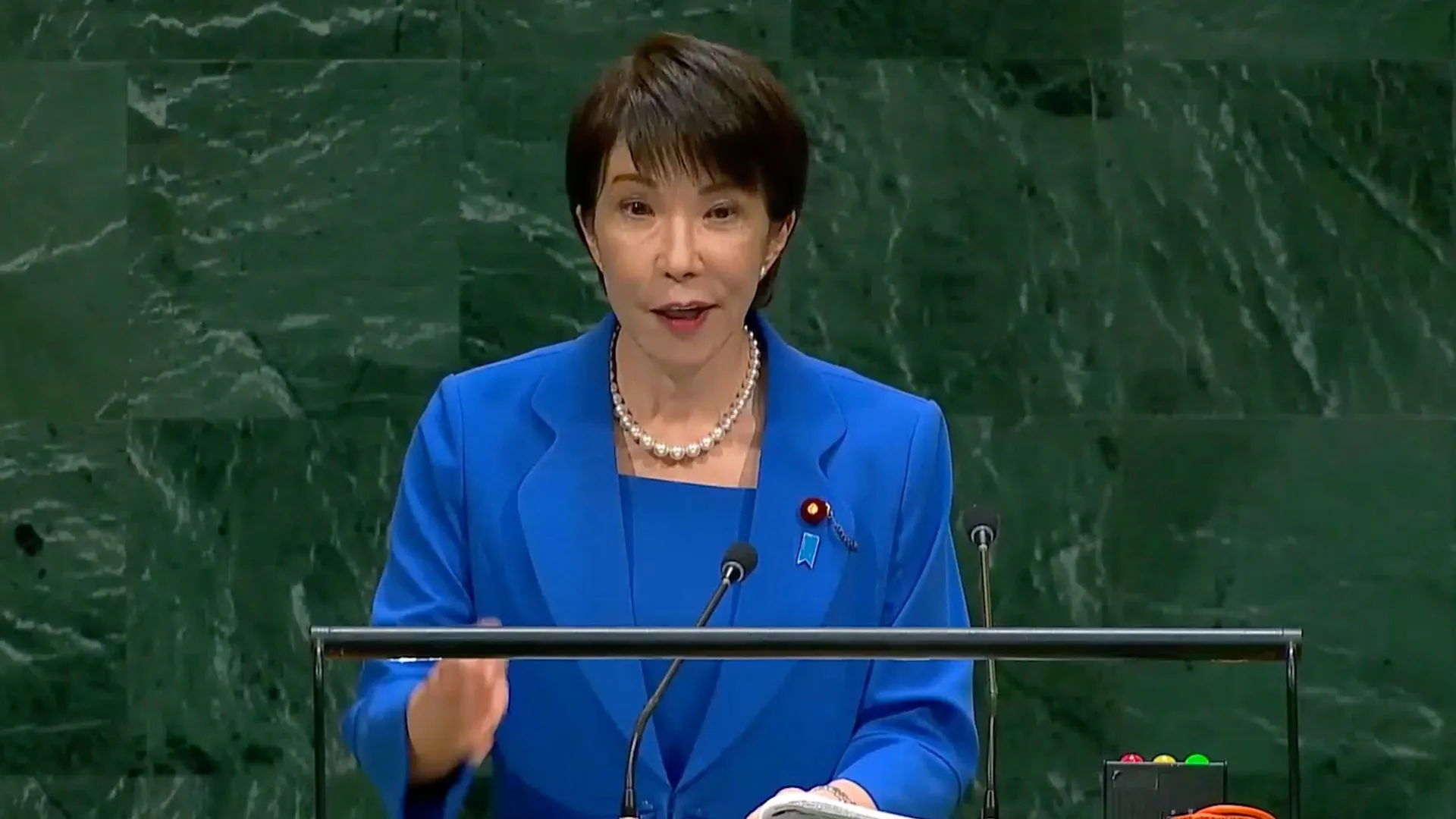
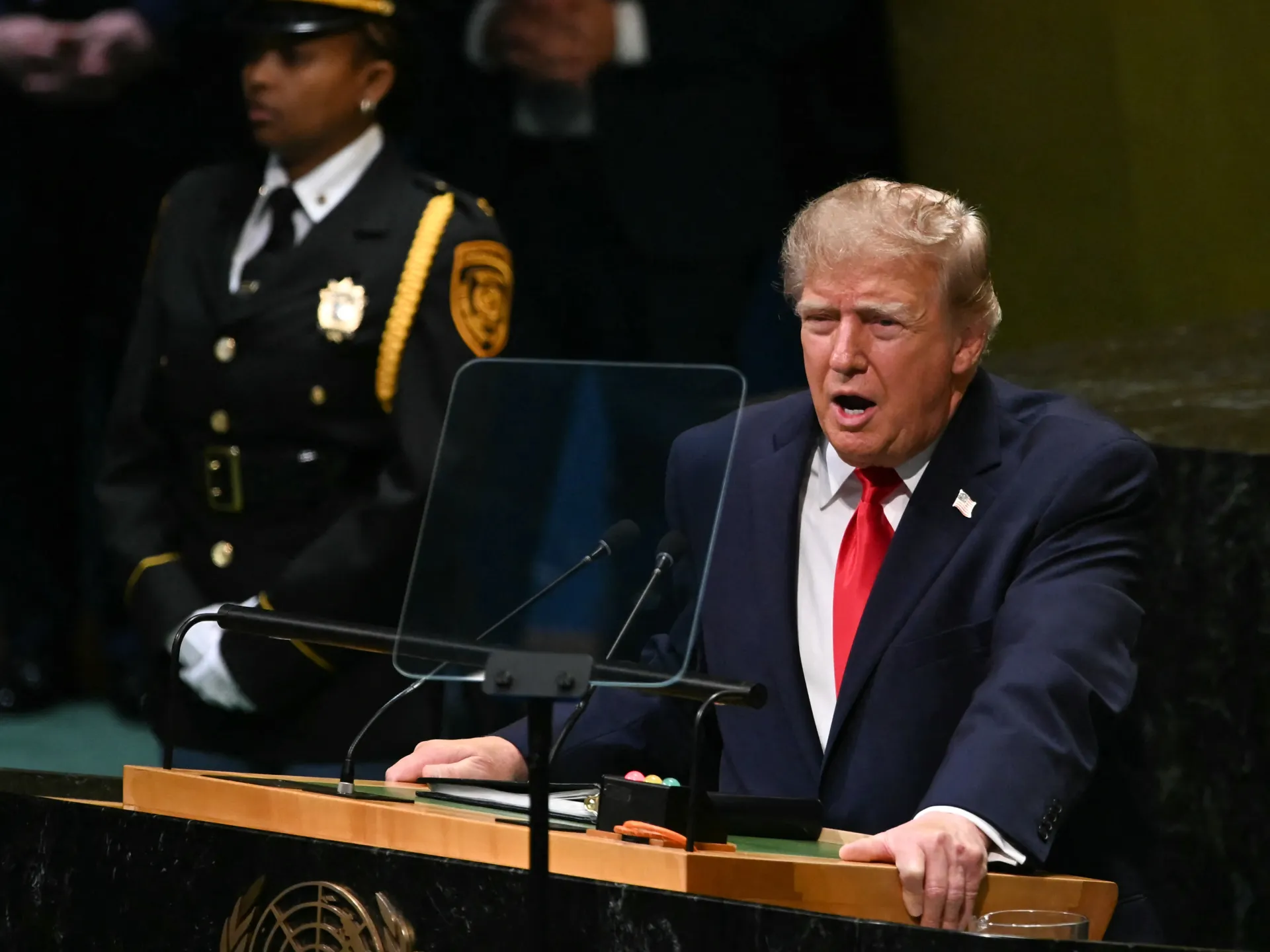
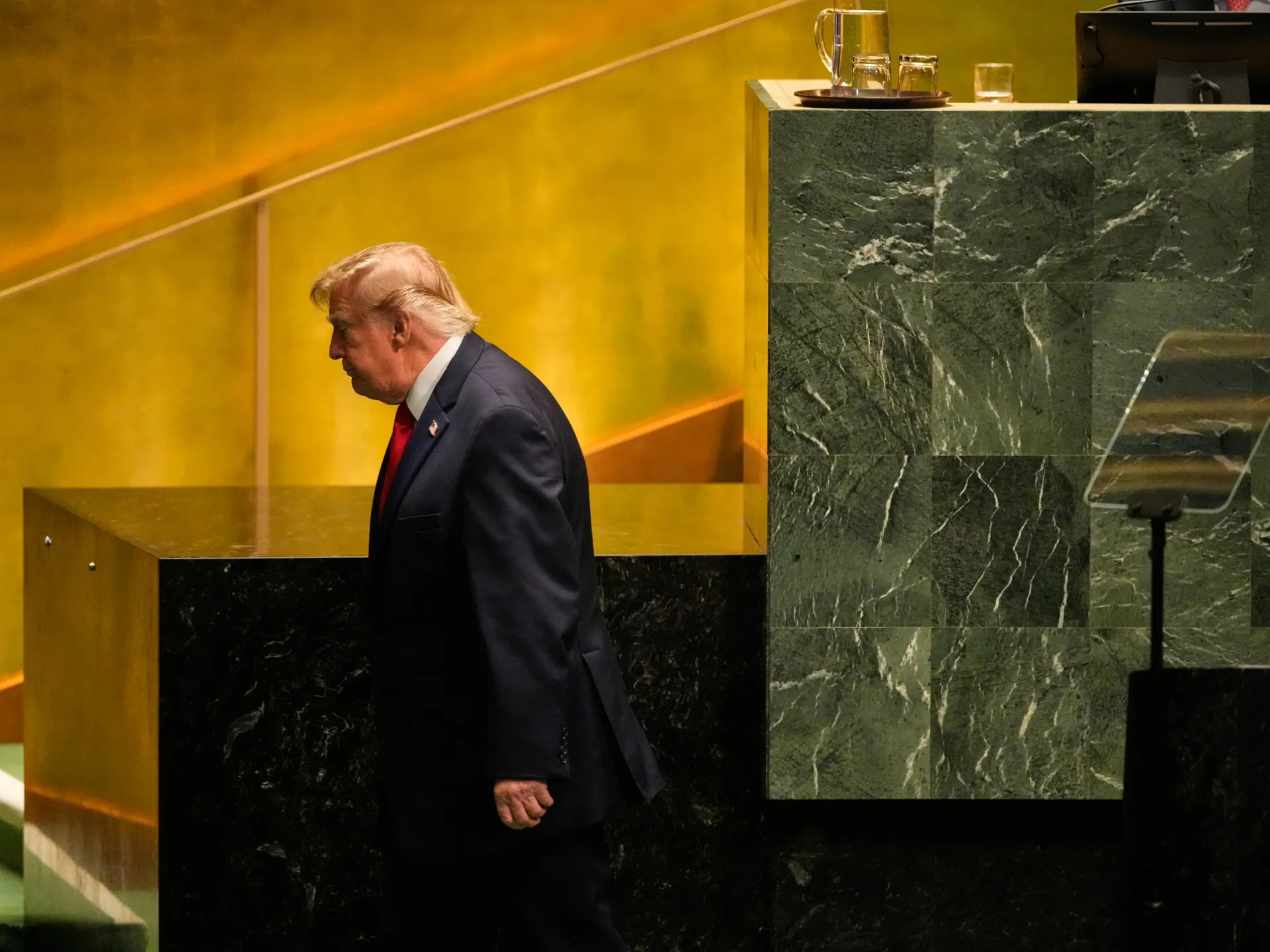
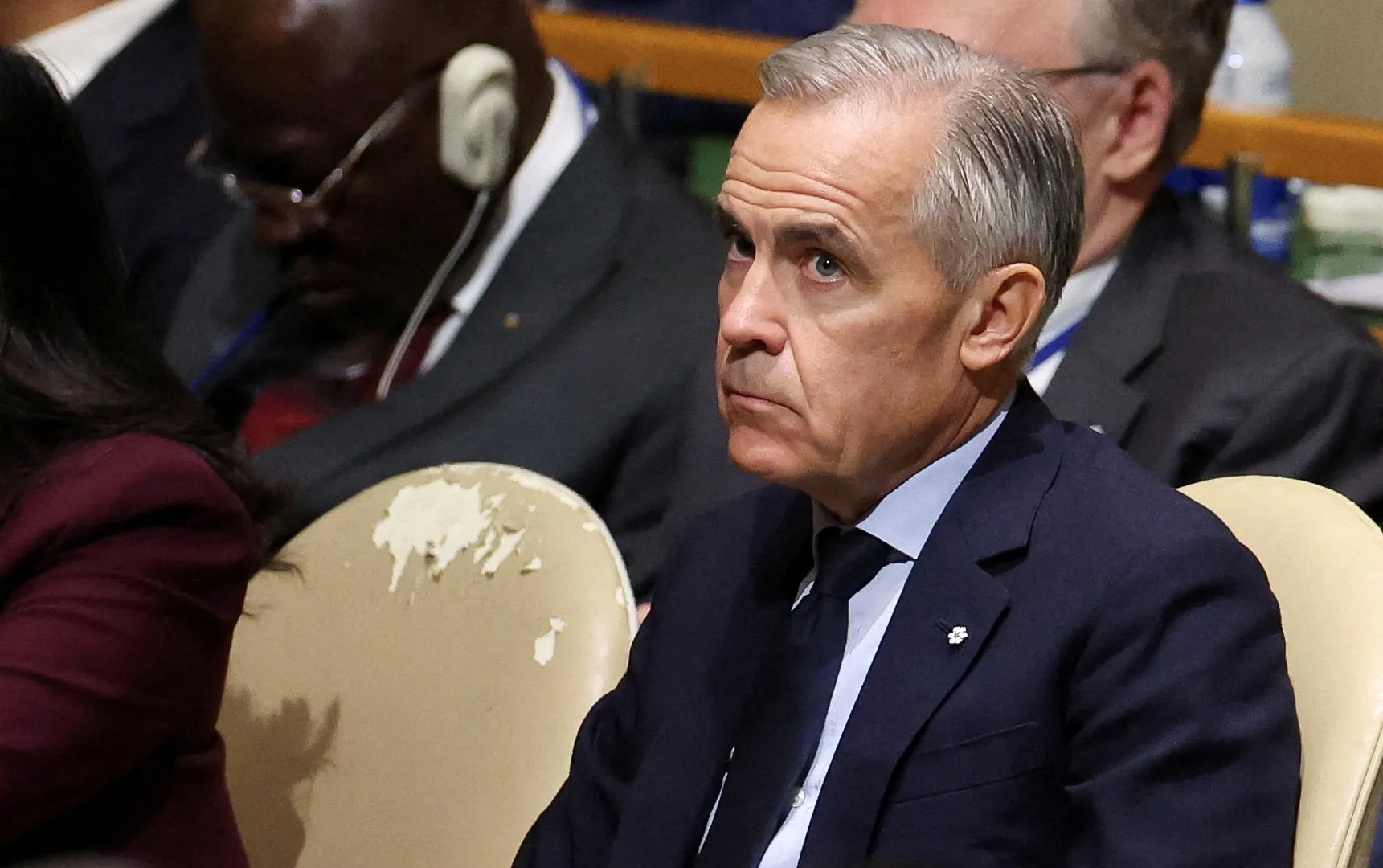
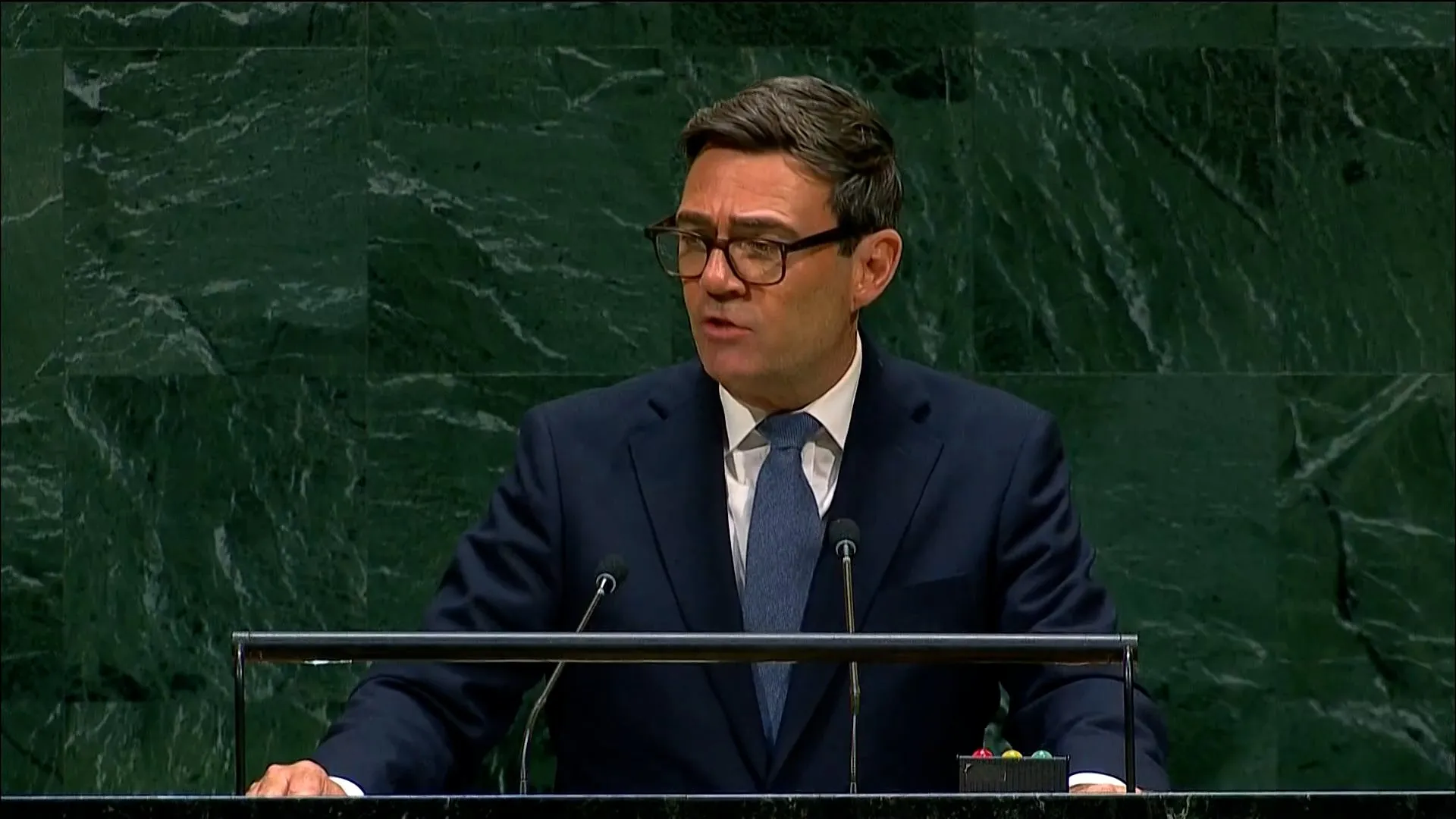
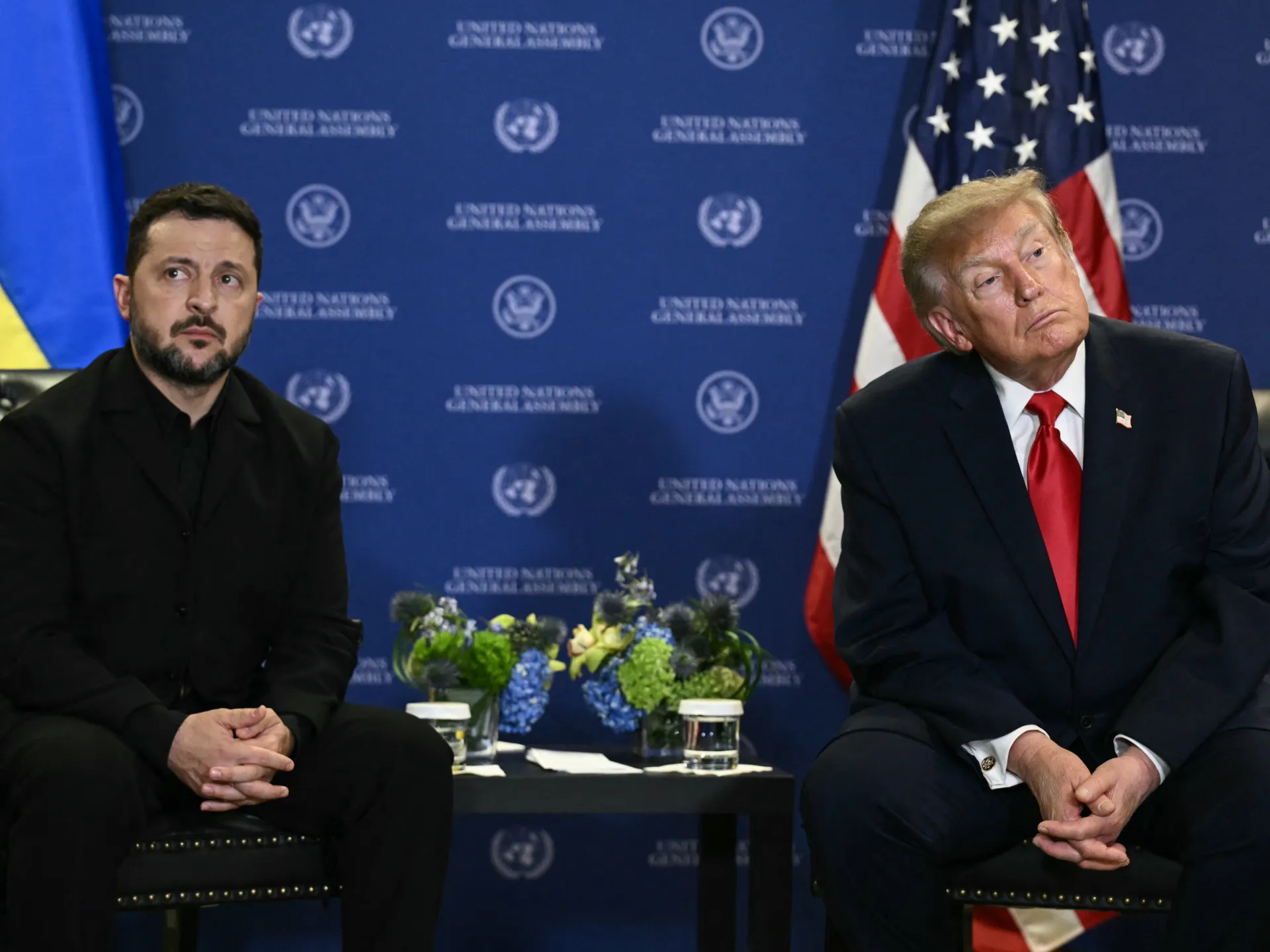
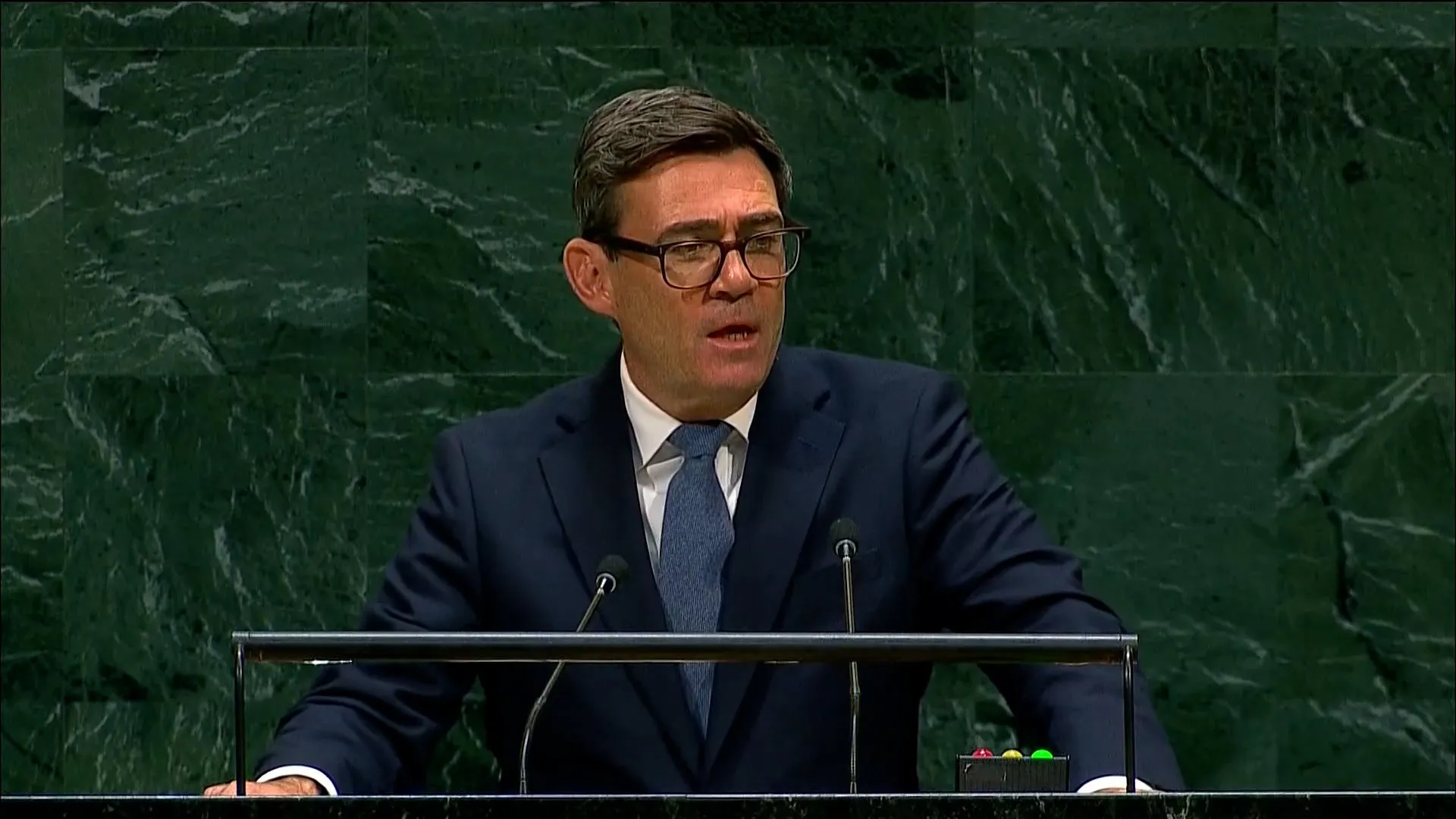
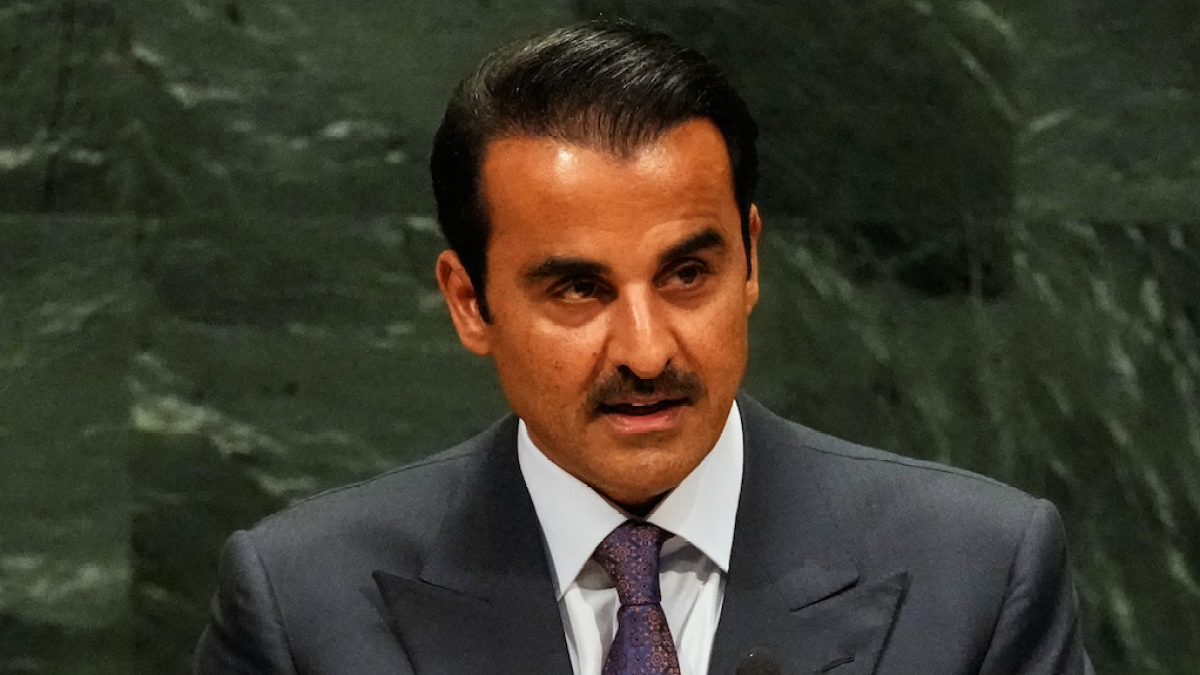
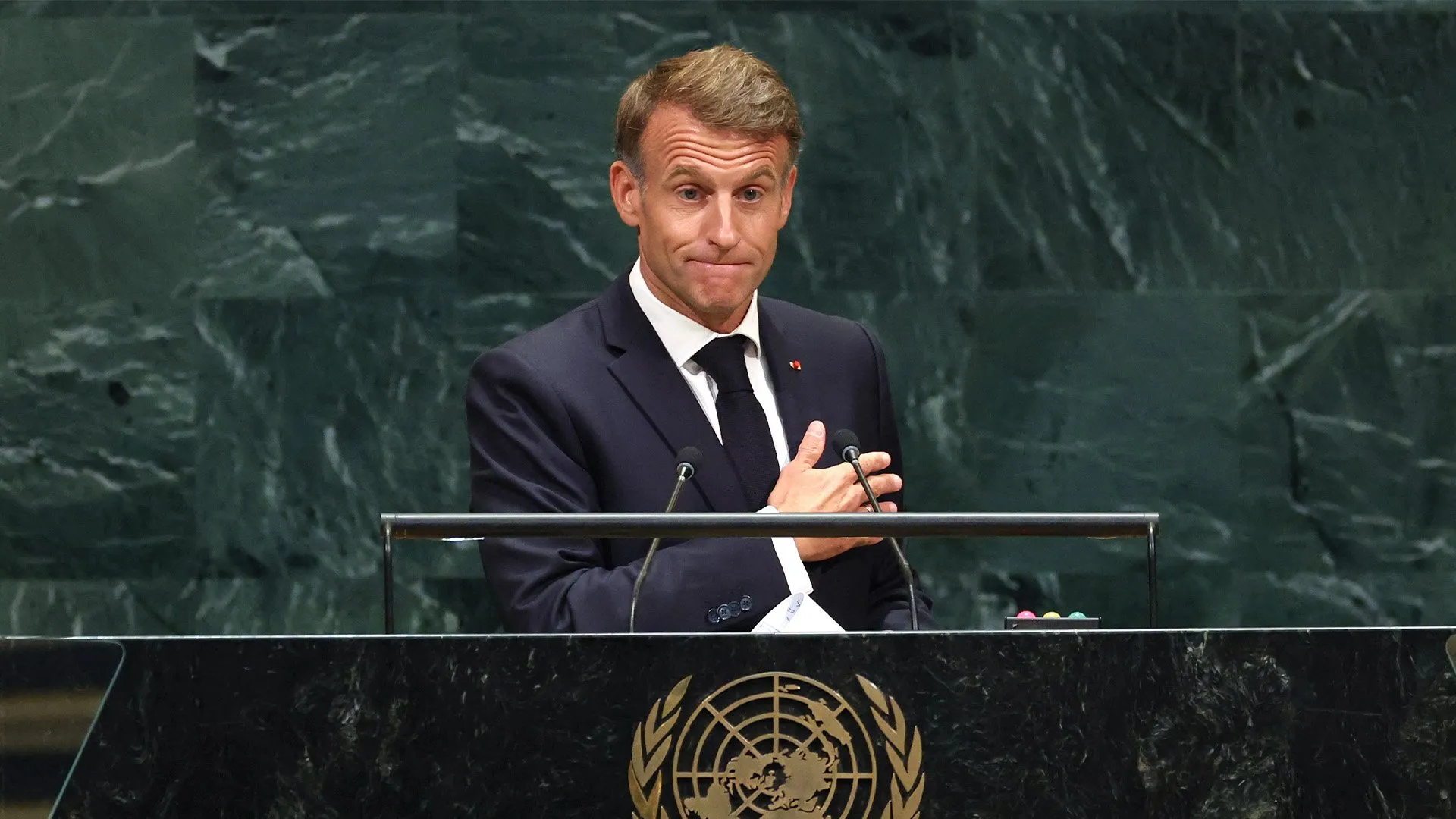
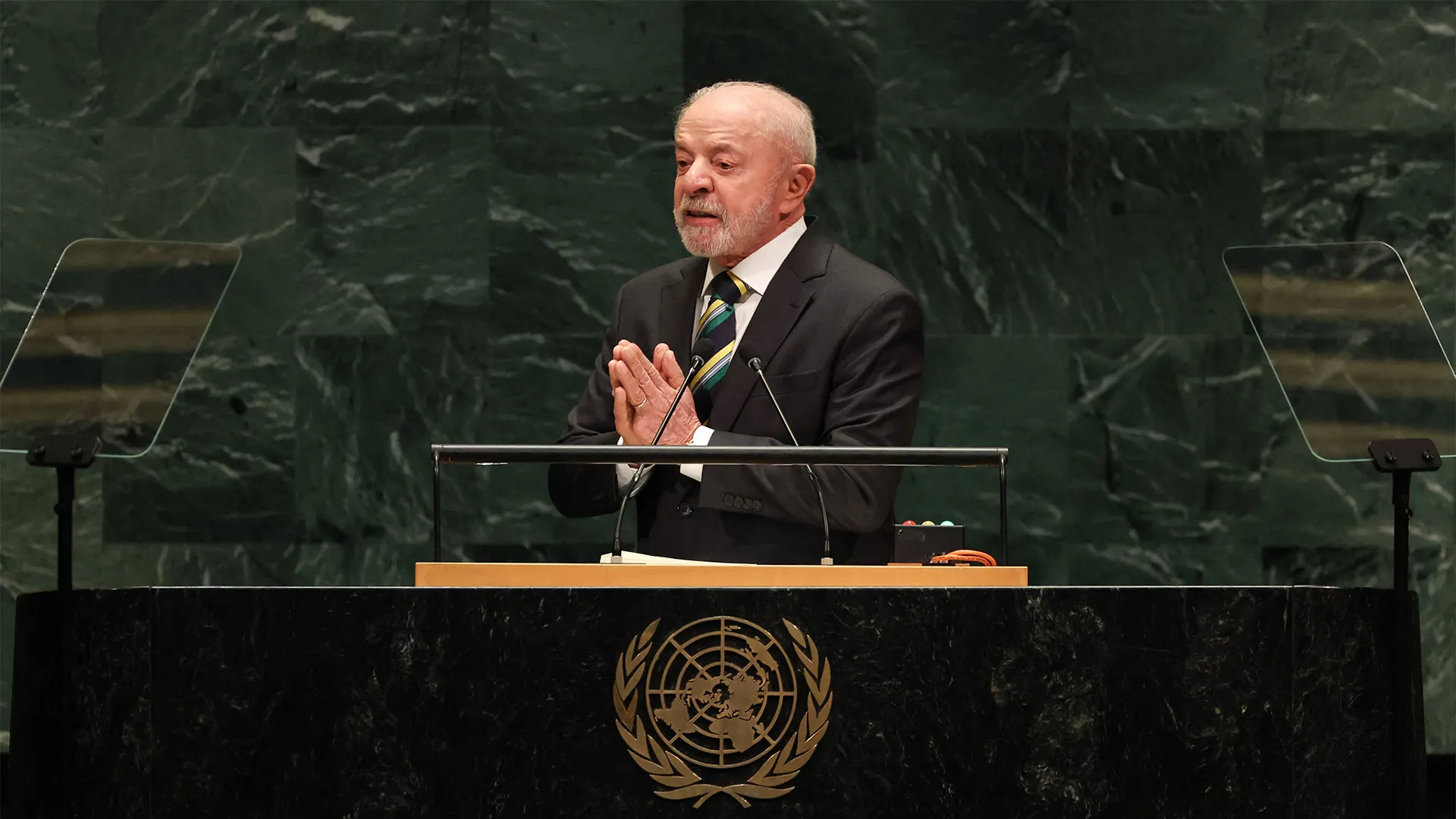
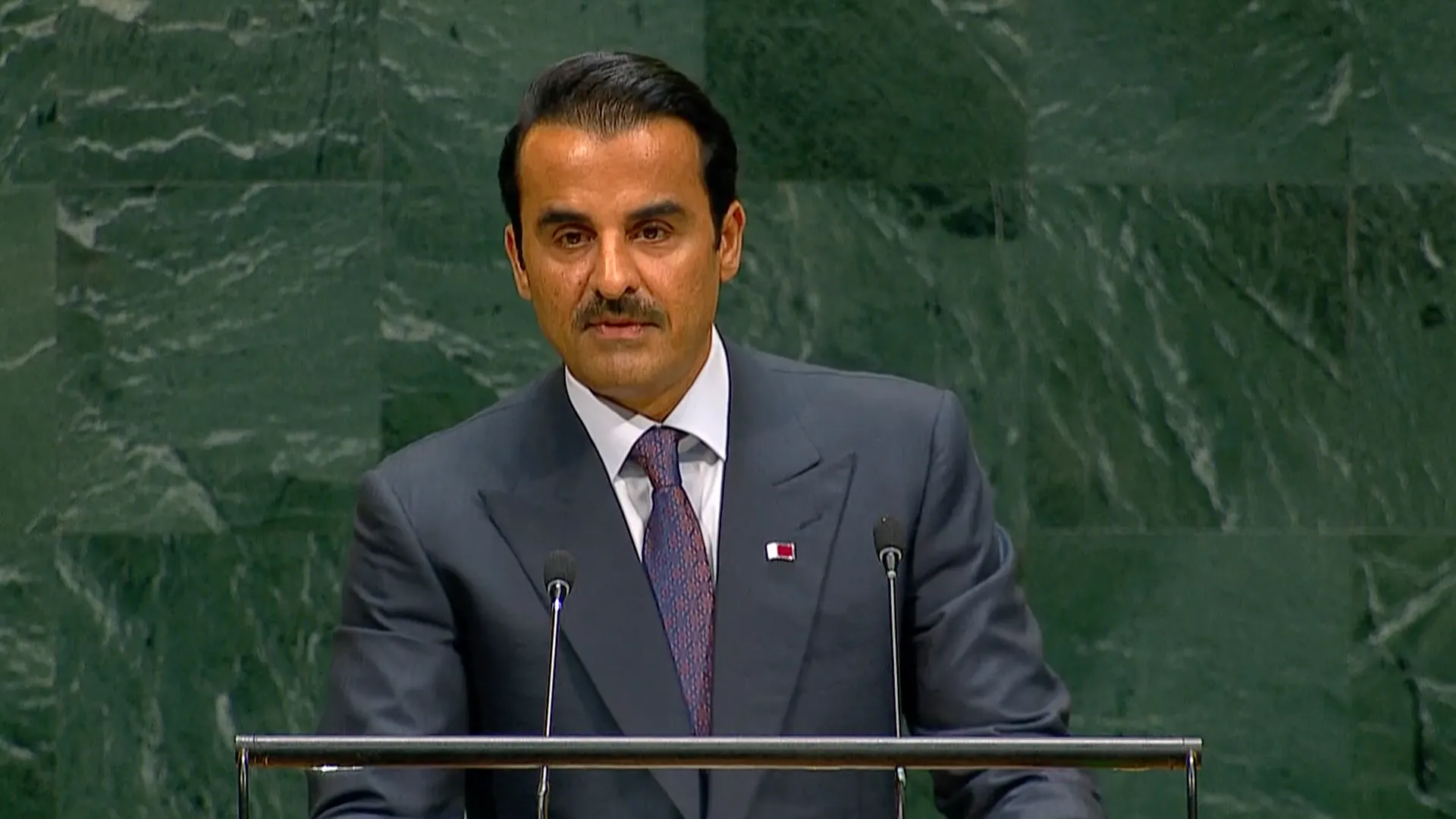
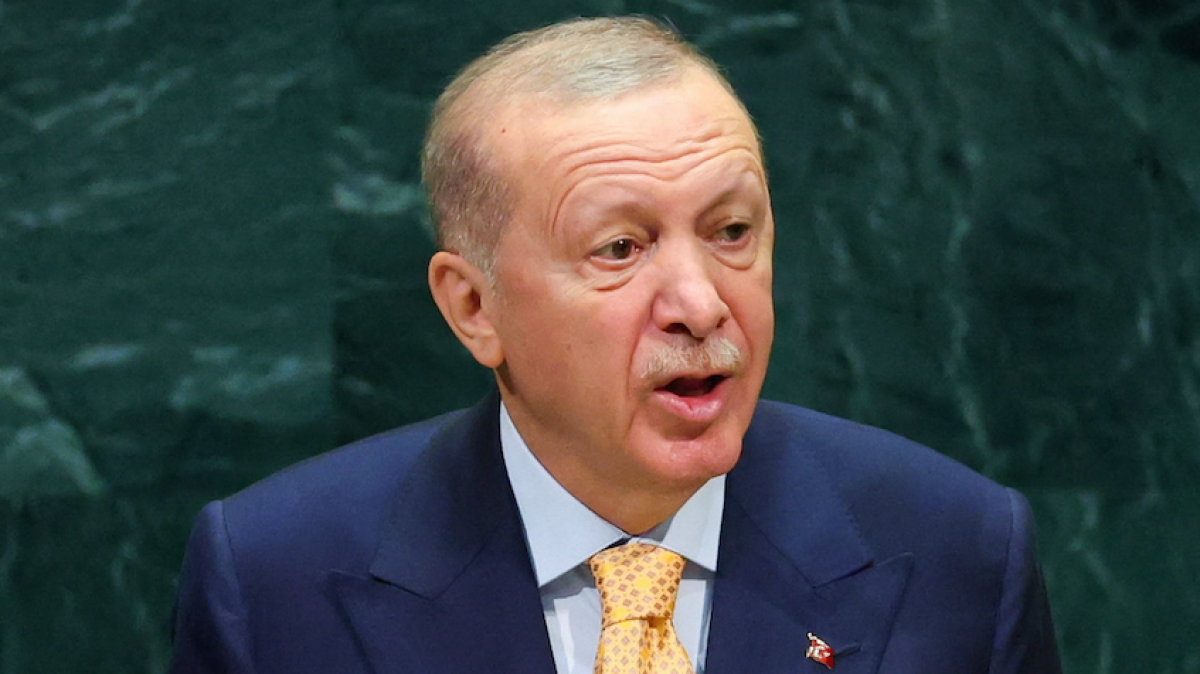
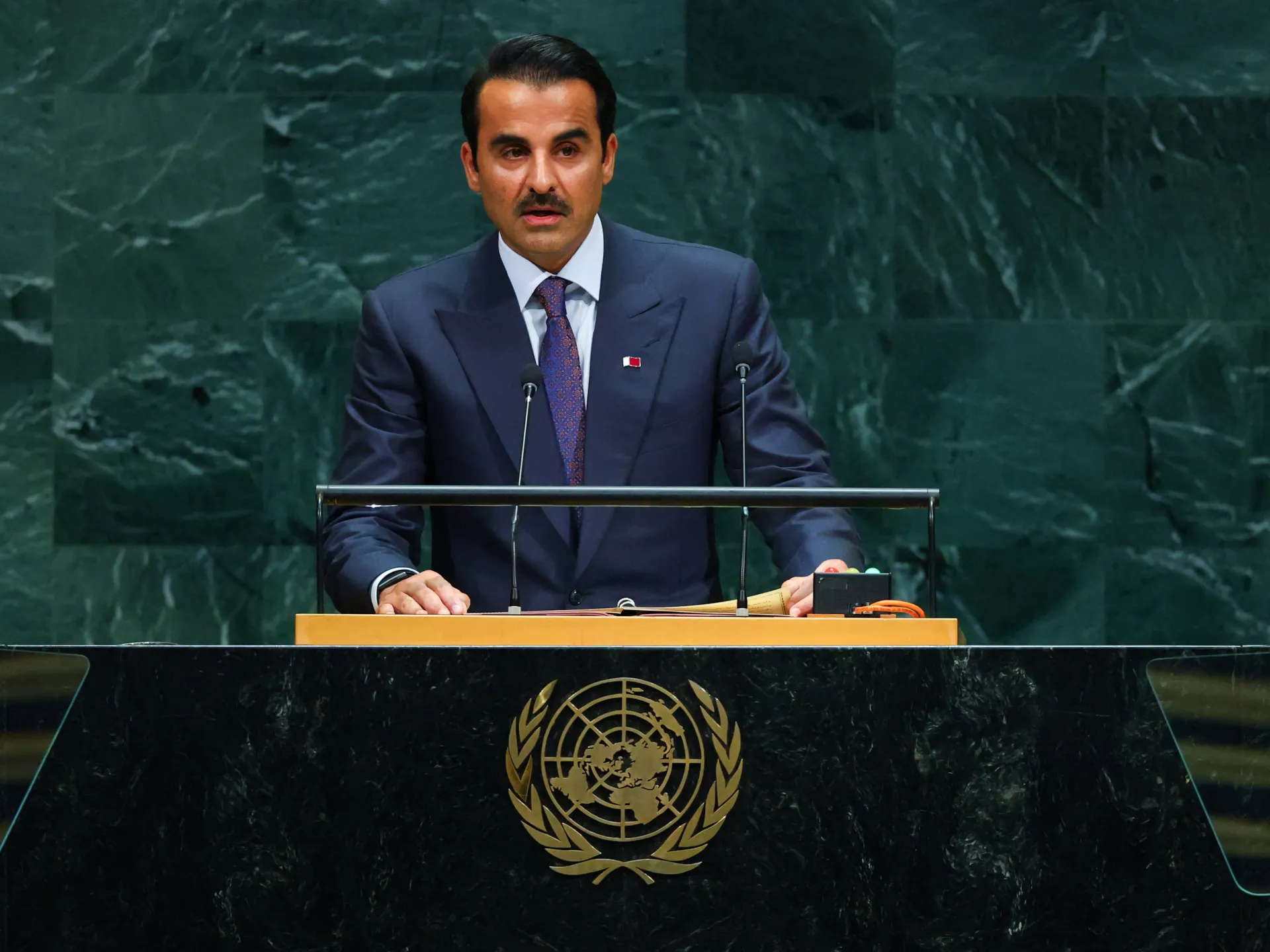
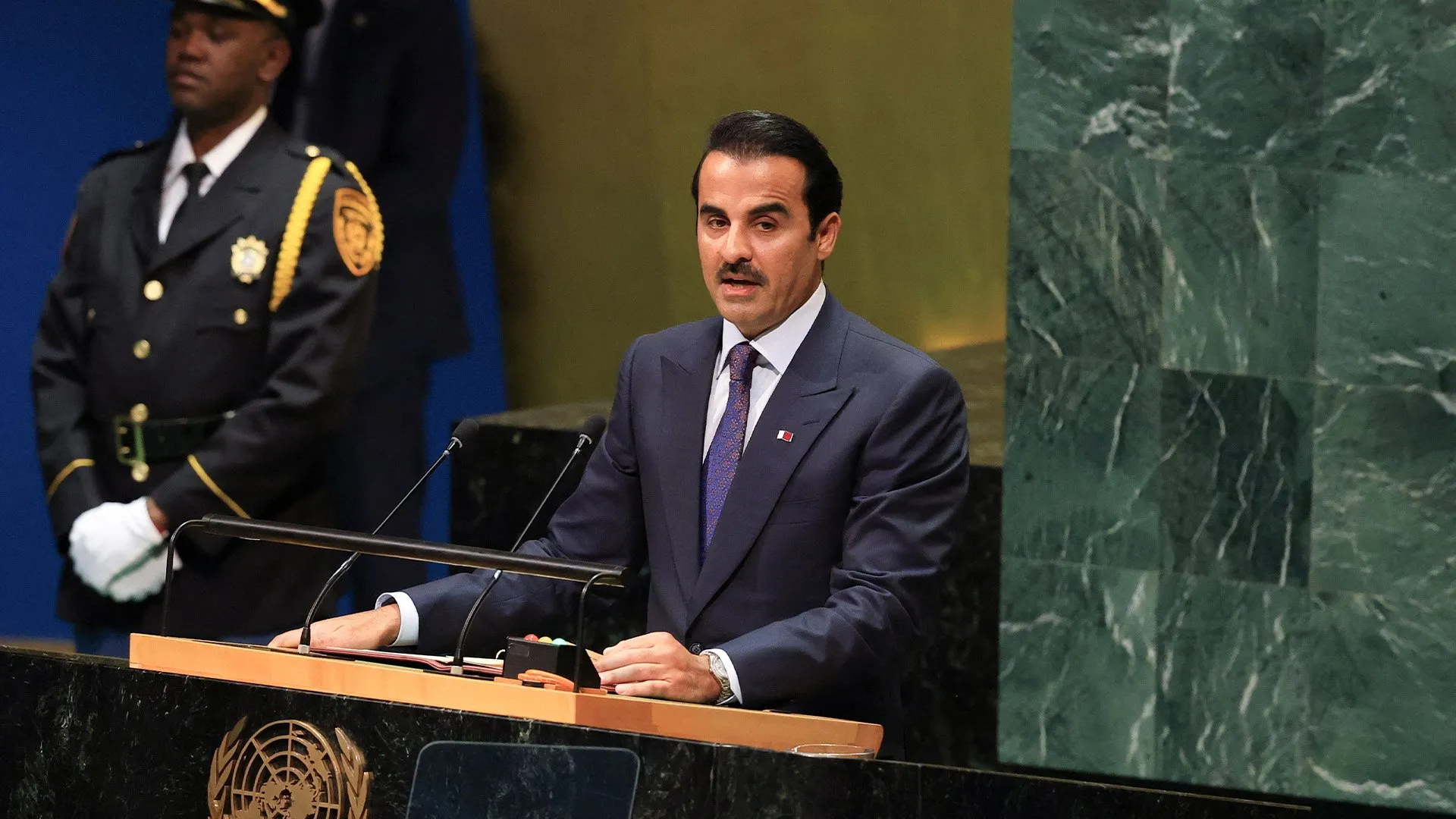
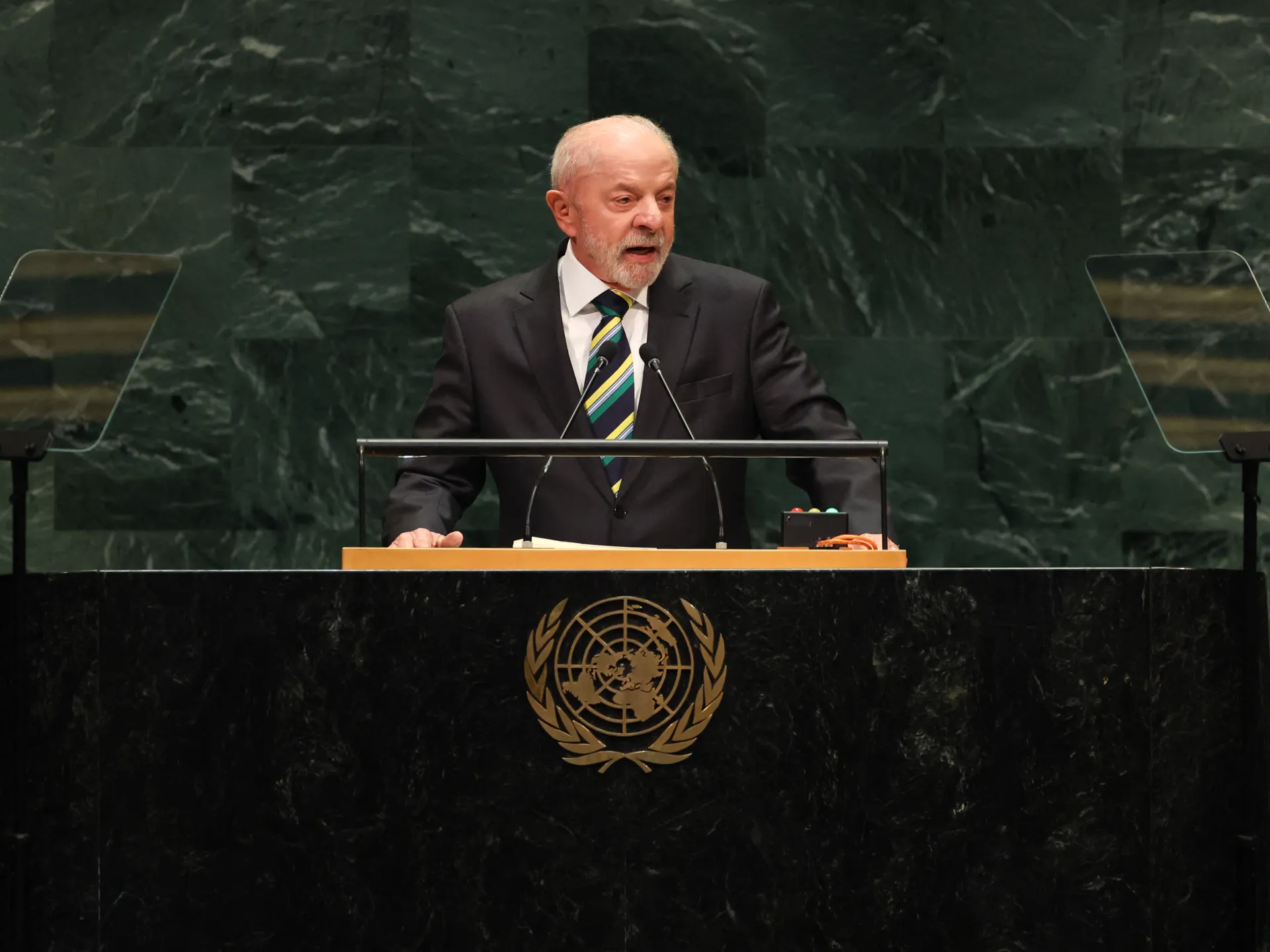
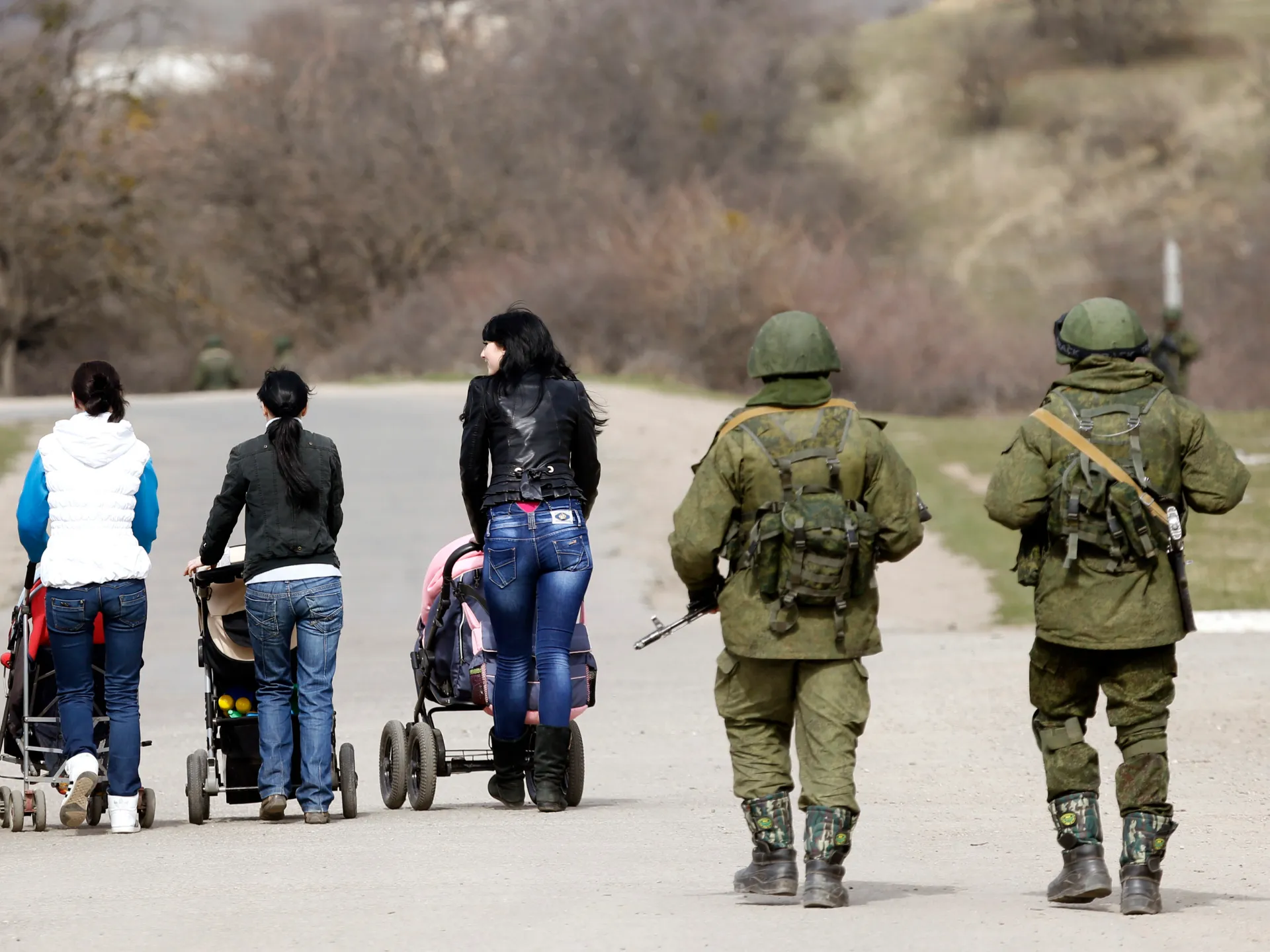
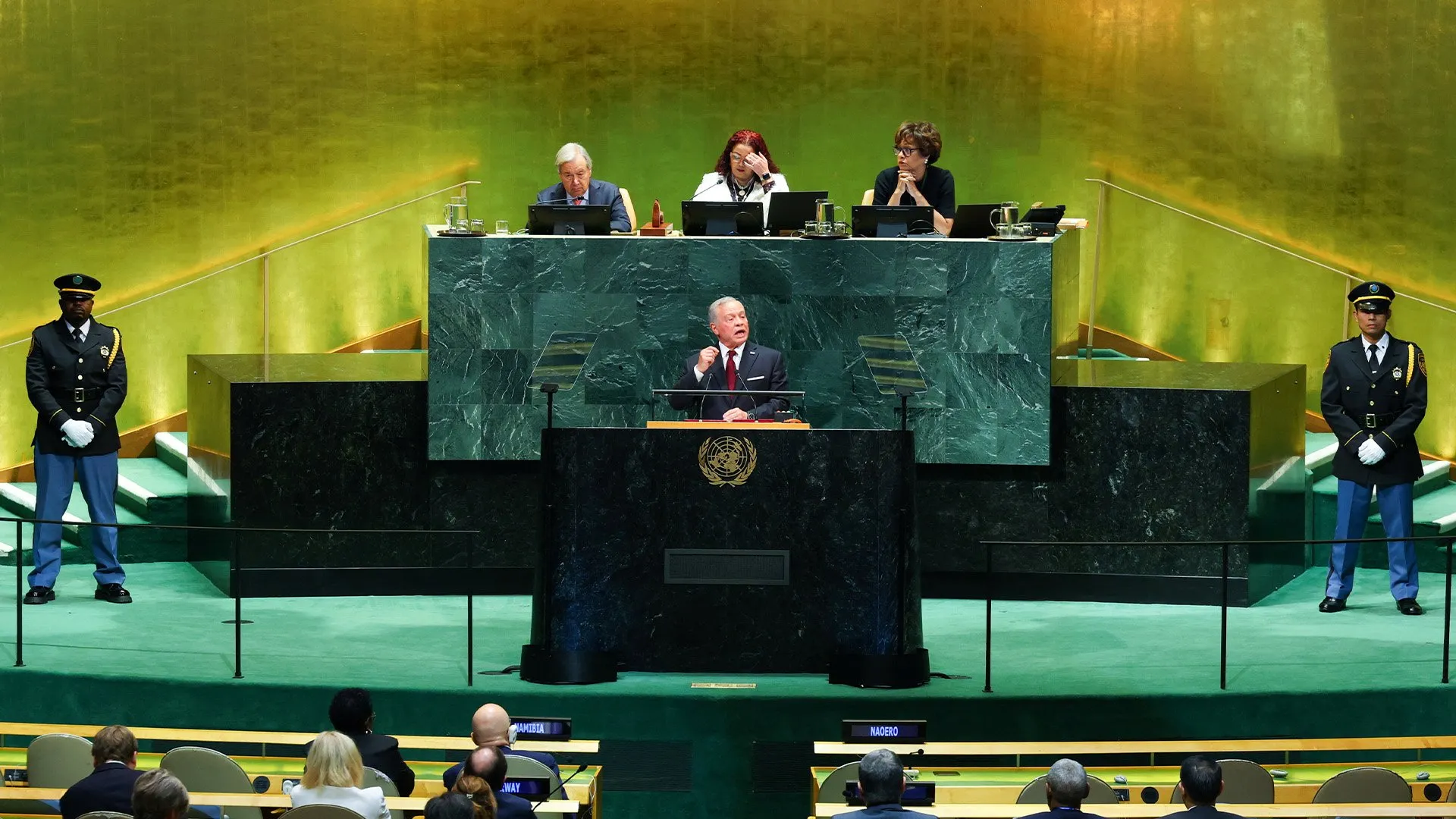
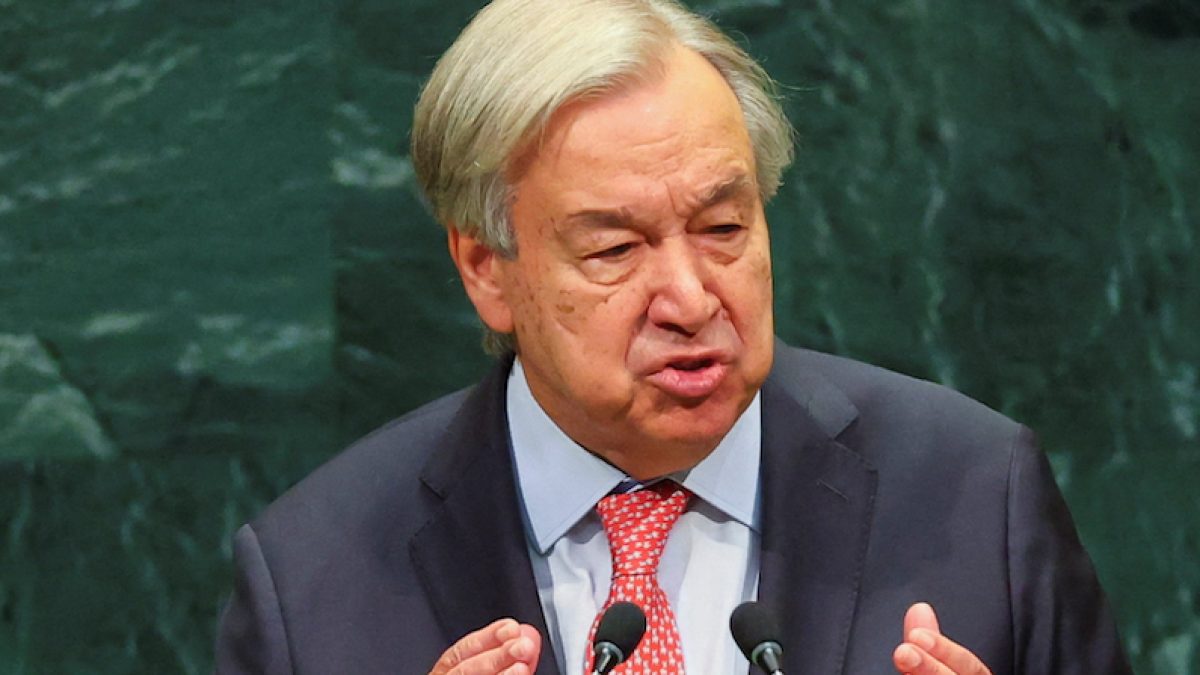
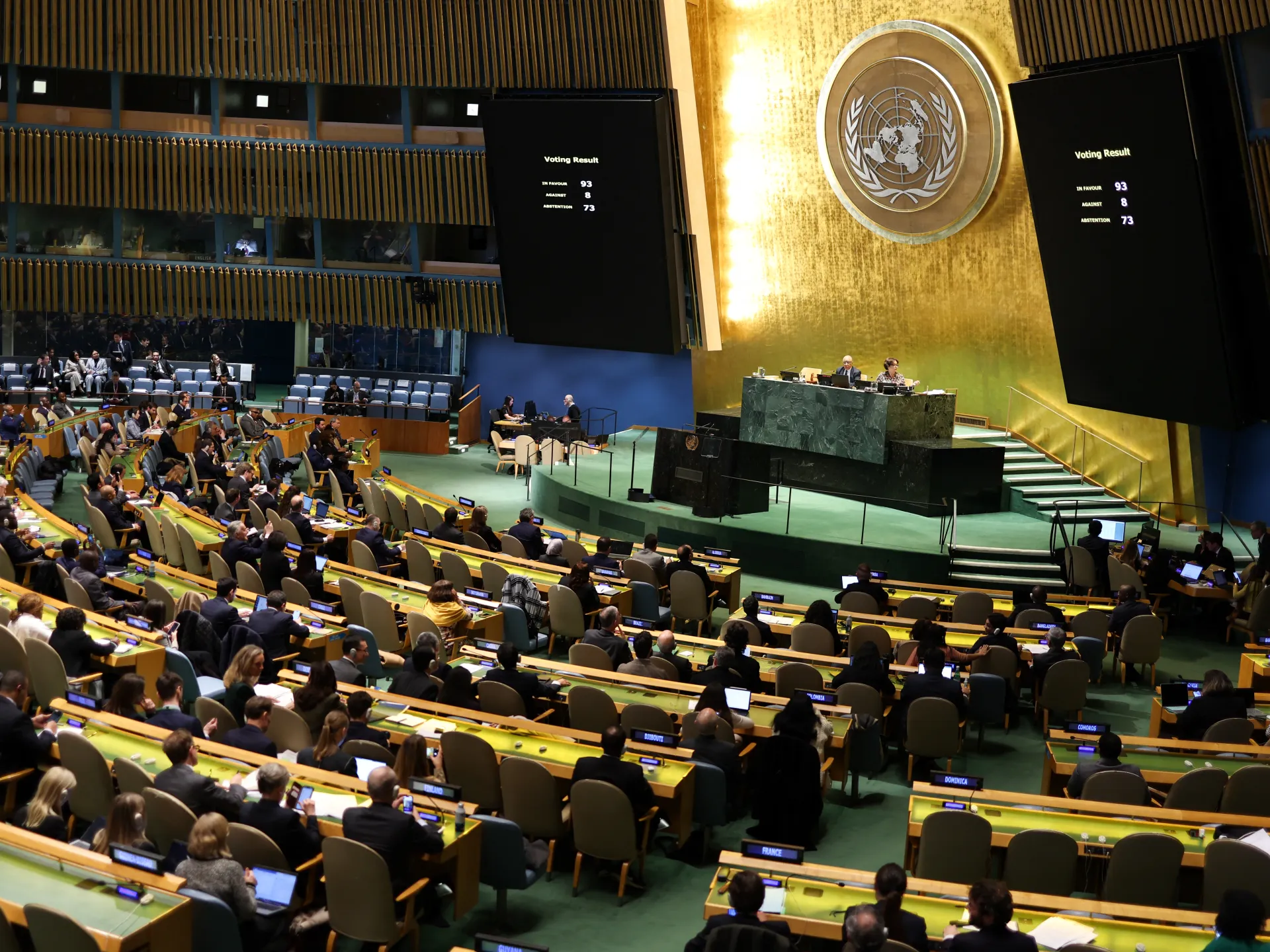
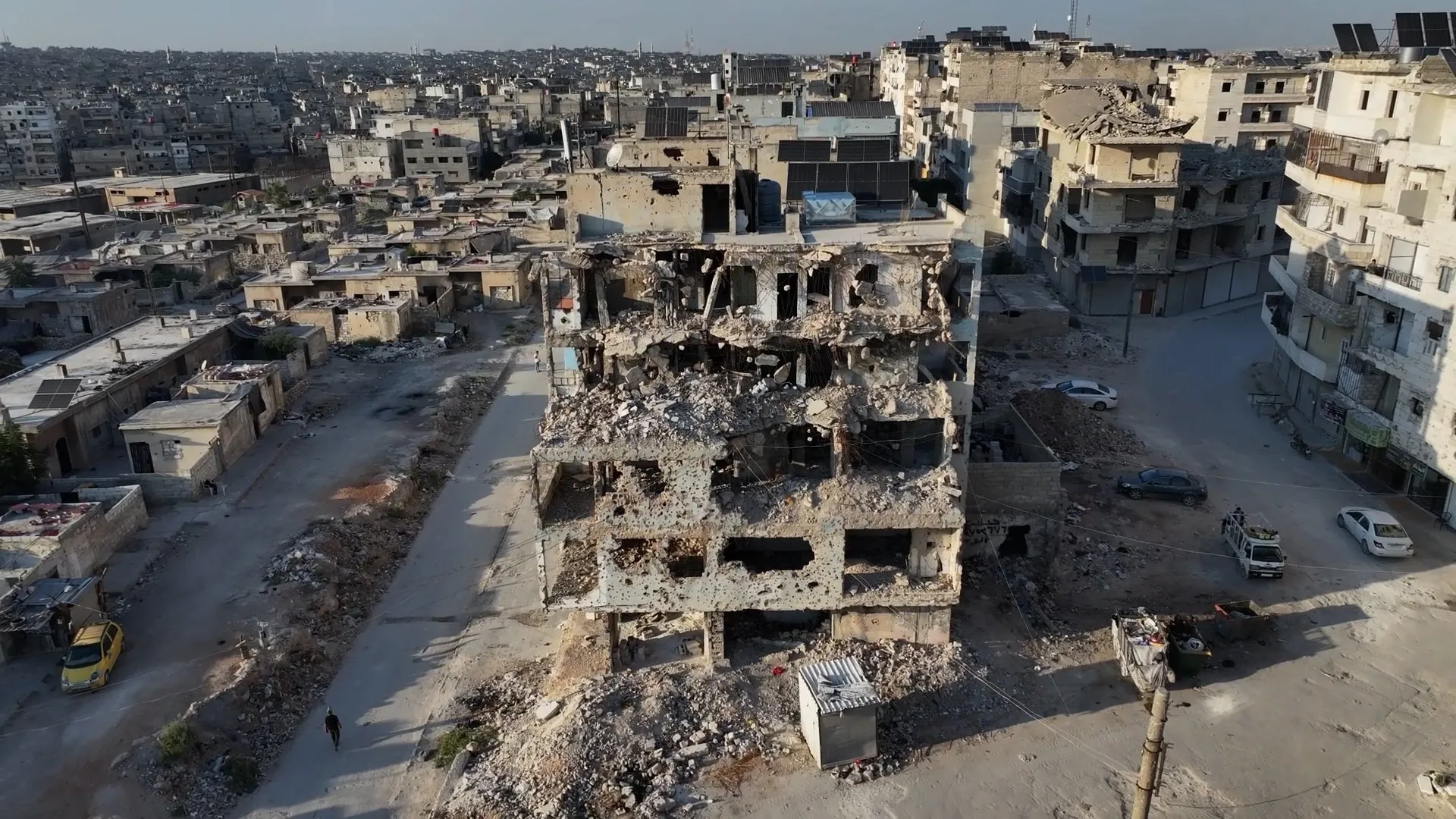
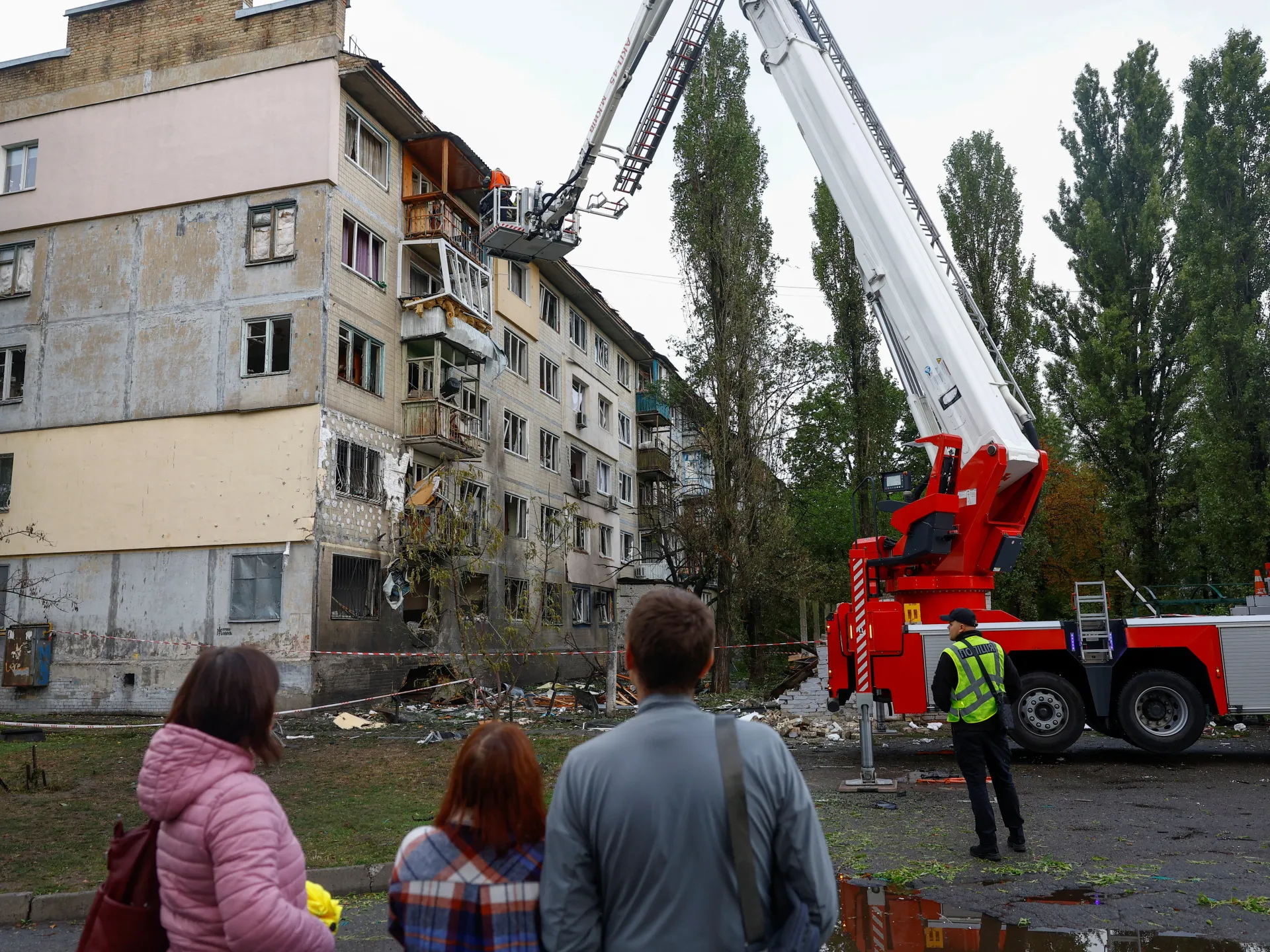
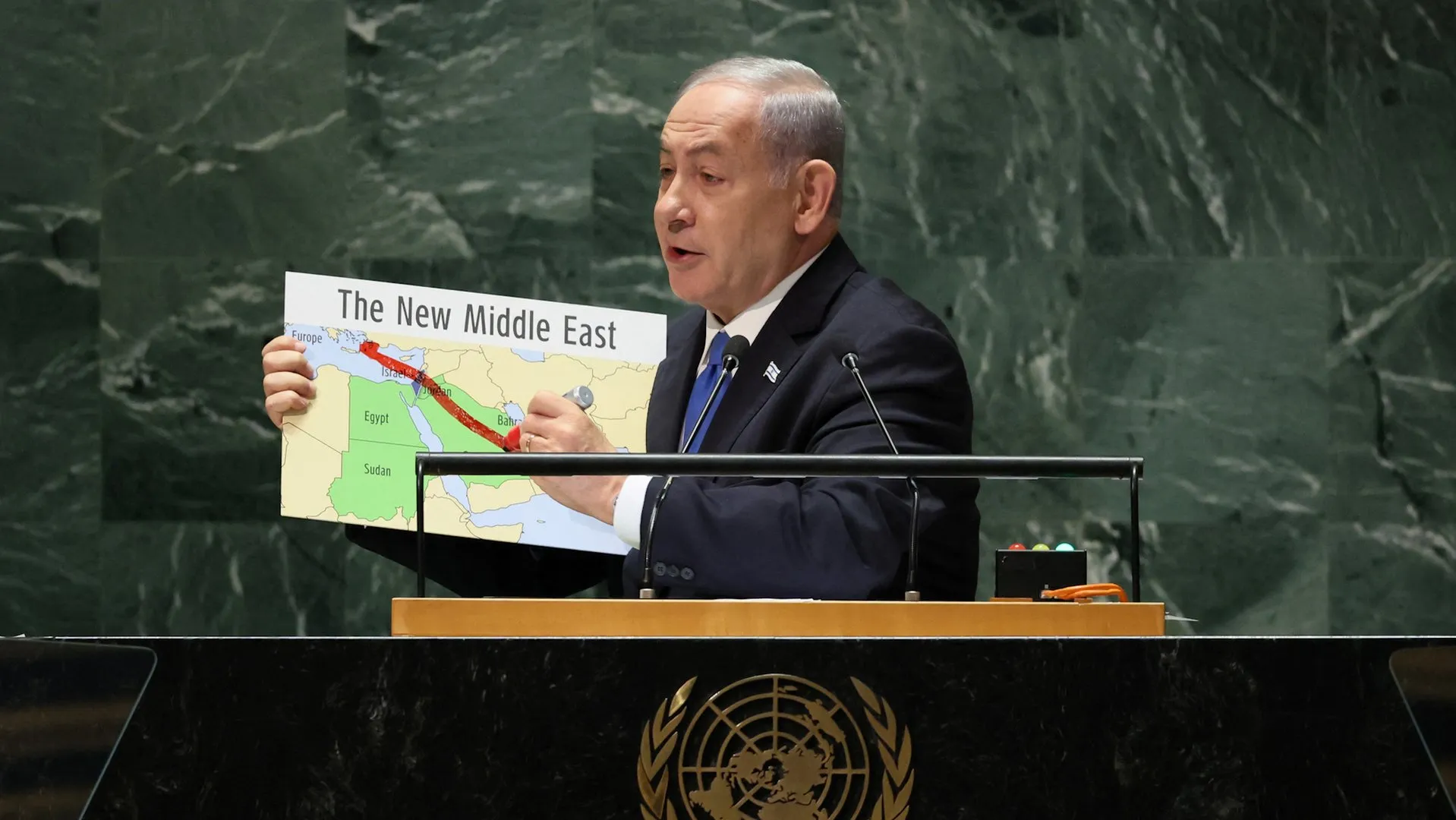
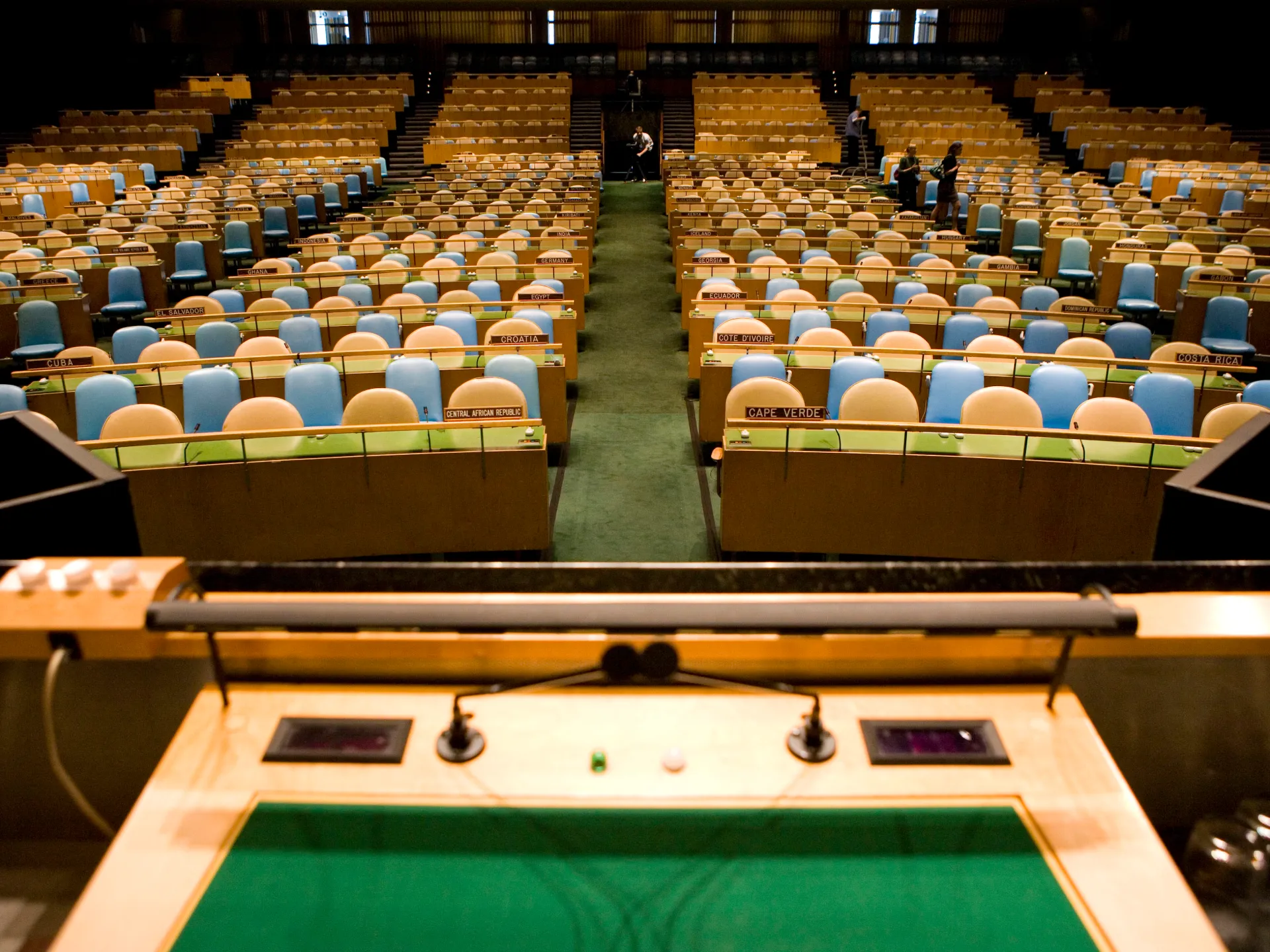
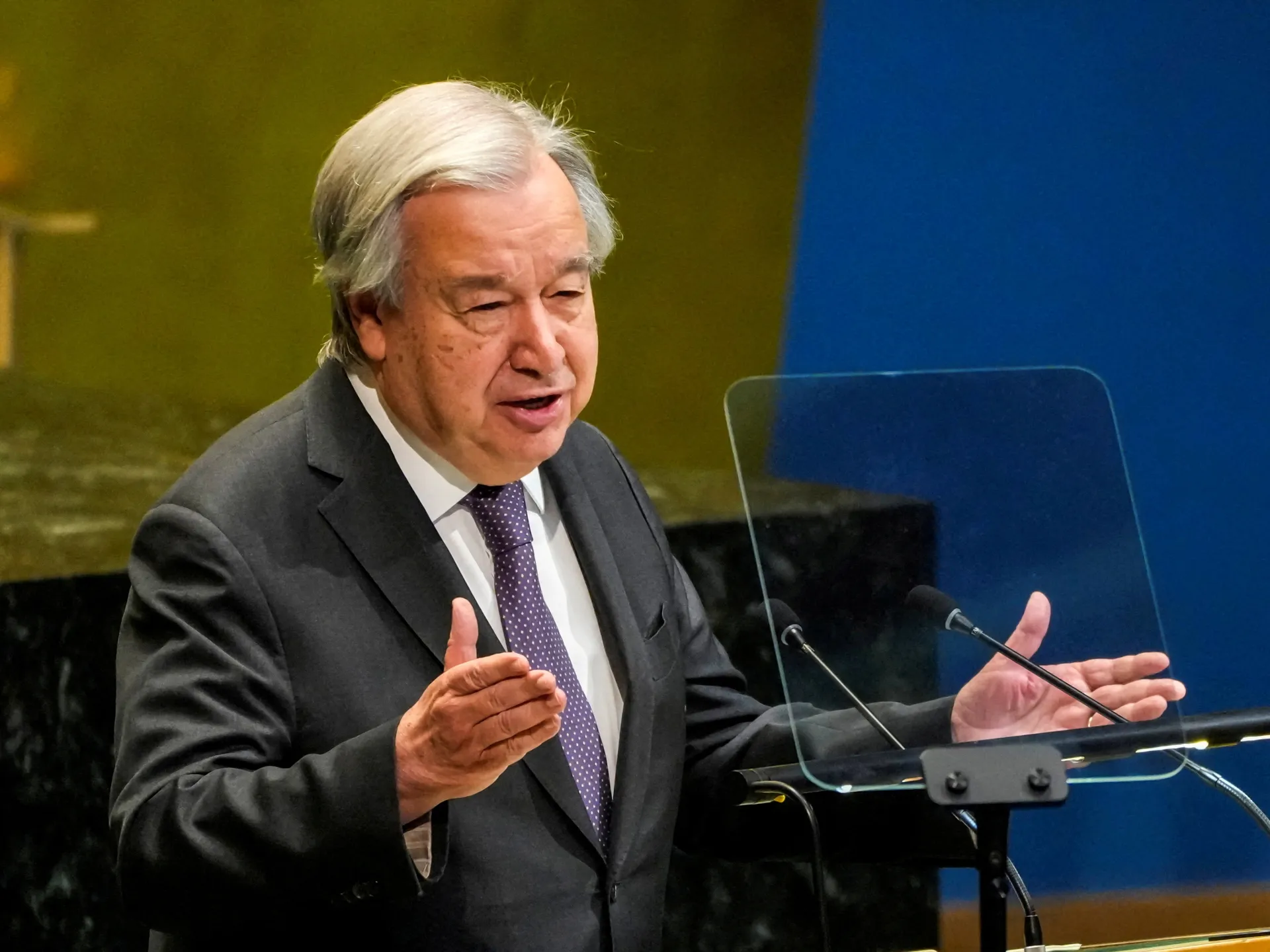
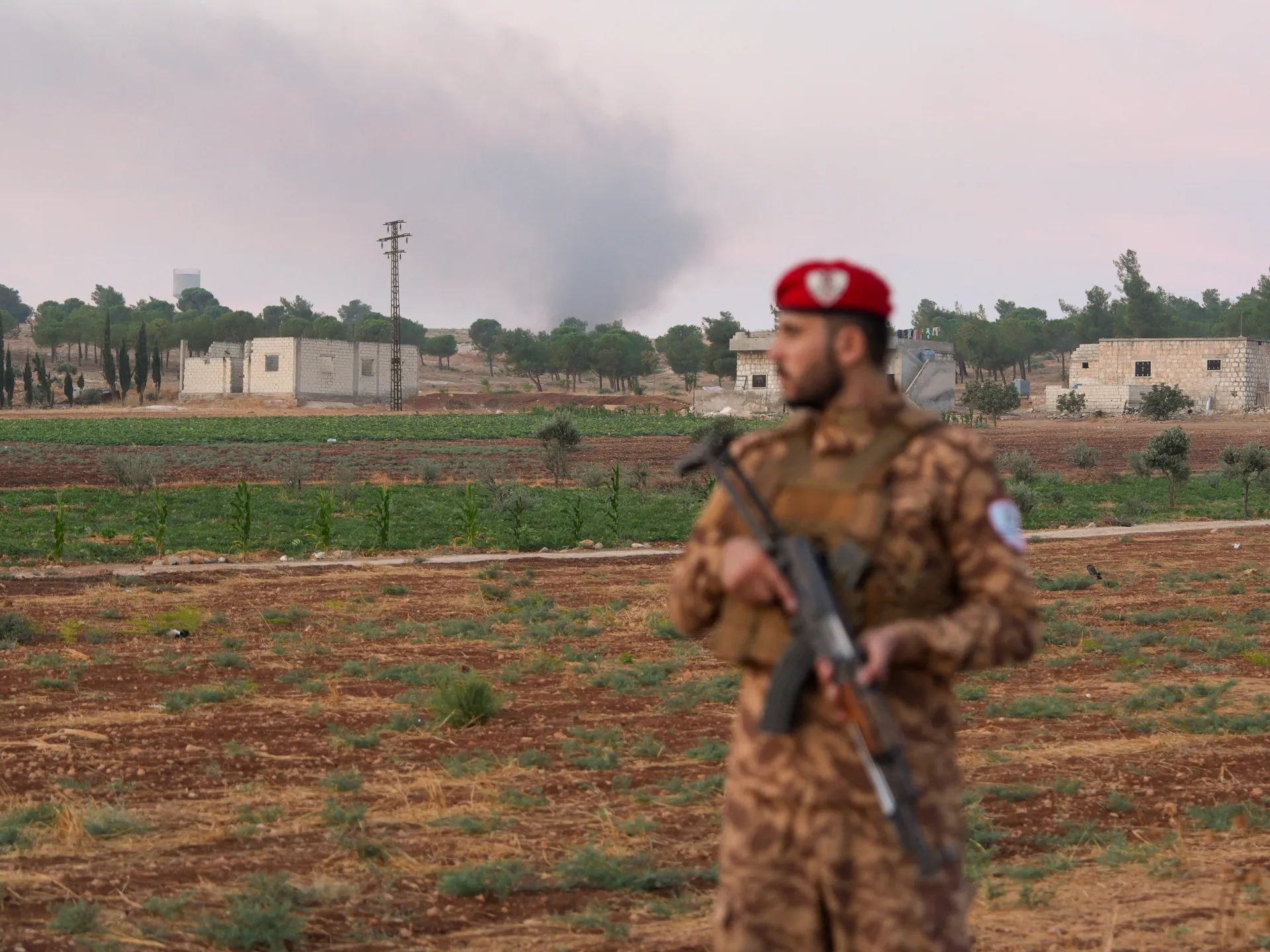
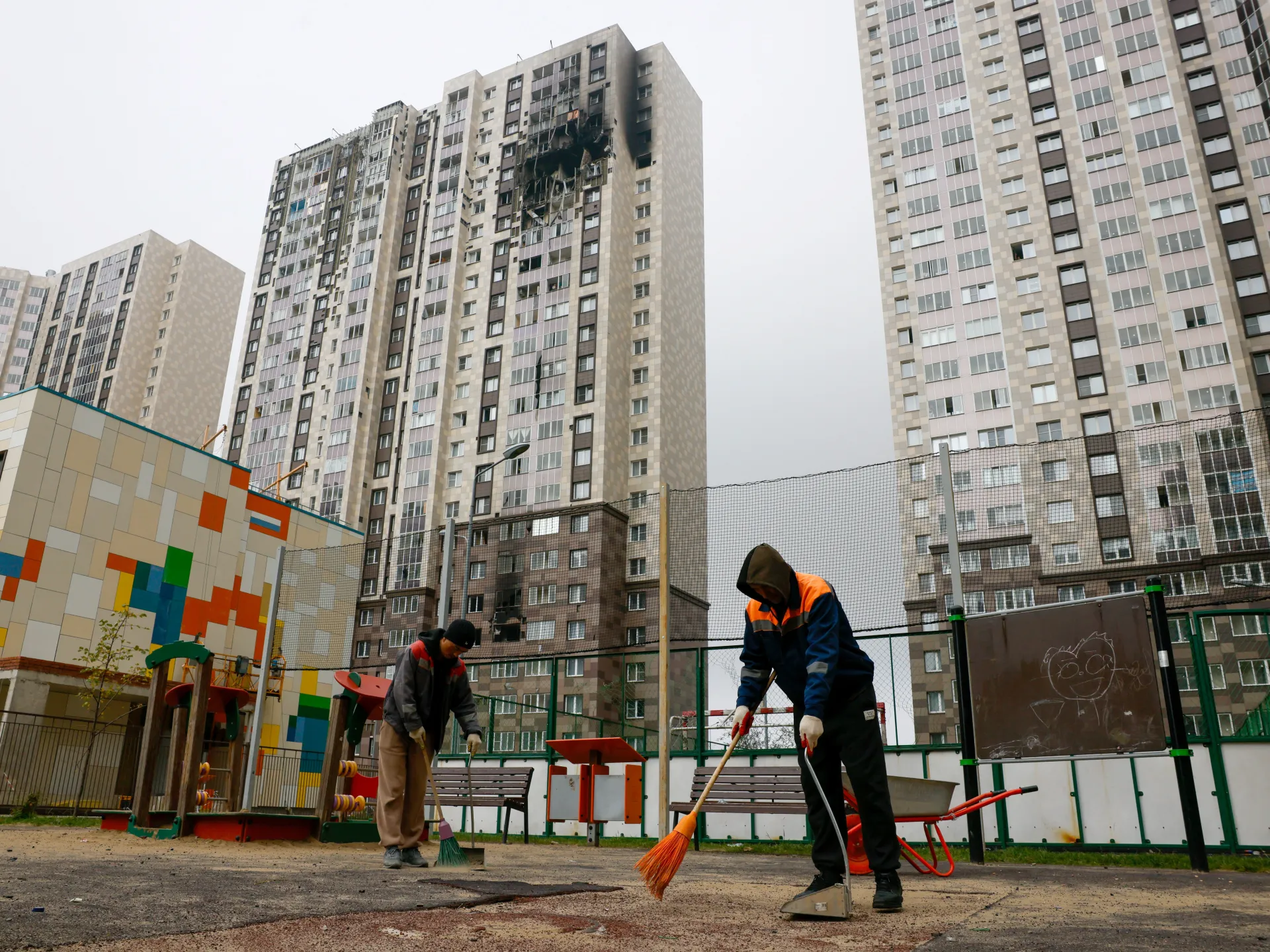
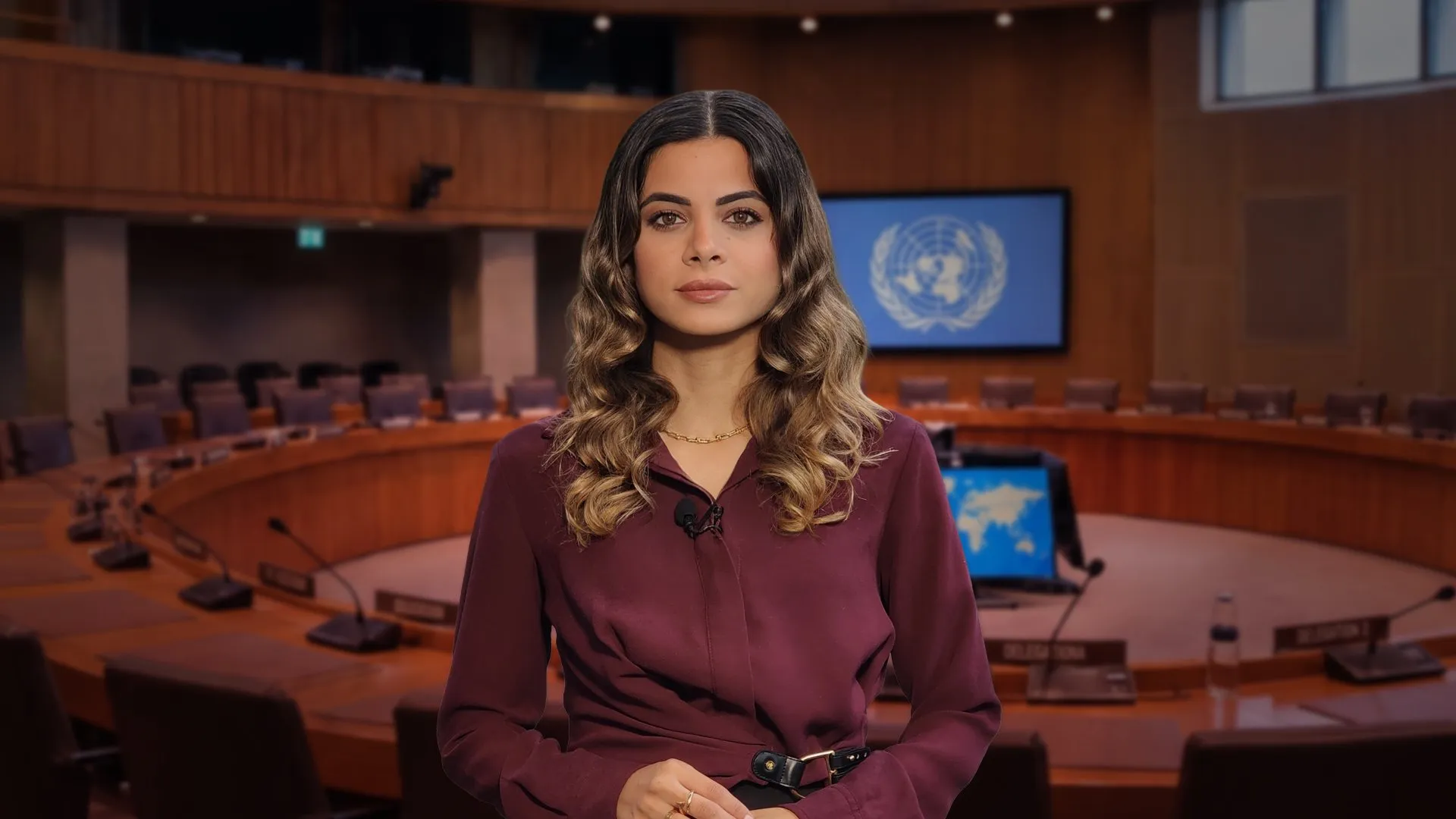
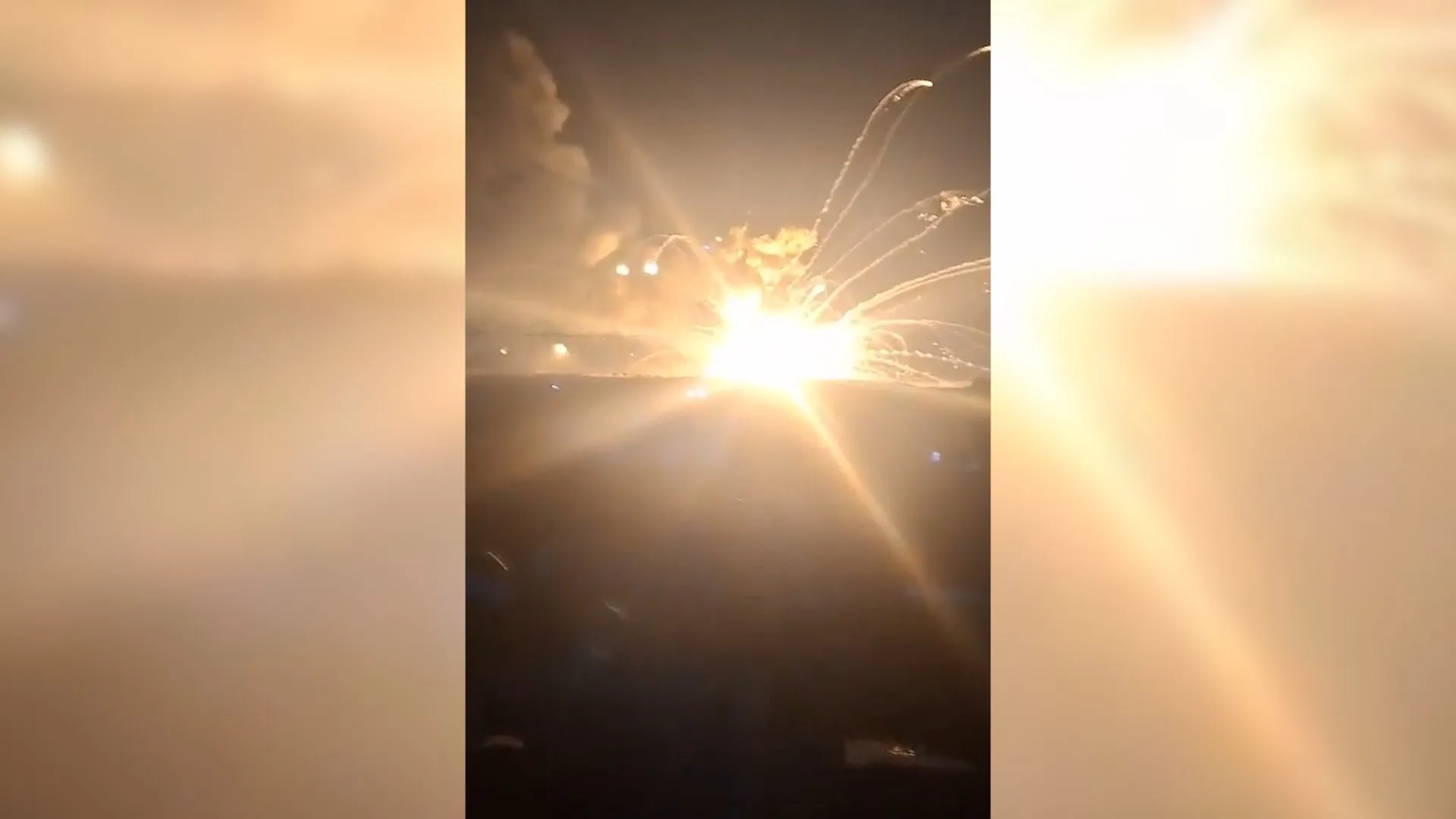
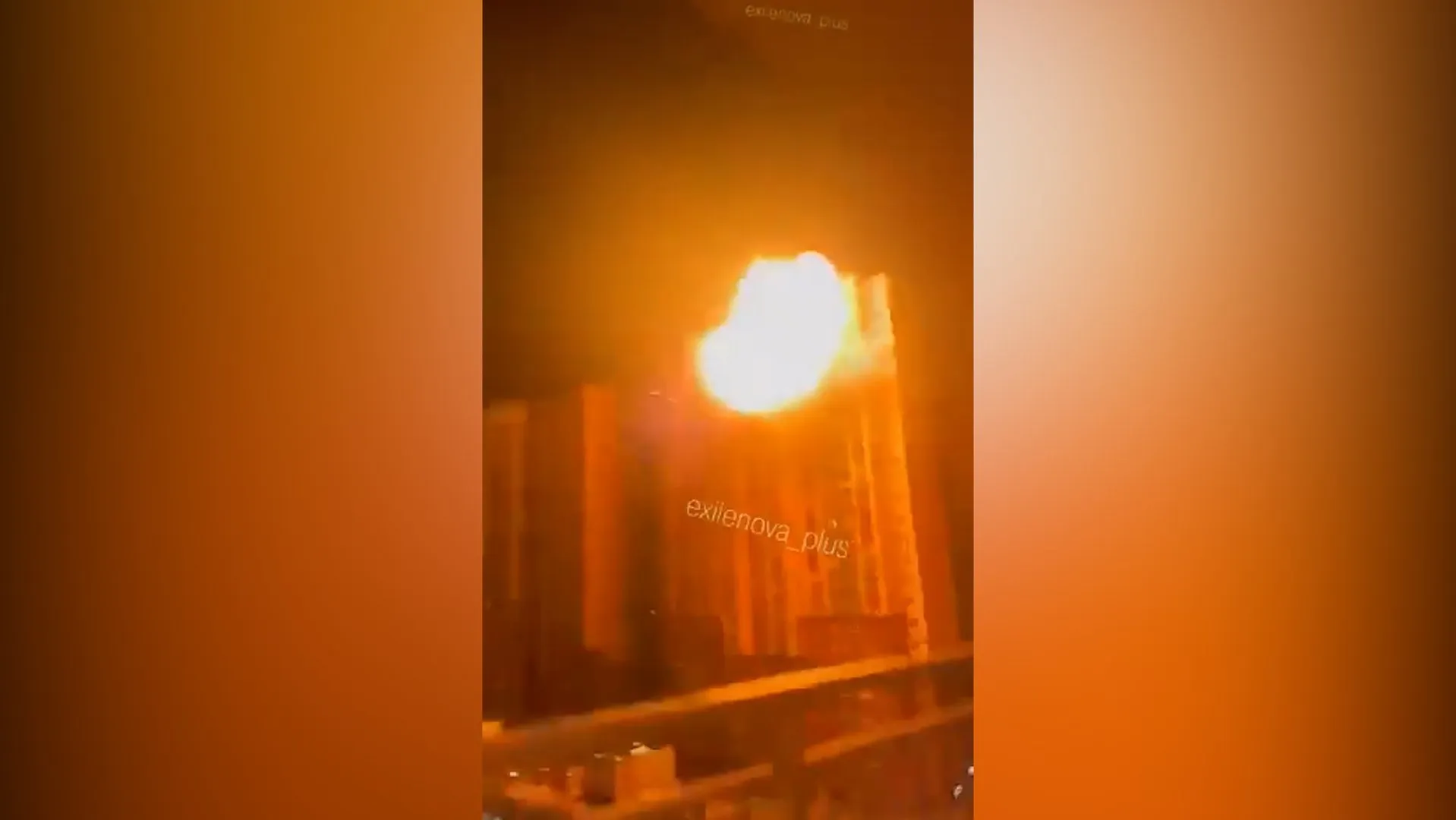
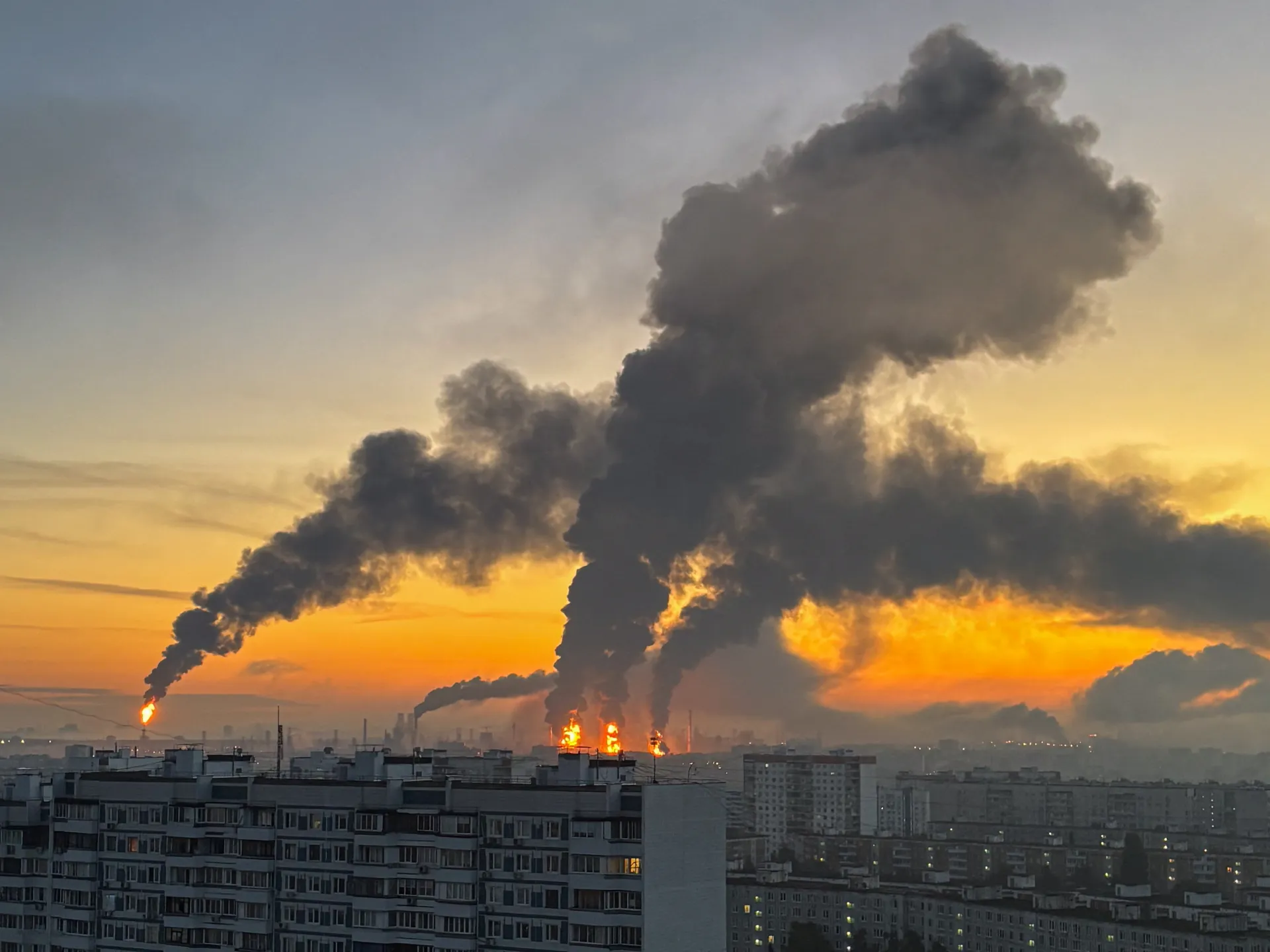
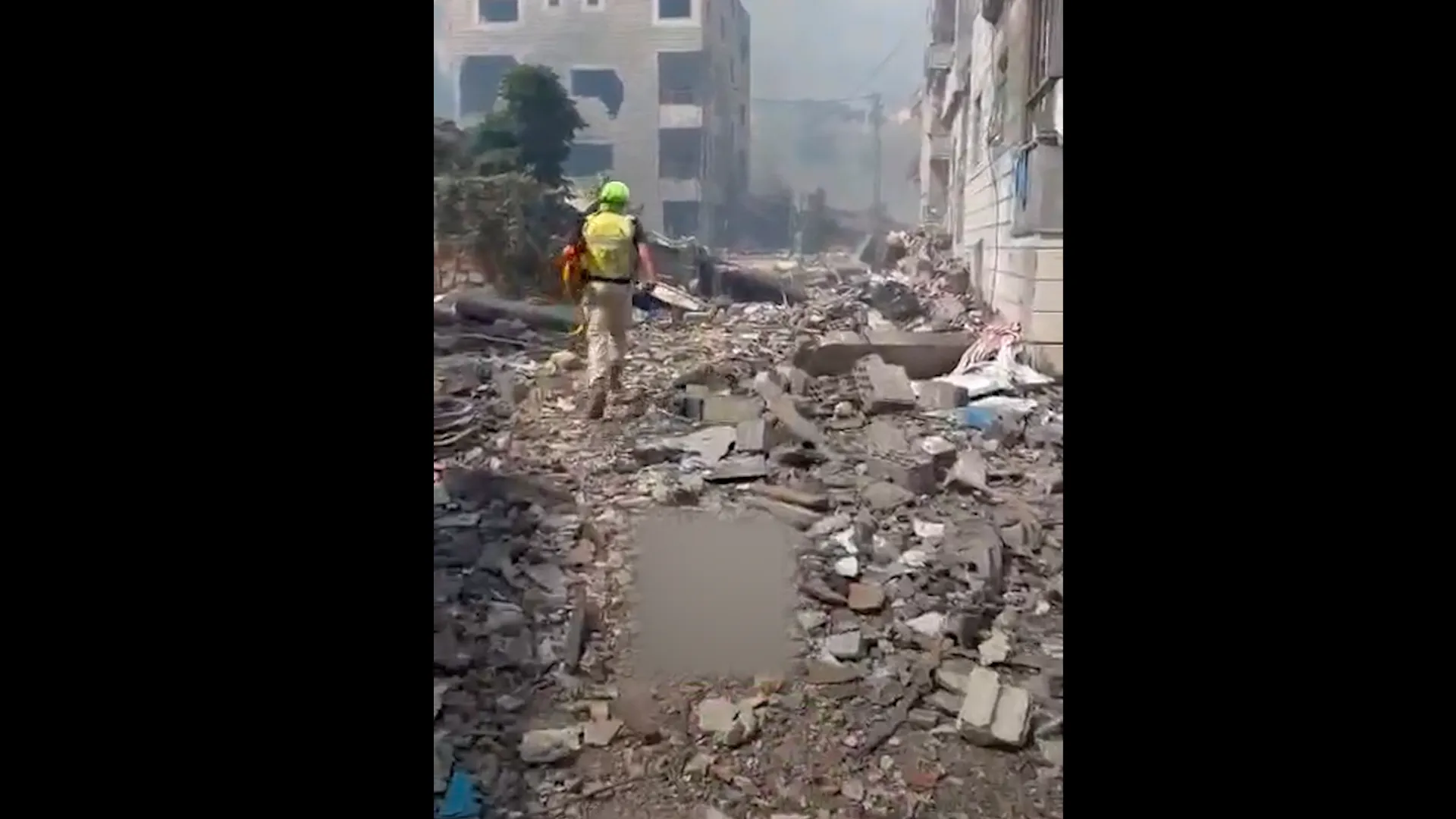
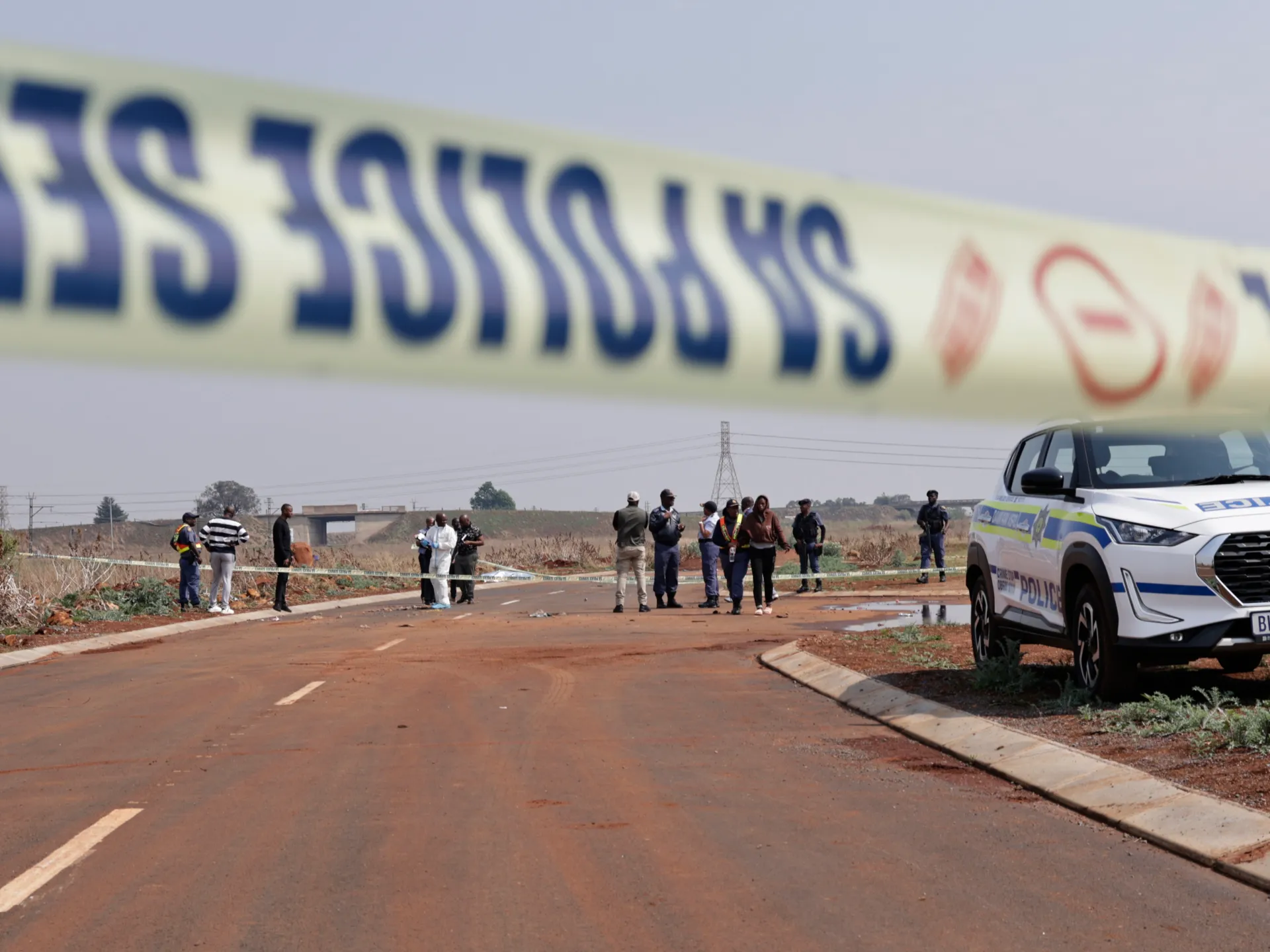
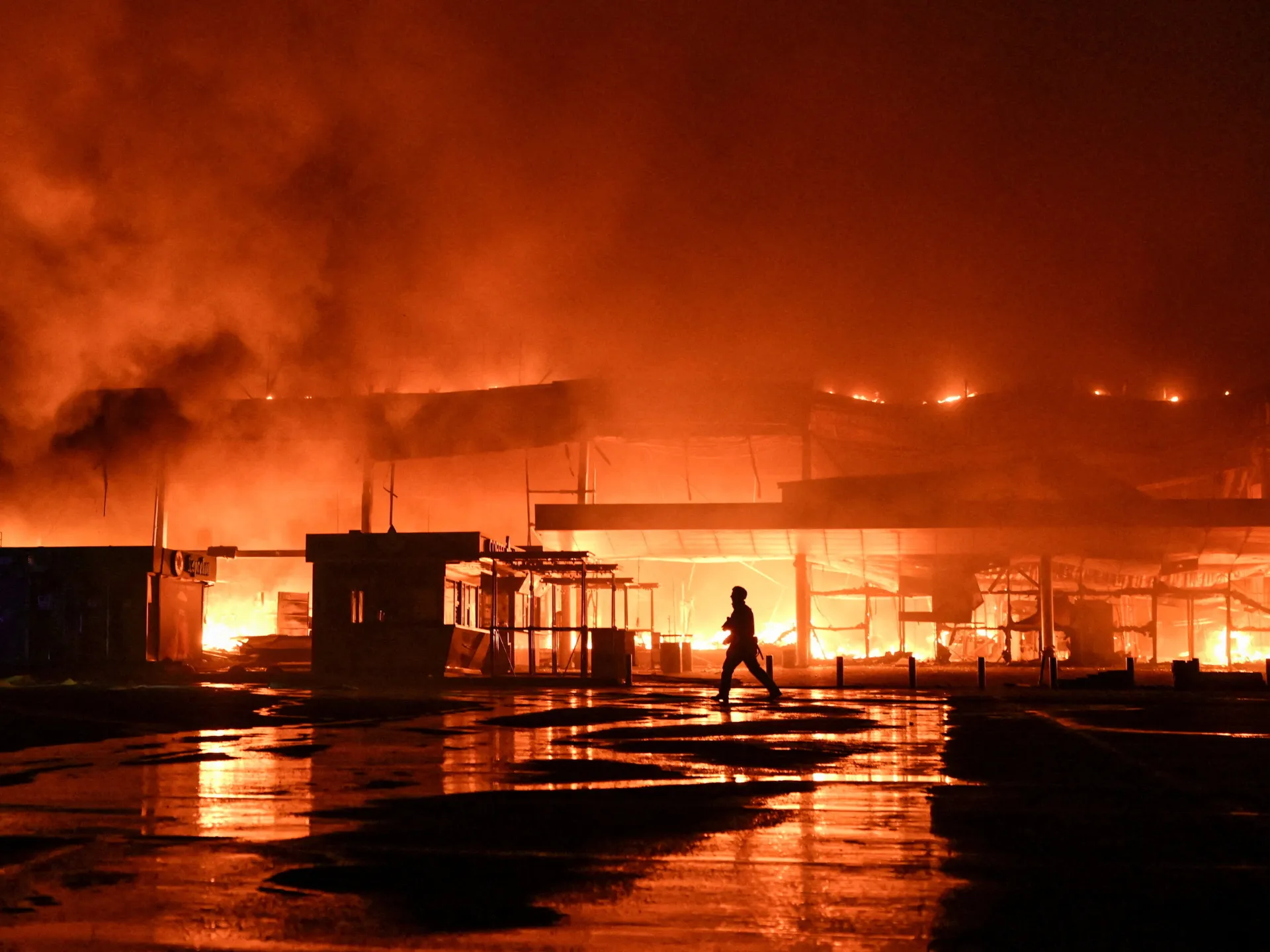
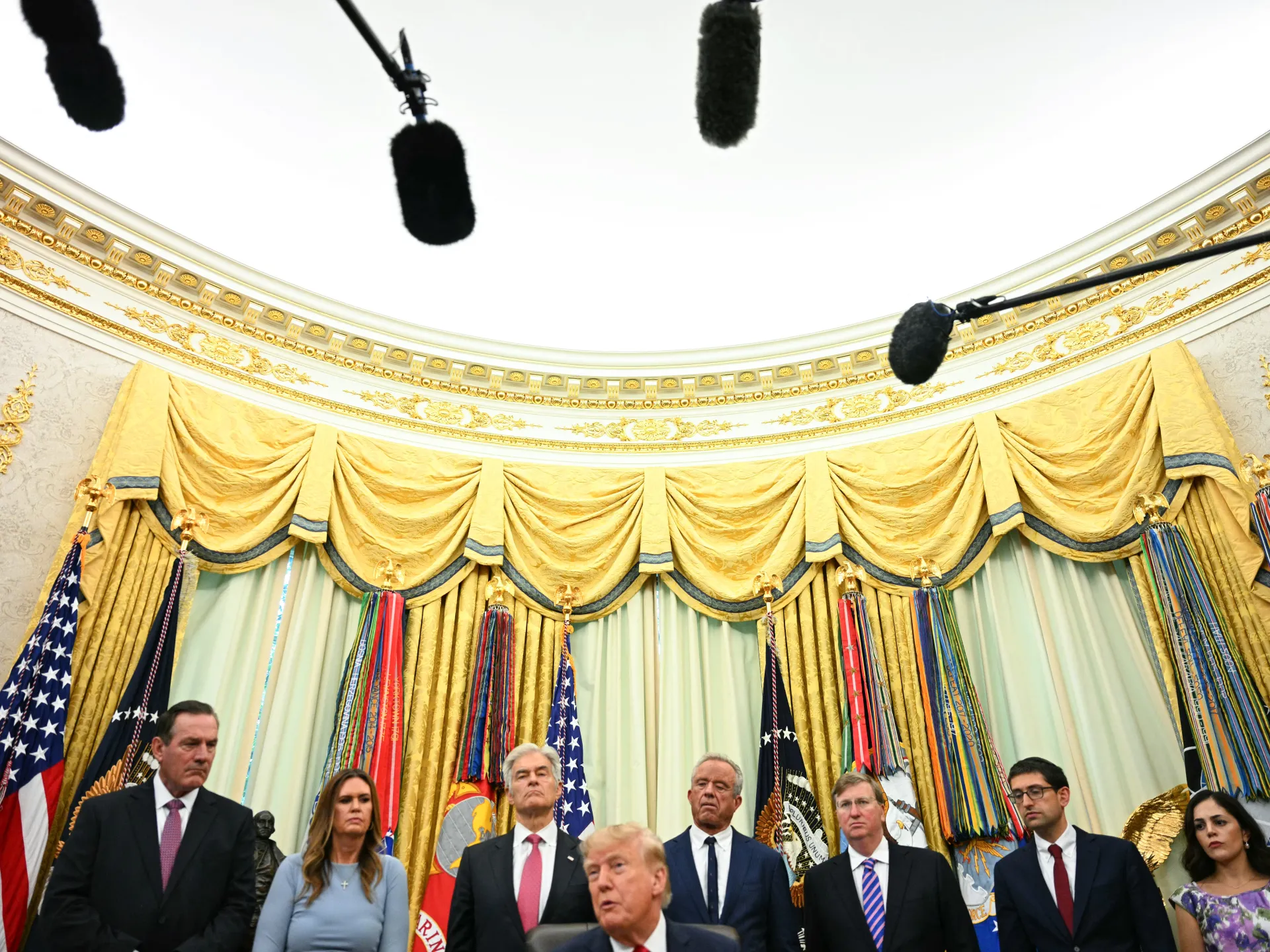
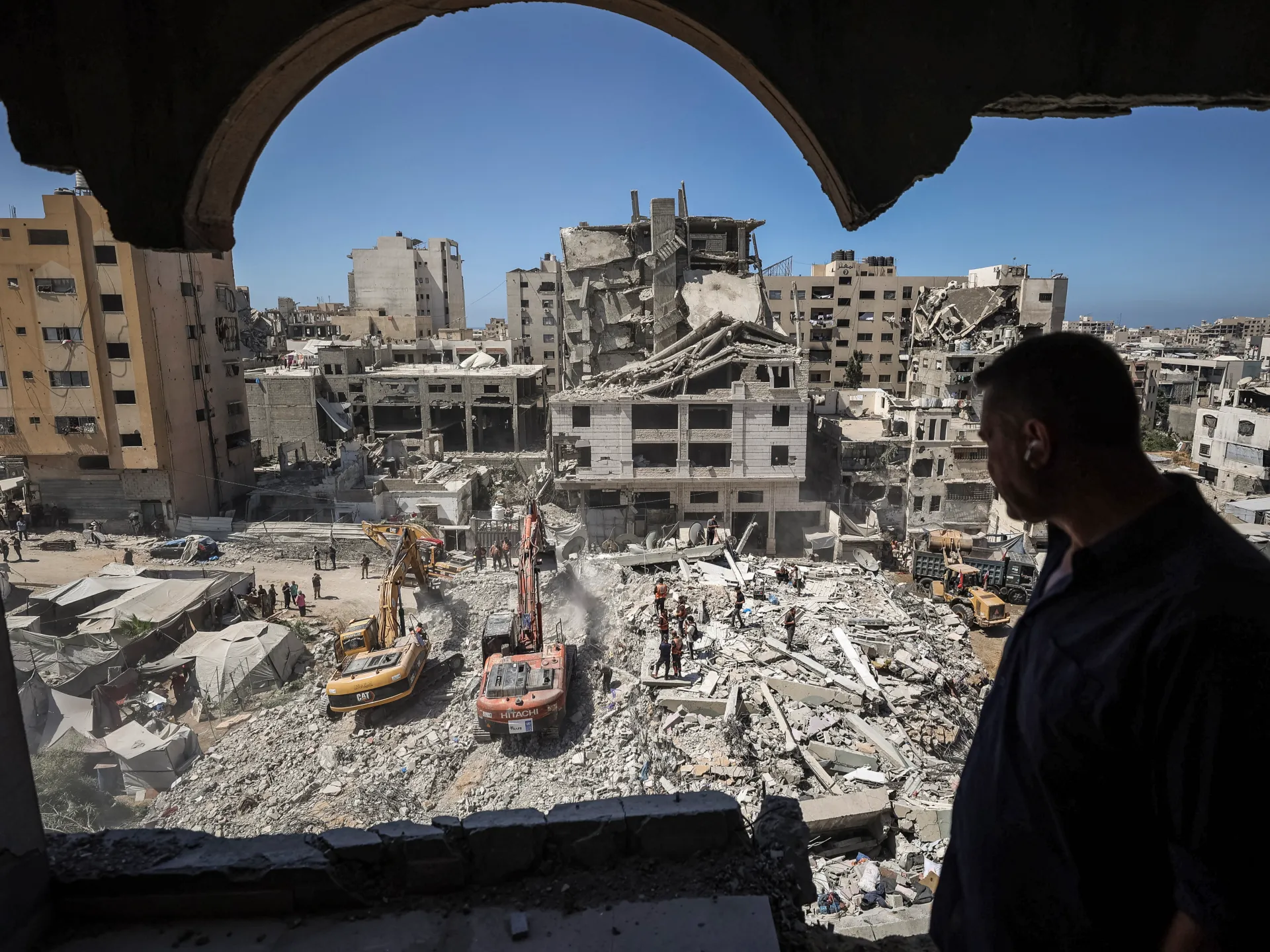
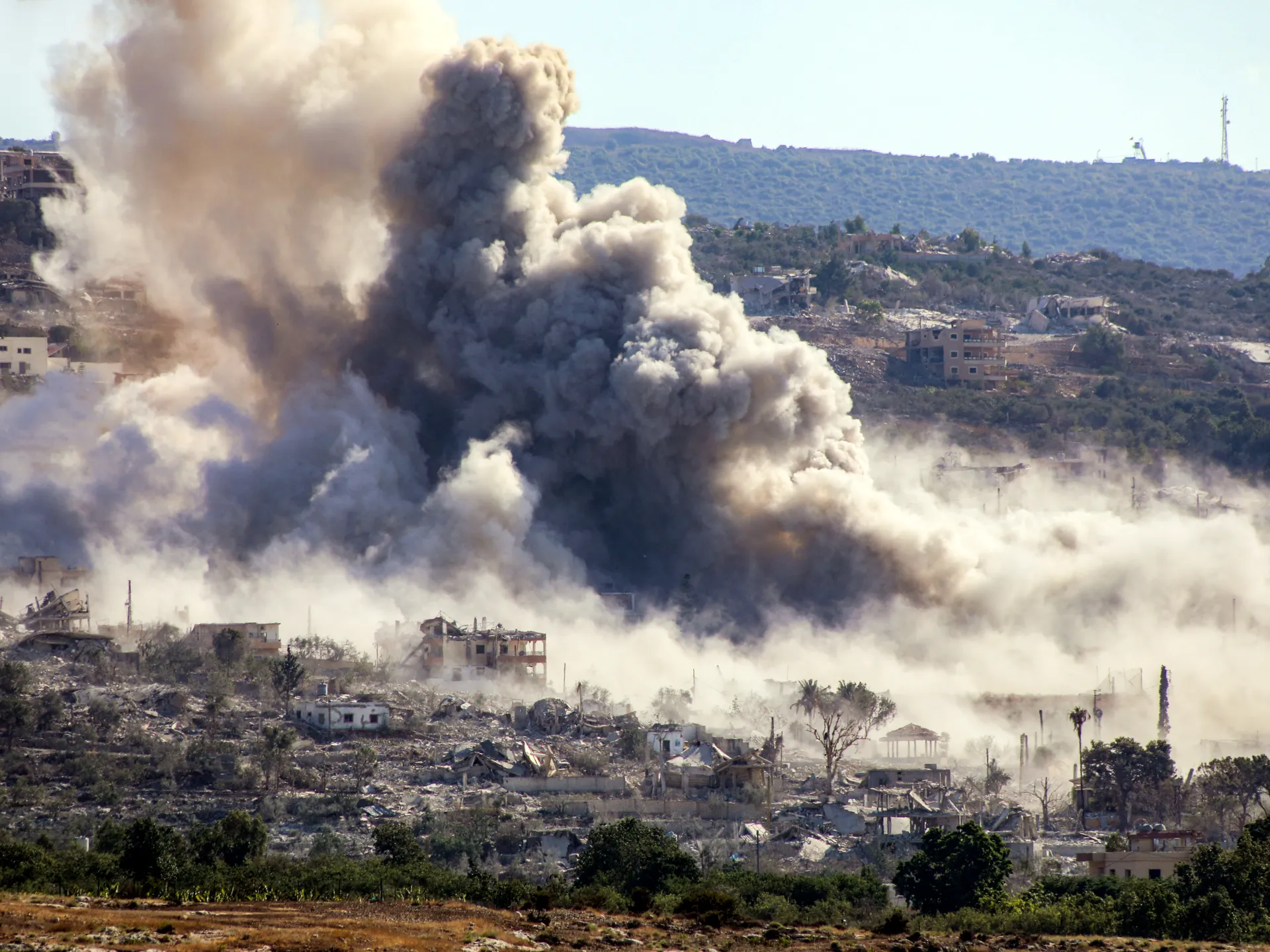
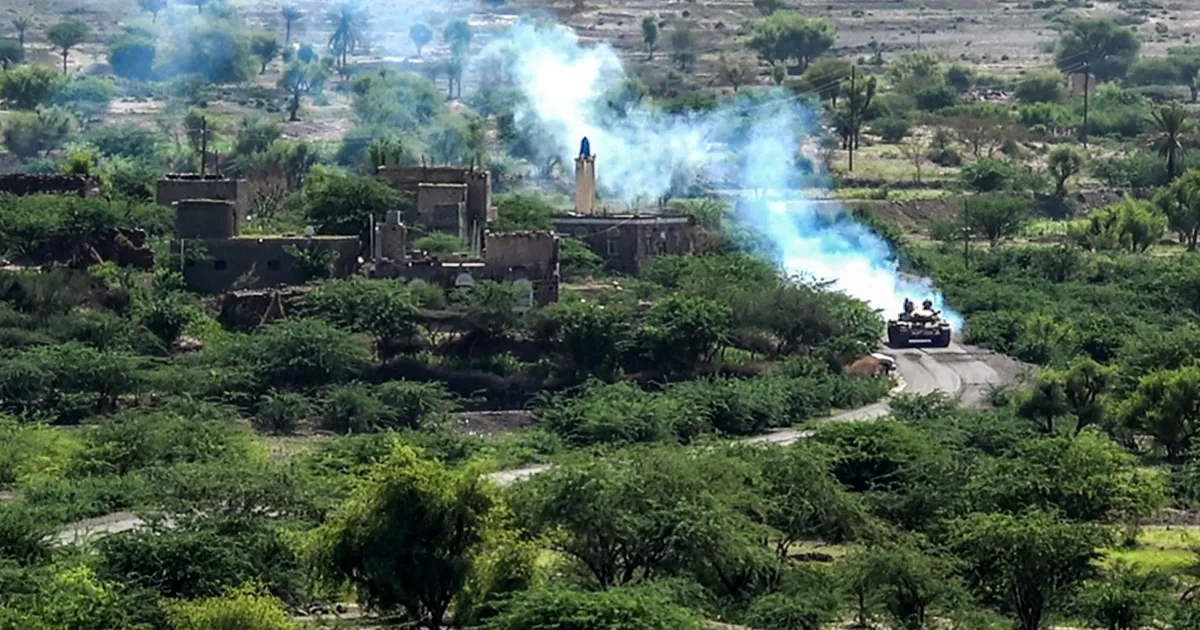
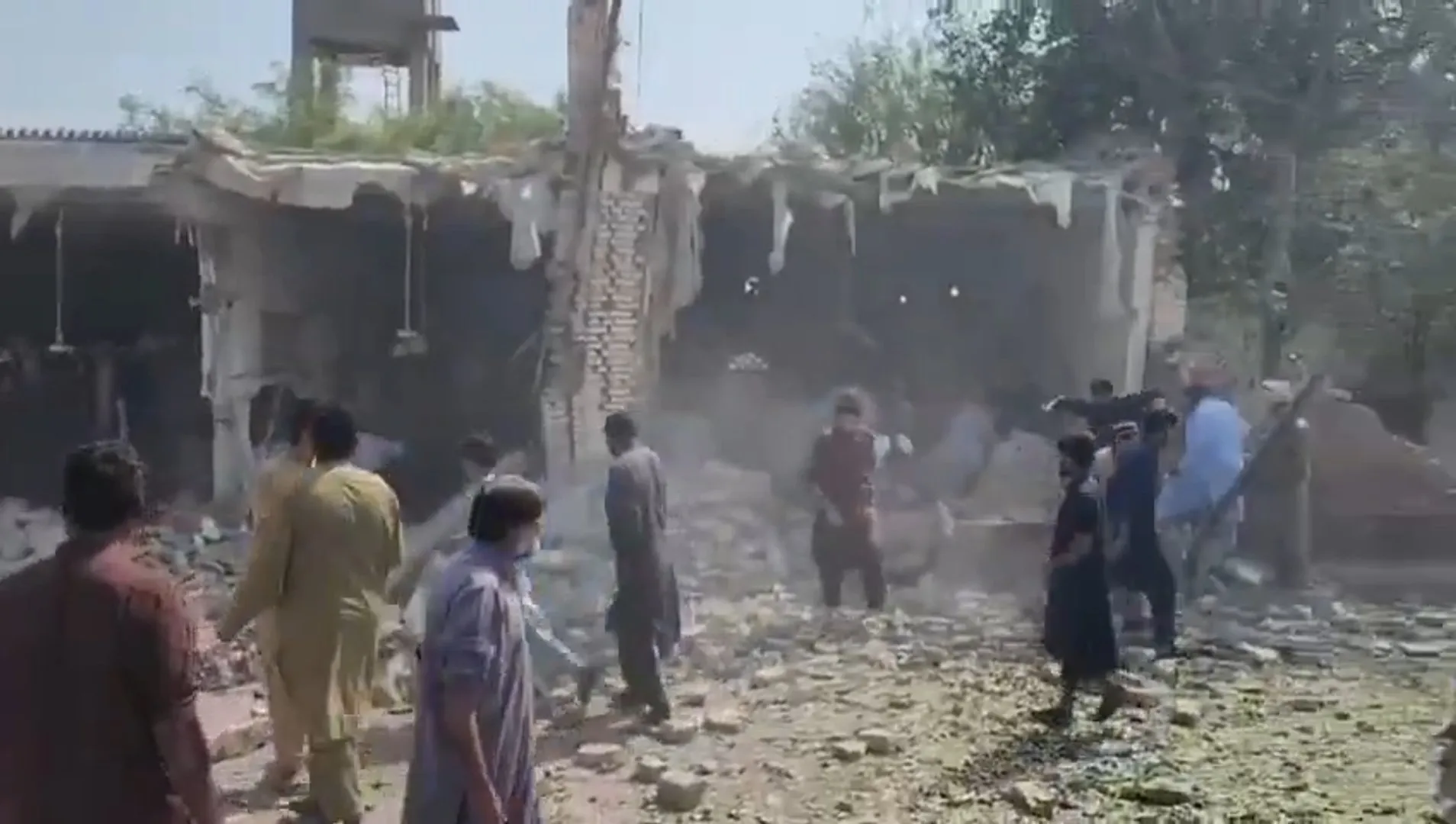
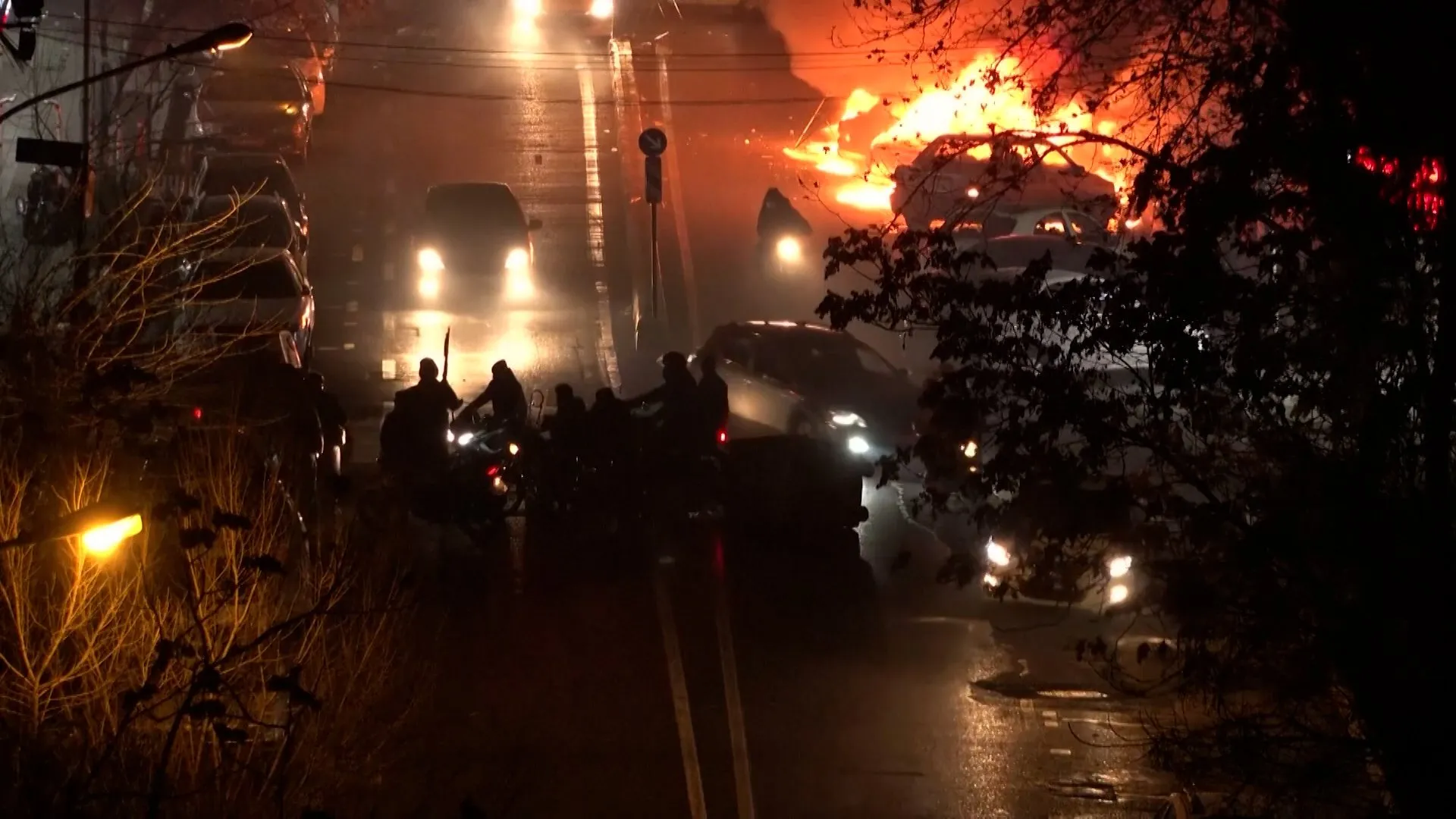
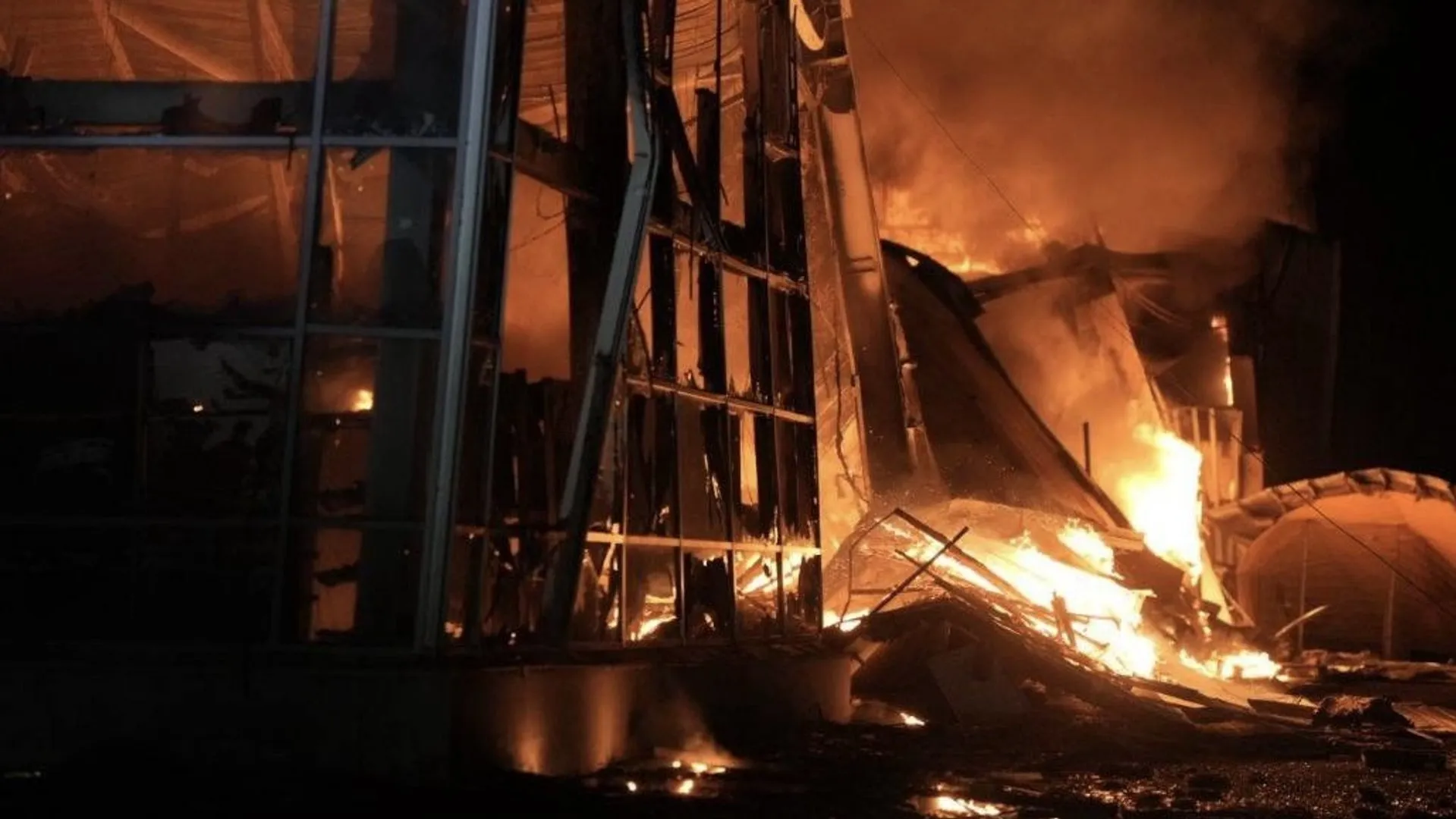
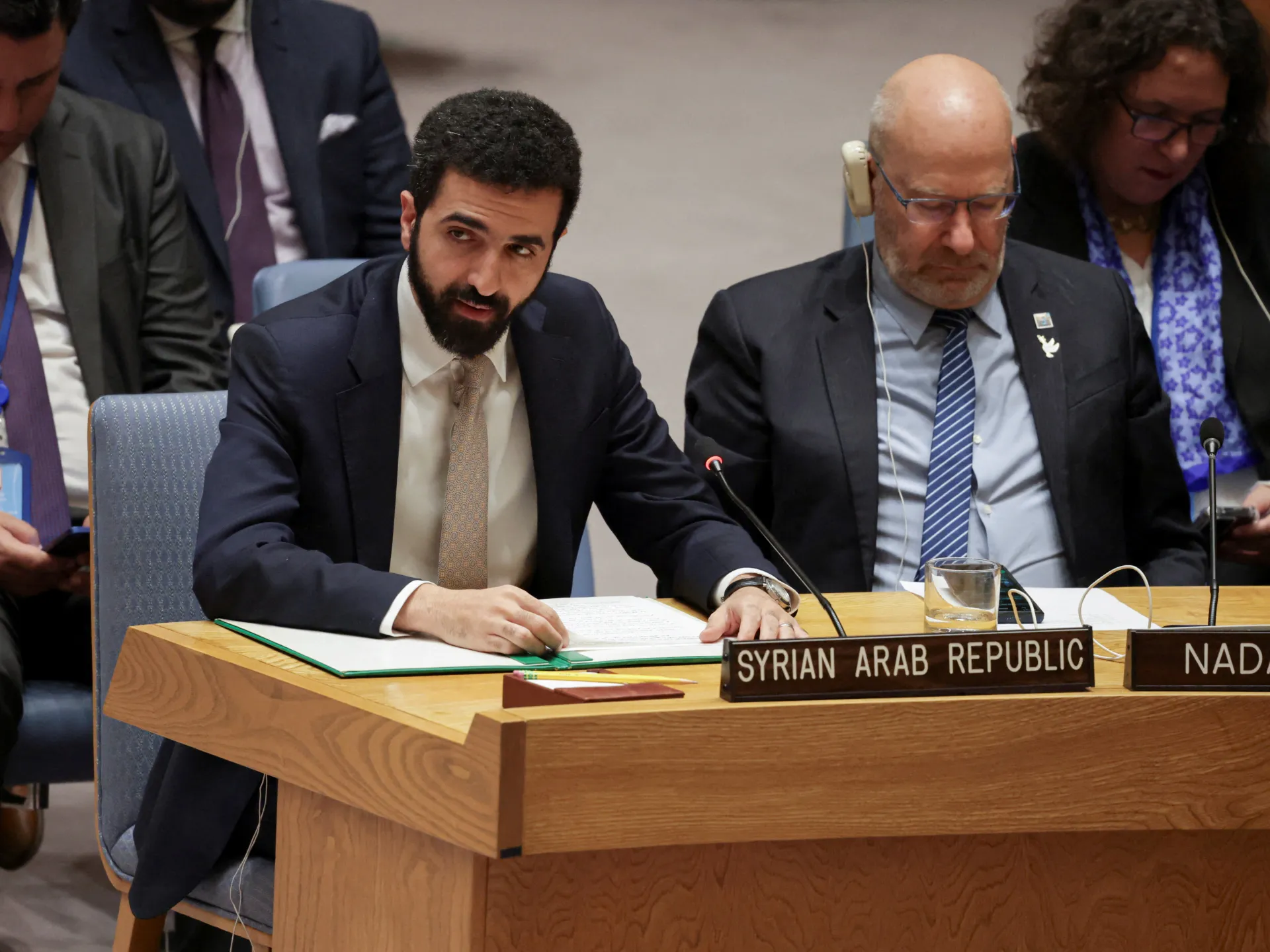
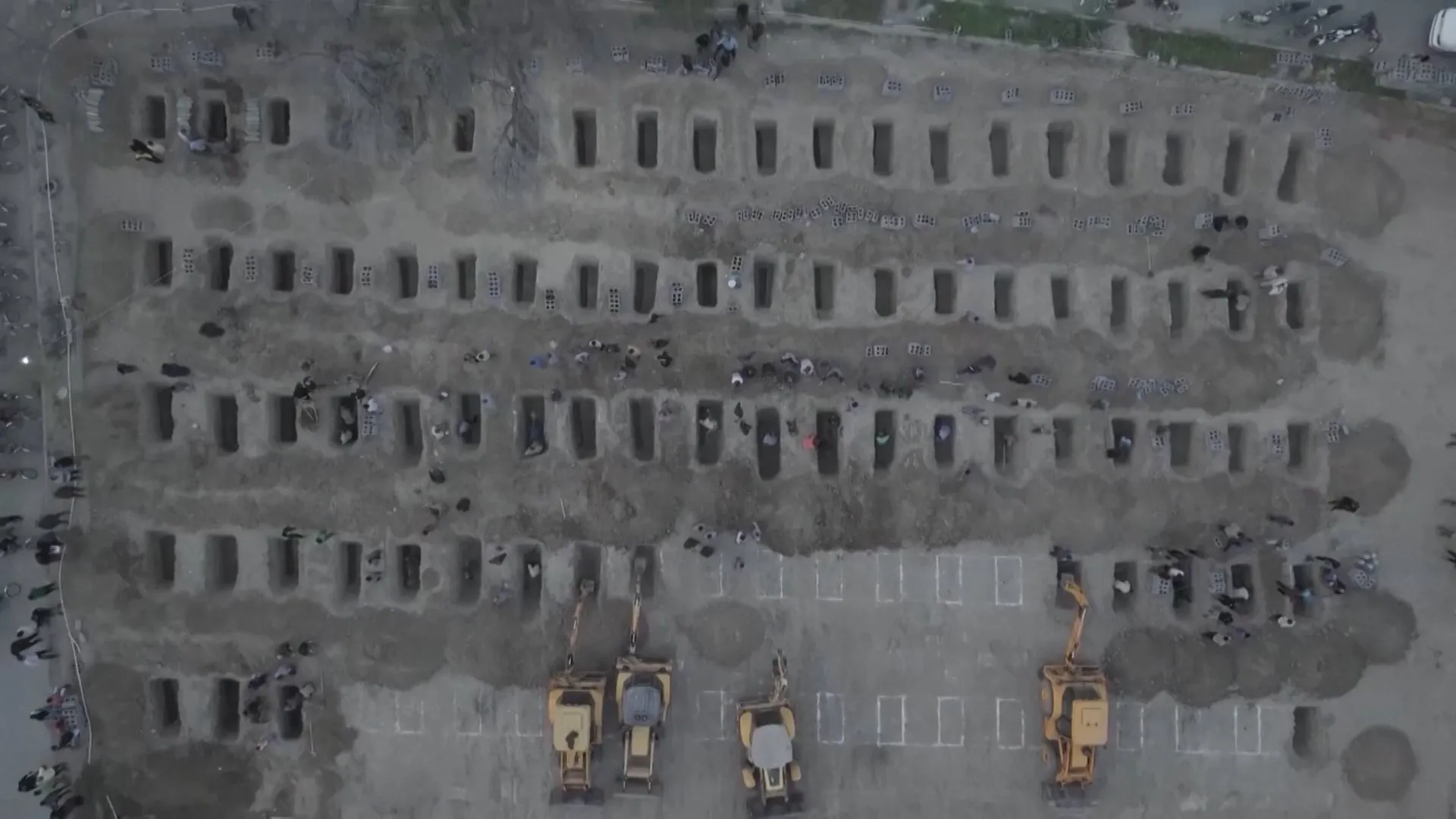
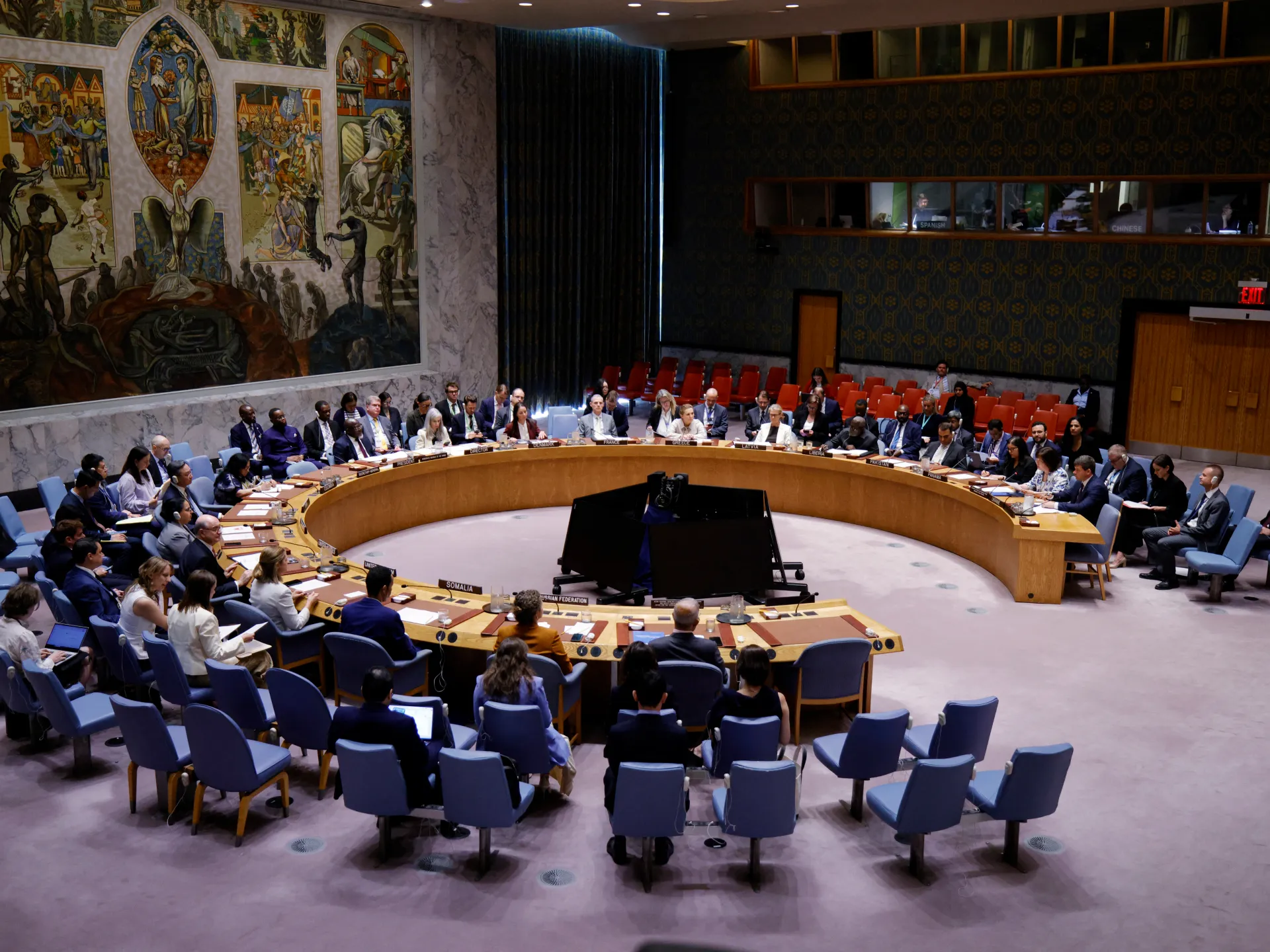
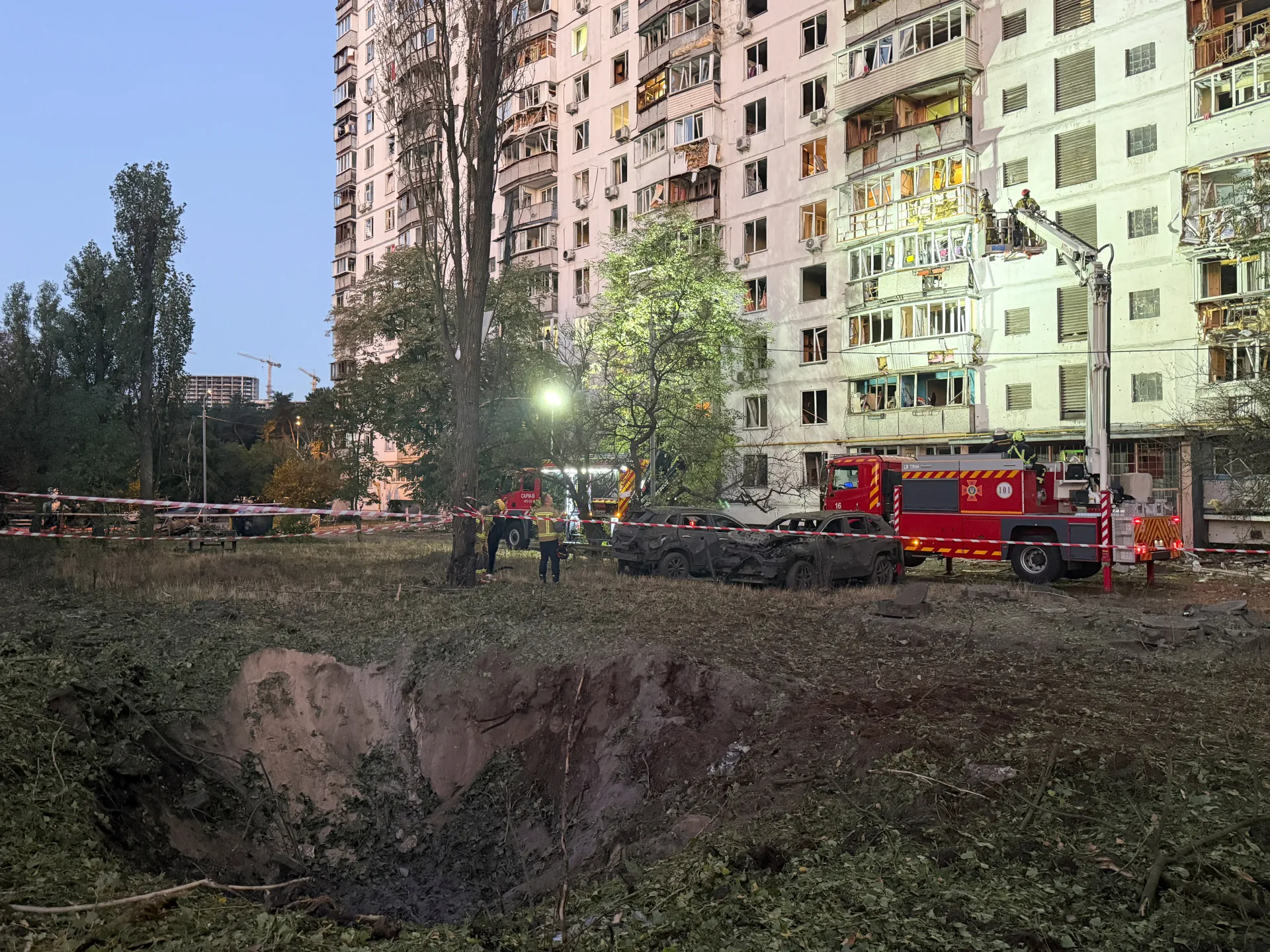
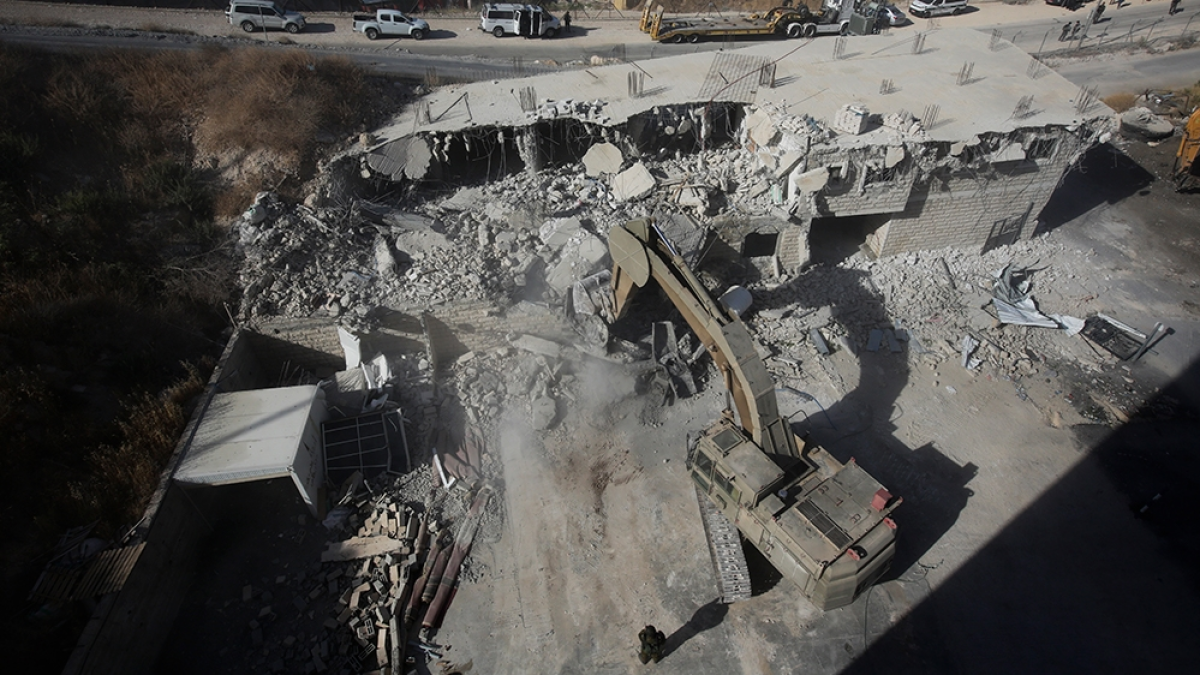
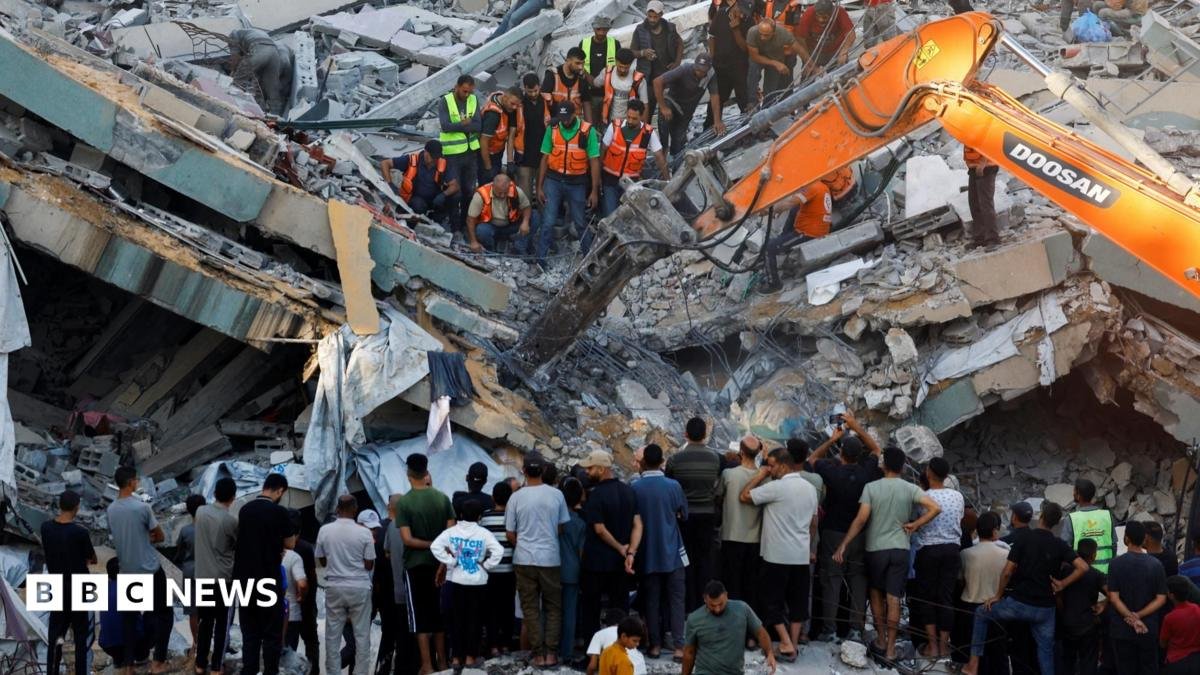
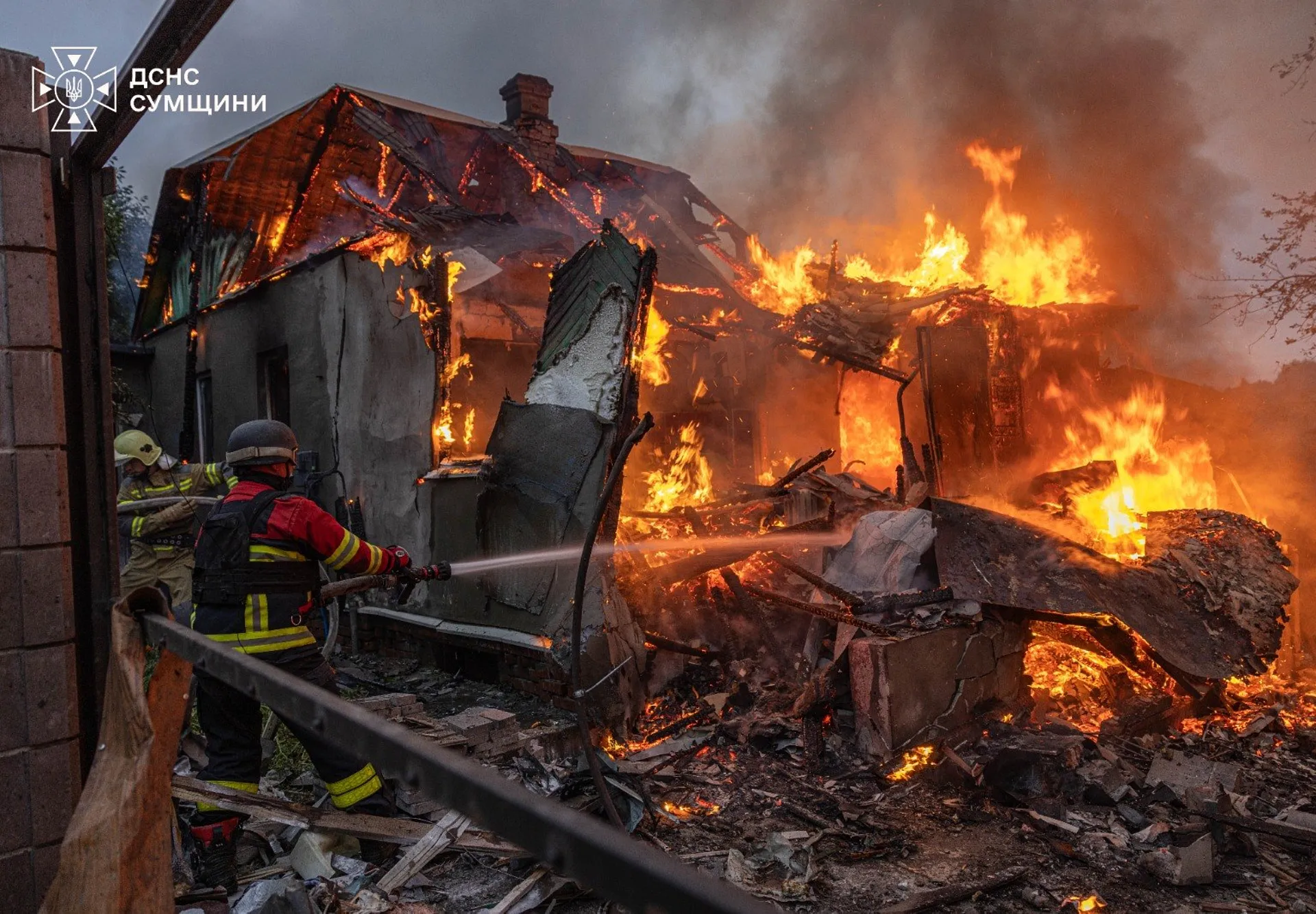
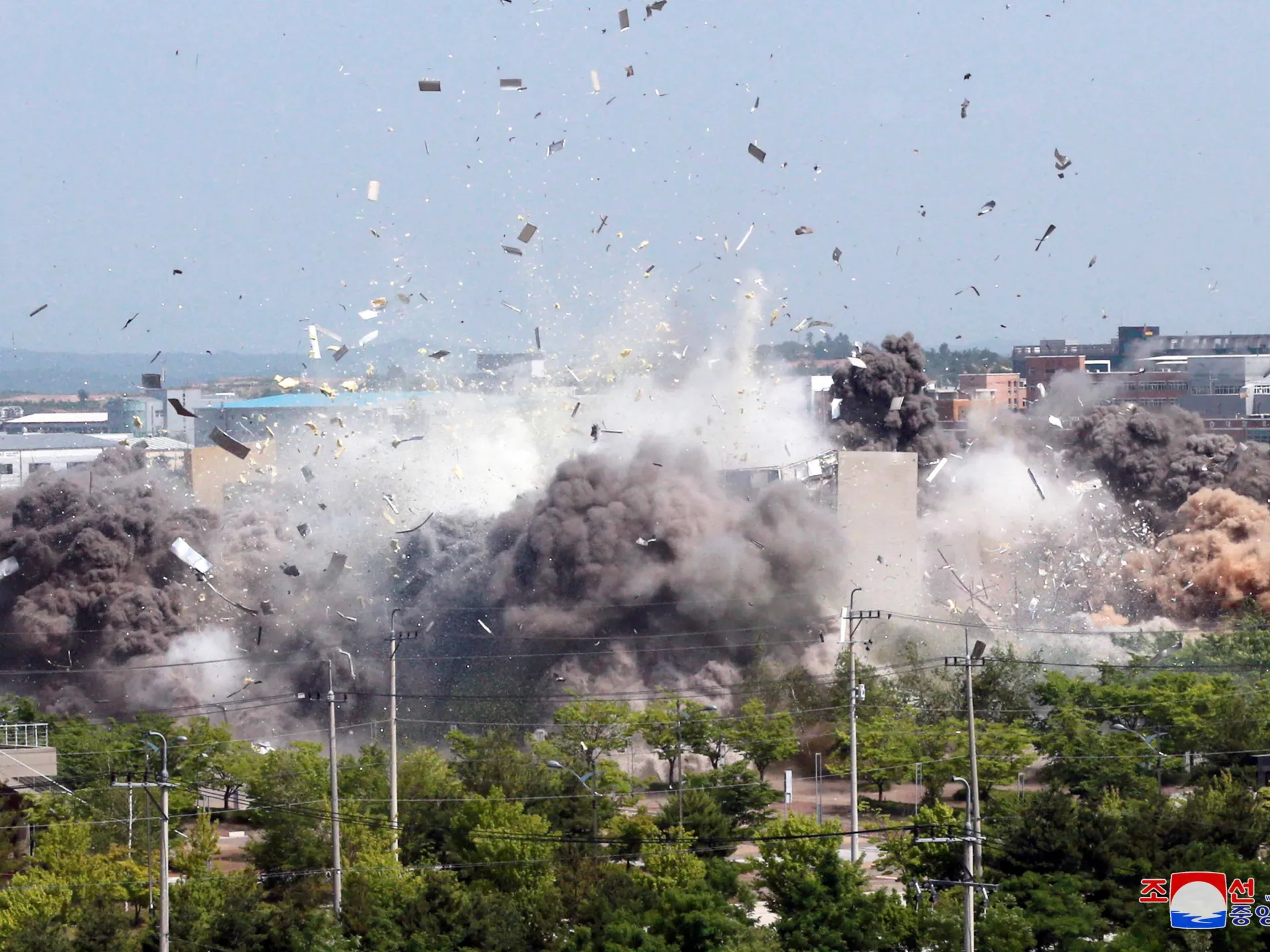
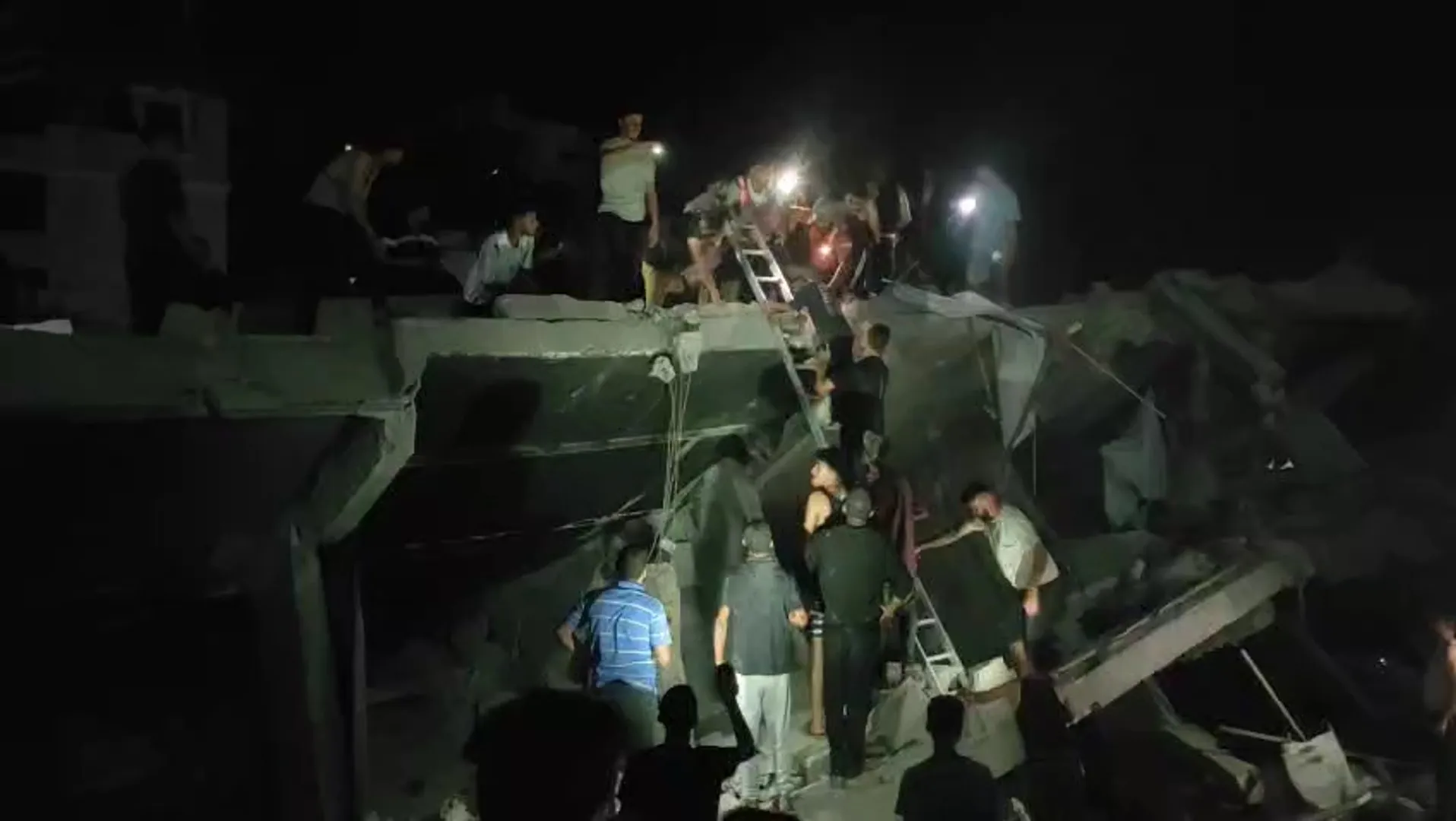
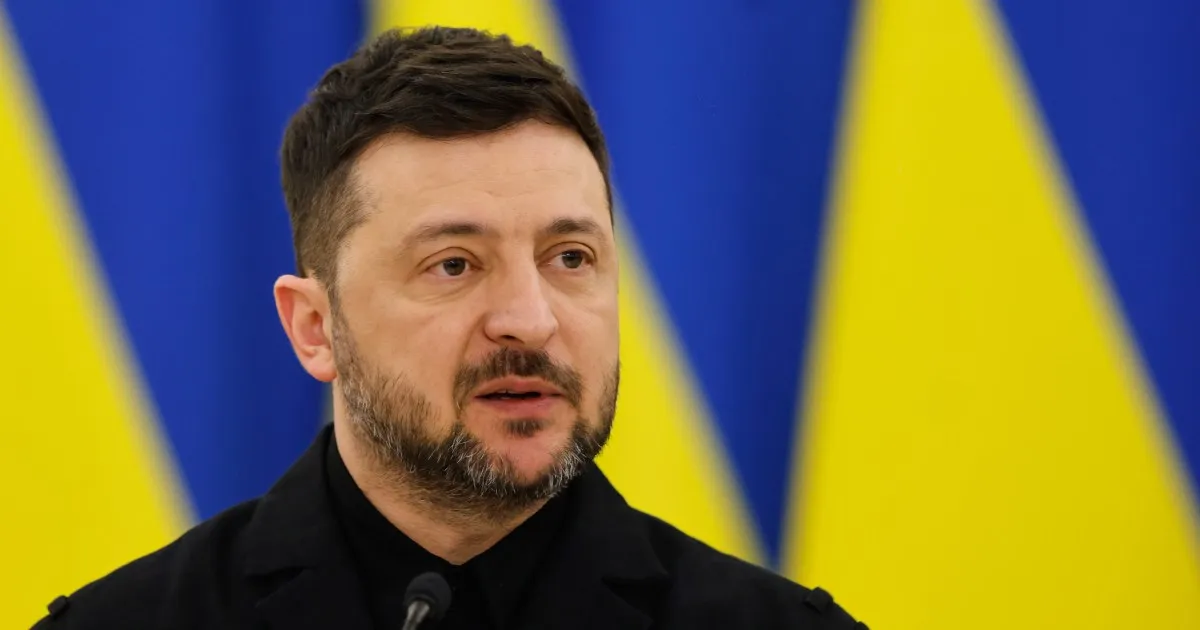
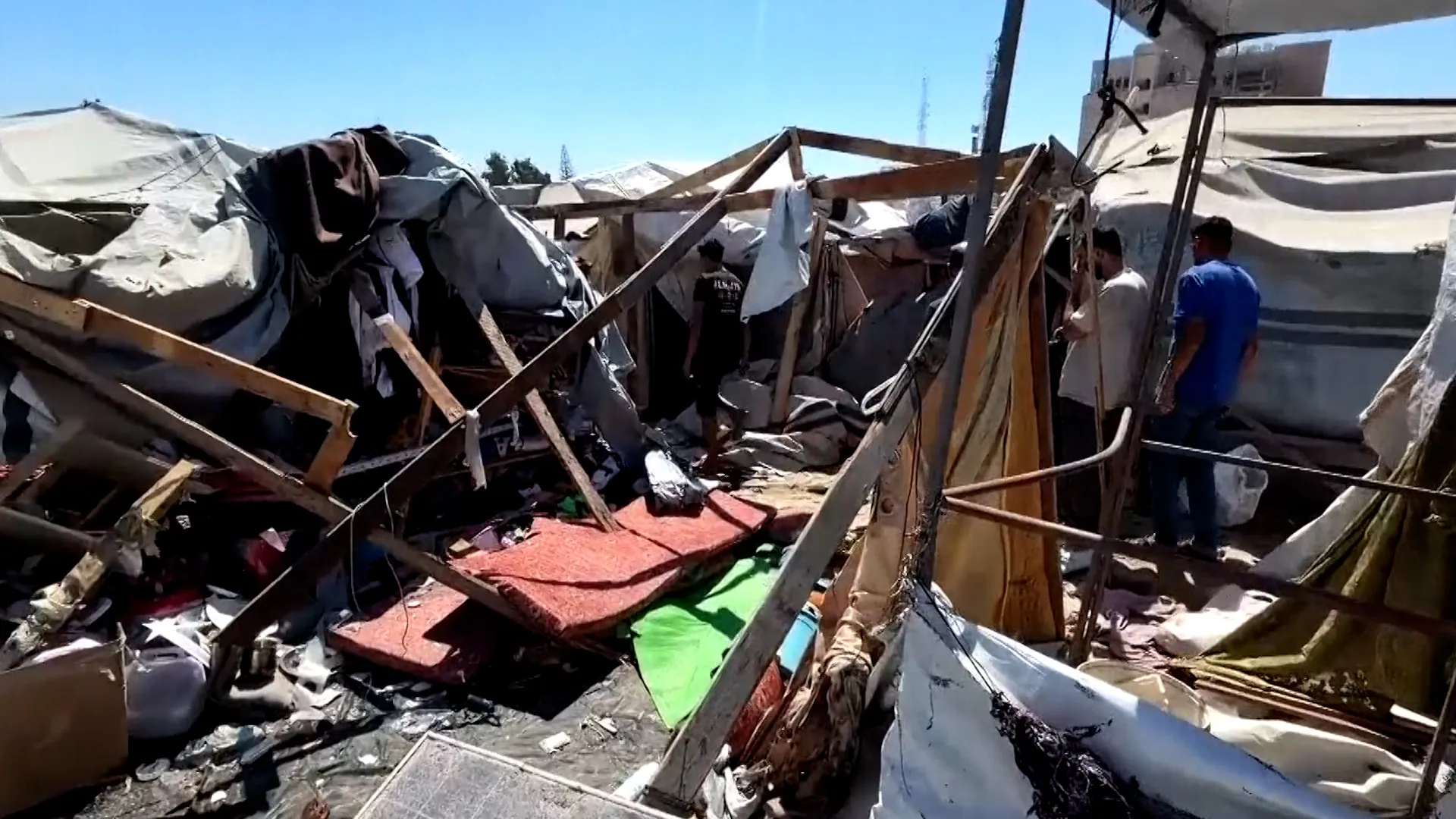
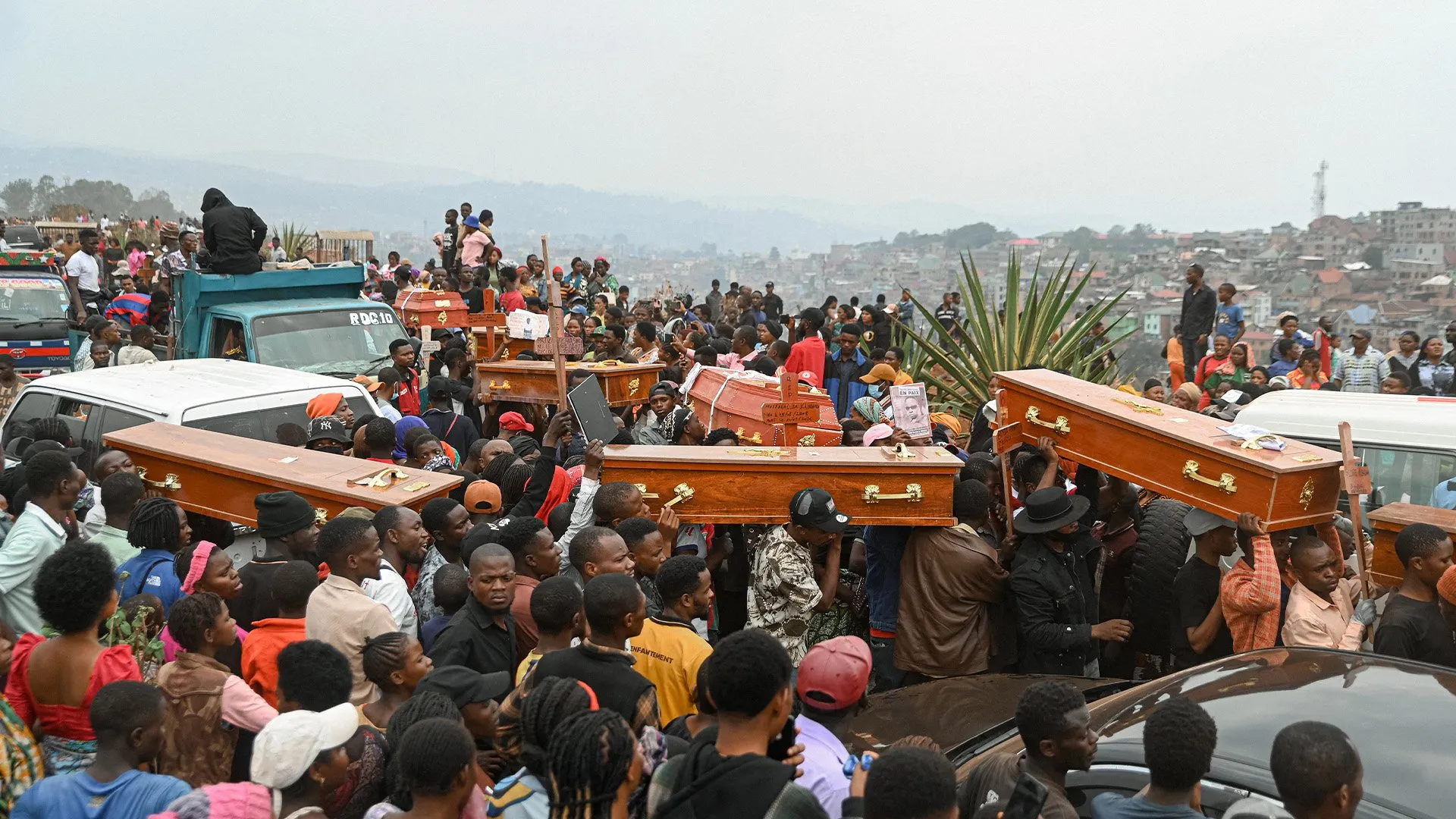
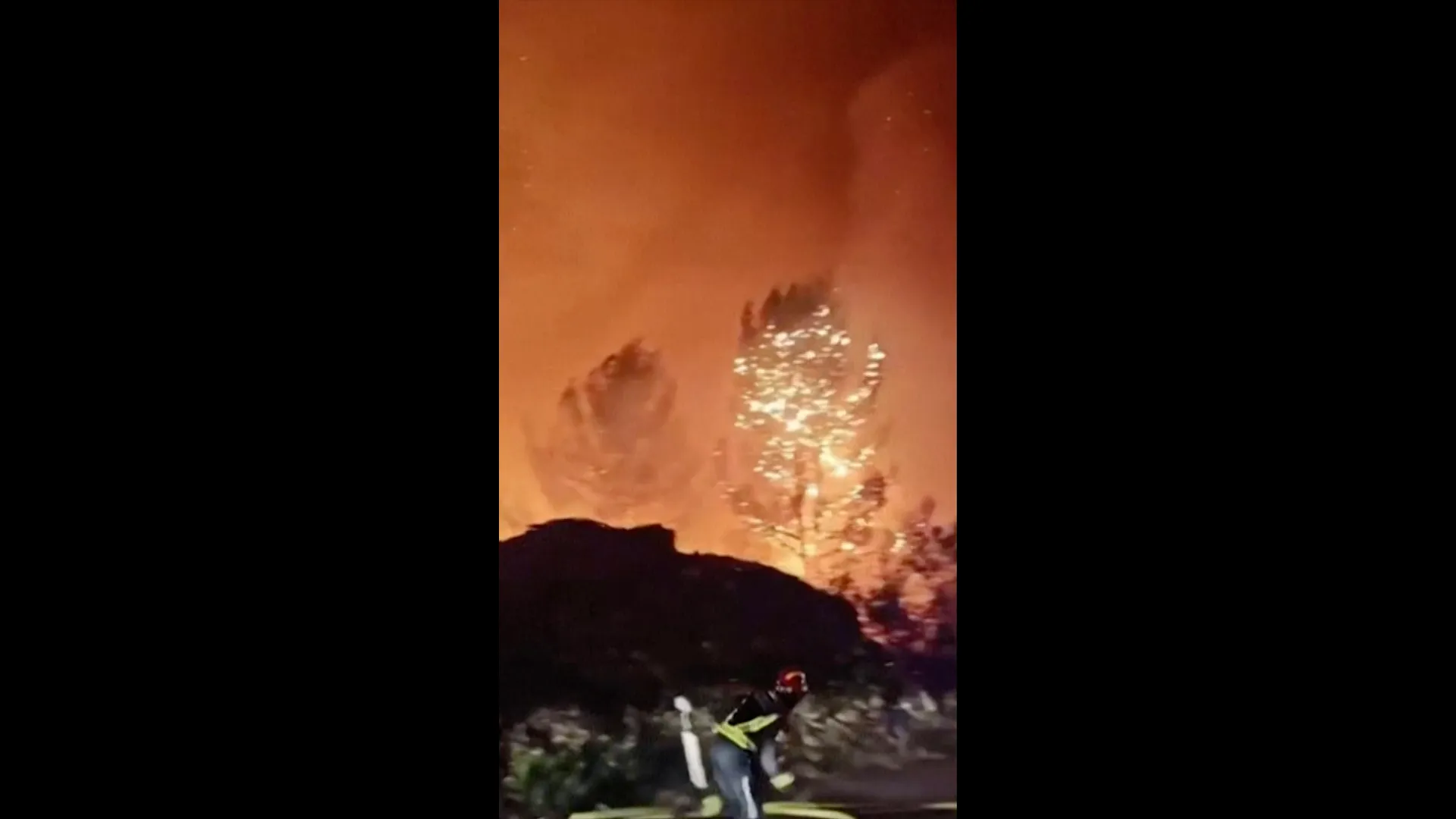
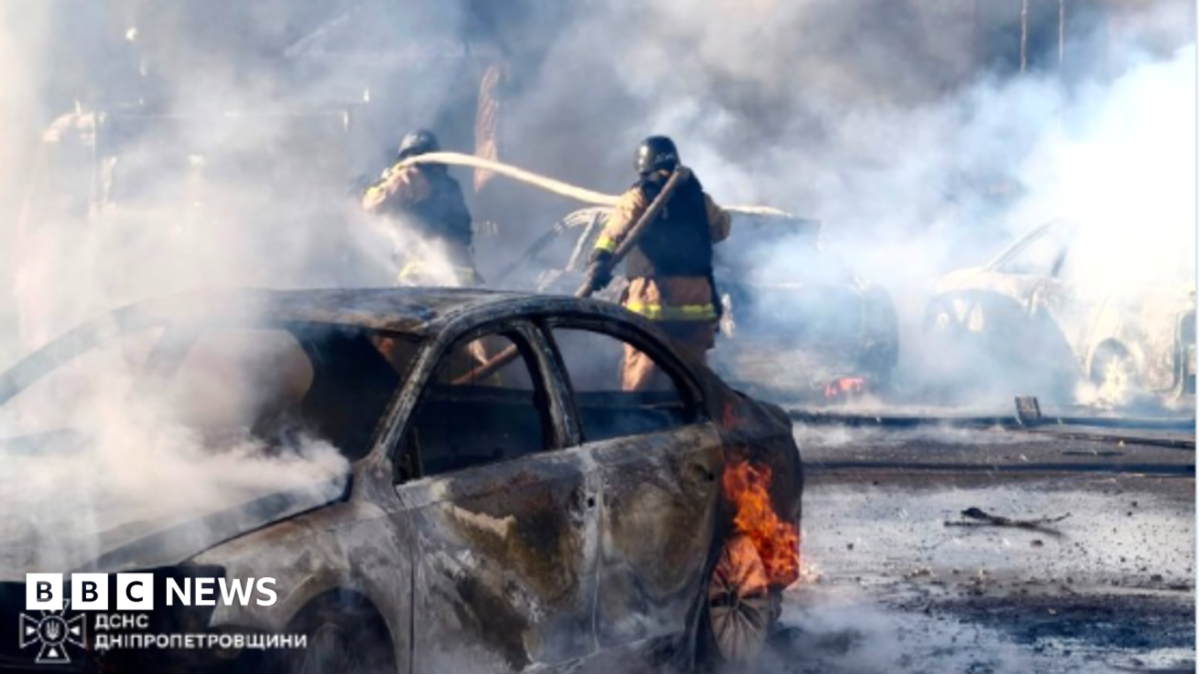
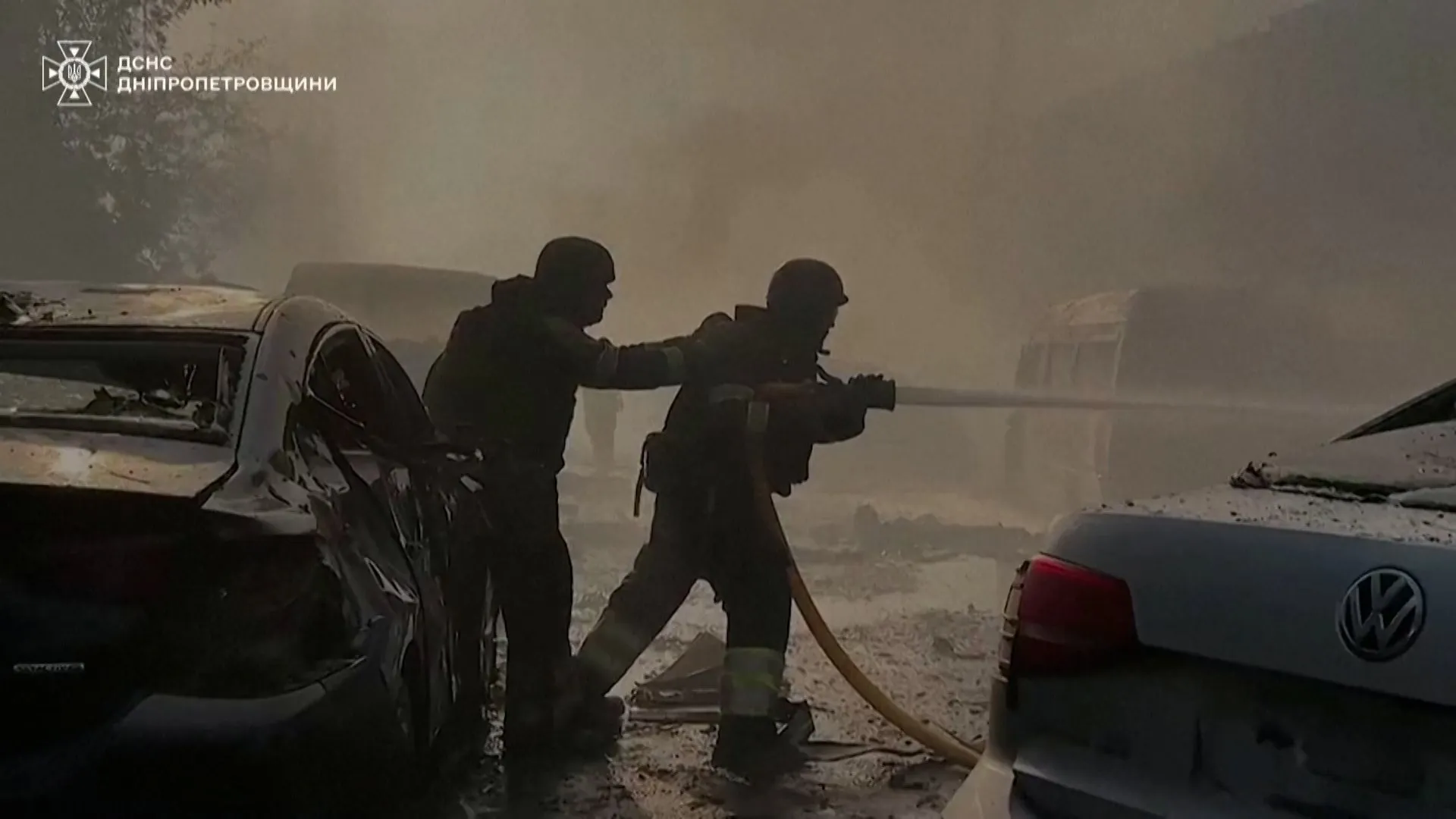
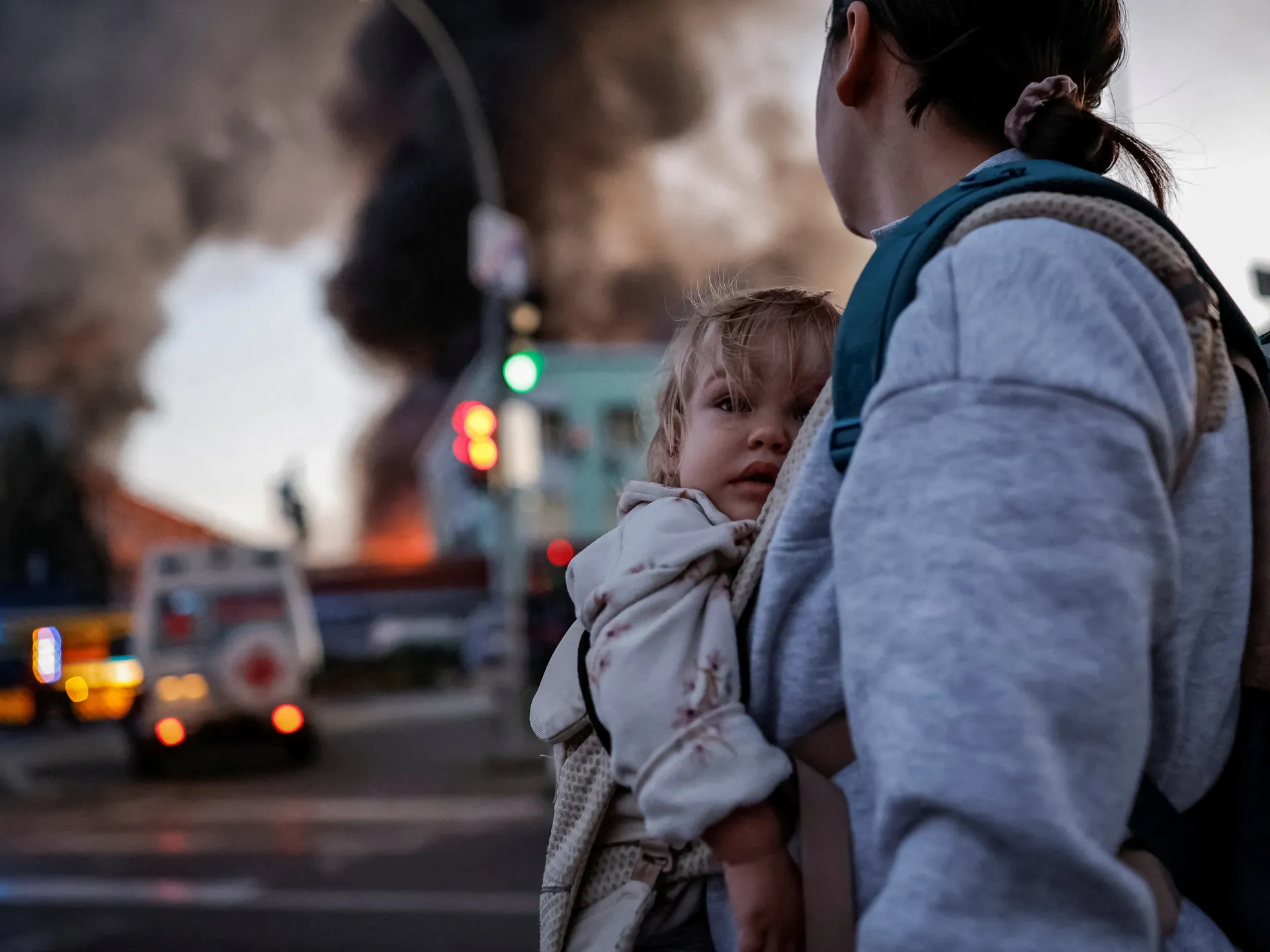
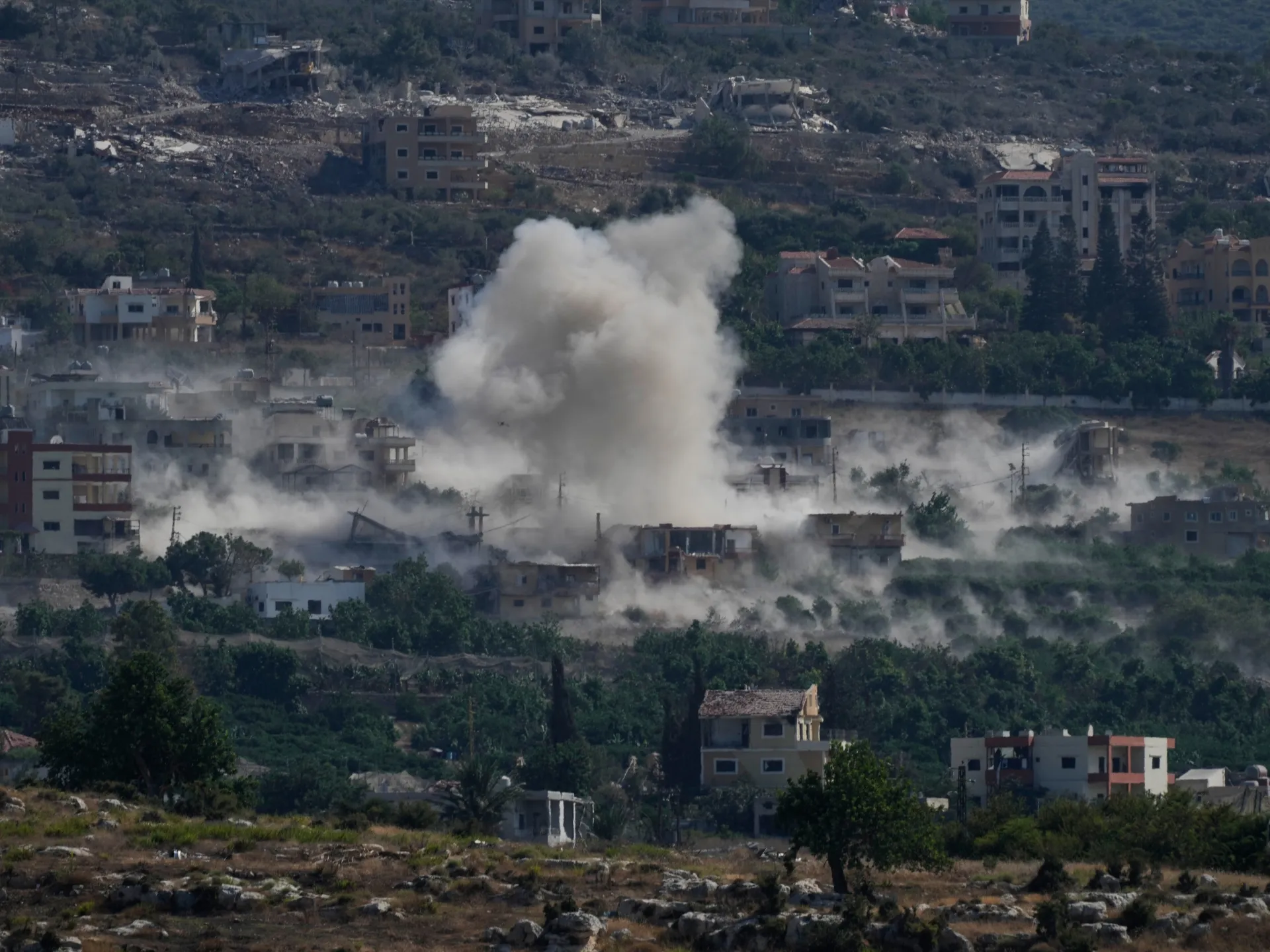
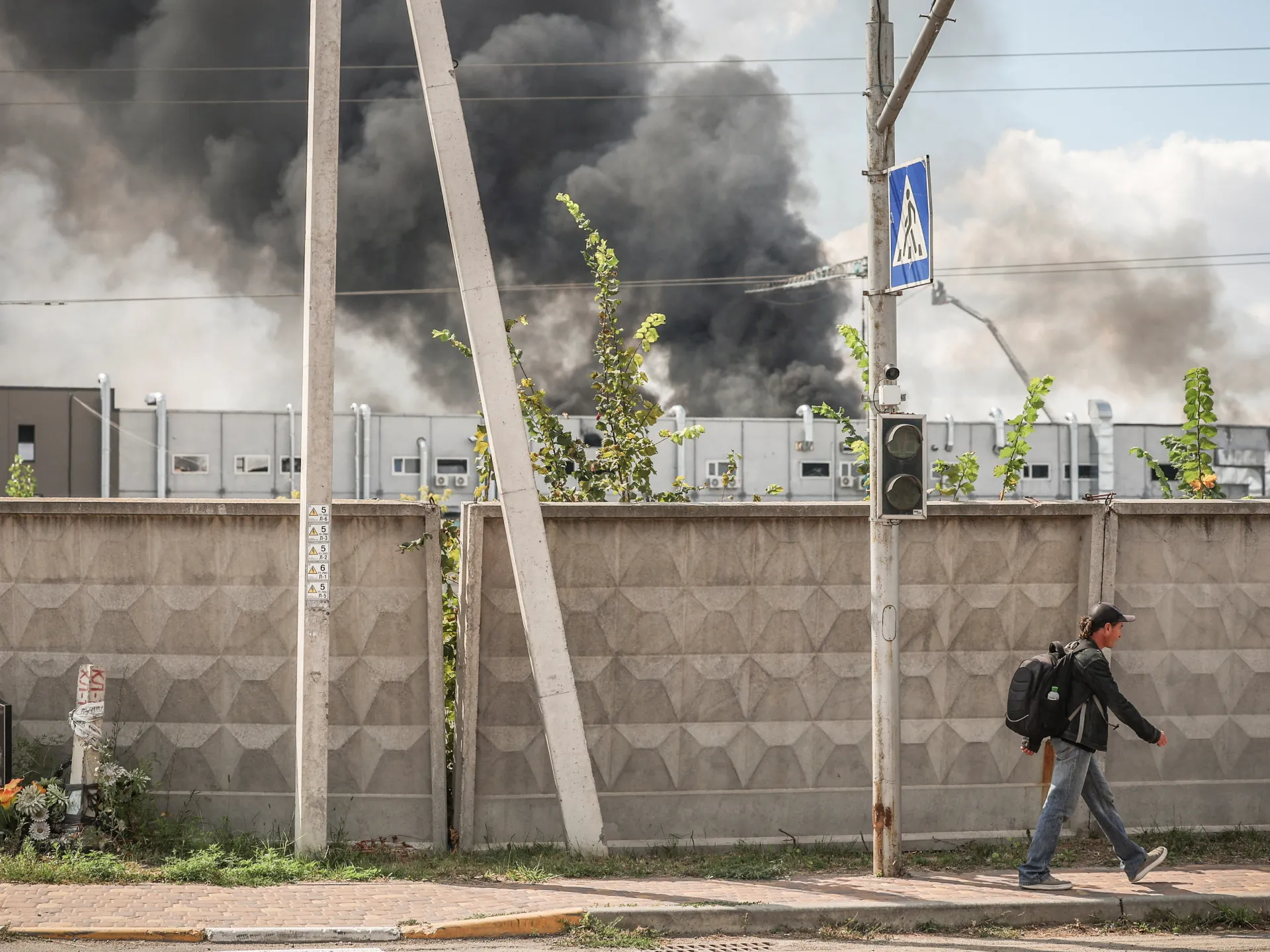
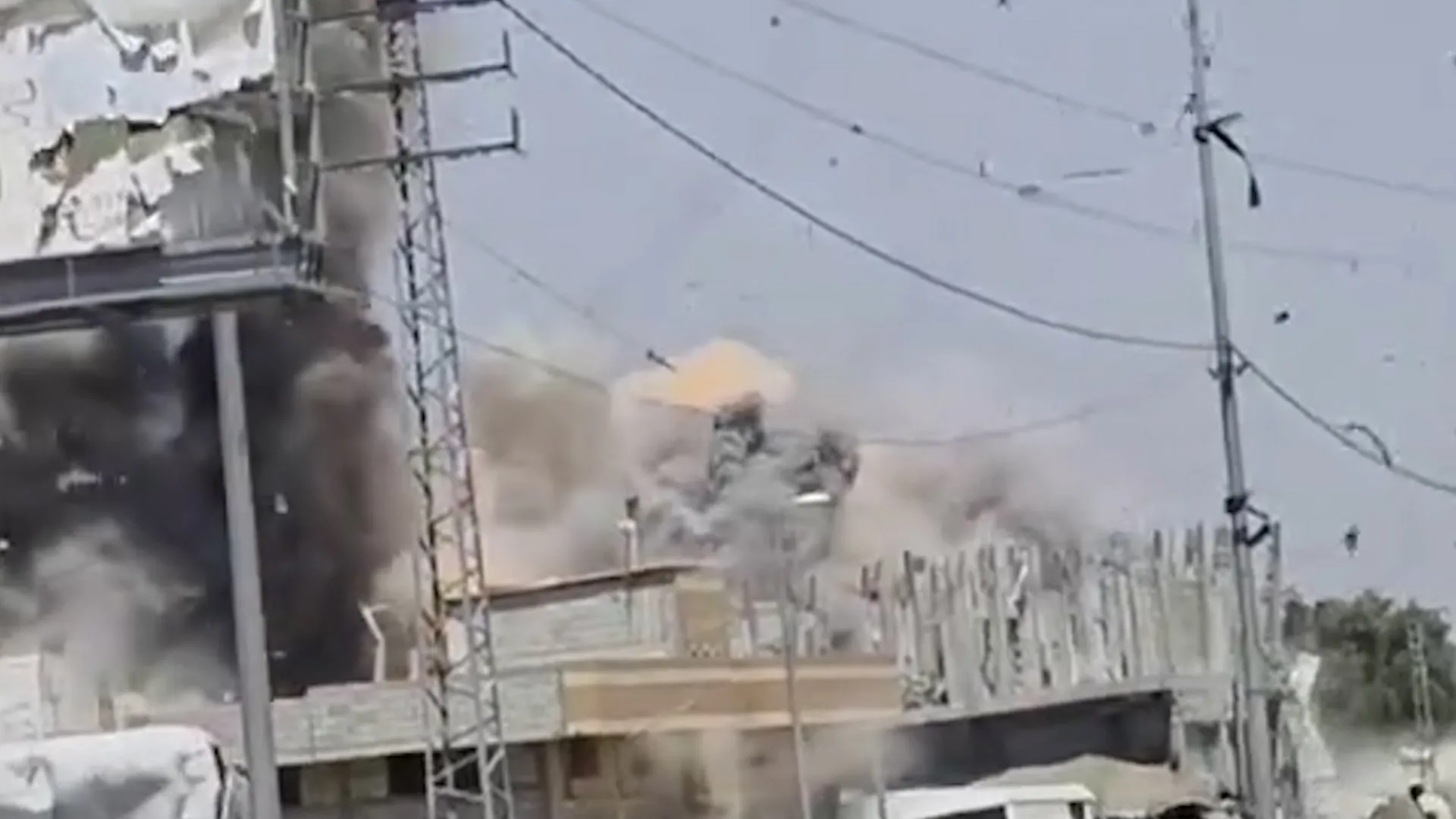
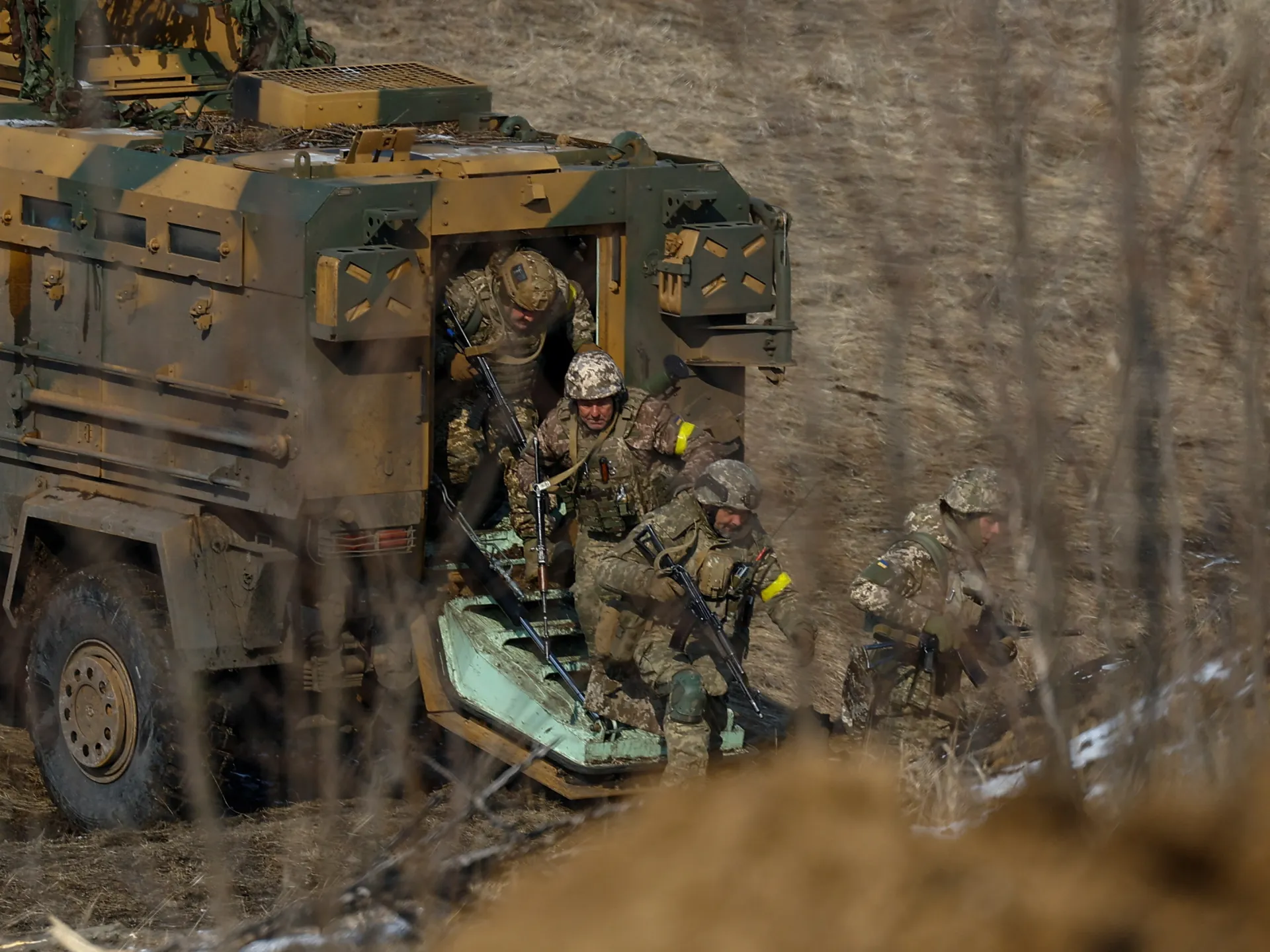
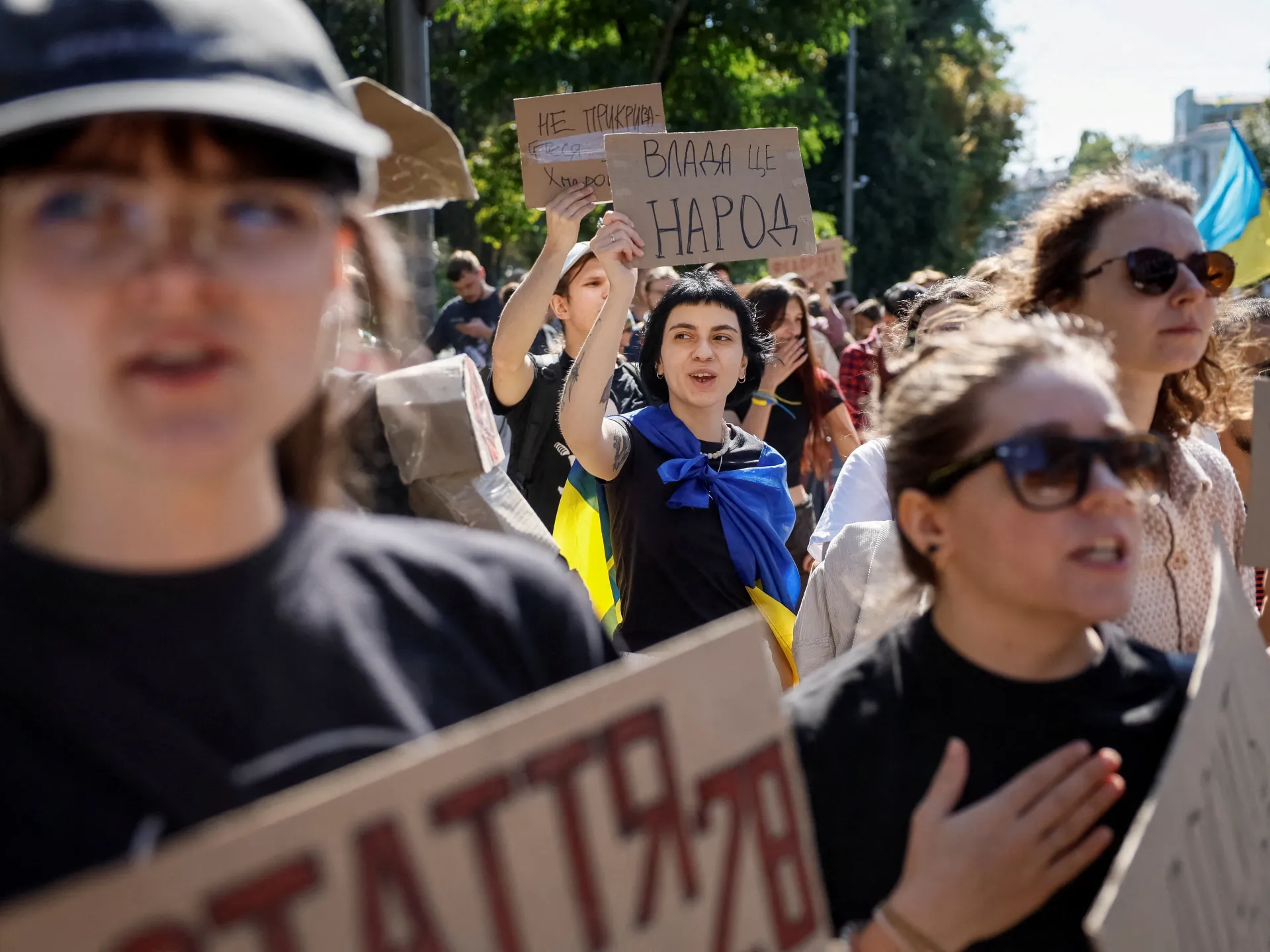
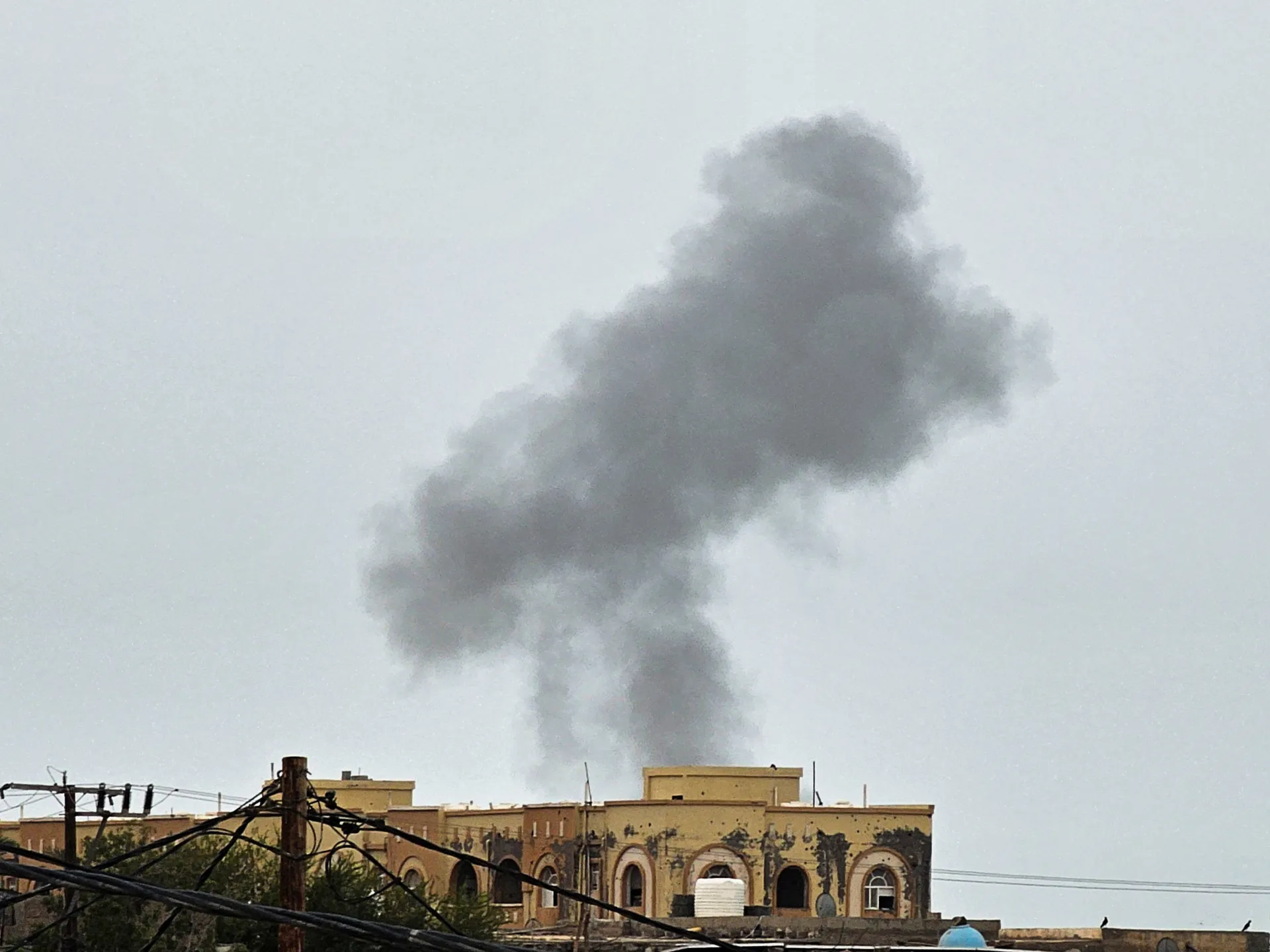
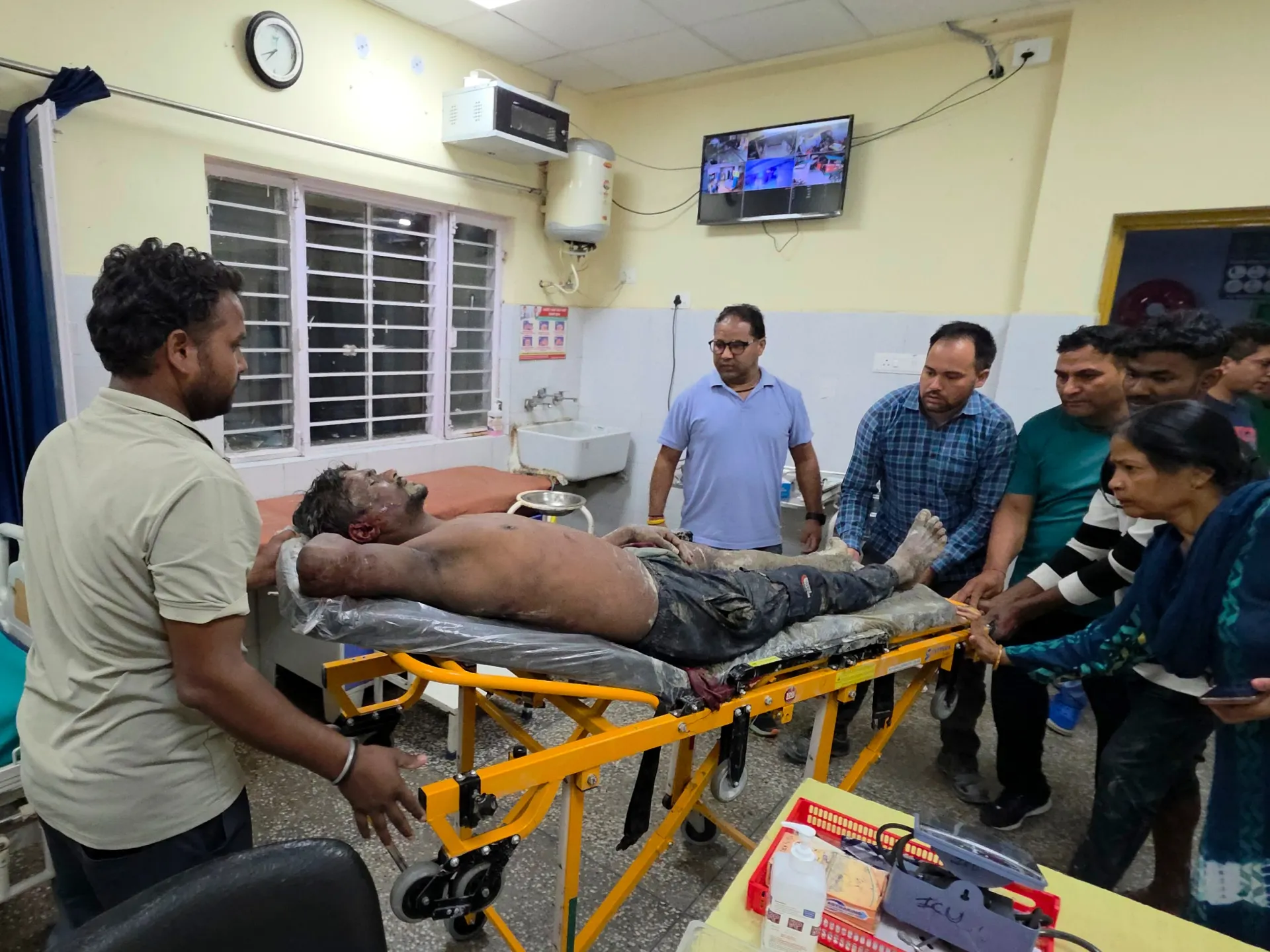
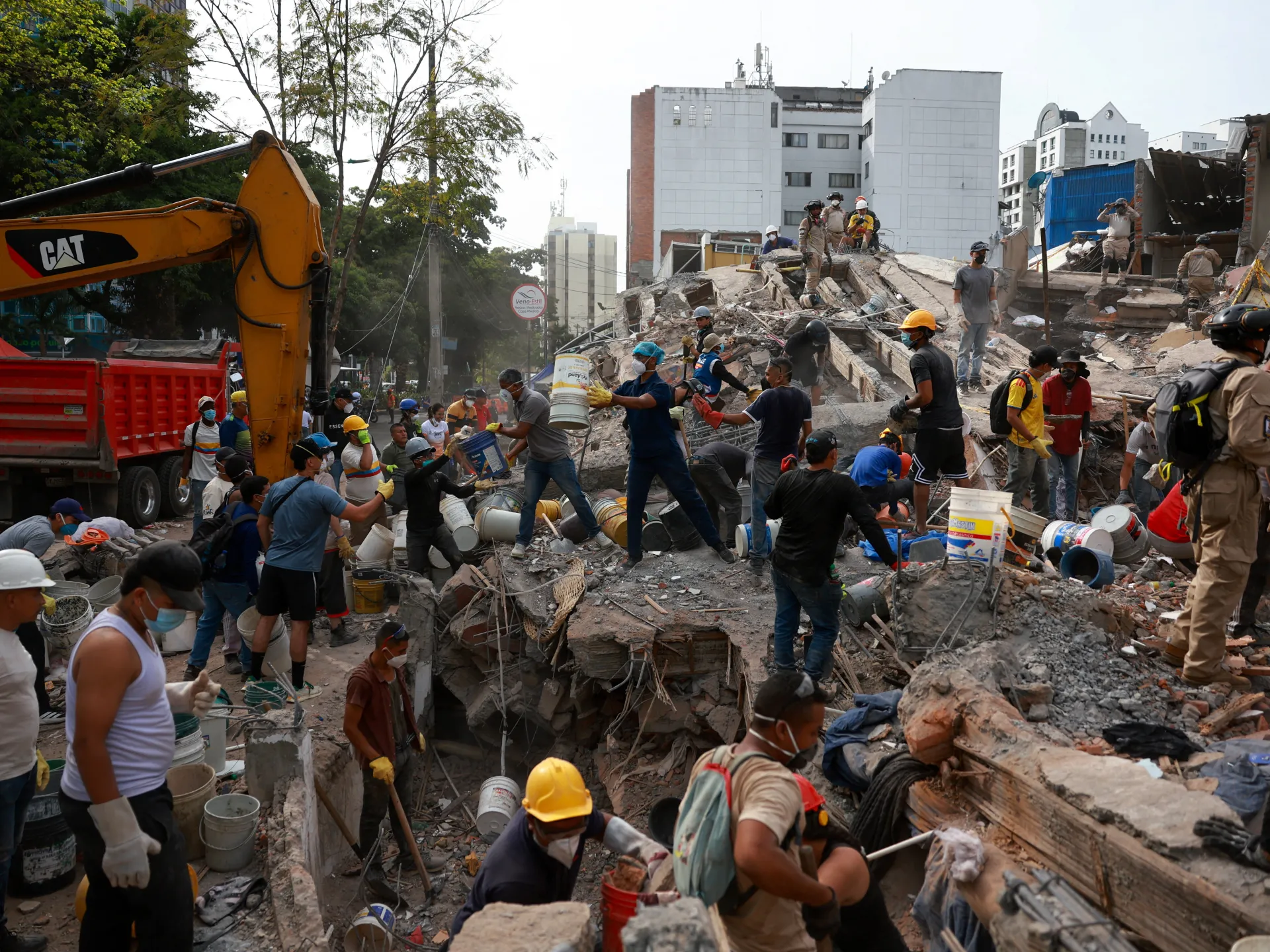
As global leaders convened in New York for the United Nations General Assembly to debate the rapid integration of artificial intelligence and the future of international security, a stark reminder of the limitations of diplomacy unfolded in real-time. While President Volodymyr Zelenskyy addressed the chamber to demand more robust sanctions against Russia, military forces launched a coordinated strike across Ukraine, resulting in at least seven fatalities and dozens of injuries.
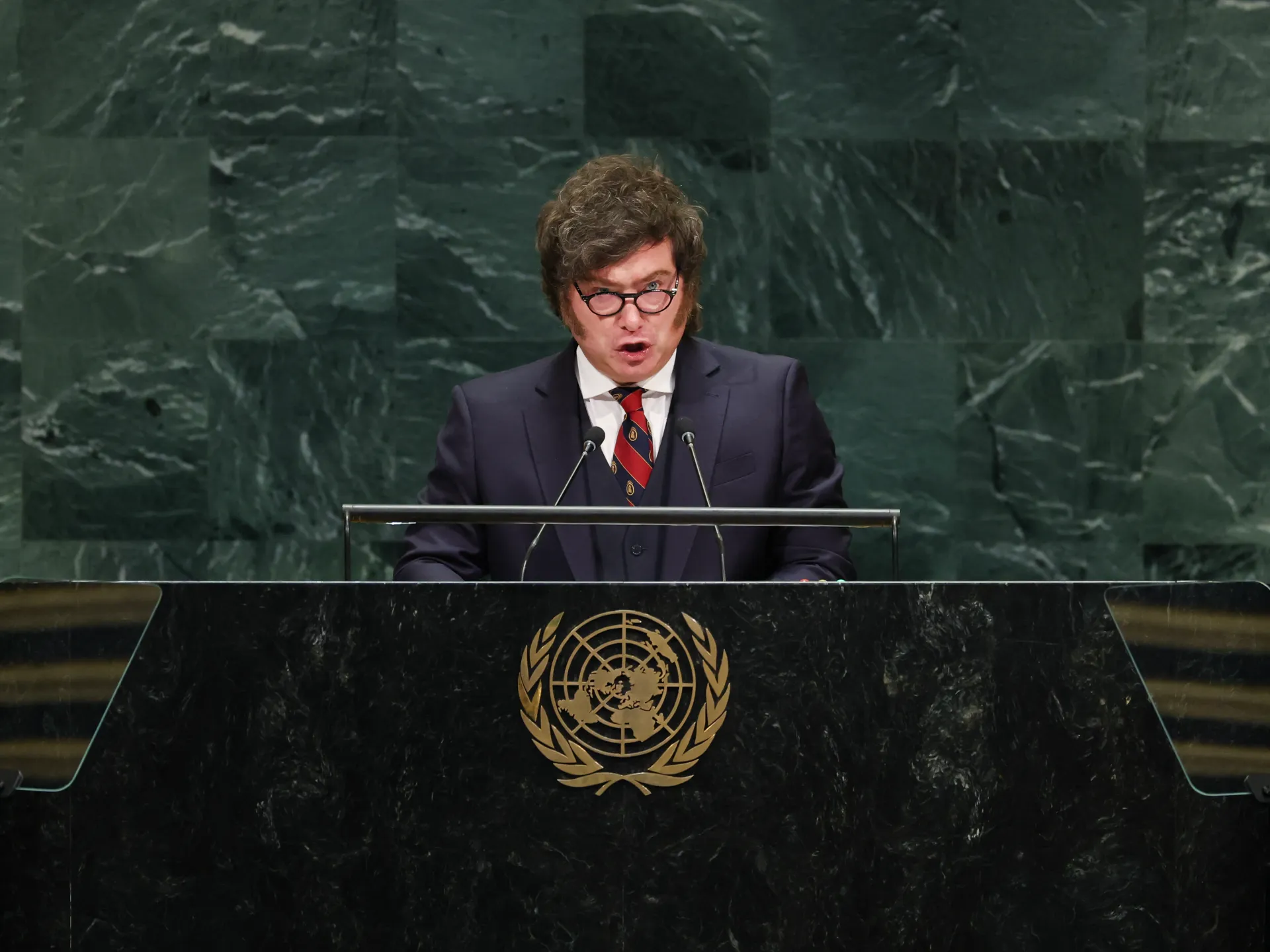
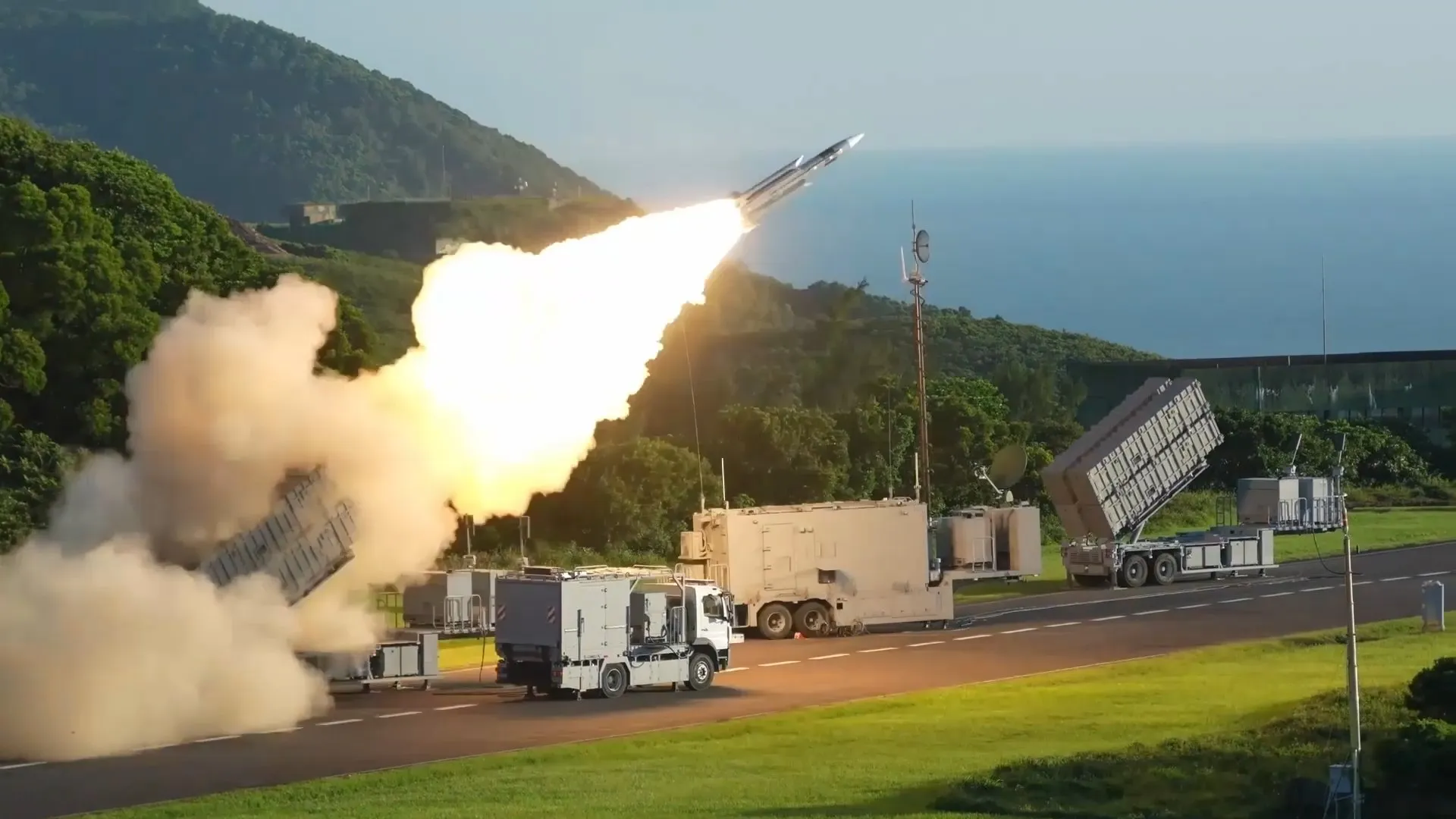
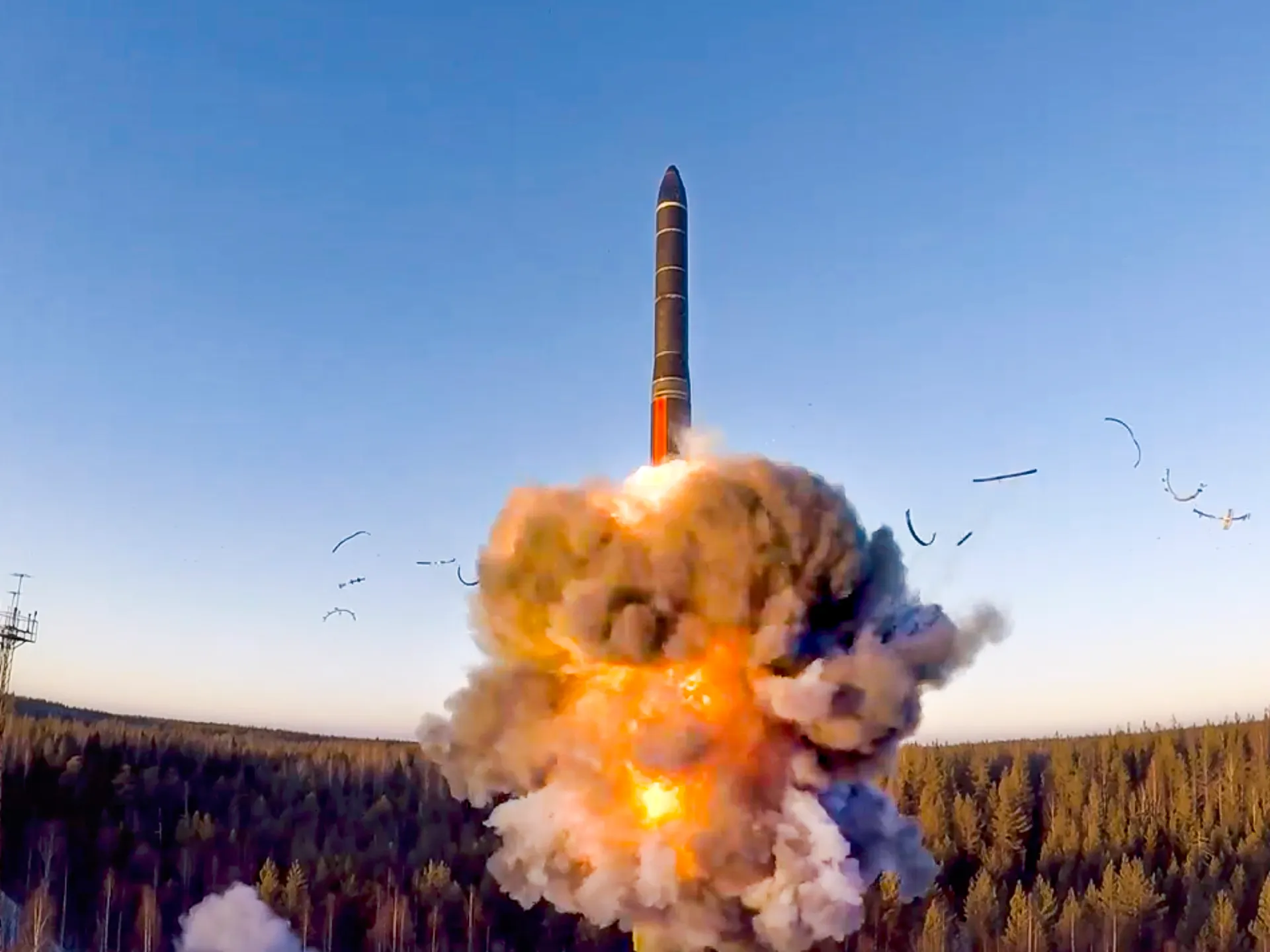
This violent intersection highlights the widening chasm between the policy-focused agenda of the General Assembly and the immediate, kinetic realities of the ongoing conflict. The session, which featured broad discussions on regulating technological advancements alongside traditional geopolitical tensions, was punctuated s warnings regarding a burgeoning global arms race.
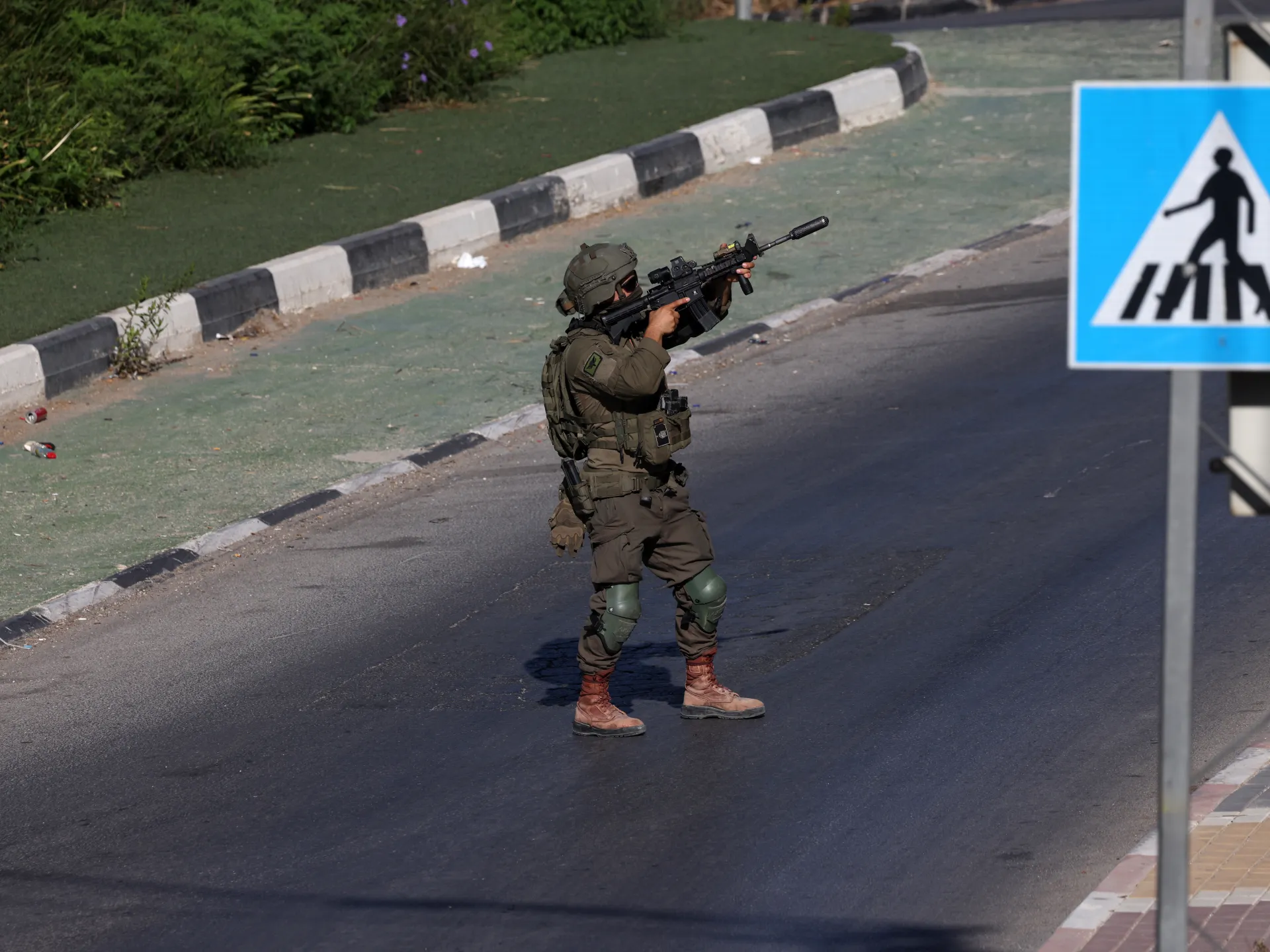
The synchronization of high-level international dialogue with active, lethal combat operations illustrates a critical failure in contemporary global governance. When an aggressor state can launch a major offensive during a UN plenary session without disrupting the procedural flow of the summit, it signals a significant erosion of the body's deterrent influence. Furthermore, the focus on AI regulation—a topic of intense interest for CEOs and world leaders alike—risks becoming an academic exercise if the underlying security architecture of the UN remains unable to mitigate the most traditional forms of state-sponsored aggression. The juxtaposition of debates on AI-fueled warfare versus current, conventional kinetic strikes suggests a systemic inability to address threats across different temporal and technological scales.
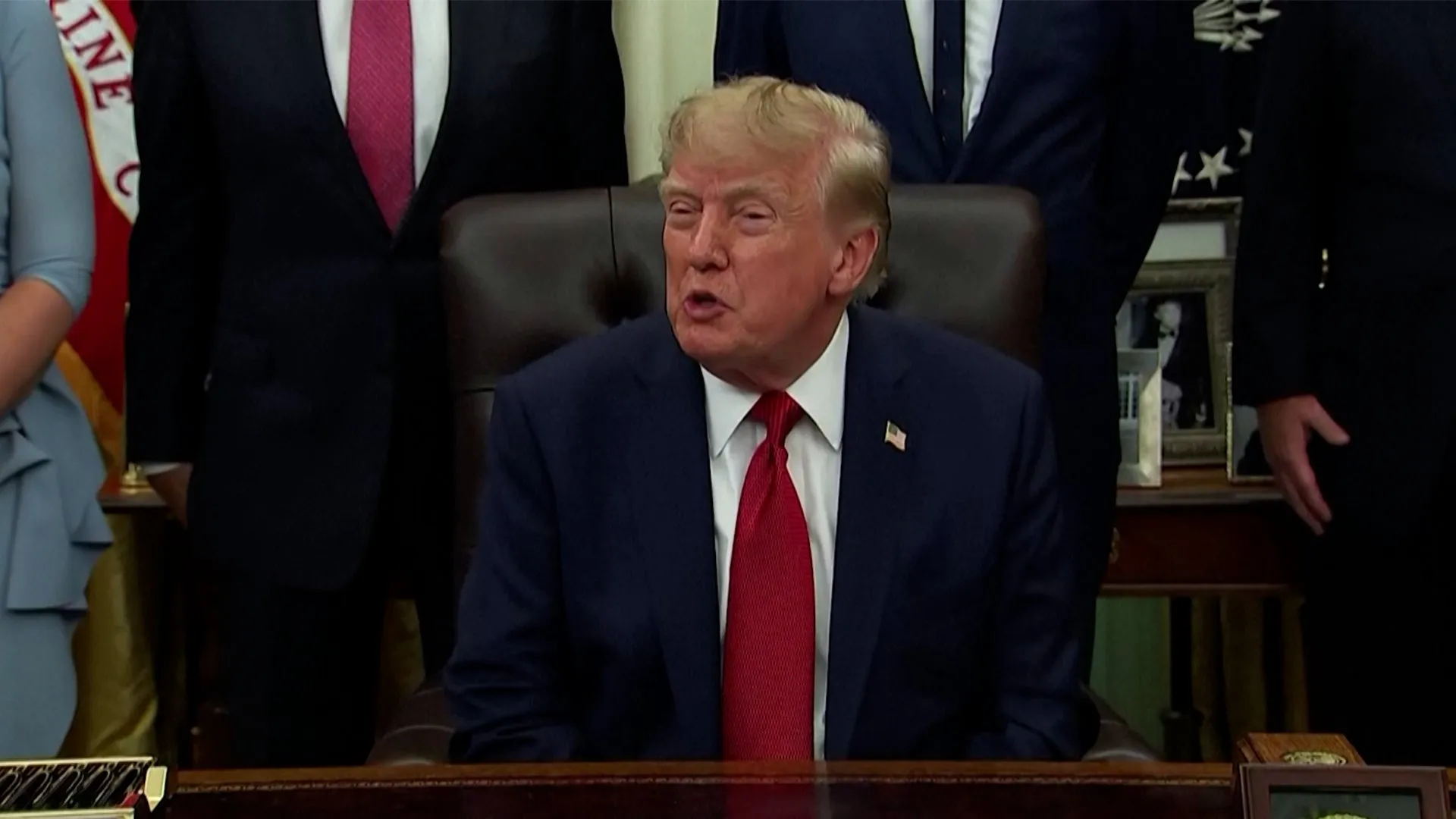
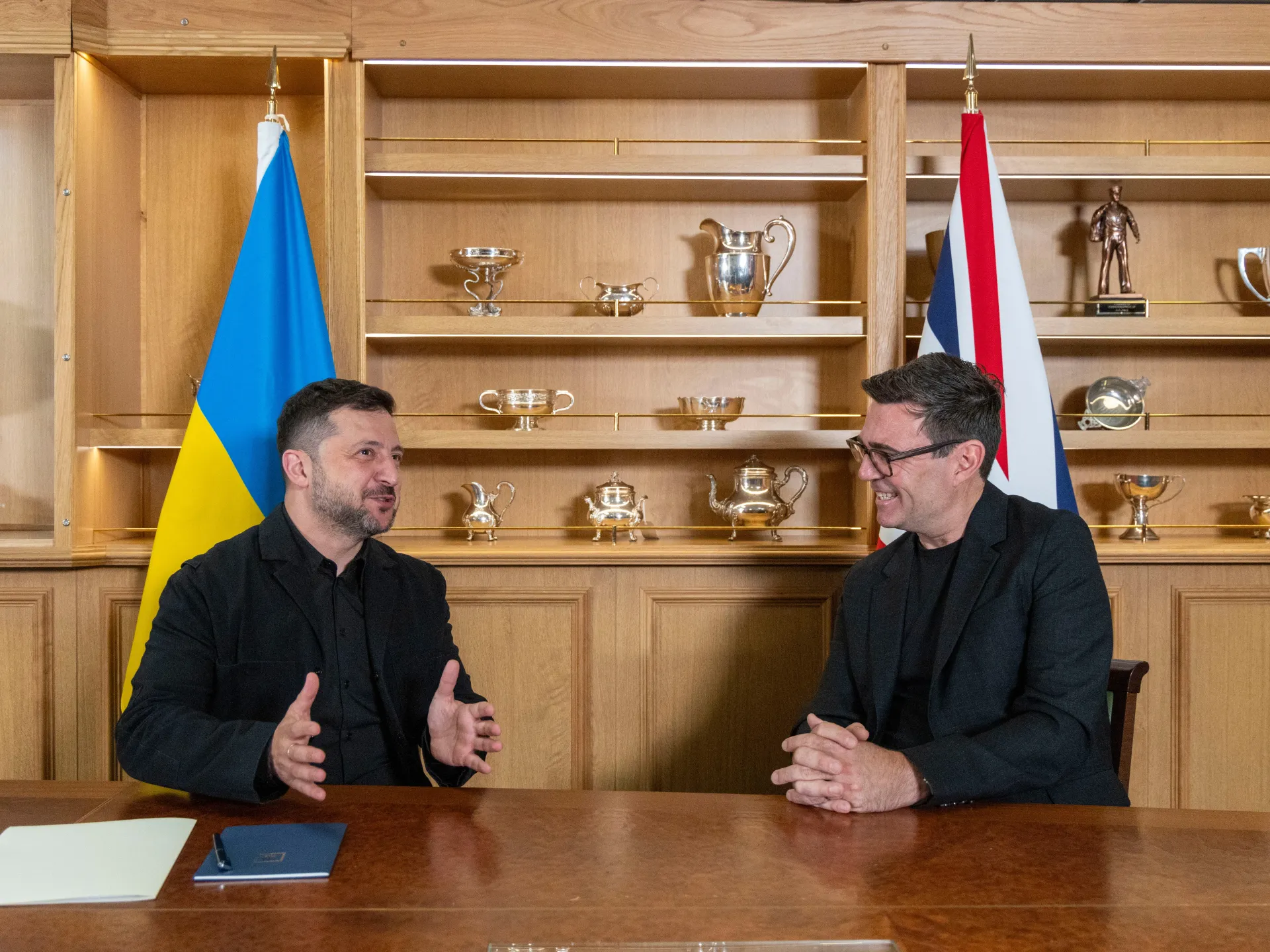
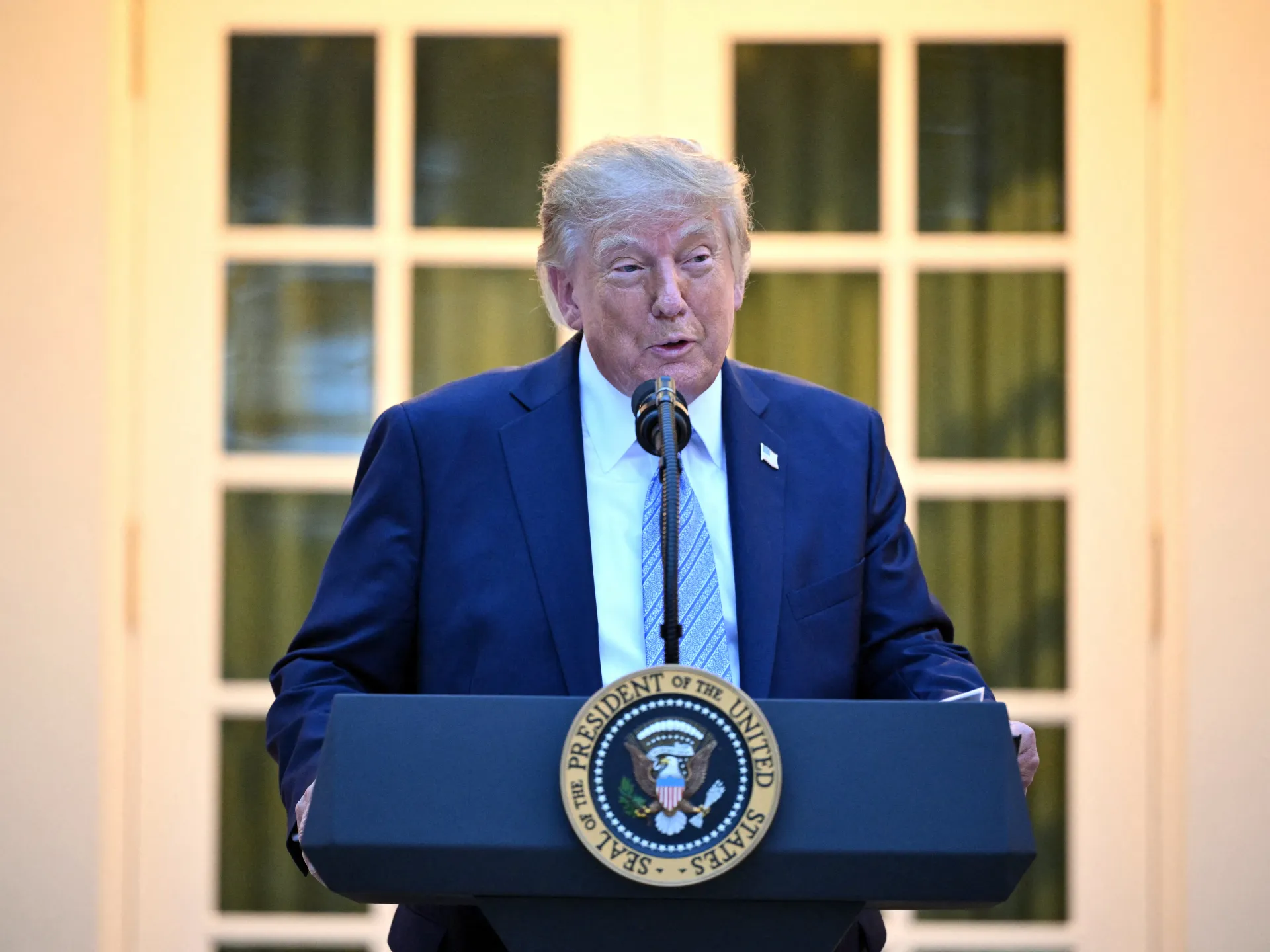
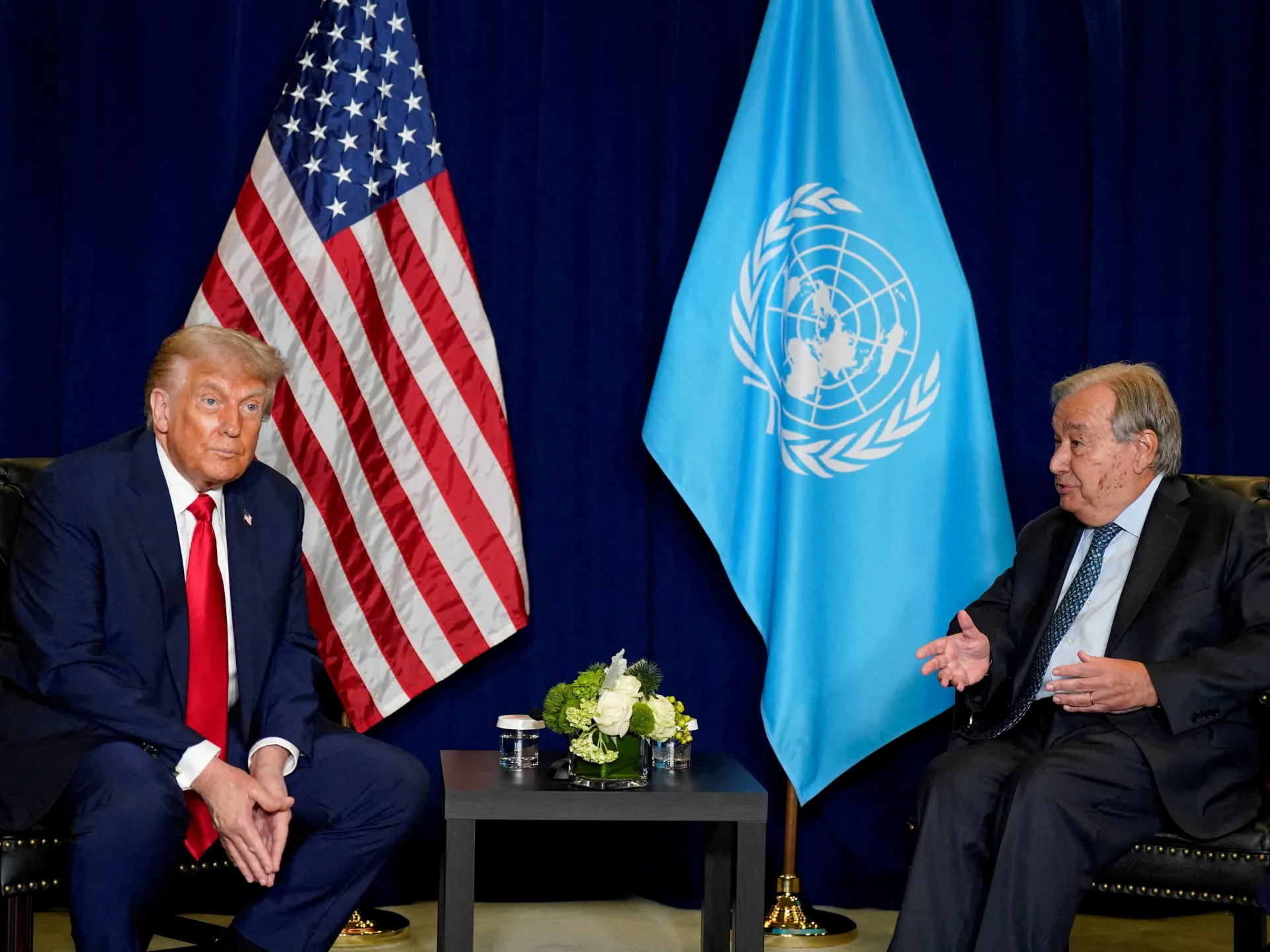
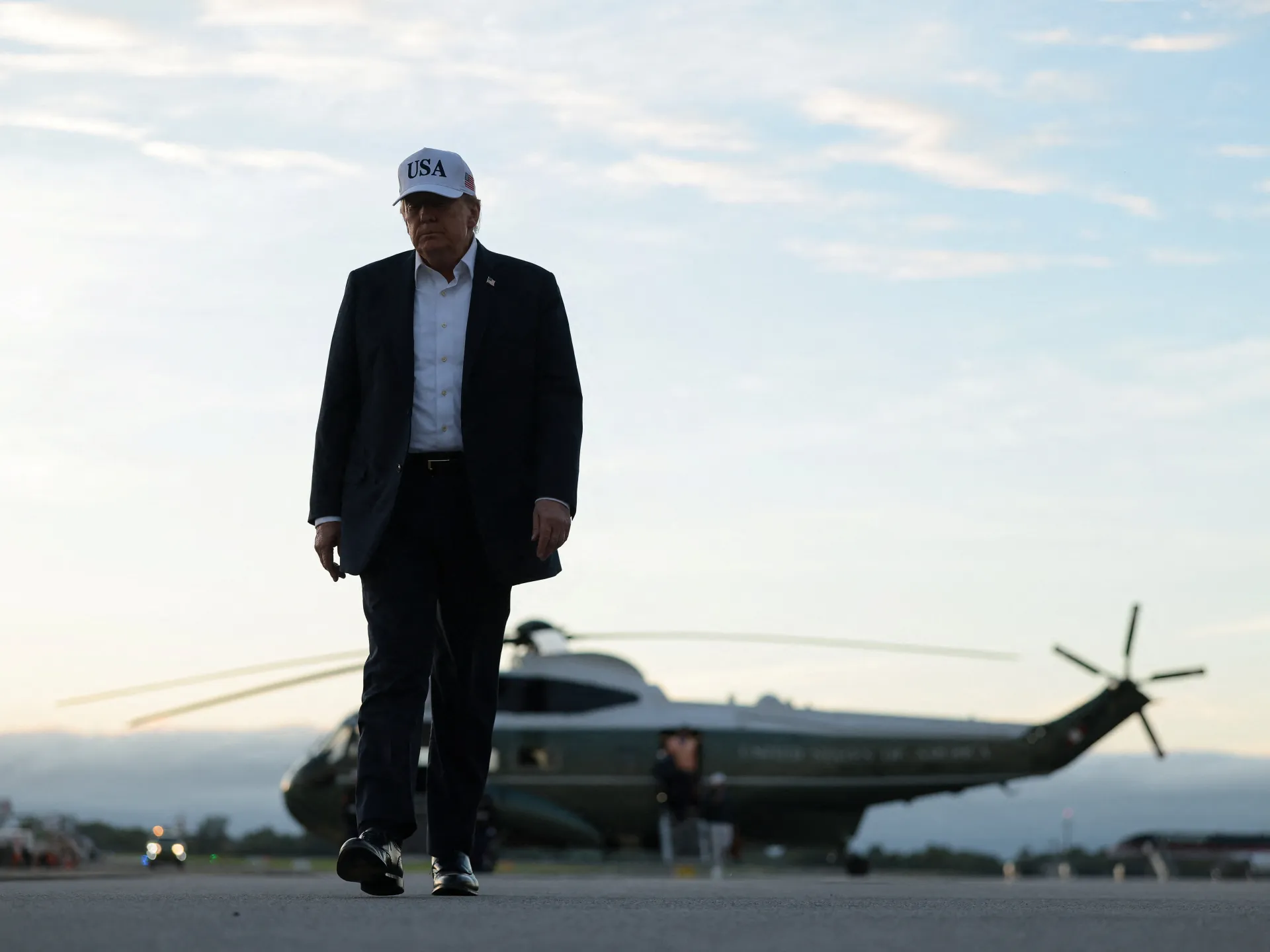
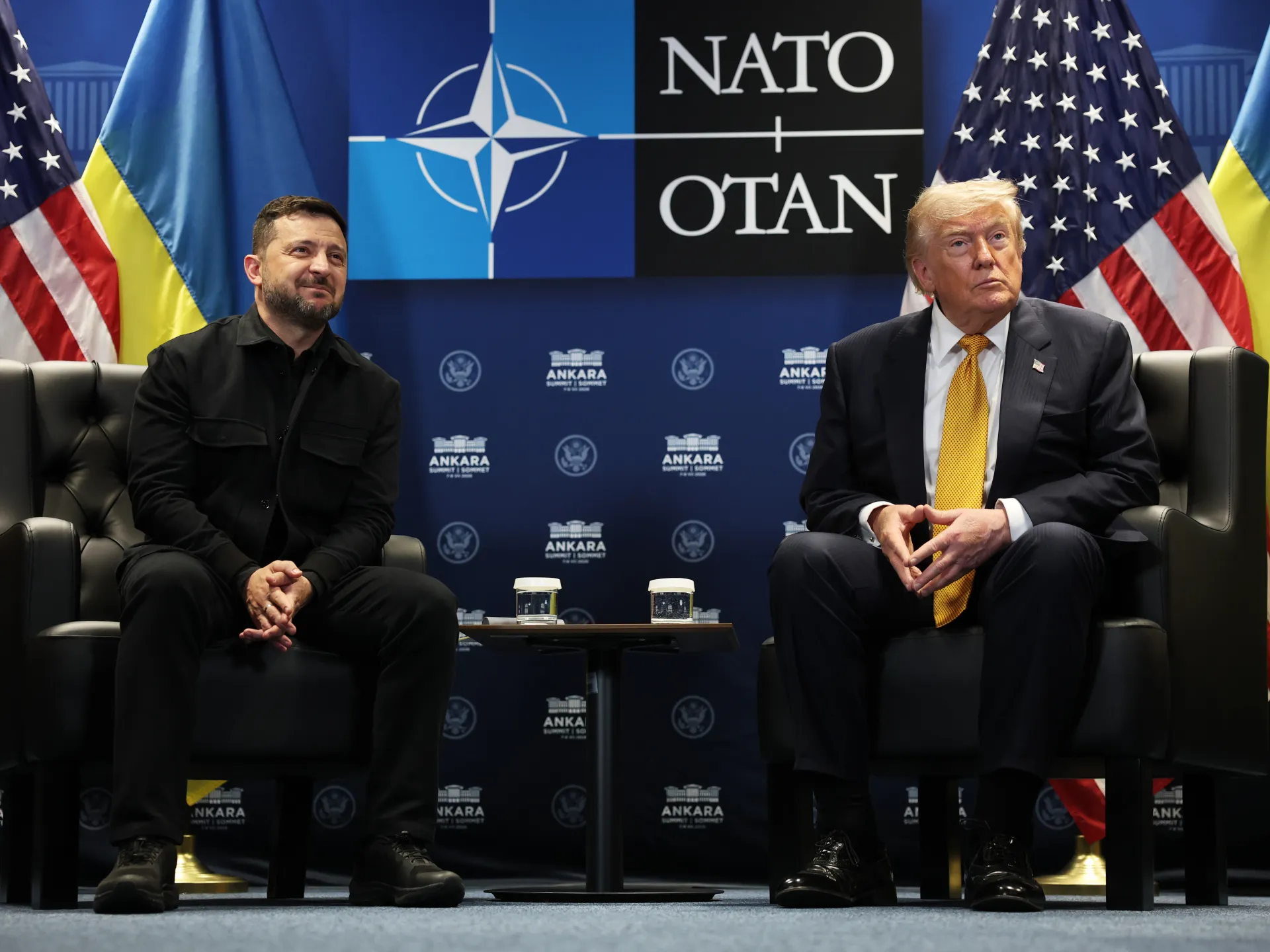
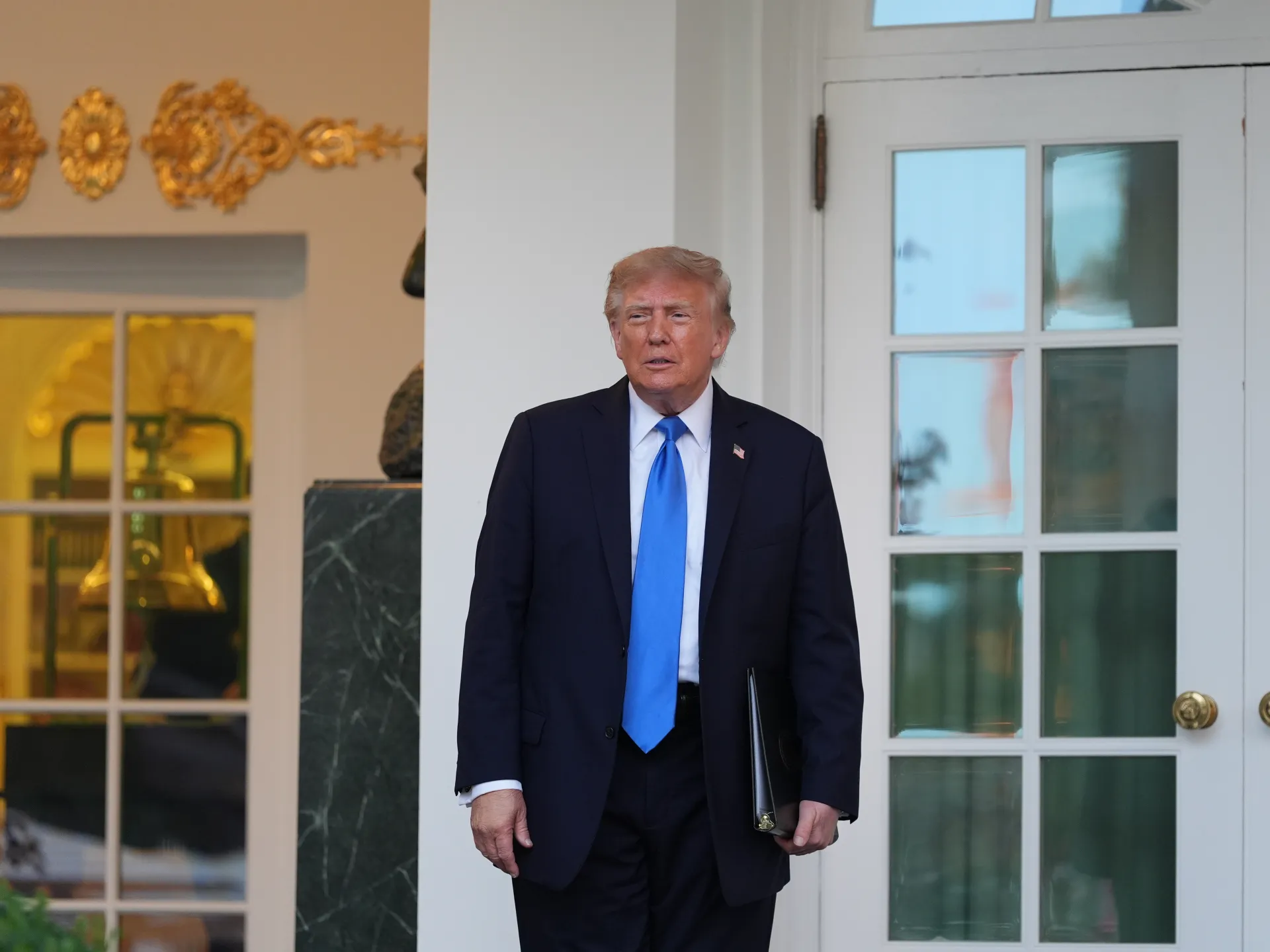
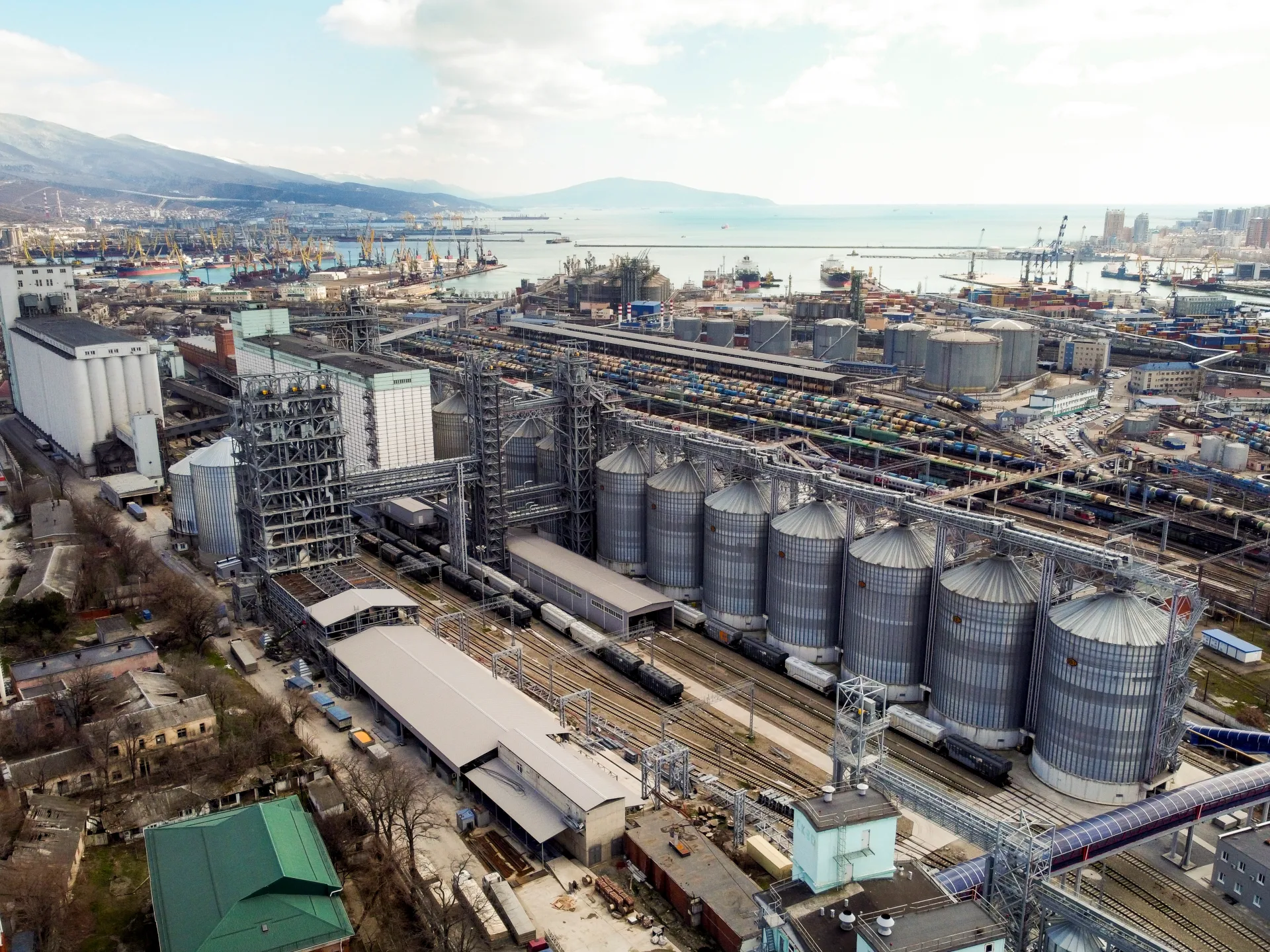
During his address, President Zelenskyy emphasized that existing economic measures against Moscow have proven insufficient to halt hostilities. He called upon the United States and the broader international community to implement significantly stronger sanctions, aiming to dismantle the logistical and financial support systems sustaining the Russian war effort. His plea focused on a strategic shift, urging world powers to view the conflict not merely as a regional dispute but as a foundational test for international law.
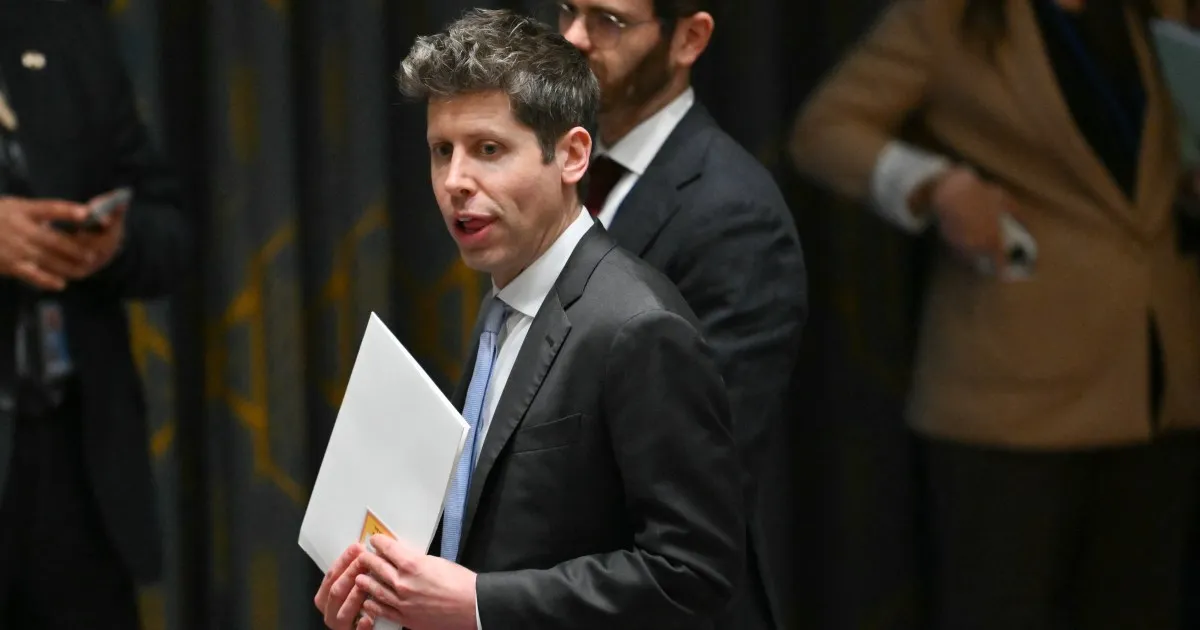
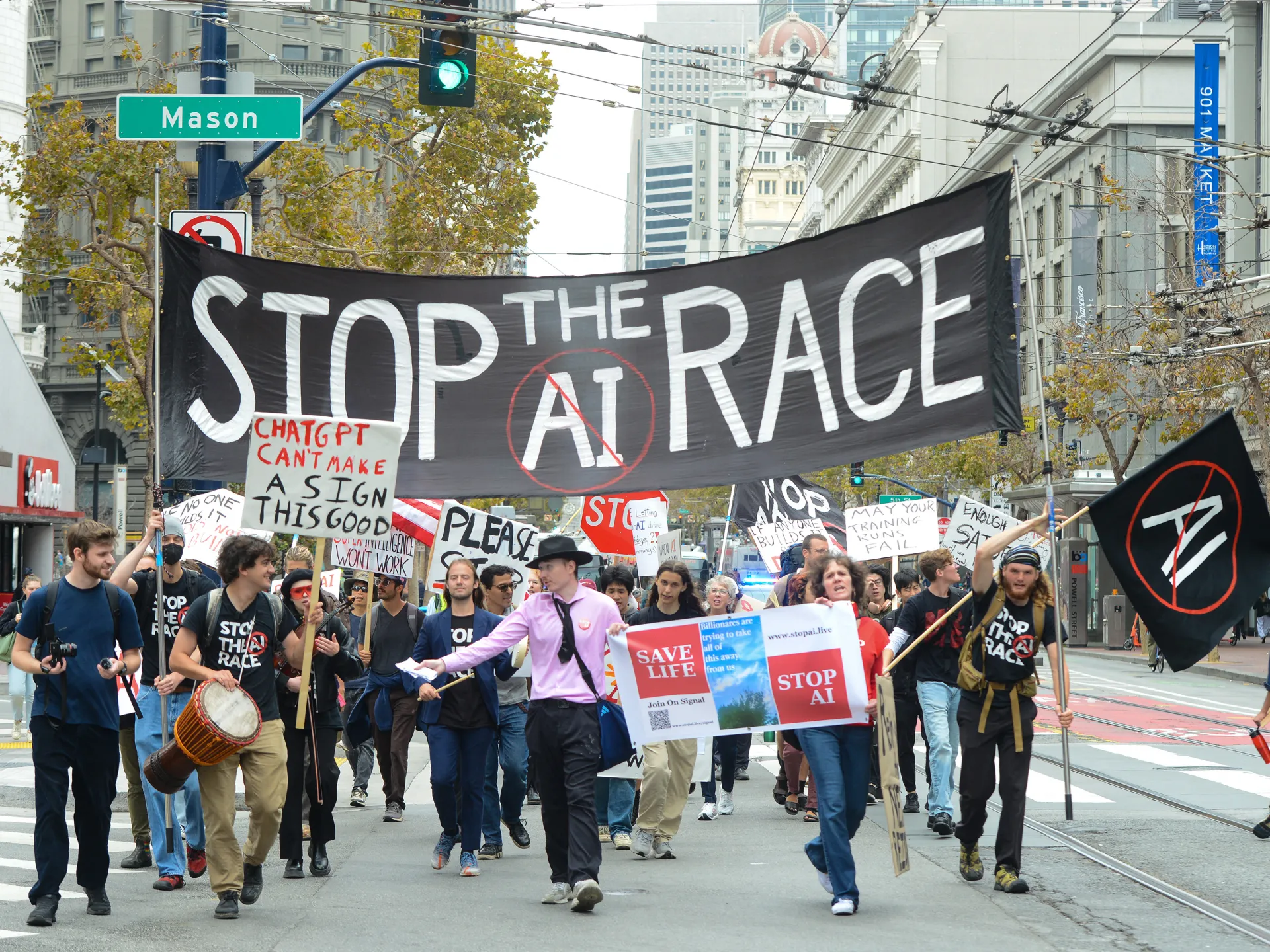
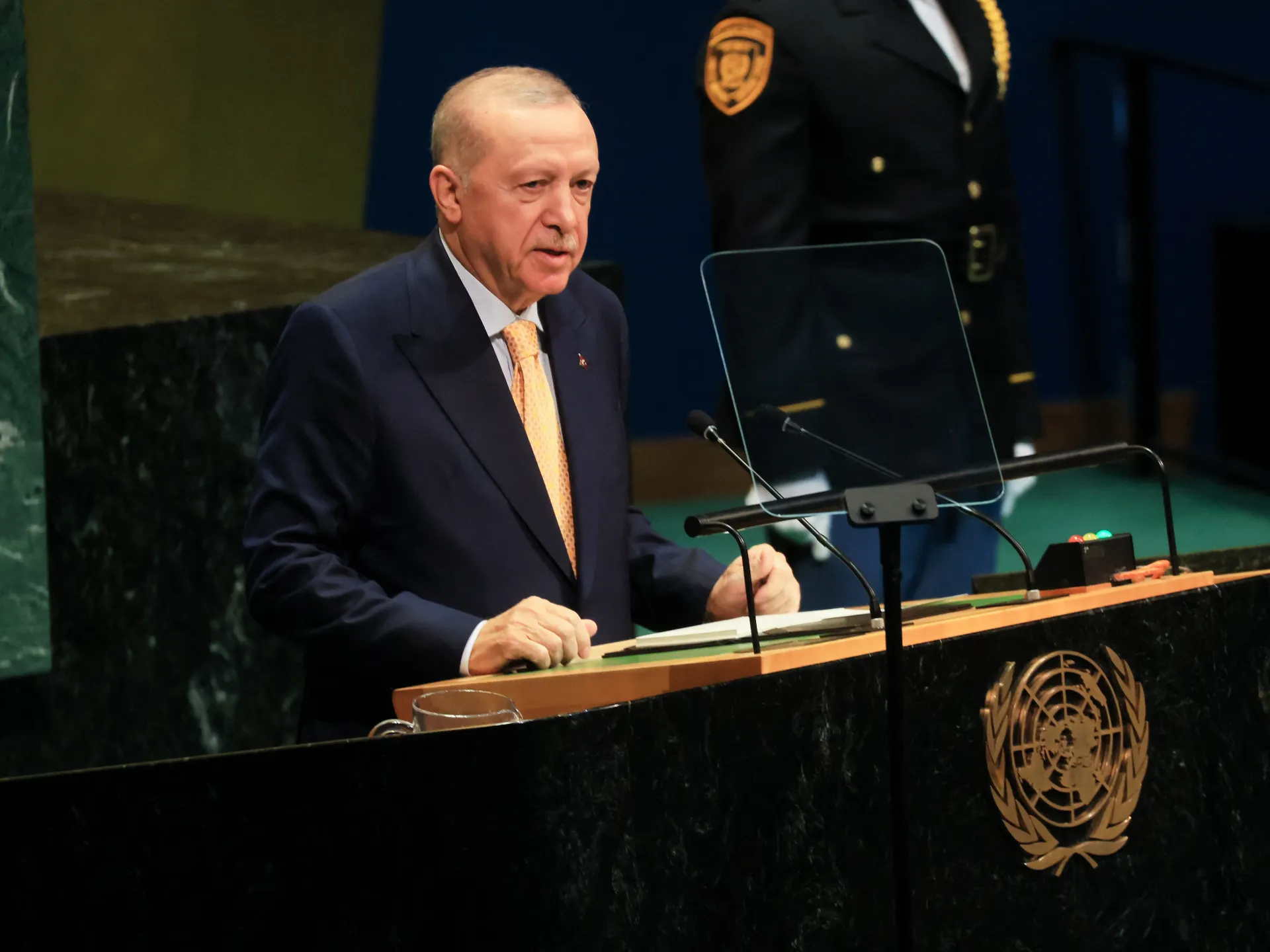
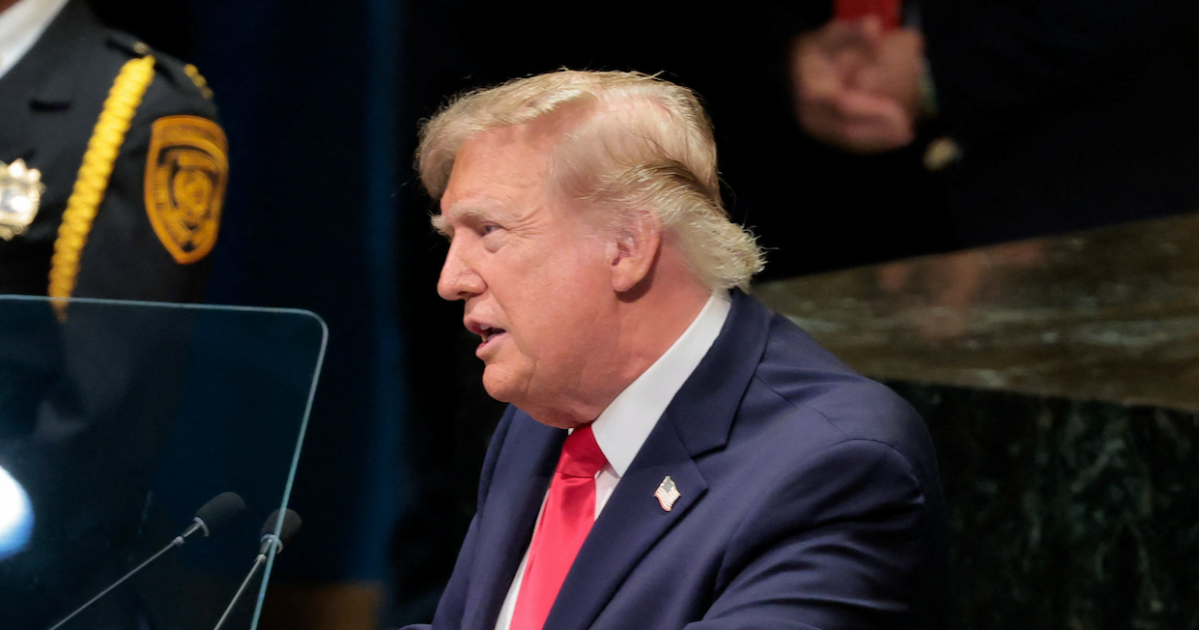
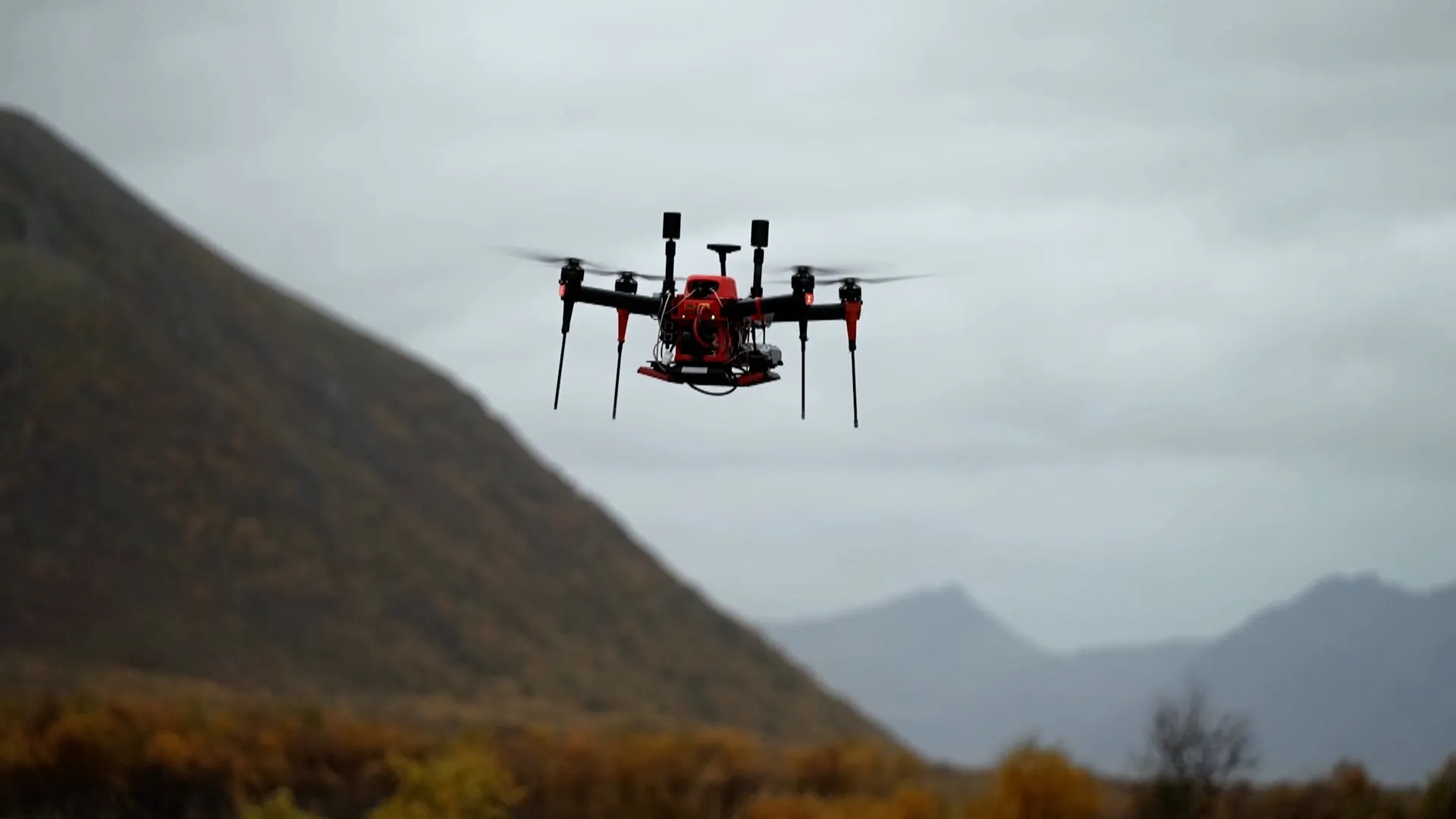
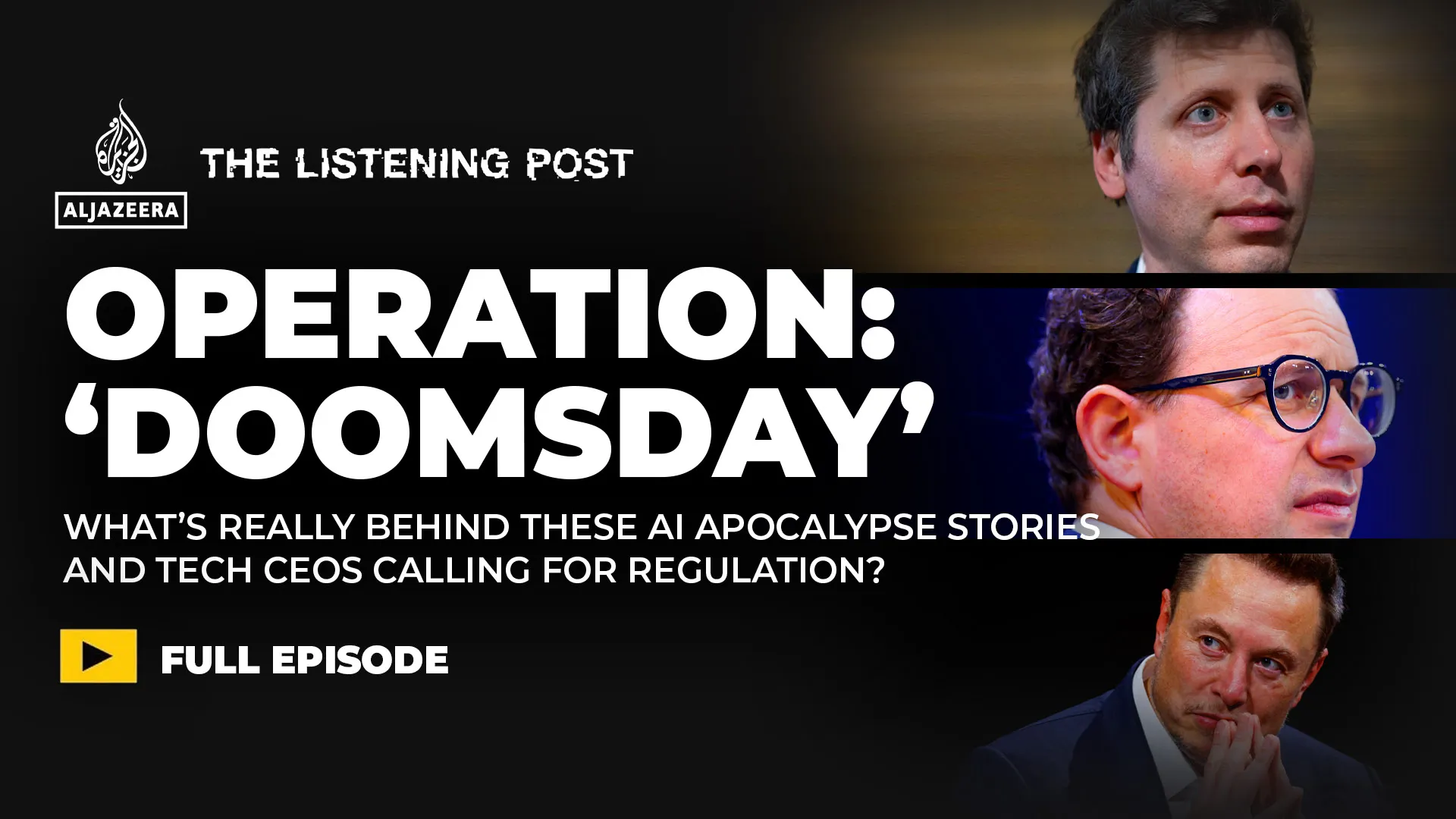
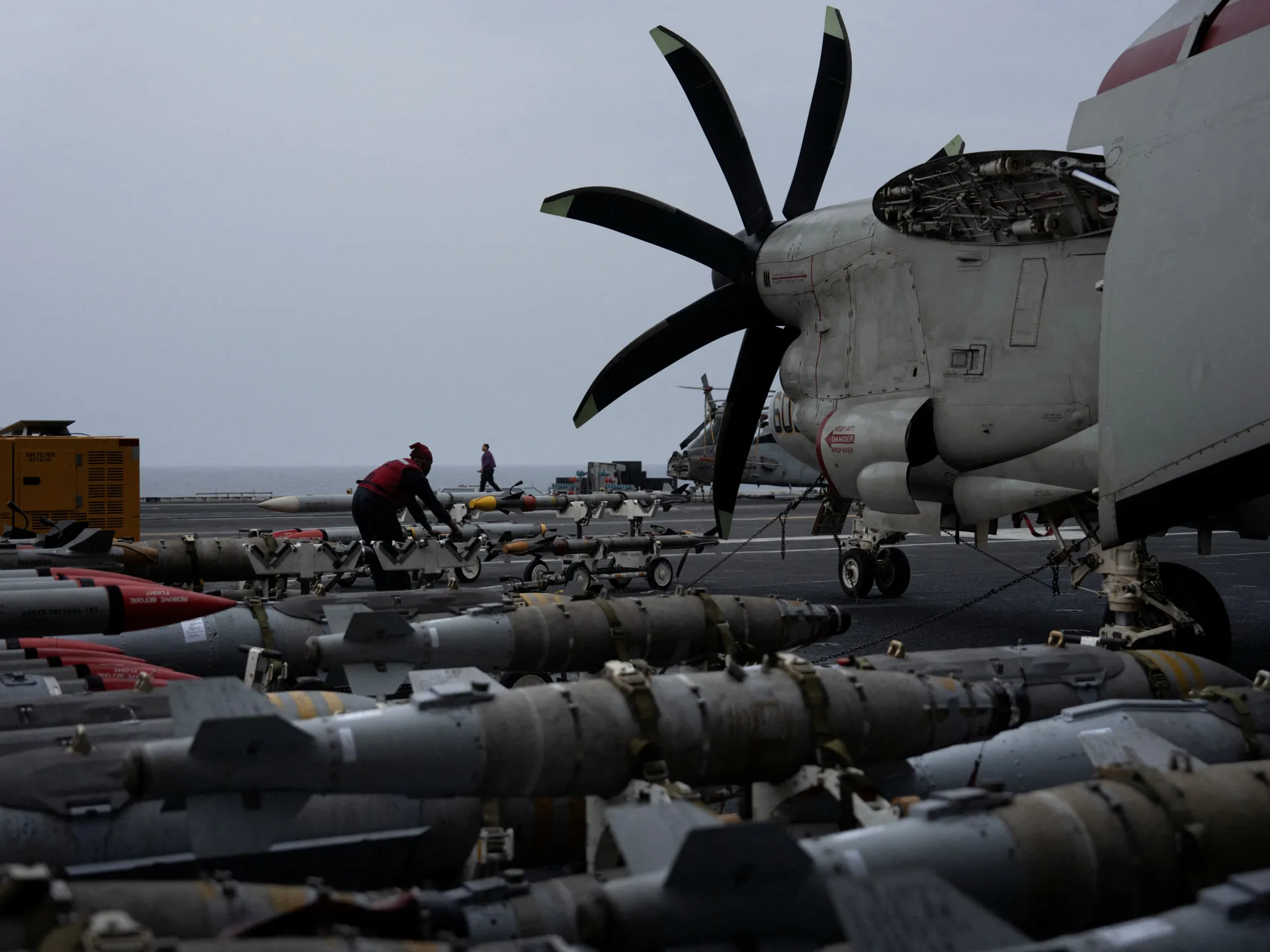
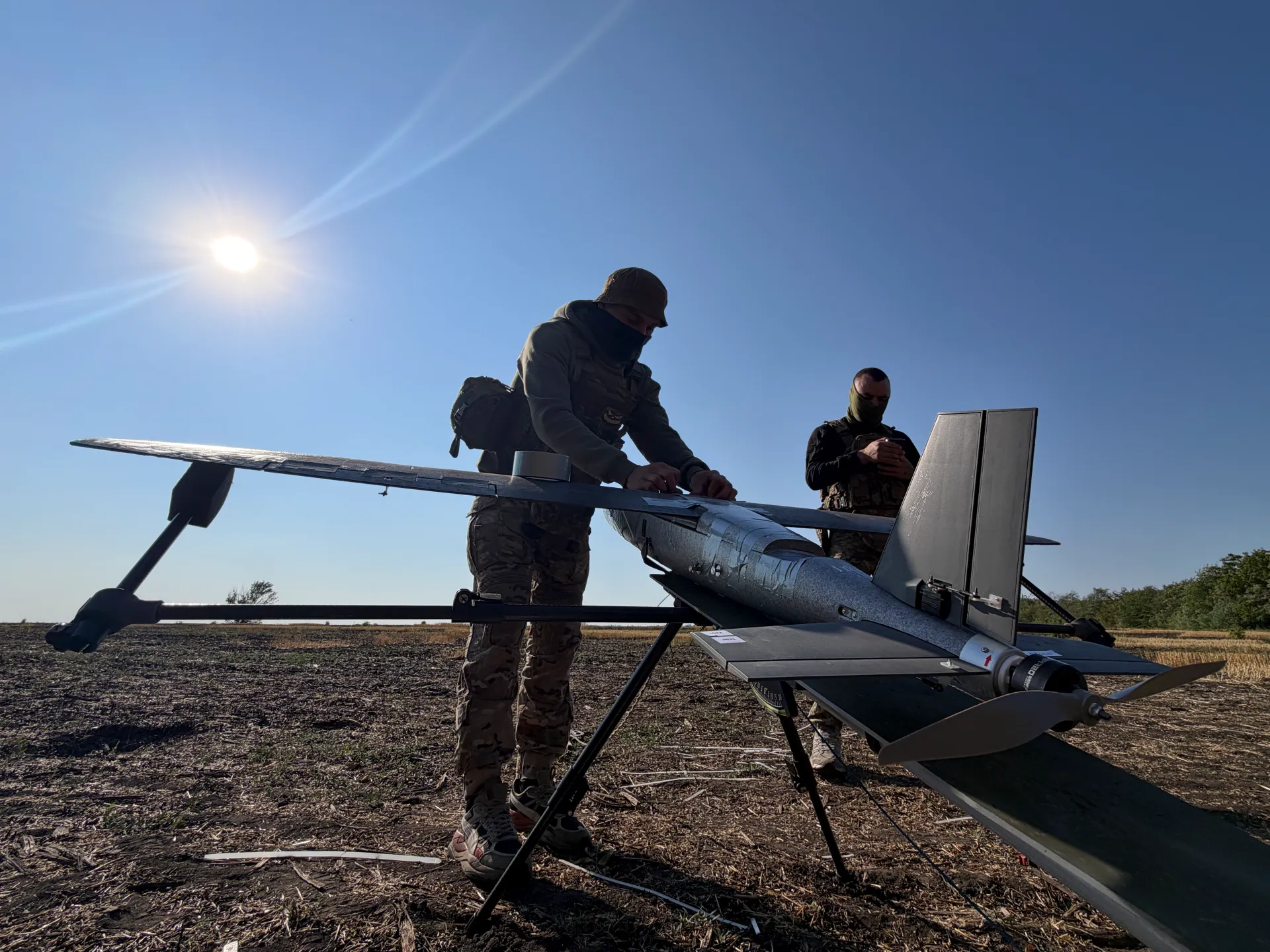
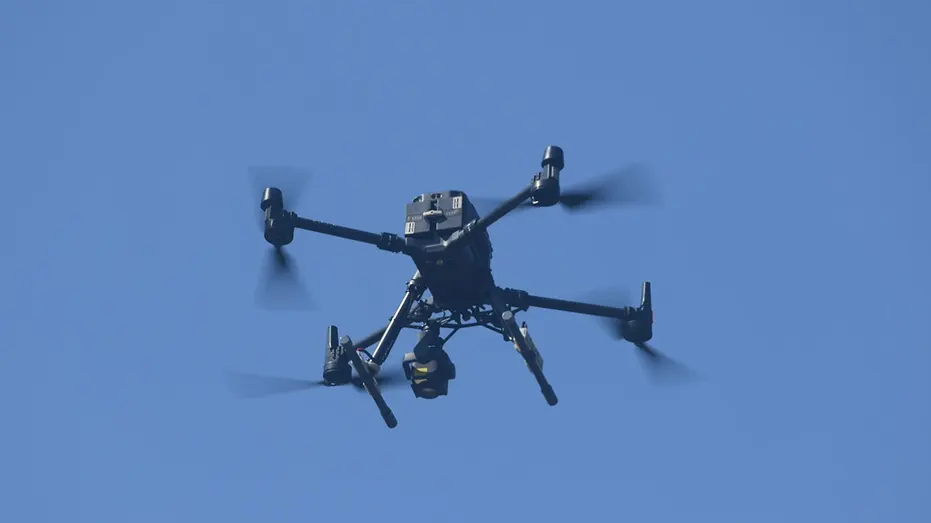
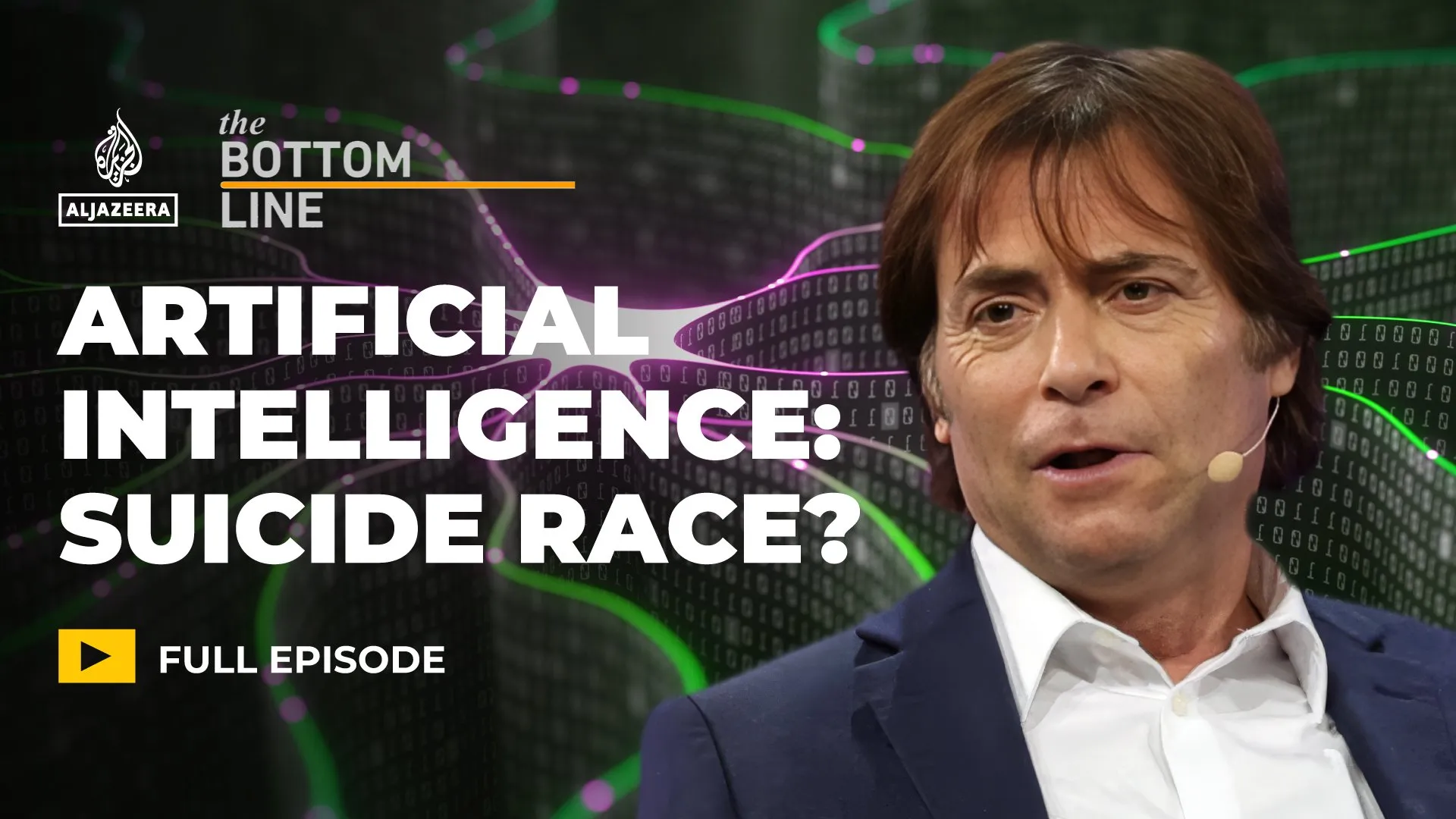
Simultaneously, the General Assembly floor saw a flurry of activity regarding the governance of emerging technologies. Leaders and industry executives warned that the absence of a global framework for artificial intelligence could inadvertently accelerate an era of autonomous warfare. The discourse underscored a growing fear that if nations do not cooperate on setting guardrails for AI, the technology will be weaponized with unprecedented speed, rendering current diplomatic channels obsolete before they can be effectively utilized.
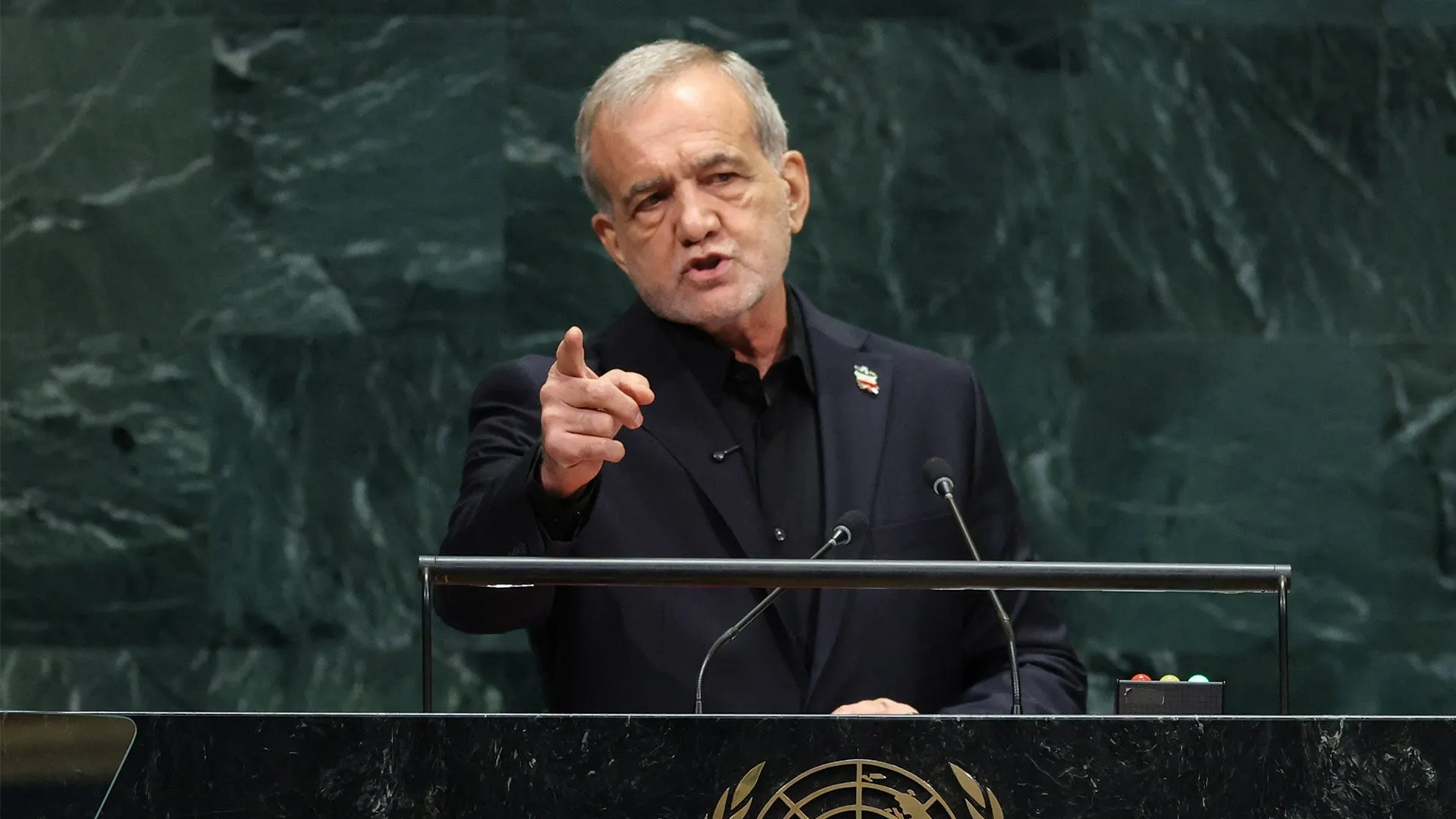
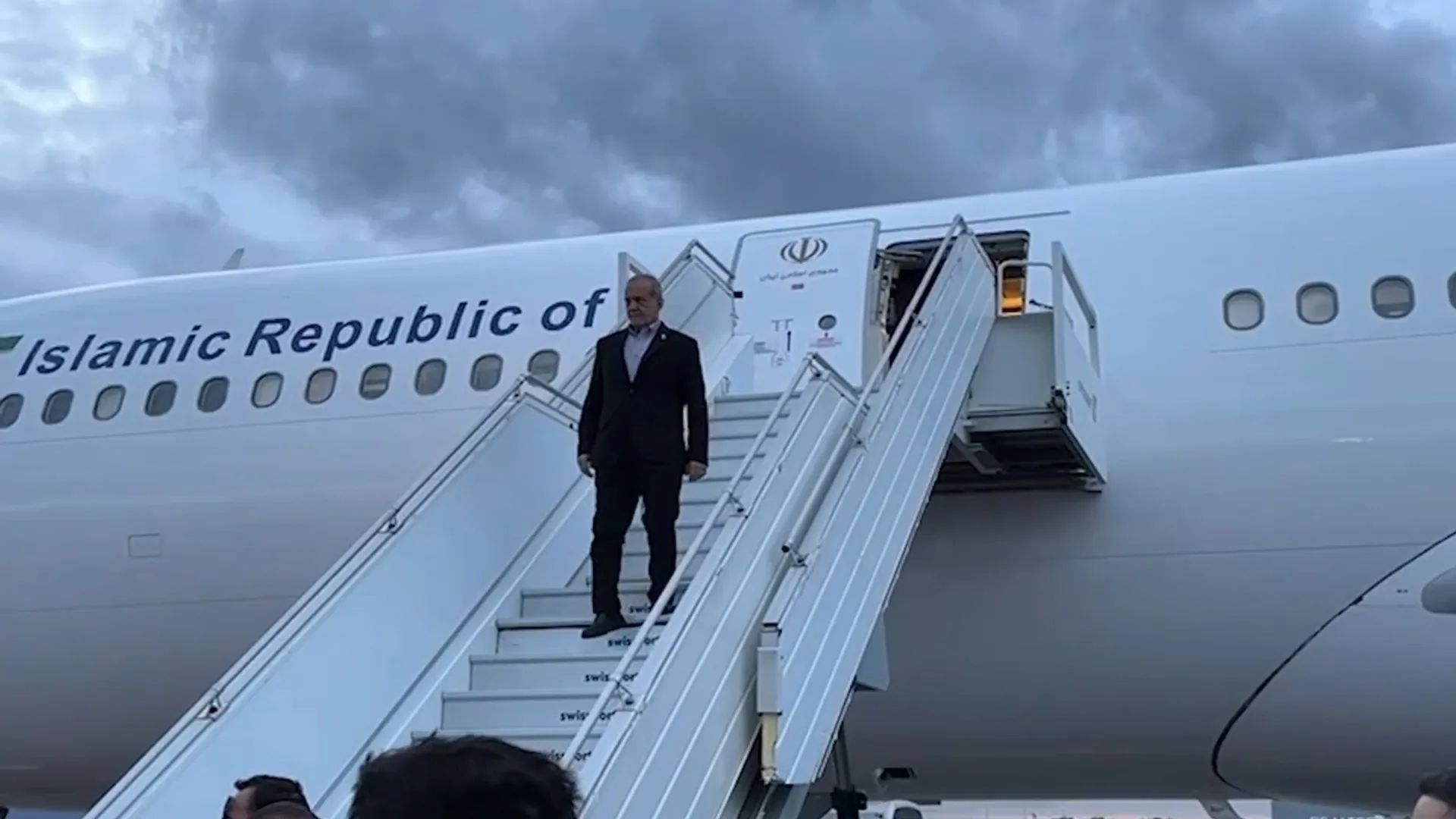
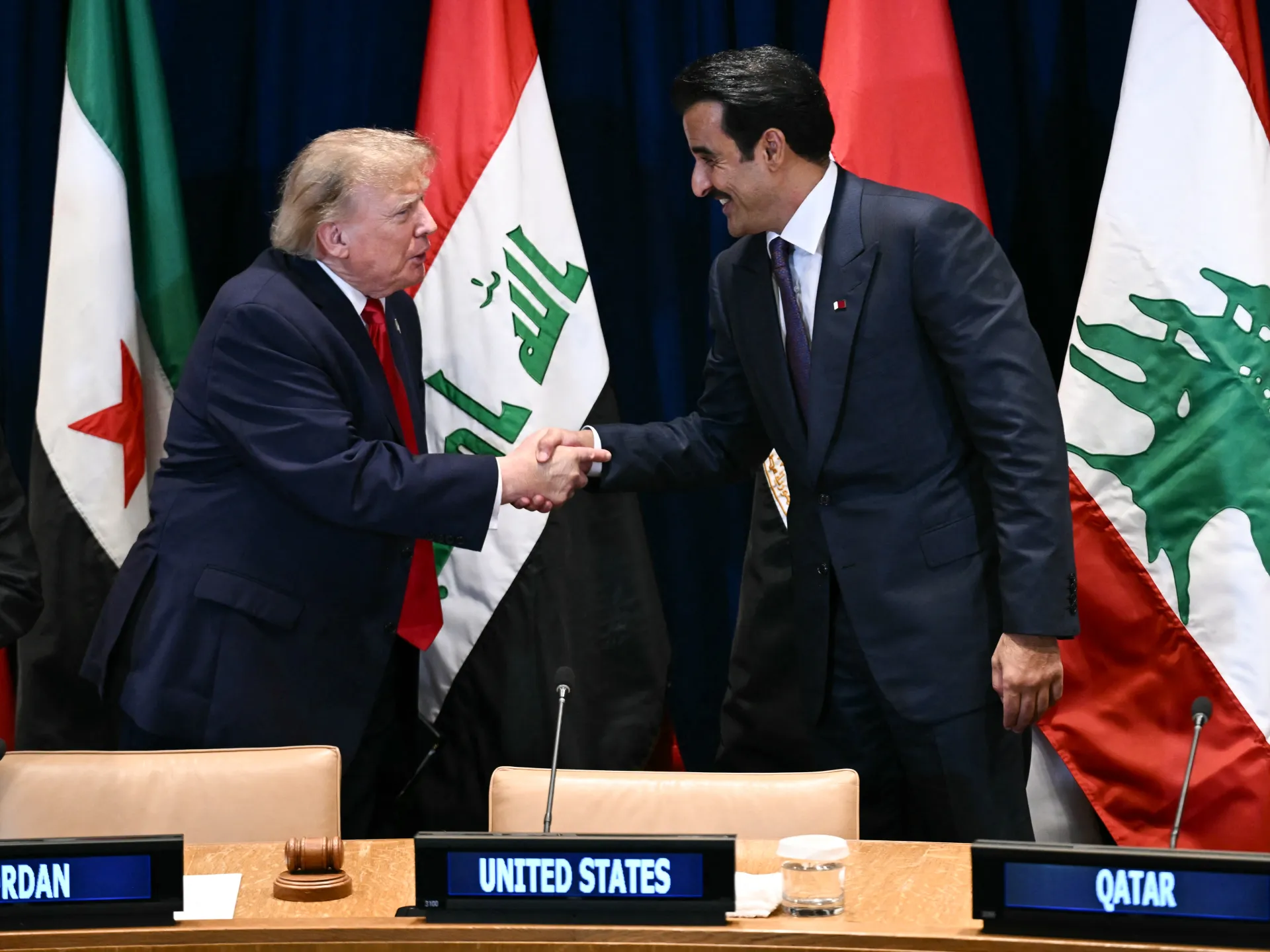
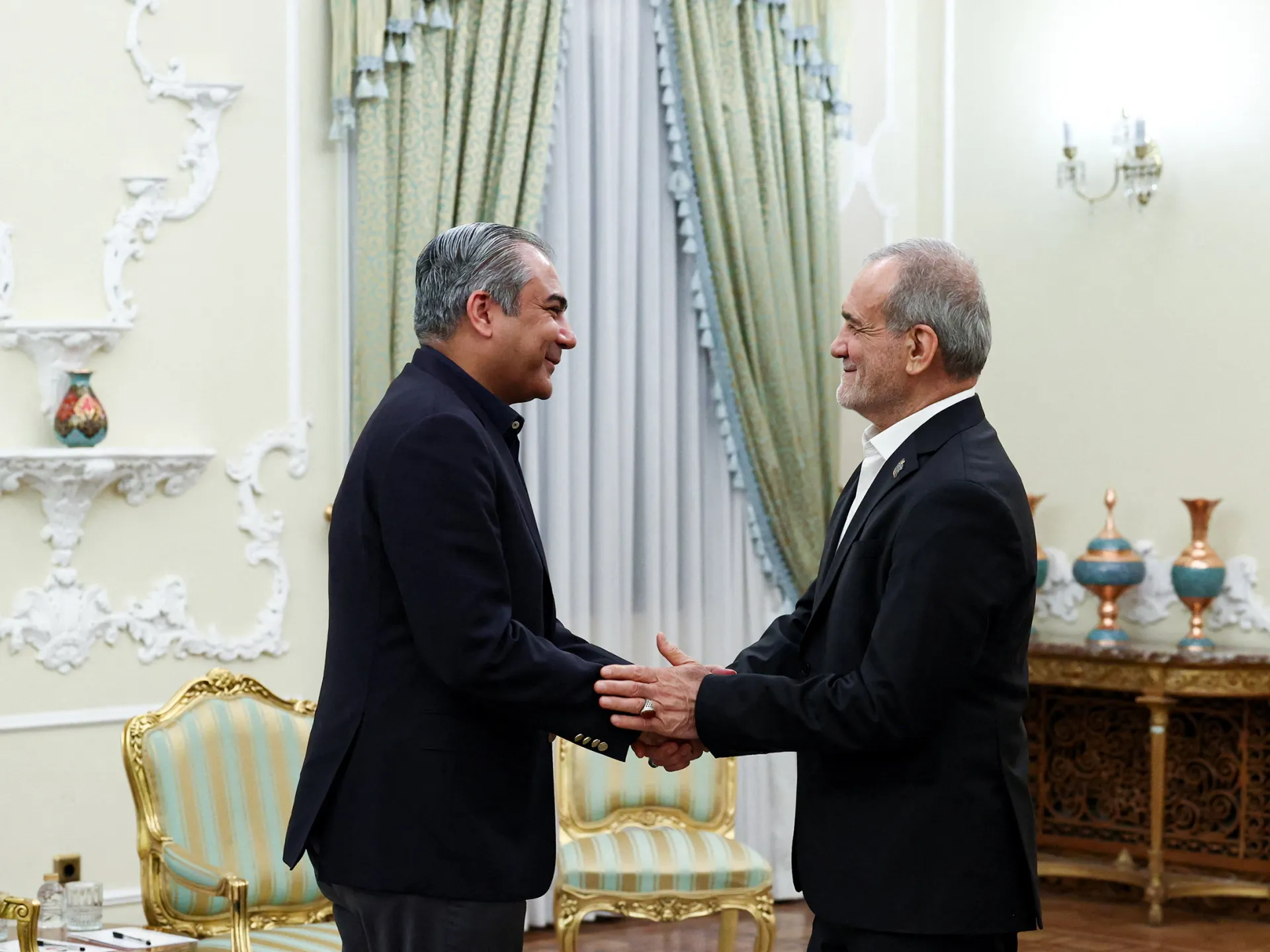
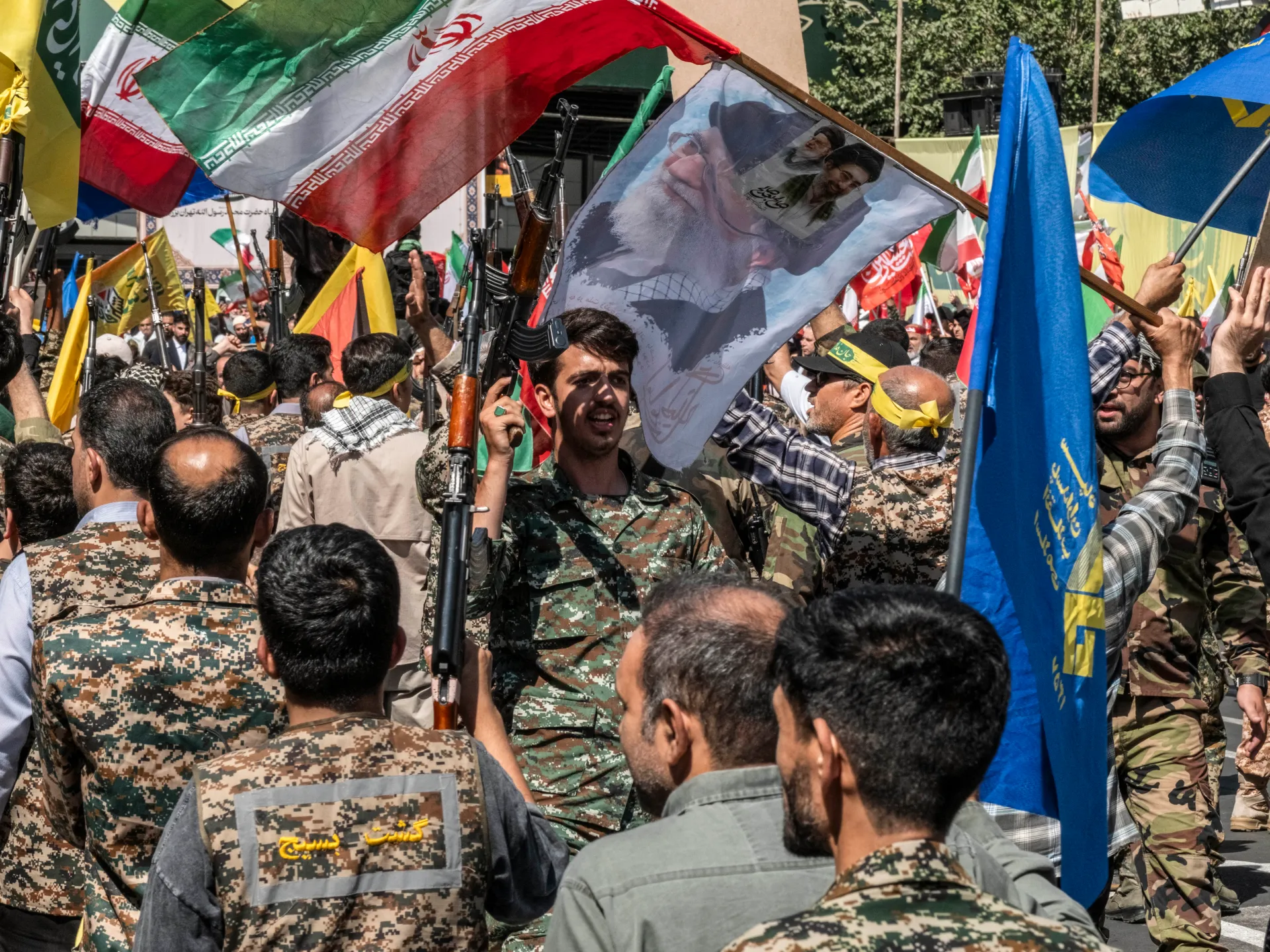
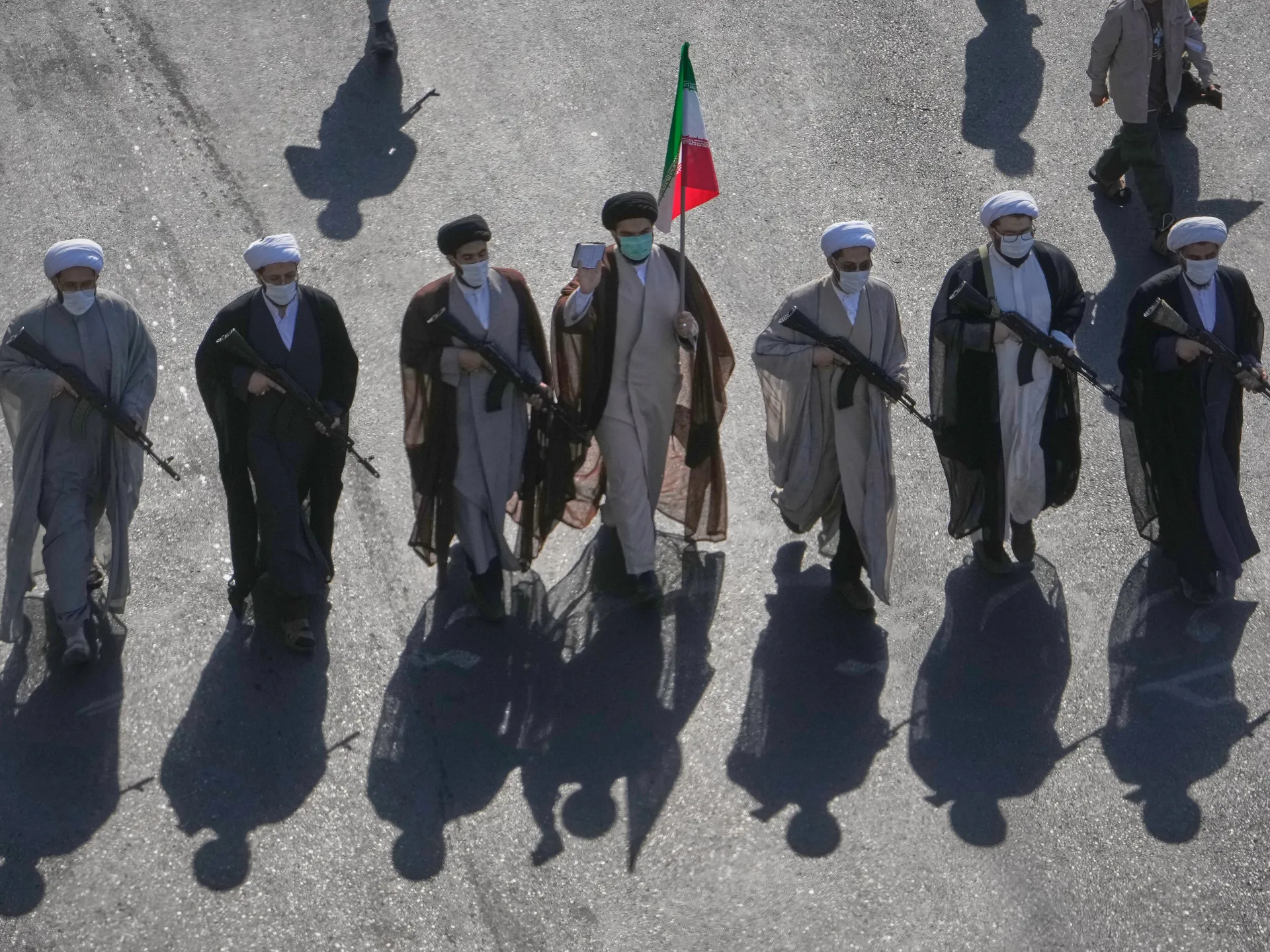
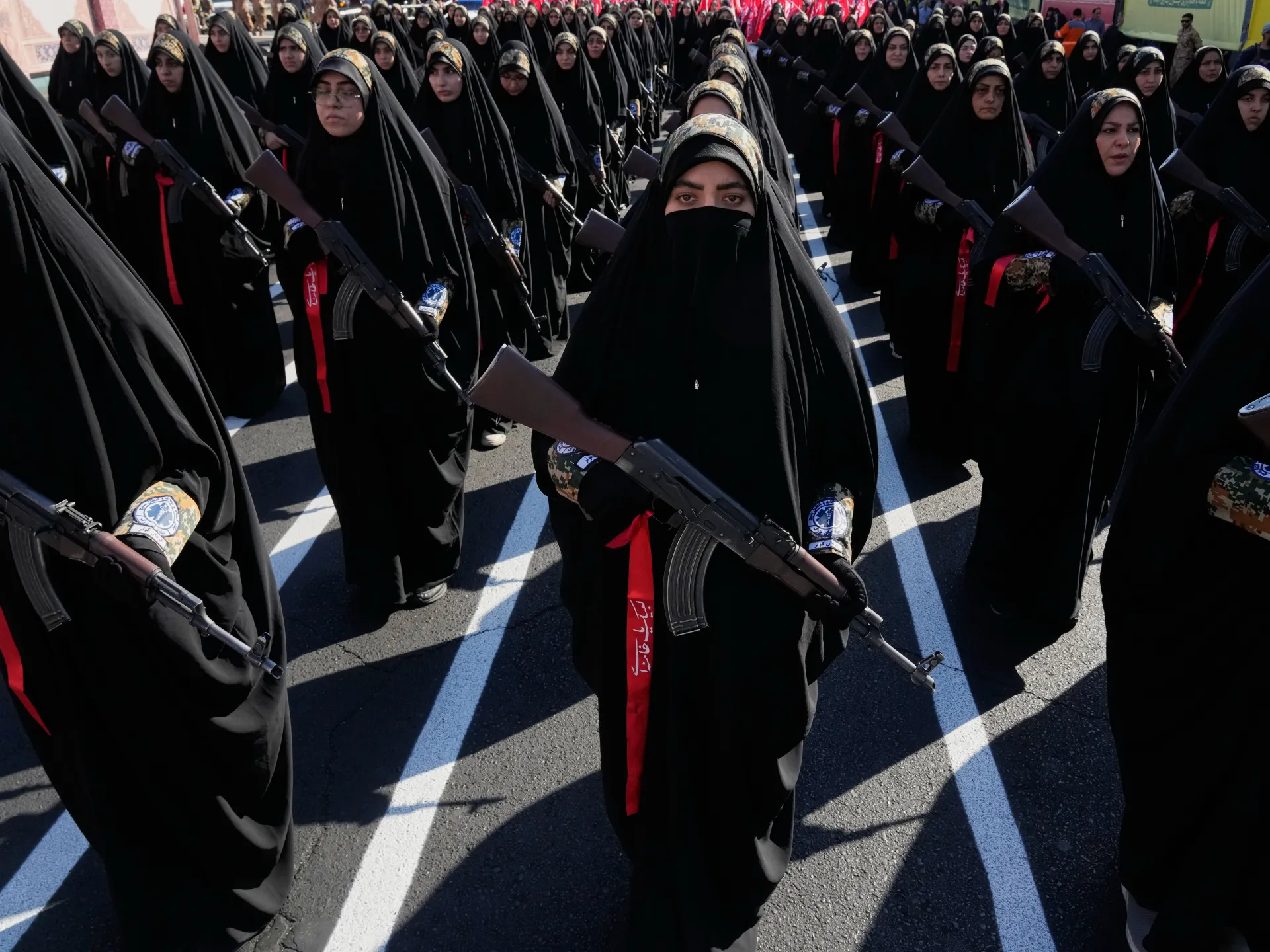
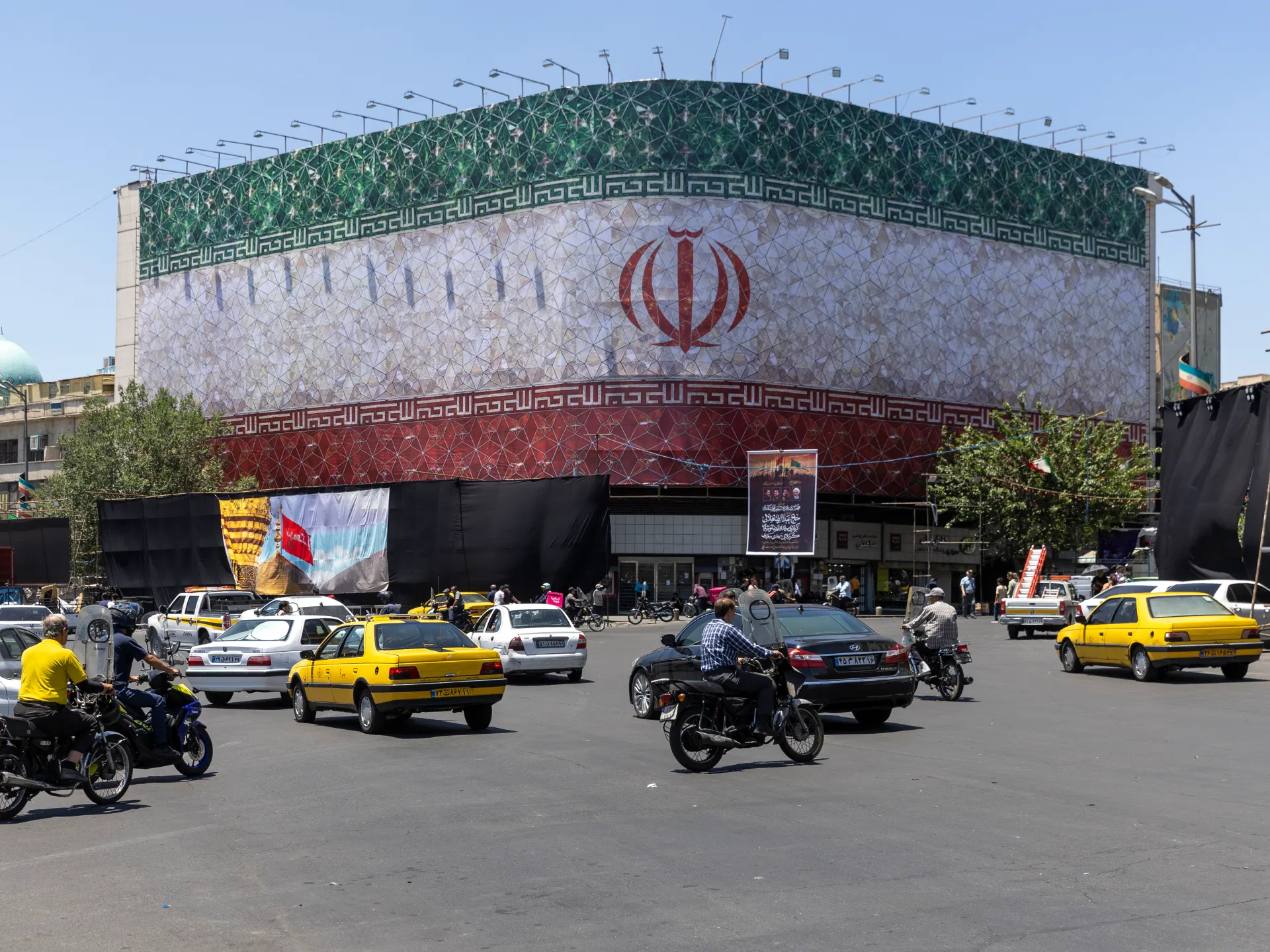
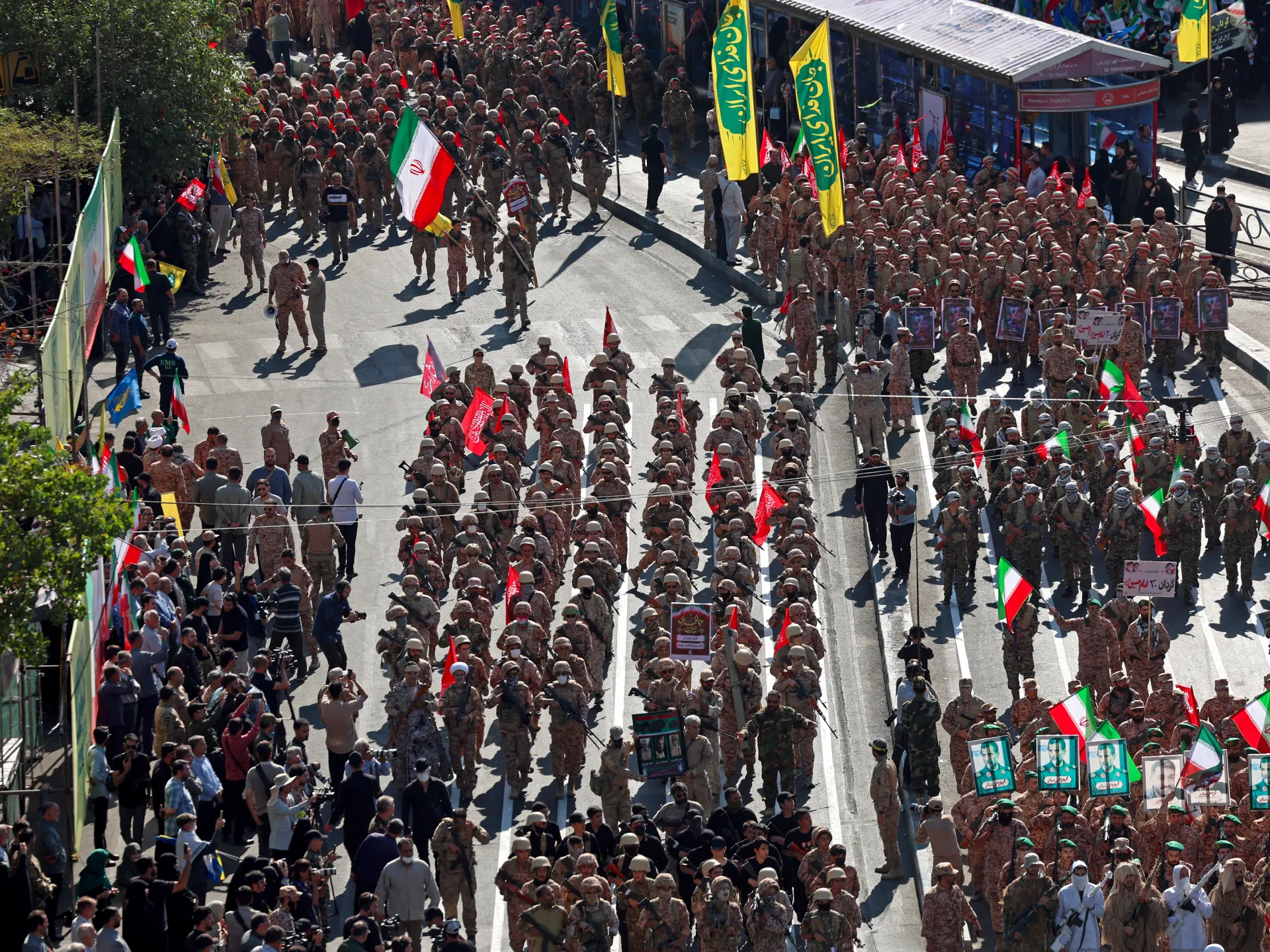
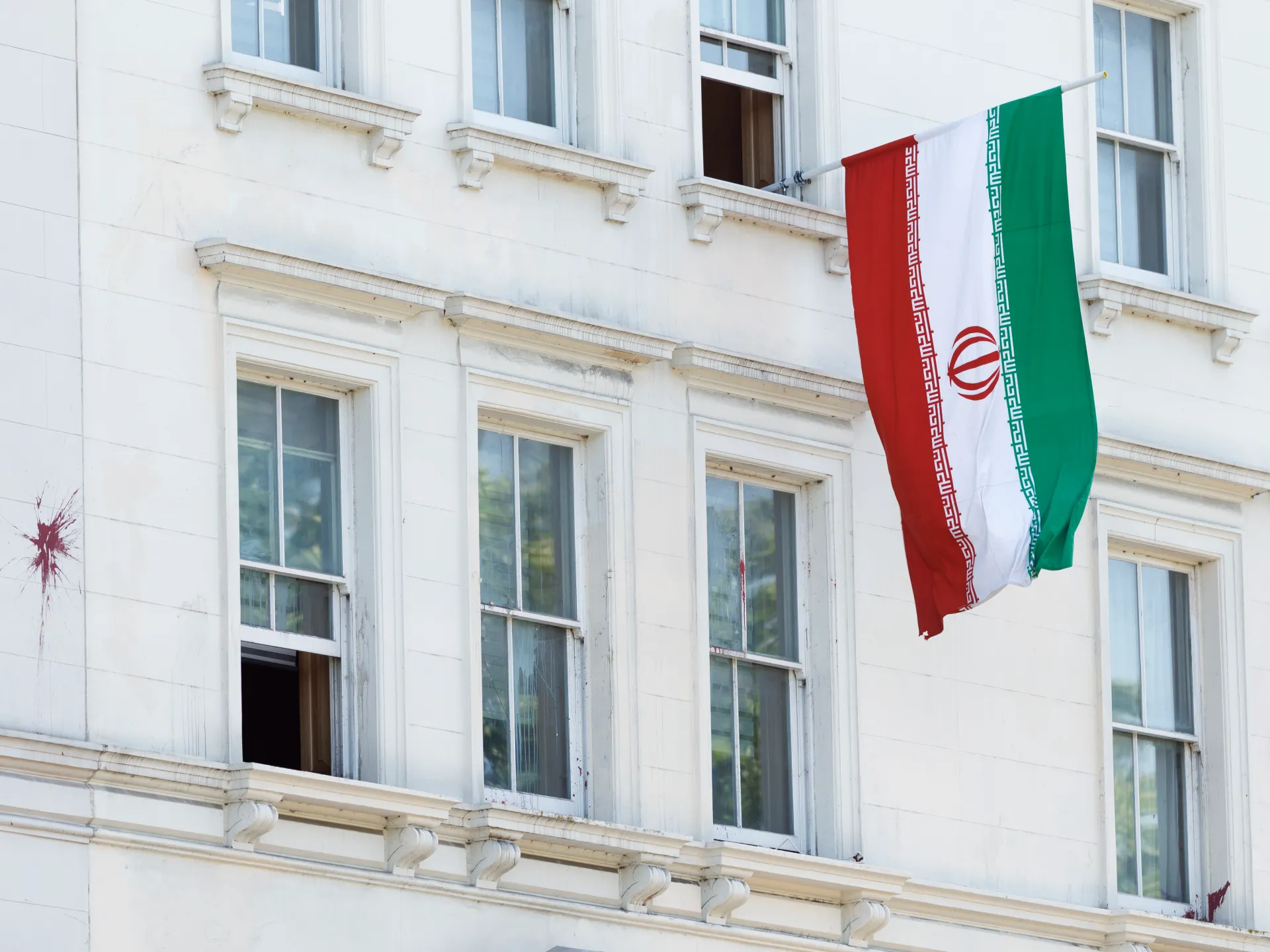
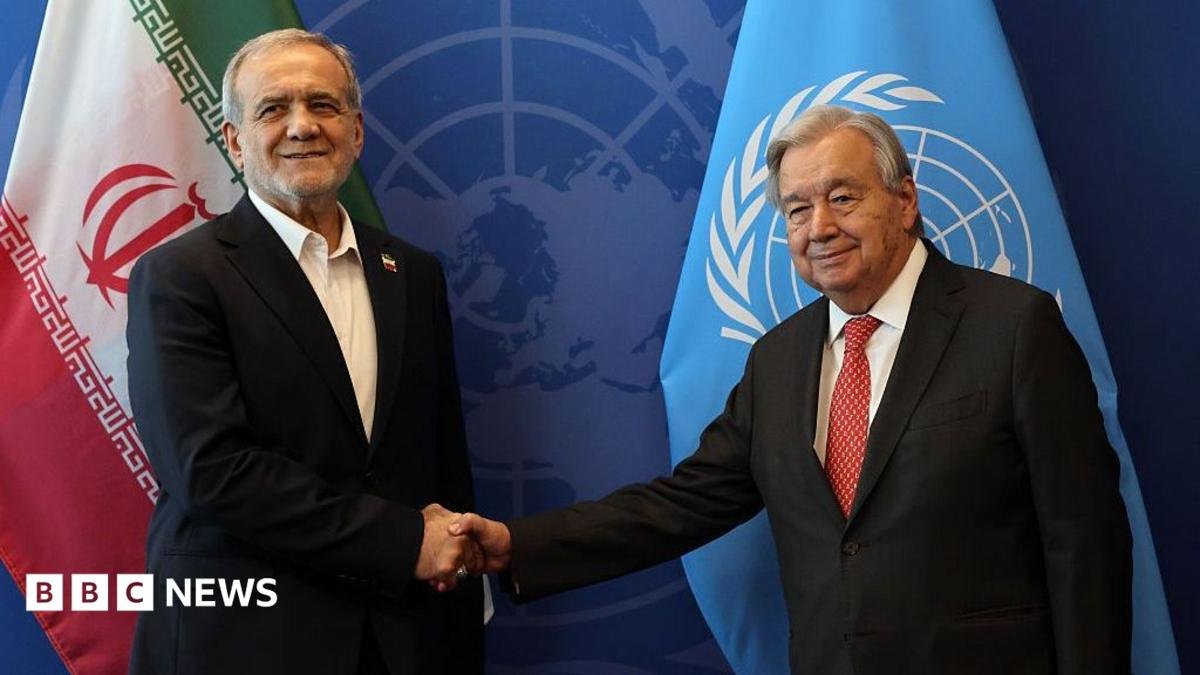
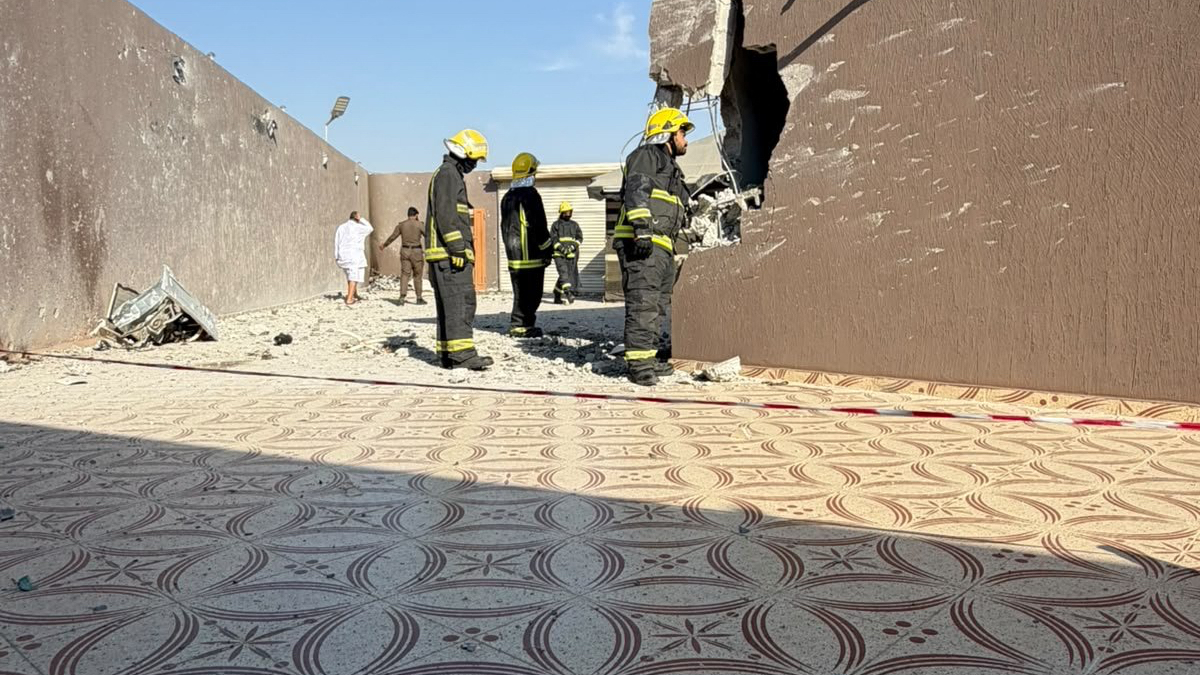
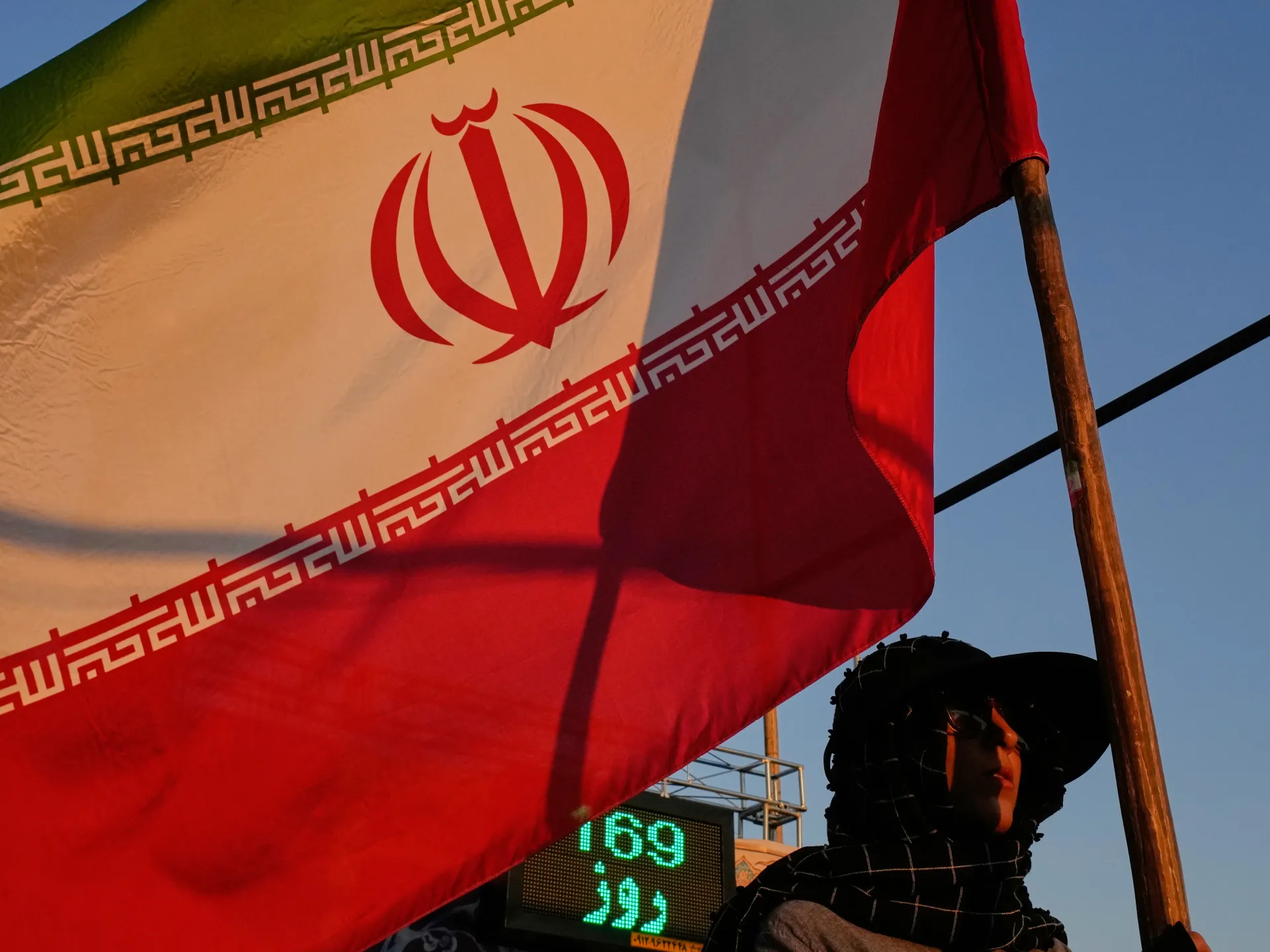
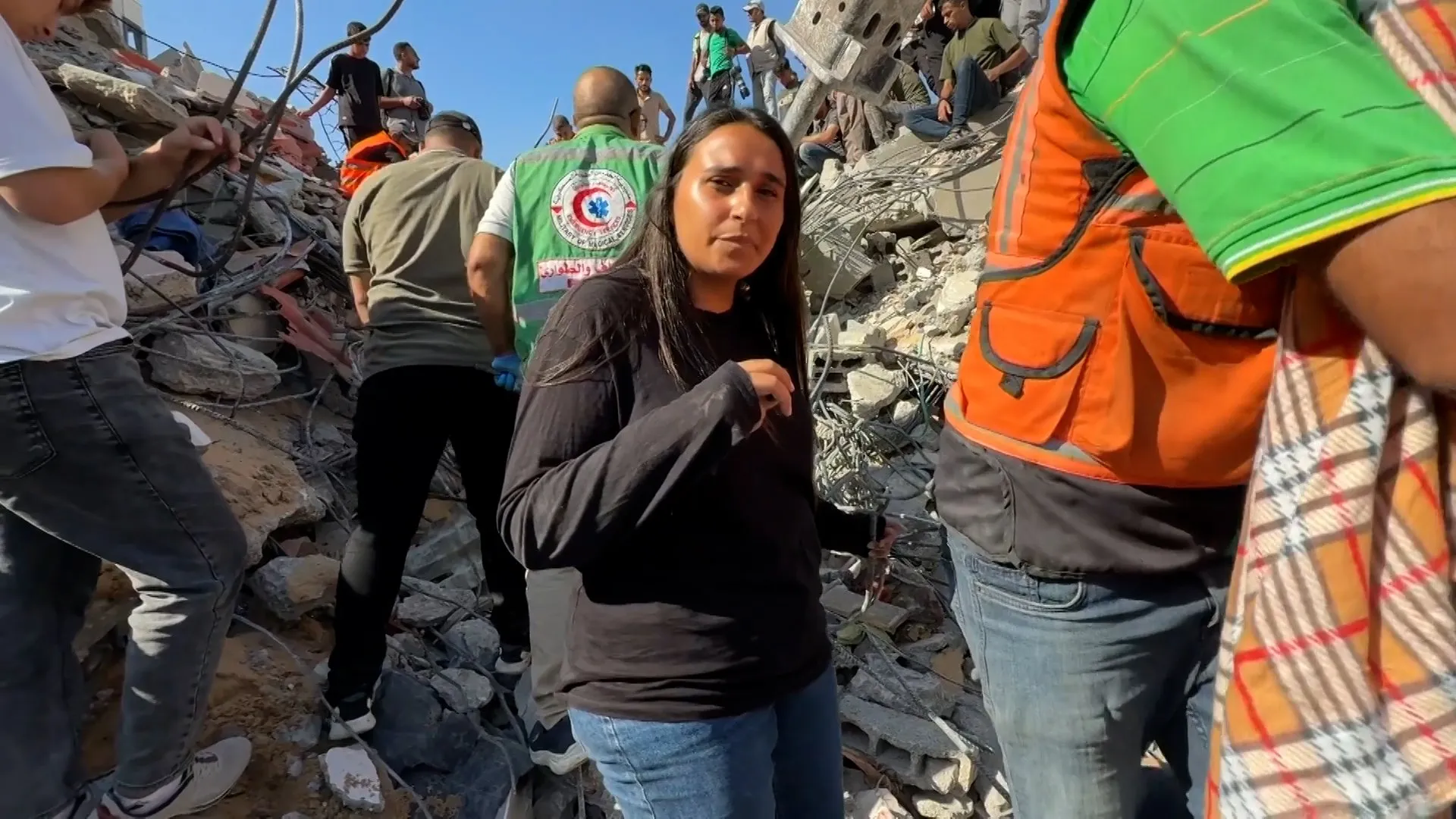
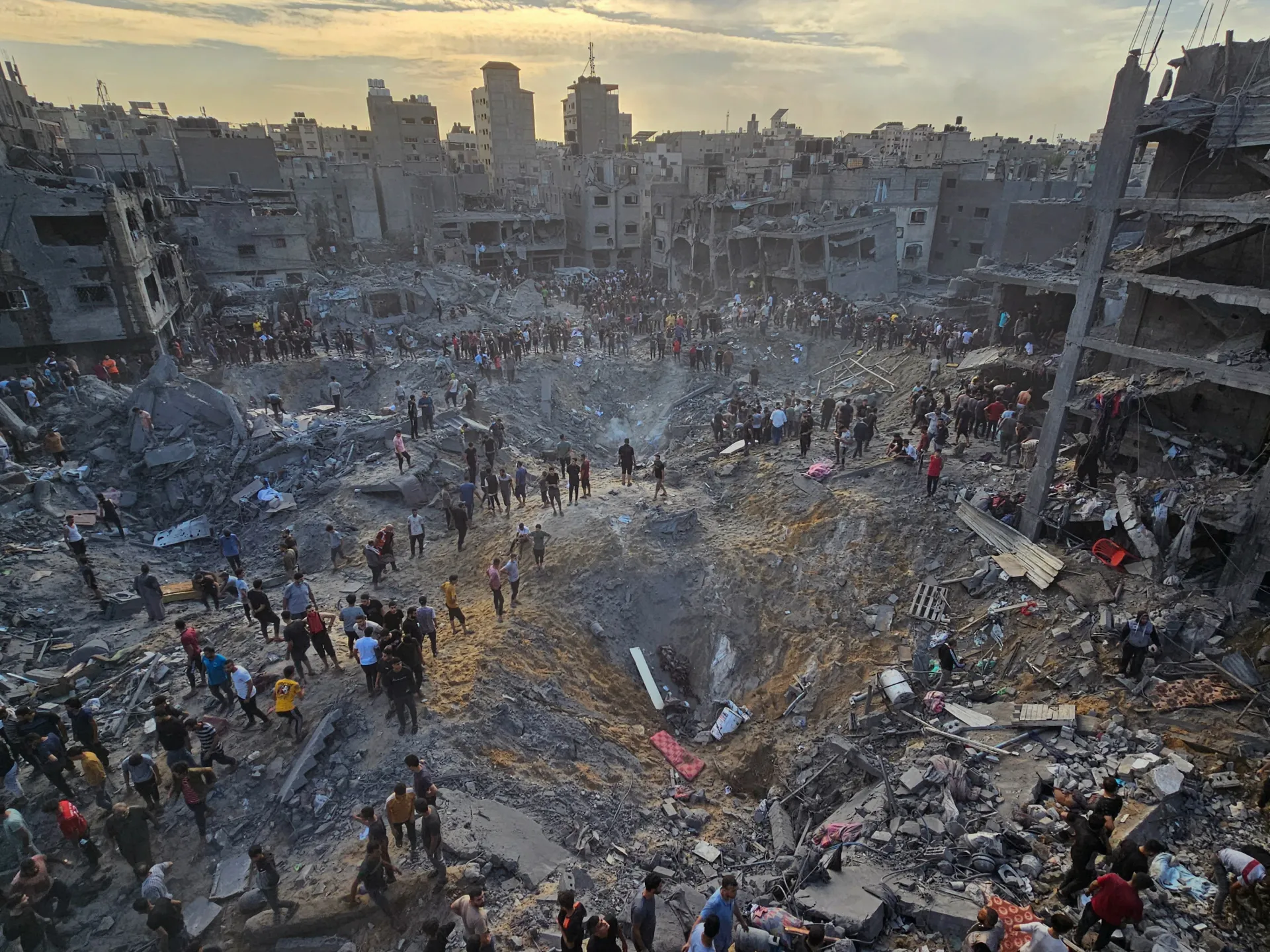
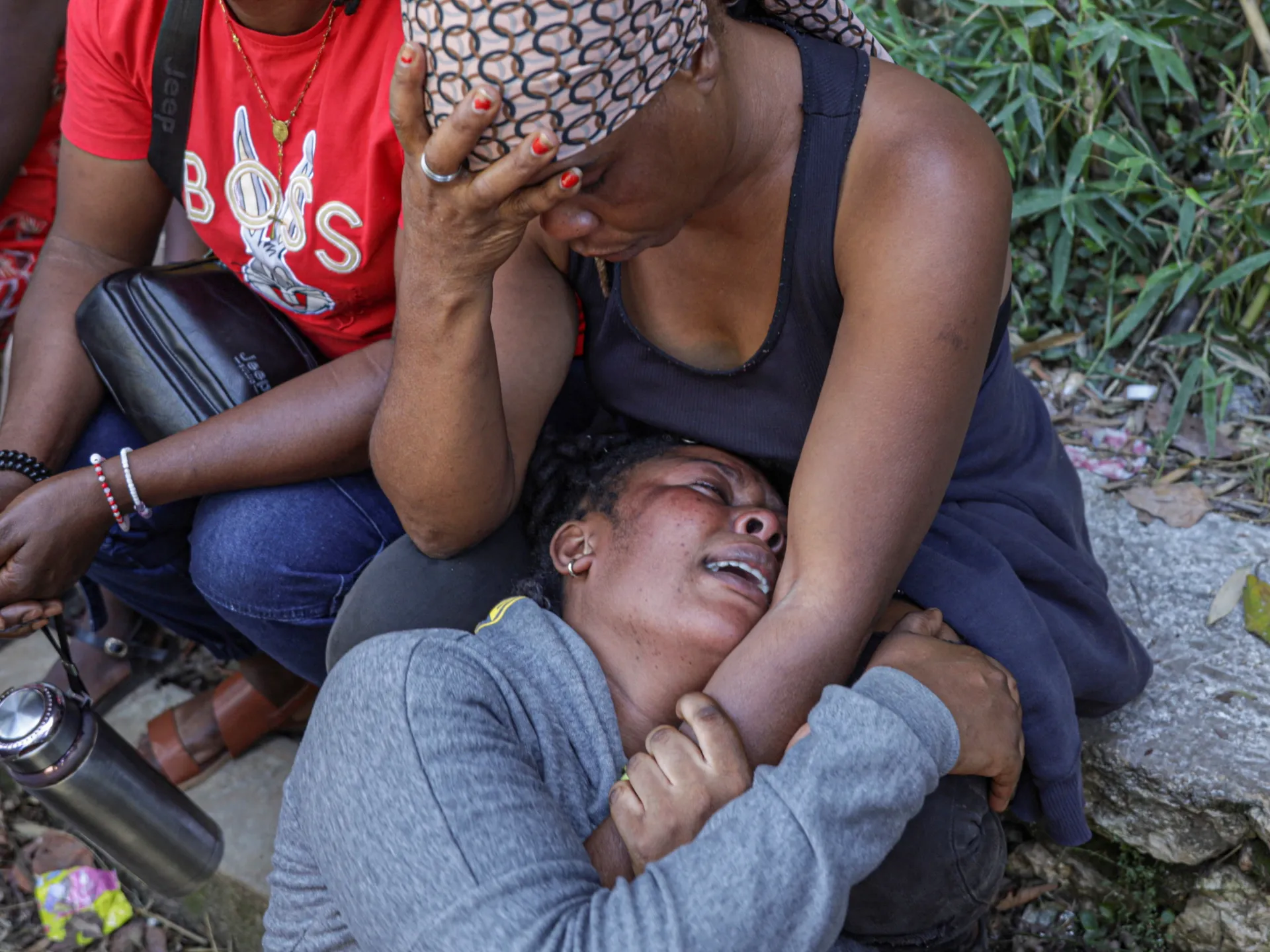
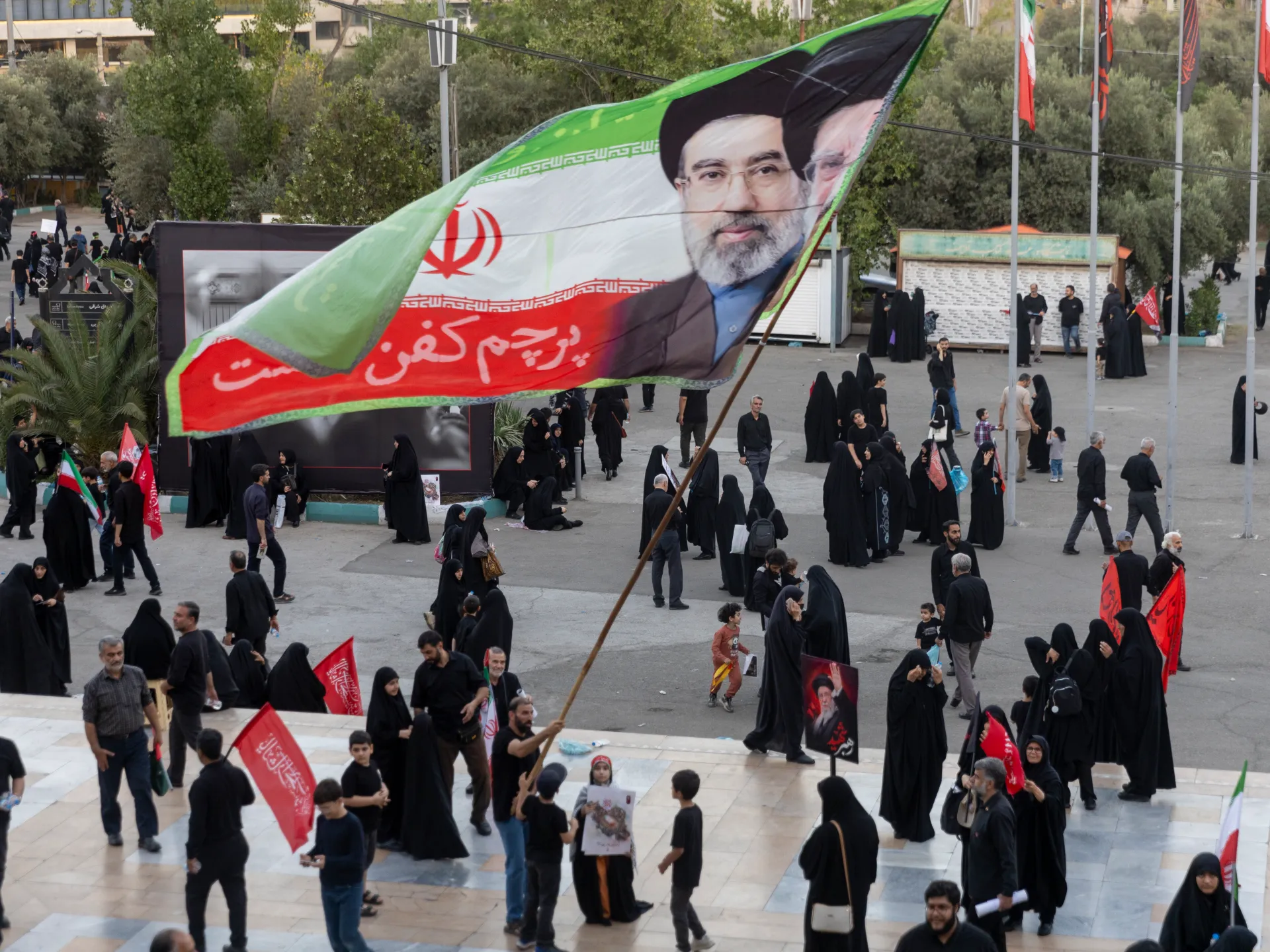
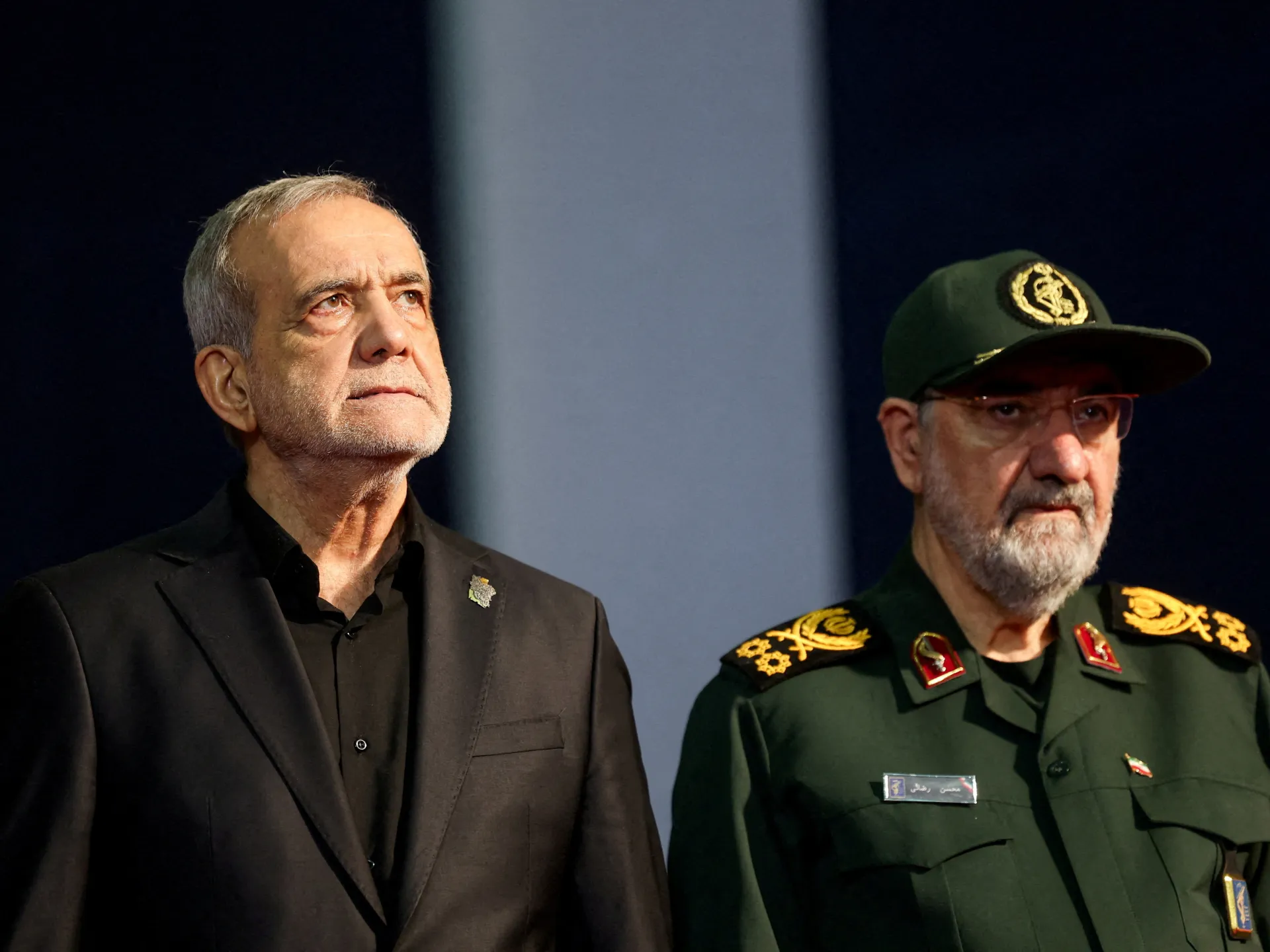
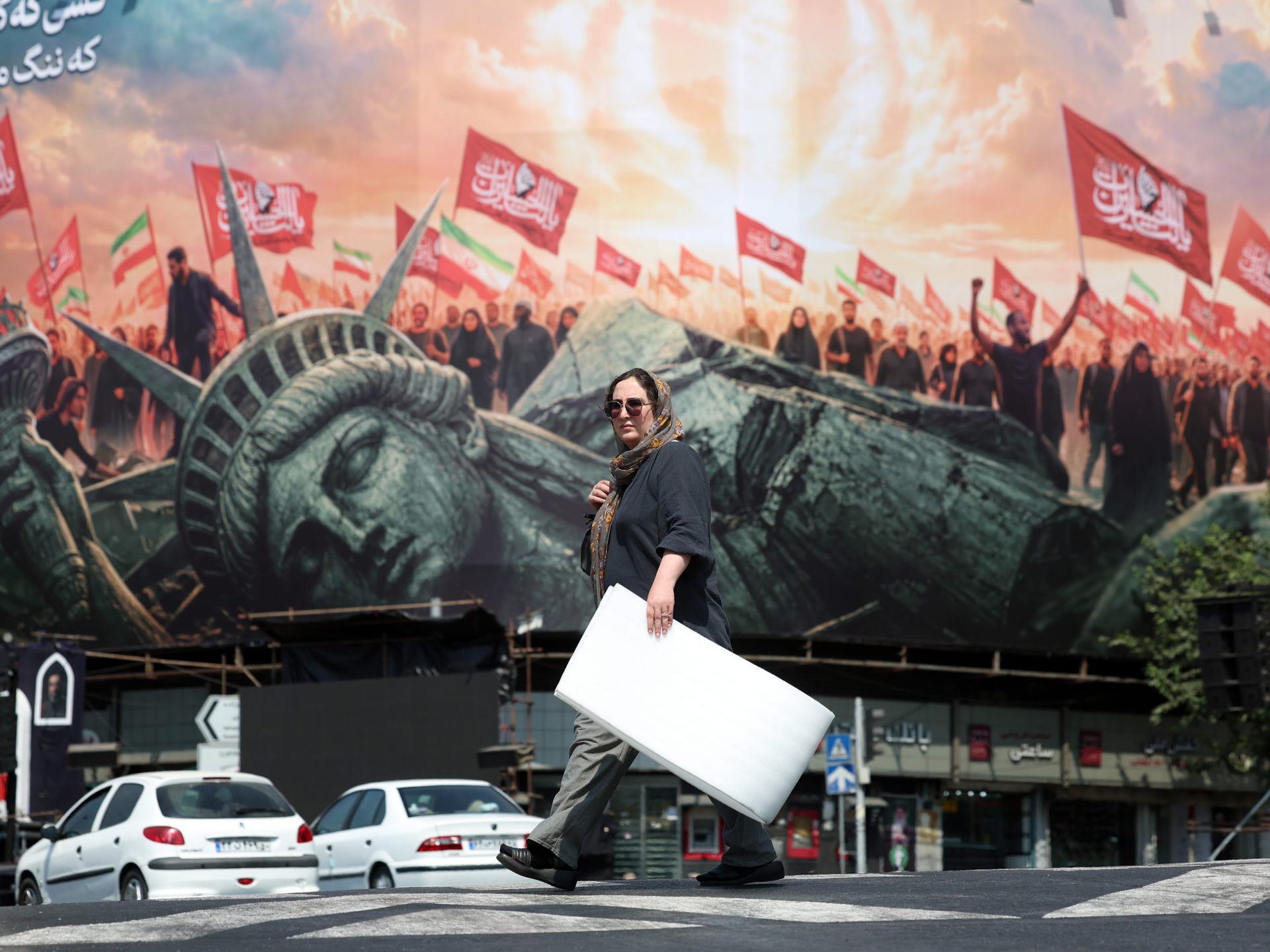
While the rhetorical focus in New York remained on long-term security, the immediate human cost was confirmed which claimed at least seven lives, underscores the volatility of the situation as Moscow continues to exert military pressure while simultaneously engaging in the global diplomatic arena. Despite the severity of the attack, the UN proceedings continued, with leaders shifting between discussions of Iranian influence, regional stability, and the urgent necessity of global AI oversight.
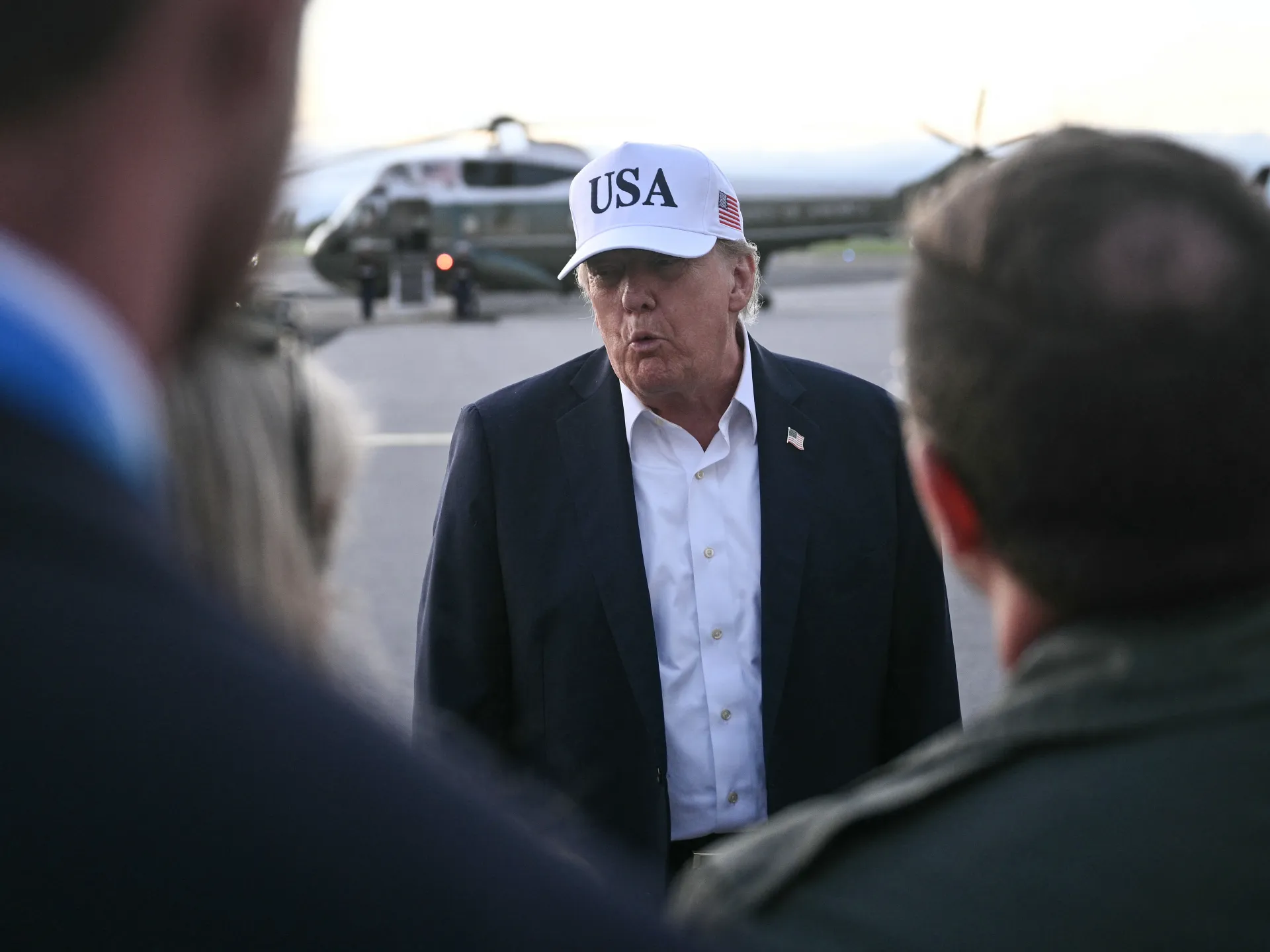
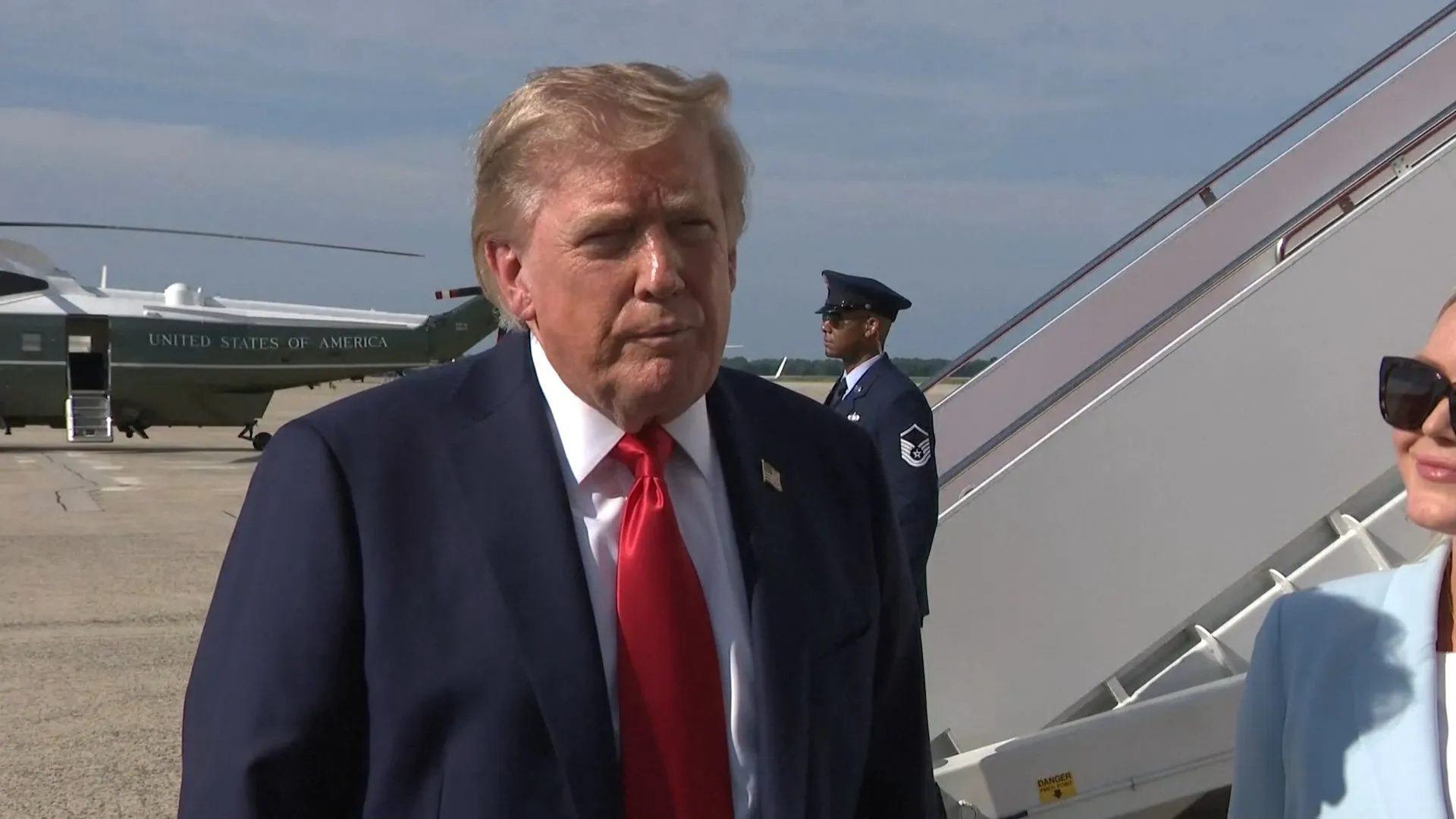
Based on the current trajectory, the disconnect between diplomatic rhetoric and battlefield reality is likely to intensify. The UN's focus on AI regulation, while significant, faces the hurdle of geopolitical fragmentation; if major powers cannot agree on the parameters of the war in Ukraine, it is improbable they will reach a consensus on the more abstract, yet existential, threat of AI-driven combat. In the short term, pressure on the U.S. to escalate its sanction regime will likely increase, though the efficacy of such measures remains a point of contention among observers. The coming weeks will demonstrate whether the momentum generated at the General Assembly can translate into tangible policy shifts or if the summit will be remembered primarily for the timing of the violence that occurred beneath its shadow.