As one high-profile murder trial ends in a mistrial, another concludes with a conviction, highlighting the deep complexities of insanity defenses in the US legal system.
The disparate outcomes in the recent trials of Jason Eaton in Vermont and Lindsay Clancy in Massachusetts underscore the profound complexities inherent in the American justice system when evaluating mental capacity. While both cases centered on horrific acts of violence, the legal resolutions highlight the challenges jurors face when reconciling physical evidence with claims of severe psychological impairment. These trials serve as a critical reminder of the high burden of proof required in cases involving insanity pleas, where the distinction between calculated intent and medical crisis can determine a defendant's future.
The emotional toll on the judicial process itself, evidenced of our court systems to the intense pressures of high-stakes litigation. When a jury panel—comprised of ordinary citizens—is forced to navigate the blurred lines between criminal responsibility and psychiatric conditions like postpartum psychosis, the resulting tension frequently exposes the limitations of the courtroom as a venue for resolving profound human suffering.
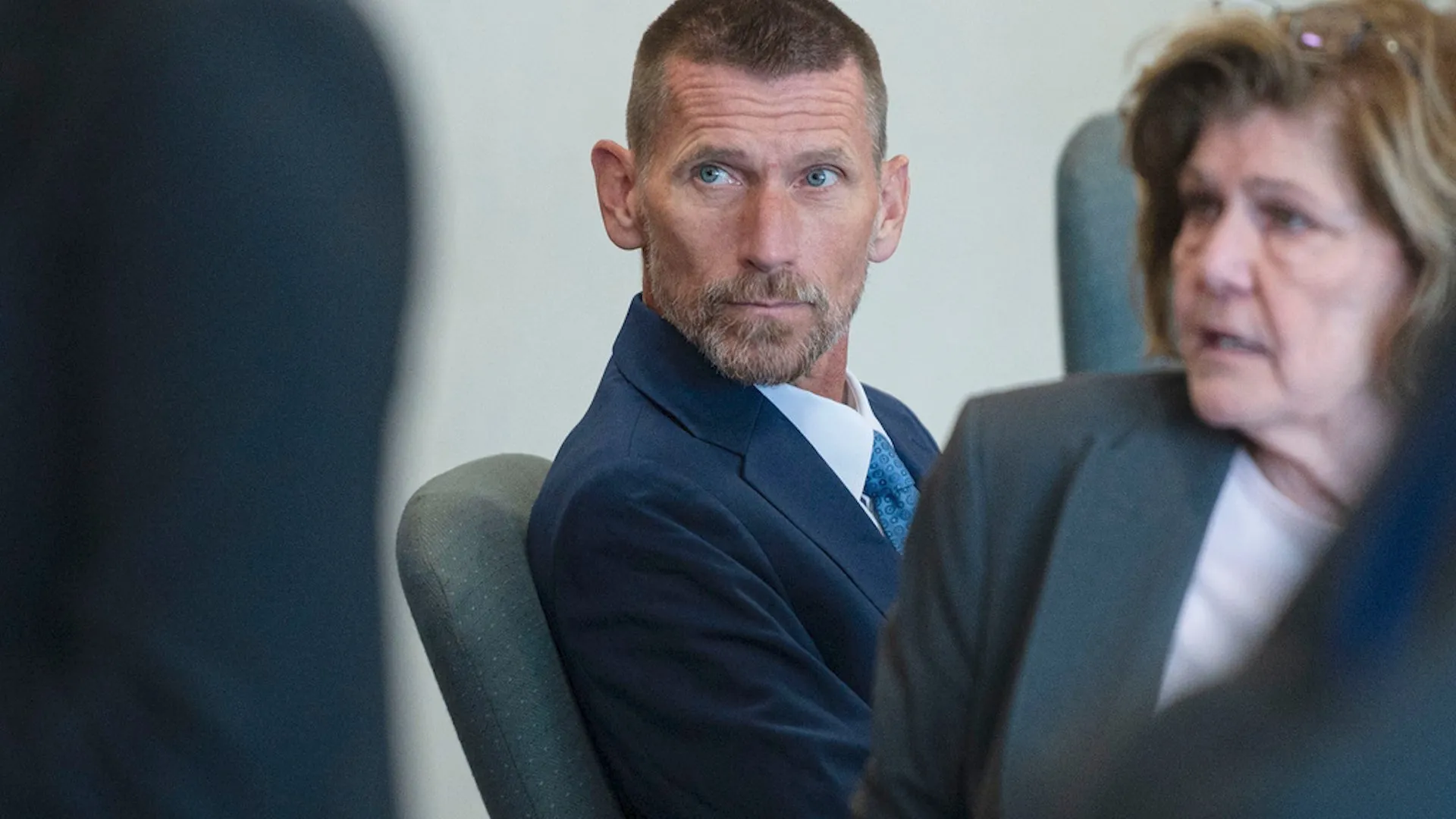
In a decisive turn for a case that drew national scrutiny, a Vermont jury has convicted Jason Eaton of three counts of attempted second-degree murder. The charges stem from a November 2023 attack in which three Palestinian college students were targeted and shot. The trial, which concluded in September 2026, hinged on the defendant's mental state at the time of the incident.
During the week-long proceedings, Eaton’s defense team attempted to leverage an insanity defense, suggesting he lacked the requisite intent due to his mental condition. However, the jury explicitly rejected these arguments, finding the evidence sufficient to move forward with the attempted murder conviction. The verdict marks the conclusion of a legal chapter that began nearly three years prior, bringing a measure of closure to the victims of the high-profile shooting.
In contrast to the Vermont decision, the trial of Lindsay Clancy ended in a stalemate earlier this month. Clancy, 36, faced three counts of first-degree murder following the 2023 strangulation of her three children—Cora, Dawson, and Callan—in their family home. The case brought the debate over postpartum psychosis to the forefront of the American legal conversation.
The jury, consisting of nine women and three men, spent nearly 40 hours in deliberation before the judge declared a mistrial on September 4, 2026. Insights from the jury room suggest that the panel was divided 11-1 in favor of finding Clancy not criminally responsible. However, one juror, Michael Desronvil, stood as the lone holdout. Desronvil publicly stated he had no doubts that Clancy planned the killings, asserting that the physical evidence presented ng the foreperson, described the process as an "emotional rollercoaster" as they attempted to reach a unanimous consensus on whether the defendant's actions were the result of a severe medical condition or calculated intent.
For the Lindsay Clancy case, the declaration of a mistrial leaves the prosecution with several difficult paths forward. Prosecutors must now decide whether to retry the case or seek a plea agreement, an outcome that would likely require a deep re-evaluation of the evidence presented during the initial trial. The public nature of the juror disagreements may complicate jury selection for any future proceedings.
Regarding the case of Jason Eaton, the conviction moves the process into the sentencing phase. Given the nature of the attempted murder charges, legal experts anticipate that the court will focus on determining the appropriate term of incarceration, weighing the severity of the crime against any documented factors that may influence a judge's final decision. For both cases, the legal aftermath continues to weigh heavily on the affected communities and the families of the victims involved.