

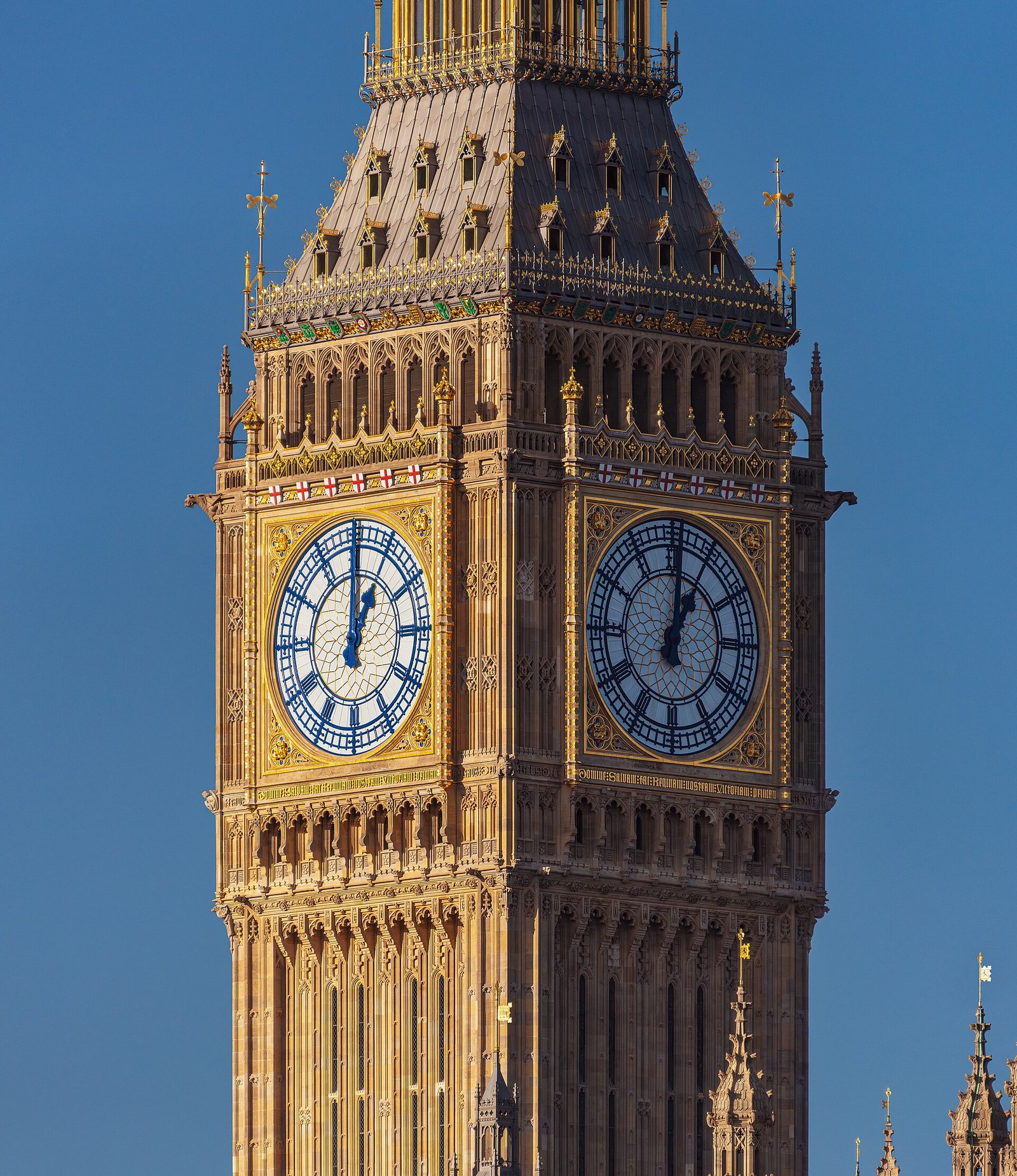
Two days ago, on Sunday, November 1, most Americans turned their clocks back for what may be one of the last times — or not. In July, the House of Representatives voted by a wide margin to make daylight saving time permanent and end the twice-yearly ritual for good. The bill is sitting in the Senate. Until it moves, the old rules hold, and the next change is already on the calendar: Sunday, March 14, 2027. Here are all the 2027 dates for the US and UK, the places that never change their clocks, and where the “lock the clock” fight actually stands.
Key points
- United States, 2027: daylight saving time begins Sunday, March 14 (clocks forward one hour at 2 a.m.) and ends Sunday, November 7 (clocks back one hour at 2 a.m.).
- United Kingdom, 2027: British Summer Time begins Sunday, March 28 and ends Sunday, October 31 — the US and UK change on different weekends, briefly shrinking the transatlantic time gap.
- Hawaii, most of Arizona and five US territories stay on standard time year-round and never change.
- The Sunshine Protection Act — which would make daylight time permanent — passed the House 308–117 on July 14, 2026 and awaits a Senate vote. Senators return from their election recess this week.
- If the Senate does not pass it before this Congress ends, the bill dies and the 2027 changes go ahead as scheduled.
The 2027 dates — United States
Under the Energy Policy Act of 2005 — the rules in force since 2007 — daylight saving time in the United States:
- Begins Sunday, March 14, 2027, at 2:00 a.m. local time. Clocks “spring forward” one hour to 3:00 a.m. You lose an hour of sleep; sunrise and sunset both arrive an hour later by the clock.
- Ends Sunday, November 7, 2027, at 2:00 a.m. local time. Clocks “fall back” one hour to 1:00 a.m., returning the hour — the same change most of the country just made on November 1, 2026.
The mnemonic is reliable: spring forward, fall back. Phones, computers and most connected devices reset themselves overnight; the clocks that catch people out are the manual ones — ovens, microwaves, cars and wall clocks.
The 2027 dates — United Kingdom
Britain changes on different rules — and different weekends. British Summer Time (BST):
- Begins Sunday, March 28, 2027, at 1:00 a.m., when clocks go forward one hour.
- Ends Sunday, October 31, 2027, at 2:00 a.m., when clocks go back one hour to GMT.
That mismatch matters for anyone working, calling or travelling across the Atlantic. The US springs forward two weeks before the UK and falls back one week after it, so for three weeks of 2027 — March 14–28 and October 31–November 7 — the normal five-hour gap between New York and London shrinks to four hours. Meeting invitations and flight connections in those windows are the ones that go wrong.
Who never changes the clocks
Not all of America takes part. Under the Uniform Time Act of 1966, a state may opt out of daylight saving time entirely and stay on standard time all year — and two states have:
- Hawaii, which sits close enough to the equator that daylight barely shifts across the year.
- Most of Arizona — with one famous exception: the Navajo Nation, which spans three states, observes daylight saving time so the nation keeps one time within its borders. (The Hopi reservation, entirely inside the Navajo Nation, follows Arizona — making one corner of the state a working lesson in time-zone geography.)
Five US territories also stay on standard time year-round: American Samoa, Guam, the Northern Mariana Islands, Puerto Rico and the US Virgin Islands.
What a state may not do on its own is the reverse: federal law does not allow a state to adopt permanent daylight time without Congress. That single legal fact is why the fight below is happening in Washington and not in state capitals — even though 19 states have already passed permanent-daylight-time laws that sit dormant, waiting to spring into effect the moment Congress allows it, and 16 states introduced further time bills in 2026 alone (National Conference of State Legislatures).
Will the clock change be abolished? The Sunshine Protection Act, explained
The bill is H.R. 139, the Sunshine Protection Act, introduced by Representative Vern Buchanan of Florida. It would amend the Uniform Time Act to make daylight saving time — the March-to-November setting — the year-round time for states that observe it. Sunset in December would come an hour later; so would sunrise, leaving winter mornings darker. States already on permanent standard time would not be forced to switch. Crucially, the bill carries no delayed start date: if it becomes law, it takes effect immediately.
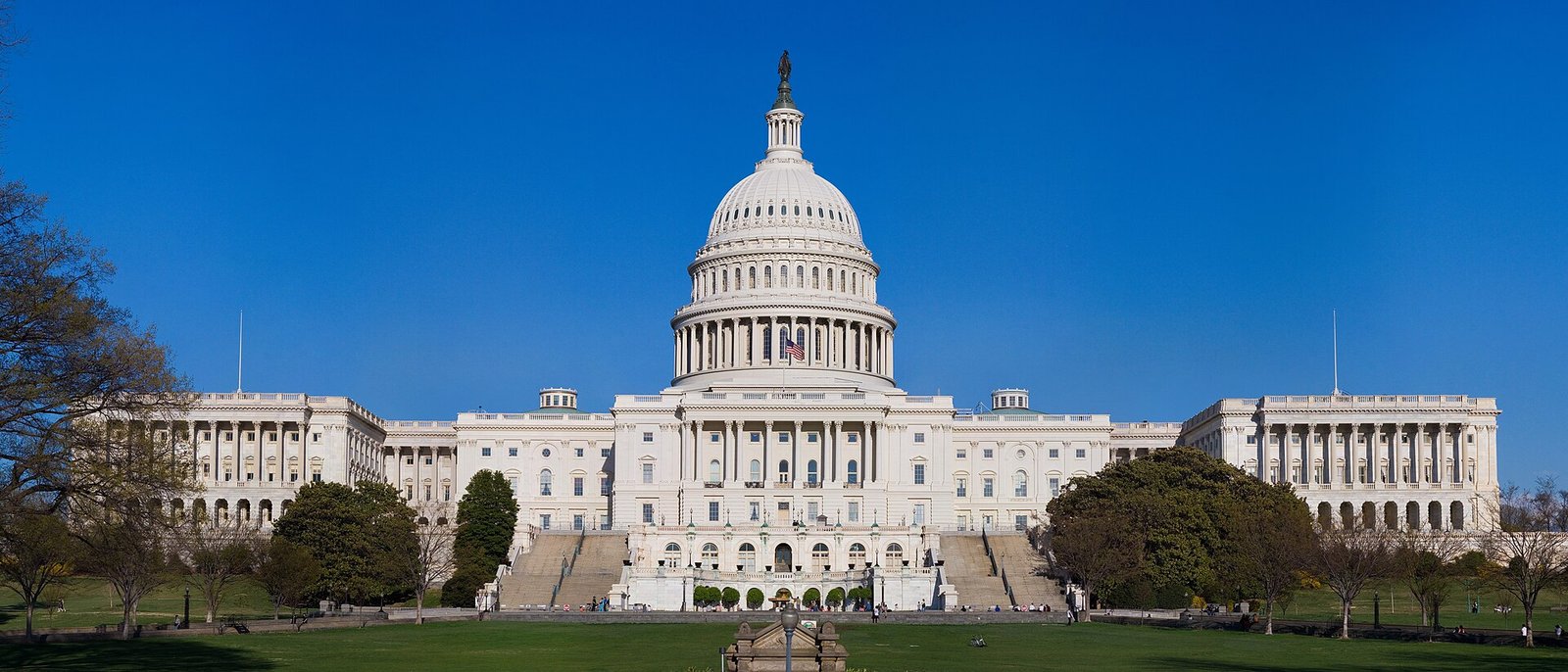
Where it stands (November 3, 2026):
- The House passed it on July 14, 2026, by 308–117 — a genuinely bipartisan margin, with President Trump’s support behind it.
- It reached the Senate on July 15 and was referred to the Commerce, Science, and Transportation Committee. It has not received a Senate vote. Our coverage has tracked both the Senate’s deadline pressure on permanent daylight saving time and the long legislative struggle behind it.
- The Senate has been away on an extended election recess and returns after the November 3 midterms — into a crowded post-election calendar that also holds the December 11 federal funding deadline (the stakes of which are laid out in our guide to what happens during a government shutdown).
- Supporters can point to precedent: in March 2022 the Senate passed this same bill by unanimous consent — then the House never took it up and it died. This year the chambers have reversed roles, and Senator John Kennedy has told Reuters he believes the proposal is “dead as disco” in the Senate. Both things can be true: the bill is one vote from the President’s desk, and that vote may never be scheduled.
- If this Congress adjourns without Senate passage, the bill expires and supporters must start again in the next Congress — and the March 14, 2027 spring-forward happens on schedule.
One twist in the debate: ending the change is popular; which time to lock in is not agreed. The American Academy of Sleep Medicine responded to the House vote by opposing permanent daylight time and urging permanent standard time instead, arguing it aligns better with human circadian biology. The Sunshine Protection Act chooses the other side of that argument — later evenings, darker winter mornings.
Why do we change the clocks at all?
The short version: energy and evening daylight. Daylight saving time was standardised nationally by the Uniform Time Act of 1966, and the current March-to-November span dates from the Energy Policy Act of 2005, which lengthened it by several weeks from 2007. The theory is that shifting an hour of daylight from early morning — when most people are asleep — to the evening saves energy and puts more usable light into the hours people are awake and active. Whether the energy savings still materialise in an era of LEDs, air conditioning and remote work is exactly the argument Congress keeps having; what is not in dispute is the disruption — two weekends a year when sleep schedules, school runs and shift rotas all shift by an hour overnight.
Plan around the light
If you plan travel, calls or events around daylight, pair this page with our 2027–2028 eclipse calendar — the year’s best sky events, several of which land on the long evenings daylight time creates. And set a reminder for the two weekends that matter: March 14 and November 7, 2027 in the US; March 28 and October 31 in the UK — unless the Senate turns both of them into ordinary Sundays first.
Frequently asked questions
When do the clocks change in 2027?
In the United States, clocks spring forward on Sunday, March 14, 2027 and fall back on Sunday, November 7, 2027. In the United Kingdom, British Summer Time runs from Sunday, March 28 to Sunday, October 31, 2027.
Do clocks go forward or back in March?
Forward. In March the clock jumps from 2:00 a.m. to 3:00 a.m. local time — “spring forward” — and you lose an hour of sleep. The hour comes back in November (“fall back”).
Will daylight saving time be made permanent in 2027?
Possibly — it depends entirely on the US Senate. The Sunshine Protection Act, which would make daylight time permanent, passed the House 308–117 in July 2026 and takes effect immediately if it becomes law. If the Senate passes it before this Congress ends, the March 2027 change could be cancelled; if not, the bill expires and the changes proceed as scheduled.
Which states do not observe daylight saving time?
Hawaii and most of Arizona stay on standard time year-round (the Navajo Nation in Arizona does observe DST), as do American Samoa, Guam, the Northern Mariana Islands, Puerto Rico and the US Virgin Islands.
Why do the US and UK change on different dates?
They follow different laws: the US uses the second Sunday in March and the first Sunday in November; the UK uses the last Sundays of March and October. In 2027 that leaves three weeks — mid-to-late March and one week at the turn of November — when New York and London are four hours apart instead of the usual five.
What is the difference between permanent daylight time and permanent standard time?
Permanent daylight time locks in the summer setting (later sunrises and sunsets all year); permanent standard time locks in the winter setting. States can choose permanent standard time on their own today; permanent daylight time needs an act of Congress — which is what the Sunshine Protection Act is.
Sources
- US Senate / Congress.gov — H.R. 139, Sunshine Protection Act of 2025 (119th Congress): House passage July 14, 2026 (308–117); received in the Senate July 15, 2026, referred to the Committee on Commerce, Science, and Transportation; no later action listed: https://www.congress.gov/bill/119th-congress/house-bill/139
- USA Today — These 19 states want to make daylight saving time permanent (October 28, 2026): https://www.usatoday.com/story/news/nation/2026/10/28/states-making-daylight-saving-time-permanent-list/92438503007/
- NorthJersey.com — Daylight saving time ends in 2 weeks; will Senate ever make it permanent? (October 19, 2026): https://www.northjersey.com/story/news/2026/10/19/daylight-savings-time-permanent-senate-vote-trump-2026/92326582007/
- Farmers’ Almanac — The Push to “Lock the Clock” (updated October 2026): https://www.farmersalmanac.com/states-permanent-daylight-saving-time
- US Department of Transportation — Daylight Saving Time (the Uniform Time Act framework): https://www.transportation.gov/regulations/daylight-saving-time
- GOV.UK — When do the clocks change? (British Summer Time begins the last Sunday of March and ends the last Sunday of October): https://www.gov.uk/when-do-the-clocks-change
1 comment on “When Do the Clocks Change in 2027? US and UK Dates — and the Fight to Make Daylight Saving Permanent”